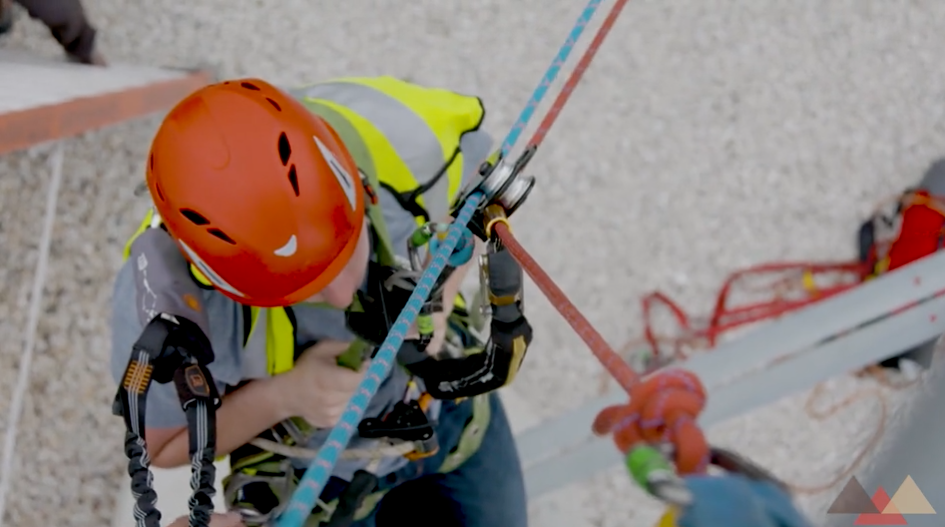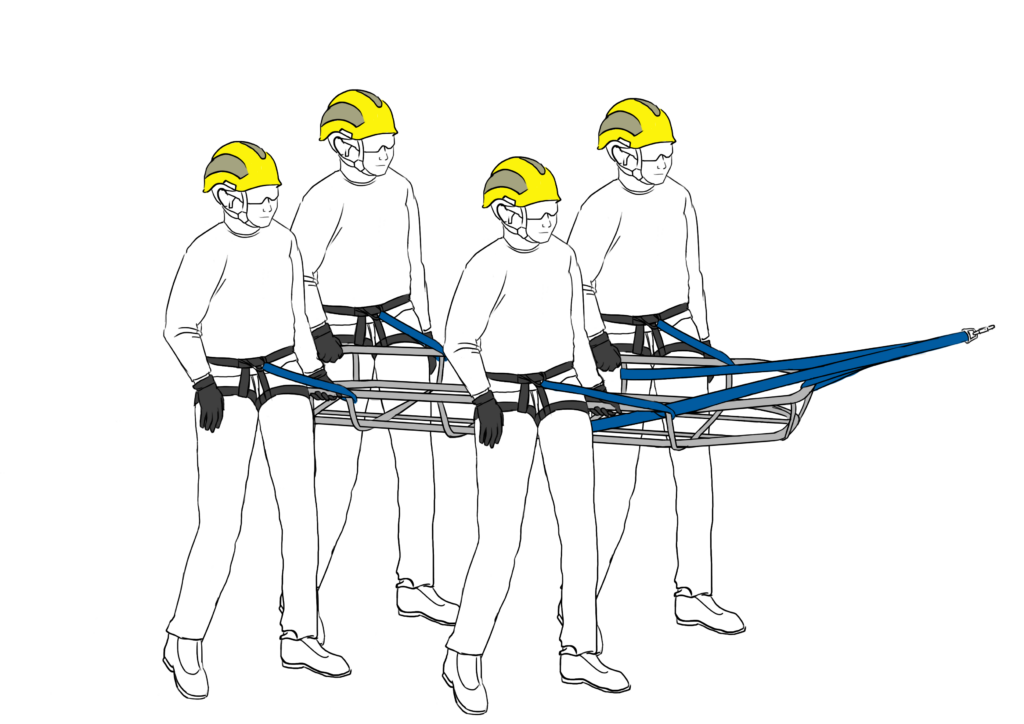
Litter Operations

Floating Litter Operations on Tensioned Track Line Systems

Floating Litter Operations on Tensioned Track Line Systems

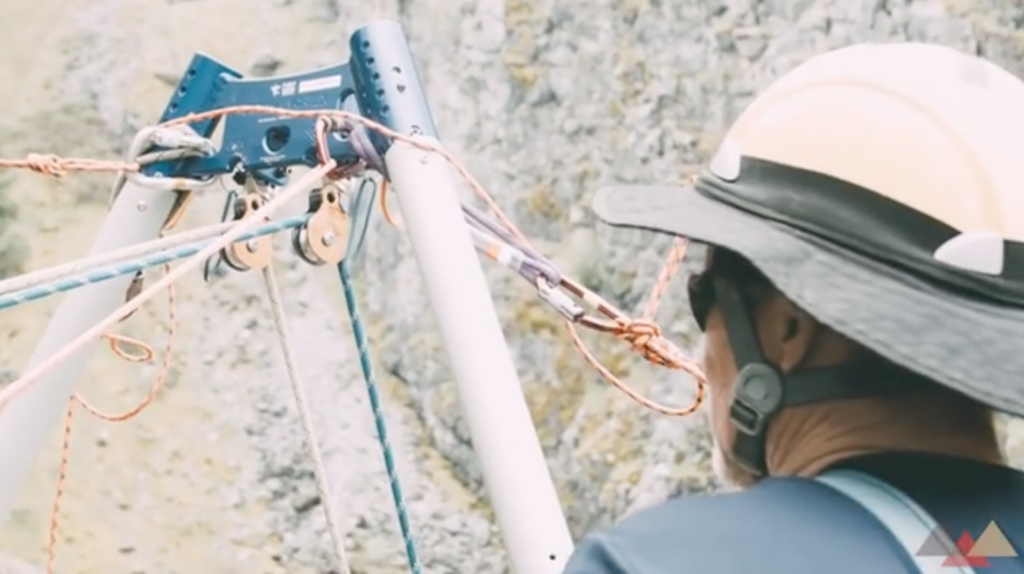
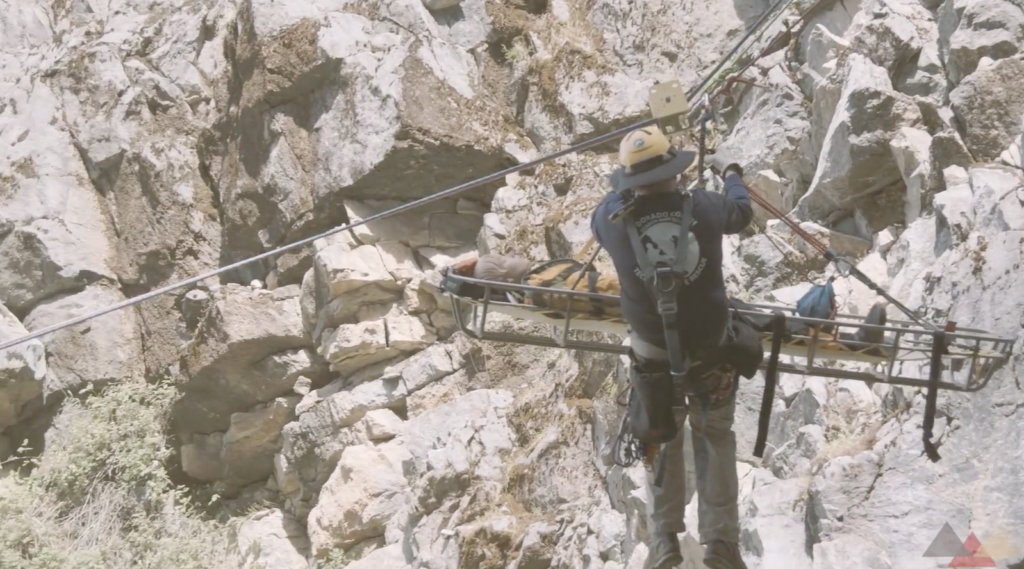
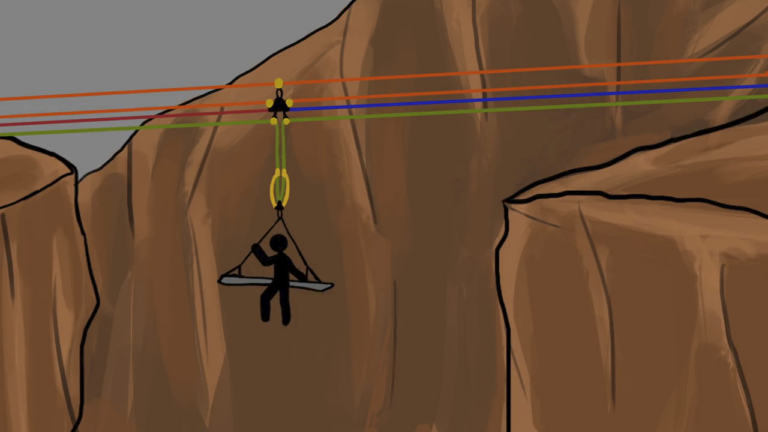
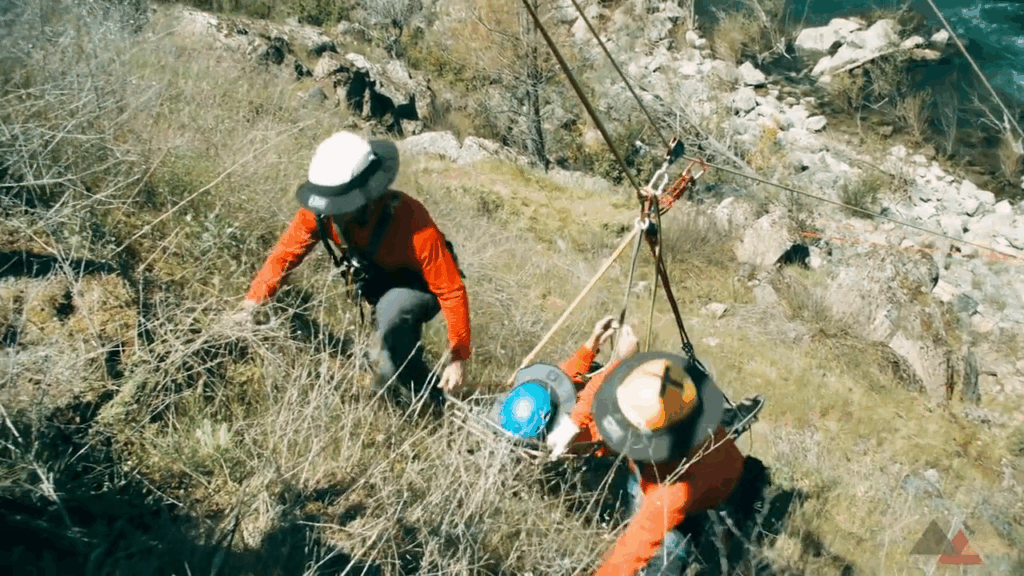
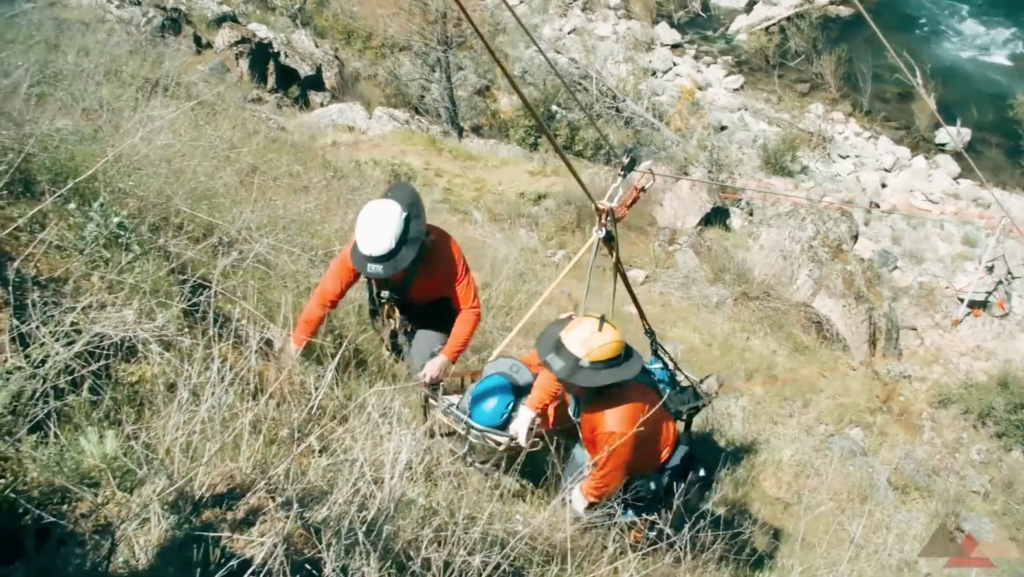
Floating Litter Operations on Tensioned Track Line Systems Moving a patient through steep terrain often creates a conflict between control and efficiency. Ground-based litter movement can expose rescuers to unstable footing, vegetation, loose rock, and changing slope angles. Fully suspended systems eliminate terrain contact but may require more complex rigging and operational coordination. Floating litter […]

Floating Litter Operations on Tensioned Track Line Systems Read More »
Sideways A-Frame Systems for Vertical Positioning and Horizontal Control

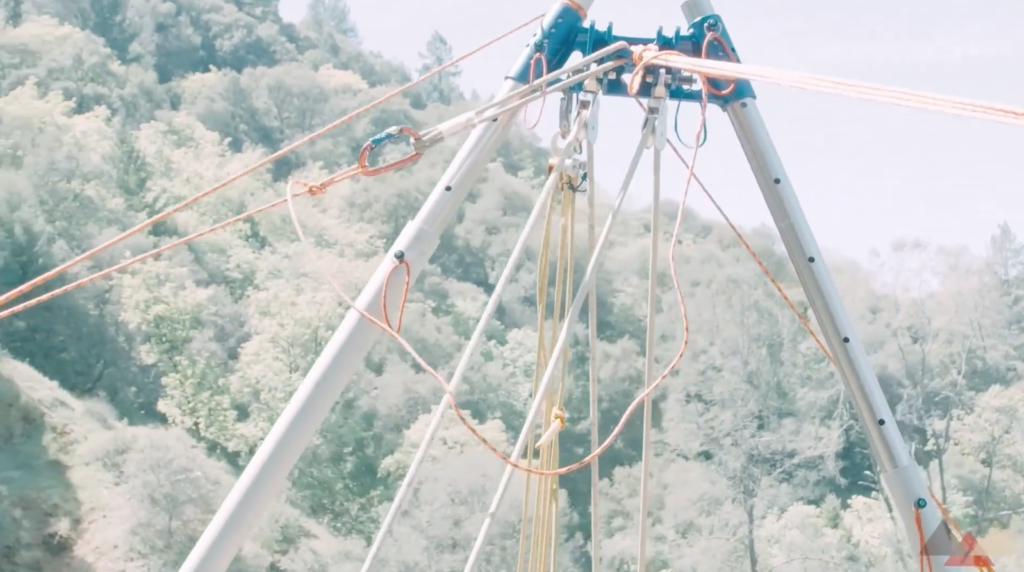
Sideways A-Frame Offset System for Vertical Positioning and Horizontal Control

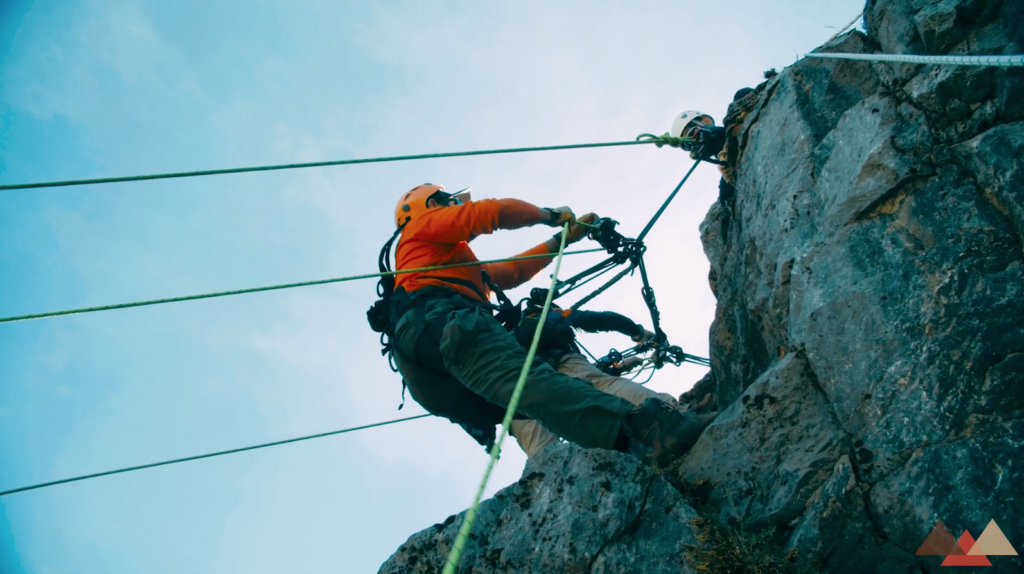
Dynamic Directional Offsets and Active Load Positioning Offset systems are often described as methods for moving a load away from a cliff face or obstacle. While that description is technically correct, it does not fully explain the operational value of a dynamic offset. Unlike fixed transportation systems that move a load along a predetermined path,

Sideways A-Frame Offset System for Vertical Positioning and Horizontal Control Read More »

Directional Frame Raises and Edge Transition Management

Directional Frame Raises and Edge Transition Management

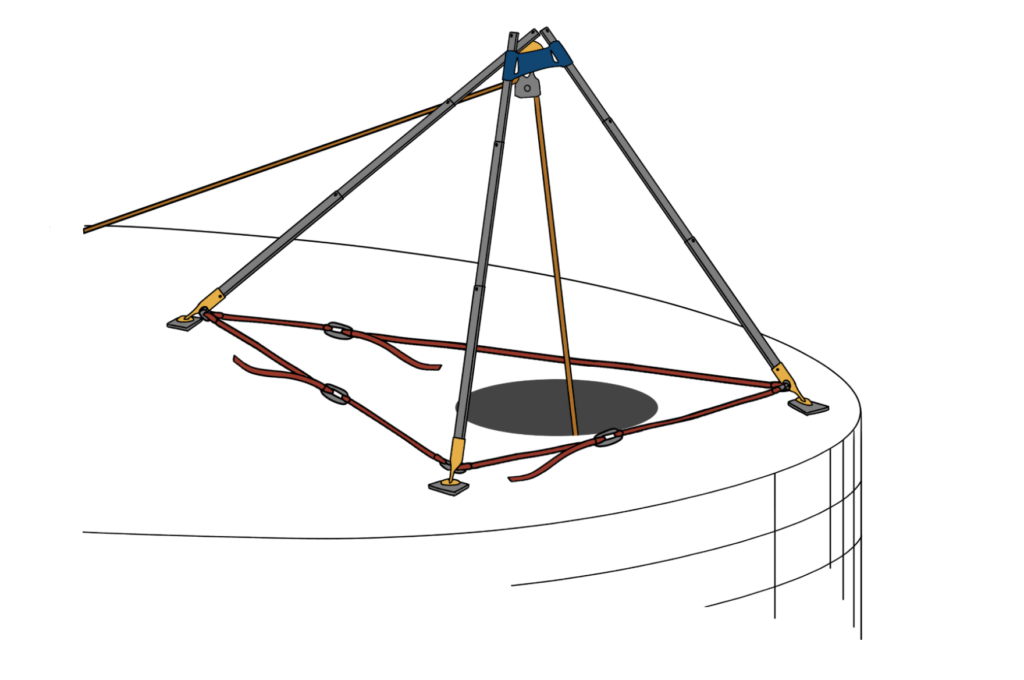
Directional Frame Raises and Edge Transition Management Vertical rescue operations often focus on the raising system itself. Mechanical advantage, hauling efficiency, and load control frequently dominate the discussion. Yet many difficult raises are not defined by what happens below the edge. They are defined by what happens when the load reaches it. The edge transition

Directional Frame Raises and Edge Transition Management Read More »

TTRS Dynamic Directional AHD

Hybrid High Directional Systems for Vertical and Horizontal Rescue Operations

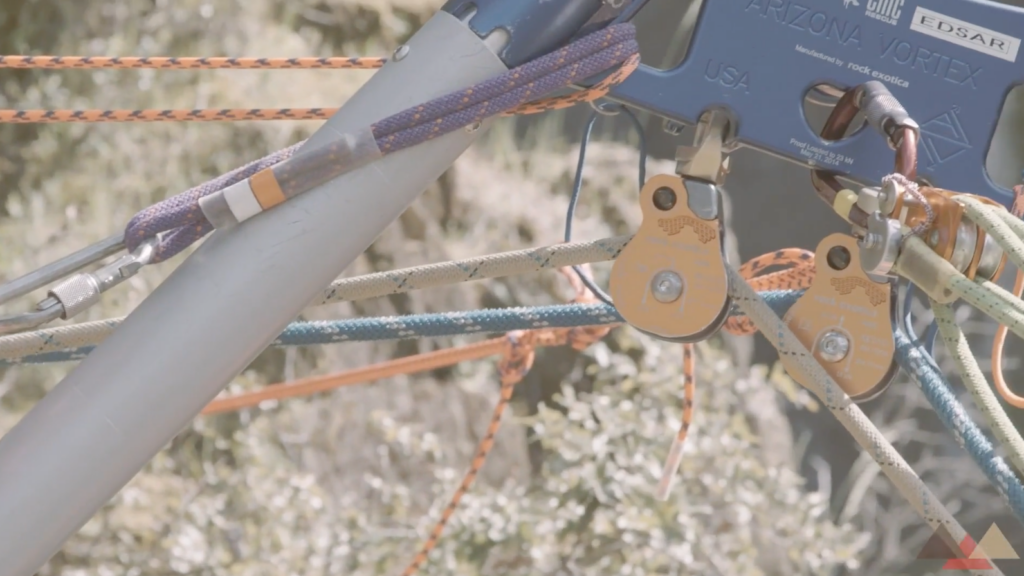
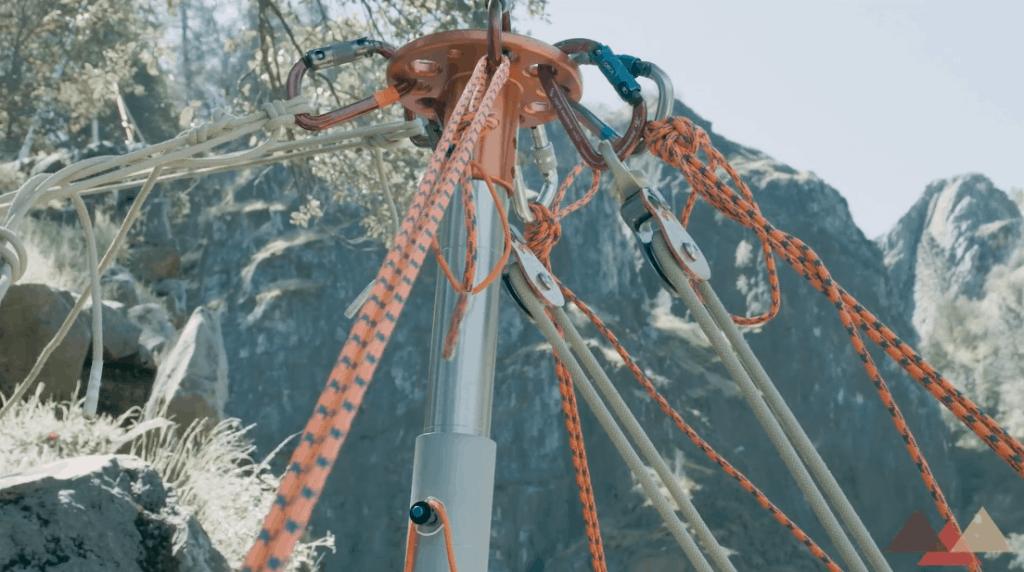
Hybrid High-Directional Systems for Vertical and Horizontal Rescue Operations Technical rescue systems are often categorized by their primary function. Some systems are designed to manage vertical movement. Others are designed to support horizontal transportation. Complex terrain, however, rarely presents a single movement problem. Rescuers may need to raise a patient from below a cliff edge,

Hybrid High Directional Systems for Vertical and Horizontal Rescue Operations Read More »

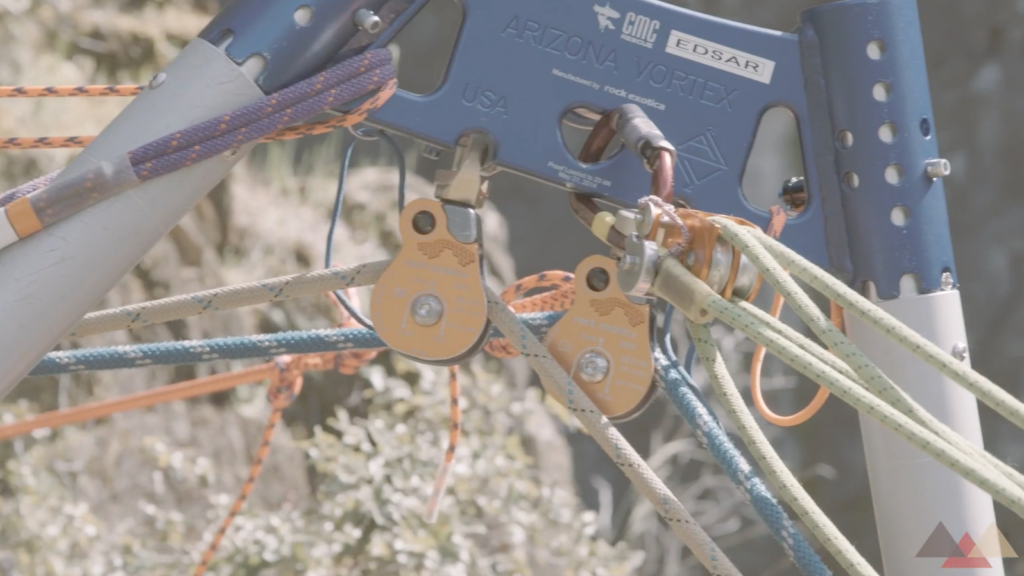
AHD Vortex Gin Pole in TTRS Skate Block

Two Tensioned Rope Systems and Tensioned Track Line Transitions in Canyon Rescue

From Two-Tensioned Rope Systems to Tensioned Track Lines Managing Redundancy, Load Sharing, and System Transitions in Canyon Rescue Technical rescue operations rarely fail because rescuers cannot build a lowering system. They fail because rescuers lose control of force during transitions. This becomes especially apparent in canyon environments where a rescue may begin as a vertical

Two Tensioned Rope Systems and Tensioned Track Line Transitions in Canyon Rescue Read More »

Litter Package Terminal_Learning

Patient Packaging Building a Transport-Ready Patient for Technical Rescue

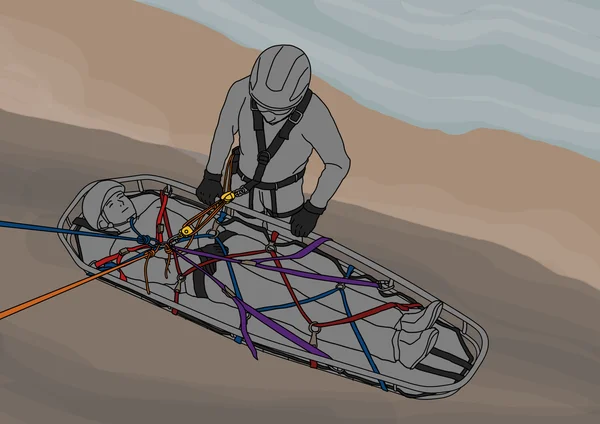
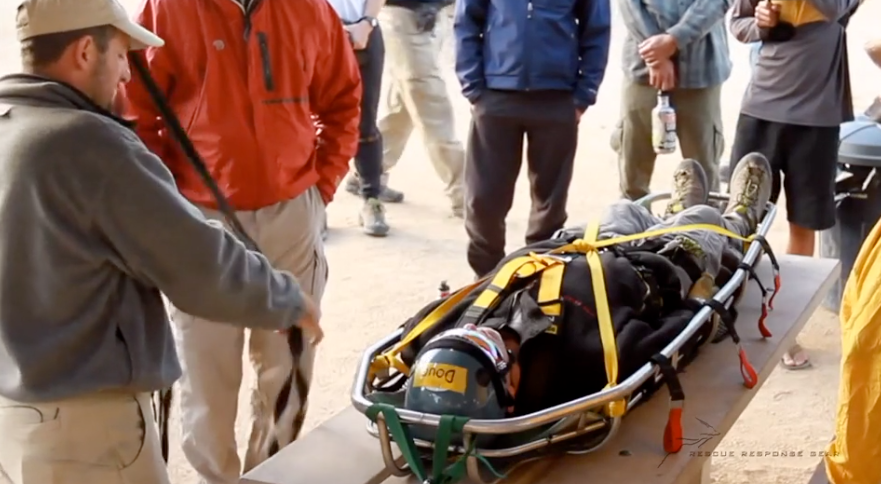
Patient packaging is the bridge between patient care and technical rescue. Before a litter is attached to a rope system, before a haul team begins raising, and before a lowering operation moves over an edge, rescuers must first address a more immediate concern: preparing the patient for transportation. The technical rescue environment introduces forces, movement,

Patient Packaging Building a Transport-Ready Patient for Technical Rescue Read More »

Rigging Lab Academy CORE Squad Training

Why Growing Rescue Programs Use RLA CORE Squad

Squad Is Where Rescue Training Stops Being Informal Most rescue organizations begin with motivated individuals. A few strong technicians train consistently, absorb outside instruction, attend conferences, build systems together, and gradually become the operational backbone of the team. Over time, these individuals start carrying increasing responsibility inside the organization. One person becomes the training officer.

Why Growing Rescue Programs Use RLA CORE Squad Read More »

RLA CORE Task Force Rescue Team

Why Large Rescue Organizations Use RLA CORE Task Force

Large Rescue Organizations Do Not Struggle With Information By the time a rescue organization reaches the Task Force level, the issue is rarely access to training material. Most large organizations already possess skilled technicians, experienced instructors, operational history, and substantial equipment capability. The real challenge is maintaining technical coherence across the entire rescue ecosystem. That

Why Large Rescue Organizations Use RLA CORE Task Force Read More »

RLA CORE Team Subscription

Why Rescue Departments Use RLA CORE Team for Operational Consistency

As Rescue Organizations Grow, Training Drift Multiplies Small crews can often maintain consistency through close operational proximity. Team members train together regularly, communicate frequently, and naturally reinforce each other’s understanding over time. Once organizations begin scaling beyond that size, the challenge changes completely. Different shifts begin developing different habits. Instructors emphasize different priorities. Operational terminology

Why Rescue Departments Use RLA CORE Team for Operational Consistency Read More »

RLA CORE CREW

Why Small Rescue Crews Use RLA CORE for Technical Rescue Consistency

Small Rescue Crews Operate Differently Than Large Departments Most small rescue teams do not have the luxury of large training divisions, dedicated instructional staff, or personnel assigned to a single operational discipline. Crew members often wear multiple hats. The same person handling anchors during one evolution may transition into edge operations, litter management, haul systems,

Why Small Rescue Crews Use RLA CORE for Technical Rescue Consistency Read More »

RLA CORE Essentials

Why Individual Rescuers Choose RLA CORE Essentials for Rope Rescue Training

RLA CORE Essentials Was Built for the Individual Rescuer Not every rescuer trains inside a large department with unlimited resources, dedicated instructors, or highly structured operational development. Many technicians are responsible for building their own competency outside of scheduled drills, annual refreshers, or occasional certification courses. That reality creates a problem. Without a consistent training

Why Individual Rescuers Choose RLA CORE Essentials for Rope Rescue Training Read More »

Rigging Lab Academy CORE

Why Teams Choose RLA CORE for Technical Rescue Training

Why Rescue Teams Are Moving Toward Structured CORE Training Most rescue teams do not struggle because they lack effort. They struggle because knowledge becomes fragmented over time. Different instructors teach different methods. Team members develop habits based on local culture rather than system logic. Equipment changes faster than operational understanding. Eventually, even experienced teams begin

Why Teams Choose RLA CORE for Technical Rescue Training Read More »

patient packaging and litter movement

Litter Operations and Patient Evacuation in Technical Rescue

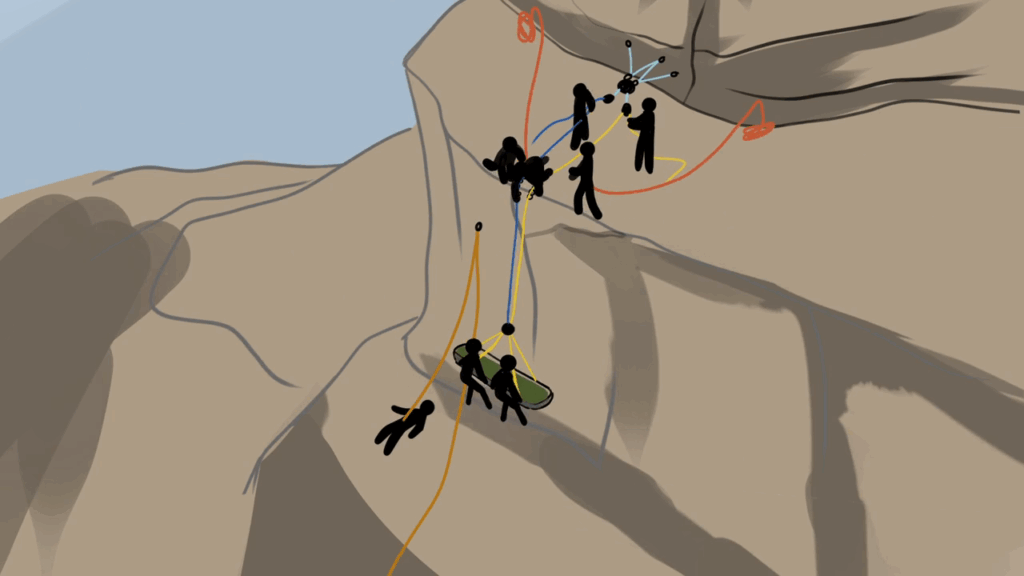
Sign Up for Free E-Book Litter Operations and Patient Evacuation in Technical Rescue Technical rescue environments rarely fail because of a lack of gear. More often, they fail because teams underestimate movement, terrain transitions, communication breakdowns, or the physical demands of transporting a patient through difficult ground. Litter operations sit at the center of all

Litter Operations and Patient Evacuation in Technical Rescue Read More »

litter operations

Patient Packaging and Transport Architecture in Rope Rescue

1. Executive Purpose and Scope In technical rescue, patient packaging is not an accessory task performed “before the rigging starts.” It is the first structural decision in the evacuation system because it determines how the patient will behave as a load once gravity, friction, and motion are introduced. Packaging converts an injured person into a

Patient Packaging and Transport Architecture in Rope Rescue Read More »

floating the patient terrain assessment

Building a Rope Rescue Team with Terrain Awareness and Training Manuals

Congratulations on stepping into leadership for your search and rescue ropes team. It’s no small task. Building a rope rescue team requires more than equipment — it demands a keen understanding of terrain, a plan to close knowledge gaps, and a structured training manual that evolves with your team. These three pillars form the backbone

Building a Rope Rescue Team with Terrain Awareness and Training Manuals Read More »

climber fall rescue - 5 First Principles of Rescue Rigging

Climber Rescue Team Using Twin Tension Rope Systems

Climber Rescue Team Using Twin Tension Rope Systems A climber begins their ascent. Movements are steady and deliberate. Each step shows control. But even skilled climbers can fall. And when they do, preparation makes the difference and it is here we see a Climber Rescue Team Using Twin Tension Rope Systems. The Fall: Fast Response

Climber Rescue Team Using Twin Tension Rope Systems Read More »

Hybrid Patient Connection Setup with Skate Block and Tracking Line

Hybrid Patient Connection Setup Skate Block and Tracking Line

Hybrid Patient Connection Setup with Skate Block and Tracking Line In this horizontal rescue setup, the team demonstrates a hybrid patient connection system combining a skate block line over a tracking line, offering both smooth movement and built-in redundancy. The configuration prioritizes patient safety while keeping the rigging clean and manageable. Let’s walk through the

Hybrid Patient Connection Setup Skate Block and Tracking Line Read More »

Litter Operations and Patient Evacuation

Litter Operations and Patient Evacuation

Litter operations are the backbone of modern rope rescue teams, embodying the precision and care required to transport injured patients across challenging terrains. Whether navigating steep cliffs, confined spaces, or uneven wilderness, the ability to package and safely maneuver a patient in a litter is a defining skill for any team dedicated to rescue excellence.

Litter Operations and Patient Evacuation Read More »

Online On-Demand Training-The Hierarchy of Rope Rescue Learning Pathway - Strategic Gear Purchasing for Rescue Teams - Class 5 Litter Handling Techniques

The Hierarchy of Rope Rescue Learning Pathway

The Hierarchy of Rope Rescue Learning Pathway Rope rescue is not just about strength and bravery—it’s a meticulous process grounded in science and methodical learning. By understanding the physics and technical demands behind each aspect of rescue, teams can work more efficiently and safely. This blog delves into the key components of rope rescue training,

The Hierarchy of Rope Rescue Learning Pathway Read More »