rescue rigging

two tension twin tension lower single operator back tension safety

CMC Clutch Twin Tension Two Tension Lower

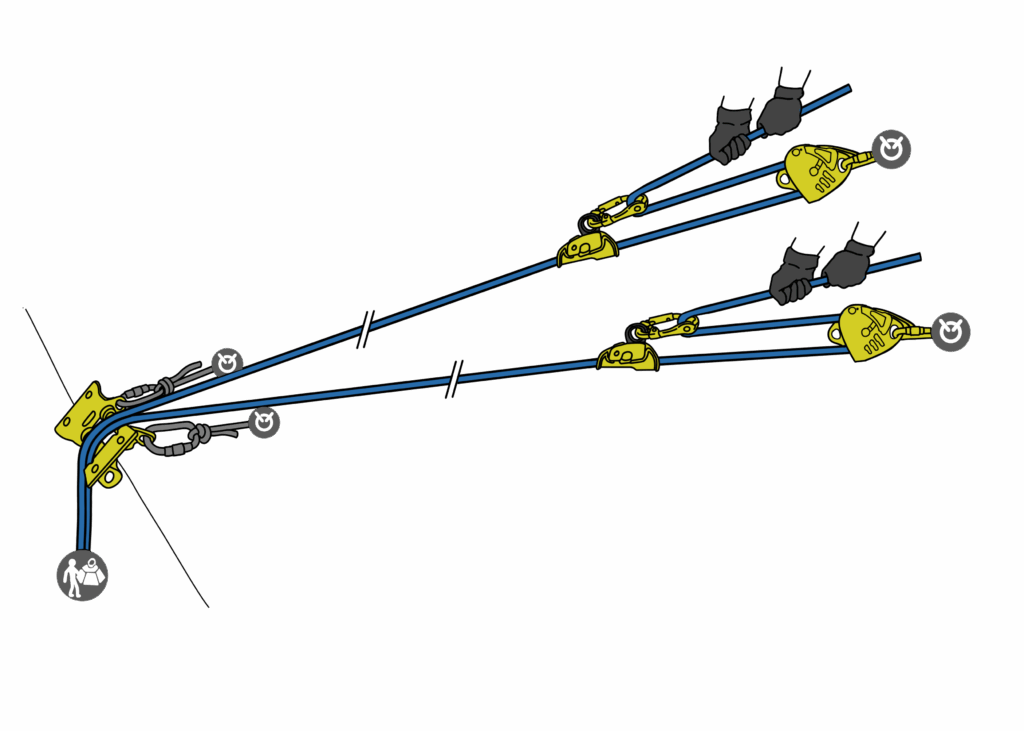
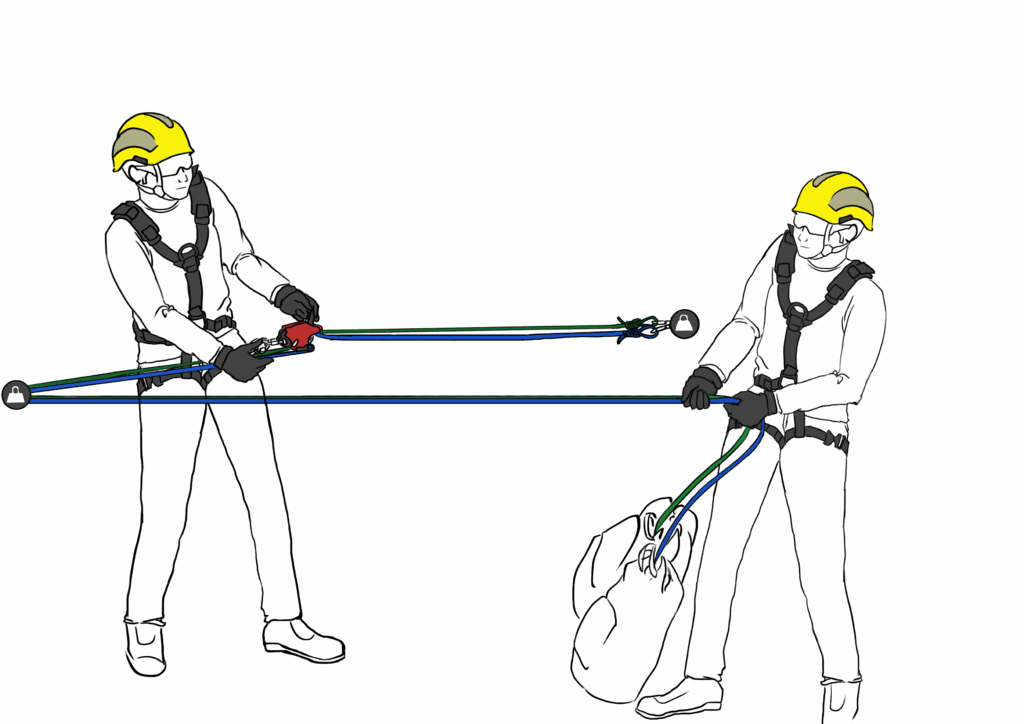
The CMC Clutch Twin Tension Two Tension Lower has become a defining standard in modern rope rescue systems. By integrating the Clutch into a Twin Tension Rope System (TTRS), rescuers can achieve smoother control, balanced load distribution, and built-in redundancy. Whether lowering or raising, the Clutch ensures safe transitions, adaptability across rescue environments, and confidence […]

CMC Clutch Twin Tension Two Tension Lower Read More »

Rope Rescue Math and Aerial Ladder Torque Management

Rope Rescue Math and Aerial Ladder Torque Management

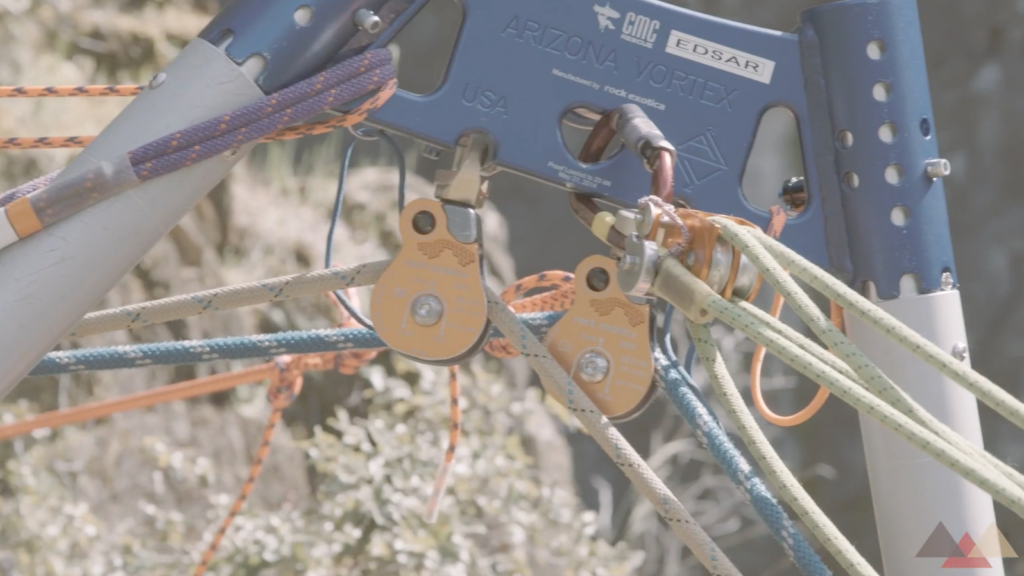
Rope Rescue Math and Aerial Ladder Torque Management In rope rescue, a high-directional such as an aerial ladder can be an invaluable elevated anchor—if it’s rigged correctly. The forces at play are not intuitive, and relying on firefighting ratings or guesswork can lead to dangerously overloaded systems.This guide explains the math behind high-directional loading, how

Rope Rescue Math and Aerial Ladder Torque Management Read More »

Rope Rescue Math – Understanding High-Directional Forces

Rope Rescue Math Guide to High Directional Forces

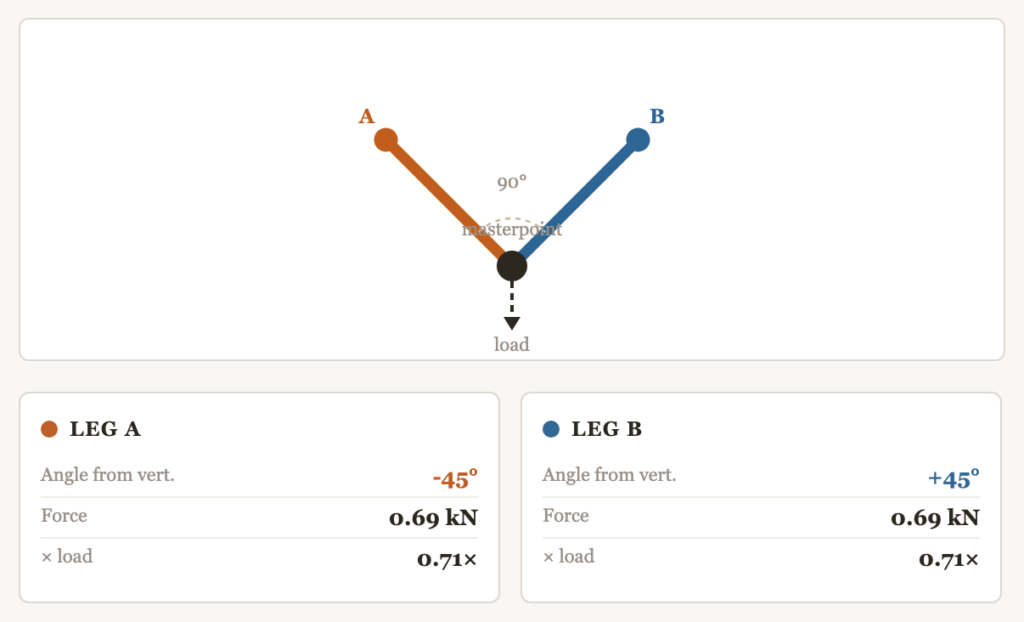
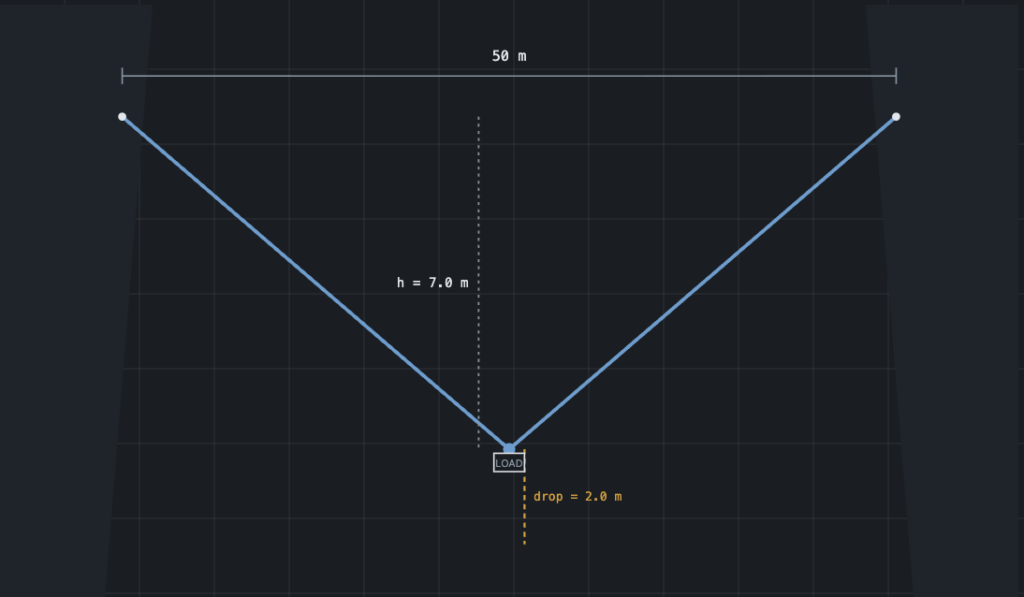
Rope Rescue Math – Understanding High-Directional Forces In rope rescue, knowing the numbers can be the difference between a safe system and one that’s on the edge of failure. When working with high-directionals—such as aerial ladders, tripods, or A-frames—forces don’t just act straight down; they spread out along multiple paths. The diagrams you’ve seen are

Rope Rescue Math Guide to High Directional Forces Read More »

STRS lower

Lowering with Confidence Using the Single-Tensioned Rope System

A Lowering System Built on Simplicity and Redundancy The Single-Tensioned Rope System (STRS) is a rope rescue method that uses one rope to support and lower a load, while a second, redundant rope acts as a passive belay. The defining characteristic of this system is its asymmetric loading: only one rope is actively under tension

Lowering with Confidence Using the Single-Tensioned Rope System Read More »

Trackline Skate Blocks and the Art of Horizontal Rope Rescue

Trackline Skate Blocks and the Art of Horizontal Rope Rescue

Trackline Skate Blocks and the Art of Horizontal Rope Rescue Not all rope rescues go up or down. Some go sideways—and those call for a different set of tools and skills. Trackline Skate Blocks solve the problem of horizontal movement across open spans, rough terrain, or tight industrial structures. In these situations, vertical lifts won’t

Trackline Skate Blocks and the Art of Horizontal Rope Rescue Read More »

dynamic hauling systems a-frame and monopod

Dynamic Directional Hauling with A-Frame and Monopod Systems

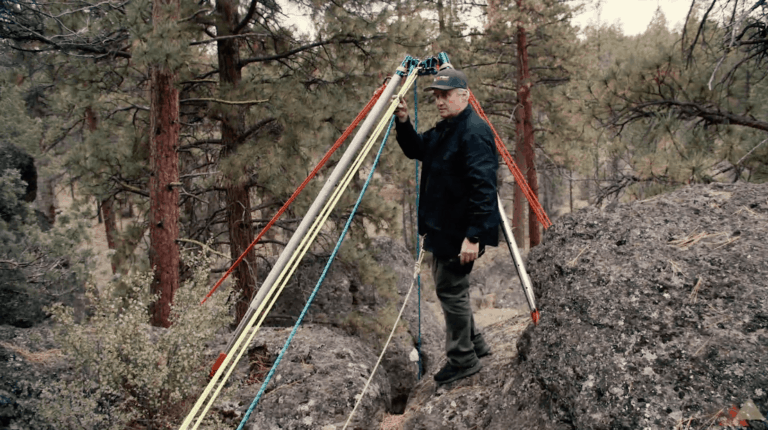
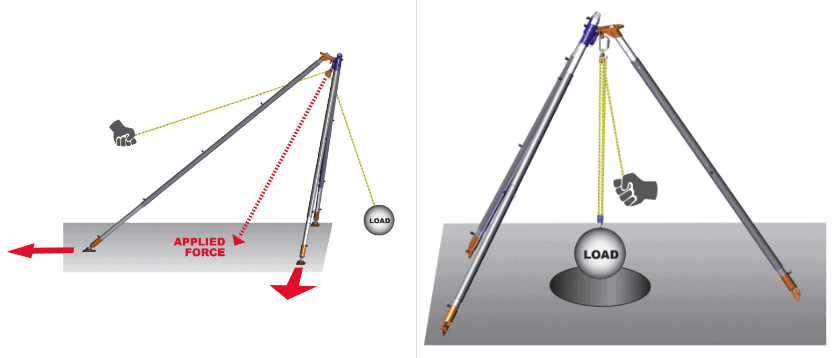
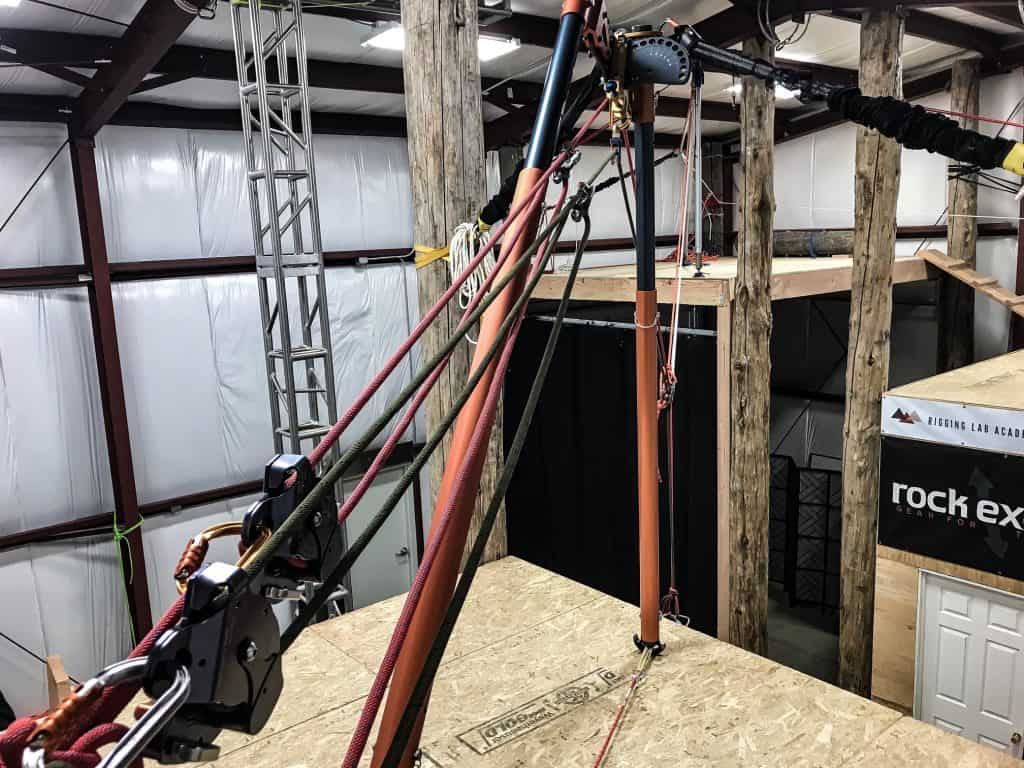
Dynamic Directional Hauling with A-Frame and Monopod Systems When a Straight Haul Isn’t Possible Some rescue environments—like confined spaces, vaults, or utility holes—don’t allow for a direct vertical haul. You may have obstacles, limited space, or poor anchor positioning. To solve this, rescuers use dynamic directional hauling, which means redirecting the rope path using multiple

Dynamic Directional Hauling with A-Frame and Monopod Systems Read More »

monopod and a frame confined space

Dynamic Hauling with A-Frames and Monopods in Confined Space Rescue

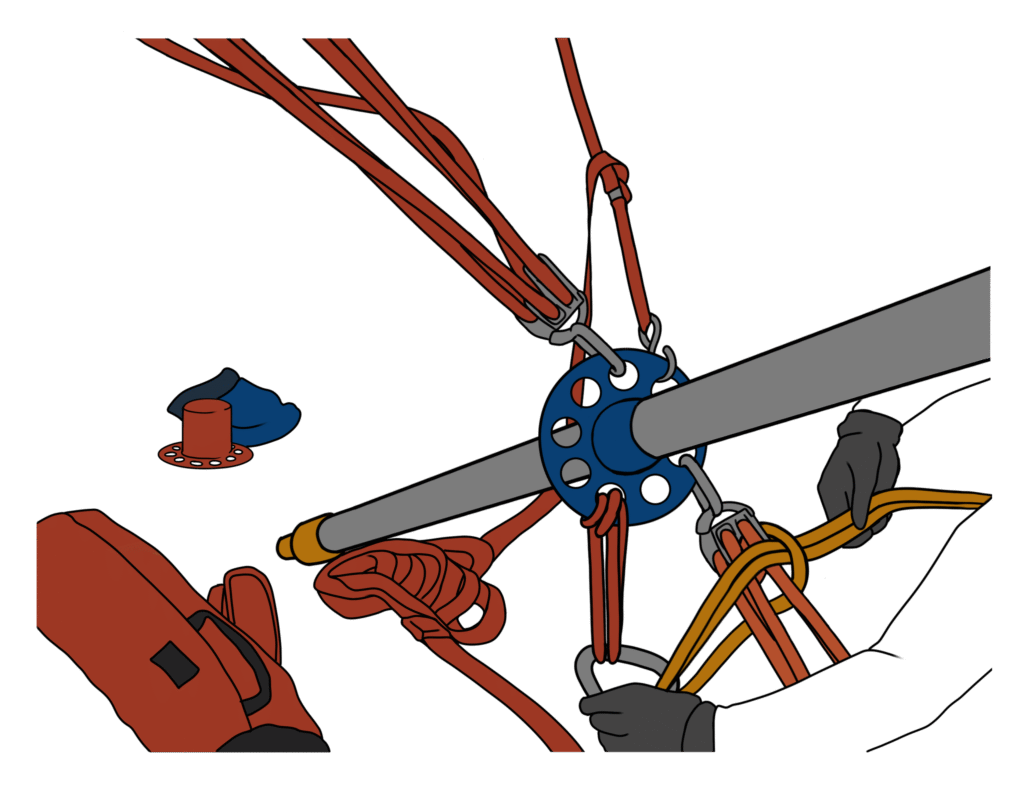
In high-stakes rescue operations, especially those involving confined space entries, dynamic directional hauling systems offer critical advantages. This blog explores how to configure and operate a dual high directional setup—an A-frame paired with a monopod—to manage complex terrain and shifting load paths. When used with mirrored twin tension systems, this strategy creates a stable and

Dynamic Hauling with A-Frames and Monopods in Confined Space Rescue Read More »

deploying the rappel line

Deploying a Rappel Line

Rappelling is more than just a way down—it’s a vital access and rescue technique that demands precision, planning, and practiced control. In rope rescue, deploying a rappel line isn’t about improvisation. It’s about deliberately building a path through vertical terrain with systems that protect the rescuer and ensure smooth operations. This guide breaks down the

Deploying a Rappel Line Read More »

two point load distributing system -Building Anchor Systems That Hold Under Pressure

Building Anchor Systems That Hold Under Pressure

Anchors Are the Foundation of Every Rescue Building Anchor Systems That Hold Under Pressure; In rope rescue and rigging operations, nothing matters more than the anchor. Every knot, pulley, and line depends on a stable foundation—and that foundation starts with your anchor system. Whether it’s a single bombproof tree or a complex web of marginal

Building Anchor Systems That Hold Under Pressure Read More »

Embracing Imperfection in Training - Technical Rope Rescue Mastery - Framing the Rope Rescue Disciplines

Framing the Rope Rescue Disciplines

Framing the Rope Rescue Disciplines The world of rope rescue is broad, dynamic, and mission-critical. When emergencies strike in high-angle, remote, vertical, or industrial settings, rescuers don’t just rely on gear. They rely on fluency—not just in technique, but in environment-specific judgment. That’s where rope rescue training disciplines come into play. Whether you’re a firefighter,

Framing the Rope Rescue Disciplines Read More »

The Evolution of Rescue Rope Technology shows how today’s ropes are stronger, more reliable, and designed for the toughest missions - Understanding Force Concentration in Fixed Offset Systems

Understanding Force Concentration in Fixed Offset Systems

Understanding Force Concentration in Fixed Offset Systems Understanding Force Concentration in Fixed Offset Systems in rescue and rope access operations, redirects and deflections is pretty darn important—but few realize just how dramatically these setups affect force distribution. Understanding where, how, and why force concentrates in offset and deflected systems is critical for building safe, efficient

Understanding Force Concentration in Fixed Offset Systems Read More »

Flying W Tensioning for Dual Track Line Highlines

Flying W Tensioning for Dual Track Line Highlines

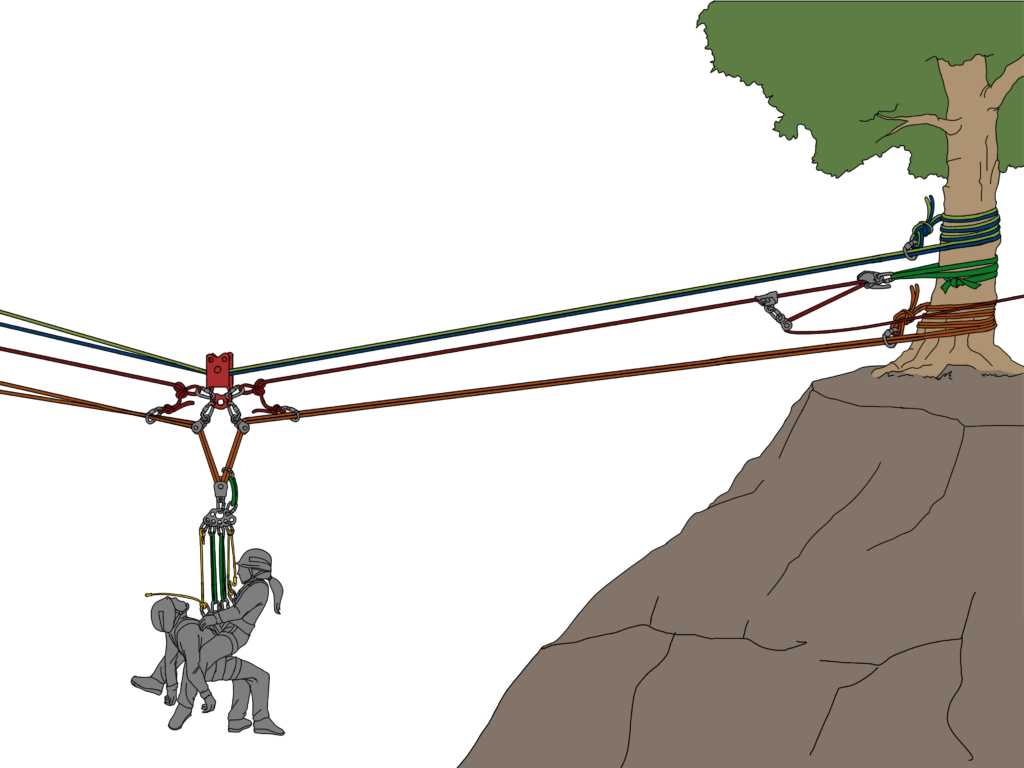
Flying W Tensioning for Dual Track Line Highlines In highline rescue systems, especially those operating across varied terrain or involving swiftwater hazards, control over the load’s position is critical. When the terrain shifts beneath the litter—or when rescuers must operate from unequal anchor elevations—traditional systems often fall short. This is where the Flying W tensioning

Flying W Tensioning for Dual Track Line Highlines Read More »

Load Distributing Anchor (LDA)

Load Distributive Anchor Fixed Rope with Double Loop Figure Eight

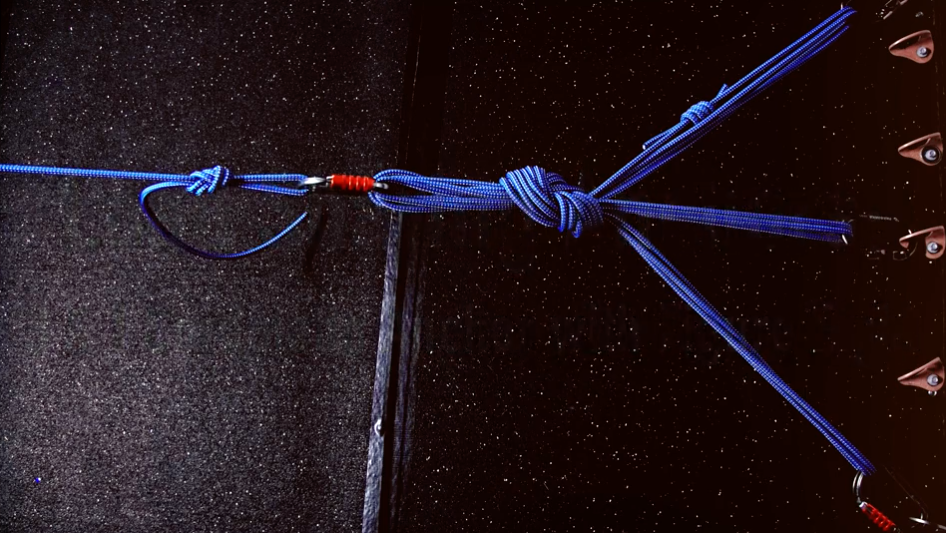
Load Distributive Anchor Fixed Rope with Double Loop Figure Eight Overview The Load Distributive Anchor, built using a Fixed Rope with a Double Loop Figure Eight, provides a reliable, redundant way to share load across two anchor points. This setup is fast to rig, easy to inspect, and ideal in scenarios where directional force or

Load Distributive Anchor Fixed Rope with Double Loop Figure Eight Read More »

LSA adjustable two prusiks - load sharing anchor

Load Sharing Anchor Adjustable Two Prusiks System

LSA Adjustable Two Prusiks System The LSA (load sharing anchors) Adjustable Two Prusiks system is a simple and effective method for pre-tensioning or stabilizing components in a rope rescue environment. It uses two Prusik hitches on a tension line to manage load placement without requiring complex devices or mechanical pulleys. This approach is lightweight, adaptable,

Load Sharing Anchor Adjustable Two Prusiks System Read More »

3x1 anchor

3×1 In-Line Cordelette Load Sharing Anchor

3×1 In-Line Cordelette Load Sharing Anchor The 3×1 In-Line Cordelette LSA is designed to distribute load evenly across three anchor points aligned in a straight line. This configuration is particularly useful when dealing with multiple anchor points that are not equally strong or when the direction of the anticipated load is straightforward. Key Components: Cordelette: A

3×1 In-Line Cordelette Load Sharing Anchor Read More »

multi point anchors

Multi-Point Anchors

Multi-Point Anchors In rope rescue, single-point anchors aren’t always enough. Sometimes they’re weak. Sometimes they’re in the wrong place. And sometimes, they’re simply not there at all. That’s where multi-point anchor systems come in. These systems combine two or more anchor points into one unified structure. They give you options when you need strength, flexibility,

Multi-Point Anchors Read More »