Blog

Building Rope Rescue Team Competency

A technical rescue program is only as capable as the people expected to operate within it. Equipment, procedures, and organizational structure matter, but none of them replace competent instruction, deliberate practice, standardized systems, and honest performance review. Building rope rescue capability is not a one-time training event. It is an ongoing process of selecting appropriate […]

Building Rope Rescue Team Competency Read More »

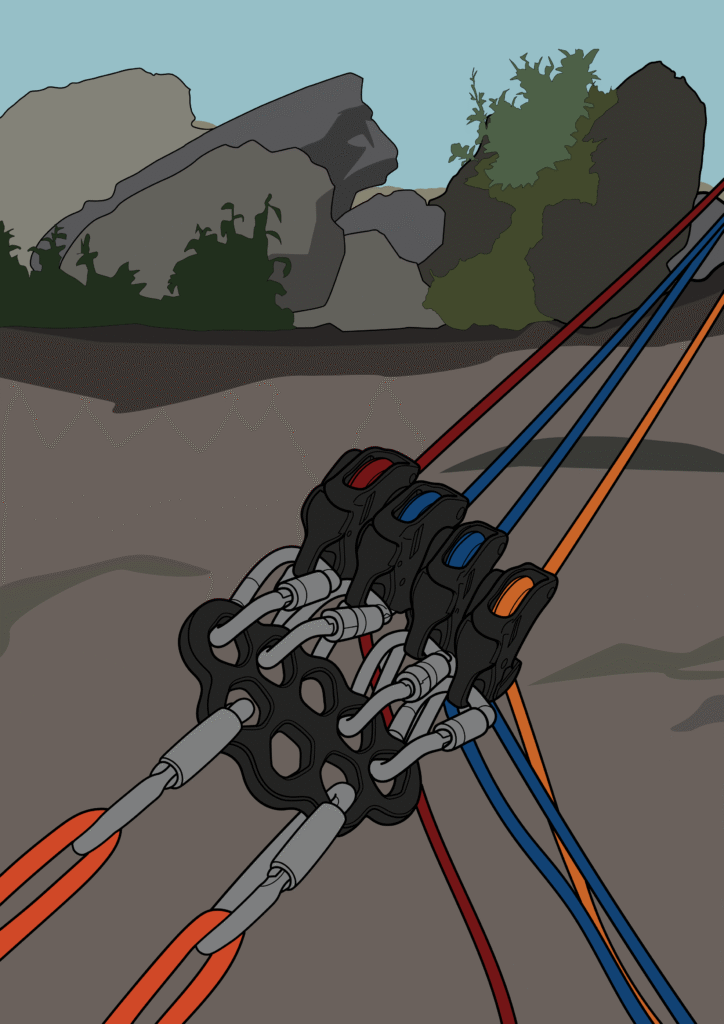
Understanding Pulley Systems for Mechanical Advantage

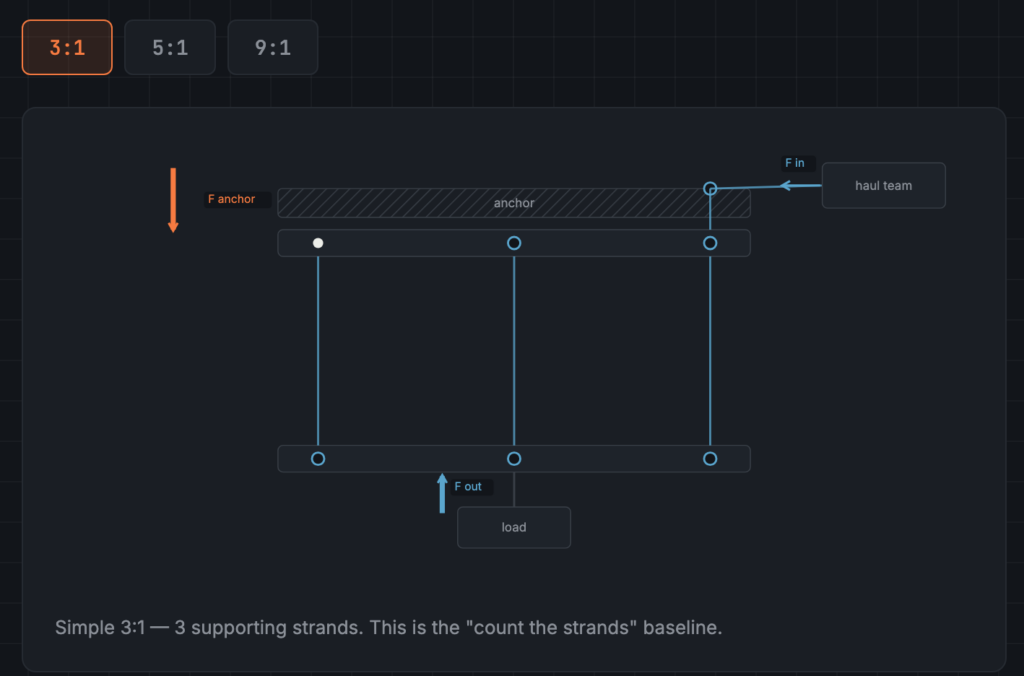
Pulley systems have been used for centuries to move loads with greater control and less effort. The same basic principles once used in maritime rigging still apply in modern rope rescue, industrial access, and technical hauling systems. While pulley arrangements can appear complicated, five simple rules make it easier to identify the theoretical mechanical advantage

Understanding Pulley Systems for Mechanical Advantage Read More »

Learning rigging

The Academic Blueprint: A 5‑Step Approach to the Fundamentals of Technical Rope Rescue

Welcome to the world of technical rope rescue. Real confidence is earned on the rope and at the edge—but it starts much earlier, with how you think about systems and why they work. Before a single rope is uncoiled, a rescuer’s most valuable tools are mindset and foundational knowledge. Technical rope rescue is not just

The Academic Blueprint: A 5‑Step Approach to the Fundamentals of Technical Rope Rescue Read More »

RLA Accelerator — Your Operational Reasoning Engine for Technical Rigging

The RLA Accelerator — Your Operational Reasoning Engine for Technical Rigging Most tools give you information. The RLA Accelerator gives you direction. Inside every RLA membership is a conversational AI built specifically for technical rope rescue. It knows the full curriculum. It knows how the domains connect. And it’s designed to do four things that

RLA Accelerator — Your Operational Reasoning Engine for Technical Rigging Read More »

Rigging Lab Academy CORE

One Knowledge Base Built Around Different Ways of Learning

Technical rescue training does not happen in one format. A rescuer may need a structured lesson one day, a video demonstration the next, and a technical illustration or downloadable reference during a later review. A training officer may need something different altogether: a way to organize concepts, reinforce instruction, support team development, and connect field

One Knowledge Base Built Around Different Ways of Learning Read More »

Monopod Supported Skate Block Track Line Systems

How to Calculate Back Tie Force on a Leaning Monopod

“How do you calculate potential force on a back tie? Today we rigged a leaning monopod setup. I did my best to keep my guy angle wider than my resultant angle, but I was wondering if there’s a way to estimate what the guy would see as they get closer to the same angle.” —

How to Calculate Back Tie Force on a Leaning Monopod Read More »

Inside Rigging Lab Academy CORE

CORE was built to solve that problem. Instead of treating courses, videos, illustrations, reports, podcasts, and study tools as separate products, CORE organizes them as different ways into the same knowledge base. The subject may be anchors, mechanical advantage, mainline systems, horizontal rigging, high directionals, litter operations, or program leadership. What changes is not the

Inside Rigging Lab Academy CORE Read More »

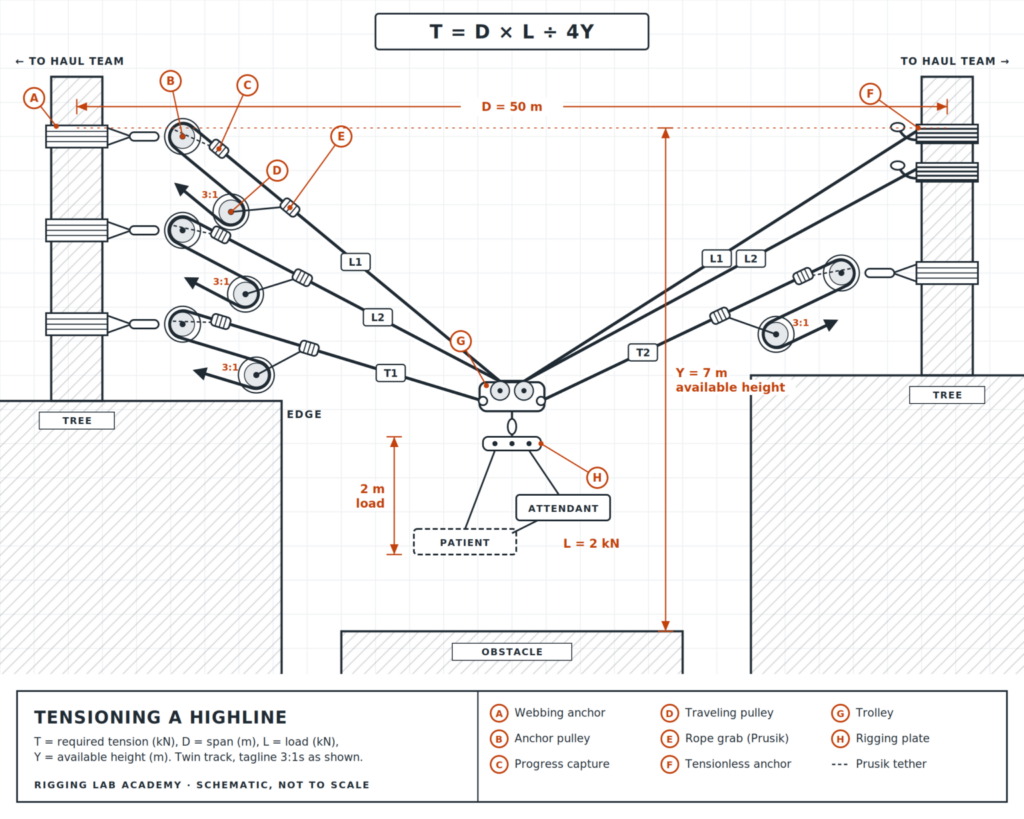
Floating Litter Operations on Tensioned Track Line Systems

Floating Litter Operations on Tensioned Track Line Systems

Floating Litter Operations on Tensioned Track Line Systems Moving a patient through steep terrain often creates a conflict between control and efficiency. Ground-based litter movement can expose rescuers to unstable footing, vegetation, loose rock, and changing slope angles. Fully suspended systems eliminate terrain contact but may require more complex rigging and operational coordination. Floating litter

Floating Litter Operations on Tensioned Track Line Systems Read More »

Sideways A-Frame Systems for Vertical Positioning and Horizontal Control

Sideways A-Frame Offset System for Vertical Positioning and Horizontal Control

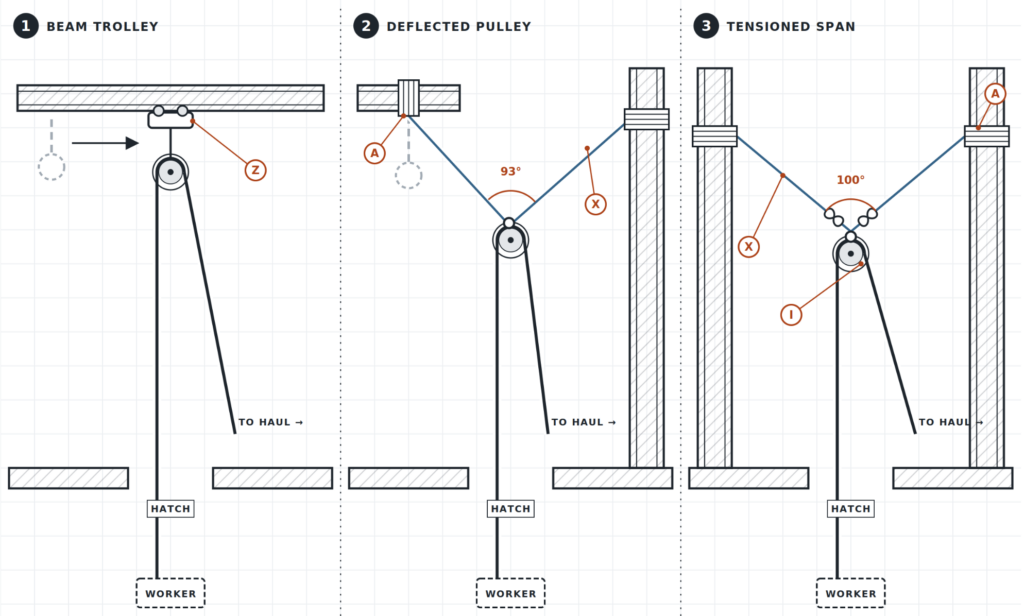
Dynamic Directional Offsets and Active Load Positioning Offset systems are often described as methods for moving a load away from a cliff face or obstacle. While that description is technically correct, it does not fully explain the operational value of a dynamic offset. Unlike fixed transportation systems that move a load along a predetermined path,

Sideways A-Frame Offset System for Vertical Positioning and Horizontal Control Read More »

Directional Frame Raises and Edge Transition Management

Directional Frame Raises and Edge Transition Management

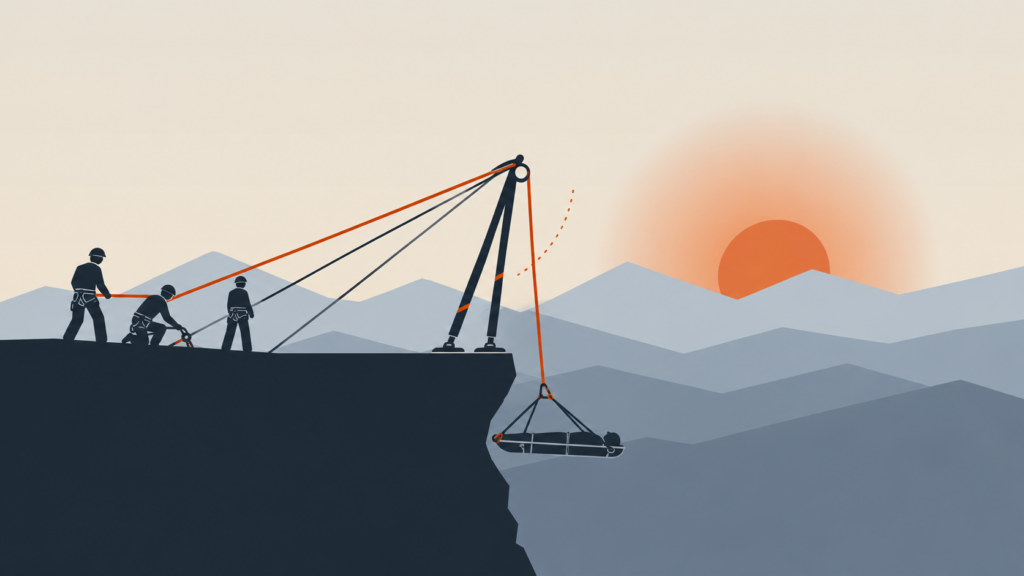
Directional Frame Raises and Edge Transition Management Vertical rescue operations often focus on the raising system itself. Mechanical advantage, hauling efficiency, and load control frequently dominate the discussion. Yet many difficult raises are not defined by what happens below the edge. They are defined by what happens when the load reaches it. The edge transition

Directional Frame Raises and Edge Transition Management Read More »

Monopod Supported Skate Block Track Line Systems

Monopod Supported Skate Block Track Line Systems

Monopod Supported Skate Block Track Line Systems Track line systems are frequently used when rescuers need to move personnel, equipment, or litter loads across terrain that cannot be negotiated safely on foot. While the track line itself provides the movement corridor, the effectiveness of the system often depends on how the rope path is managed

Monopod Supported Skate Block Track Line Systems Read More »

TTRS Dynamic Directional AHD

Hybrid High Directional Systems for Vertical and Horizontal Rescue Operations

Hybrid High-Directional Systems for Vertical and Horizontal Rescue Operations Technical rescue systems are often categorized by their primary function. Some systems are designed to manage vertical movement. Others are designed to support horizontal transportation. Complex terrain, however, rarely presents a single movement problem. Rescuers may need to raise a patient from below a cliff edge,

Hybrid High Directional Systems for Vertical and Horizontal Rescue Operations Read More »

AHD Vortex Gin Pole in TTRS Skate Block

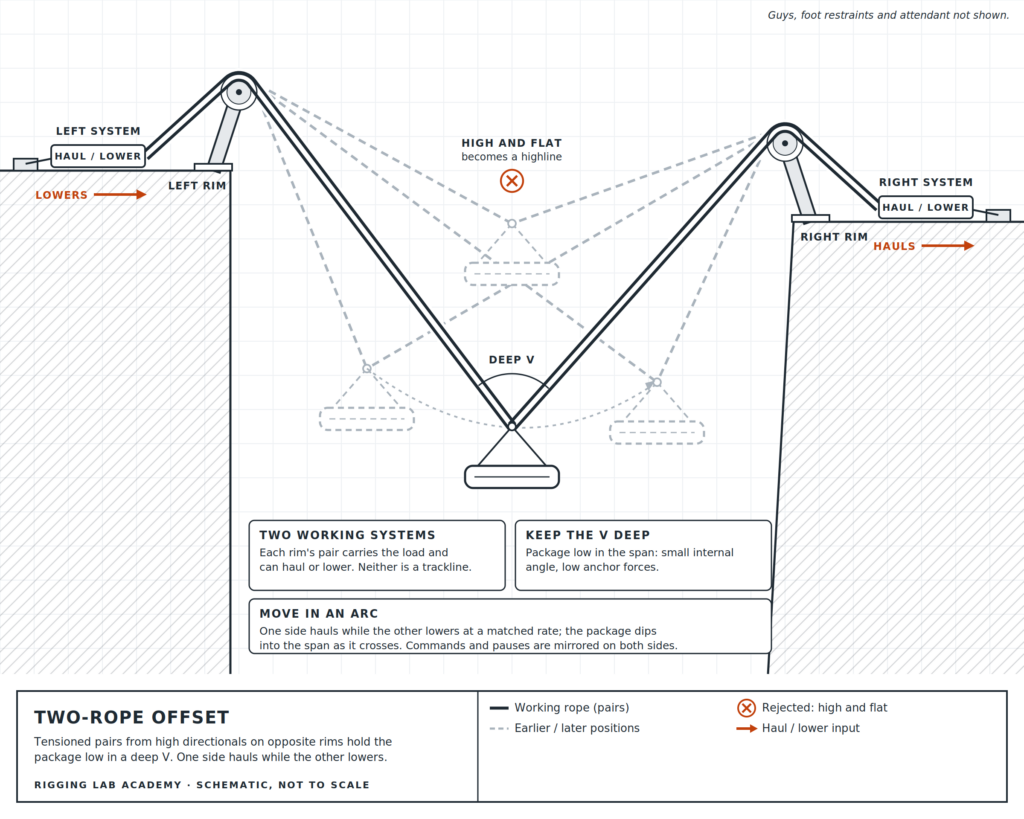
Two Tensioned Rope Systems and Tensioned Track Line Transitions in Canyon Rescue

From Two-Tensioned Rope Systems to Tensioned Track Lines Managing Redundancy, Load Sharing, and System Transitions in Canyon Rescue Technical rescue operations rarely fail because rescuers cannot build a lowering system. They fail because rescuers lose control of force during transitions. This becomes especially apparent in canyon environments where a rescue may begin as a vertical

Two Tensioned Rope Systems and Tensioned Track Line Transitions in Canyon Rescue Read More »

Patient_Packaging_litter_movement

Litters and Litter Rigging Understanding the Rescue Transport System

Litters and Litter Rigging Patient packaging and patient transportation are closely connected, yet they are not the same task. A patient may be properly positioned, restrained, and protected within a litter, but those efforts alone do not guarantee a successful rescue. Once packaging is complete, the challenge shifts from preparing the patient to moving the

Litters and Litter Rigging Understanding the Rescue Transport System Read More »

Litter Package Terminal_Learning

Patient Packaging Building a Transport-Ready Patient for Technical Rescue

Patient packaging is the bridge between patient care and technical rescue. Before a litter is attached to a rope system, before a haul team begins raising, and before a lowering operation moves over an edge, rescuers must first address a more immediate concern: preparing the patient for transportation. The technical rescue environment introduces forces, movement,

Patient Packaging Building a Transport-Ready Patient for Technical Rescue Read More »

rescue and rigging pulleys

Why Pulley Selection Matters More Than Most Rescue Teams Realize

Why Pulley Selection Matters More Than Most Rescue Teams Realize Most rescue personnel learn pulleys through mechanical advantage systems. A 3:1 contains a certain number of pulleys. A 5:1 contains a few more. Eventually, the conversation moves toward hauling efficiency, progress capture, and system resets. While those discussions are important, they often leave one critical

Why Pulley Selection Matters More Than Most Rescue Teams Realize Read More »

Petzl Harness Falcon

The Hidden Role of Rescue Harness Design in Technical Rope Systems

In technical rescue, harnesses are often treated as static pieces of personal protective equipment. In reality, the harness becomes the central interface between the rescuer and the entire rope system. Every ascent, descent, edge transition, positioning movement, litter operation, and directional shift passes through that platform. The harness is not merely something a rescuer wears.

The Hidden Role of Rescue Harness Design in Technical Rope Systems Read More »