Principles of Learning

Gin Pole Failure and Rope Rescue Geometry

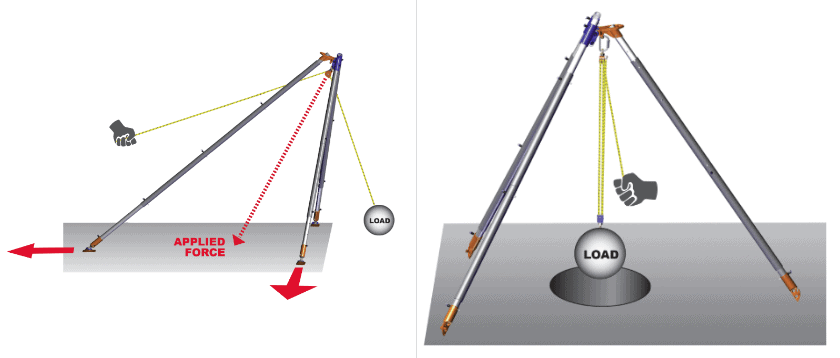
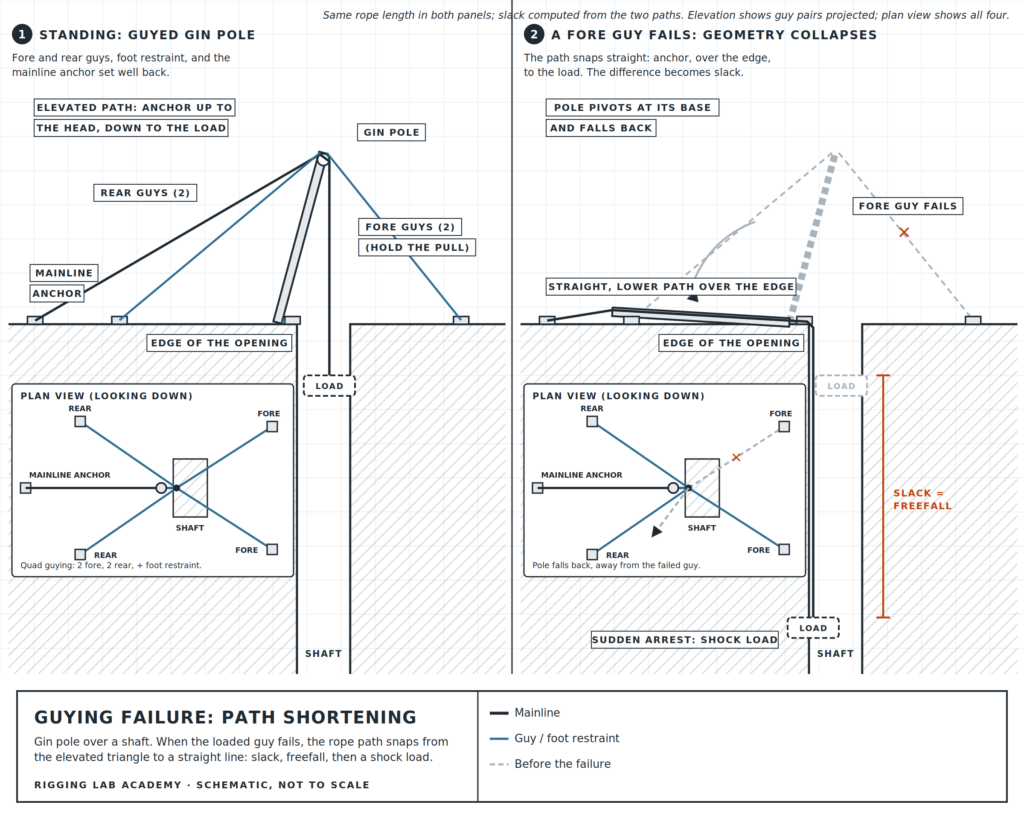
When a Guy Fails: The Hidden Consequences of Changing Rope Geometry Understanding gin pole failure, changing load paths, and why technical knowledge must be continually reinforced. A gin pole provides an elevated directional point that allows a rescue mainline to travel above an edge before descending to a suspended load. When properly supported, the arrangement

Gin Pole Failure and Rope Rescue Geometry Read More »
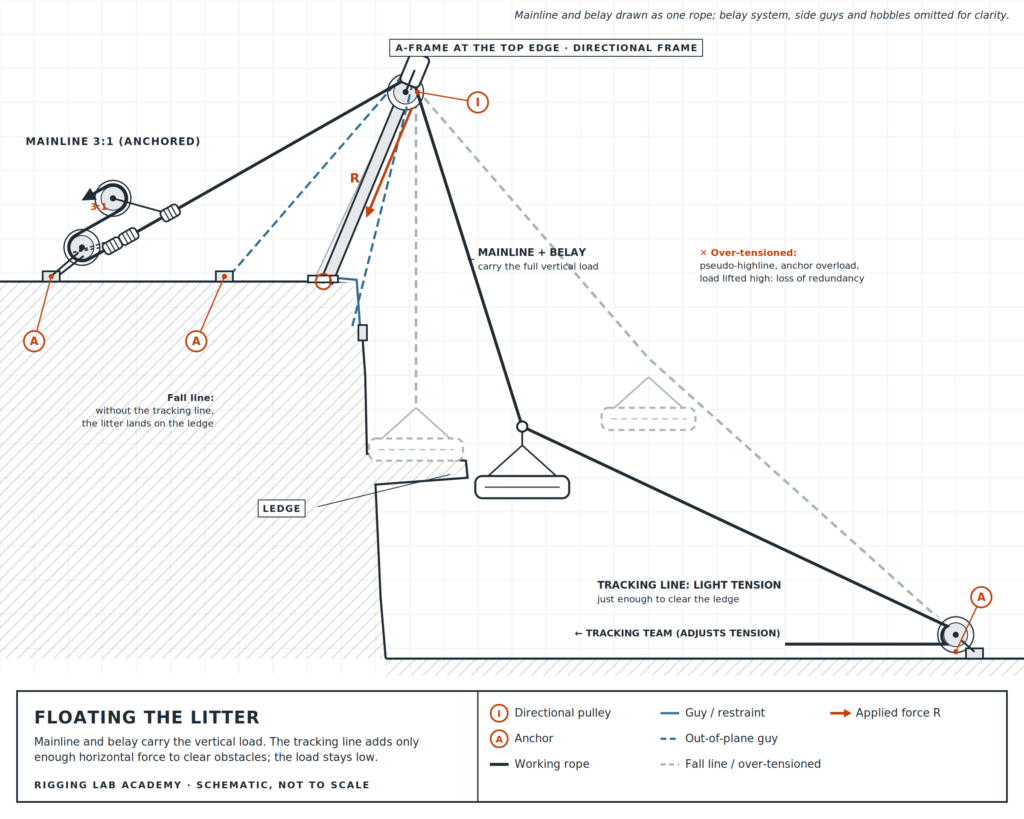
Floating a Litter in Rope Rescue: Tracking Line Tension and Load Control

Floating the Litter: Why More Tension Is Not Better in Rope Rescue Tracking lines, load positioning, and the critical difference between moving a rescue package and suspending it. In rope rescue, moving a litter across uneven terrain or around an obstruction often requires more than a conventional mainline and belay system. Rock outcroppings, ledges, broken

Floating a Litter in Rope Rescue: Tracking Line Tension and Load Control Read More »

Rope Rescue Team Coordination Through Integrated Training

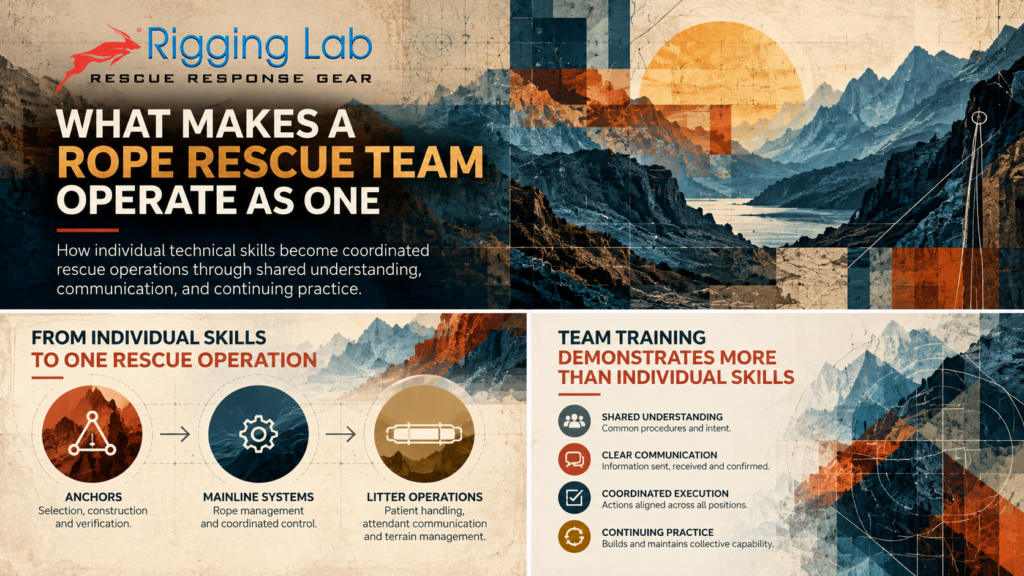
What Makes a Rope Rescue Team Operate as One How individual technical skills become coordinated rescue operations through shared understanding, communication, and continuing practice. From Individual Skills to One Rescue Operation A well-trained rope rescue team is built upon a collection of individual capabilities developed through instruction, repetition, and practical evaluation. Technicians learn to construct

Rope Rescue Team Coordination Through Integrated Training Read More »

When Familiar Training Meets Unfamiliar Conditions

When Familiar Training Meets Unfamiliar Conditions How rope rescue technicians develop the ability to retain, recognize, and apply what they have learned when circumstances change. The Difference Between Training Success and Operational Application A well-designed rope rescue course establishes the conditions under which technicians develop and demonstrate specific skills. Equipment is selected, training objectives are

When Familiar Training Meets Unfamiliar Conditions Read More »

The Illusion of Competence: When Rope Rescue Confidence Outruns Capability

The Illusion of Competence: When Rope Rescue Confidence Outruns Capability Why familiarity, experience, and certification do not always reveal what a rescue technician truly understands. The Confidence That Comes With Experience Experience has a remarkable way of making difficult things appear simple. A rope rescue technician who has spent years building anchor systems, operating mechanical

The Illusion of Competence: When Rope Rescue Confidence Outruns Capability Read More »

Tensioning a Highline

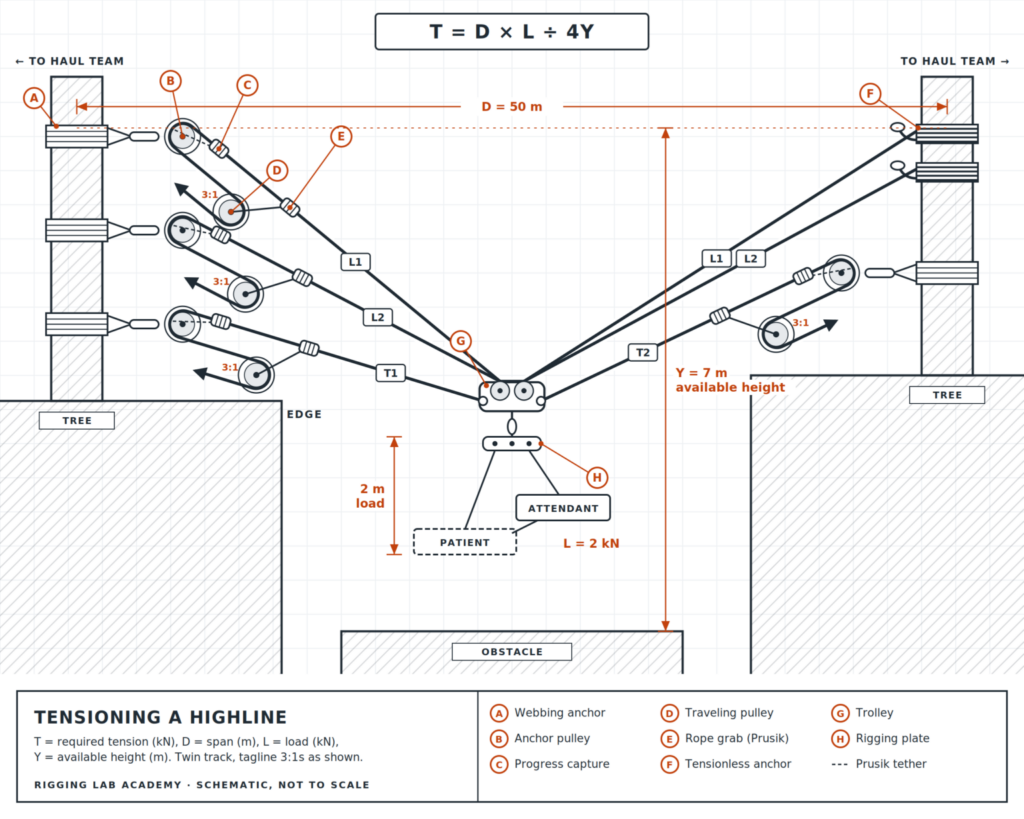
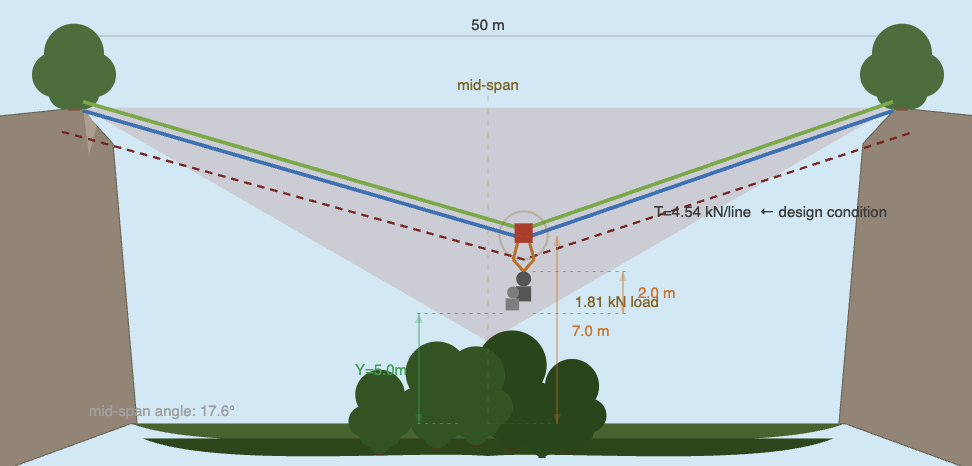
The full span is visible with the formula T=DL/4Y displayed at the top. The span is annotated at 50 metres anchor to anchor. A vertical orange arrow drops from the carriage level downward, annotated at 7 metres total. A dashed bracket alongside the load package shows 2 metres — the vertical depth occupied by the

Tensioning a Highline Read More »

Building Rope Rescue Team Competency

A technical rescue program is only as capable as the people expected to operate within it. Equipment, procedures, and organizational structure matter, but none of them replace competent instruction, deliberate practice, standardized systems, and honest performance review. Building rope rescue capability is not a one-time training event. It is an ongoing process of selecting appropriate

Building Rope Rescue Team Competency Read More »

Learning rigging

The Academic Blueprint: A 5‑Step Approach to the Fundamentals of Technical Rope Rescue

Welcome to the world of technical rope rescue. Real confidence is earned on the rope and at the edge—but it starts much earlier, with how you think about systems and why they work. Before a single rope is uncoiled, a rescuer’s most valuable tools are mindset and foundational knowledge. Technical rope rescue is not just

The Academic Blueprint: A 5‑Step Approach to the Fundamentals of Technical Rope Rescue Read More »

Rigging Lab Academy CORE Squad Training

Why Growing Rescue Programs Use RLA CORE Squad

Squad Is Where Rescue Training Stops Being Informal Most rescue organizations begin with motivated individuals. A few strong technicians train consistently, absorb outside instruction, attend conferences, build systems together, and gradually become the operational backbone of the team. Over time, these individuals start carrying increasing responsibility inside the organization. One person becomes the training officer.

Why Growing Rescue Programs Use RLA CORE Squad Read More »

tripod confined space rescue

Rigging a 5:1 MA Off a Tripod for Confined Space Rescue

Rigging a 5:1 MA Off a Tripod for Confined Space Rescue A complete operational breakdown for raising a 200 lb load 30 feet — with limited anchor geometry and edge protection requirements. A 5:1 mechanical advantage system off a tripod is one of the most reliable configurations for vertical confined space extraction — but only

Rigging a 5:1 MA Off a Tripod for Confined Space Rescue Read More »

Anchor Force Distribution in Technical Rescue Rigging

Anchor Force Distribution in Technical Rescue Rigging

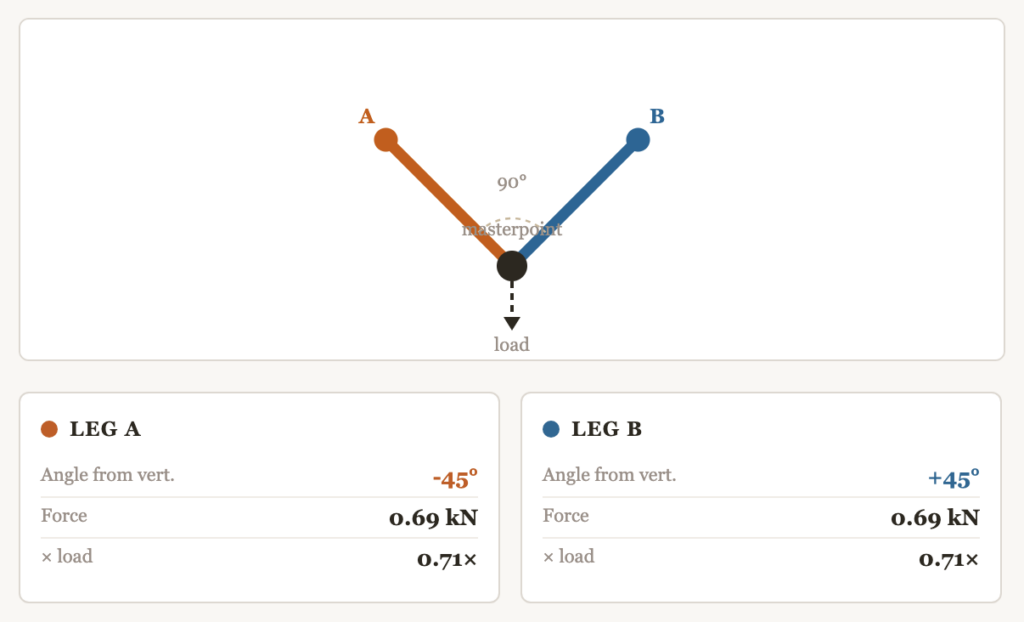
Anchor Force Distribution in Technical Rescue Rigging Understanding anchor force distribution in technical rescue is the difference between a technician who follows rules and one who understands why those rules exist. This tool makes that understanding tangible — not through charts or formulas alone, but through live, interactive geometry that responds to your input and

Anchor Force Distribution in Technical Rescue Rigging Read More »

rla-systems-check-hero

Rigging Pre-Operation Check Before the Load Goes On

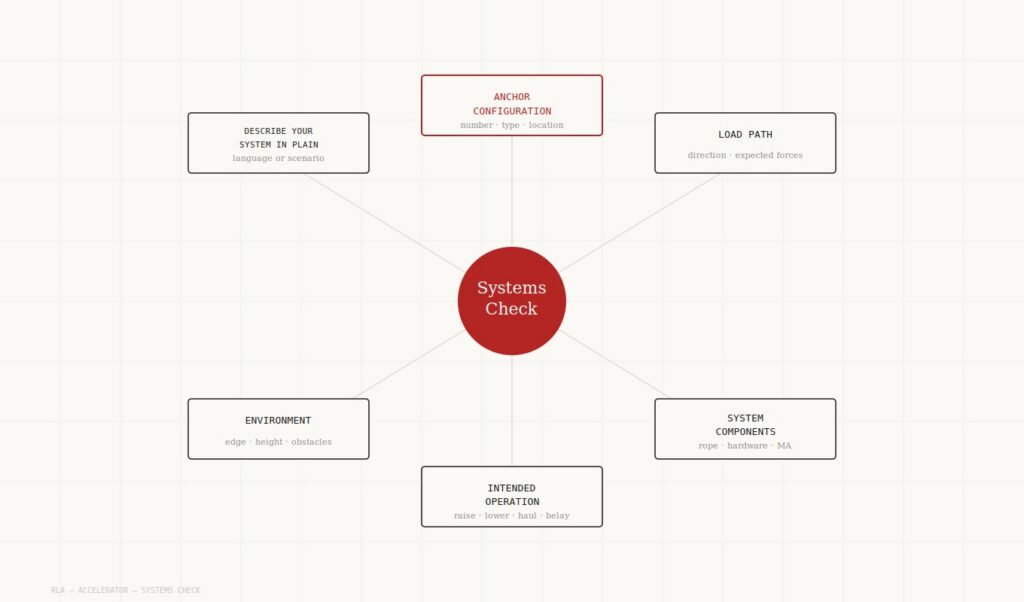
Rigging Pre-Operation Check Before the Load Goes On You’ve built the system. The anchors are set, the rope is rigged, and the hardware is in place. You’ve run through it in your head more than once. And still — before you commit, before the load goes on, before the operation begins — there’s a moment

Rigging Pre-Operation Check Before the Load Goes On Read More »

cross haul system

Cross Haul System Calculator — Building a Force Analysis Tool for Horizontal Rope Access

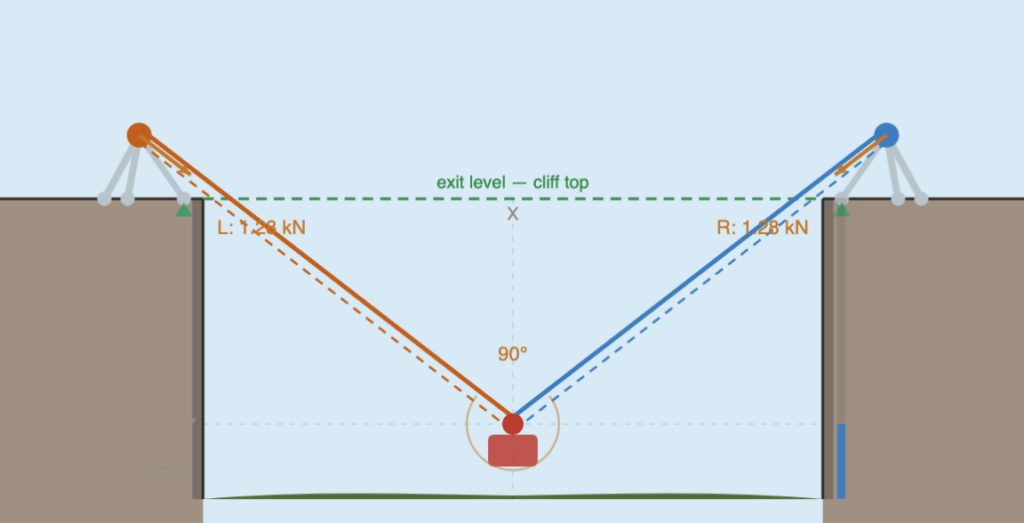
Building a Force Analysis Tool for Horizontal Rope Access TTRS Configuration  ·  Vortex AHD Leg Forces  ·  Exit Zone Analysis SPRAT Level 2 Required Skill  ·  Pre-operational Planning Tool Moving a package horizontally across a span — a patient in a litter, a gear load, a confined space casualty — sits at the intersection of

Cross Haul System Calculator — Building a Force Analysis Tool for Horizontal Rope Access Read More »

Highline Systems — Planning, Building, and Operating the Crossing

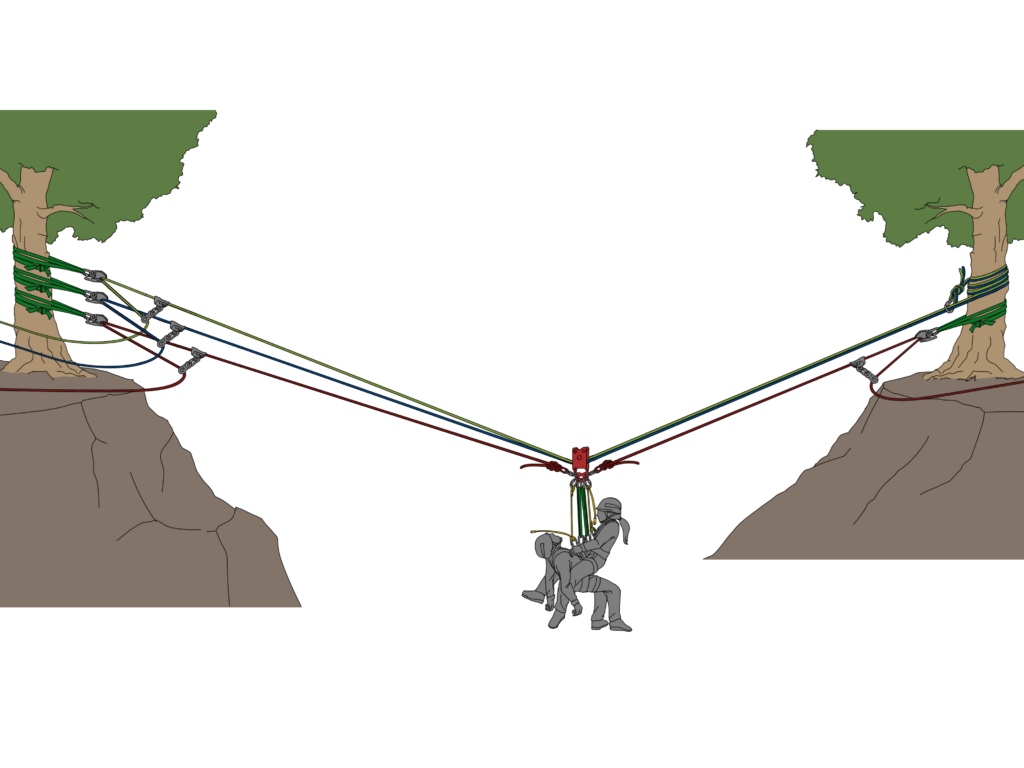
A highline is a tensioned rope system used to transport a rescuer and patient across a gap that cannot be crossed any other way — canyons, gorges, building-to-building, or industrial spans. When ground access isn’t an option, a highline is. This chapter covers both system types, the calculations that govern them, and how to operate

Highline Systems — Planning, Building, and Operating the Crossing Read More »

technical rope rescue systems

A Comprehensive Curriculum for New Technicians

The Technical Rope Rescue Foundation A Comprehensive Curriculum for New Technicians Technical rope rescue is not defined by the equipment used or by the completion of a single operation. It is defined by the technician’s ability to understand how forces move through a system, how environments shape operational decisions, and how patient outcomes depend on

A Comprehensive Curriculum for New Technicians Read More »

6 Counter-Intuitive Principles for Understanding How Systems Really Behave

6 Counter-Intuitive Principles for Understanding How Systems Really Behave We often judge systems by how they look. At work, in engineering, or in our daily lives, we see designs that are symmetrical, robust, or built according to “how it’s always been done” and assume they are sound. This reliance on appearance and tradition feels intuitive,

6 Counter-Intuitive Principles for Understanding How Systems Really Behave Read More »

Multi Point Main Anchor Station AHD

Bridging Assessment and Critical Analysis in Technical Rigging Education

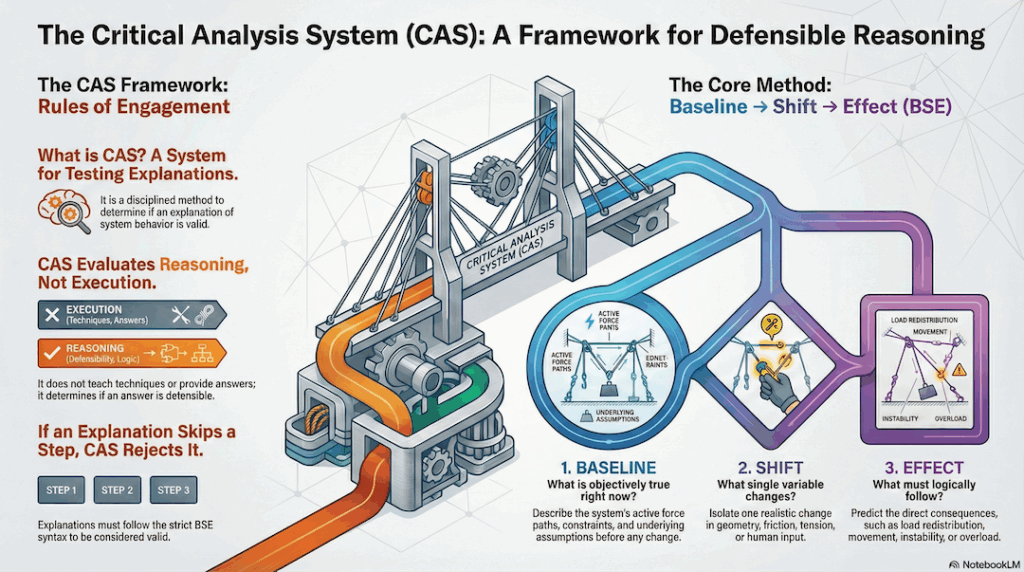
From Question to Judgment Why Assessments Alone Are Insufficient for Force-Based Decision Making In rope rescue, failure rarely occurs because a team lacked equipment or memorized procedures incorrectly. It occurs because a system was repurposed without re-evaluating how forces now behave. This is where most training subtly breaks down. Assessment questions are excellent at confirming

Bridging Assessment and Critical Analysis in Technical Rigging Education Read More »

nfpa 2500 overview for rope rescue

Rope Rescue Standards and Regulations for Professional Teams

Standards and regulations form the backbone of professional rope rescue. While skills, equipment familiarity, and terrain experience all matter, none of them exist in a vacuum. Technical rope rescue is a legally defined and operationally bound discipline, shaped by documents, committees, and long cycles of testing, revision, and consensus. A rescuer who does not understand

Rope Rescue Standards and Regulations for Professional Teams Read More »

Essential Rope Rescue Skills On-Demand from knots to advanced techniques, all accessible online.

Learning Rope Rescue the Complete Guide to Building Skill Judgment and Team Capability

Rope rescue is not simply a technical craft—it’s a discipline shaped by standards, repetition, evaluation, and the collective judgment of a team. Most people who step into rope rescue training expect to learn knots, rigging, and mechanical systems. What they don’t expect is that the real growth comes from how they prepare, how they are

Learning Rope Rescue the Complete Guide to Building Skill Judgment and Team Capability Read More »

Coaching and Training in Rope Rescue

Basic Rope Rescue Operations Three Day Training Progression

I received several similar requests for ingredients of a “Basic Ropes Class”… Rope rescue demands clarity, discipline, and a layered approach to learning. Skills cannot be rushed, and they cannot be learned out of order. Each step builds the next, and each concept strengthens the rescuer’s ability to operate under tension and uncertainty. This three-day

Basic Rope Rescue Operations Three Day Training Progression Read More »