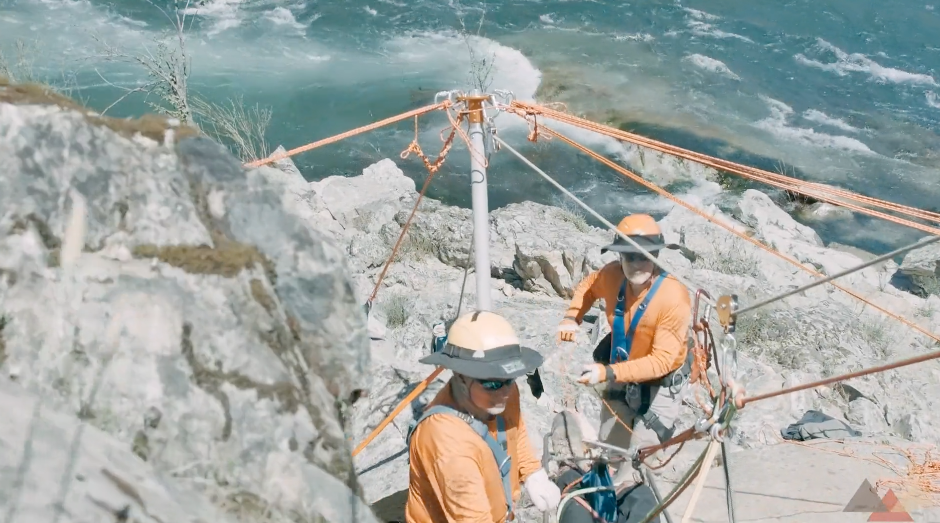
Elevated Anchor Systems

Rope rescue training for veterans covers leadership, mechanical advantage, and advanced rigging skills and Hidden treasures in team leadership

Advanced Rigging Principles for Technical Rope Rescue

Modern rope rescue has outgrown the era of “strong gear plus strong backs.” At the advanced level, operations are built on system engineering, controlled redundancy, and a clear understanding of how forces, geometry, and human factors interact in real time. The Technical Operational Rigging Study Guide you started with is more than an exam—it is […]

Advanced Rigging Principles for Technical Rope Rescue Read More »

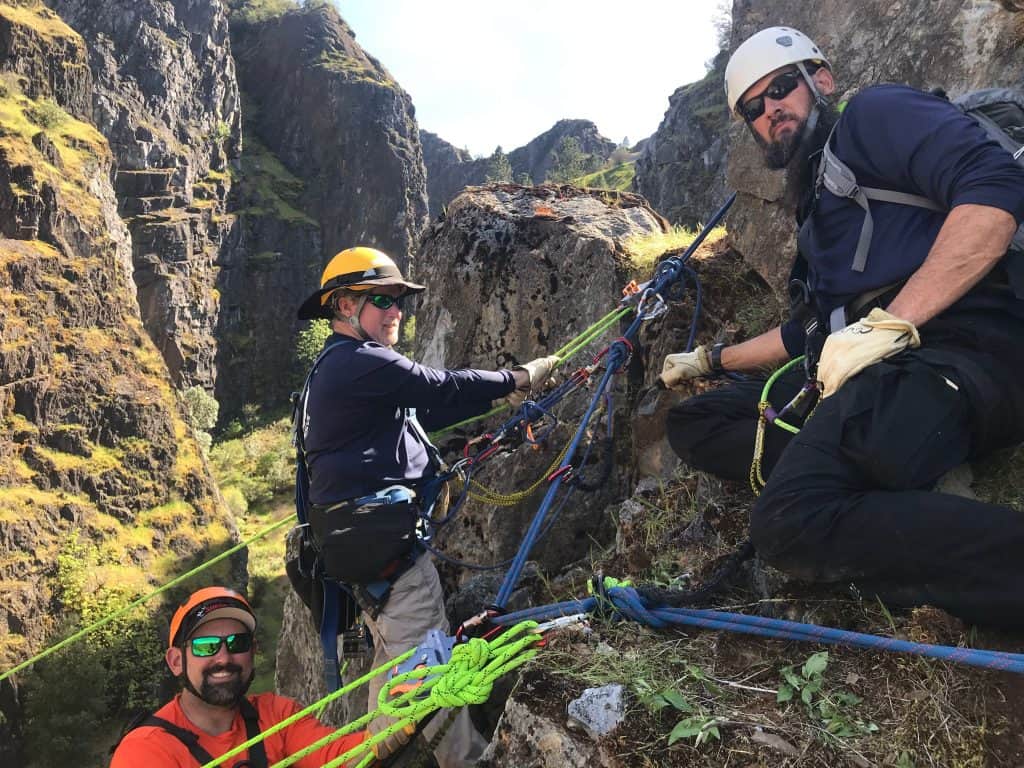
cross-haul rope access

Cross Haul Techniques for Rescue and Equipment Movement

Cross hauling is a controlled horizontal movement technique used to transport loads—such as a patient litter, heavy gear, or suspended equipment—between two points using independent hauling and lowering systems. The method relies on coordination between two rescuers or teams operating from opposite anchors, each managing their side’s tension to maintain balance and stability. When executed

Cross Haul Techniques for Rescue and Equipment Movement Read More »

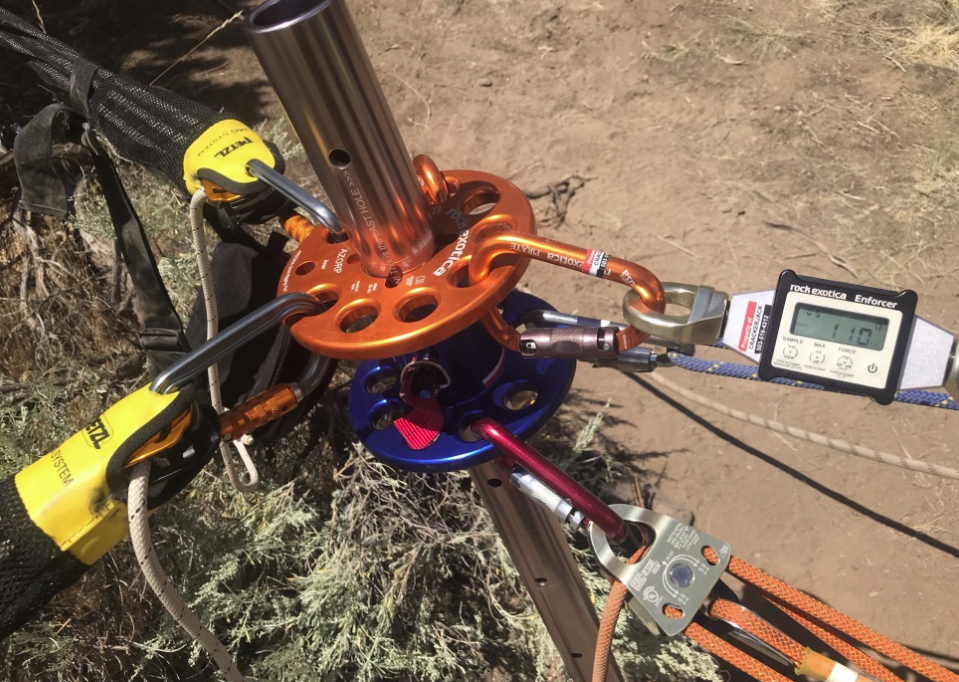
dynamic hauling systems a-frame and monopod

Dynamic Directional Hauling with A-Frame and Monopod Systems

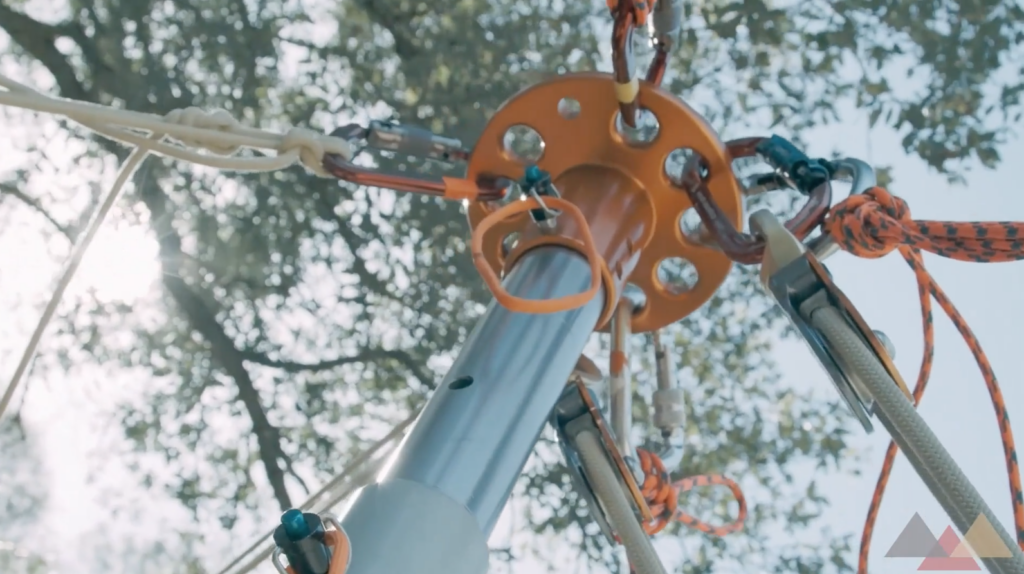
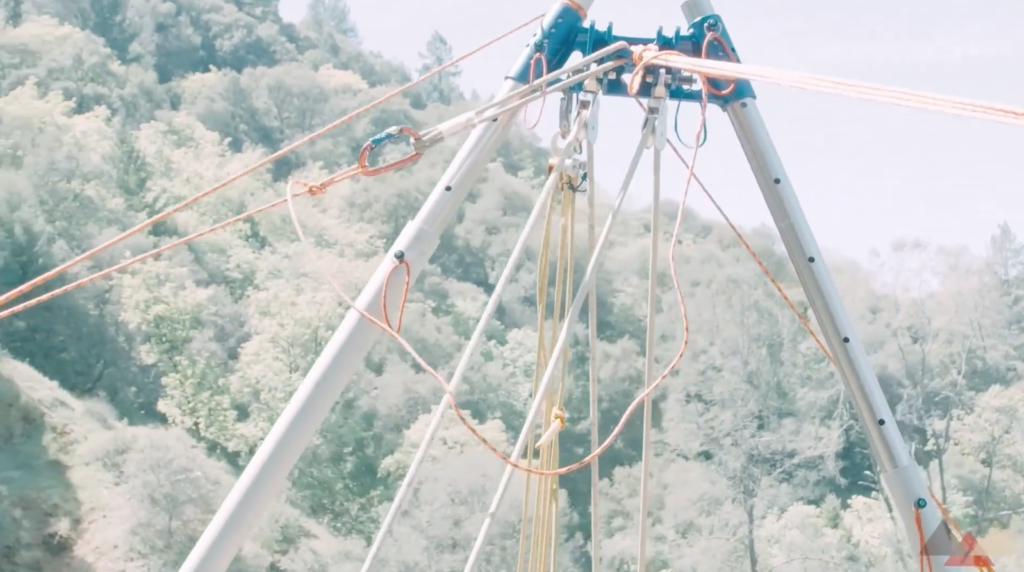
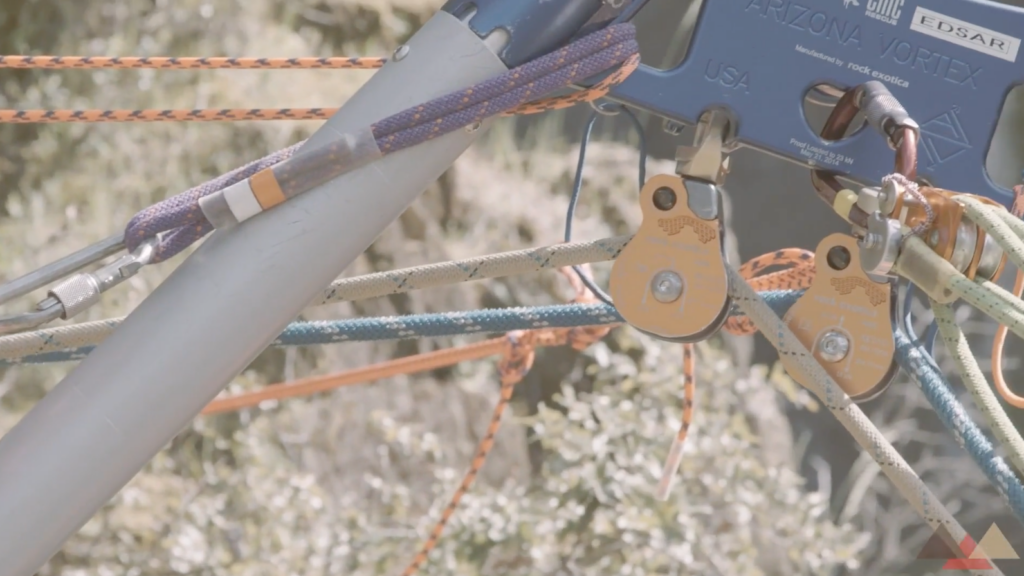
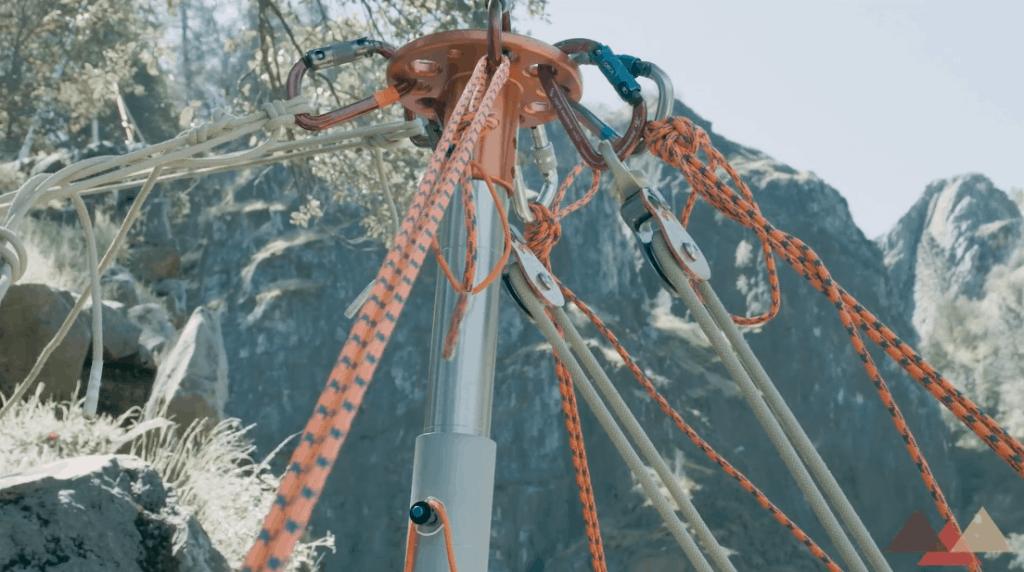
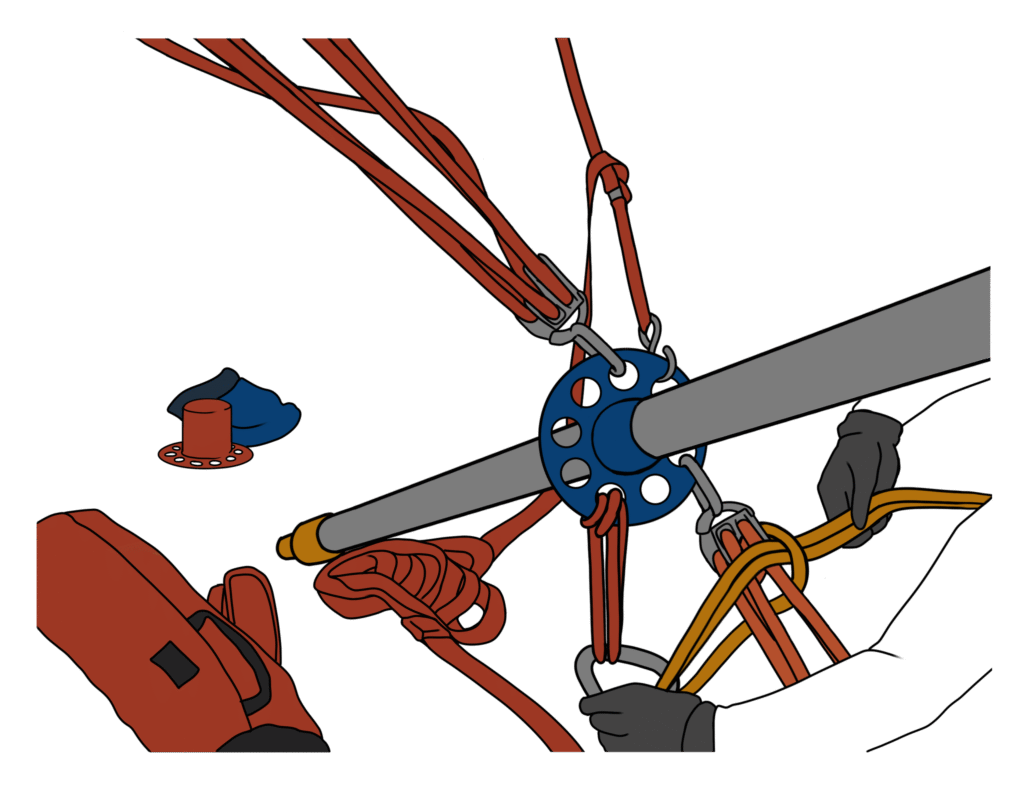
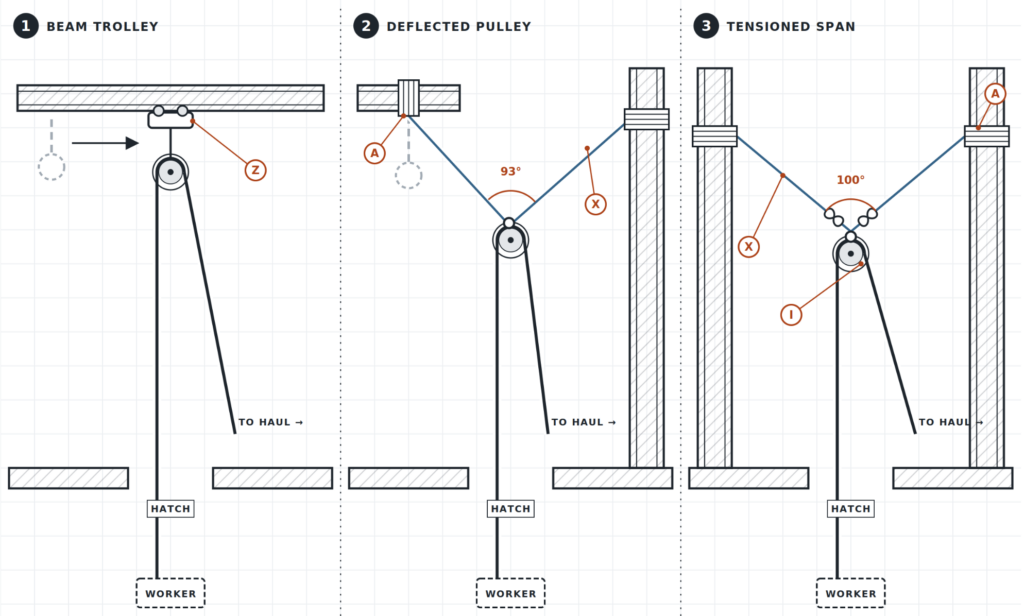
Dynamic Directional Hauling with A-Frame and Monopod Systems When a Straight Haul Isn’t Possible Some rescue environments—like confined spaces, vaults, or utility holes—don’t allow for a direct vertical haul. You may have obstacles, limited space, or poor anchor positioning. To solve this, rescuers use dynamic directional hauling, which means redirecting the rope path using multiple

Dynamic Directional Hauling with A-Frame and Monopod Systems Read More »

Rope Access Pick-Off Rescue for Tower Workers - antenna tower and caged ladder rescue

High Angle Heroes Navigating the Complexities of Antenna Tower and Caged Ladder Rescue

High Angle Heroes Navigating the Complexities of Antenna Tower and Caged Ladder Rescue The modern skyline is dotted with structures that reach hundreds—sometimes thousands—of feet into the air: antenna towers, wind turbines, power transmission poles, and industrial caged ladders. As critical as they are to communications and infrastructure, they present one of the most formidable

High Angle Heroes Navigating the Complexities of Antenna Tower and Caged Ladder Rescue Read More »

Twin tension skate block rescue operation

Twin Tension Skate Block in Tower Rescue

Twin Tension Skate Block in Tower Rescue When precision, control, and redundancy matter most, the twin tension skate block system stands out as one of the most refined vertical rescue techniques. This blog walks through a full scenario utilizing this method, focusing on streamlined rigging, dynamic lowering, and the critical importance of redundancy at height.

Twin Tension Skate Block in Tower Rescue Read More »

tower rescue twin track lines

Twin Tracking Line Power Control Rescue

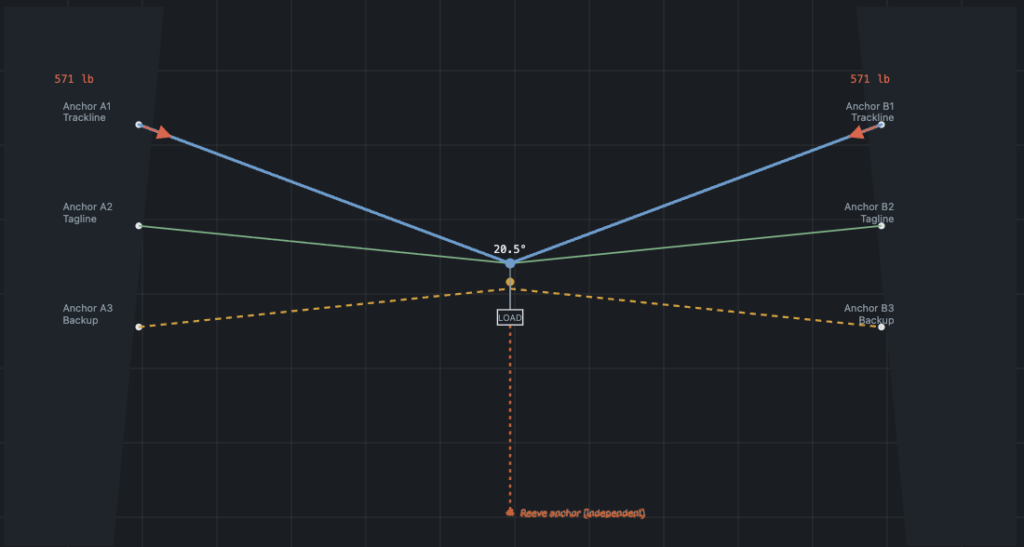
In high-angle tower rescues, distance and clearance are critical. When the objective is to move a suspended patient away from a structure and across a distance, twin tracking lines offer a clean and redundant solution. This scenario demonstrates a Twin Tracking Line Power Control Rescue, designed for extended horizontal offset and mid-air patient control using

Twin Tracking Line Power Control Rescue Read More »

Hybrid Patient Connection Setup with Skate Block and Tracking Line

Hybrid Patient Connection Setup Skate Block and Tracking Line

Hybrid Patient Connection Setup with Skate Block and Tracking Line In this horizontal rescue setup, the team demonstrates a hybrid patient connection system combining a skate block line over a tracking line, offering both smooth movement and built-in redundancy. The configuration prioritizes patient safety while keeping the rigging clean and manageable. Let’s walk through the

Hybrid Patient Connection Setup Skate Block and Tracking Line Read More »

Guiding Lines in Rope Rescue

Guiding Lines in Rope Rescue Operations

Guiding Lines in Rope Rescue Operations In rope rescue, one of the more refined methods for managing patient movement during a vertical descent is the use of guiding lines. Unlike basic taglines, guiding lines utilize a pulley system to control the distance between the suspended load and the structure—helping prevent contact, swing impact, or obstruction

Guiding Lines in Rope Rescue Operations Read More »

Balancing Online and Hands-On Training -Knots for Force Multiplication in Rope Rescue - Steep Highline Calculations and Rigging Techniques

Steep Highline Calculations and Rigging Techniques

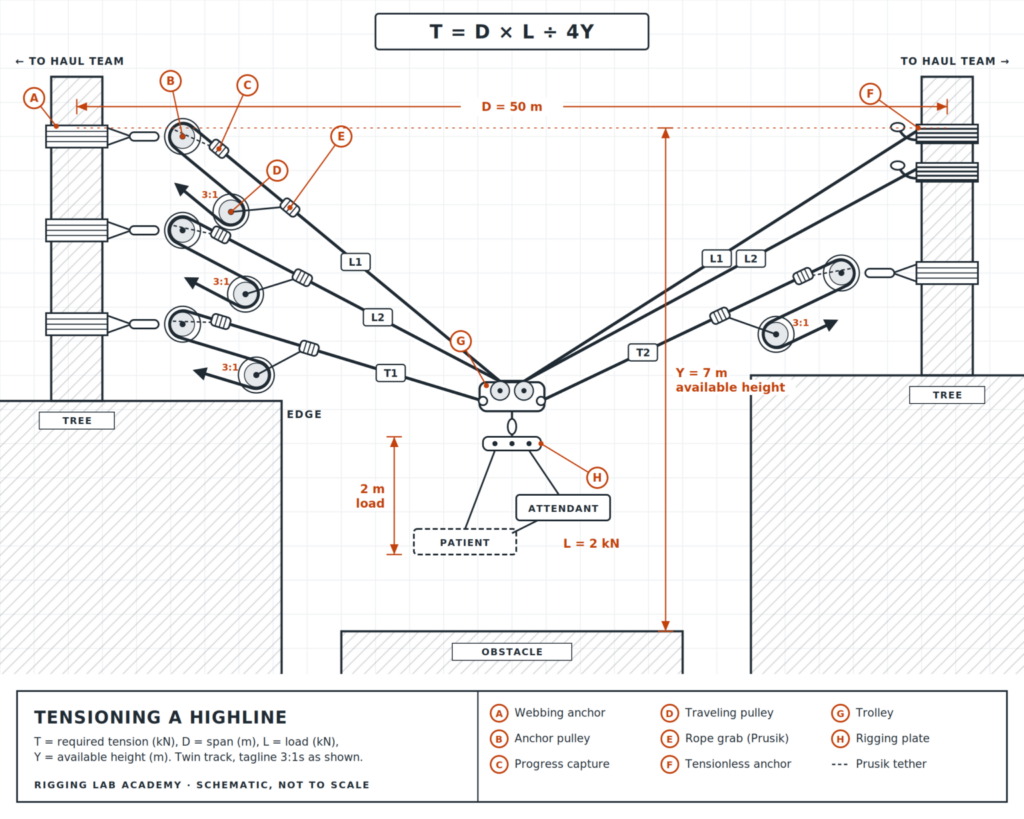
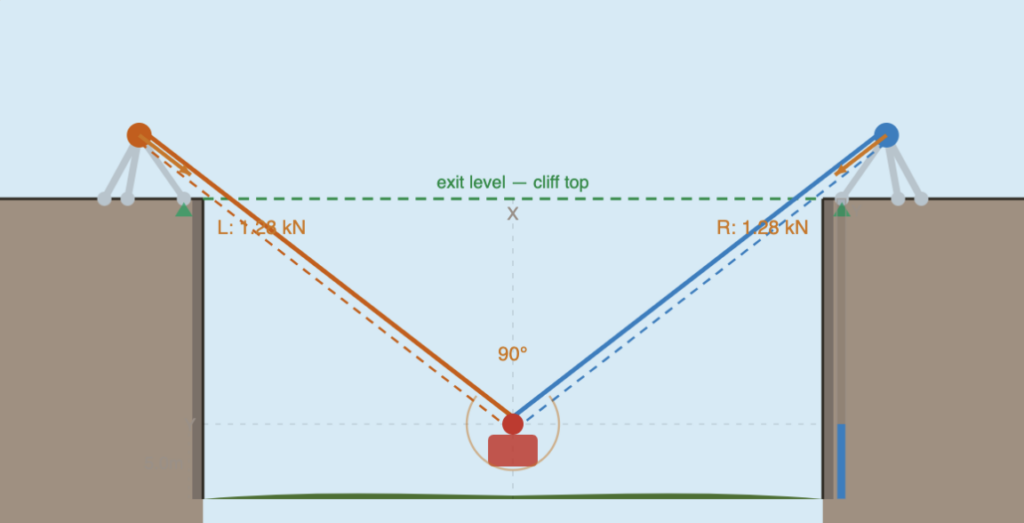
Steep Highline Calculations and Rigging Techniques Mastering steep highline systems takes more than just strong anchors and high-quality rope—it demands precision, forethought, and the ability to calculate force vectors in real-time terrain. In other words, steep highline calculations and rigging techniques are critical. Whether you’re new to horizontal rigging or refining your advanced systems, steep-angle

Steep Highline Calculations and Rigging Techniques Read More »

Understanding High Directional Systems

Understanding High Directional Systems

Understanding High Directional Systems Fundamental Concepts of Resultant Vector Understanding High Directional Systems – The resultant vector is a cornerstone concept in high directional setups, representing the combined force acting within the system. This vector encapsulates both the magnitude and direction of the forces at play, which is crucial for maintaining system stability and effectiveness.

Understanding High Directional Systems Read More »