Rescue operations

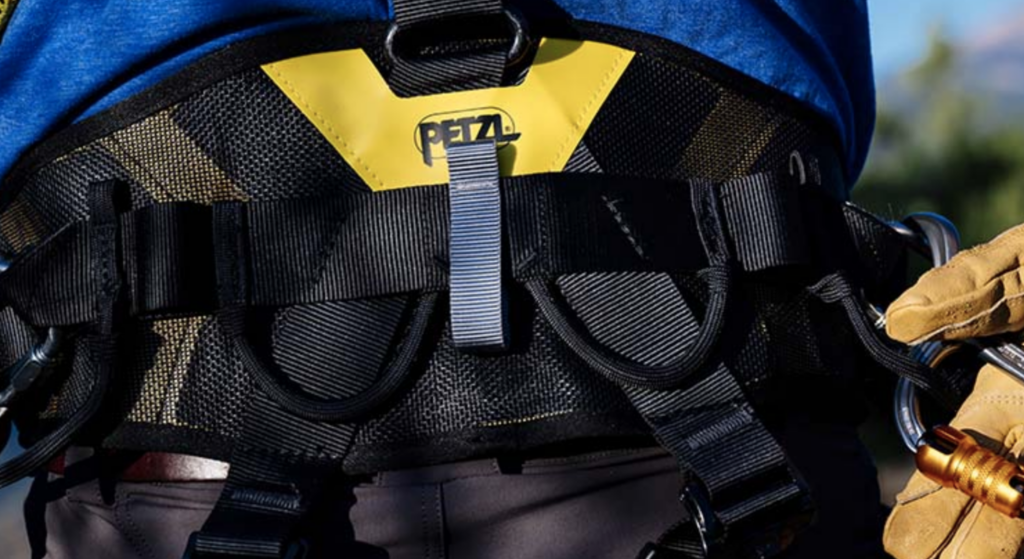
Petzl Harness Falcon

The Hidden Role of Rescue Harness Design in Technical Rope Systems

In technical rescue, harnesses are often treated as static pieces of personal protective equipment. In reality, the harness becomes the central interface between the rescuer and the entire rope system. Every ascent, descent, edge transition, positioning movement, litter operation, and directional shift passes through that platform. The harness is not merely something a rescuer wears. […]

The Hidden Role of Rescue Harness Design in Technical Rope Systems Read More »
RLA CORE CREW

Why Small Rescue Crews Use RLA CORE for Technical Rescue Consistency

Small Rescue Crews Operate Differently Than Large Departments Most small rescue teams do not have the luxury of large training divisions, dedicated instructional staff, or personnel assigned to a single operational discipline. Crew members often wear multiple hats. The same person handling anchors during one evolution may transition into edge operations, litter management, haul systems,

Why Small Rescue Crews Use RLA CORE for Technical Rescue Consistency Read More »

Rigging Lab Academy CORE

Why Teams Choose RLA CORE for Technical Rescue Training

Why Rescue Teams Are Moving Toward Structured CORE Training Most rescue teams do not struggle because they lack effort. They struggle because knowledge becomes fragmented over time. Different instructors teach different methods. Team members develop habits based on local culture rather than system logic. Equipment changes faster than operational understanding. Eventually, even experienced teams begin

Why Teams Choose RLA CORE for Technical Rescue Training Read More »

patient packaging and litter movement

Litter Operations and Patient Evacuation in Technical Rescue

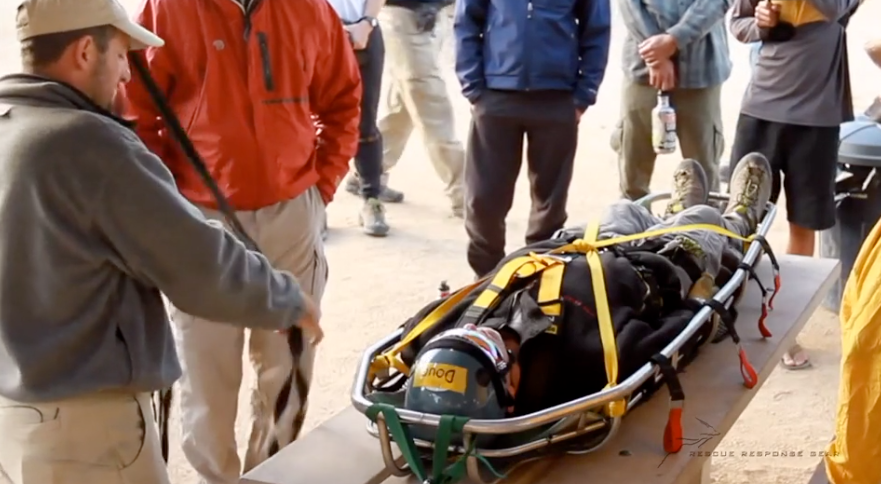
Sign Up for Free E-Book Litter Operations and Patient Evacuation in Technical Rescue Technical rescue environments rarely fail because of a lack of gear. More often, they fail because teams underestimate movement, terrain transitions, communication breakdowns, or the physical demands of transporting a patient through difficult ground. Litter operations sit at the center of all

Litter Operations and Patient Evacuation in Technical Rescue Read More »

Arizona Vortex Guidebook

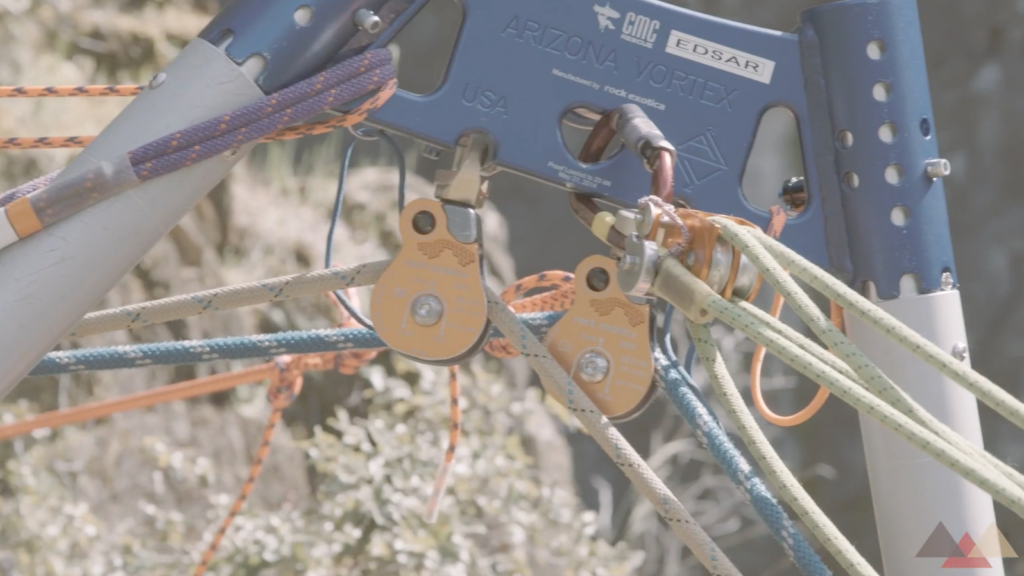
Arizona Vortex Configuration Guide for Directional and Anchor Frame Rescue Systems

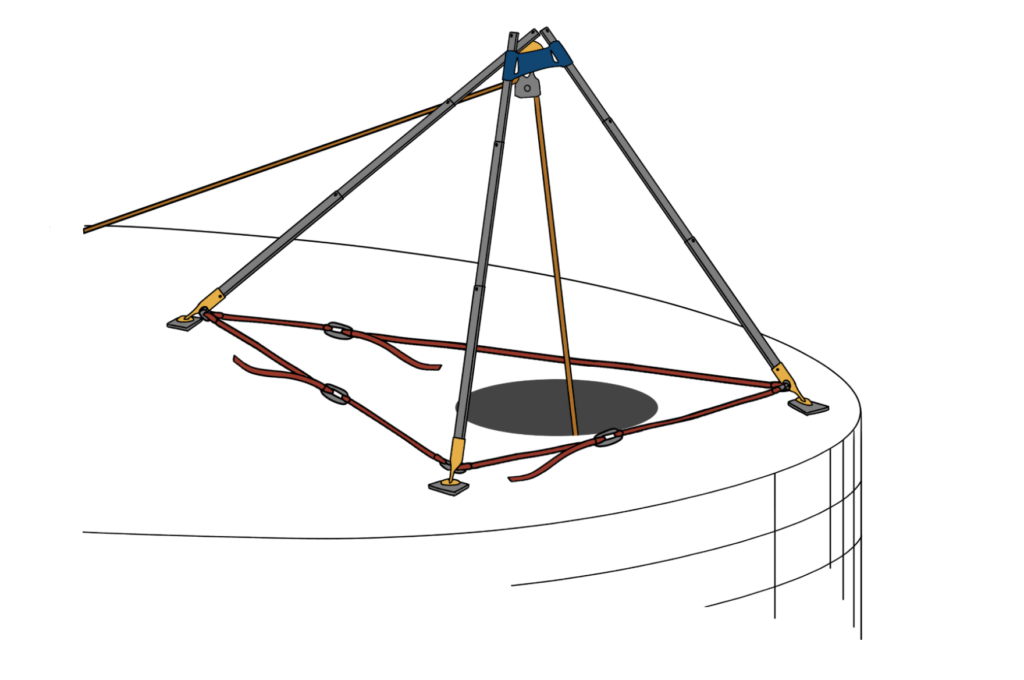
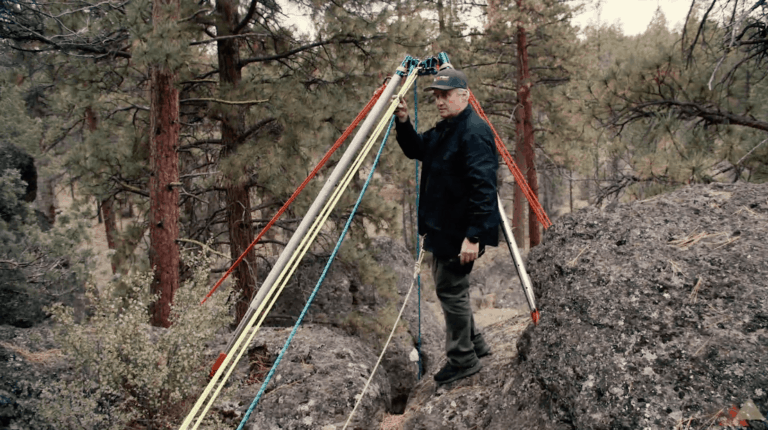
The Arizona Vortex is often taught as a collection of individual configurations: tripod, A-frame, gin pole, sideways A-frame, and easel-leg variants. But in the field, those configurations are never selected in isolation. Terrain, edge conditions, anchor availability, hauling direction, team size, load path, and operational constraints all shape the decision. This project reframes the Vortex

Arizona Vortex Configuration Guide for Directional and Anchor Frame Rescue Systems Read More »
Highline Systems — Planning, Building, and Operating the Crossing

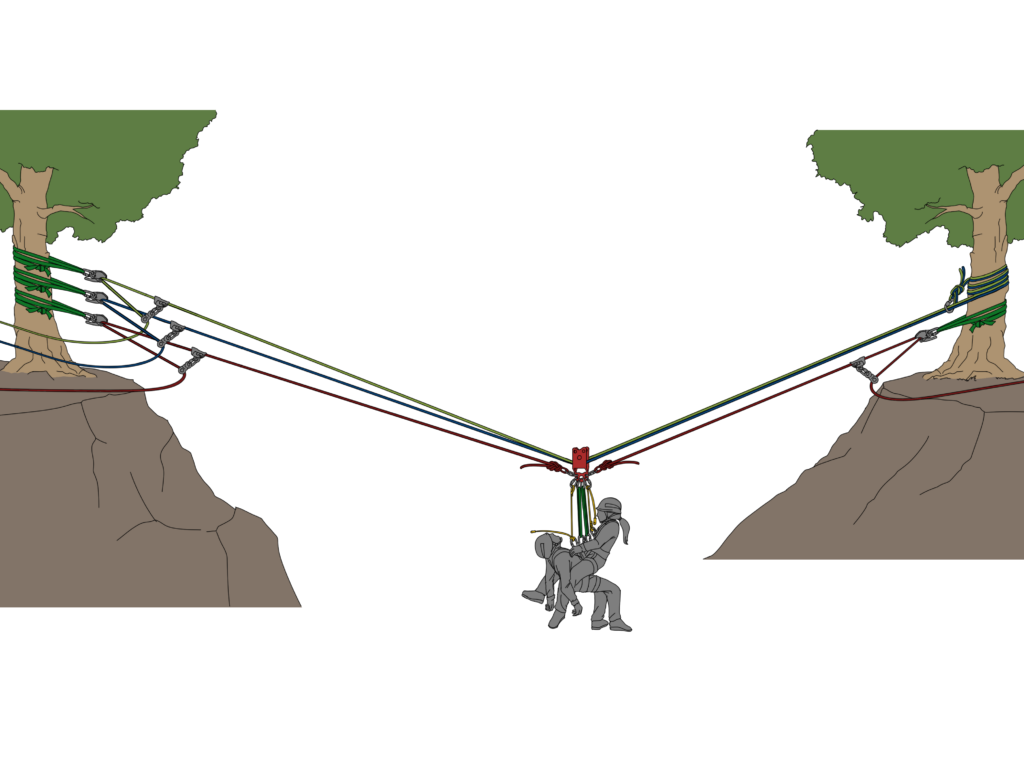
A highline is a tensioned rope system used to transport a rescuer and patient across a gap that cannot be crossed any other way — canyons, gorges, building-to-building, or industrial spans. When ground access isn’t an option, a highline is. This chapter covers both system types, the calculations that govern them, and how to operate

Highline Systems — Planning, Building, and Operating the Crossing Read More »

Challenges in Span Anchor Systems-Designing Essential Processes for Technical Rope Rescue

Designing Essential Processes for Technical Rope Rescue

In the high-stakes world of technical rope rescue, every decision, every action, and every system counts. The difference between success and catastrophic failure often hinges not merely on the individual skills of rescuers, but on the meticulous design and disciplined execution of the underlying processes that guide their efforts. A well-crafted process brings clarity to

Designing Essential Processes for Technical Rope Rescue Read More »

two tensioned system raise sharing more equally

The Two-Tensioned Rope Raising System

The Two-Tensioned Rope Raising System In the high-stakes world of rope rescue and technical rigging, achieving safety and absolute control stands as our highest priority. When we need to move loads or personnel upward, the demands intensify, requiring systems that offer maximum security and efficiency. This brings us to the Two-Tensioned Rope System (TTRS), a

The Two-Tensioned Rope Raising System Read More »

Rescue Rope and Webbing Essentials - Who Does What in Rope Rescue?

Who Does What in Rope Rescue?

Who Does What in Rope Rescue? The Crucial Roles of Chiefs and Technical Teams When lives hang in the balance—literally—during a rope rescue, success depends on more than just technical skill. It requires crystal-clear roles, smart strategy, and seamless teamwork. Whether you’re a seasoned firefighter, a new rescue tech, or simply curious about how complex

Who Does What in Rope Rescue? Read More »

Search and Rescue Mini-Course - Competence and Proficiency in TSAR

Competence and Proficiency in Technical Search and Rescue

Competence and Proficiency in Technical Search and Rescue Where Capability Meets Responsibility in Technical Rescue In the world of Technical Search and Rescue (TSAR), success doesn’t come from good intentions—it comes from verified competence and practiced proficiency. Whether you’re a firefighter, SAR operator, or industrial rope technician, your ability to function effectively in high-risk environments

Competence and Proficiency in Technical Search and Rescue Read More »

Rope Rescue Equipment Tracking

Rope Rescue Equipment Tracking

Maximizing Safety and Readiness: Inventory and Tracking Systems for Rope Rescue Equipment In technical rope rescue operations, readiness and safety hinge on the condition and availability of specialized equipment. For fire departments and rescue teams, a well-organized inventory and tracking system is not just a logistical tool but a lifeline. This blog explores the essential

Rope Rescue Equipment Tracking Read More »

5th class litter raise

Class 5 Litter Handling

Class 5 Litter Handling Class 5 litter handling represents the most technical and demanding aspects of rope rescue operations. This process involves safely managing the litter and patient in complex, high-angle environments, such as steep cliffs, overhangs, or confined vertical spaces. It demands precision in rigging, effective use of specialized tools, and seamless coordination among

Class 5 Litter Handling Read More »

Anchors TTRS and Hauling Systems

Anchors TTRS and Hauling Systems

Understanding anchors, Tensioned Twin Rope Systems (TTRS), and hauling systems isn’t just about rigging; it’s about safety, efficiency, and adaptability in high-pressure situations. These systems form the backbone of rescue and rigging operations, ensuring stability and control when it matters most. 1. Anchors: The Bedrock of Stability A strong anchor is the foundation of every

Anchors TTRS and Hauling Systems Read More »

Mastering Knot Passing in Rigging- Pulleys and PCDs ensure safety in MA systems. Discover fixed/movable pulleys and progress capture devices for controlled rescues.

Pulleys and Progress Capture Devices

Mechanical Advantage Systems in Rescue Operations: The Role of Pulleys and Progress Capture Devices In the world of rescue operations, pulleys and progress capture devices (PCDs) play essential roles in ensuring safety, control, and efficiency. Pulleys redirect and multiply forces, making lifting possible with reduced effort, while PCDs ensure that the load remains stable, preventing

Pulleys and Progress Capture Devices Read More »

Basic mechanical advantage systems enable efficient lifting with simple pulleys. Learn the essentials of the 3:1 Z-rig for safe rescues - How is Weight Redistributed Through a 3:1 Mechanical Advantage System? - Eccentric Progress Capture in Mechanical Advantage Systems

Basic Mechanical Advantage Systems in Rescue Operations

Basic Mechanical Advantage Systems & Simple Pulley Setups For many rescue scenarios, simplicity is key. Basic MA systems, like the 3:1 “Z-rig,” use straightforward pulley configurations to achieve force multiplication. The Z-rig setup resembles a “Z” shape and can effectively reduce the amount of effort needed to lift a load. For instance, applying 100 pounds

Basic Mechanical Advantage Systems in Rescue Operations Read More »

Multi-Point Anchors in Rescue

Multi-Point Anchors in Rescue: Part 3

Multi-Point Anchors in Rescue Operations Multi-point anchors provide enhanced stability by distributing weight across multiple points, making them invaluable in complex rescue operations. In this post, we’ll explore the setup and applications of multi-point anchors for safe, effective load management in rescue scenarios. Benefits of Multi-Point Anchors Multi-point anchors increase safety by creating redundancy and

Multi-Point Anchors in Rescue: Part 3 Read More »

highline set up using artificial-anchors-rescue

Artificial Anchors in Rescue: Part 2

In situations where natural anchors aren’t available or reliable, artificial anchors are essential. Artificial anchors like bolts and anchor plates provide consistent stability and security, especially in environments that lack sturdy trees or rocks. In this second part of our series, we’ll explore the setup, applications, and safety considerations for artificial anchors in rescue operations.

Artificial Anchors in Rescue: Part 2 Read More »

multipoint anchoring using removable bolts - Removable Bolt Highline Anchors

Natural Anchors in Rescue Operations: Part 1 – Natural Anchors

Anchors and Anchor Systems in Rescue Operations: Part 1 – Natural Anchors When it comes to rescue operations, creating secure, reliable anchors is essential. In this first part of our Anchors and Anchor Systems series, we’ll focus on natural anchors—anchors that utilize trees, rocks, and other natural features. Understanding how to assess, set up, and

Natural Anchors in Rescue Operations: Part 1 – Natural Anchors Read More »

Essential Rope Access Techniques for Industrial Contracts and Rescue Operations - Building Maintenance Rope Descent Safety

Rope Access Techniques for Industrial Contracts and Rescue Operations

Rope access techniques are essential across numerous industries, ensuring professionals can navigate difficult environments safely and efficiently. Whether working on industrial contracts or emergency rescue operations, mastering these techniques allows workers to meet the high standards expected in these roles. In this post, we’ll focus on four key techniques every professional needs and how they

Rope Access Techniques for Industrial Contracts and Rescue Operations Read More »

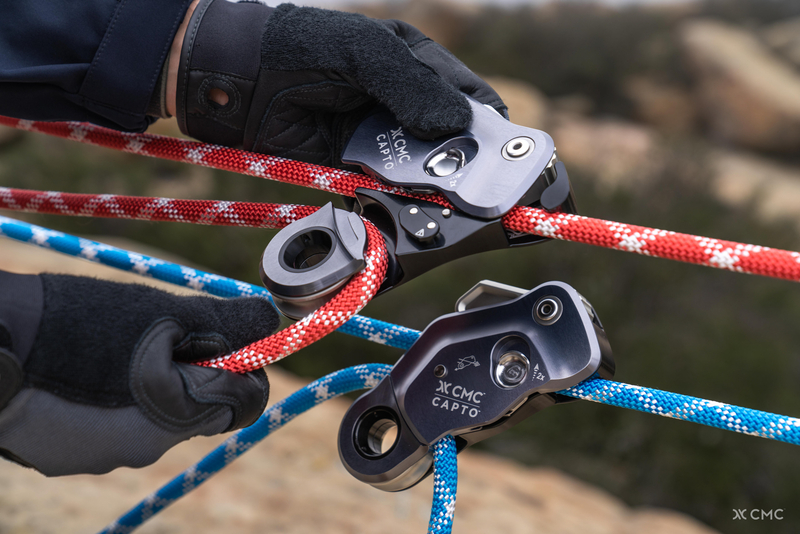
CAPTO combines a rope grab, pulley, and becket in a single device that reduces the time and complexity of building mechanical advantage systems.

CMC Capto vs. Prusik: Which is Best for Rescue?

When it comes to rescue operations, efficiency and reliability are everything. Progress capture devices like the CMC Capto vs. Prusik play a critical role in controlling loads, securing positions, and ensuring the safety of rescuers and victims. This blog breaks down the key differences between these two tools, exploring their strengths and use cases. Understanding

CMC Capto vs. Prusik: Which is Best for Rescue? Read More »