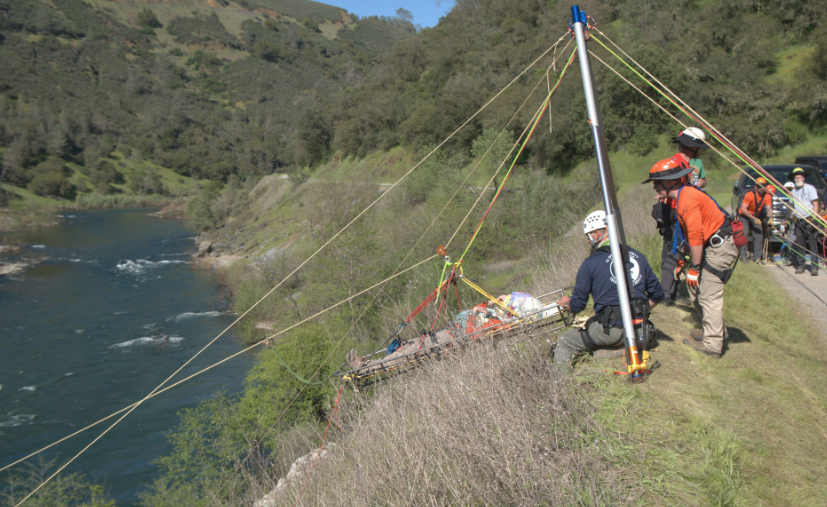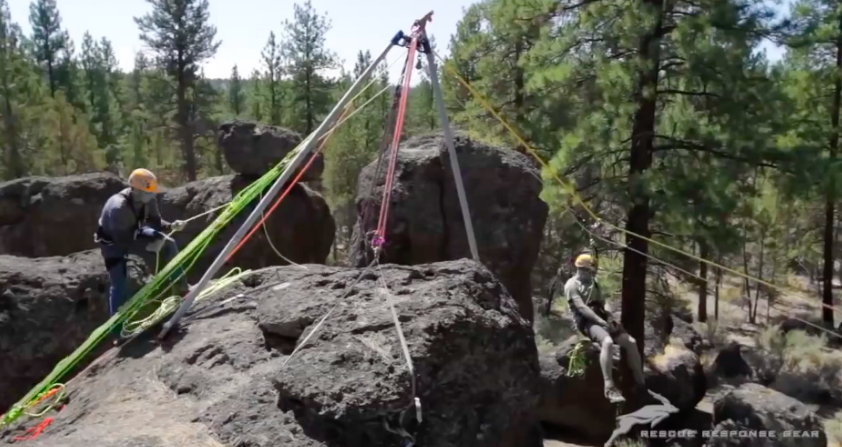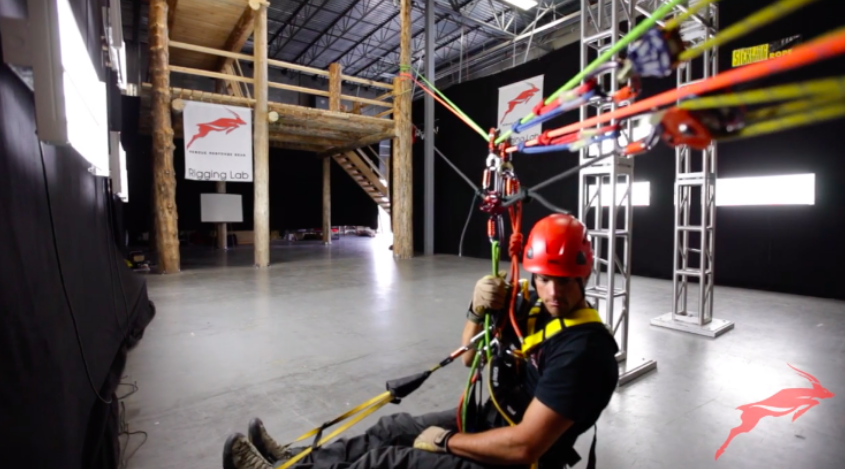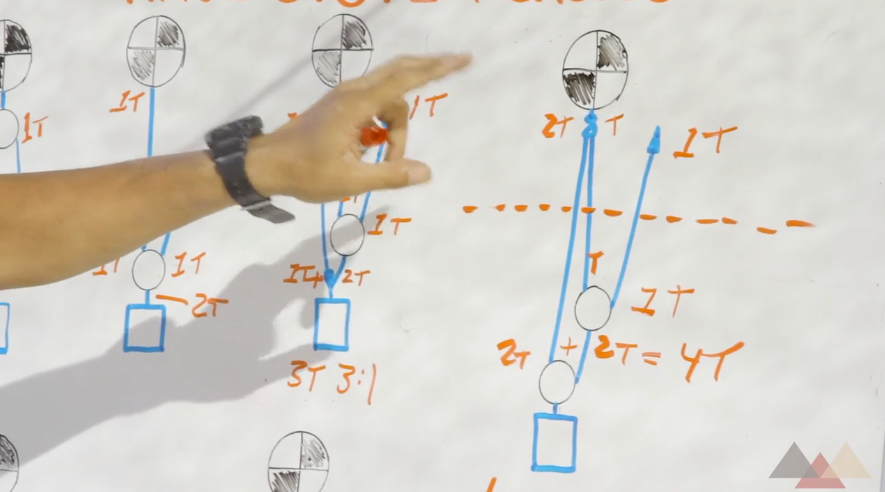
Rescue operations

Pareto’s Principle in Leadership and Rope Rescue - Pareto Efficiency in Rope Rescue

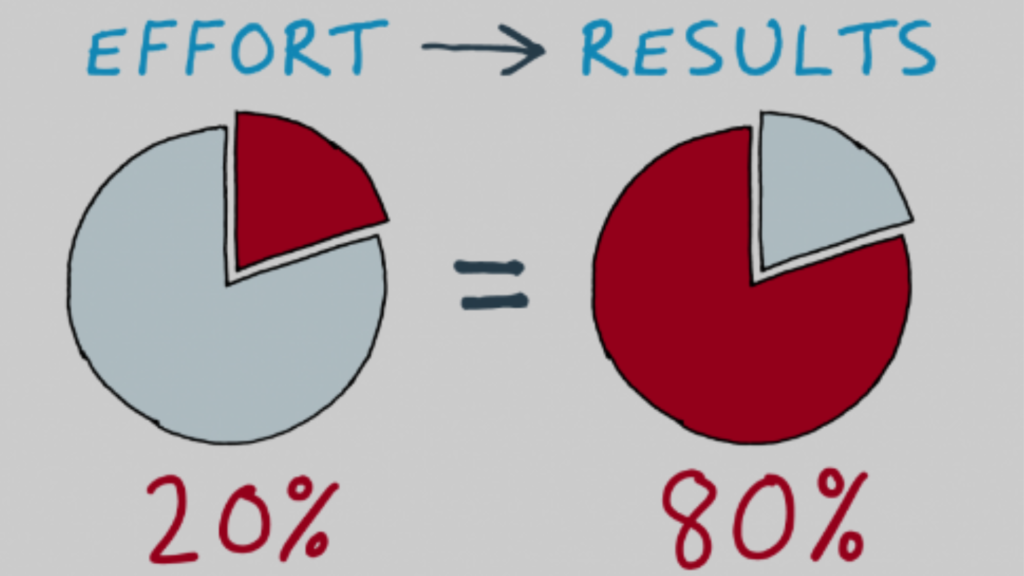
20-80 Rule in Knot Tying and Rigging

20-80 Rule in Knot Tying and Rigging Introduction In rescue operations, the 20-80 rule plays a pivotal role in efficiency—20% of the essential techniques address 80% of rescue scenarios. This is particularly true when it comes to knot tying and rigging, where focusing on core skills can significantly improve operational performance. In this blog, we’ll […]

20-80 Rule in Knot Tying and Rigging Read More »
Advanced Mechanical Advantage Systems in Rescue Operations 1

Advanced Mechanical Advantage Systems in Rescue Operations

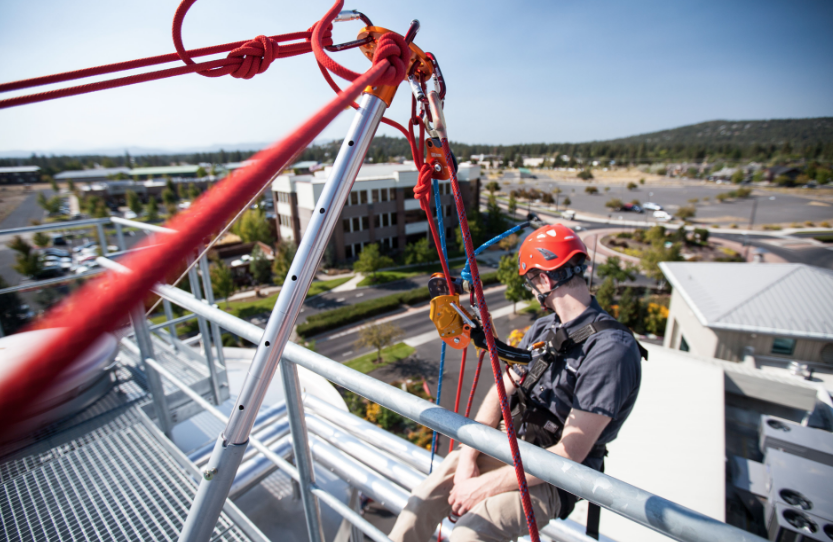
Advanced Mechanical Advantage Systems: Enhancing Rescue Operations Across Disciplines Introduction Advanced Mechanical Advantage (MA) Systems are essential tools in the field of technical rescue, providing critical force multiplication that enables rescue teams to move heavy loads with minimal effort. These systems are particularly relevant in industrial rescue, search and rescue (SAR), and technical rescue within

Advanced Mechanical Advantage Systems in Rescue Operations Read More »

Knot Craft and Knot Passing and in between

Knot Craft and Knot Passing

Mastering Knot Craft and Knot Passing In rope rescue and rigging, the ability to skillfully create and manipulate knots is more than just a basic requirement—it’s an essential part of ensuring safety, efficiency, and success in the field. Knot craft and knot passing are not isolated skills; they are deeply interwoven techniques that, when mastered,

Knot Craft and Knot Passing Read More »

Vector Forces and Rigging Mechanics in Rope Rescue - T-Method for Pulley Efficiency

Vector Forces and Rigging Mechanics in Rope Rescue

Vector Forces and Rigging Mechanics in Rope Rescue Introduction Rope rescue operations are inherently complex, requiring a nuanced understanding of vector forces and rigging mechanics. These elements are critical for ensuring the safety of both rescuers and victims. This blog will explore the foundational principles of vector forces and rigging mechanics, providing insights into how

Vector Forces and Rigging Mechanics in Rope Rescue Read More »

rope rescue mainline operations

Mainline Rescue and Rigging Systems

Mainline rescue and rigging systems are a complex yet essential set of skills requiring both theoretical knowledge and practical proficiency. Employed by firefighters, search and rescue teams, industrial workers, and arborists, these systems ensure safety in hazardous situations and manage heavy loads with precision. Proper training and ongoing practice are crucial for mastering these techniques

Mainline Rescue and Rigging Systems Read More »

metacognition in rope rescue

Metacognition in Rigging and Rescue Operations

Metacognition, Knowledge, and Perception in Rigging and Rescue Operations Trigger Warning! – This course (to some) reads like the Tao Te Ching or Ancient Proverbs. Leadership is not solely achieved through age, promotions, or certifications – although these elements may be part of the leadership journey. True leaders will see authority in the lowliest of

Metacognition in Rigging and Rescue Operations Read More »

Implementing a Skate Block System with a Monopod Artificial High Directional-over the edge two twin tension system for rope rescue

Mastering the Two-Tension Rope System

Introduction to Two-Tension Rope Systems The two-tension rope system is a fundamental component in high-angle rescue operations, representing the primary method taught by RLA (Rescue Learning Academy) for efficiently lowering and raising rescue loads. This system, particularly when integrated with the Multi-Purpose Device (MPD), offers a safer and more manageable approach by eliminating fall factors

Mastering the Two-Tension Rope System Read More »

raising and lowering system mechanical advantage systems

Raising Systems and Mechanical Advantage in Rescue

Sign Up for Free E-Book Effective rescue operations often require the use of raising and lowering systems to safely move individuals and equipment. Understanding mechanical advantage systems is crucial for performing these tasks efficiently and safely. This super blog will guide you through comprehensive learning modules focused on raising systems and mechanical advantage (MA) systems,

Raising Systems and Mechanical Advantage in Rescue Read More »

confined space rescue technician

Confined Space Rescue Technician | Advanced Techniques and Equipment

Confined space rescue at the technician level involves advanced skills and specialized equipment to manage the most challenging scenarios. This blog covers critical aspects of mastering confined space rescue technician operations, focusing on the use of supplied air respirators, short spinal packaging devices, and complex rigging systems. The Use of Supplied Air Respirators Supplied air

Confined Space Rescue Technician | Advanced Techniques and Equipment Read More »

Elevated Anchors and Rigging Techniques

Elevated Anchors and Rigging Techniques

Elevated Anchors and Rigging Techniques: Advancing Rope Rescue Operations Rescue operations demand a deep understanding of mechanics, force dynamics, and rigging strategies. Among the essential tools in a rescuer’s arsenal are elevated anchors, which serve as critical “edge mitigation tools.” These horizontal systems are designed to raise and lower loads effectively, reducing edge trauma in

Elevated Anchors and Rigging Techniques Read More »

Forces Light and Frequency in Rope Rescue

Forces Light and Frequency in Rope Rescue

Forces Light and Frequency in Rope Rescue Amidst this call for re-evaluation, certain dimensions of science remain profoundly enlightening: Forces Light and Frequency in Rope Rescue. These principles not only govern the intricate world of physics but also play a pivotal role in practical applications like rope rescue and rigging. In the realm of rope

Forces Light and Frequency in Rope Rescue Read More »

Fundamentals of Rigging in Rescue Operations -English and Reverse Reeve Systems for Highline Rescue

Fundamentals of Rigging in Rescue Operations

The Fundamentals of Rigging in Rescue Operations Rigging plays a pivotal role in rescue operations, where the ability to analyze and manage forces effectively can make the difference between a successful mission and a potential disaster. Whether navigating high-angle rescues or confined spaces, mastering the fundamentals of rigging is crucial for safety and efficiency. In

Fundamentals of Rigging in Rescue Operations Read More »

Critical Equipment Selection in Rope Rescue - Rope Rescue Incident Planning

Rope Rescue Incident Planning

Rope Rescue: Purpose, Planning, and Equipment Selection When approaching any rescue operation, success hinges on clarity and precision. Start by answering these critical questions in order: What is the purpose? Define the objective of the rescue operation. What is the intended outcome? Why is it important? Understand the stakes—human lives, environmental impacts, or operational goals.

Rope Rescue Incident Planning Read More »

Four Burners Theory

The Four Burners Theory in Rope Rescue

The Four Burners Theory in Rope Rescue and Rigging The Four Burners Theory, a metaphor often used to represent the balancing act between personal and professional priorities, has valuable implications in rope rescue and rigging. Just as in life, achieving optimal performance in rigging operations requires strategic focus, resource allocation, and disciplined decision-making. By applying

The Four Burners Theory in Rope Rescue Read More »

Mechanical Advantage Progression

Mechanical Advantage Progression in Rigging

Mechanical Advantage Progression: The Key to Rigging Efficiency Understanding Mechanical Advantage (MA) in Rigging Systems Mechanical advantage (MA) is a cornerstone concept in technical rescue and rigging. By leveraging systems of pulleys, ropes, and anchors, rescuers can magnify their pulling force to lift heavy loads or manage difficult terrain. Whether working on a confined space

Mechanical Advantage Progression in Rigging Read More »

Mechanical Advantage Progression

Mechanical Advantage Progression

Mechanical Advantage Systems Mechanical Advantage Progression (MA) systems are foundational in rescue operations, enabling teams to manage heavy loads effectively with minimal effort. Rooted in principles of physics, these systems leverage pulleys—a timeless invention refined by Archimedes—to amplify human force. The concept remains as relevant today as it was in Archimedes’ legendary demonstration of moving

Mechanical Advantage Progression Read More »

Mechanical Advantage in Rope Rescue - Rope Rescue Analysis Technique

Mechanical Advantage in Rope Rescue

Mastering Mechanical Advantage in Rigging Mechanical advantage (MA) is the backbone of technical rope rescue and rigging systems. By understanding the principles of force multiplication and efficiency, rescuers can design safer and more effective systems for hauling, lowering, and stabilizing loads. This guide dives deeper into the applications and nuances of mechanical advantage systems to

Mechanical Advantage in Rope Rescue Read More »

Mechanical Advantage Basics in Rescue

Mechanical Advantage Basics in Rescue

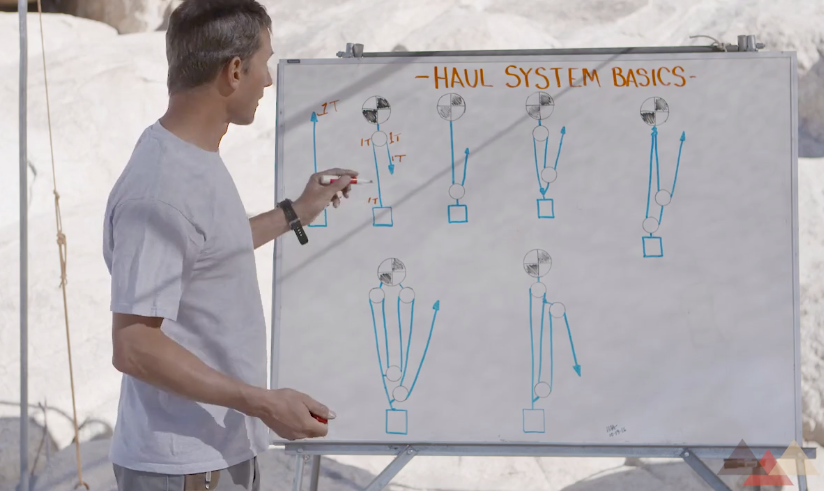
Mechanical Advantage Part 1: The Foundations of Haul System Efficiency Mechanical Advantage (MA) systems are at the heart of rope rescue and rigging operations. These systems allow rescuers to lift or move heavy loads with minimal effort by multiplying applied force through pulleys and rigging components. In this foundational guide, we’ll explore the basics of

Mechanical Advantage Basics in Rescue Read More »