mechanical advantage

bombproof focused anchor system short

Anchor Systems and Rigging Principles for Modern Rescue

Anchor systems are the backbone of rope rescue. Every lift, lower, redirect, tension system, or directional frame is supported—literally—by the quality of the anchors that carry the load. The most skilled team and the most capable hardware cannot compensate for anchors that are poorly selected, misaligned with the load, or misunderstood. When anchors are engineered […]

Anchor Systems and Rigging Principles for Modern Rescue Read More »

Rope rescue training for veterans covers leadership, mechanical advantage, and advanced rigging skills and Hidden treasures in team leadership

Advanced Rigging Principles for Technical Rope Rescue

Modern rope rescue has outgrown the era of “strong gear plus strong backs.” At the advanced level, operations are built on system engineering, controlled redundancy, and a clear understanding of how forces, geometry, and human factors interact in real time. The Technical Operational Rigging Study Guide you started with is more than an exam—it is

Advanced Rigging Principles for Technical Rope Rescue Read More »

Horizontal Movement Systems in Rope Rescue

Counterintuitive Principles of Elite Rope Rescue Systems

1. The Ultimate System Test: What Happens If Everyone Lets Go? The “whistle test” is one of the simplest yet most powerful tools in rope rescue. It strips away the illusion of operator control and evaluates the system on pure mechanical resilience. If a sudden distraction — a falling rock, a hornet swarm, or a

Counterintuitive Principles of Elite Rope Rescue Systems Read More »

Organizing Rope Rescue Equipment

Technical Rescue Efficiency The Three Pillars of Controlled Patient Transport

In professional rescue environments, efficiency is achieved through the deliberate balance of mechanical precision, system predictability, and patient safety. Technical rescue operations—especially in vertical and confined space environments—demand that every action be guided by principle, not impulse. Success is rarely improvised; it is engineered. The governing framework of efficiency in patient transport can be defined

Technical Rescue Efficiency The Three Pillars of Controlled Patient Transport Read More »

confined space rescue

Precision and Protocol in Leadership for Confined Space Rescue Operations

In the discipline of technical rescue, the anchor system remains the defining constant—the mechanical and moral foundation of every operation. As Steve Crandall asserts, “Without a solid anchor, properly rigged, the system is bound for failure.”In Confined Space Rescue (CSR), this principle takes on a leadership dimension. Decision-makers are forced to manage high-risk, low-frequency events

Precision and Protocol in Leadership for Confined Space Rescue Operations Read More »

cross-haul rope access

Cross Haul Techniques for Rescue and Equipment Movement

Cross hauling is a controlled horizontal movement technique used to transport loads—such as a patient litter, heavy gear, or suspended equipment—between two points using independent hauling and lowering systems. The method relies on coordination between two rescuers or teams operating from opposite anchors, each managing their side’s tension to maintain balance and stability. When executed

Cross Haul Techniques for Rescue and Equipment Movement Read More »

mechanical advantage

Understanding Pulley Systems for Mechanical Advantage

Mechanical advantage lies at the heart of rope rescue, and pulleys are the tools that make it possible. By redirecting force and multiplying effort, pulley systems enable rescuers to move loads that would otherwise be unmanageable. Understanding how these systems work—specifically how rope anchoring, pulley placement, and rope routing affect efficiency—is essential for building safe,

Understanding Pulley Systems for Mechanical Advantage Read More »

Rope Rescue Safety Factors and equipment

Rope Rescue Equipment

Understanding Rope Rescue Equipment is paramount in the high-stakes world of technical rope rescue. Equipment isn’t just a collection of tools; it’s the very lifeline connecting rescuers to those in need. From the quiet strength of a well-placed anchor to the mechanical magic of a pulley system, every piece of gear plays a critical, interconnected

Rope Rescue Equipment Read More »

two tension twin tension lower single operator back tension safety

CMC Clutch Twin Tension Two Tension Lower

The CMC Clutch Twin Tension Two Tension Lower has become a defining standard in modern rope rescue systems. By integrating the Clutch into a Twin Tension Rope System (TTRS), rescuers can achieve smoother control, balanced load distribution, and built-in redundancy. Whether lowering or raising, the Clutch ensures safe transitions, adaptability across rescue environments, and confidence

CMC Clutch Twin Tension Two Tension Lower Read More »

Building the Minimal Mechanical Advantage Kit

Building a Minimal Mechanical Advantage Kit with the 20–80 Rule

The 20–80 Rule in Action: Building the Minimal Mechanical Advantage Kit In rope rescue, complexity can be your enemy. Too many devices, too much gear, and too many choices under stress can slow a team down and increase risk. That’s where the 20–80 Rule comes in: with about 20% of the gear, you can accomplish

Building a Minimal Mechanical Advantage Kit with the 20–80 Rule Read More »

Rope Rescue Math and Aerial Ladder Torque Management

Rope Rescue Math and Aerial Ladder Torque Management

Rope Rescue Math and Aerial Ladder Torque Management In rope rescue, a high-directional such as an aerial ladder can be an invaluable elevated anchor—if it’s rigged correctly. The forces at play are not intuitive, and relying on firefighting ratings or guesswork can lead to dangerously overloaded systems.This guide explains the math behind high-directional loading, how

Rope Rescue Math and Aerial Ladder Torque Management Read More »

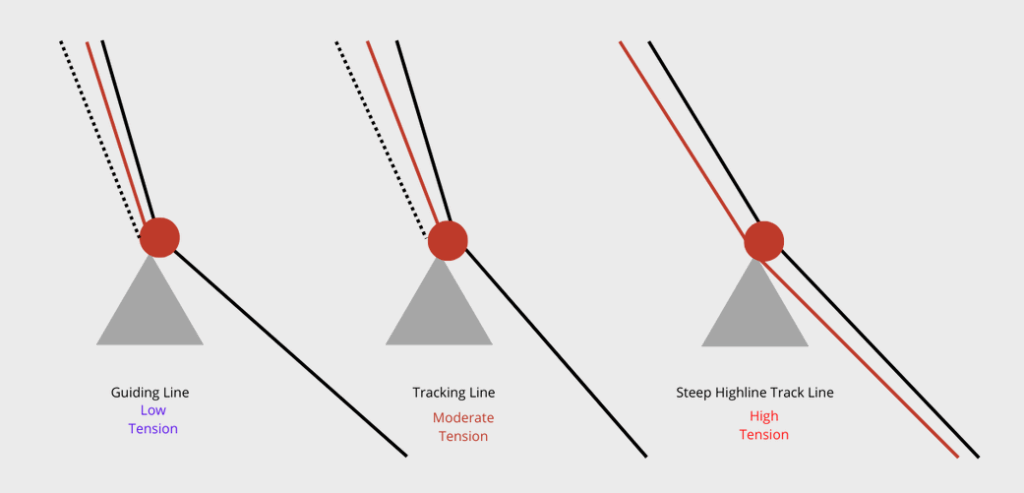
Rope Rescue Math – Understanding High-Directional Forces

Rope Rescue Math Guide to High Directional Forces

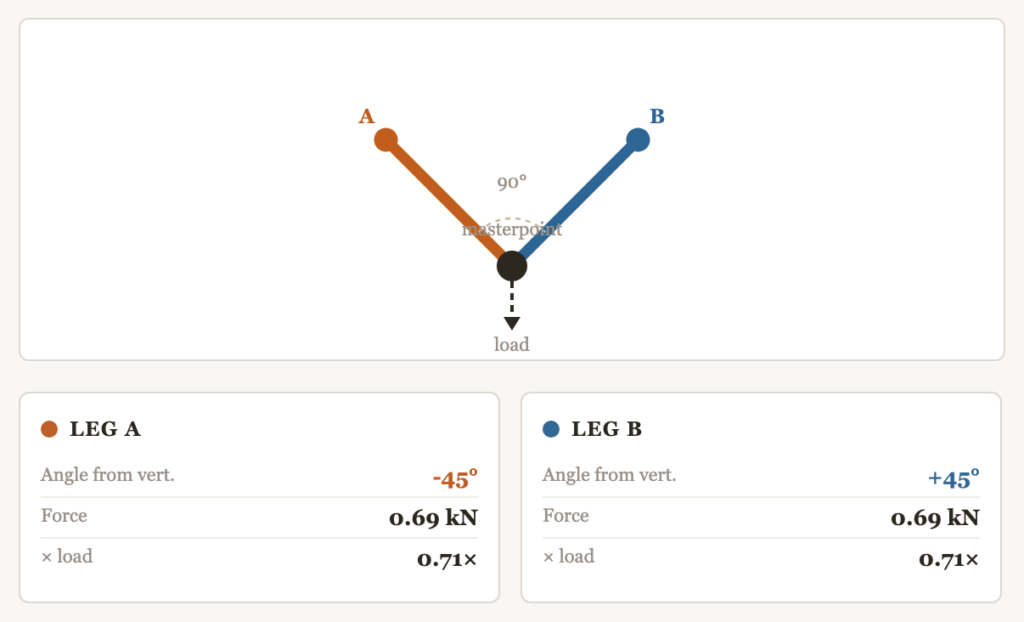
Rope Rescue Math – Understanding High-Directional Forces In rope rescue, knowing the numbers can be the difference between a safe system and one that’s on the edge of failure. When working with high-directionals—such as aerial ladders, tripods, or A-frames—forces don’t just act straight down; they spread out along multiple paths. The diagrams you’ve seen are

Rope Rescue Math Guide to High Directional Forces Read More »

climber fall rescue - 5 First Principles of Rescue Rigging

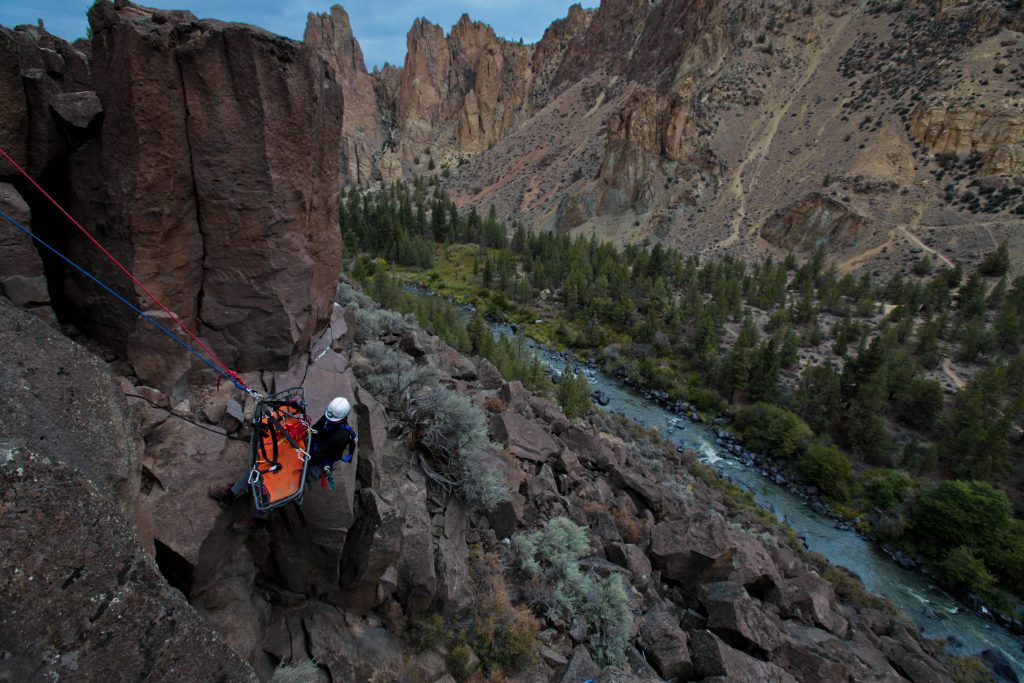
Climber Rescue Team Using Twin Tension Rope Systems

Climber Rescue Team Using Twin Tension Rope Systems A climber begins their ascent. Movements are steady and deliberate. Each step shows control. But even skilled climbers can fall. And when they do, preparation makes the difference and it is here we see a Climber Rescue Team Using Twin Tension Rope Systems. The Fall: Fast Response

Climber Rescue Team Using Twin Tension Rope Systems Read More »

Choosing the Right Block and Tackle System for Vertical Rescue and Access

Block and Tackle System for Vertical Rescue and Access

Block and Tackle System for Vertical Rescue and Access In vertical rescue and rope access, fast reversibility, mechanical advantage, and clean rope management can make or break a successful operation. Petzl offers three leading systems that address these needs from different angles: the TWIN RELEASE, the MAESTRO haul/lower system, and the I’D EVAC + JAG

Block and Tackle System for Vertical Rescue and Access Read More »

block and tackle confined space rescue

The Block and Tackle System for Vertical Rescue and Rope Access

A Simple System with Dual Power: Lowering and Raising with Block and Tackle The Block and Tackle System is a compact, pre-rigged solution designed for short-haul vertical rope access, confined space entry, and patient retrieval. It combines the benefits of mechanical advantage and continuous bidirectional control, eliminating the need to reset a progress capture device

The Block and Tackle System for Vertical Rescue and Rope Access Read More »

Debunking the myth of parallel mechanical advantage

Why Parallel Haul Systems Don’t Double Mechanical Advantage in Rope Rescue

Debunking the Myth of Multiplying Mechanical Advantage In technical rope rescue, clarity and precision matter—especially when it comes to understanding mechanical advantage. One common belief that continues to circulate in the rescue and rigging world is that two parallel 3:1 systems hauling a single load equals a 6:1 advantage. It sounds intuitive. It looks clean

Why Parallel Haul Systems Don’t Double Mechanical Advantage in Rope Rescue Read More »

gin pole ahd rope rescue

Gin Pole AHD rope rescue

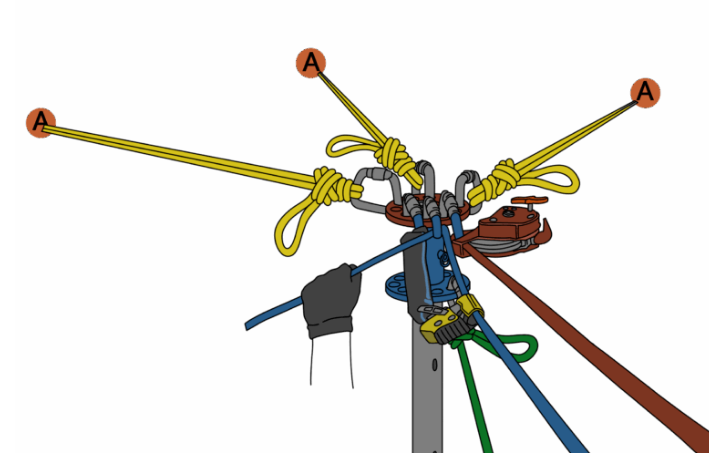
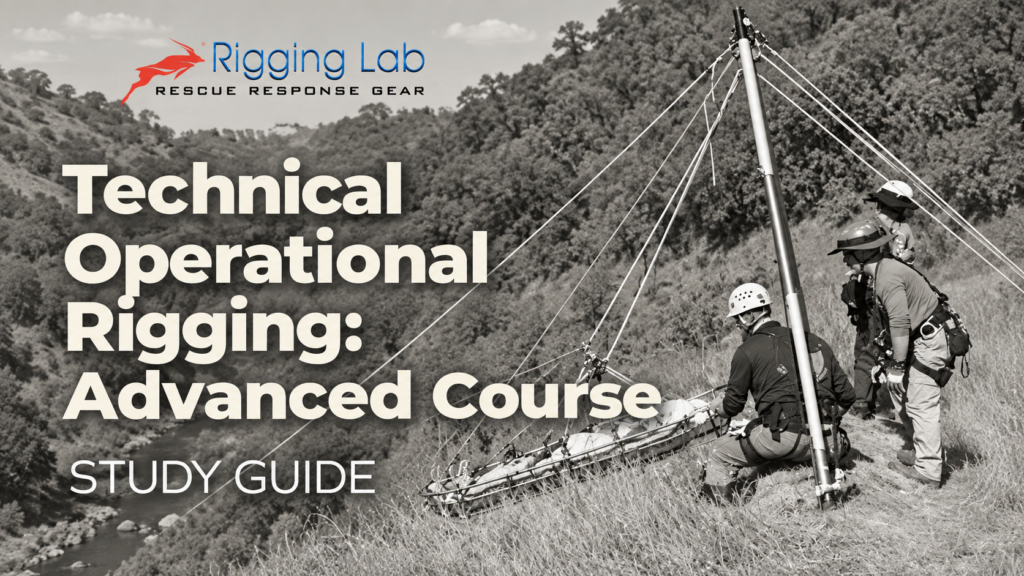
In rope rescue, artificial high directionals (AHDs) are force multipliers—not just for mechanical advantage, but for terrain navigation, edge management, and operational flow. Among the most versatile and efficient of these is the gin pole. Whether used in confined space, industrial tower rescue, or wilderness cliffside extractions, a properly configured gin pole offers clean vertical

Gin Pole AHD rope rescue Read More »

Single Tensioned Rope System Improves Efficiency with Controlled Backup

Single Tensioned Rope System Improves Efficiency with Controlled Backup

When every second counts—whether you’re lifting equipment or saving a life—your gear needs to perform flawlessly and without extra hassle. The single-tensioned rope system does just that: it relies on one primary line to carry the load and a secondary belay line that stays slack until the main rope gives way. This setup cuts down

Single Tensioned Rope System Improves Efficiency with Controlled Backup Read More »

Two Tensioned Rope System Enhances Lowering Safety

Two Tensioned Rope System Enhances Lowering Safety

When lives—or critical equipment—must be lowered from lofty heights, there’s no room for compromise. Traditional single-line lowers place the full burden on one rope, one device, and one chance to get it right. The two tensioned rope system rewrites that script. By running two identical ropes—each through its own Maestro descender and edge protector—you gain

Two Tensioned Rope System Enhances Lowering Safety Read More »

two tensioned system raise sharing more equally

The Two-Tensioned Rope Raising System

The Two-Tensioned Rope Raising System In the high-stakes world of rope rescue and technical rigging, achieving safety and absolute control stands as our highest priority. When we need to move loads or personnel upward, the demands intensify, requiring systems that offer maximum security and efficiency. This brings us to the Two-Tensioned Rope System (TTRS), a

The Two-Tensioned Rope Raising System Read More »