
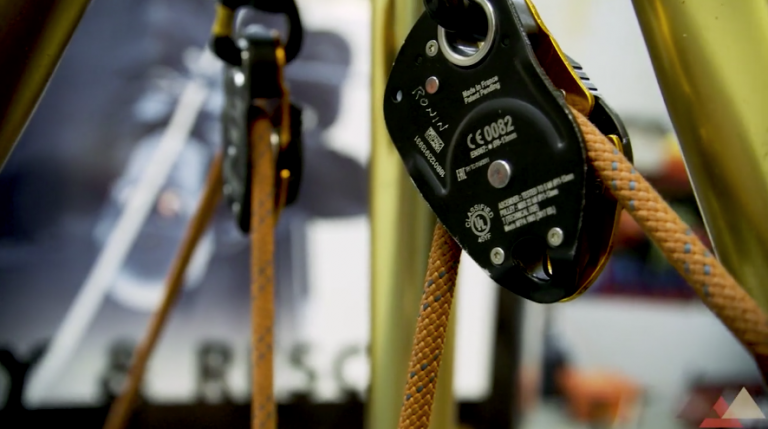
Elements of a Tripod English Reeve
The Tripod English Reeve setup is a cornerstone in technical rescue operations, combining strength, stability, and adaptability. This rigging configuration is highly versatile and can be adapted to various environments, from confined spaces to high-angle rescues. Its ability to manage loads efficiently and provide robust support makes it indispensable for rope rescue teams worldwide.
What Is a Tripod English Reeve?
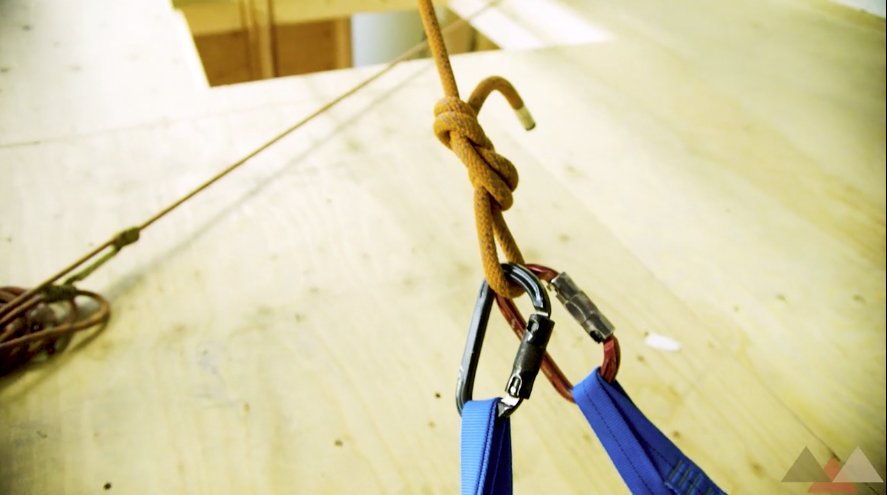
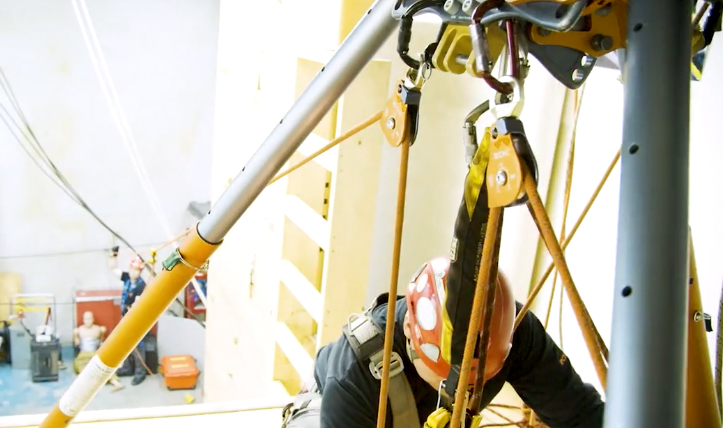
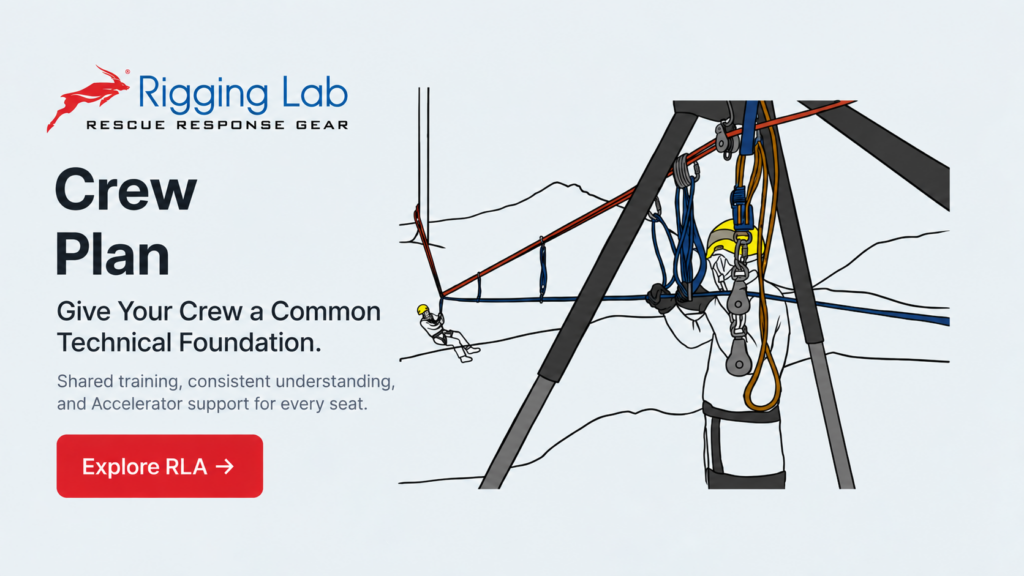
A Tripod English Reeve is a specialized configuration using a tripod as an artificial high directional (AHD). It incorporates a reeve system—typically a rigging setup that allows smooth transitioning between lowering and raising operations. The system provides optimal support, reducing edge friction and enhancing safety in load transfers or confined space extractions.
This rigging system is particularly effective in scenarios requiring precision and controlled movements, such as lifting or lowering patients or heavy equipment.
Key Components of the Tripod English Reeve
- Tripod:
- Serves as the primary AHD, elevating ropes above hazardous edges or confined spaces.
- Provides a stable platform for rigging multiple systems.
- Commonly used tripods include the SMC TerrAdaptor and the Arizona Vortex.
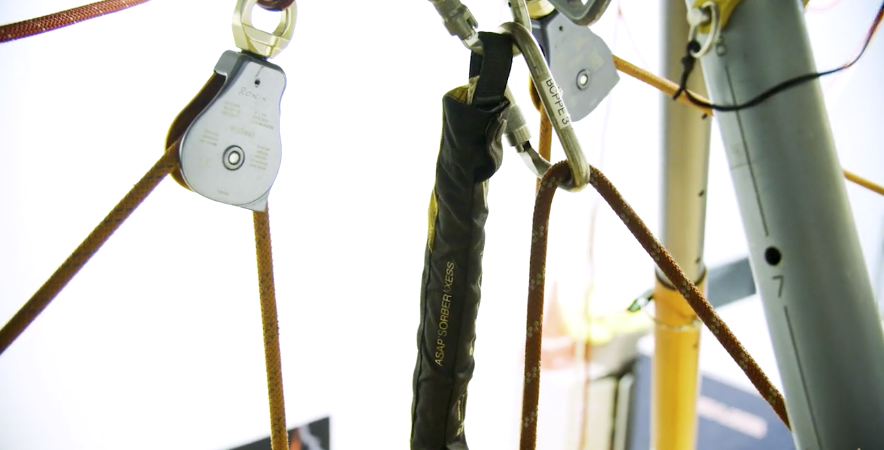
- Main and Belay Lines:
- Two independent ropes operate in tandem to ensure redundancy and load distribution.
- Typically run through pulleys attached to the tripod head to minimize friction and improve efficiency.
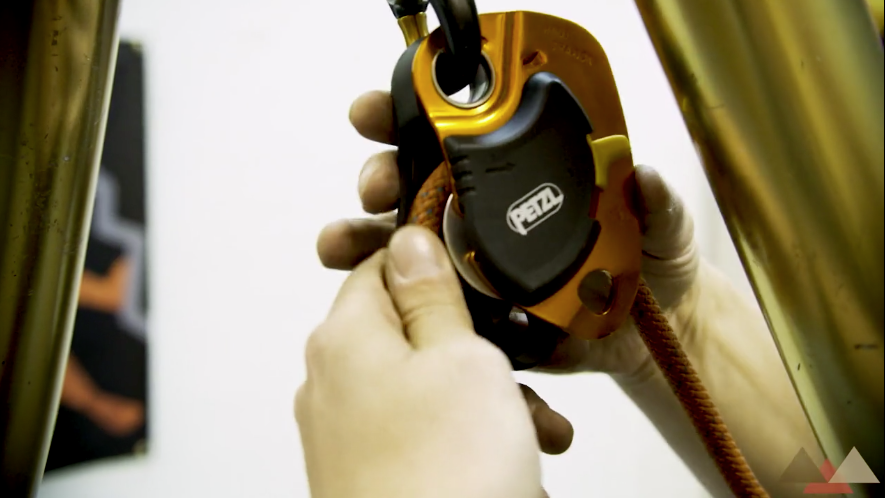
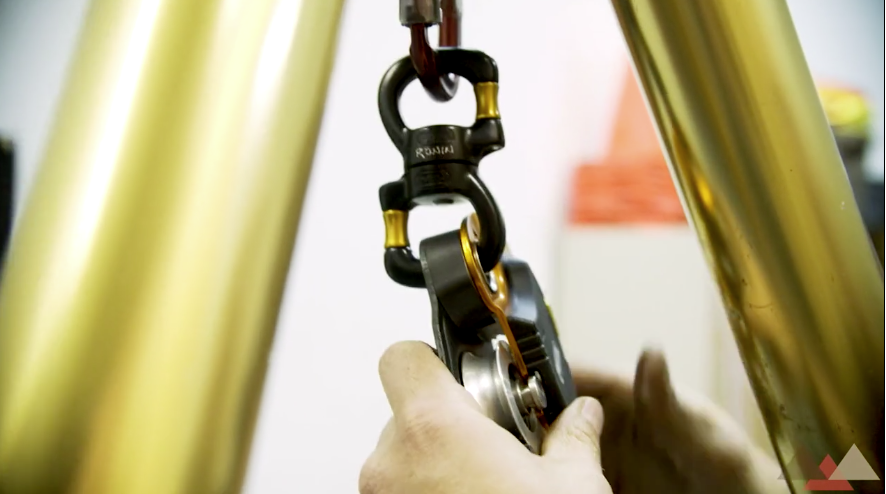
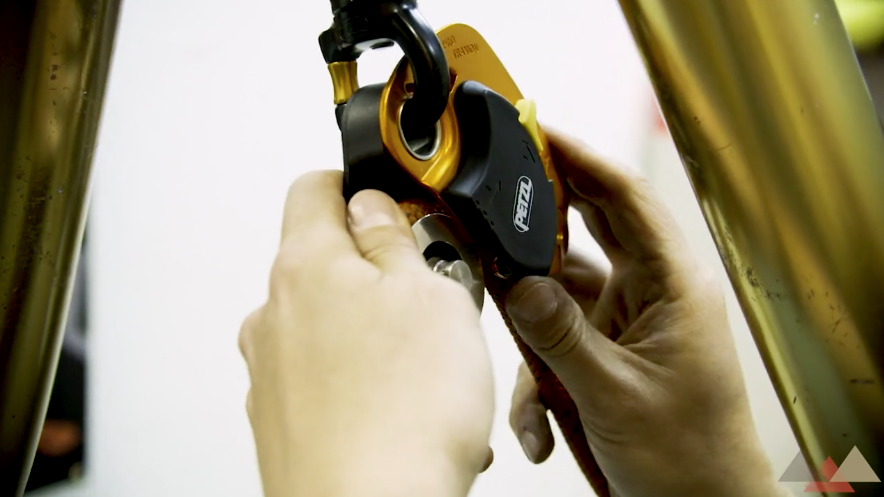
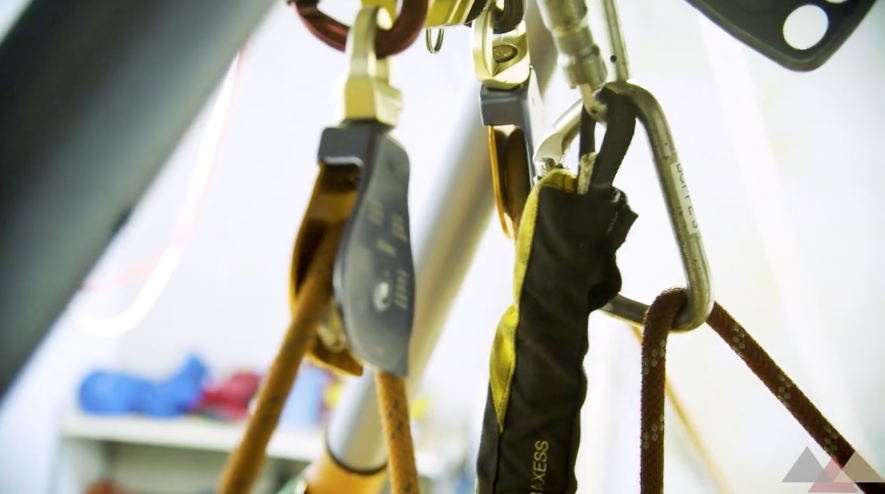
- Pulleys:
- High-efficiency pulleys reduce friction and ensure smooth rope movement.
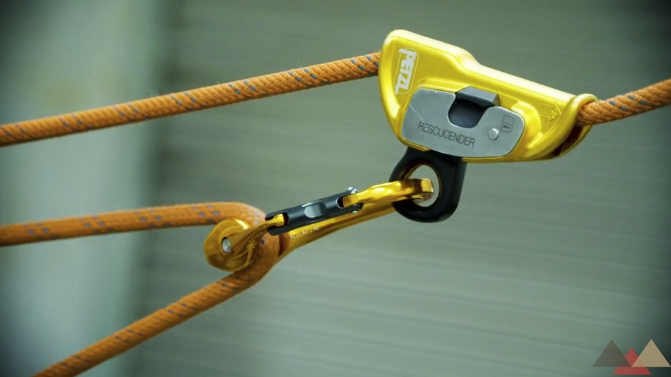
- Often include prusik-minding pulleys for progress capture systems.
- Anchor Points:
- Essential for securing the tripod and maintaining system stability.
- Guy lines or tie-downs are used to prevent tipping under load.
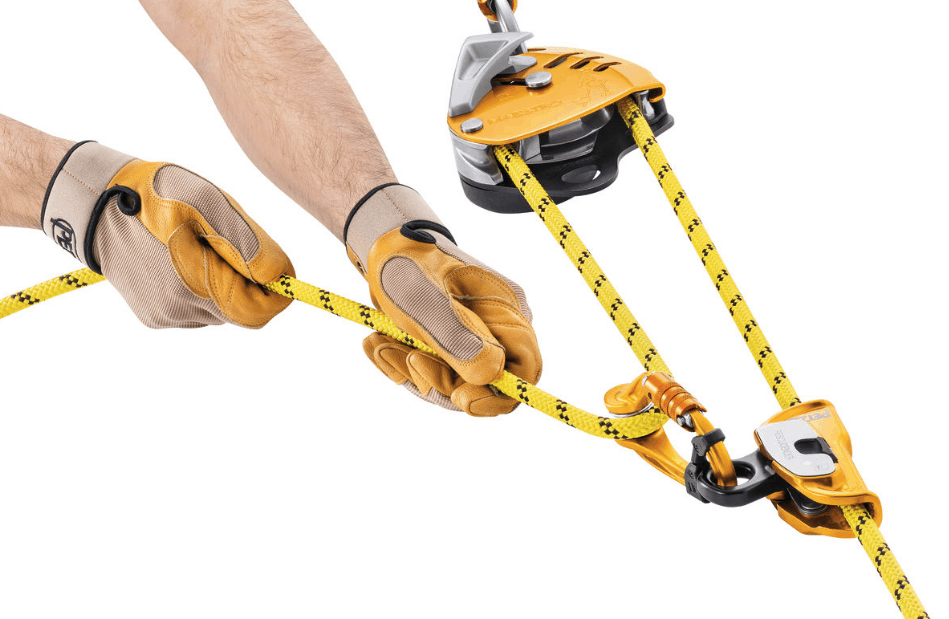
- Reeve System:
- Facilitates quick transitions between raising and lowering.
- Often incorporates a mechanical advantage system such as a 3:1 or 4:1 setup for hauling.
Benefits of the Tripod English Reeve
- Versatility: Can be used in various rescue scenarios, including confined space extractions, vertical rescues, and edge transitions.
- Efficiency: Allows seamless transitions between lowering and raising, reducing time and effort.
- Safety: Redundant systems and carefully managed resultants enhance operational security.
- Adaptability: Configurations can be tailored to specific environments and load requirements.
Key Considerations for a Successful Setup
- Resultant Forces:
- Ensure the resultant vector falls within the tripod’s footprint to maintain stability.
- Misaligned forces can destabilize the system, requiring additional guying.
- Load Management:
- Regularly monitor load distribution to avoid overloading any single component.
- Use load cells like the Rock Exotica Enforcer to measure forces in real time.
- Guying Systems:
- Proper guy line placement is essential to prevent tripod movement under tension.
- A three-point guying system at 120-degree intervals is optimal for stability.
- Team Coordination:
- Clear communication and well-defined roles are critical during operations.
- Practice transitions between lowering and raising to streamline the process.
Applications of the Tripod English Reeve
- Confined Space Rescues: Ideal for vertical entry and retrieval in industrial settings.
- High-Angle Rescues: Provides edge protection and facilitates load movement on steep terrain.
- Industrial Maintenance: Used for hoisting heavy equipment in work-at-height scenarios.
Conclusion
The Tripod English Reeve is a vital tool for rescue and rigging professionals, offering unmatched versatility and reliability. By understanding its components and setup, teams can optimize their operations for safety and efficiency. Whether you’re dealing with confined spaces or high-angle rescues, this configuration is a trusted solution for complex rigging challenges.Gear Used
Peace on your Days
Lance


Comments are closed.