Pulleys & Mechanical Advantage

two tensioned system raise

Twin Tension Rope Systems (TTRS) Mastery for Rescue Safety

In modern technical rescue, moving beyond traditional main-and-belay configurations is essential to achieving superior safety margins and operational efficiency. The shift is towards Dual Mainline Rope Systems, also known as Twin Tension Rope Systems (TTRS). These systems fundamentally change the dynamics of load control by actively engaging both ropes to share the load equally, thus […]

Twin Tension Rope Systems (TTRS) Mastery for Rescue Safety Read More »

Integrating Mechanical Advantage into Cross Haul Systems

Mechanical Advantage in Cross Haul Systems for Rescue

Integrating Mechanical Advantage into Cross Haul Systems Cross-haul systems are one of the most versatile tools in the rescuer’s rigging arsenal. By using two opposing haul lines, teams can precisely move a load horizontally or diagonally, making cross-hauls ideal for guiding victims across rivers, canyons, industrial voids, or unstable terrain. But as loads increase or

Mechanical Advantage in Cross Haul Systems for Rescue Read More »

highline rescue system reeve pulley

Building Redundancy into Highline Rescue Systems with the REEVE Pulley Assembly

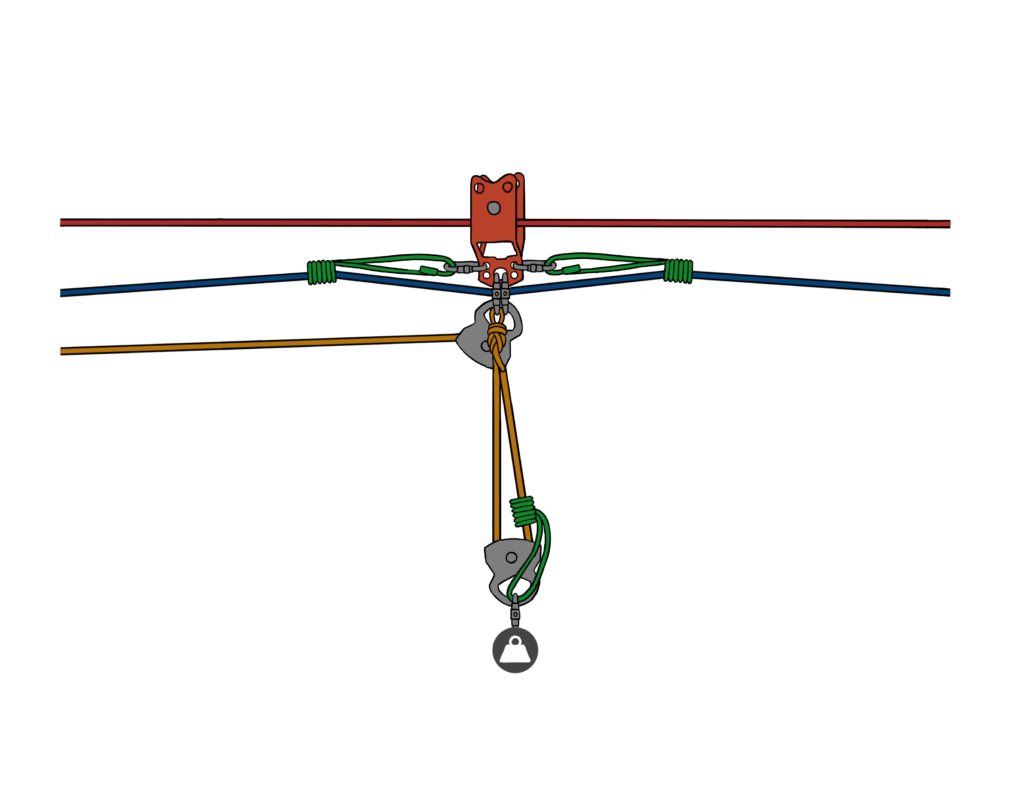
Highline Rescue: A Multi-Directional Access System with Built-In Redundancy Rescue environments don’t always offer easy access. Whether it’s a ravine, a collapsed structure, or a remote vertical shaft, reaching the subject often requires a blend of horizontal movement and vertical descent. The Highline Assembly—centered around the REEVE and SPIN pulleys—is designed to handle exactly these

Building Redundancy into Highline Rescue Systems with the REEVE Pulley Assembly Read More »

Choosing the Right Block and Tackle System for Vertical Rescue and Access

Block and Tackle System for Vertical Rescue and Access

Block and Tackle System for Vertical Rescue and Access In vertical rescue and rope access, fast reversibility, mechanical advantage, and clean rope management can make or break a successful operation. Petzl offers three leading systems that address these needs from different angles: the TWIN RELEASE, the MAESTRO haul/lower system, and the I’D EVAC + JAG

Block and Tackle System for Vertical Rescue and Access Read More »

block and tackle confined space rescue

The Block and Tackle System for Vertical Rescue and Rope Access

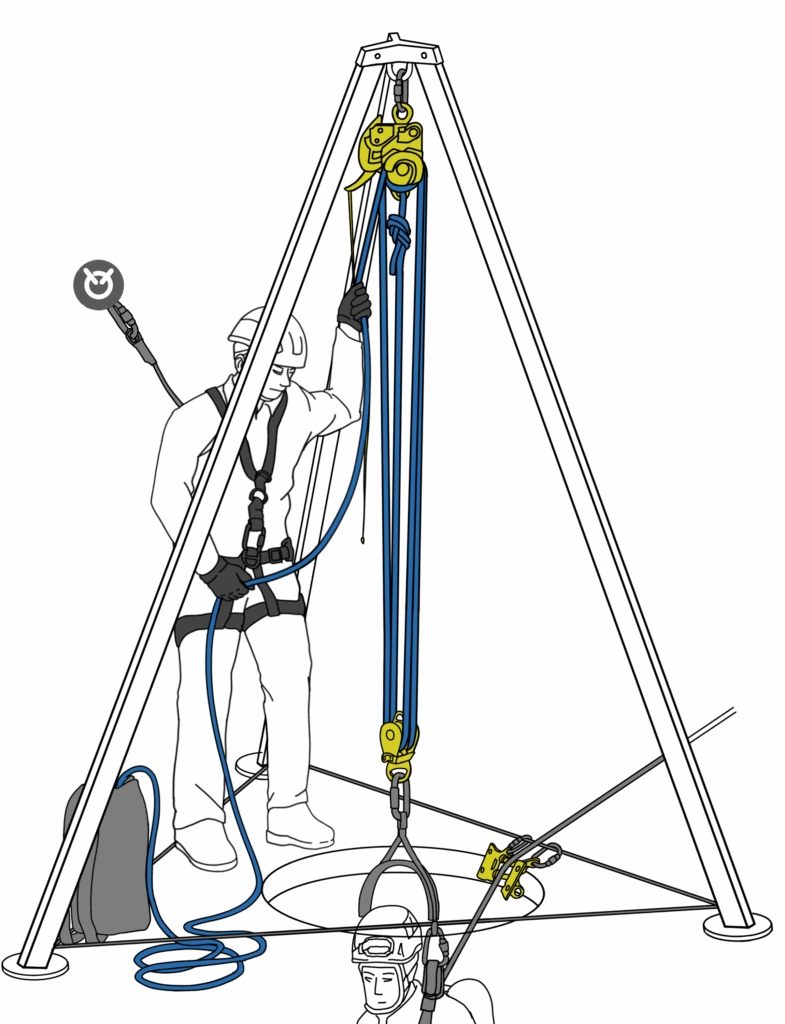
A Simple System with Dual Power: Lowering and Raising with Block and Tackle The Block and Tackle System is a compact, pre-rigged solution designed for short-haul vertical rope access, confined space entry, and patient retrieval. It combines the benefits of mechanical advantage and continuous bidirectional control, eliminating the need to reset a progress capture device

The Block and Tackle System for Vertical Rescue and Rope Access Read More »

Fundamentals of Rigging in Rescue Operations -English and Reverse Reeve Systems for Highline Rescue

English and Reverse Reeve Systems for Highline Rescue

Highline Rescue Requires Precision In rope rescue operations, moving a load across horizontal or diagonal spans—whether suspended from high directionals or tensioned lines—demands a system that’s not only stable and redundant, but also dynamically adjustable under load. This is where English Reeve and Reverse Reeve systems shine. Both reeving systems offer unique advantages depending on

English and Reverse Reeve Systems for Highline Rescue Read More »

The Multi-Purpose Device Revolution - MPD CMC

The Multi-Purpose Device Revolution

Advanced Rope Rescue Systems: The Multi-Purpose Device Revolution The Multi-Purpose Device Revolution is an ever-evolving world within technical rescue; innovation is key to enhancing safety and efficiency. As we explore the intricacies of dual tension dual capacity (DTDC) systems, it’s crucial to highlight the game-changing equipment that makes these advanced techniques possible. At the forefront

The Multi-Purpose Device Revolution Read More »

petzl twin release system

Petzl Twin Release Kit

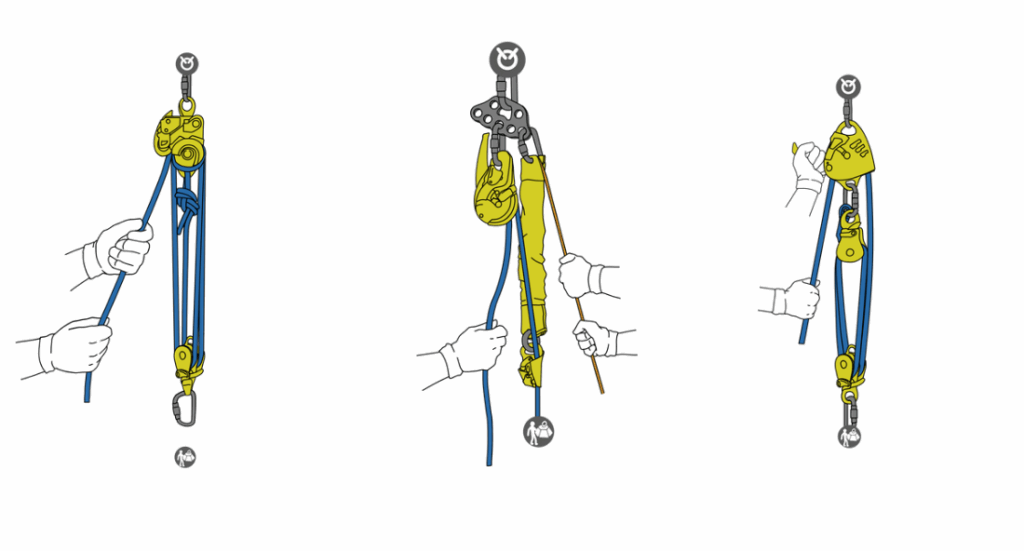
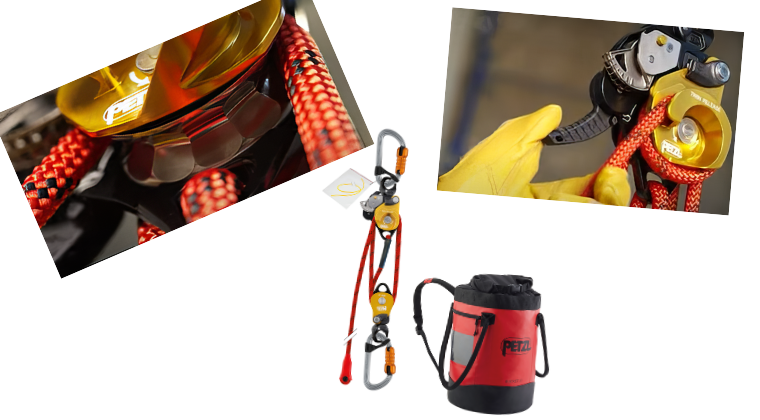
The Petzl TWIN RELEASE KIT is a pre-assembled, ready-to-use 4:1 hauling and lowering system, specifically designed for work access and rescue in industrial environments. This system is ideal for vertical work and allows for easy lowering and hauling of loads, which is particularly useful in confined spaces. It can also assist in tilting and orienting a litter

Petzl Twin Release Kit Read More »

Basic mechanical advantage systems enable efficient lifting with simple pulleys. Learn the essentials of the 3:1 Z-rig for safe rescues - How is Weight Redistributed Through a 3:1 Mechanical Advantage System? - Eccentric Progress Capture in Mechanical Advantage Systems

How is Weight Redistributed Mechanical Advantage Systems?

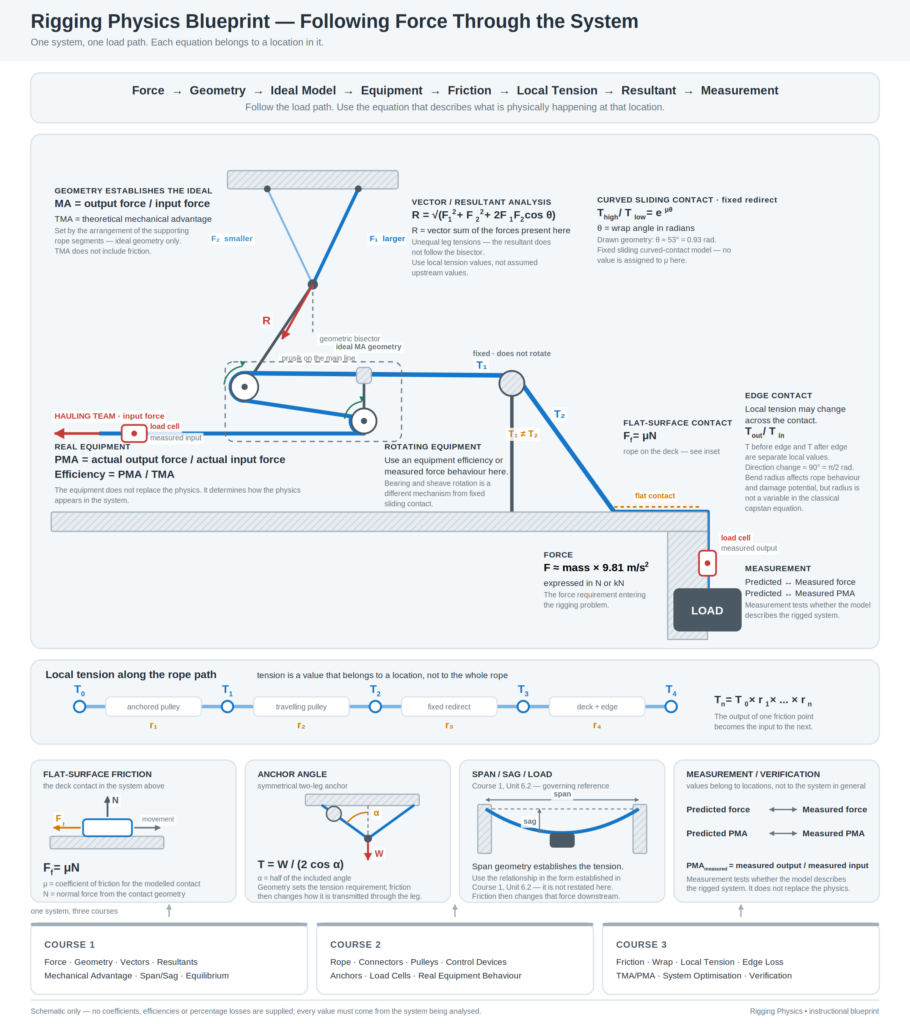
How is Weight Redistributed Through Mechanical Advantage Systems?  A 3:1 mechanical advantage system, also known as a Z-rig, is a fundamental tool in technical rope rescue that enables rescuers to lift heavy loads with significantly less effort. But how exactly is the weight redistributed in this system, and what forces are acting on the pulleys,

How is Weight Redistributed Mechanical Advantage Systems? Read More »

Timber High Directionals in Rescue Operations

Timber High Directionals in Rescue Operations

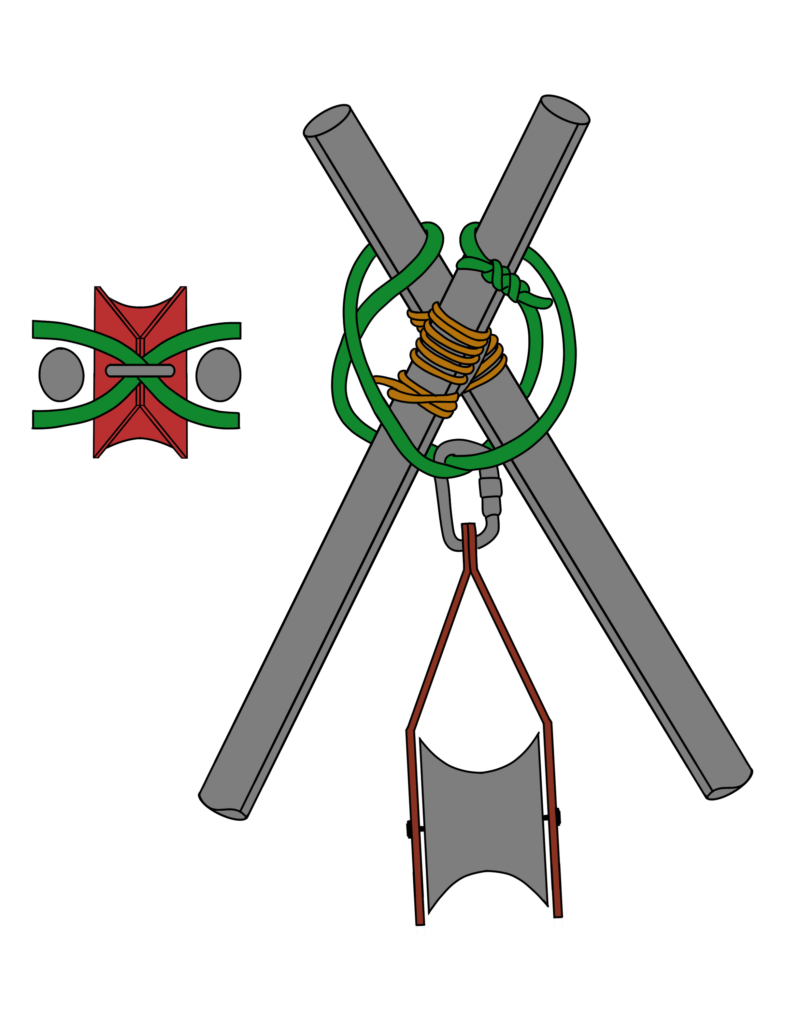
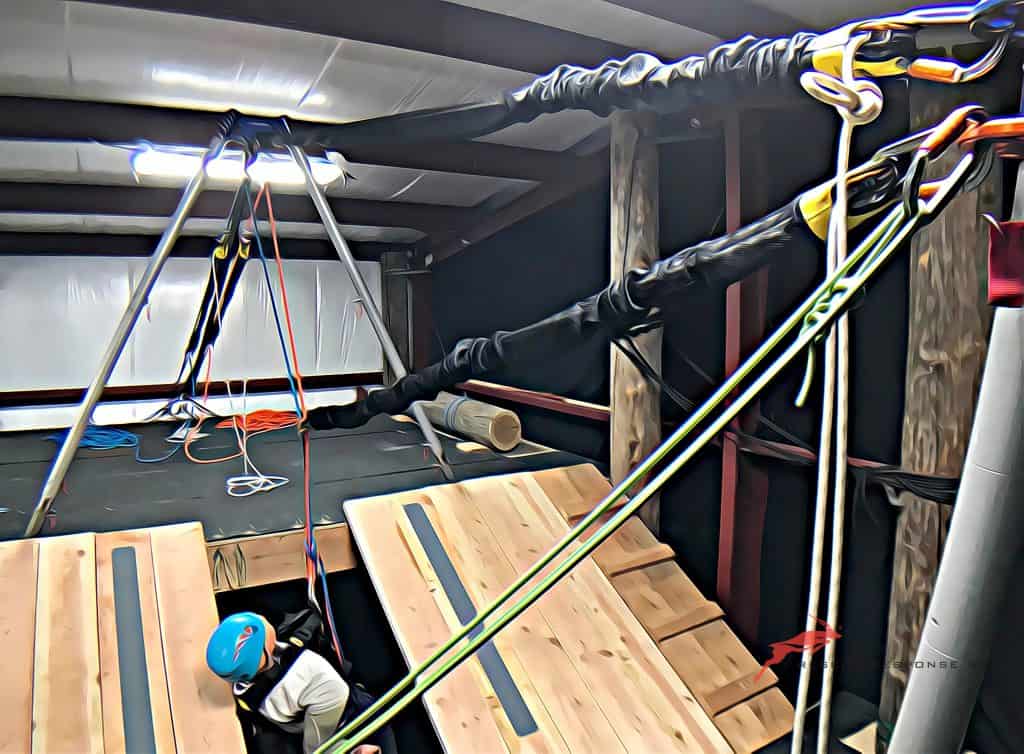
Timber High Directionals in Rescue Operations Why Build Timber High Directionals? When rescue teams respond to emergencies in remote or austere environments, they often face unexpected challenges that require improvisation and adaptability. In these scenarios, modern equipment like the Arizona Vortex may not be available or practical to transport. This is where timber structures—such as

Timber High Directionals in Rescue Operations Read More »

Tight Line Skate Block Systems in Rope Rescue

Tight Line Skate Block Systems in Rope Rescue

Tight Line Skate Block Systems in Rope Rescue A tight line skate block system is a highly specialized variation of the traditional skate block, providing increased precision, control, and adaptability for advanced technical rescues. These systems are critical in environments requiring elevated tension management and controlled load transitions. I. Introduction A tight line skate block

Tight Line Skate Block Systems in Rope Rescue Read More »

Balancing Costs in Rope Rescue Rigging - Dynamic Directionals in Rope Rescue

Dynamic Directionals in Rope Rescue

High Directional Systems in Rope Rescue A high directional is a crucial component in rope rescue operations, used to elevate the rope system above the rescue scene. By raising anchor points, high directionals enable safer, more efficient rescue operations across various challenging environments. Definition and Purpose A high directional is a rigged system designed to:

Dynamic Directionals in Rope Rescue Read More »

Span Anchors for Rope Rescue

Span Anchors for Rope Rescue

Key Mistakes in Span Anchors for Rope Rescue Operations When it comes to rope rescue operations, the use of span anchors is a fundamental element of success. Span anchors allow teams to transport loads across obstacles, terrain, or voids efficiently and safely. However, common mistakes can jeopardize both safety and efficiency, turning a well-intentioned setup

Span Anchors for Rope Rescue Read More »

Mastering Mainline Systems

Mastering Mainline Systems

Mastering Mainline Systems Mastering Mainline Systems is about having the ability to effectively raise and lower a mainline system is essential in rescue operations, where safety, efficiency, and control are paramount. At the heart of this capability lies a deep understanding of system design, pre-planning, and mechanical principles. Mastery of these elements ensures not only

Mastering Mainline Systems Read More »

Horizontal Systems Gear

Horizontal Systems Gear

Taglines Taglines are used in horizontal rope systems to control, stabilize, or maneuver a load laterally across a gap or down a slope. They are often simple tensioned lines attached to a load, providing directional control. Purpose: Taglines ensure the load moves along a predetermined path, reducing the chance of unwanted swinging or collisions with

Horizontal Systems Gear Read More »

Voodoo Hitch Rigging Technique

Voodoo Hitch Rigging Technique

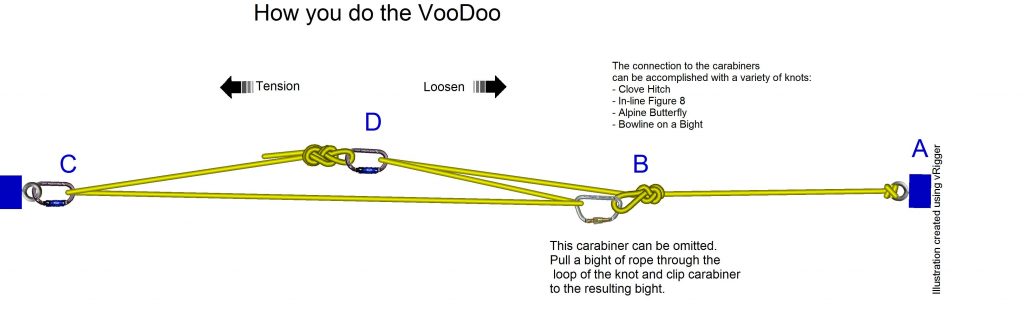
The Voodoo Hitch: A Game-Changer in Technical Rigging Every so often, a technique or tool comes along that completely changes how we approach problem-solving in rigging and technical rescue. One such method is the Voodoo Hitch—a simple yet revolutionary tensioning system that has proven invaluable across various applications. Here’s an in-depth look at what makes

Voodoo Hitch Rigging Technique Read More »

Friction in Climber Rescue - Minimalist Rope Rescue Techniques - System Strength Ratios in Rescue

Prusik Knots in Rope Systems

Prusik Knots in Rope Systems The Prusik knot is a cornerstone of technical rope systems, widely regarded for its versatility and reliability. Whether used in high-angle rescue, climbing, or rigging operations, the Prusik knot provides a lightweight, adaptable solution for progress capture, backup belay, and other critical applications. In this guide, we explore the Prusik

Prusik Knots in Rope Systems Read More »

Anchors TTRS and Hauling Systems

Anchors TTRS and Hauling Systems

Understanding anchors, Tensioned Twin Rope Systems (TTRS), and hauling systems isn’t just about rigging; it’s about safety, efficiency, and adaptability in high-pressure situations. These systems form the backbone of rescue and rigging operations, ensuring stability and control when it matters most. 1. Anchors: The Bedrock of Stability A strong anchor is the foundation of every

Anchors TTRS and Hauling Systems Read More »

Mastering Knot Passing in Rigging- Pulleys and PCDs ensure safety in MA systems. Discover fixed/movable pulleys and progress capture devices for controlled rescues.

Pulleys and Progress Capture Devices

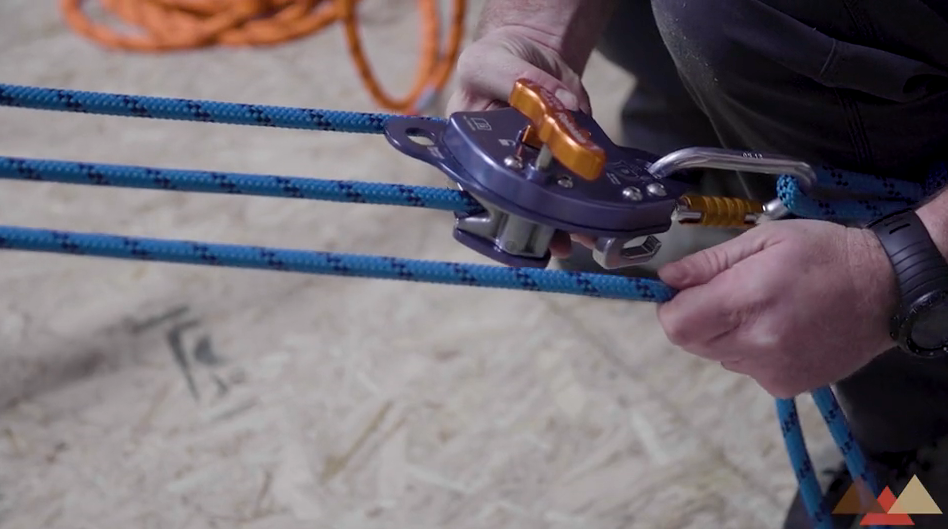
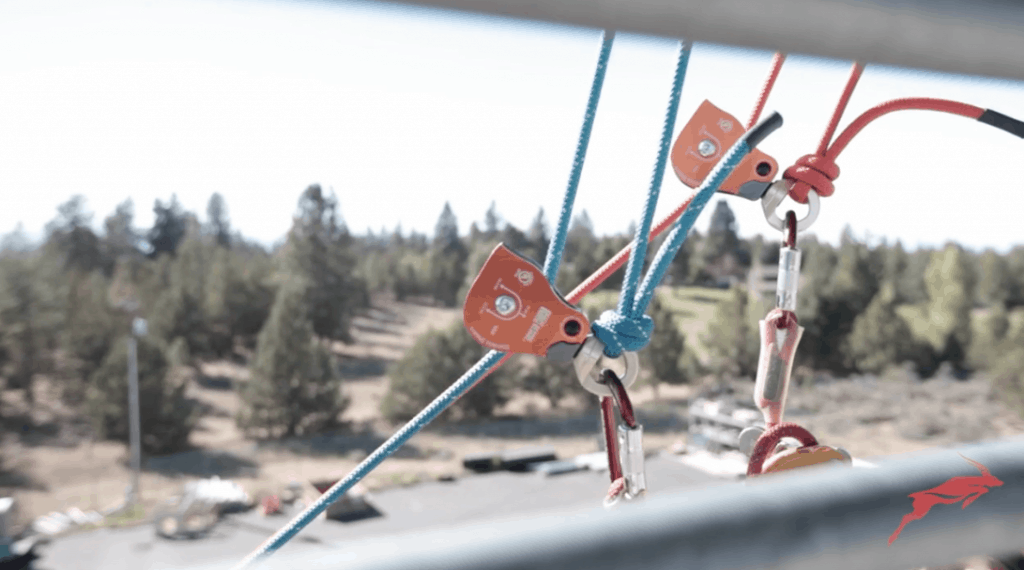
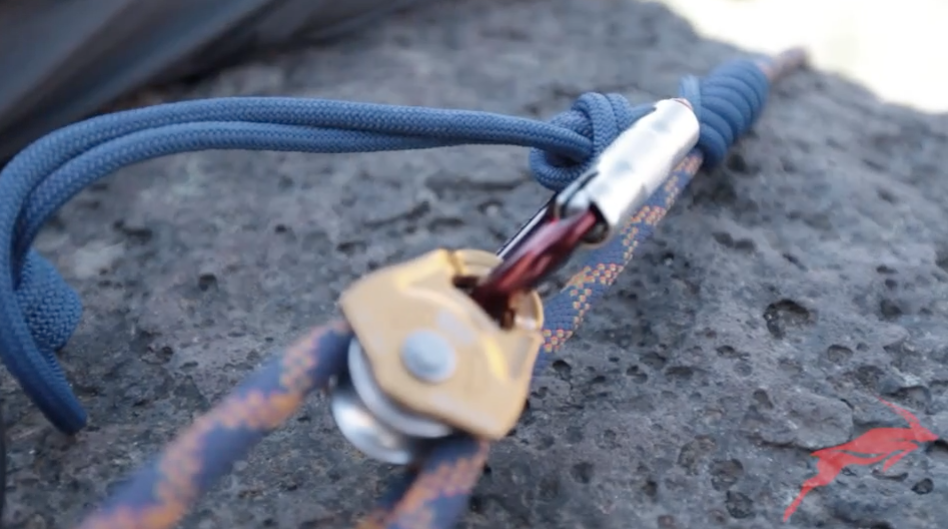
Mechanical Advantage Systems in Rescue Operations: The Role of Pulleys and Progress Capture Devices In the world of rescue operations, pulleys and progress capture devices (PCDs) play essential roles in ensuring safety, control, and efficiency. Pulleys redirect and multiply forces, making lifting possible with reduced effort, while PCDs ensure that the load remains stable, preventing

Pulleys and Progress Capture Devices Read More »

Mechanical Advantage Systems

Complex Mechanical Advantage Systems

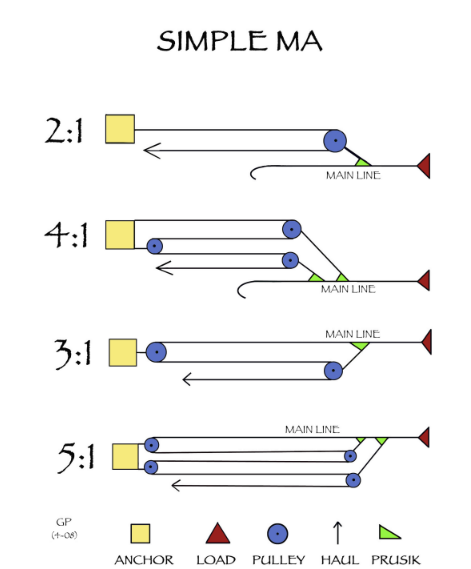
Complex Mechanical Advantage Systems Complex MA systems are essential for heavy-load rescue situations, where substantial lifting power is needed. These systems utilize compound configurations, where multiple MA setups work together to multiply force, or intricate arrangements, where pulleys operate at different speeds and directions relative to the load. Types of Complex MA Systems Compound Systems:

Complex Mechanical Advantage Systems Read More »