Litter Operations

Floating Litter Operations on Tensioned Track Line Systems

Floating Litter Operations on Tensioned Track Line Systems

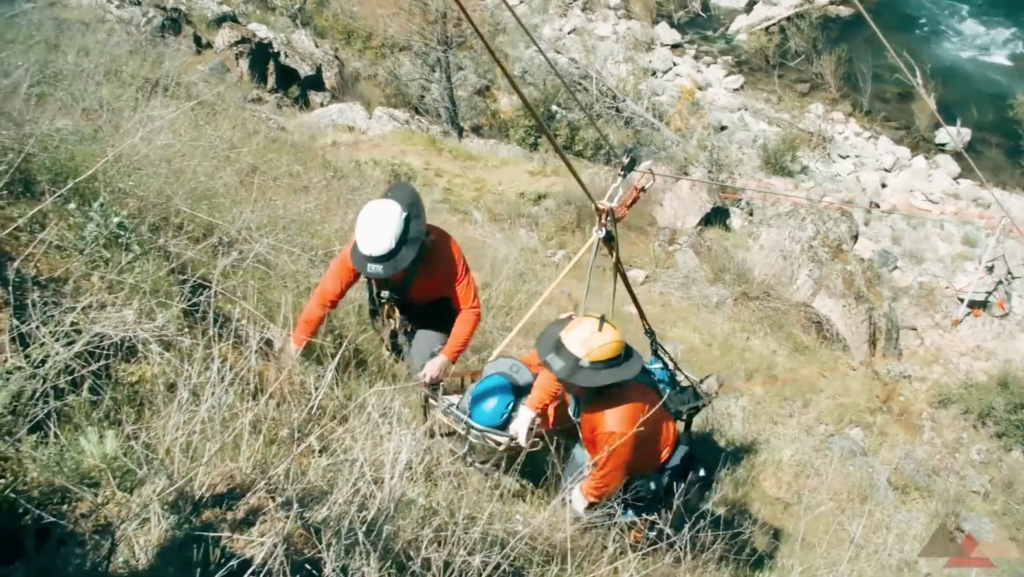
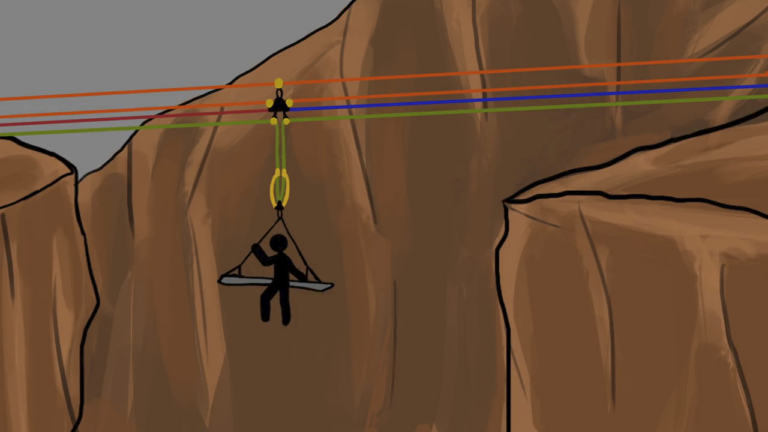
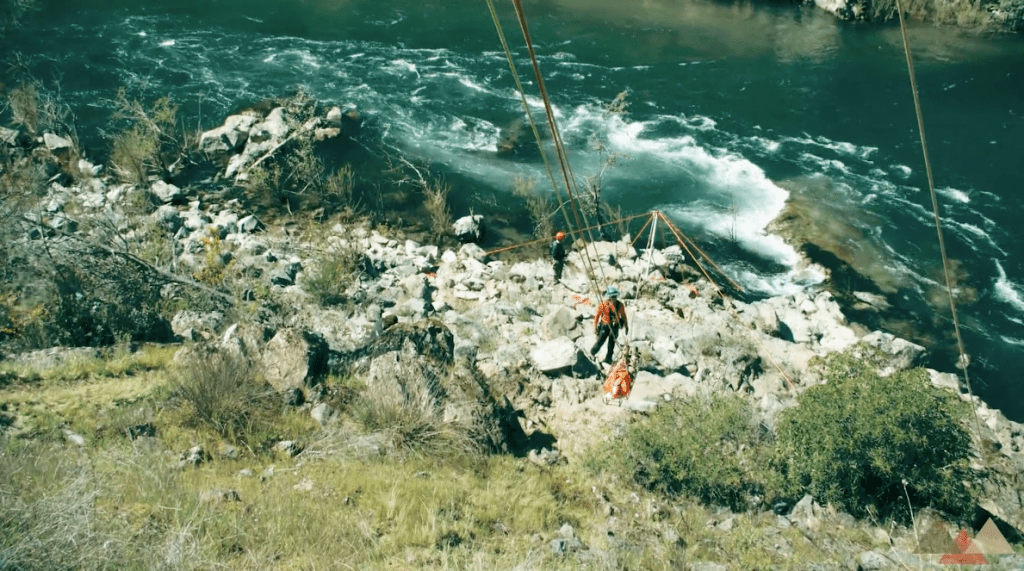
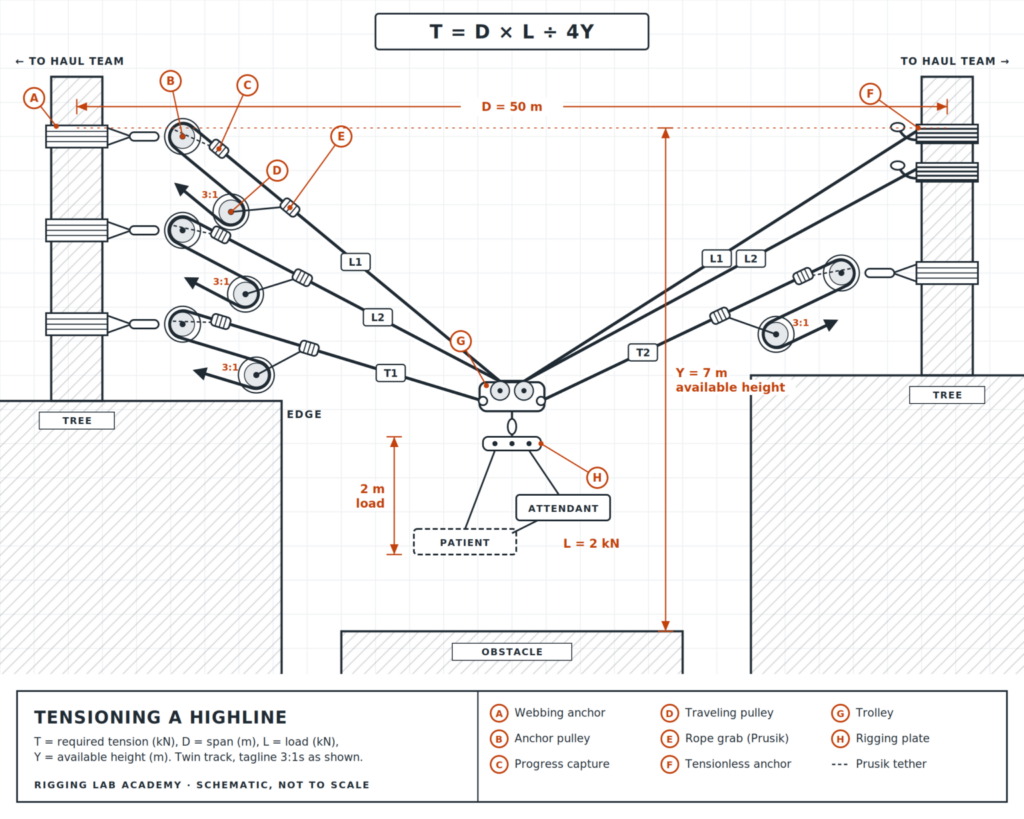
Floating Litter Operations on Tensioned Track Line Systems Moving a patient through steep terrain often creates a conflict between control and efficiency. Ground-based litter movement can expose rescuers to unstable footing, vegetation, loose rock, and changing slope angles. Fully suspended systems eliminate terrain contact but may require more complex rigging and operational coordination. Floating litter […]

Floating Litter Operations on Tensioned Track Line Systems Read More »

TTRS Dynamic Directional AHD

Hybrid High Directional Systems for Vertical and Horizontal Rescue Operations

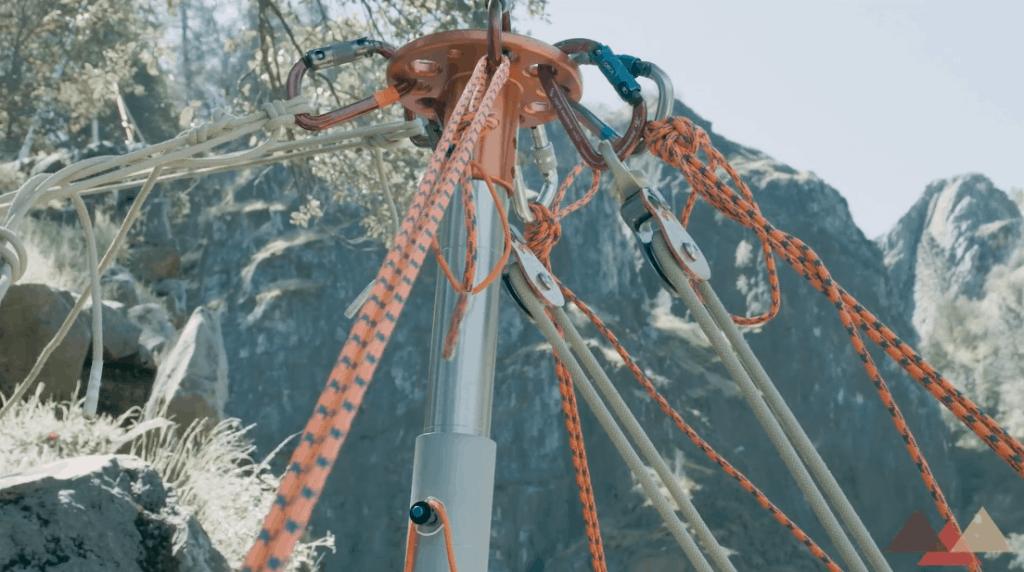
Hybrid High-Directional Systems for Vertical and Horizontal Rescue Operations Technical rescue systems are often categorized by their primary function. Some systems are designed to manage vertical movement. Others are designed to support horizontal transportation. Complex terrain, however, rarely presents a single movement problem. Rescuers may need to raise a patient from below a cliff edge,

Hybrid High Directional Systems for Vertical and Horizontal Rescue Operations Read More »

AHD Vortex Gin Pole in TTRS Skate Block

Two Tensioned Rope Systems and Tensioned Track Line Transitions in Canyon Rescue

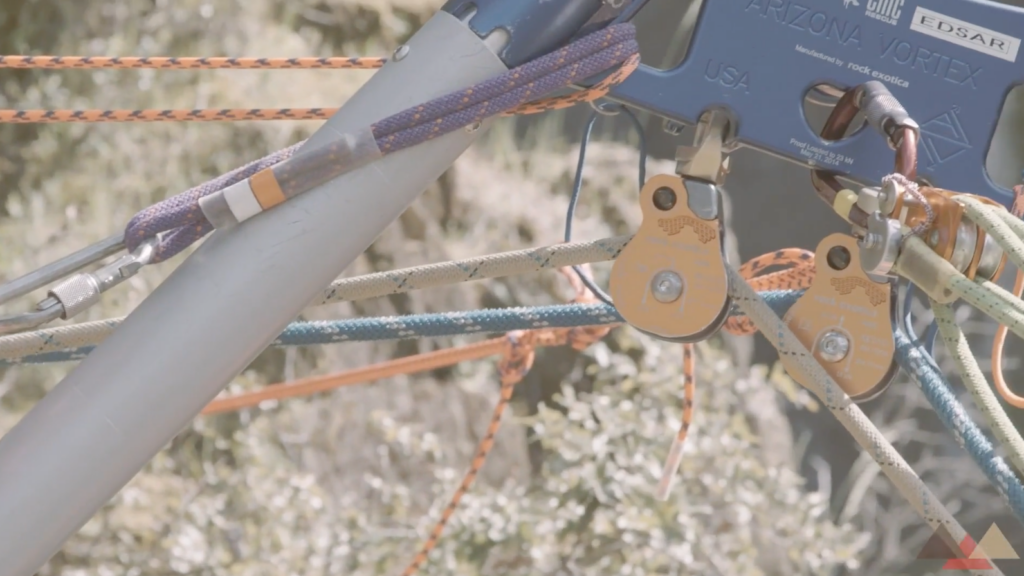
From Two-Tensioned Rope Systems to Tensioned Track Lines Managing Redundancy, Load Sharing, and System Transitions in Canyon Rescue Technical rescue operations rarely fail because rescuers cannot build a lowering system. They fail because rescuers lose control of force during transitions. This becomes especially apparent in canyon environments where a rescue may begin as a vertical

Two Tensioned Rope Systems and Tensioned Track Line Transitions in Canyon Rescue Read More »

Patient_Packaging_litter_movement

Litters and Litter Rigging Understanding the Rescue Transport System

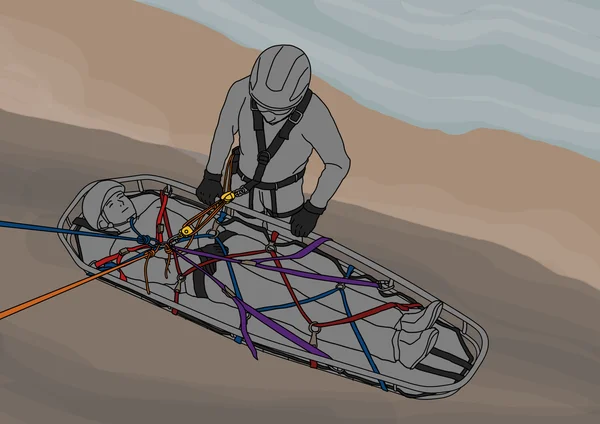
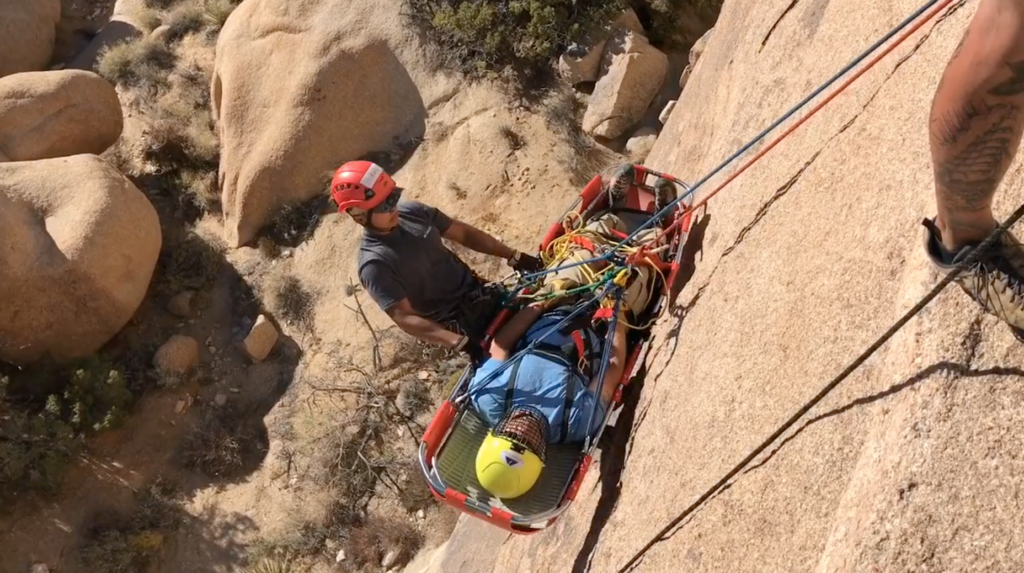
Litters and Litter Rigging Patient packaging and patient transportation are closely connected, yet they are not the same task. A patient may be properly positioned, restrained, and protected within a litter, but those efforts alone do not guarantee a successful rescue. Once packaging is complete, the challenge shifts from preparing the patient to moving the

Litters and Litter Rigging Understanding the Rescue Transport System Read More »

Litter Package Terminal_Learning

Patient Packaging Building a Transport-Ready Patient for Technical Rescue

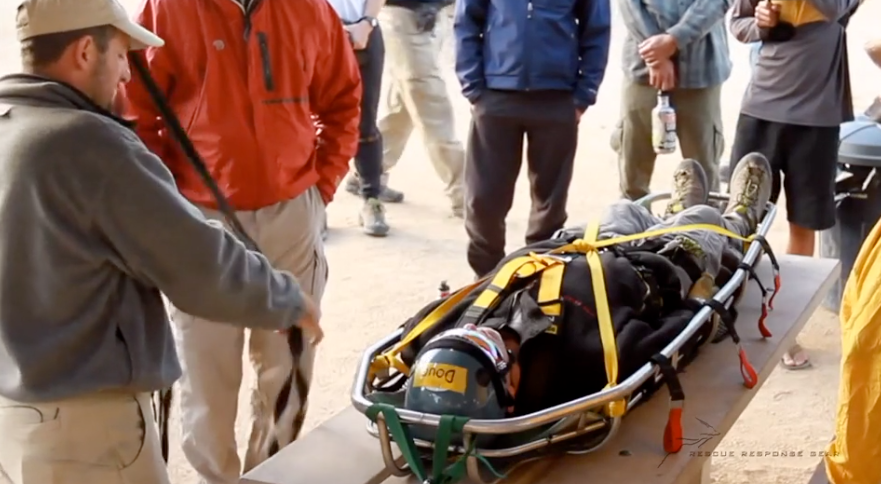
Patient packaging is the bridge between patient care and technical rescue. Before a litter is attached to a rope system, before a haul team begins raising, and before a lowering operation moves over an edge, rescuers must first address a more immediate concern: preparing the patient for transportation. The technical rescue environment introduces forces, movement,

Patient Packaging Building a Transport-Ready Patient for Technical Rescue Read More »

patient packaging and litter movement

Litter Operations and Patient Evacuation in Technical Rescue

Sign Up for Free E-Book Litter Operations and Patient Evacuation in Technical Rescue Technical rescue environments rarely fail because of a lack of gear. More often, they fail because teams underestimate movement, terrain transitions, communication breakdowns, or the physical demands of transporting a patient through difficult ground. Litter operations sit at the center of all

Litter Operations and Patient Evacuation in Technical Rescue Read More »

cross haul system

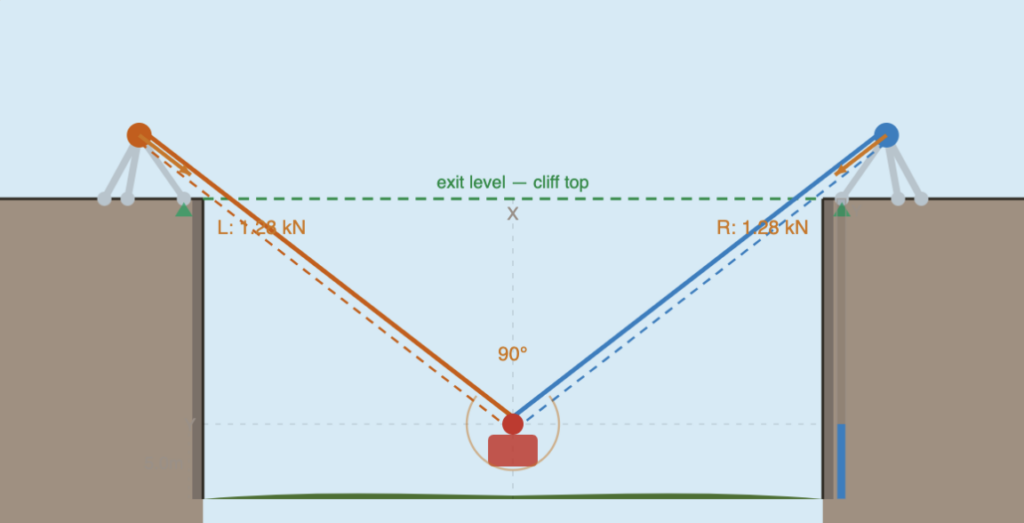
Cross Haul System Calculator — Building a Force Analysis Tool for Horizontal Rope Access

Building a Force Analysis Tool for Horizontal Rope Access TTRS Configuration  ·  Vortex AHD Leg Forces  ·  Exit Zone Analysis SPRAT Level 2 Required Skill  ·  Pre-operational Planning Tool Moving a package horizontally across a span — a patient in a litter, a gear load, a confined space casualty — sits at the intersection of

Cross Haul System Calculator — Building a Force Analysis Tool for Horizontal Rope Access Read More »

litter operations

Patient Packaging and Transport Architecture in Rope Rescue

1. Executive Purpose and Scope In technical rescue, patient packaging is not an accessory task performed “before the rigging starts.” It is the first structural decision in the evacuation system because it determines how the patient will behave as a load once gravity, friction, and motion are introduced. Packaging converts an injured person into a

Patient Packaging and Transport Architecture in Rope Rescue Read More »

Organizing Rope Rescue Equipment

Technical Rescue Efficiency The Three Pillars of Controlled Patient Transport

In professional rescue environments, efficiency is achieved through the deliberate balance of mechanical precision, system predictability, and patient safety. Technical rescue operations—especially in vertical and confined space environments—demand that every action be guided by principle, not impulse. Success is rarely improvised; it is engineered. The governing framework of efficiency in patient transport can be defined

Technical Rescue Efficiency The Three Pillars of Controlled Patient Transport Read More »

Proper Litter Handling Techniques Class 3 Litter Operations

Proper Litter Handling Techniques

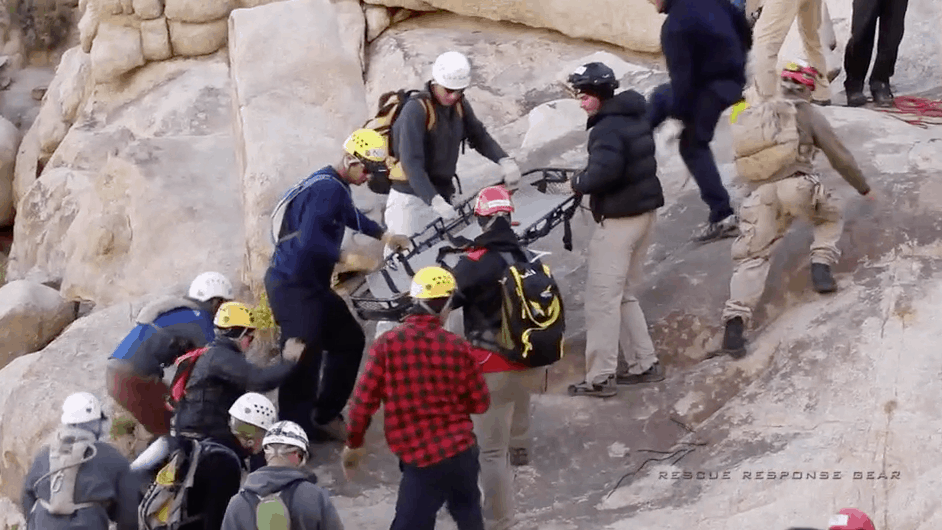
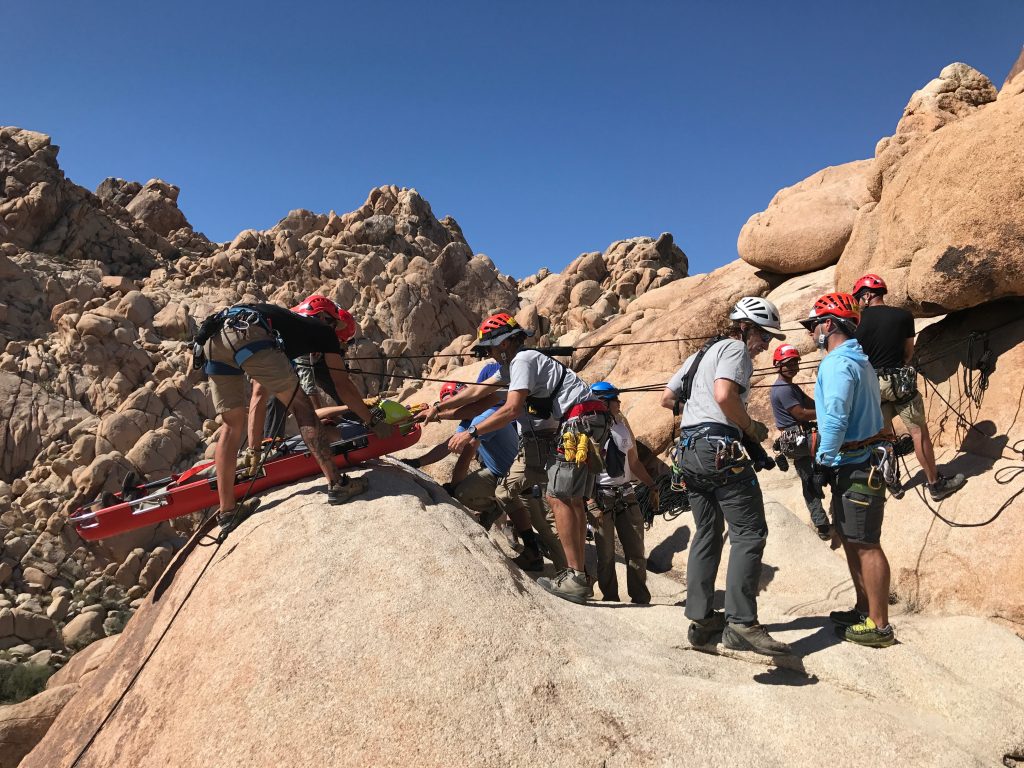
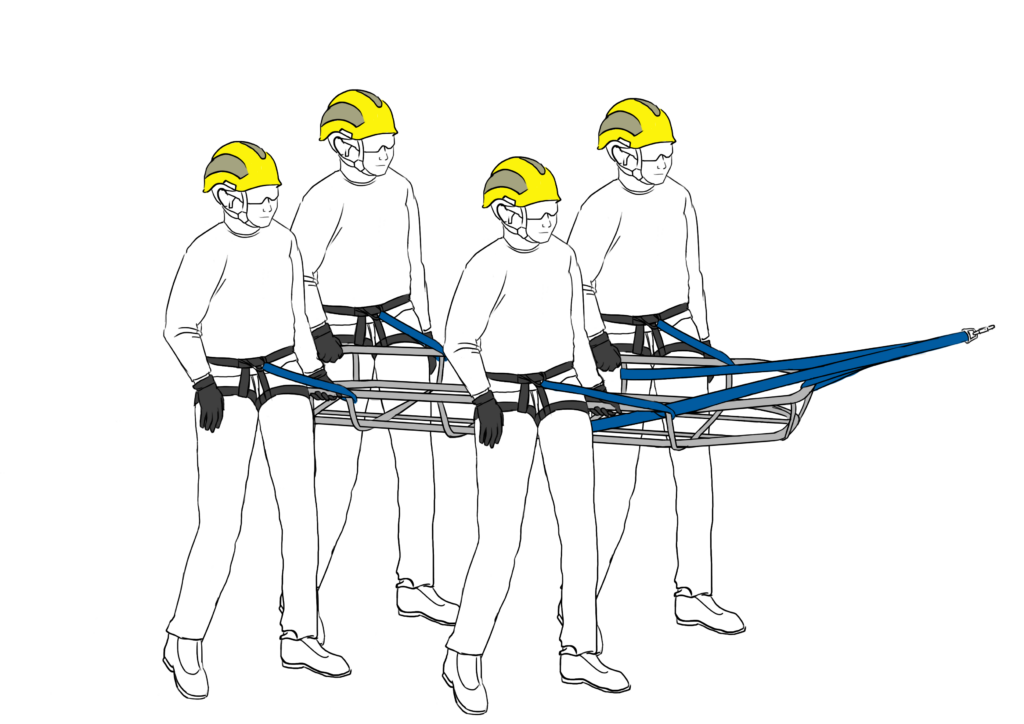
Proper Litter Handling Techniques: Ensuring Safety and Efficiency in Rescue Operations Handling a litter during rescue operations is a cornerstone skill that demands precision, coordination, and an unwavering commitment to safety. By employing correct techniques, rescue teams can protect both the patient and themselves, ensuring efficient transportation across varied terrains. Let’s explore the essential principles

Proper Litter Handling Techniques Read More »

Litter Handling Terrain Assessment - Terrain Assessment and Litter Movement

Terrain Assessment and Litter Movement

Mastering Terrain Assessment and Litter Movement in Rescue Operations In the realm of technical rope rescue, the ability to accurately assess terrain and execute precise litter movements is paramount. These skills ensure the safety of both the patient and the rescue team, facilitating efficient navigation through diverse and challenging environments. Understanding Terrain Assessment Effective terrain

Terrain Assessment and Litter Movement Read More »

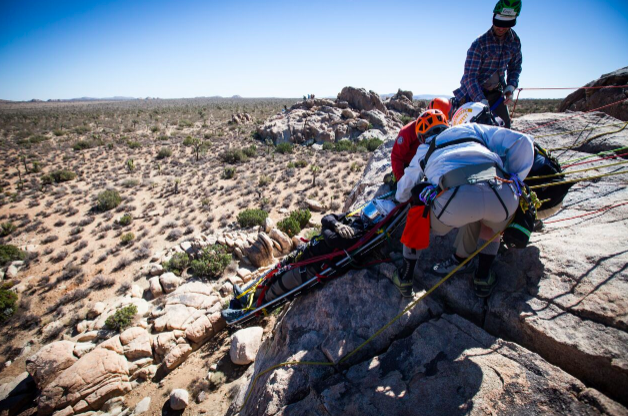
Patient Packaging and Litter Handling Floating the litter

Patient Packaging and Litter Handling

In the high-stakes world of technical rescue, precision and preparation are everything. Whether you’re navigating rugged slopes or suspended hundreds of feet above the ground, effective litter handling and patient packaging are critical to ensuring safety and success. From low-angle scenarios to advanced Class 5 operations, each technique builds on the last, creating a cohesive

Patient Packaging and Litter Handling Read More »

Patient and Litter Packaging

Patient and Litter Packaging

Patient and Litter Packaging Patient and litter packaging is a cornerstone of technical rescue operations, ensuring the victim is secured safely, comfortably, and effectively for transport. Whether the rescue is conducted in a low-angle slope scenario or a high-angle vertical environment, the principles of patient care, system integrity, and operational efficiency must converge seamlessly. In

Patient and Litter Packaging Read More »

5th class litter raise

Class 5 Litter Handling

Class 5 Litter Handling Class 5 litter handling represents the most technical and demanding aspects of rope rescue operations. This process involves safely managing the litter and patient in complex, high-angle environments, such as steep cliffs, overhangs, or confined vertical spaces. It demands precision in rigging, effective use of specialized tools, and seamless coordination among

Class 5 Litter Handling Read More »

Class 3–4 litter handling

Class 3–4 Litter Handling

Class 3–4 Litter Handling Class 3–4 terrain presents unique challenges for rescue teams. These environments introduce steep slopes, unstable ground, and critical transitions between scrambling and technical rope systems. Mastering Class 3–4 litter handling requires a deep understanding of terrain, team coordination, advanced rigging techniques, and patient safety measures. This unit covers the tools, techniques,

Class 3–4 Litter Handling Read More »

litter patient package

Low Angle Litter Handling and Management

Low Angle Litter Handling and Management Introduction Low-angle litter handling involves techniques for safely transporting patients across less severe terrain. While the challenges may be less technical than high-angle rescues, they require precise teamwork, equipment mastery, and an understanding of terrain management. This unit focuses on Class 1–3 terrain, covering essential techniques, roles within the

Low Angle Litter Handling and Management Read More »

Streamlining Rescue Operations

Streamlining Rescue Operations

Streamlining Rescue Operations: Dual AHD Systems for Efficient Trackline Offsets The integration of dual Artificial High Directional (AHD) systems in rescue operations marks a significant leap in precision and safety. By employing a Two Tension Rope System (TTRS) for the working lines alongside a dedicated tracking line, this method showcases innovation, strategic planning, and a

Streamlining Rescue Operations Read More »

Safety Knots for Force-Multiplying Systems-Trackline Skate Block Using Gin Pole

Trackline Skate Block Using Gin Pole

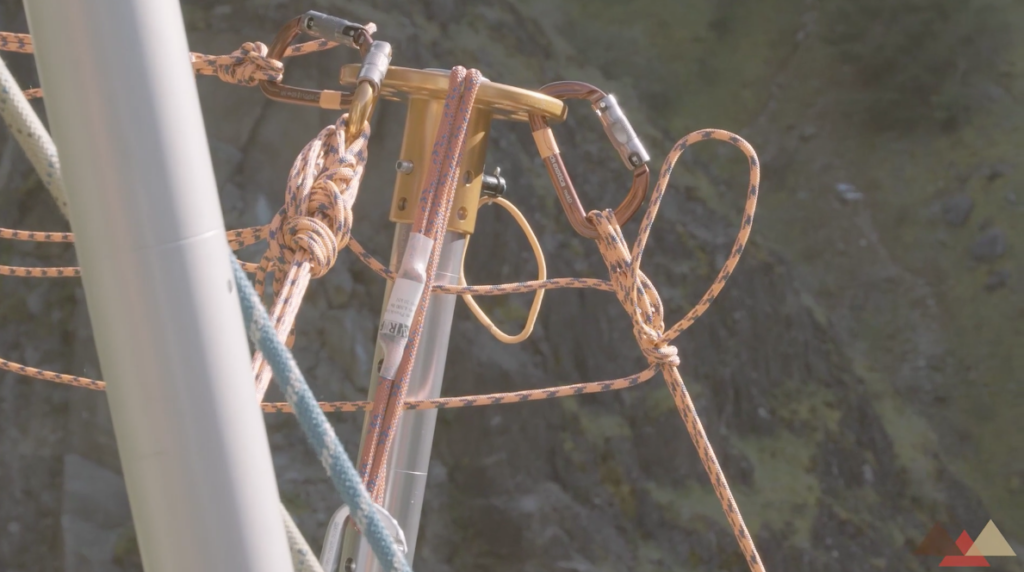
Trackline Skate Block Using Gin Pole In technical rescue operations, the trackline skate block system stands out for its efficiency and adaptability, particularly in challenging environments like steep cliffs. By integrating a monopod/gin pole as the Artificial High Directional (AHD), teams can achieve enhanced operational height and clearance, enabling safer and more effective rescues. System

Trackline Skate Block Using Gin Pole Read More »

Innovative Techniques in High-Angle Rescues

Innovative Techniques in High-Angle Rescues

Innovative Techniques in High-Angle Rescues: The A-Frame Litter Operation with Solo Attendant Efficiency and adaptability are essential in technical rescue, particularly during high-angle operations. This approach leverages the A-Frame Artificial High Directional (AHD) configuration, chosen for its ability to facilitate seamless transitions, including the critical pass-through of the litter and solo attendant at elevated heights.

Innovative Techniques in High-Angle Rescues Read More »