Artificial High Directional AHD

bombproof focused anchor system short

How System Orientation Redefines Anchor Physics

Beyond “Bombproof”: How System Orientation Redefines Anchor Physics 1. Introduction: The Myth of the Absolute Anchor In high-stakes technical rigging, the term “bombproof” is often used as a static descriptor—a permanent label assigned to a massive tree or a structural steel beam. However, for the master technician, an anchor is not a static object; it […]

How System Orientation Redefines Anchor Physics Read More »

Managing the Edge Through Geometry Using Elevated Anchor Systems

In technical rope rescue, the edge is often where a manageable rope system becomes difficult. Ropes bend across abrasive surfaces. Friction increases. Mechanical advantage deteriorates. Attendants struggle to move a litter through the transition. Haul and lowering systems become harder to operate predictably, while the patient and rescuers remain exposed at one of the most

Managing the Edge Through Geometry Using Elevated Anchor Systems Read More »

Monopod Supported Skate Block Track Line Systems

How to Calculate Back Tie Force on a Leaning Monopod

“How do you calculate potential force on a back tie? Today we rigged a leaning monopod setup. I did my best to keep my guy angle wider than my resultant angle, but I was wondering if there’s a way to estimate what the guy would see as they get closer to the same angle.” —

How to Calculate Back Tie Force on a Leaning Monopod Read More »

Floating Litter Operations on Tensioned Track Line Systems

Floating Litter Operations on Tensioned Track Line Systems

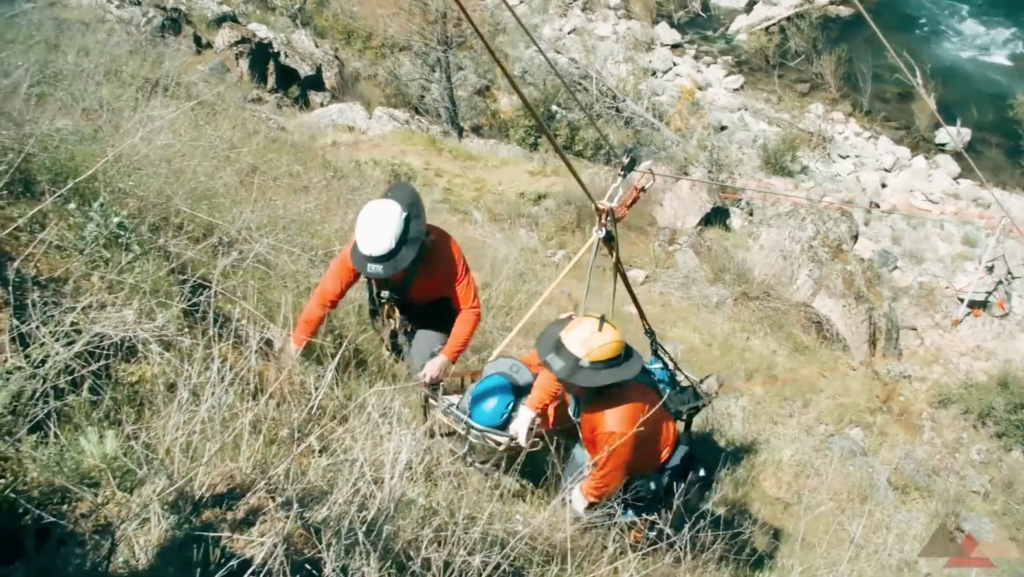
Floating Litter Operations on Tensioned Track Line Systems Moving a patient through steep terrain often creates a conflict between control and efficiency. Ground-based litter movement can expose rescuers to unstable footing, vegetation, loose rock, and changing slope angles. Fully suspended systems eliminate terrain contact but may require more complex rigging and operational coordination. Floating litter

Floating Litter Operations on Tensioned Track Line Systems Read More »

Sideways A-Frame Systems for Vertical Positioning and Horizontal Control

Sideways A-Frame Offset System for Vertical Positioning and Horizontal Control

Dynamic Directional Offsets and Active Load Positioning Offset systems are often described as methods for moving a load away from a cliff face or obstacle. While that description is technically correct, it does not fully explain the operational value of a dynamic offset. Unlike fixed transportation systems that move a load along a predetermined path,

Sideways A-Frame Offset System for Vertical Positioning and Horizontal Control Read More »

Directional Frame Raises and Edge Transition Management

Directional Frame Raises and Edge Transition Management

Directional Frame Raises and Edge Transition Management Vertical rescue operations often focus on the raising system itself. Mechanical advantage, hauling efficiency, and load control frequently dominate the discussion. Yet many difficult raises are not defined by what happens below the edge. They are defined by what happens when the load reaches it. The edge transition

Directional Frame Raises and Edge Transition Management Read More »

Monopod Supported Skate Block Track Line Systems

Monopod Supported Skate Block Track Line Systems

Monopod Supported Skate Block Track Line Systems Track line systems are frequently used when rescuers need to move personnel, equipment, or litter loads across terrain that cannot be negotiated safely on foot. While the track line itself provides the movement corridor, the effectiveness of the system often depends on how the rope path is managed

Monopod Supported Skate Block Track Line Systems Read More »

BFA Anchor- working near the edge

Anchors and Anchor Systems in Rope Rescue

Sign Up for Free E-Book Anchors and Anchor Systems in Rope Rescue Every rope rescue system begins with one decision: what will hold the load? Before the haul systems, before the litter movement, before the edge transition, there is the anchor. It is the structural foundation that determines whether the entire operation functions smoothly or

Anchors and Anchor Systems in Rope Rescue Read More »

Arizona Vortex Guidebook

Arizona Vortex Configuration Guide for Directional and Anchor Frame Rescue Systems

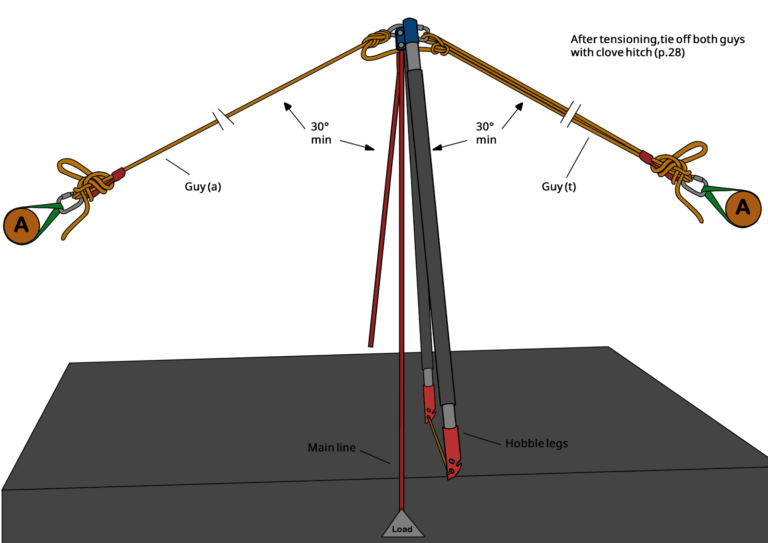
The Arizona Vortex is often taught as a collection of individual configurations: tripod, A-frame, gin pole, sideways A-frame, and easel-leg variants. But in the field, those configurations are never selected in isolation. Terrain, edge conditions, anchor availability, hauling direction, team size, load path, and operational constraints all shape the decision. This project reframes the Vortex

Arizona Vortex Configuration Guide for Directional and Anchor Frame Rescue Systems Read More »

Artificial High Directionals

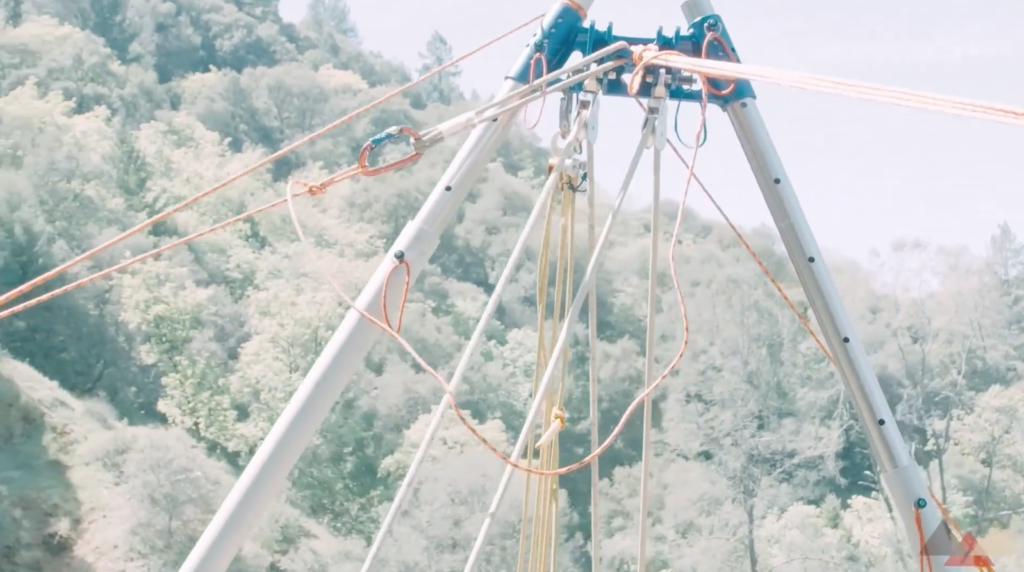
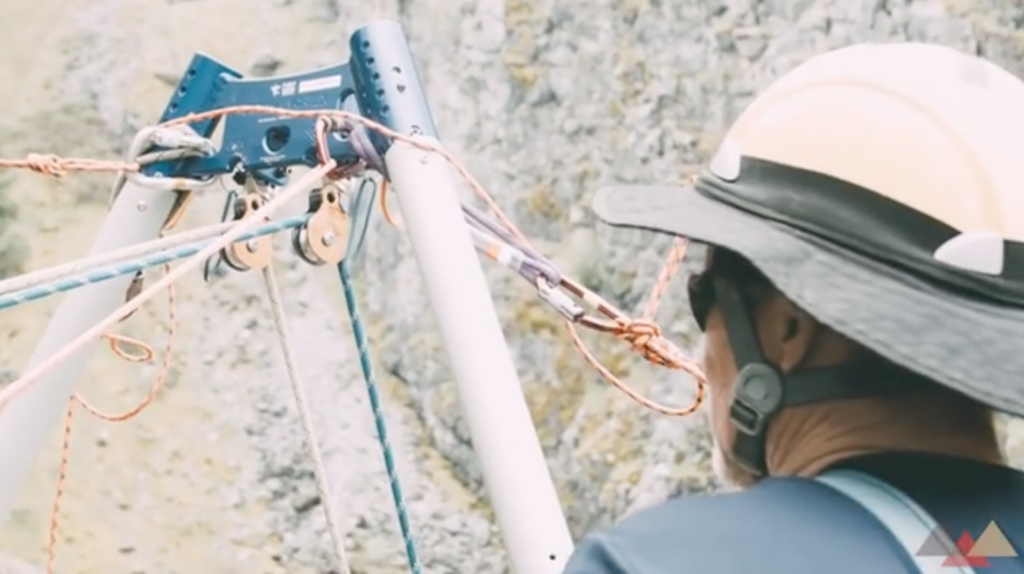
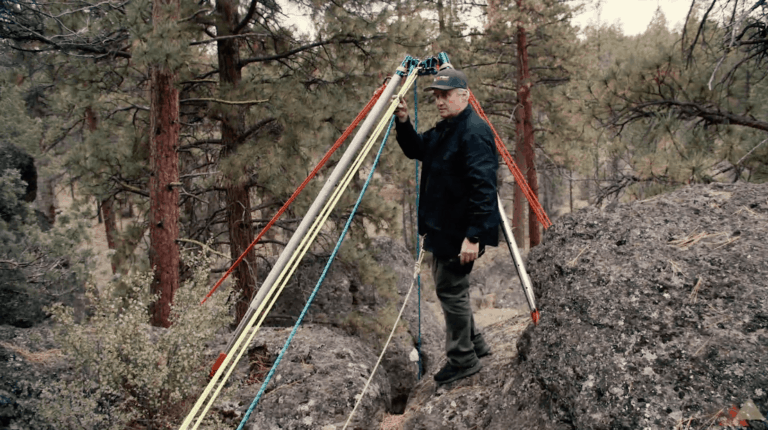
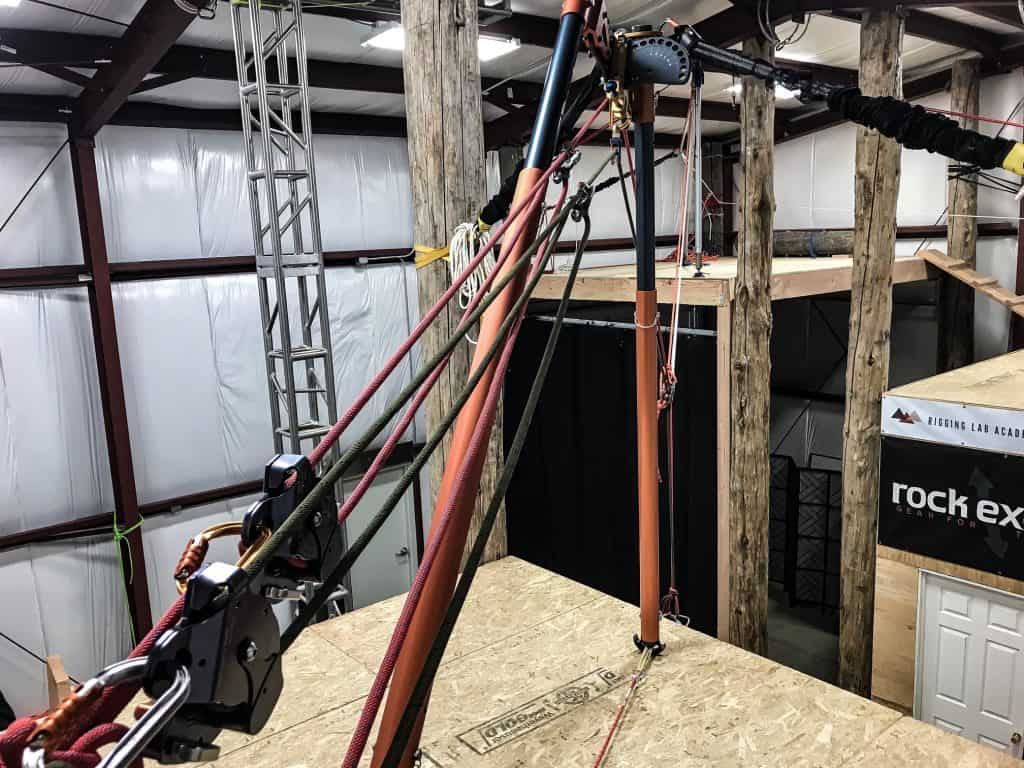
Artificial High Directionals When They Are Needed and How They Support Rescue Operations

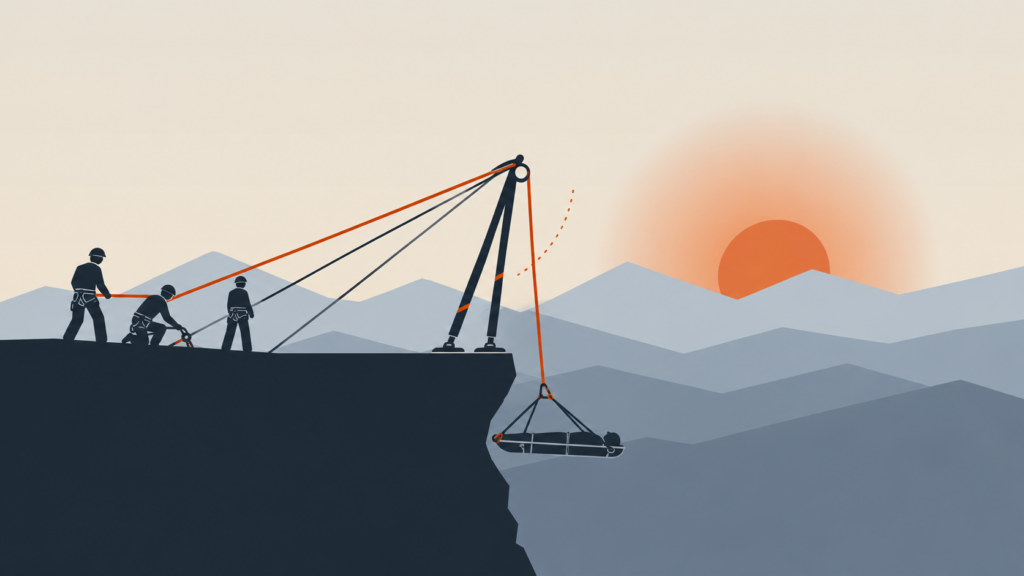
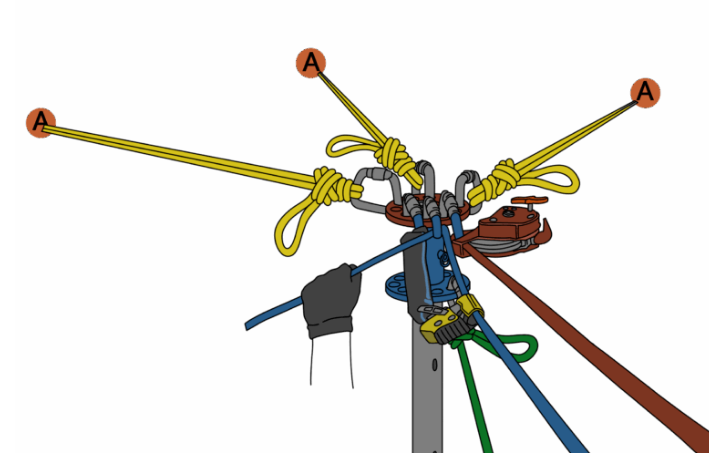
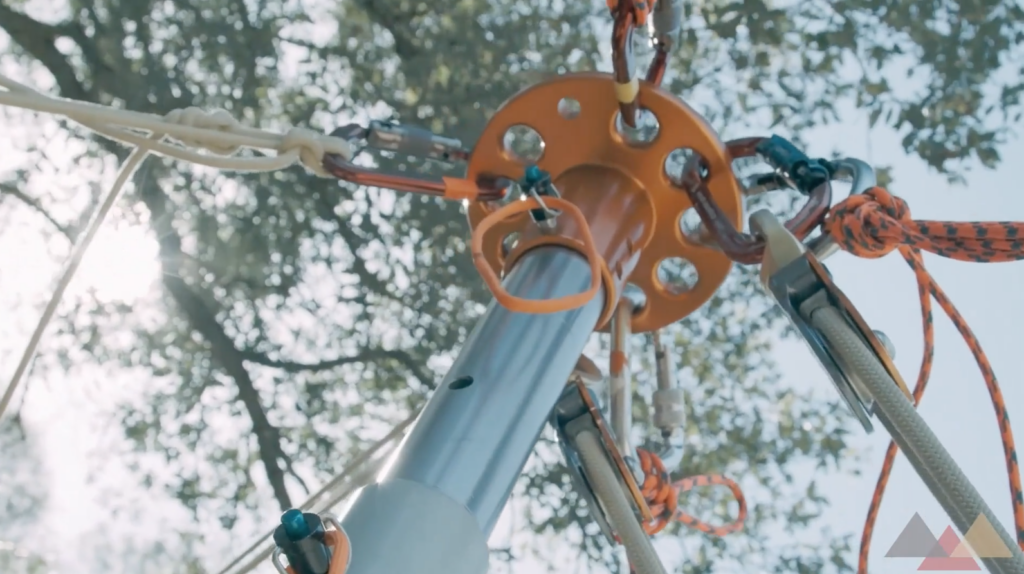
Introduction Artificial High Directionals (AHDs) represent a decisive shift from basic anchor-based rigging into controlled, engineered system behavior. Teams that are competent in raise and lower operations often reach a point where efficiency, safety, and control begin to degrade—not because of poor technique, but because of environmental limitations. Edges, terrain transitions, and structural barriers introduce

Artificial High Directionals When They Are Needed and How They Support Rescue Operations Read More »

Artificial High Directional A-Frame — Sideways Configuration (SA Frame)

Artificial High-Directional A-Frame — Sideways Configuration (SA Frame) The sideways A-frame configuration is a contingency Artificial High Directional used when no suitable anchors exist directly over the edge, and the force must be managed laterally across the surface. Unlike the standard forward-biased A-frame, the SA frame operates with the structure oriented 90 degrees to the edge,

Artificial High Directional A-Frame — Sideways Configuration (SA Frame) Read More »

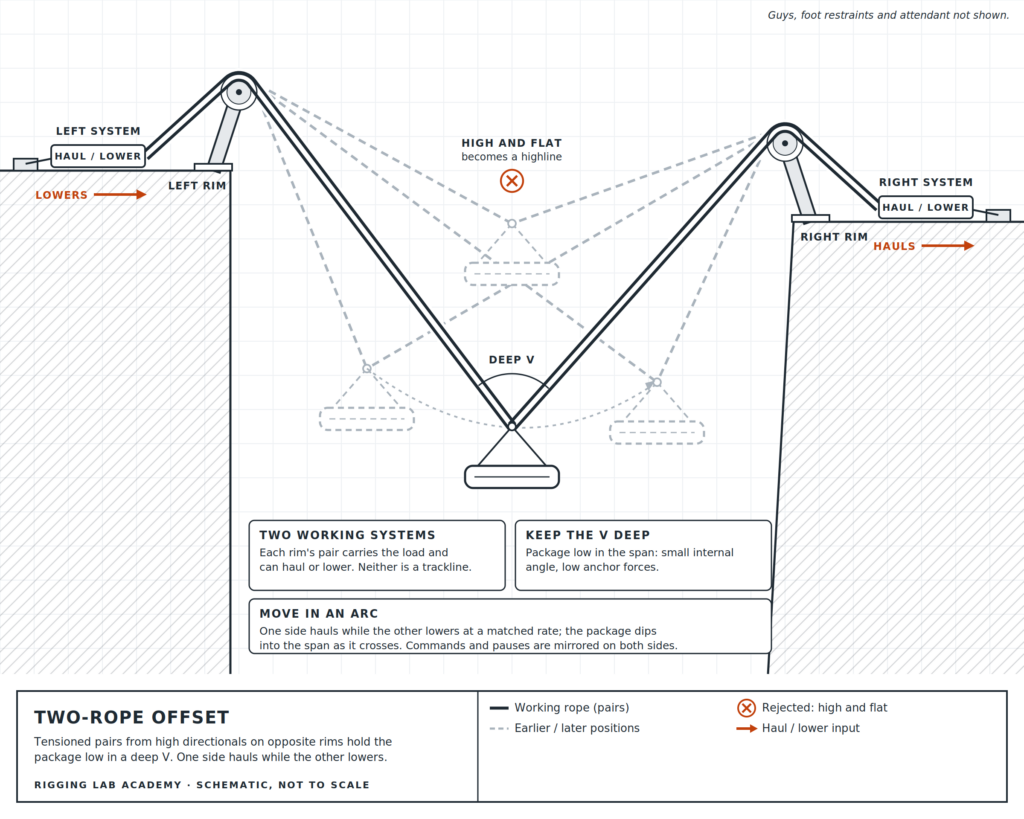
two-rope offset canyon rescue

Why Austrian Economics Belongs in Rope Rescue

Why Austrian Economics Belongs in Rope Rescue Wealth, Labor, Time, and Risk Allocation Technical rope rescue looks like engineering. We calculate force. We build anchors. We manage friction and redundancy. Physics sets the outer limits. If we violate those limits, the system fails. However, engineering alone does not explain how decisions unfold on scene. In

Why Austrian Economics Belongs in Rope Rescue Read More »

Two Tension Offset Systems for Complex Rope Rescue

Austrian Economics and Technical Rope Rescue

Austrian Economics and Technical Rope Rescue Scarcity, Trade-Offs, and Rigging Under Pressure Technical rope rescue looks like engineering. We study force vectors, anchor strength, friction, and redundancy. We calculate loads. We manage geometry. Physics defines the hard limits. If we exceed those limits, the system fails. However, physics does not decide what we build. Two

Austrian Economics and Technical Rope Rescue Read More »

mastering rope rescue anchor and the rigging

Geometric and Mechanical Force Vectors in Complex Rescue Rigging Systems

Geometric and Mechanical Force Vectors in Complex Rescue Rigging Systems Executive Summary In technical rope rescue, anchor systems function as engineered structures rather than ad-hoc attachment points. Their performance is governed by geometric force vectors, mechanical leverage, material capacity, and environmental degradation. This report establishes a disciplined engineering framework for evaluating anchor integrity, analyzing force

Geometric and Mechanical Force Vectors in Complex Rescue Rigging Systems Read More »

6 Counter-Intuitive Principles for Understanding How Systems Really Behave

6 Counter-Intuitive Principles for Understanding How Systems Really Behave We often judge systems by how they look. At work, in engineering, or in our daily lives, we see designs that are symmetrical, robust, or built according to “how it’s always been done” and assume they are sound. This reliance on appearance and tradition feels intuitive,

6 Counter-Intuitive Principles for Understanding How Systems Really Behave Read More »

Horizontal Rope Rescue Systems and Highline Movement Techniques

Physics of Horizontal Rope Rescue Systems

Physics of Horizontal Rope Rescue Systems Why sideways movement is the real test of a rigger’s mind. Vertical rope work is the entry exam. Gravity defines the path, the system behaves predictably, and most mistakes are recoverable. But move a rescue load sideways—even fifty feet across a gap or diagonally off a tower—and everything changes.

Physics of Horizontal Rope Rescue Systems Read More »

Balancing Online and Hands-On Training -Knots for Force Multiplication in Rope Rescue - Steep Highline Calculations and Rigging Techniques

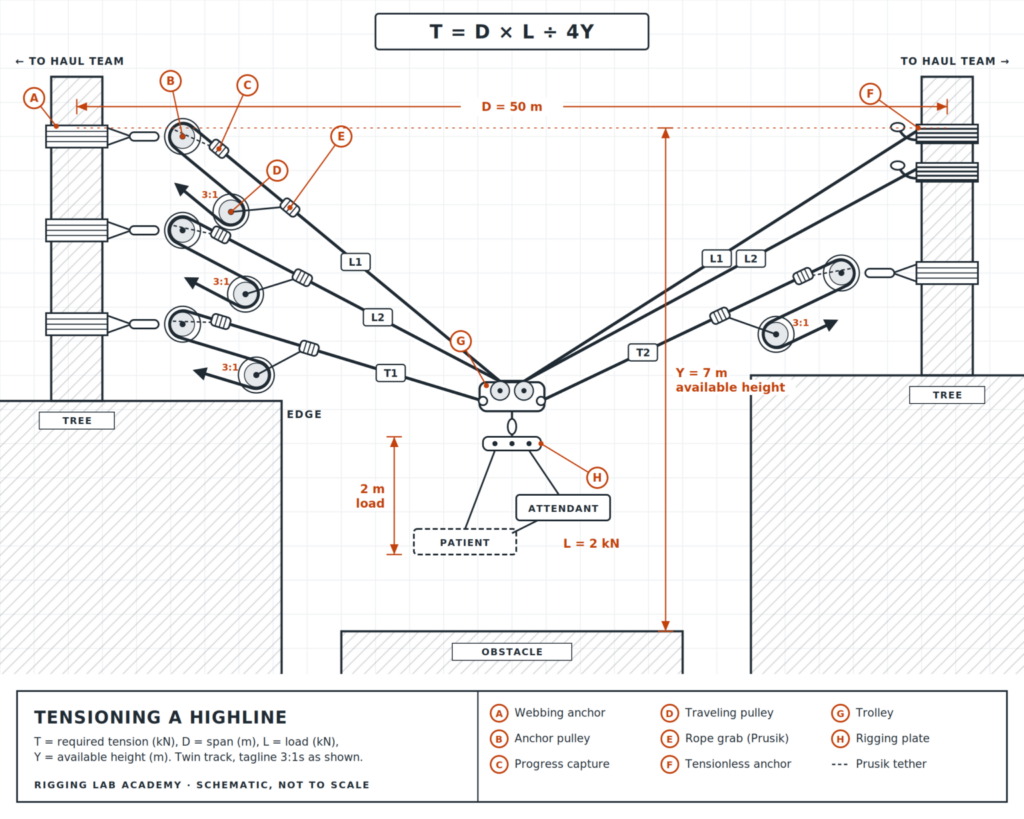
High Tension Highline Rigging Mastery for Technical Rope Rescue

The ability to span a canyon, river, industrial void, or structural gap is one of the most demanding skills in advanced rope rescue. While offsets, tracklines, and guided systems are essential tools, the true test of technician-level capability is the high-tension highline. Unlike everyday rigging, high-tension systems do not forgive misunderstandings in geometry or guesswork

High Tension Highline Rigging Mastery for Technical Rope Rescue Read More »

Rope rescue training for veterans covers leadership, mechanical advantage, and advanced rigging skills and Hidden treasures in team leadership

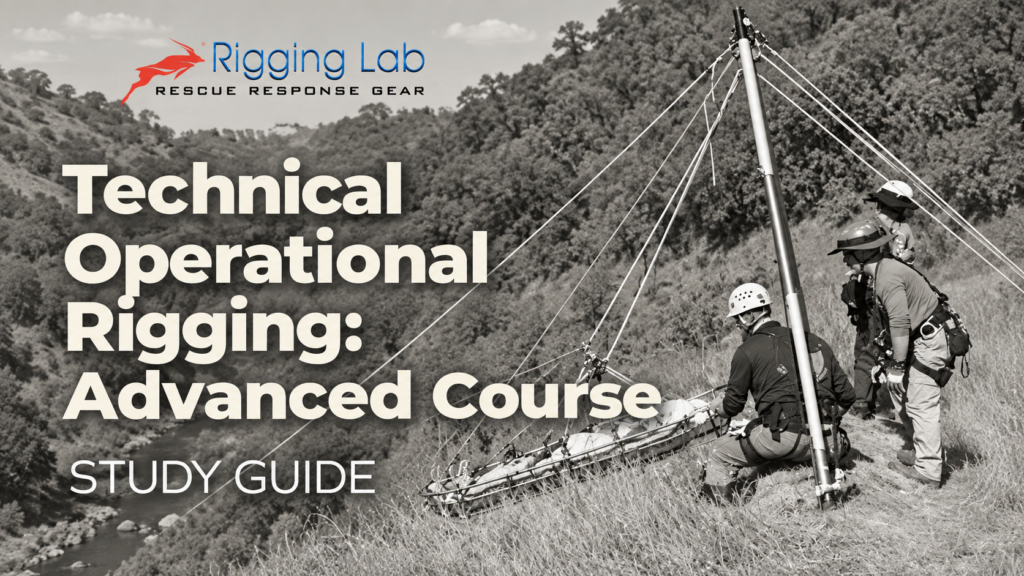
Advanced Rigging Principles for Technical Rope Rescue

Modern rope rescue has outgrown the era of “strong gear plus strong backs.” At the advanced level, operations are built on system engineering, controlled redundancy, and a clear understanding of how forces, geometry, and human factors interact in real time. The Technical Operational Rigging Study Guide you started with is more than an exam—it is

Advanced Rigging Principles for Technical Rope Rescue Read More »

dynamic offset

When to Choose an Offset Instead of a Highline in Rope Rescue

When to Choose an Offset Instead of a Highline in Rope Rescue – One of the most common choices in rope rescue is deciding between a highline and an offset system. Both can move a patient or load across complex terrain, but they solve the problem in very different ways. A highline acts like a

When to Choose an Offset Instead of a Highline in Rope Rescue Read More »

Building the Minimal Mechanical Advantage Kit

Building a Minimal Mechanical Advantage Kit with the 20–80 Rule

The 20–80 Rule in Action: Building the Minimal Mechanical Advantage Kit In rope rescue, complexity can be your enemy. Too many devices, too much gear, and too many choices under stress can slow a team down and increase risk. That’s where the 20–80 Rule comes in: with about 20% of the gear, you can accomplish

Building a Minimal Mechanical Advantage Kit with the 20–80 Rule Read More »