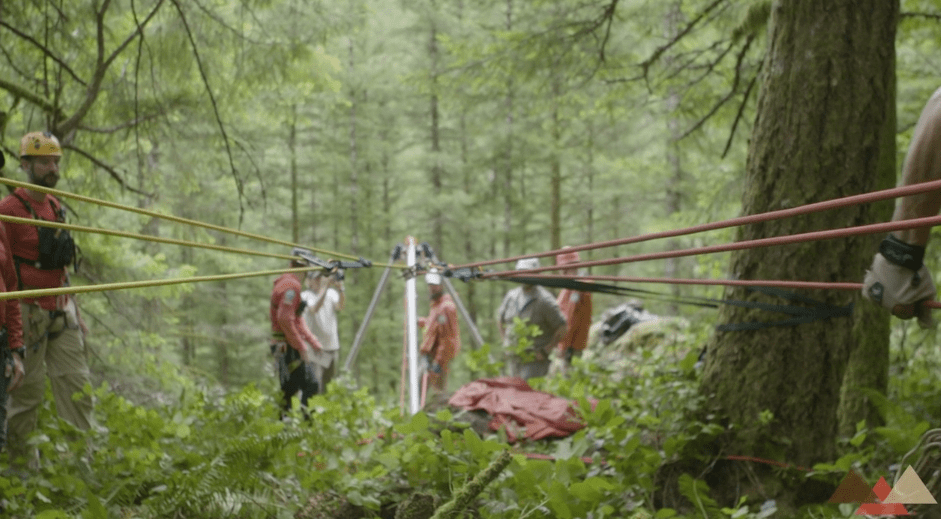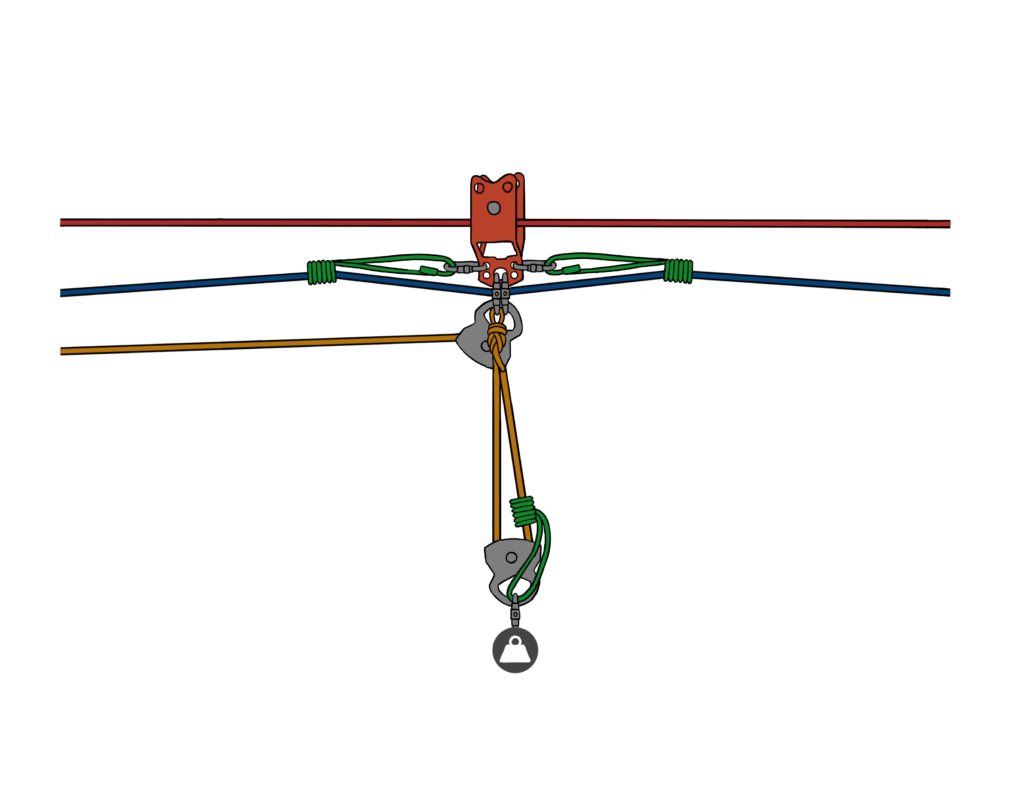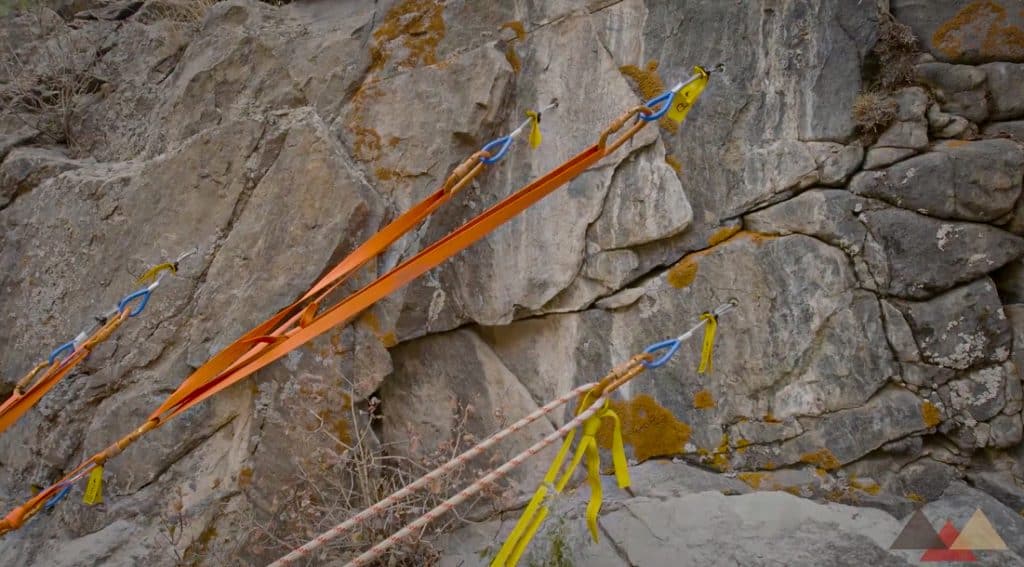
Two Tensioned Rope Rescue Systems

cross haul system

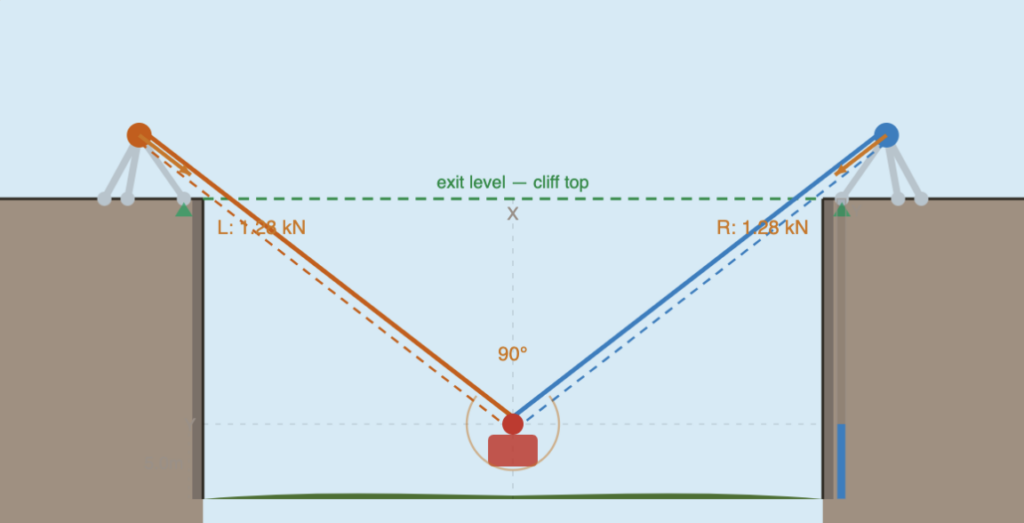
Cross Haul System Calculator — Building a Force Analysis Tool for Horizontal Rope Access

Building a Force Analysis Tool for Horizontal Rope Access TTRS Configuration  ·  Vortex AHD Leg Forces  ·  Exit Zone Analysis SPRAT Level 2 Required Skill  ·  Pre-operational Planning Tool Moving a package horizontally across a span — a patient in a litter, a gear load, a confined space casualty — sits at the intersection of […]

Cross Haul System Calculator — Building a Force Analysis Tool for Horizontal Rope Access Read More »

Rope rescue training for veterans covers leadership, mechanical advantage, and advanced rigging skills and Hidden treasures in team leadership

Advanced Rigging Principles for Technical Rope Rescue

Modern rope rescue has outgrown the era of “strong gear plus strong backs.” At the advanced level, operations are built on system engineering, controlled redundancy, and a clear understanding of how forces, geometry, and human factors interact in real time. The Technical Operational Rigging Study Guide you started with is more than an exam—it is

Advanced Rigging Principles for Technical Rope Rescue Read More »

two tensioned system raise

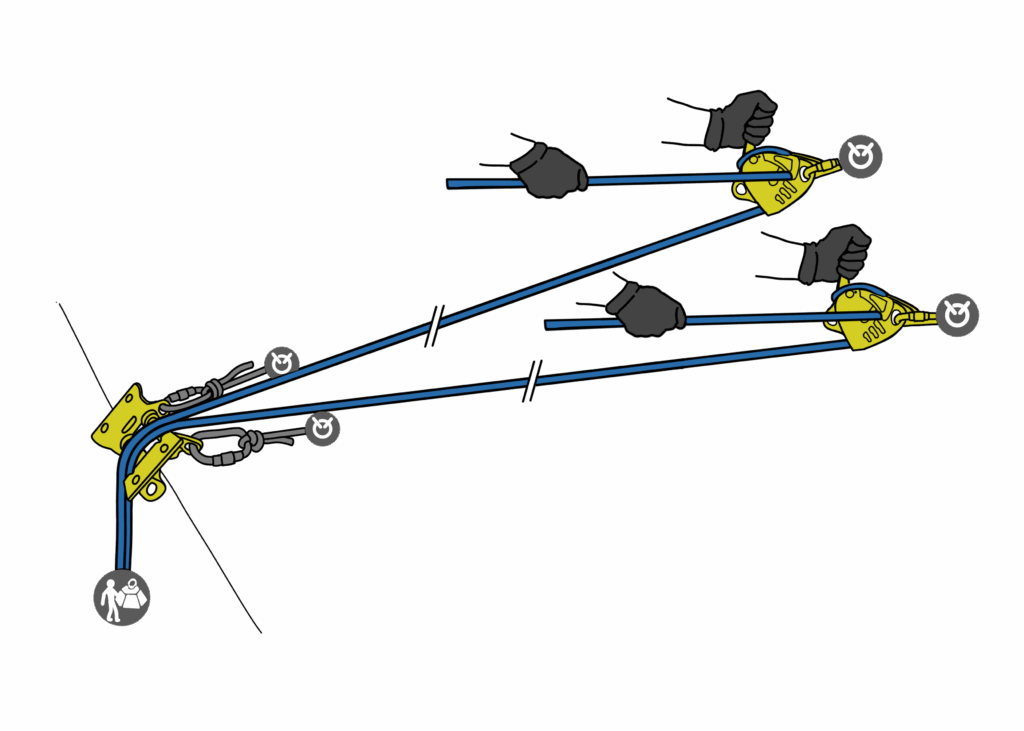
Twin Tension Rope Systems (TTRS) Mastery for Rescue Safety

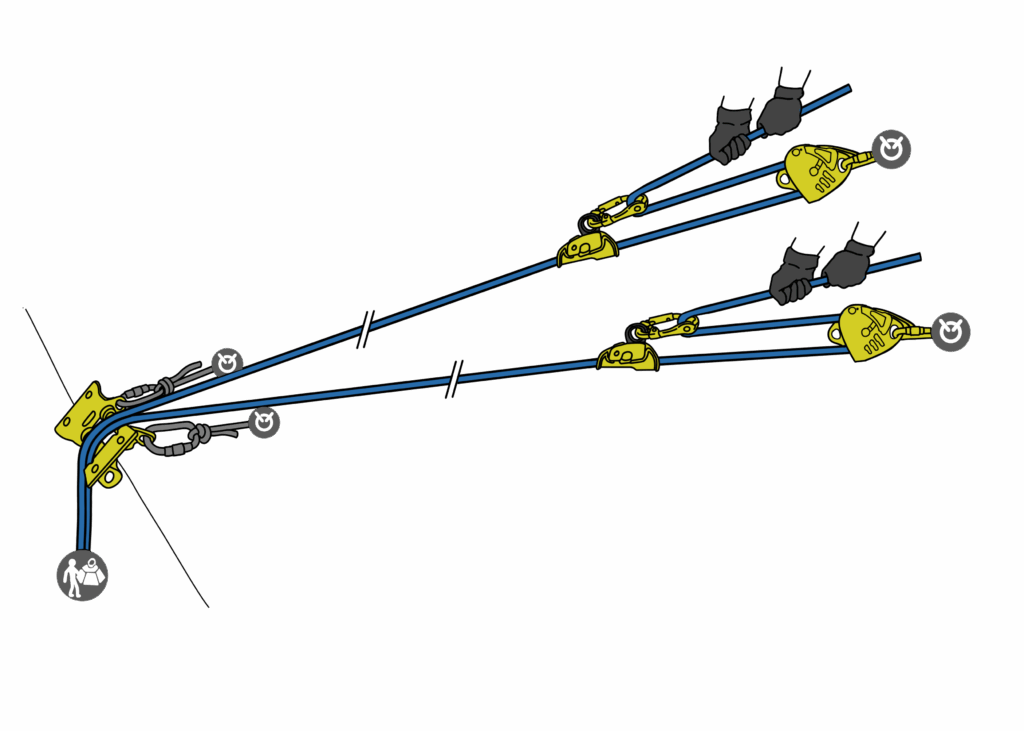
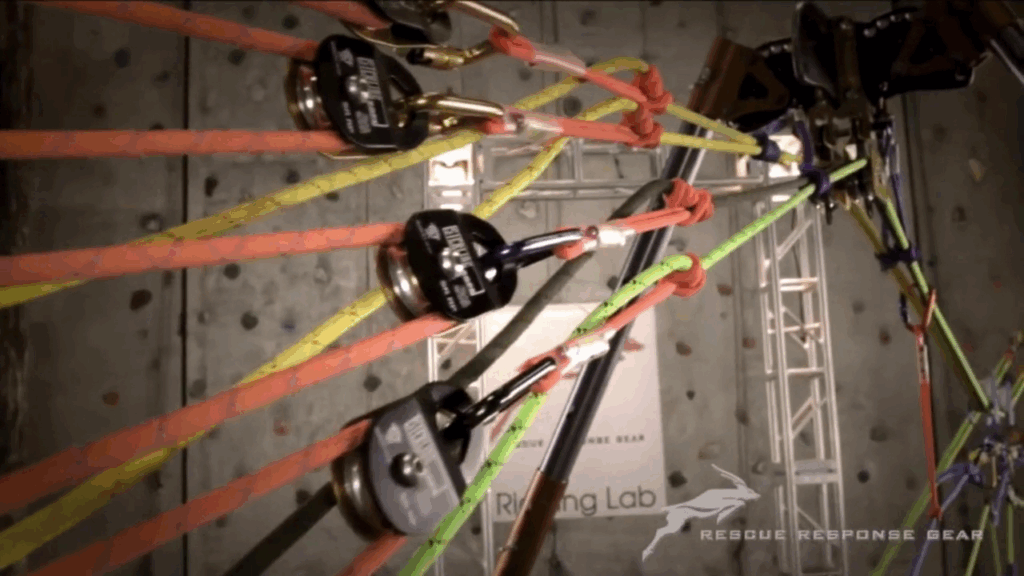
In modern technical rescue, moving beyond traditional main-and-belay configurations is essential to achieving superior safety margins and operational efficiency. The shift is towards Dual Mainline Rope Systems, also known as Twin Tension Rope Systems (TTRS). These systems fundamentally change the dynamics of load control by actively engaging both ropes to share the load equally, thus

Twin Tension Rope Systems (TTRS) Mastery for Rescue Safety Read More »

horizontal rigging shock loading

Dynamic Forces and Shock Loading in Horizontal Track Systems

Dynamic Forces and Shock Loading in Horizontal Track Systems In rope rescue, most failures come from what wasn’t seen, not what wasn’t built. A system can be geometrically perfect, the anchors flawless, and the tension within the limits of every catalog rating—until motion enters the picture. Once a load begins to move, the numbers change.Ropes

Dynamic Forces and Shock Loading in Horizontal Track Systems Read More »

two tension rope systems

Twin Tension Systems in Horizontal Tracks for Rope Rescue

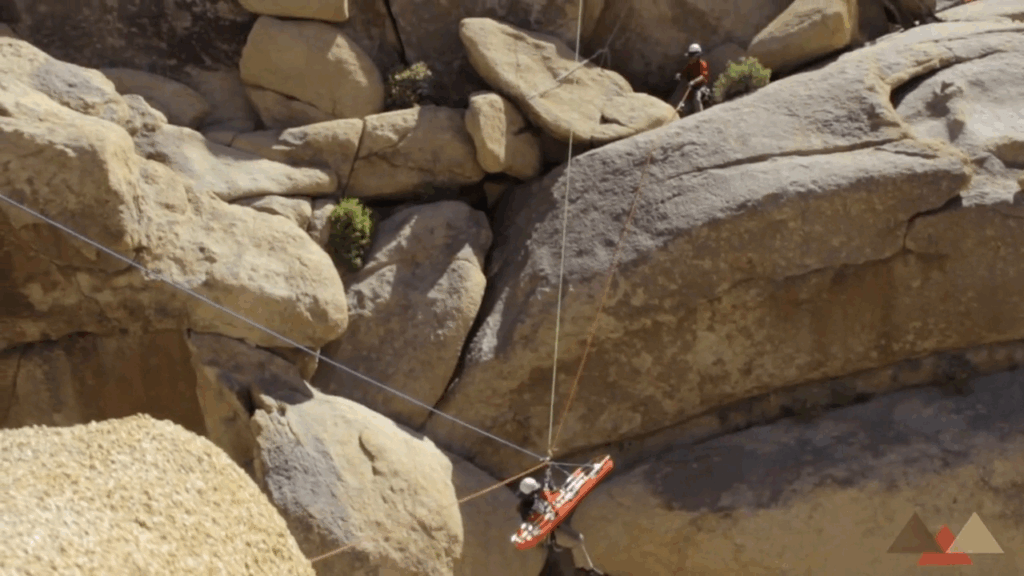
Twin Tension Systems in Horizontal Tracks for Rope Rescue When a litter is moved across a horizontal track line, rescuers are managing one of the most demanding rigging challenges in rope rescue. Forces on anchors are amplified by sag angle, span length, and live load movement. Traditional single-line tracks rely on one rope for the

Twin Tension Systems in Horizontal Tracks for Rope Rescue Read More »

twin tension canyon rescue

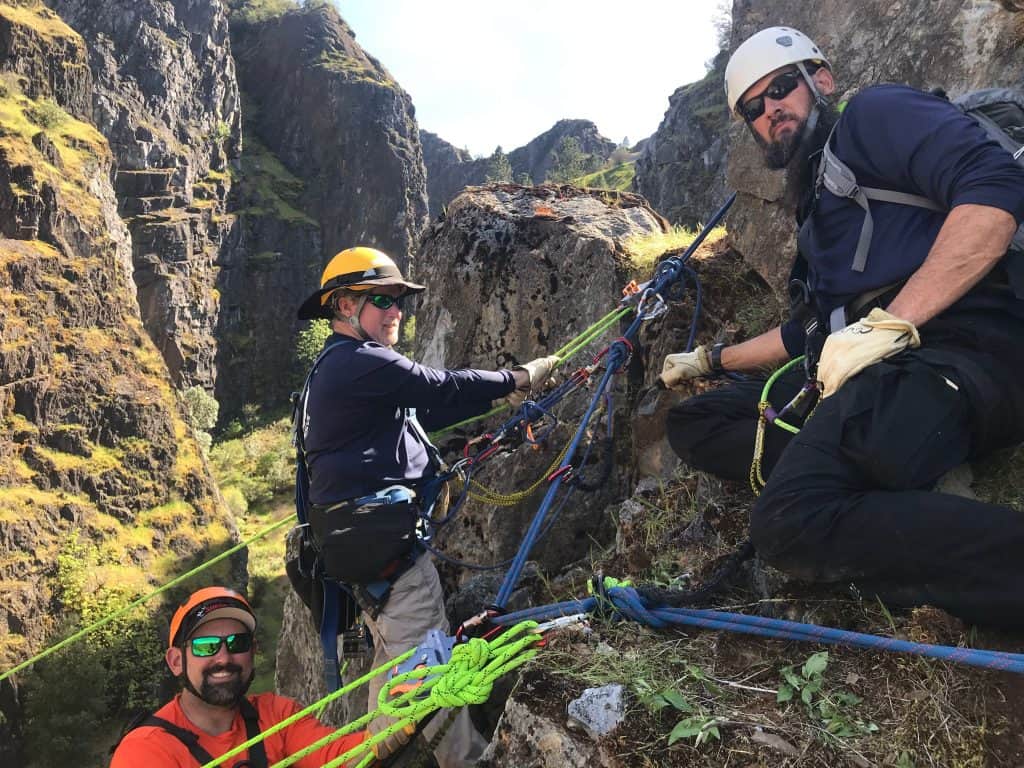
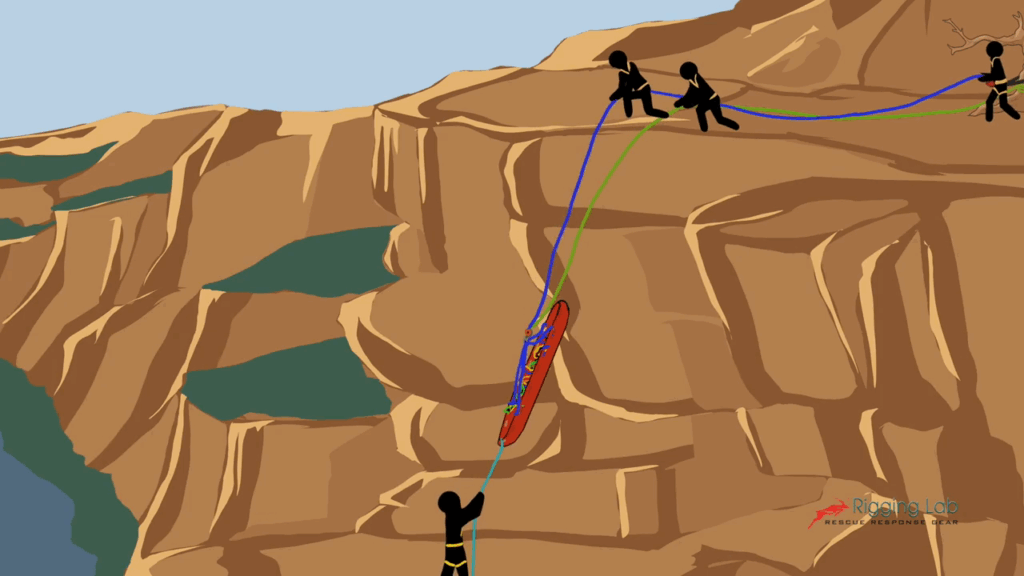
Twin Tension Canyon Rescue Controlled Descent in Vertical Terrain

A Canyon That Demands Precision Canyon terrain strips away the luxury of improvisation. Jagged cliff lines, steep drops, and a winding river below create a space where only structured systems can succeed. When the rescue team arrived on scene, they began organizing near their vehicle. One group unpacked rope kits and a backboard, while another

Twin Tension Canyon Rescue Controlled Descent in Vertical Terrain Read More »

two-rope offset canyon rescue

How to Rig a Two-Rope Offset Canyon Rescue with Twin Tension Systems

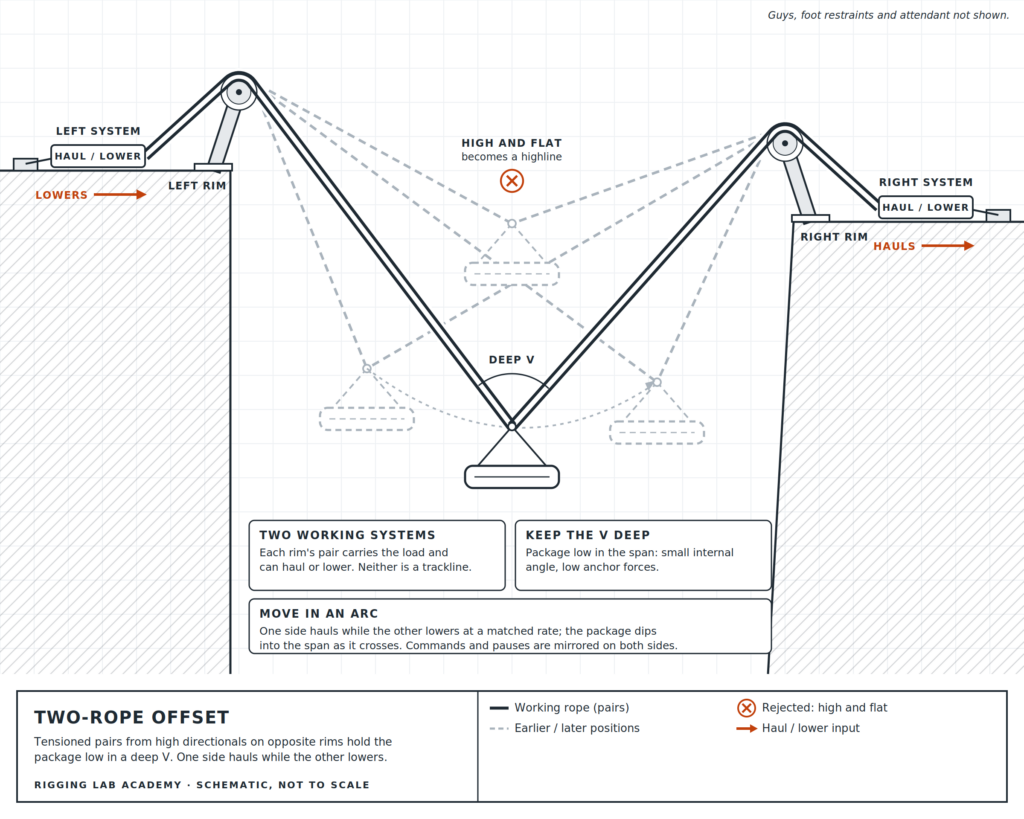
A Canyon Rescue Demands More Than a Vertical Drop Not every rescue moves straight down. In desert canyon environments, terrain often calls for lateral movement, precise force balance, and shared system control. When a patient must be transported from one rim to another, a two-rope offset canyon rescue setup using twin tension systems becomes essential.

How to Rig a Two-Rope Offset Canyon Rescue with Twin Tension Systems Read More »

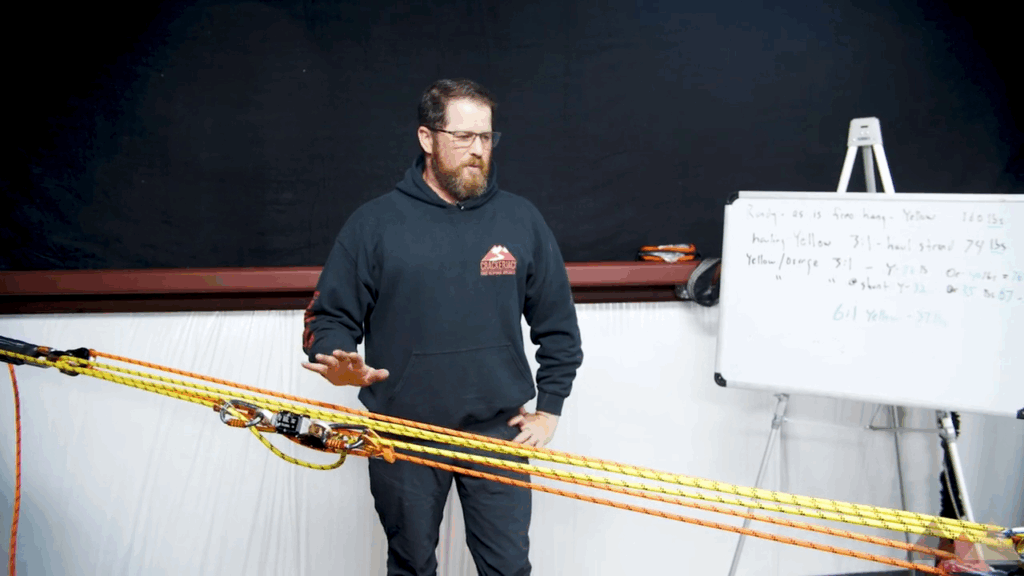
Debunking the myth of parallel mechanical advantage

Why Parallel Haul Systems Don’t Double Mechanical Advantage in Rope Rescue

Debunking the Myth of Multiplying Mechanical Advantage In technical rope rescue, clarity and precision matter—especially when it comes to understanding mechanical advantage. One common belief that continues to circulate in the rescue and rigging world is that two parallel 3:1 systems hauling a single load equals a 6:1 advantage. It sounds intuitive. It looks clean

Why Parallel Haul Systems Don’t Double Mechanical Advantage in Rope Rescue Read More »

gin pole ahd rope rescue

Gin Pole AHD rope rescue

In rope rescue, artificial high directionals (AHDs) are force multipliers—not just for mechanical advantage, but for terrain navigation, edge management, and operational flow. Among the most versatile and efficient of these is the gin pole. Whether used in confined space, industrial tower rescue, or wilderness cliffside extractions, a properly configured gin pole offers clean vertical

Gin Pole AHD rope rescue Read More »

Two Tensioned Rope System Enhances Lowering Safety

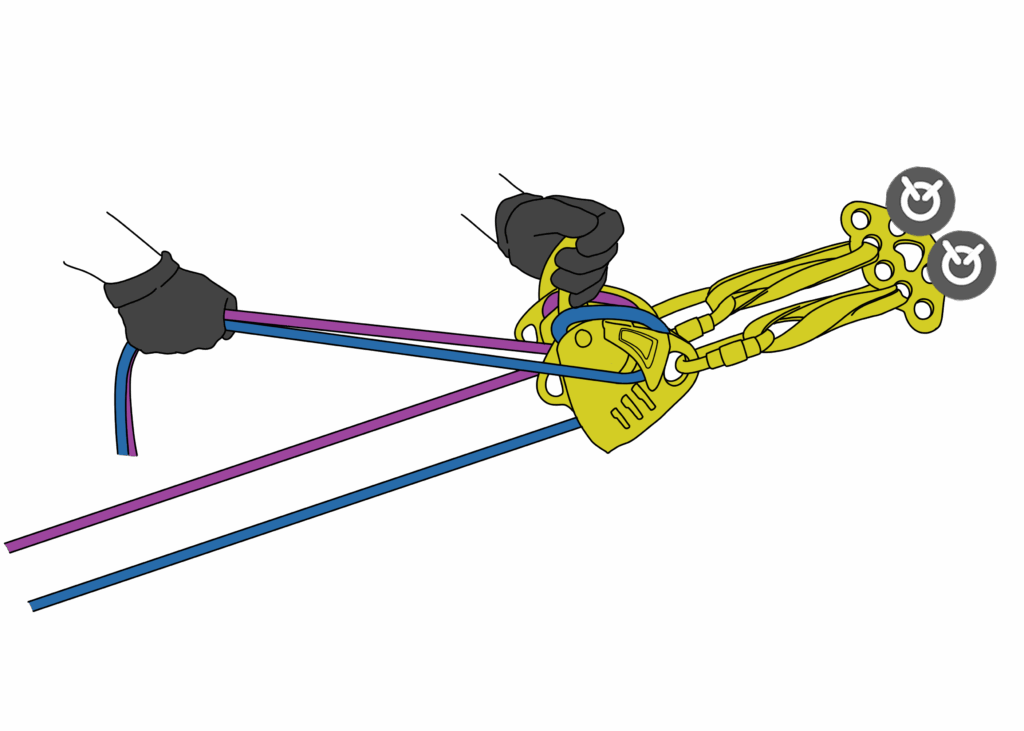
Two Tensioned Rope System Enhances Lowering Safety

When lives—or critical equipment—must be lowered from lofty heights, there’s no room for compromise. Traditional single-line lowers place the full burden on one rope, one device, and one chance to get it right. The two tensioned rope system rewrites that script. By running two identical ropes—each through its own Maestro descender and edge protector—you gain

Two Tensioned Rope System Enhances Lowering Safety Read More »

two tensioned system raise sharing more equally

The Two-Tensioned Rope Raising System

The Two-Tensioned Rope Raising System In the high-stakes world of rope rescue and technical rigging, achieving safety and absolute control stands as our highest priority. When we need to move loads or personnel upward, the demands intensify, requiring systems that offer maximum security and efficiency. This brings us to the Two-Tensioned Rope System (TTRS), a

The Two-Tensioned Rope Raising System Read More »

Two-Tension Rope Systems- Shock Absorbers in Dual Main Rope Systems

Shock Absorbers in Dual Main Rope Systems

Shock Absorbers in Dual Main Rope Systems In the world of rope access, technical rescue, and industrial work-at-height, the adoption of dual main rope systems has become a gold standard for redundancy and safety. Yet, as systems become more robust, the nuances of energy management — particularly through the use of fall arrestor shock absorbers

Shock Absorbers in Dual Main Rope Systems Read More »

Fundamentals of Rigging in Rescue Operations -English and Reverse Reeve Systems for Highline Rescue

English and Reverse Reeve Systems for Highline Rescue

Highline Rescue Requires Precision In rope rescue operations, moving a load across horizontal or diagonal spans—whether suspended from high directionals or tensioned lines—demands a system that’s not only stable and redundant, but also dynamically adjustable under load. This is where English Reeve and Reverse Reeve systems shine. Both reeving systems offer unique advantages depending on

English and Reverse Reeve Systems for Highline Rescue Read More »

multipoint anchoring using removable bolts - Removable Bolt Highline Anchors

Removable Bolt Highline Anchors

Removable Anchors for Highline Rescue Highline systems are often associated with complexity and beauty. But when lives are on the line — literally — it’s the anchor system that defines whether a highline is operational, sustainable, and safe. In this case, the challenge wasn’t just spanning a canyon. It was doing so without leaving a

Removable Bolt Highline Anchors Read More »

Twin Tensioned Highline Anchors

Twin Tensioned Highline Anchor System

Twin Tensioned Highline Anchor System As rope rescue systems grow more advanced, so do our expectations for precision, safety, and minimal impact. When constructing a twin tensioned highline system, the reliability of your anchors — and how they manage load — becomes mission critical. This article breaks down a field-tested twin highline anchor system built

Twin Tensioned Highline Anchor System Read More »

Balancing Online and Hands-On Training -Knots for Force Multiplication in Rope Rescue - Steep Highline Calculations and Rigging Techniques

Steep Highline Calculations and Rigging Techniques

Steep Highline Calculations and Rigging Techniques Mastering steep highline systems takes more than just strong anchors and high-quality rope—it demands precision, forethought, and the ability to calculate force vectors in real-time terrain. In other words, steep highline calculations and rigging techniques are critical. Whether you’re new to horizontal rigging or refining your advanced systems, steep-angle

Steep Highline Calculations and Rigging Techniques Read More »

Twin Tension Rope Systems and Gin Pole Setup

TTRS and Gin Pole Setup for Technical Rope Work

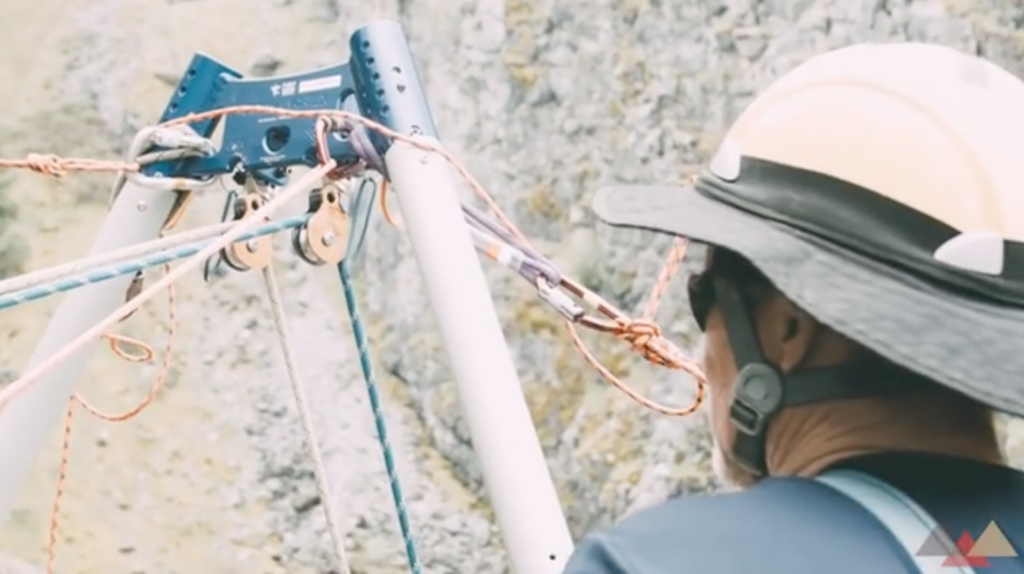
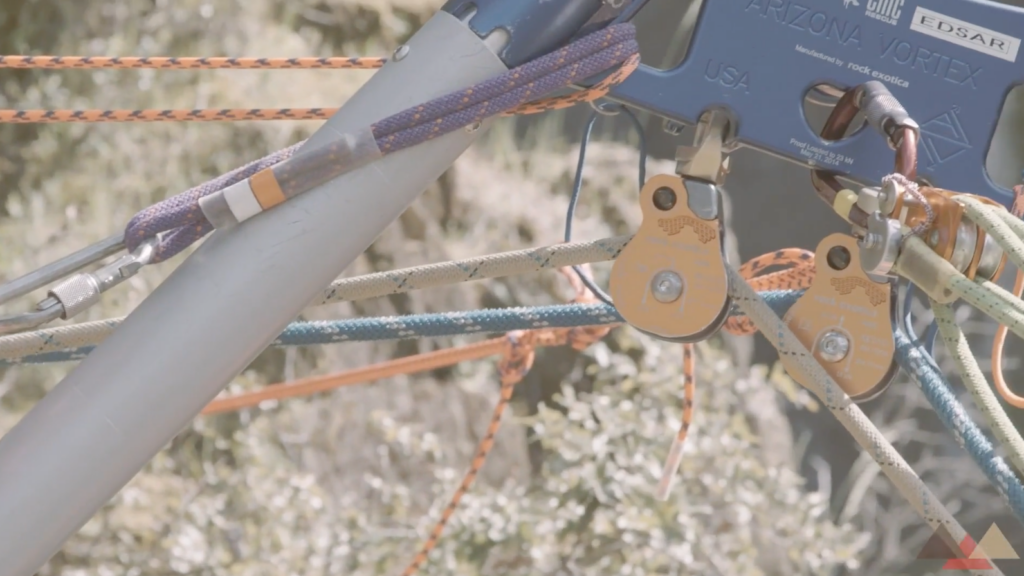
Technical rope professionals often need fast clarity on specific systems. Whether you are refining a Twin Tension Rope System (TTRS) or setting up a gin pole, efficiency, safety, and precision come from understanding how the system works—not just owning the gear. Twin Tension Rope Systems (TTRS) TTRS distributes the load between two tensioned lines, with

TTRS and Gin Pole Setup for Technical Rope Work Read More »

The Multi-Purpose Device Revolution - MPD CMC

The Multi-Purpose Device Revolution

Advanced Rope Rescue Systems: The Multi-Purpose Device Revolution The Multi-Purpose Device Revolution is an ever-evolving world within technical rescue; innovation is key to enhancing safety and efficiency. As we explore the intricacies of dual tension dual capacity (DTDC) systems, it’s crucial to highlight the game-changing equipment that makes these advanced techniques possible. At the forefront

The Multi-Purpose Device Revolution Read More »

Understanding High Directional Systems

Understanding High Directional Systems

Understanding High Directional Systems Fundamental Concepts of Resultant Vector Understanding High Directional Systems – The resultant vector is a cornerstone concept in high directional setups, representing the combined force acting within the system. This vector encapsulates both the magnitude and direction of the forces at play, which is crucial for maintaining system stability and effectiveness.

Understanding High Directional Systems Read More »

Two Tension Rope System with Petzl JAG

Petzl I’D Descender for Rope Access and Rescue Operations

Petzl I’D Descender for Rescue and Work at Height The Petzl I’D Descender is an indispensable tool for professionals working in rope access, rescue operations, and industrial environments. Known for its versatility, safety features, and ability to perform in critical, high-risk situations, the I’D Descender is designed to provide precise control and enhanced safety in

Petzl I’D Descender for Rope Access and Rescue Operations Read More »