
Portable Anchors

skate block highline

Skate Block Highline with Gin Pole Directional in Rope Rescue

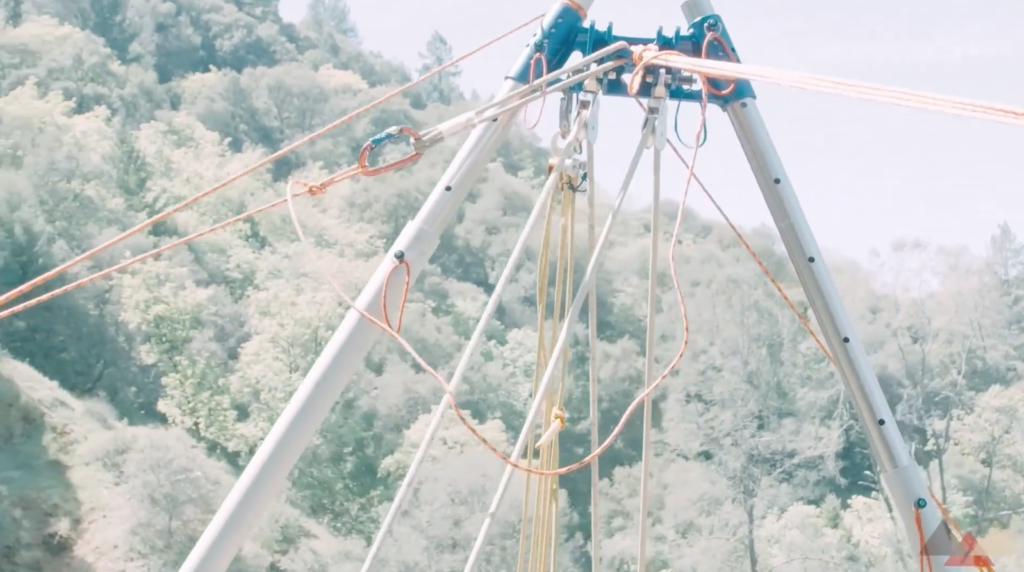
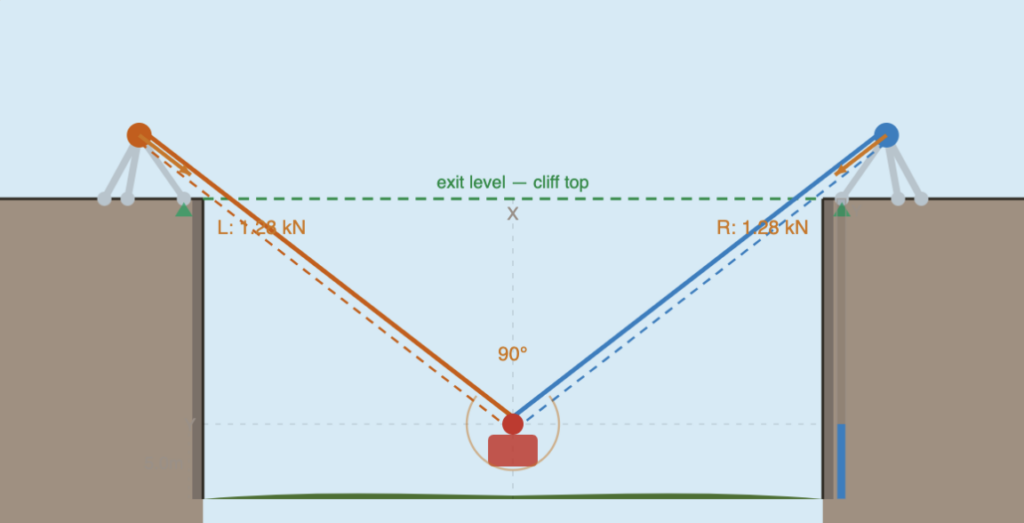
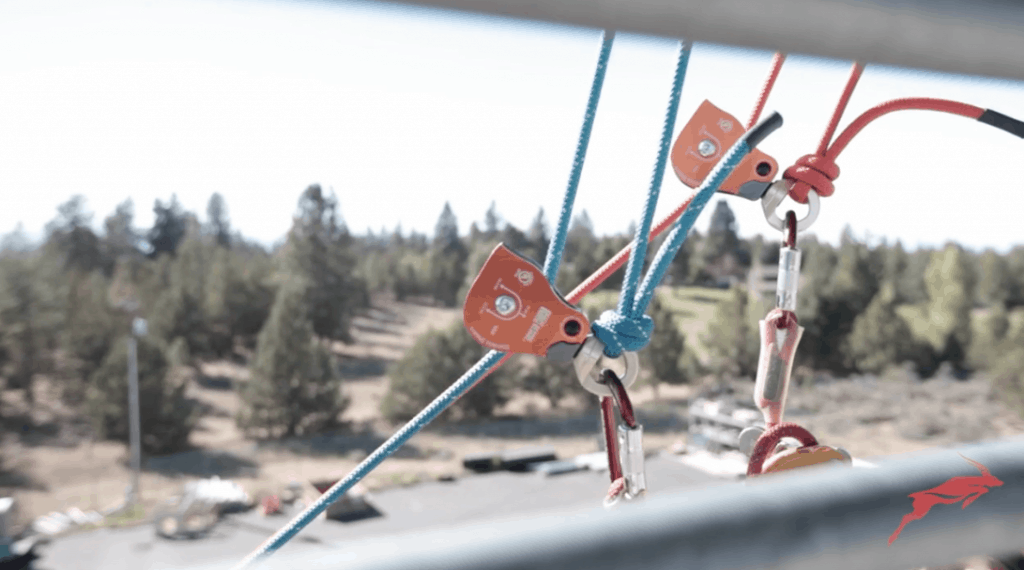
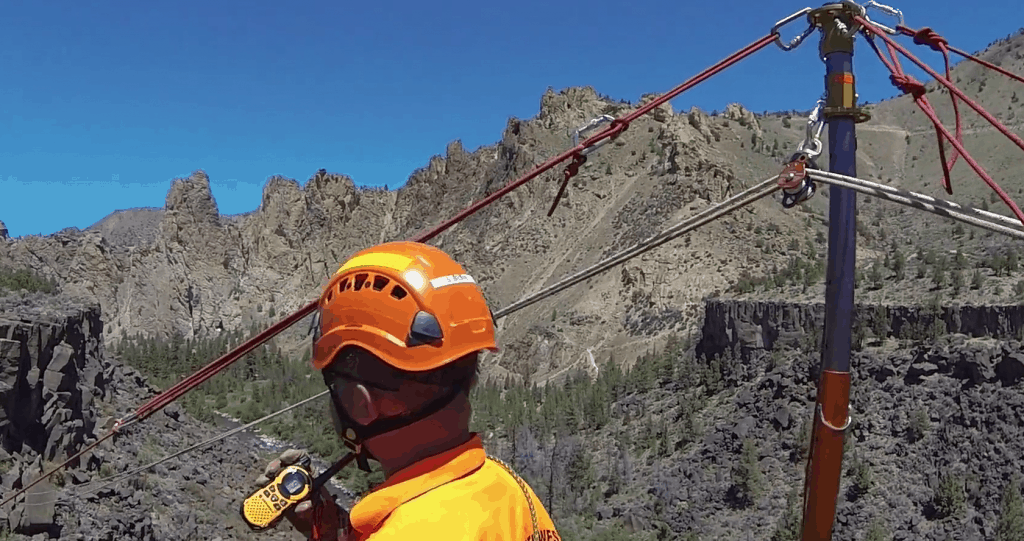
Skate Block Highline with Gin Pole Directional in Rope Rescue – How a highline configured as a skate block with a monopod directional improves efficiency, control, and safety in complex terrain. Highlines are a cornerstone of modern rope rescue, allowing teams to move loads across obstacles such as rivers, canyons, cliffs, or collapsed structures. Traditionally, […]

Skate Block Highline with Gin Pole Directional in Rope Rescue Read More »

gin pole ahd rope rescue

Gin Pole AHD rope rescue

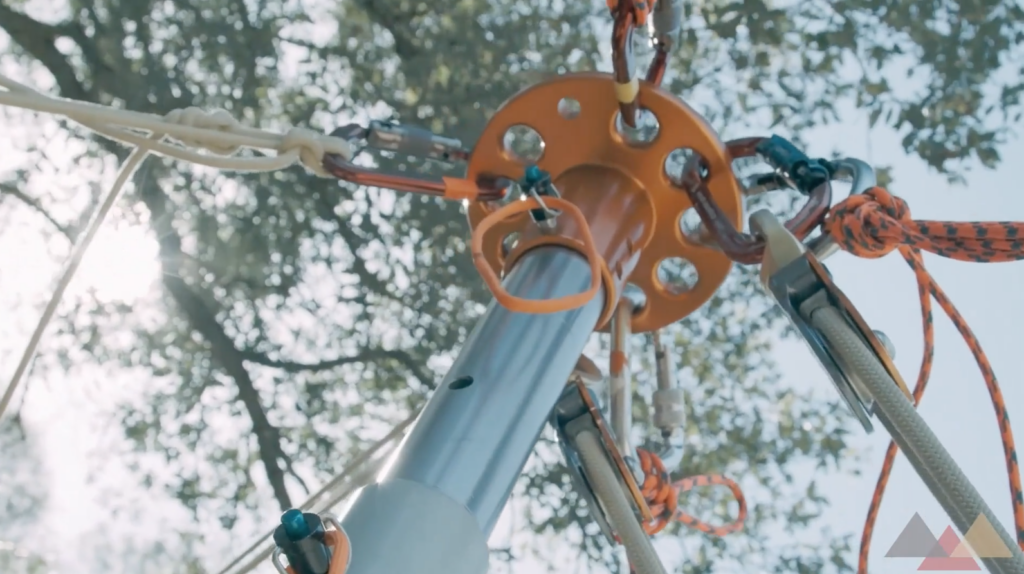
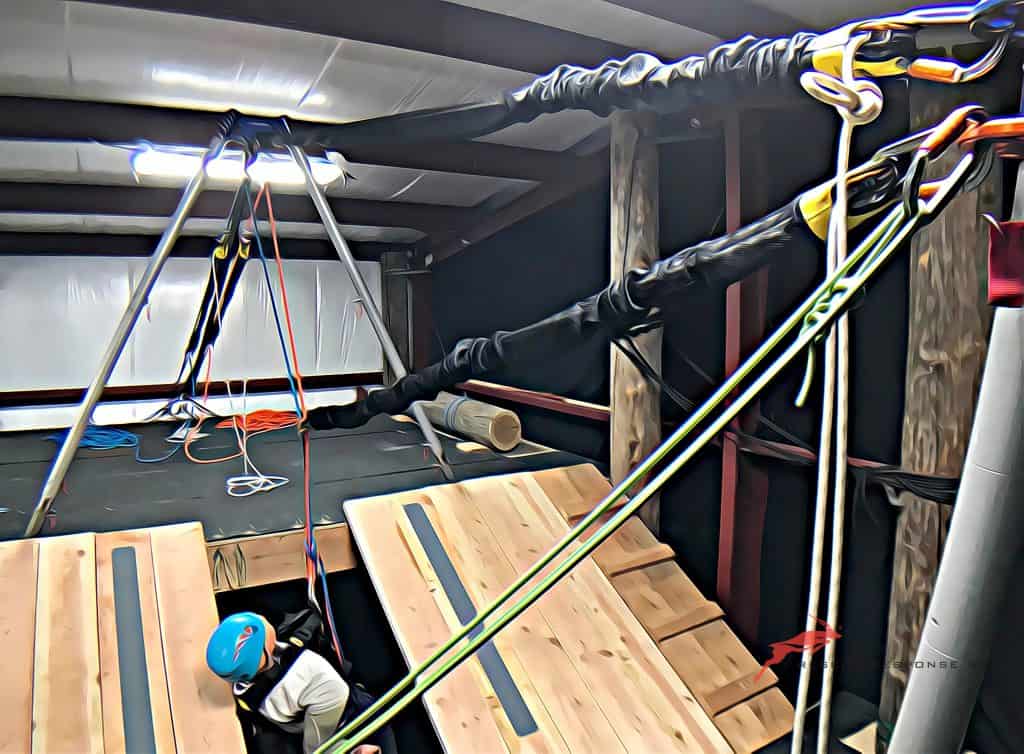
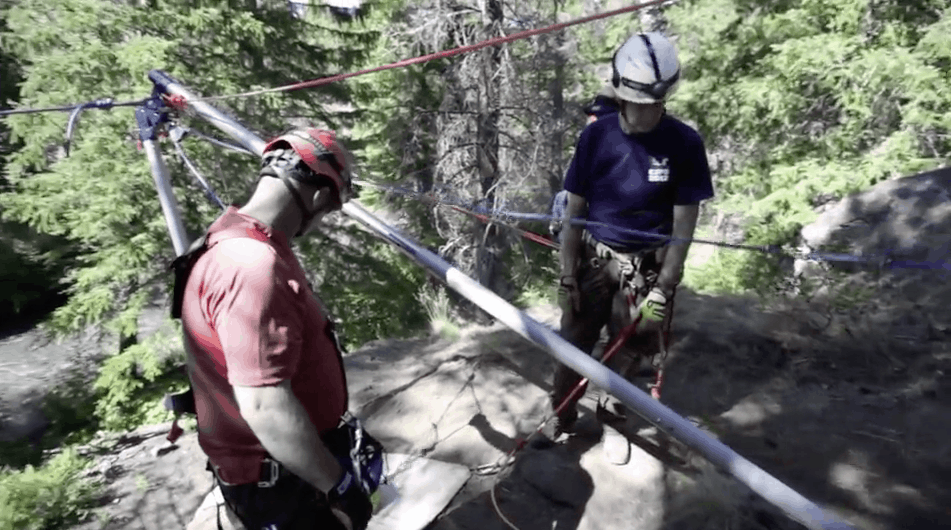
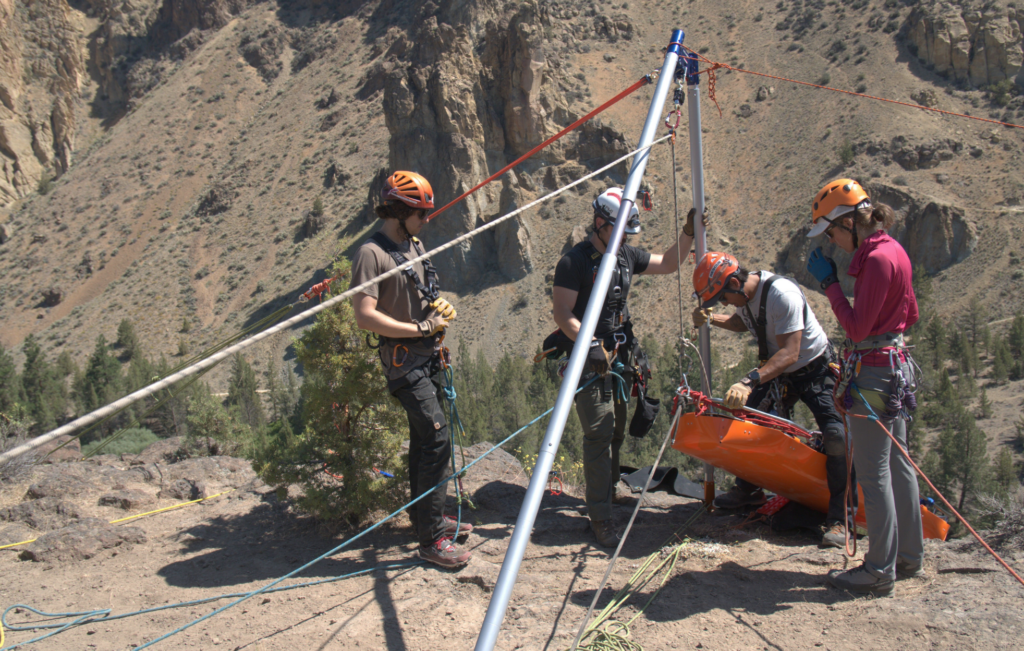
In rope rescue, artificial high directionals (AHDs) are force multipliers—not just for mechanical advantage, but for terrain navigation, edge management, and operational flow. Among the most versatile and efficient of these is the gin pole. Whether used in confined space, industrial tower rescue, or wilderness cliffside extractions, a properly configured gin pole offers clean vertical

Gin Pole AHD rope rescue Read More »

Understanding High Directional Systems

Understanding High Directional Systems

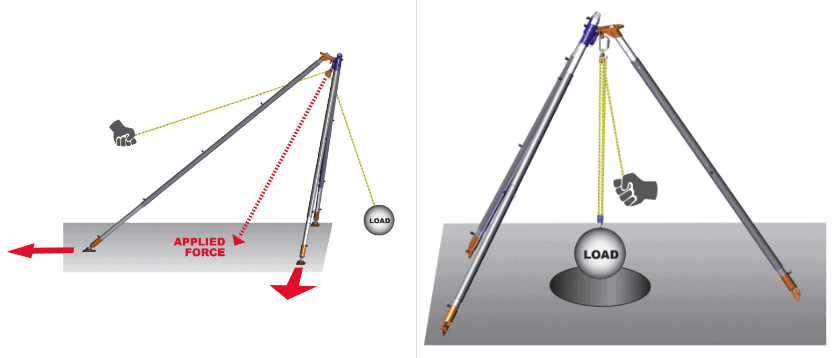
Understanding High Directional Systems Fundamental Concepts of Resultant Vector Understanding High Directional Systems – The resultant vector is a cornerstone concept in high directional setups, representing the combined force acting within the system. This vector encapsulates both the magnitude and direction of the forces at play, which is crucial for maintaining system stability and effectiveness.

Understanding High Directional Systems Read More »

key articles on artificial high directionals (AHDs) - Artificial High Directionals Purpose Built Systems and Improvised Solutions

Purpose Built Artificial High Directionals

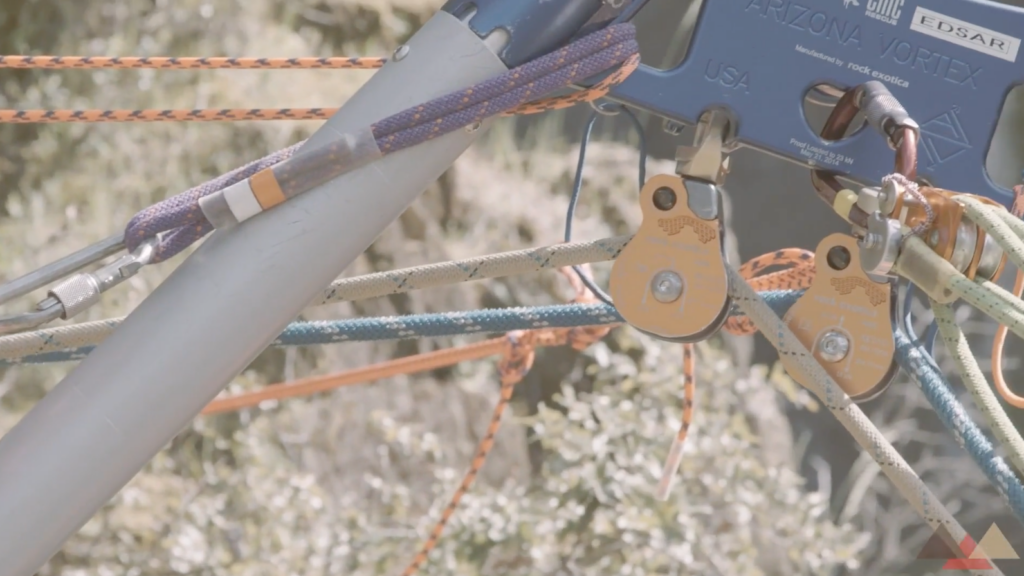
Artificial High Directionals: Purpose-Built Systems and Improvised Solutions Artificial High Directionals (AHDs) play a crucial role in technical rescue operations by creating elevated anchor points for hauling, lowering, and managing edge transitions. While purpose-built products like the Arizona Vortex and SMC Terradaptor are industry standards, rescue teams often encounter scenarios where they must improvise using

Purpose Built Artificial High Directionals Read More »

Balancing Costs in Rope Rescue Rigging - Dynamic Directionals in Rope Rescue

Dynamic Directionals in Rope Rescue

High Directional Systems in Rope Rescue A high directional is a crucial component in rope rescue operations, used to elevate the rope system above the rescue scene. By raising anchor points, high directionals enable safer, more efficient rescue operations across various challenging environments. Definition and Purpose A high directional is a rigged system designed to:

Dynamic Directionals in Rope Rescue Read More »

Span Anchors for Rope Rescue

Span Anchors for Rope Rescue

Key Mistakes in Span Anchors for Rope Rescue Operations When it comes to rope rescue operations, the use of span anchors is a fundamental element of success. Span anchors allow teams to transport loads across obstacles, terrain, or voids efficiently and safely. However, common mistakes can jeopardize both safety and efficiency, turning a well-intentioned setup

Span Anchors for Rope Rescue Read More »

Patient Packaging and Raise/Lower Techniques

Patient Packaging and Raise/Lower Techniques

Patient Packaging and Raise/Lower Techniques: Building Essential Skills for Technical Rescue Technical rescue often involves navigating challenging terrains, high-risk environments, and critical medical conditions. One of the most essential skills for any rescue team is mastering patient packaging and raise/lower techniques. These practices ensure the patient is secure, safe, and stable during extrication, while also

Patient Packaging and Raise/Lower Techniques Read More »

Horizontal Systems Gear

Horizontal Systems Gear

Taglines Taglines are used in horizontal rope systems to control, stabilize, or maneuver a load laterally across a gap or down a slope. They are often simple tensioned lines attached to a load, providing directional control. Purpose: Taglines ensure the load moves along a predetermined path, reducing the chance of unwanted swinging or collisions with

Horizontal Systems Gear Read More »

CSR2 Pulley System

CSR2 Pulley System for Confined Space Rescue

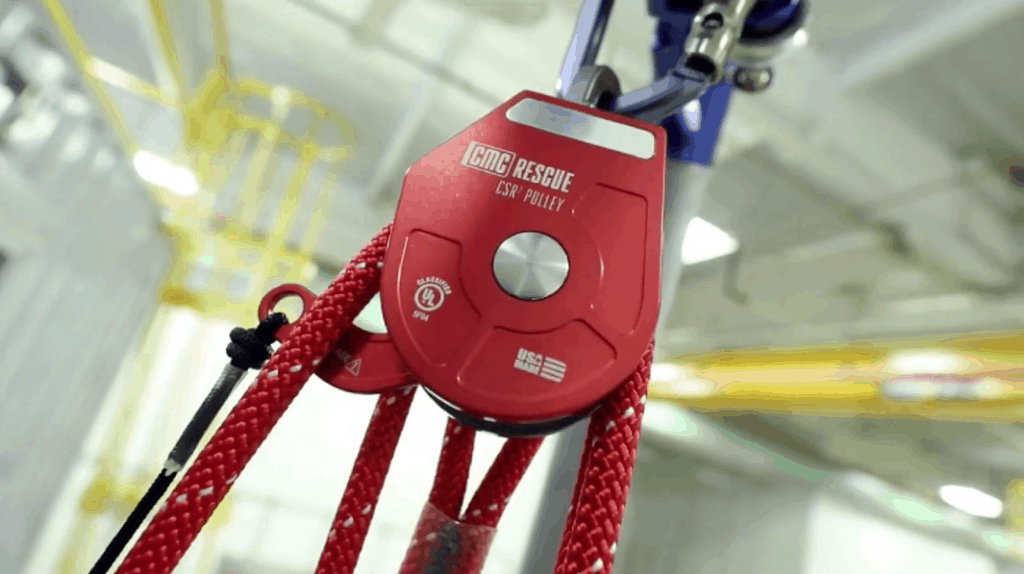
Confined Space Rescue (CSR): Navigating Tight Quarters with Precision Confined space rescues are among the most challenging scenarios faced by rope rescue professionals. Limited access, restricted movement, and the need for precise rigging all combine to demand an advanced level of skill and specialized equipment. In such environments, the CSR2 Pulley System emerges as a

CSR2 Pulley System for Confined Space Rescue Read More »

Gin Pole Rigging Stability

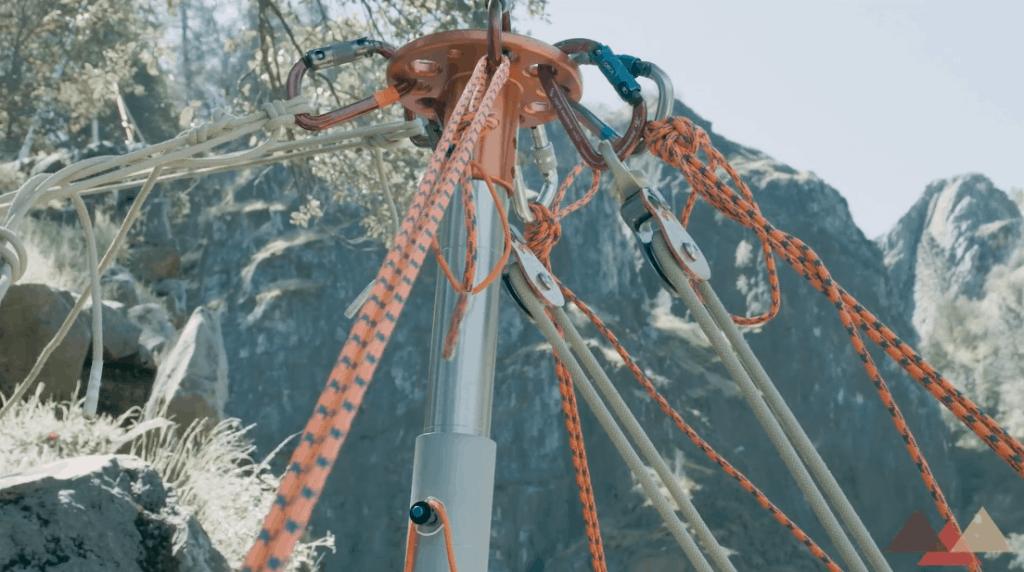
Gin Pole Rigging Stability: Unequal Tension in Guys Guying a gin pole is not about applying equal tension to all guy lines. Understanding the direction and magnitude of compression and tension forces is critical. These forces dictate how the monopod responds under load and help you predict how the system will stabilize during operation. Practical

Gin Pole Rigging Stability Read More »

Twin Rope System for Industrial Rope Access + Can I Lash the Legs (AHD) to a Handrail? - NFPA G Rated Rope and Rescue Standards

Twin Rope System for Industrial Rope Access

The V Anchor System in Industrial Rope Access 1. Why the V Anchor? The V anchor is a versatile and efficient method for configuring anchor points, allowing users to select a focal point that aligns with the desired place of work. It is ideal for scenarios where precision is critical. Versatility: Applicable in various configurations,

Twin Rope System for Industrial Rope Access Read More »

Safety Knots for Force-Multiplying Systems-Trackline Skate Block Using Gin Pole

Safety Knots for Force Multiplying Systems

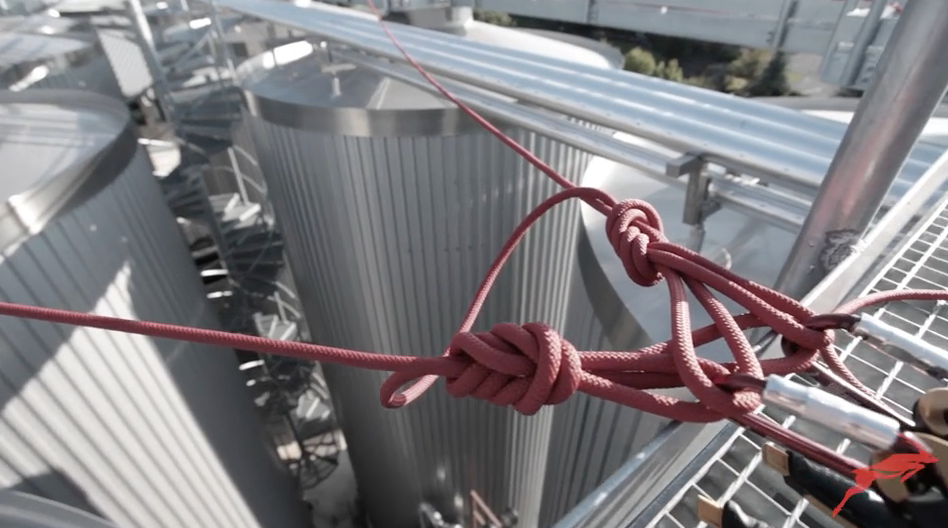
In rope rescue, safety is paramount, especially when working with force-multiplying systems that handle significant loads. Every knot has distinct characteristics that affect the overall safety and stability of the system, making knot choice crucial for avoiding slippage, maintaining tension, and ensuring the system remains secure under load. For fire service and SAR professionals, understanding

Safety Knots for Force Multiplying Systems Read More »

Petzl JAG System, 4:1 mechanical advantage, rescue gear, compact hauling system, tensioning system, pickoff rescue equipment, Petzl pulleys, Am'D TRIACT-LOCK carabiners.

Petzl JAG System for Rescue Operations

The Petzl JAG System is an essential and versatile tool in rescue and rigging applications, designed for high-efficiency hauling and tensioning tasks. It is ideal for use in pickoffs, creating releasable anchors, and tensioning systems, with the flexibility to handle confined spaces or complex rescues. The system’s compactness allows it to be deployed in tight

Petzl JAG System for Rescue Operations Read More »

Vector Forces and Rigging Mechanics in Rope Rescue - T-Method for Pulley Efficiency

Vector Forces and Rigging Mechanics in Rope Rescue

Vector Forces and Rigging Mechanics in Rope Rescue Introduction Rope rescue operations are inherently complex, requiring a nuanced understanding of vector forces and rigging mechanics. These elements are critical for ensuring the safety of both rescuers and victims. This blog will explore the foundational principles of vector forces and rigging mechanics, providing insights into how

Vector Forces and Rigging Mechanics in Rope Rescue Read More »

Highline_Anchors_rope_rescue

Highline Systems for Rope Rescue

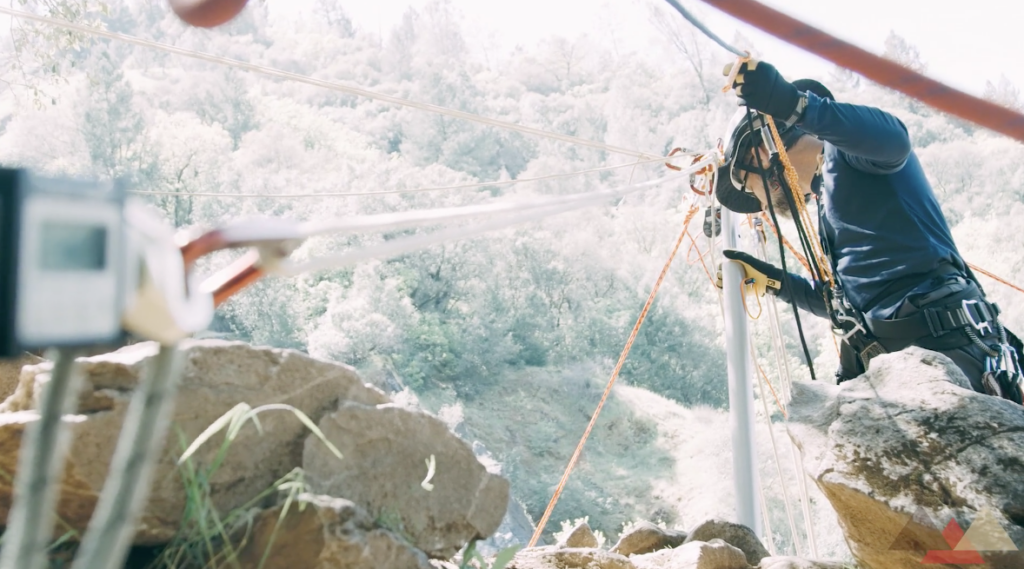
Highline systems are critical for rope rescue operations in challenging terrains and popular climbing areas. They demand advanced rigging skills, meticulous planning, and specialized equipment to ensure safety and efficiency. Key Components of Highline Systems Building Highlines Highline construction requires thorough knowledge of rigging principles and safety measures. It is crucial to use the right

Highline Systems for Rope Rescue Read More »

Enhancing Technical Rescue Excellence

Enhancing Technical Rescue Excellence

Enhancing Technical Rescue Excellence In a pivotal move to elevate their technical rescue capabilities, the El Dorado County Sheriff’s Search and Rescue Unit (EDSAR) partnered with Rigging Lab Academy to host a comprehensive workshop designed to refine operational efficiency and technical proficiency. This collaboration not only honed essential rescue skills but also fostered team cohesion

Enhancing Technical Rescue Excellence Read More »

Elevated Anchors and Rigging Techniques

Elevated Anchors and Rigging Techniques

Elevated Anchors and Rigging Techniques: Advancing Rope Rescue Operations Rescue operations demand a deep understanding of mechanics, force dynamics, and rigging strategies. Among the essential tools in a rescuer’s arsenal are elevated anchors, which serve as critical “edge mitigation tools.” These horizontal systems are designed to raise and lower loads effectively, reducing edge trauma in

Elevated Anchors and Rigging Techniques Read More »

Managing Resultants in High Directional Setups

Managing Resultants in High Directional Setups

Managing Resultants in High Directional Setups Visualizing Stability The most straightforward method to ensure the stability of a high directional system is to visualize the resultant and confirm that it falls within the system’s footprint. This footprint encompasses the area defined by the system’s base, including anchors, legs, or any supporting structure. Guiding for Stability

Managing Resultants in High Directional Setups Read More »

Introduction to High Directional Setups and Resultants

High Directional Setups and Resultants

High Directional Setups and Resultants High directional setups and resultants are integral to complex rigging and rescue operations, providing the stability and control needed to manage challenging loads. At the core of these systems lies the concept of the resultant vector, a fundamental principle that dictates how forces interact within the system. Understanding this principle

High Directional Setups and Resultants Read More »