Mainline Systems and Operations

Horizontal Rope Rescue Systems and Highline Movement Techniques

Physics of Horizontal Rope Rescue Systems

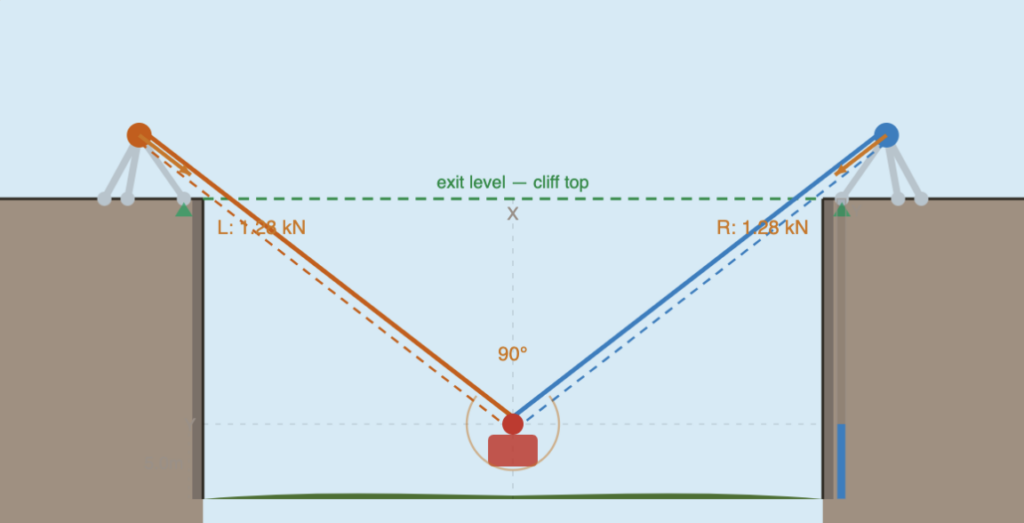
Physics of Horizontal Rope Rescue Systems Why sideways movement is the real test of a rigger’s mind. Vertical rope work is the entry exam. Gravity defines the path, the system behaves predictably, and most mistakes are recoverable. But move a rescue load sideways—even fifty feet across a gap or diagonally off a tower—and everything changes. […]

Physics of Horizontal Rope Rescue Systems Read More »

Balancing Online and Hands-On Training -Knots for Force Multiplication in Rope Rescue - Steep Highline Calculations and Rigging Techniques

High Tension Highline Rigging Mastery for Technical Rope Rescue

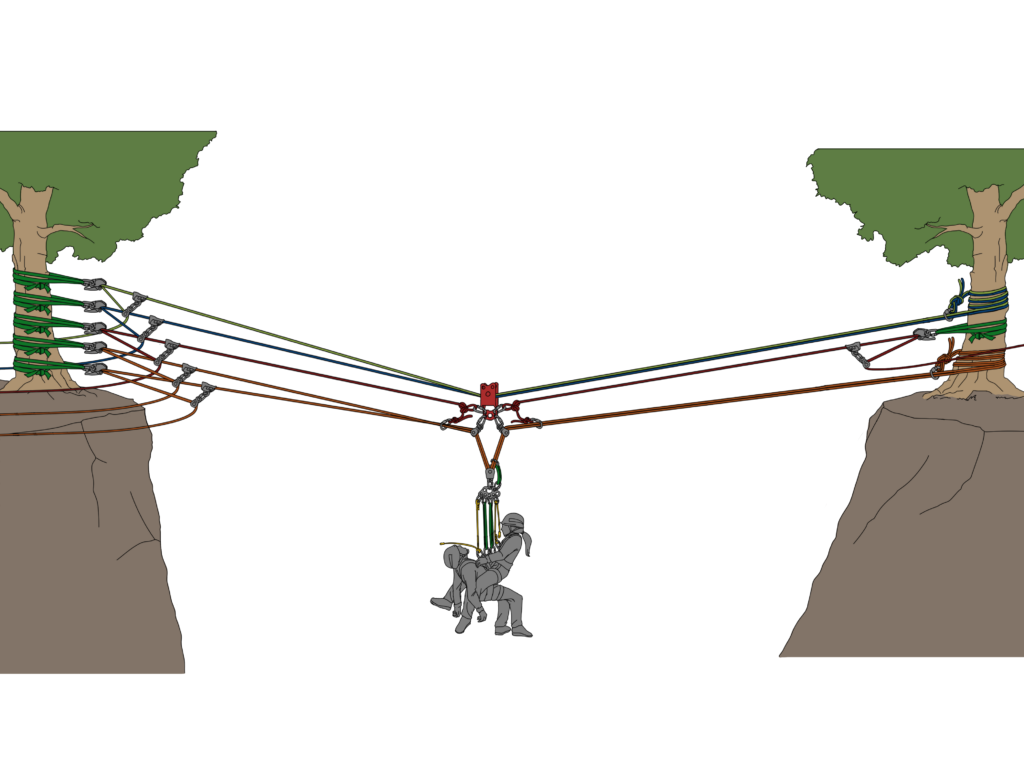
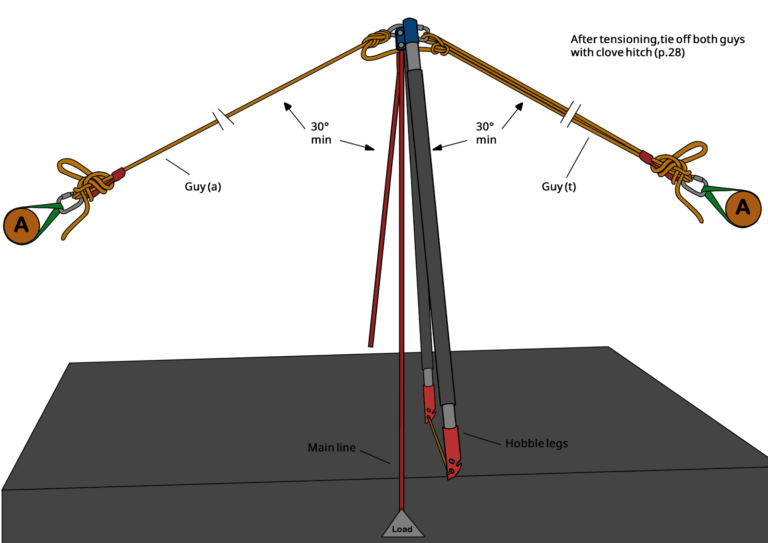
The ability to span a canyon, river, industrial void, or structural gap is one of the most demanding skills in advanced rope rescue. While offsets, tracklines, and guided systems are essential tools, the true test of technician-level capability is the high-tension highline. Unlike everyday rigging, high-tension systems do not forgive misunderstandings in geometry or guesswork

High Tension Highline Rigging Mastery for Technical Rope Rescue Read More »

Horizontal Movement Systems in Rope Rescue

Counterintuitive Principles of Elite Rope Rescue Systems

1. The Ultimate System Test: What Happens If Everyone Lets Go? The “whistle test” is one of the simplest yet most powerful tools in rope rescue. It strips away the illusion of operator control and evaluates the system on pure mechanical resilience. If a sudden distraction — a falling rock, a hornet swarm, or a

Counterintuitive Principles of Elite Rope Rescue Systems Read More »

two tensioned system raise

Twin Tension Rope Systems (TTRS) Mastery for Rescue Safety

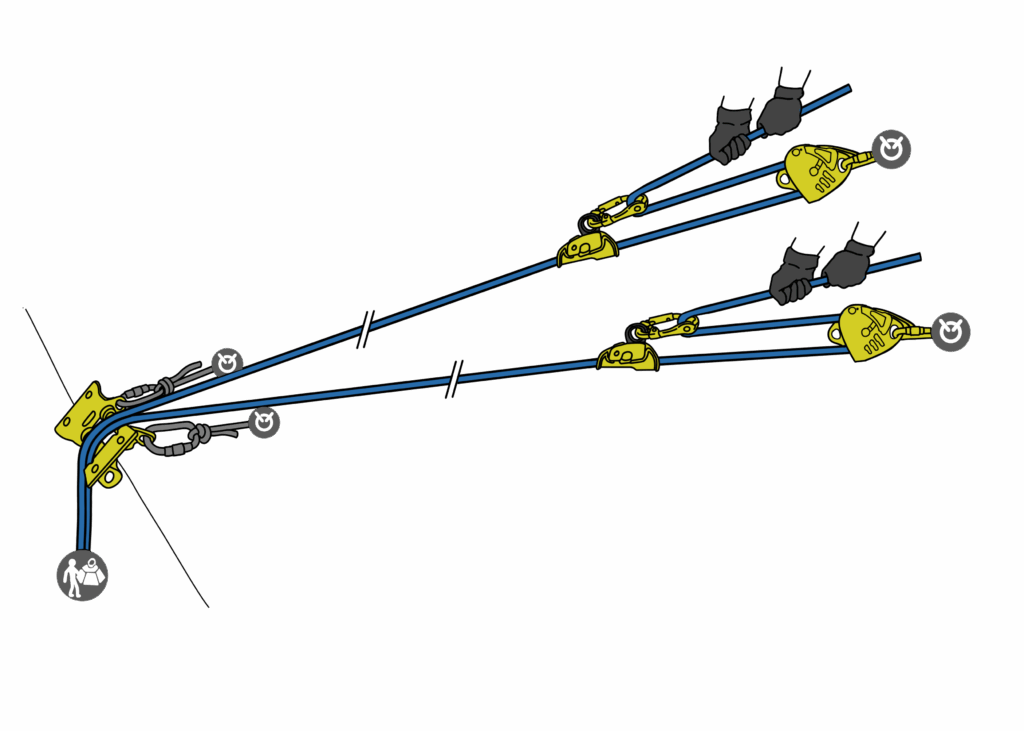
In modern technical rescue, moving beyond traditional main-and-belay configurations is essential to achieving superior safety margins and operational efficiency. The shift is towards Dual Mainline Rope Systems, also known as Twin Tension Rope Systems (TTRS). These systems fundamentally change the dynamics of load control by actively engaging both ropes to share the load equally, thus

Twin Tension Rope Systems (TTRS) Mastery for Rescue Safety Read More »

Hybrid Patient Connection Setup with Skate Block and Tracking Line

Integrating Artificial High Directionals in Skate Block Systems

Integrating Artificial High Directionals (AHDs) within Skate Block Systems transforms a simple, low-tension rescue technique into a controlled, highly adaptable rigging platform. This integration enables teams to overcome edge trauma, improve resultant alignment, and achieve greater system precision—all without sacrificing the lightweight, small-team functionality that defines the skate block. In essence, an AHD turns a

Integrating Artificial High Directionals in Skate Block Systems Read More »

skate block highline

Skate Block Systems in Technical Rope Rescue

Skate Block Systems provide a streamlined, efficient rigging solution for small teams performing rescues or load movements in specialized environments. These systems are particularly effective when personnel and time are limited—such as during tower maintenance, communications rigging, crane work, or industrial access operations. Unlike full highline or two-rope offset systems, the skate block uses the

Skate Block Systems in Technical Rope Rescue Read More »

horizontal rigging shock loading

Dynamic Forces and Shock Loading in Horizontal Track Systems

Dynamic Forces and Shock Loading in Horizontal Track Systems In rope rescue, most failures come from what wasn’t seen, not what wasn’t built. A system can be geometrically perfect, the anchors flawless, and the tension within the limits of every catalog rating—until motion enters the picture. Once a load begins to move, the numbers change.Ropes

Dynamic Forces and Shock Loading in Horizontal Track Systems Read More »

mainline belay line

Mainline and Belay Operations in Horizontal Track Systems

Mainline and Belay Operations in Horizontal Track Systems In rope rescue, tensioned track systems are among the most complex setups a team can face. Moving a litter horizontally across a canyon, river, or urban void requires precise control of forces, anchors, and redundancy. The difference between success and disaster is often in the management of

Mainline and Belay Operations in Horizontal Track Systems Read More »

Ideal Sag in Tensioned Track Systems for Rope Rescue

Ideal Sag in Tensioned Track Systems for Rope Rescue

Why Sag Is the Silent Killer Ideal sag in tensioned track system for rope rescue is not an easy thing to figure out.  If you’ve ever stood under a loaded tensioned track line, you know the truth: it’s not the rope that fails first, it’s the anchors. They groan, creak, and sometimes shift under loads

Ideal Sag in Tensioned Track Systems for Rope Rescue Read More »

climber fall rescue - 5 First Principles of Rescue Rigging

Climber Rescue Team Using Twin Tension Rope Systems

Climber Rescue Team Using Twin Tension Rope Systems A climber begins their ascent. Movements are steady and deliberate. Each step shows control. But even skilled climbers can fall. And when they do, preparation makes the difference and it is here we see a Climber Rescue Team Using Twin Tension Rope Systems. The Fall: Fast Response

Climber Rescue Team Using Twin Tension Rope Systems Read More »

Choosing the Right Block and Tackle System for Vertical Rescue and Access

Block and Tackle System for Vertical Rescue and Access

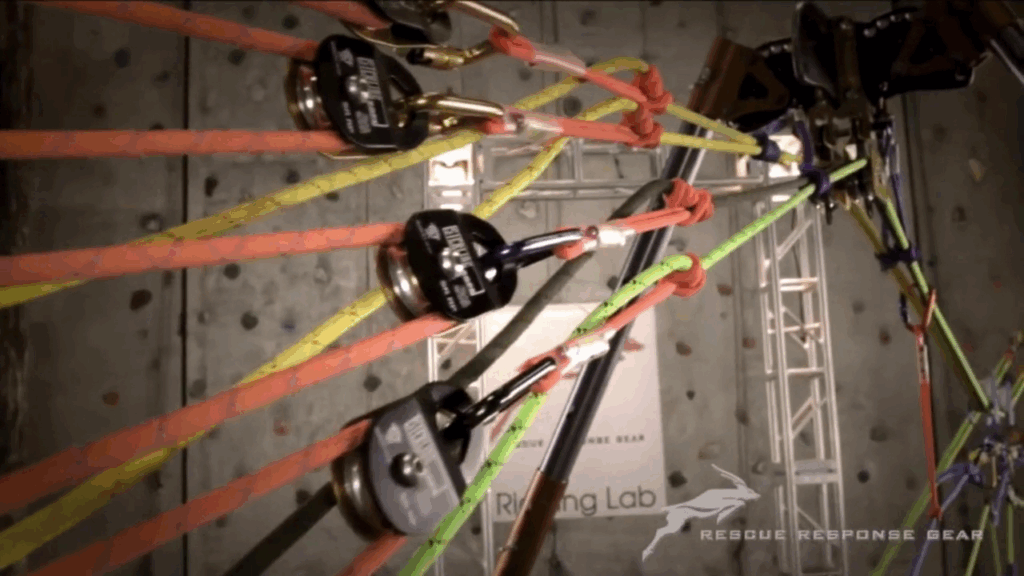
Block and Tackle System for Vertical Rescue and Access In vertical rescue and rope access, fast reversibility, mechanical advantage, and clean rope management can make or break a successful operation. Petzl offers three leading systems that address these needs from different angles: the TWIN RELEASE, the MAESTRO haul/lower system, and the I’D EVAC + JAG

Block and Tackle System for Vertical Rescue and Access Read More »

STRS lower

Lowering with Confidence Using the Single-Tensioned Rope System

A Lowering System Built on Simplicity and Redundancy The Single-Tensioned Rope System (STRS) is a rope rescue method that uses one rope to support and lower a load, while a second, redundant rope acts as a passive belay. The defining characteristic of this system is its asymmetric loading: only one rope is actively under tension

Lowering with Confidence Using the Single-Tensioned Rope System Read More »

Debunking the myth of parallel mechanical advantage

Why Parallel Haul Systems Don’t Double Mechanical Advantage in Rope Rescue

Debunking the Myth of Multiplying Mechanical Advantage In technical rope rescue, clarity and precision matter—especially when it comes to understanding mechanical advantage. One common belief that continues to circulate in the rescue and rigging world is that two parallel 3:1 systems hauling a single load equals a 6:1 advantage. It sounds intuitive. It looks clean

Why Parallel Haul Systems Don’t Double Mechanical Advantage in Rope Rescue Read More »

Single Tensioned Rope System Improves Efficiency with Controlled Backup

Single Tensioned Rope System Improves Efficiency with Controlled Backup

When every second counts—whether you’re lifting equipment or saving a life—your gear needs to perform flawlessly and without extra hassle. The single-tensioned rope system does just that: it relies on one primary line to carry the load and a secondary belay line that stays slack until the main rope gives way. This setup cuts down

Single Tensioned Rope System Improves Efficiency with Controlled Backup Read More »

Rope Access Pick-Off Rescue for Tower Workers - antenna tower and caged ladder rescue

Rope Access Pick-Off Rescue for Tower Workers

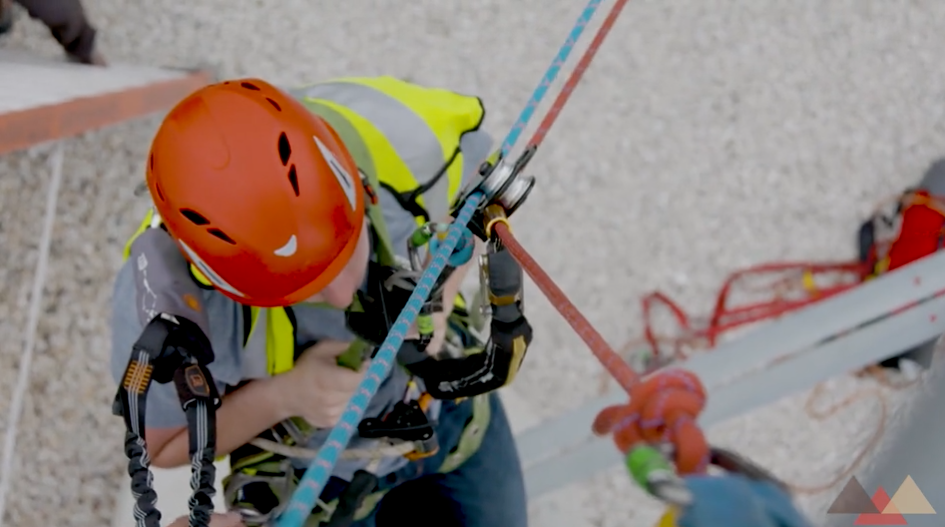
Rope Access Pick-Off Rescue for Tower Workers Rope Access Pick-Off Rescue for Tower Workers;  the ability to perform an efficient, solo pick-off is critical. This scenario showcases a rope access-style pick-off, where a single rescuer, equipped with a Petzl ASAP and Petzl ID, performs a full rescue operation—ascending, anchoring, lifting the patient, and safely lowering

Rope Access Pick-Off Rescue for Tower Workers Read More »

Hybrid Patient Connection Setup with Skate Block and Tracking Line

Hybrid Patient Connection Setup Skate Block and Tracking Line

Hybrid Patient Connection Setup with Skate Block and Tracking Line In this horizontal rescue setup, the team demonstrates a hybrid patient connection system combining a skate block line over a tracking line, offering both smooth movement and built-in redundancy. The configuration prioritizes patient safety while keeping the rigging clean and manageable. Let’s walk through the

Hybrid Patient Connection Setup Skate Block and Tracking Line Read More »

tower rescue tracking skate block

Hybrid Horizontal Rescue Skate Block and Tracking Lines

In complex tower and vertical rescue scenarios, flexibility and redundancy are non-negotiable. One highly adaptable configuration is the hybrid horizontal rescue setup that combines a skate block line over a tracking line. This method allows teams to precisely manage both vertical descent and lateral movement while maintaining backup safety protocols throughout the evolution. System Overview

Hybrid Horizontal Rescue Skate Block and Tracking Lines Read More »

Guiding Lines in Rope Rescue

Guiding Lines in Rope Rescue Operations

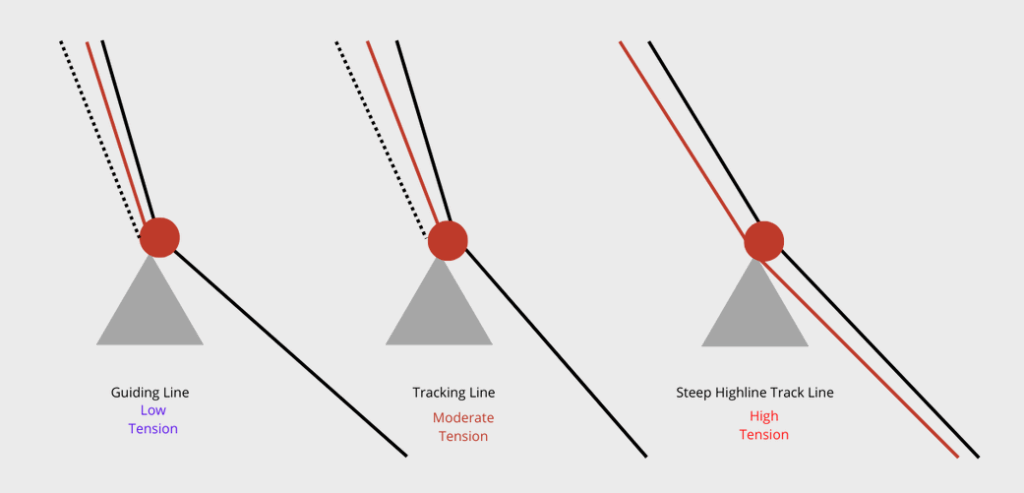
Guiding Lines in Rope Rescue Operations In rope rescue, one of the more refined methods for managing patient movement during a vertical descent is the use of guiding lines. Unlike basic taglines, guiding lines utilize a pulley system to control the distance between the suspended load and the structure—helping prevent contact, swing impact, or obstruction

Guiding Lines in Rope Rescue Operations Read More »
Horizontal Movement Systems in Rope Rescue

Horizontal Movement and Tagline Systems in Rope Rescue

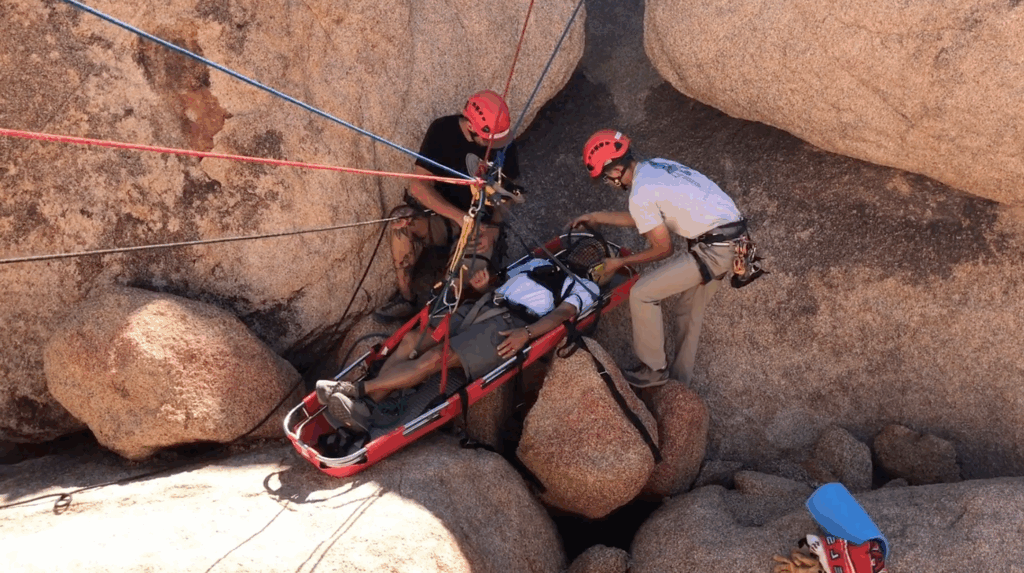
Horizontal Movement Systems in Rope Rescue In rope rescue, managing lateral movement is more than just technique—it’s about understanding system intent, terrain behavior, and safety margins. Three primary horizontal movement systems allow rescuers to safely transport a suspended load across gaps or uneven terrain: Taglines Guiding Lines Tracking Lines Each system serves a specific purpose,

Horizontal Movement and Tagline Systems in Rope Rescue Read More »

Horizontal Rope Rescue Systems and Highline Movement Techniques

Horizontal rope rescue systems

Understanding Horizontal Movement in Rope Rescue Systems Horizontal rope rescue systems are essential tools in a rescuer’s toolbox—designed not just to span gaps, but to safely and efficiently move a suspended load from one location to another. While many think of rope rescue as a vertical problem, horizontal operations come with their own unique challenges,

Horizontal rope rescue systems Read More »