Mainline Systems and Operations

Debunking the myth of parallel mechanical advantage

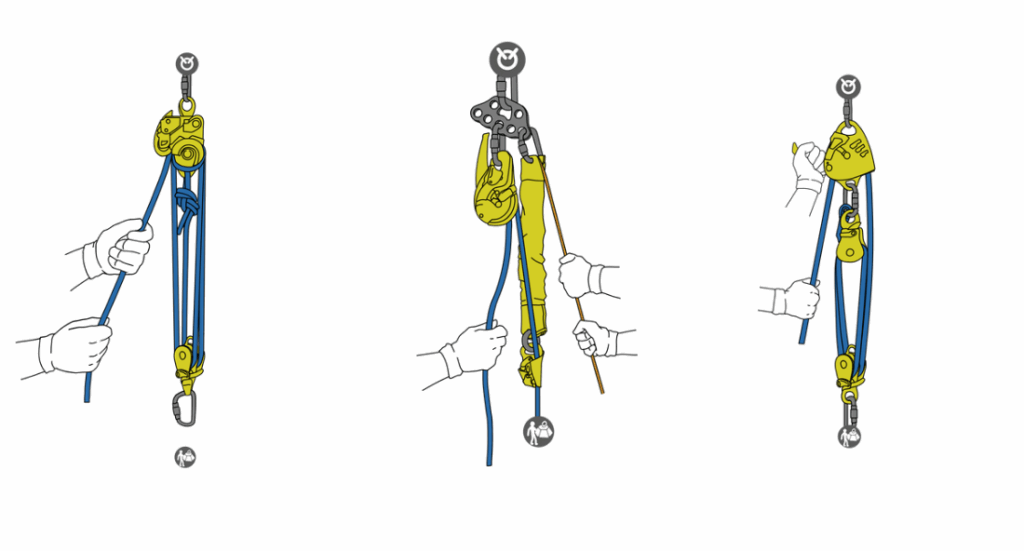
Why Parallel Haul Systems Don’t Double Mechanical Advantage in Rope Rescue

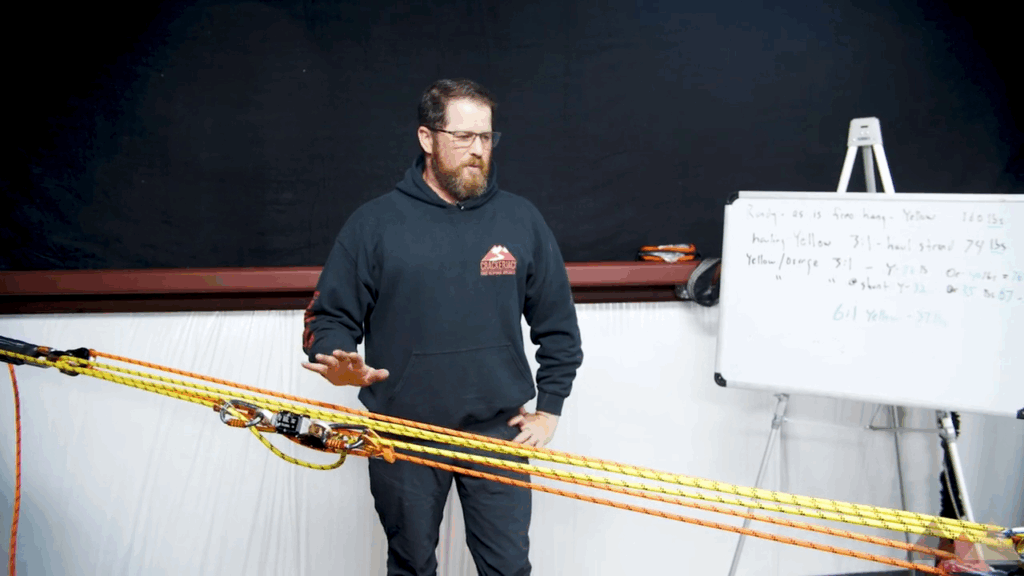
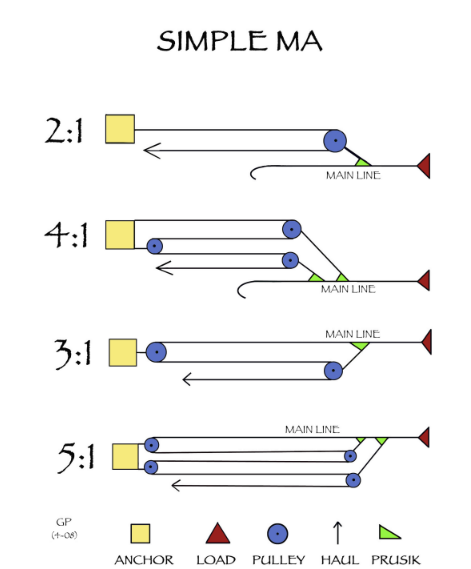
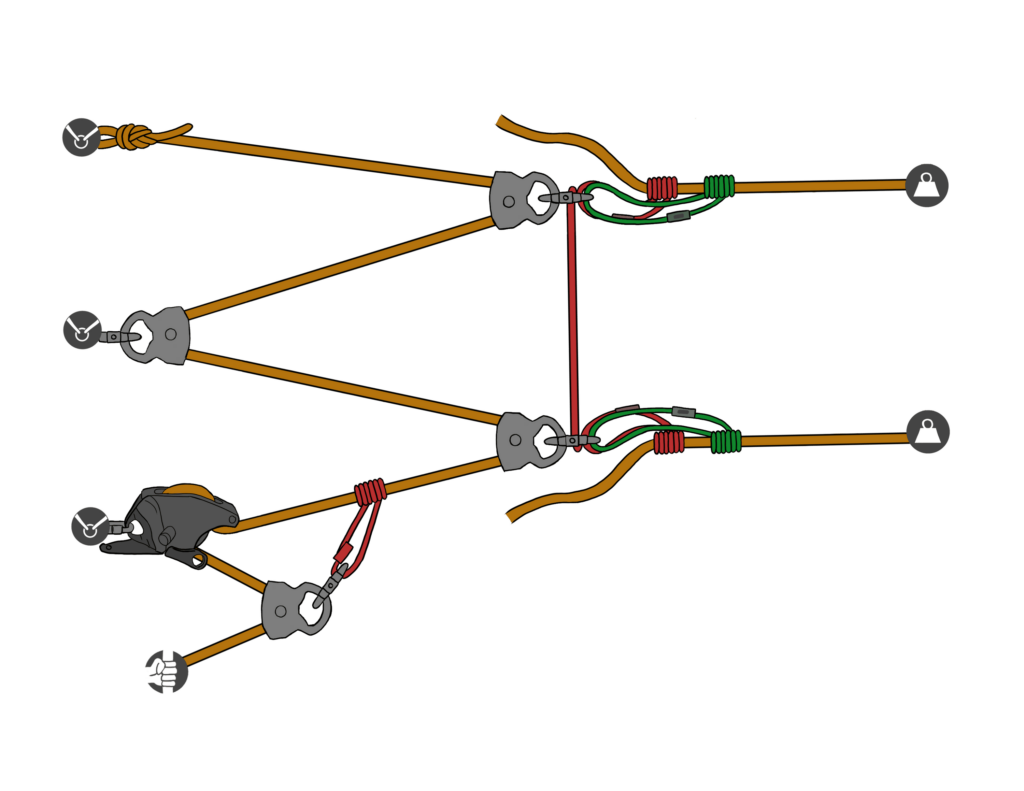
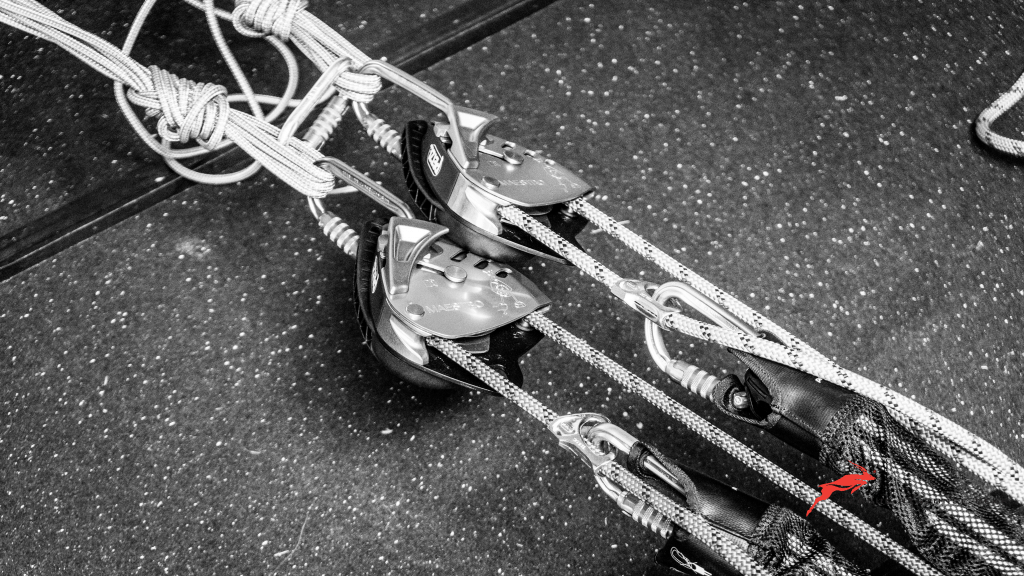
Debunking the Myth of Multiplying Mechanical Advantage In technical rope rescue, clarity and precision matter—especially when it comes to understanding mechanical advantage. One common belief that continues to circulate in the rescue and rigging world is that two parallel 3:1 systems hauling a single load equals a 6:1 advantage. It sounds intuitive. It looks clean […]

Why Parallel Haul Systems Don’t Double Mechanical Advantage in Rope Rescue Read More »

Single Tensioned Rope System Improves Efficiency with Controlled Backup

Single Tensioned Rope System Improves Efficiency with Controlled Backup

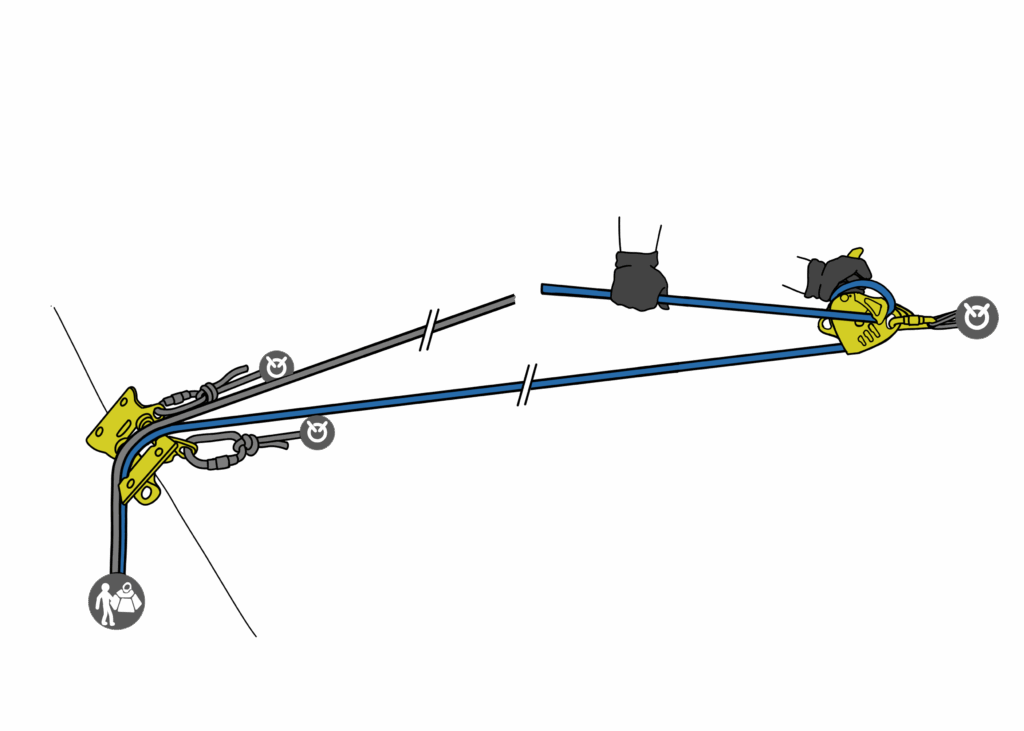
When every second counts—whether you’re lifting equipment or saving a life—your gear needs to perform flawlessly and without extra hassle. The single-tensioned rope system does just that: it relies on one primary line to carry the load and a secondary belay line that stays slack until the main rope gives way. This setup cuts down

Single Tensioned Rope System Improves Efficiency with Controlled Backup Read More »

Rope Access Pick-Off Rescue for Tower Workers - antenna tower and caged ladder rescue

Rope Access Pick-Off Rescue for Tower Workers

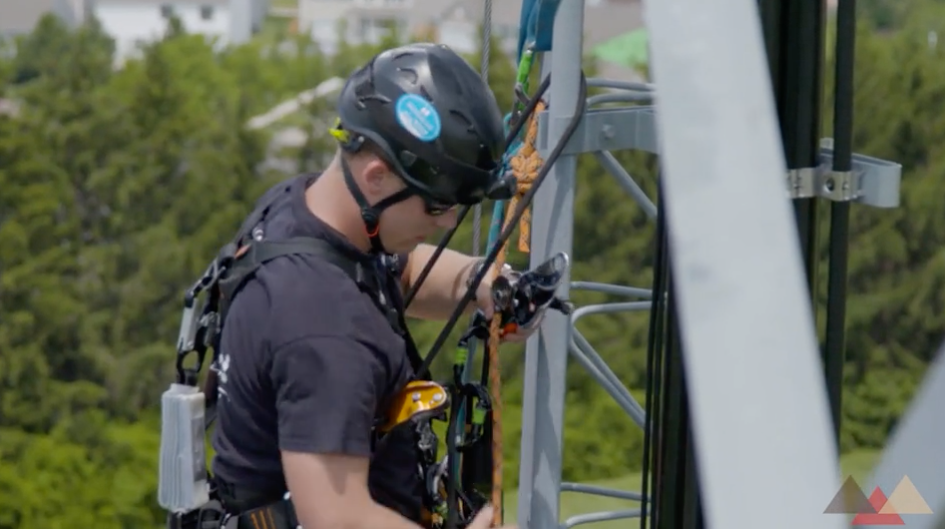
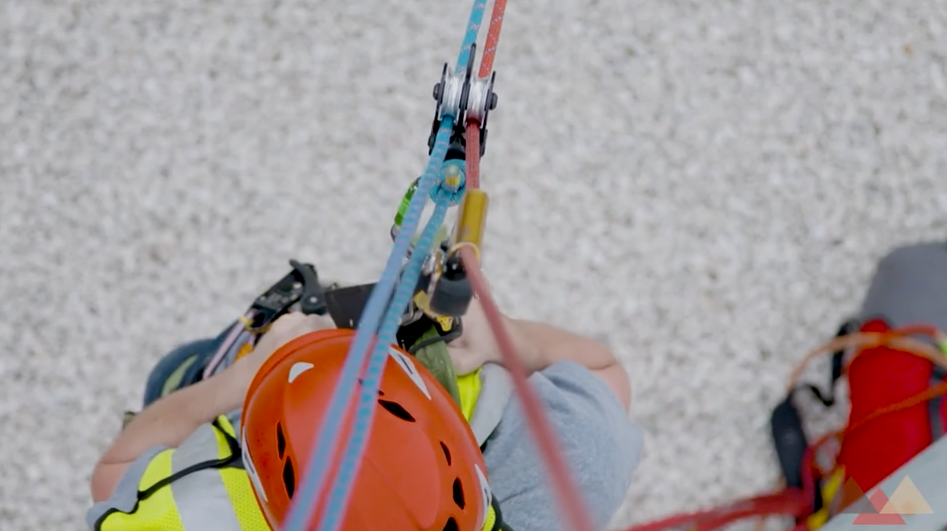
Rope Access Pick-Off Rescue for Tower Workers Rope Access Pick-Off Rescue for Tower Workers;  the ability to perform an efficient, solo pick-off is critical. This scenario showcases a rope access-style pick-off, where a single rescuer, equipped with a Petzl ASAP and Petzl ID, performs a full rescue operation—ascending, anchoring, lifting the patient, and safely lowering

Rope Access Pick-Off Rescue for Tower Workers Read More »

Hybrid Patient Connection Setup with Skate Block and Tracking Line

Hybrid Patient Connection Setup Skate Block and Tracking Line

Hybrid Patient Connection Setup with Skate Block and Tracking Line In this horizontal rescue setup, the team demonstrates a hybrid patient connection system combining a skate block line over a tracking line, offering both smooth movement and built-in redundancy. The configuration prioritizes patient safety while keeping the rigging clean and manageable. Let’s walk through the

Hybrid Patient Connection Setup Skate Block and Tracking Line Read More »

tower rescue tracking skate block

Hybrid Horizontal Rescue Skate Block and Tracking Lines

In complex tower and vertical rescue scenarios, flexibility and redundancy are non-negotiable. One highly adaptable configuration is the hybrid horizontal rescue setup that combines a skate block line over a tracking line. This method allows teams to precisely manage both vertical descent and lateral movement while maintaining backup safety protocols throughout the evolution. System Overview

Hybrid Horizontal Rescue Skate Block and Tracking Lines Read More »

Guiding Lines in Rope Rescue

Guiding Lines in Rope Rescue Operations

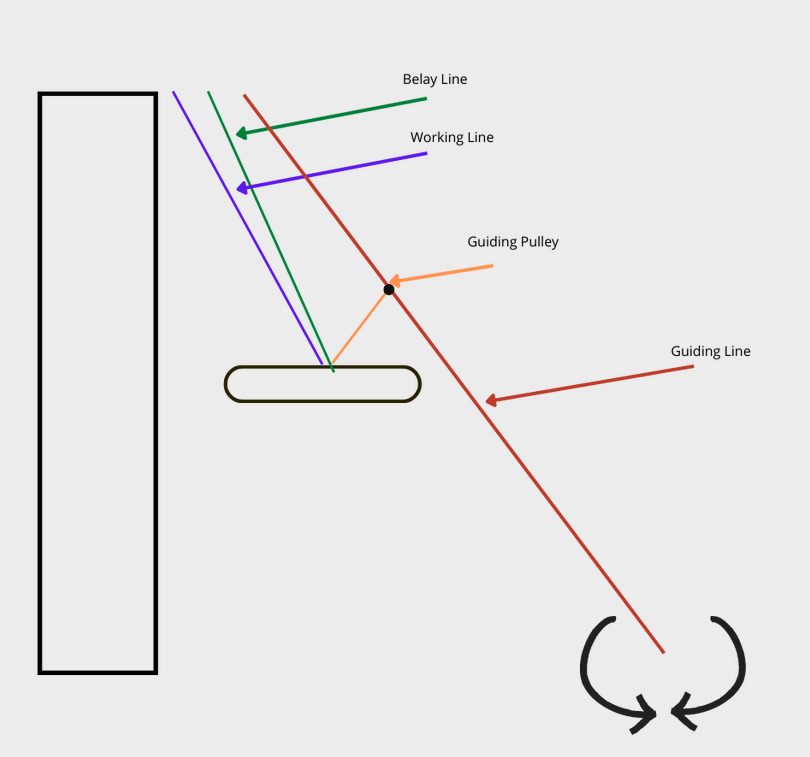
Guiding Lines in Rope Rescue Operations In rope rescue, one of the more refined methods for managing patient movement during a vertical descent is the use of guiding lines. Unlike basic taglines, guiding lines utilize a pulley system to control the distance between the suspended load and the structure—helping prevent contact, swing impact, or obstruction

Guiding Lines in Rope Rescue Operations Read More »

Horizontal Movement Systems in Rope Rescue

Horizontal Movement and Tagline Systems in Rope Rescue

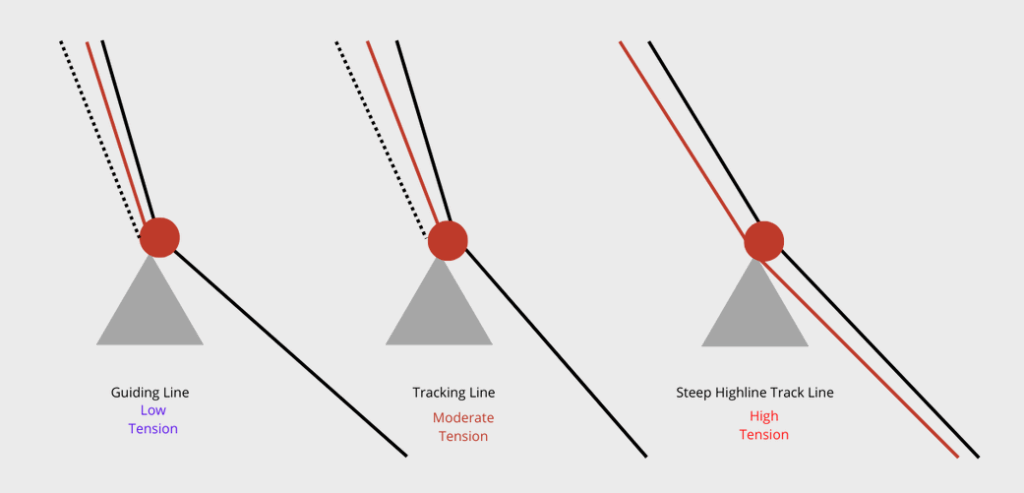
Horizontal Movement Systems in Rope Rescue In rope rescue, managing lateral movement is more than just technique—it’s about understanding system intent, terrain behavior, and safety margins. Three primary horizontal movement systems allow rescuers to safely transport a suspended load across gaps or uneven terrain: Taglines Guiding Lines Tracking Lines Each system serves a specific purpose,

Horizontal Movement and Tagline Systems in Rope Rescue Read More »

Horizontal Rope Rescue Systems and Highline Movement Techniques

Horizontal rope rescue systems

Understanding Horizontal Movement in Rope Rescue Systems Horizontal rope rescue systems are essential tools in a rescuer’s toolbox—designed not just to span gaps, but to safely and efficiently move a suspended load from one location to another. While many think of rope rescue as a vertical problem, horizontal operations come with their own unique challenges,

Horizontal rope rescue systems Read More »

Build static highline systems with directional lines

Build static highline systems with directional lines

Build static highline systems with directional lines Build static highline systems with directional lines – In rope rescue operations, few systems demand more precision than a highline. When terrain, structures, or vertical drops prevent direct access, a static highline becomes the backbone of movement and transport. But within that structure lies a key element that

Build static highline systems with directional lines Read More »

Fundamentals of Rigging in Rescue Operations -English and Reverse Reeve Systems for Highline Rescue

English and Reverse Reeve Systems for Highline Rescue

Highline Rescue Requires Precision In rope rescue operations, moving a load across horizontal or diagonal spans—whether suspended from high directionals or tensioned lines—demands a system that’s not only stable and redundant, but also dynamically adjustable under load. This is where English Reeve and Reverse Reeve systems shine. Both reeving systems offer unique advantages depending on

English and Reverse Reeve Systems for Highline Rescue Read More »

Basic mechanical advantage systems enable efficient lifting with simple pulleys. Learn the essentials of the 3:1 Z-rig for safe rescues - How is Weight Redistributed Through a 3:1 Mechanical Advantage System? - Eccentric Progress Capture in Mechanical Advantage Systems

Eccentric Progress Capture in Mechanical Advantage Systems

Eccentric Progress Capture in Mechanical Advantage Systems Eccentric Progress Capture in Mechanical Advantage Systems in rope rescue systems – most mechanical advantage setups are designed to pull or contract—that is, to haul loads upward or horizontally. But not all scenarios are about lifting. Some require controlled lowering under load while maintaining tension and control. This

Eccentric Progress Capture in Mechanical Advantage Systems Read More »

Balancing Online and Hands-On Training -Knots for Force Multiplication in Rope Rescue - Steep Highline Calculations and Rigging Techniques

Steep Highline Calculations and Rigging Techniques

Steep Highline Calculations and Rigging Techniques Mastering steep highline systems takes more than just strong anchors and high-quality rope—it demands precision, forethought, and the ability to calculate force vectors in real-time terrain. In other words, steep highline calculations and rigging techniques are critical. Whether you’re new to horizontal rigging or refining your advanced systems, steep-angle

Steep Highline Calculations and Rigging Techniques Read More »

Purpose and Functionality of the Tracking Line Offset

Purpose and Functionality of the Tracking Line Offset

Purpose and Functionality of the Tracking Line Offset Purpose and Functionality of the Tracking Line Offset: In technical rope rescue operations, particularly during steep-angle evacuations, the implementation of a tracking line offset system is crucial for ensuring the safety and efficiency of both the rescue team and the patient. This system is designed to maintain

Purpose and Functionality of the Tracking Line Offset Read More »

petzl twin release system

Petzl Twin Release Kit

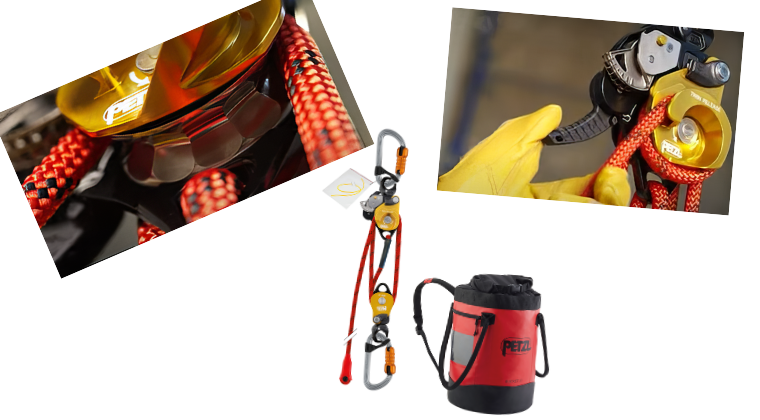
The Petzl TWIN RELEASE KIT is a pre-assembled, ready-to-use 4:1 hauling and lowering system, specifically designed for work access and rescue in industrial environments. This system is ideal for vertical work and allows for easy lowering and hauling of loads, which is particularly useful in confined spaces. It can also assist in tilting and orienting a litter

Petzl Twin Release Kit Read More »

Timber High Directionals in Rescue Operations

Timber High Directionals in Rescue Operations

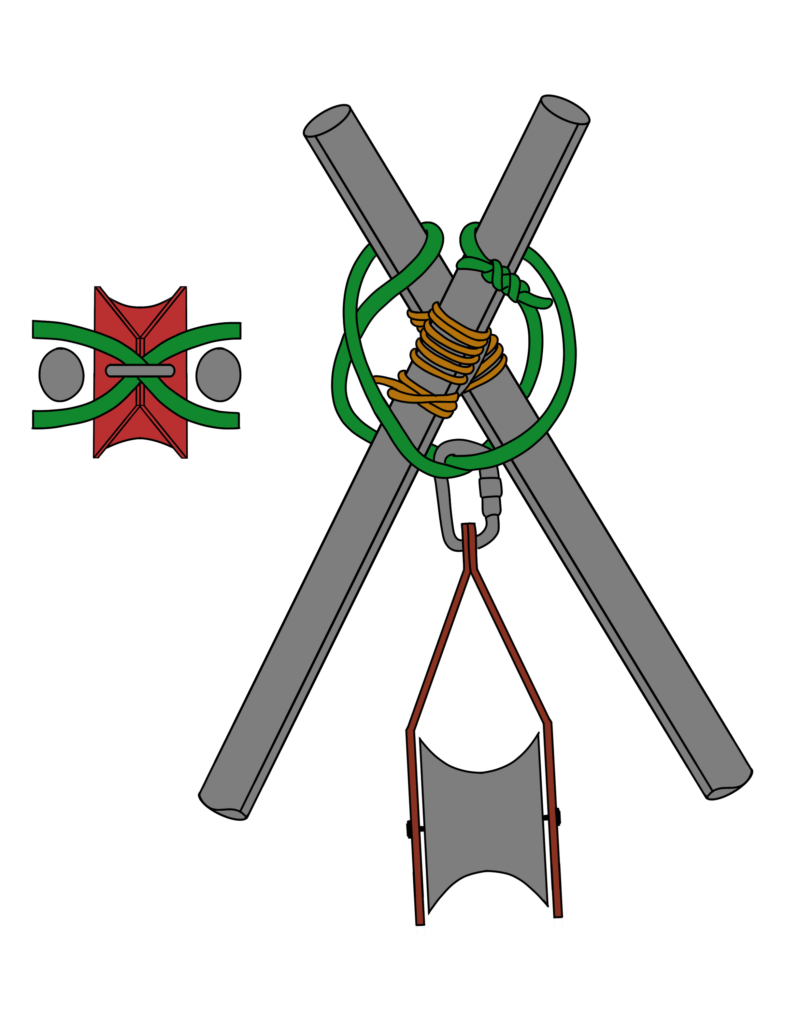
Timber High Directionals in Rescue Operations Why Build Timber High Directionals? When rescue teams respond to emergencies in remote or austere environments, they often face unexpected challenges that require improvisation and adaptability. In these scenarios, modern equipment like the Arizona Vortex may not be available or practical to transport. This is where timber structures—such as

Timber High Directionals in Rescue Operations Read More »

transitioning to two-tensioned rescue systems

Transitioning to Two-Tensioned Rescue Systems

Transitioning from Traditional Rescue Systems to Two-Tensioned Rescue Systems (TTRS) Introduction For decades, the traditional mainline-belay rescue system has been a cornerstone of rope rescue operations. It’s familiar, reliable, and deeply ingrained in training programs worldwide. However, as rescue demands evolve, so must the techniques. The Two-Tensioned Rescue System (TTRS) offers a modern, efficient alternative,

Transitioning to Two-Tensioned Rescue Systems Read More »

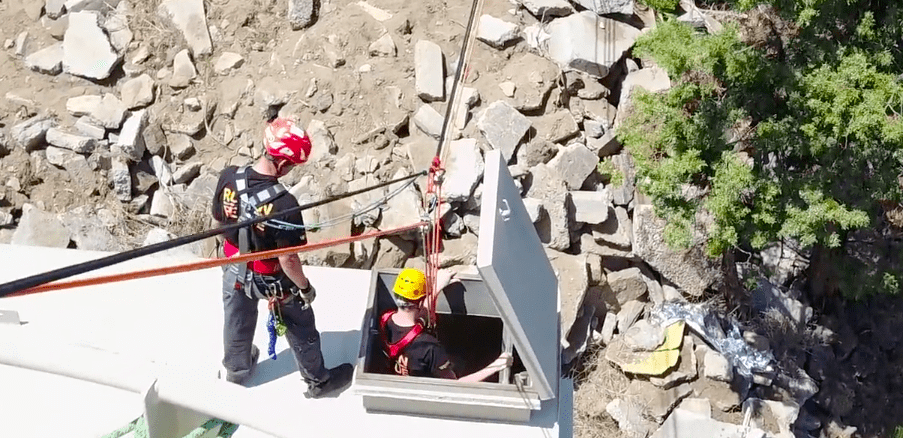
Rooftop Rescue Rope Systems for Firefighters

Rooftop Rescue Rope Systems for Firefighters

Navigating Rescue Rope Selection for Firefighters: From Rooftops to General Operations Introduction Firefighting is a profession where every decision can impact lives, including the tools and equipment chosen for critical operations. Among these, rescue ropes are vital, serving as lifelines in rooftop rescues, fall protection, and general fireground tasks. Selecting the right rope isn’t just

Rooftop Rescue Rope Systems for Firefighters Read More »

Tight Line Skate Block Systems in Rope Rescue

Tight Line Skate Block Systems in Rope Rescue

Tight Line Skate Block Systems in Rope Rescue A tight line skate block system is a highly specialized variation of the traditional skate block, providing increased precision, control, and adaptability for advanced technical rescues. These systems are critical in environments requiring elevated tension management and controlled load transitions. I. Introduction A tight line skate block

Tight Line Skate Block Systems in Rope Rescue Read More »

Balancing Costs in Rope Rescue Rigging - Dynamic Directionals in Rope Rescue

Dynamic Directionals in Rope Rescue

High Directional Systems in Rope Rescue A high directional is a crucial component in rope rescue operations, used to elevate the rope system above the rescue scene. By raising anchor points, high directionals enable safer, more efficient rescue operations across various challenging environments. Definition and Purpose A high directional is a rigged system designed to:

Dynamic Directionals in Rope Rescue Read More »

Patient Packaging and Raise/Lower Techniques

Patient Packaging and Raise/Lower Techniques

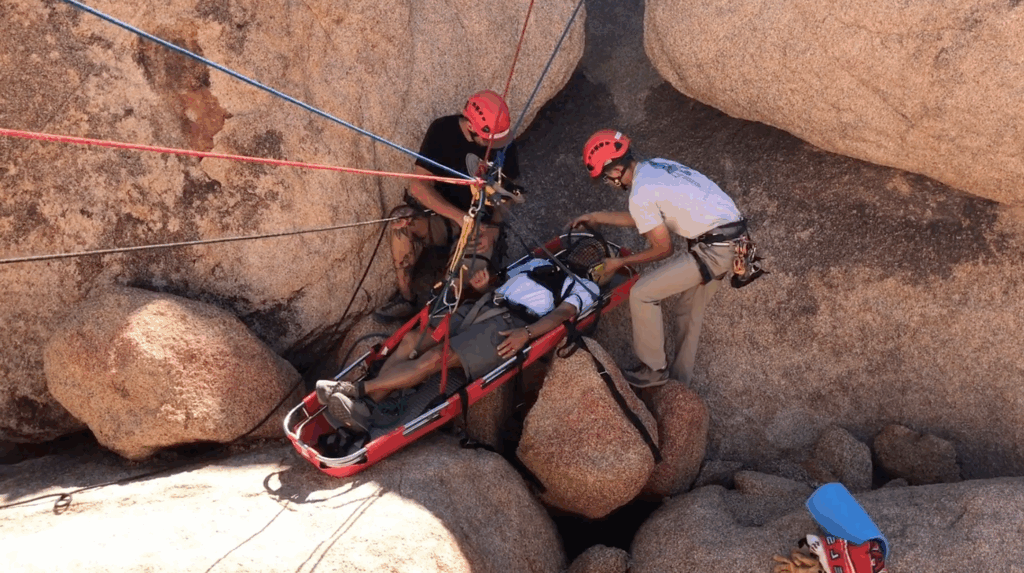
Patient Packaging and Raise/Lower Techniques: Building Essential Skills for Technical Rescue Technical rescue often involves navigating challenging terrains, high-risk environments, and critical medical conditions. One of the most essential skills for any rescue team is mastering patient packaging and raise/lower techniques. These practices ensure the patient is secure, safe, and stable during extrication, while also

Patient Packaging and Raise/Lower Techniques Read More »