Highline Rigging

why nothing in technical rope rescue stands alone

Why Nothing in Technical Rope Rescue Stands Alone

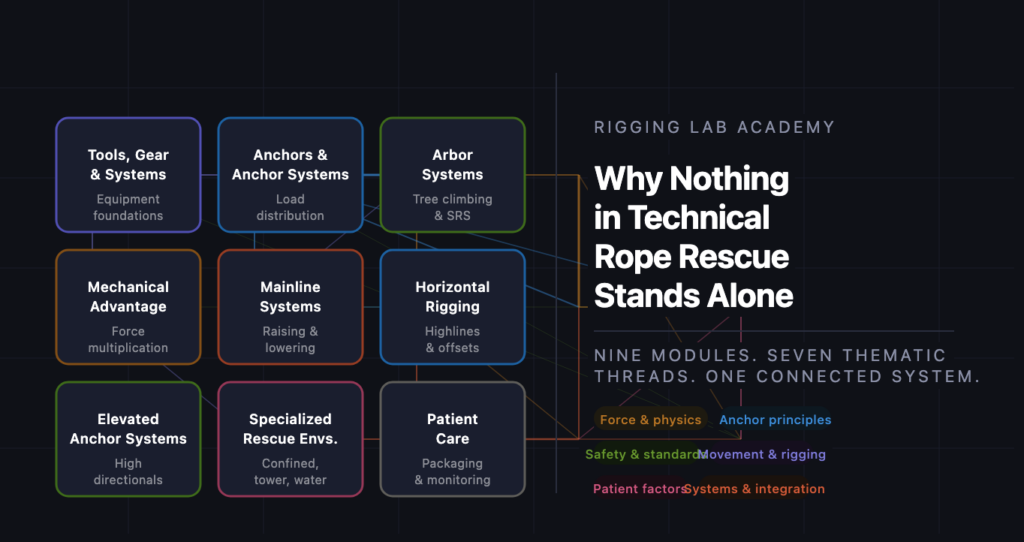
Why Nothing in Technical Rope Rescue Stands Alone Ask any experienced rope rescue practitioner what separates a competent technician from a truly dangerous one, and you will hear some version of the same answer: the dangerous one knows the pieces but not how they fit together. They can build a mechanical advantage system — but […]

Why Nothing in Technical Rope Rescue Stands Alone Read More »

cross haul system

Cross Haul System Calculator — Building a Force Analysis Tool for Horizontal Rope Access

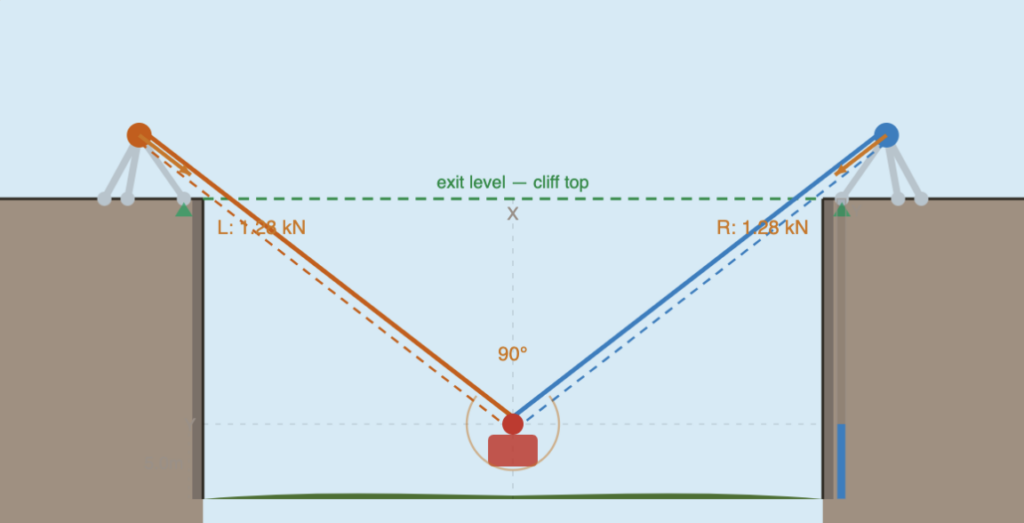
Building a Force Analysis Tool for Horizontal Rope Access TTRS Configuration  ·  Vortex AHD Leg Forces  ·  Exit Zone Analysis SPRAT Level 2 Required Skill  ·  Pre-operational Planning Tool Moving a package horizontally across a span — a patient in a litter, a gear load, a confined space casualty — sits at the intersection of

Cross Haul System Calculator — Building a Force Analysis Tool for Horizontal Rope Access Read More »

Highline Systems — Planning, Building, and Operating the Crossing

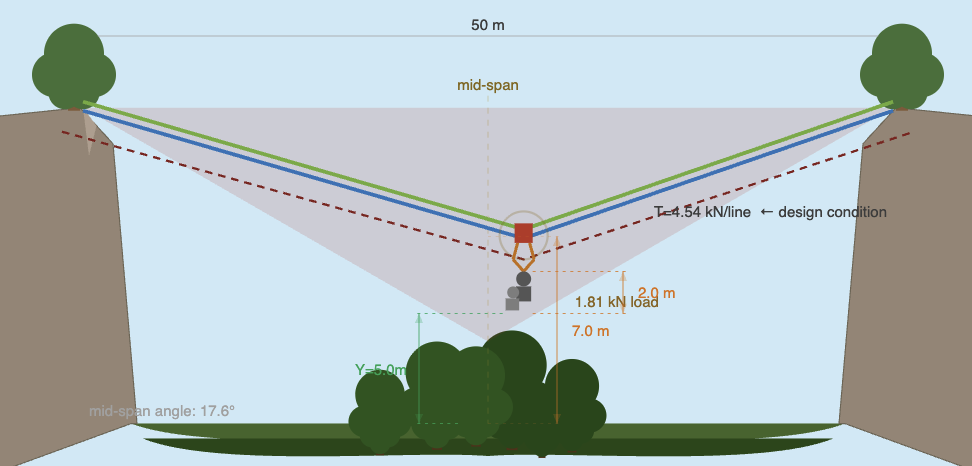
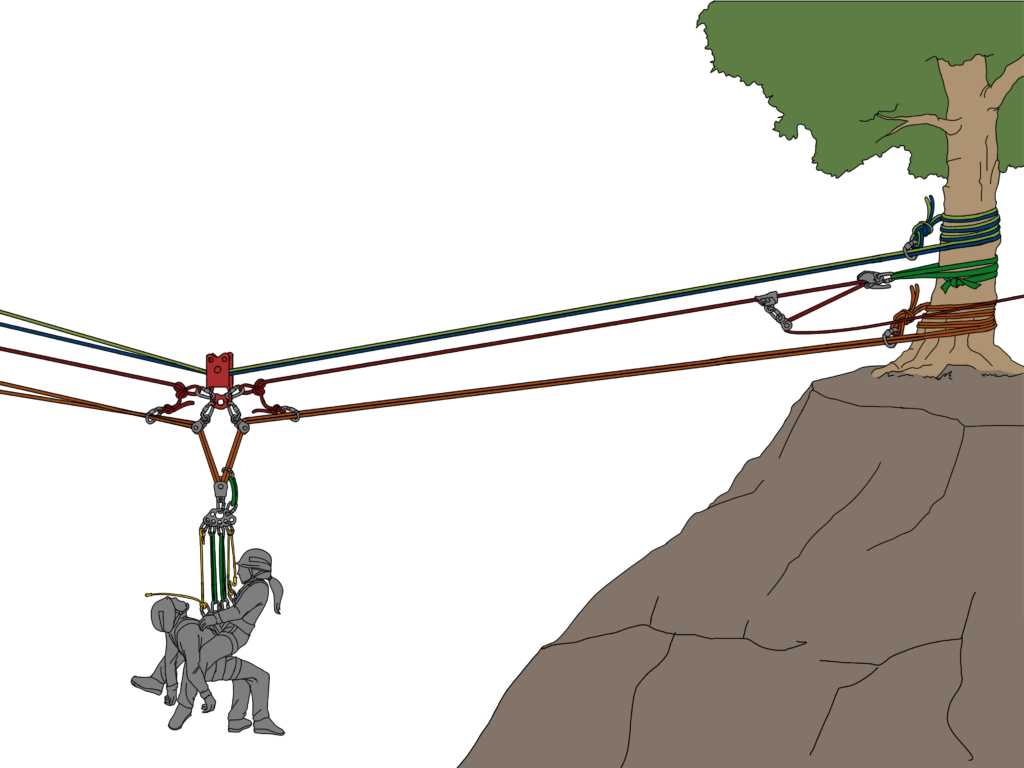
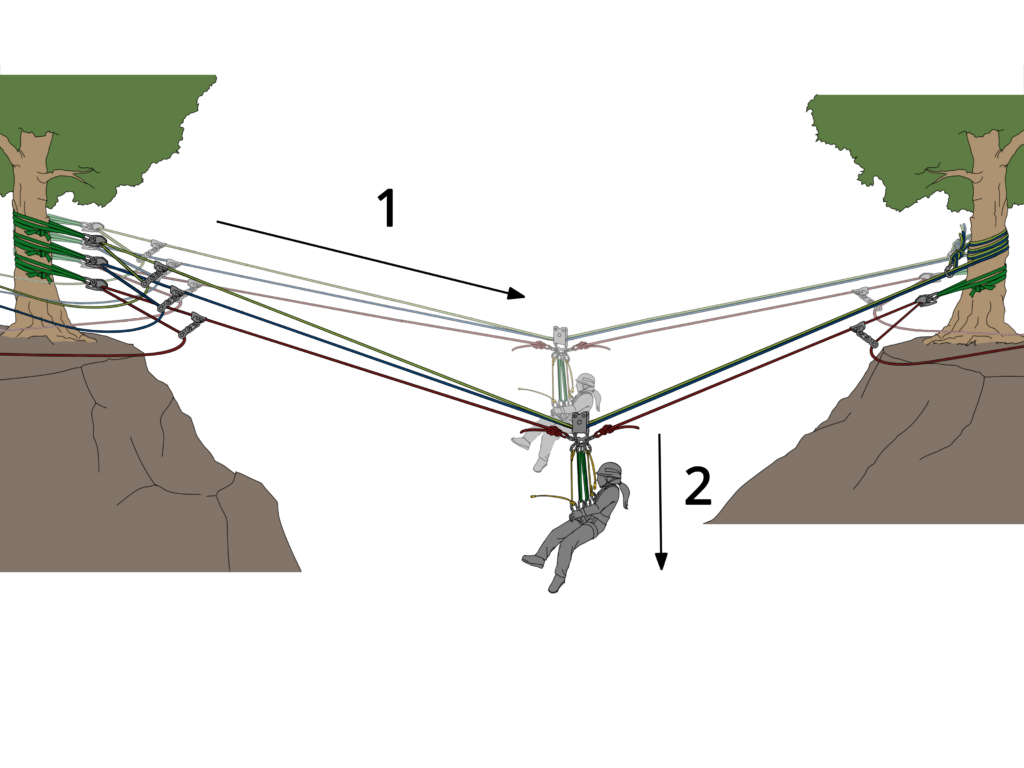
A highline is a tensioned rope system used to transport a rescuer and patient across a gap that cannot be crossed any other way — canyons, gorges, building-to-building, or industrial spans. When ground access isn’t an option, a highline is. This chapter covers both system types, the calculations that govern them, and how to operate

Highline Systems — Planning, Building, and Operating the Crossing Read More »

movement highline systems

Highline Operations Roles, Movement, and System Control

A highline system does not succeed because it is built correctly—it succeeds because it is operated correctly. Most system failures occur during movement, not during setup. The structure may be sound, but without coordinated operation, control is lost, and forces become unpredictable. Highline operations are defined by three elements: Clear roles Controlled movement Coordinated input

Highline Operations Roles, Movement, and System Control Read More »

highline reeving behavior

Highline Force Behavior

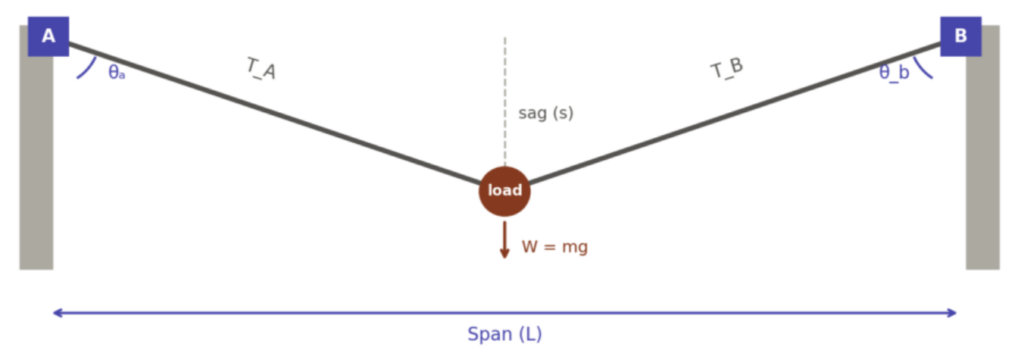
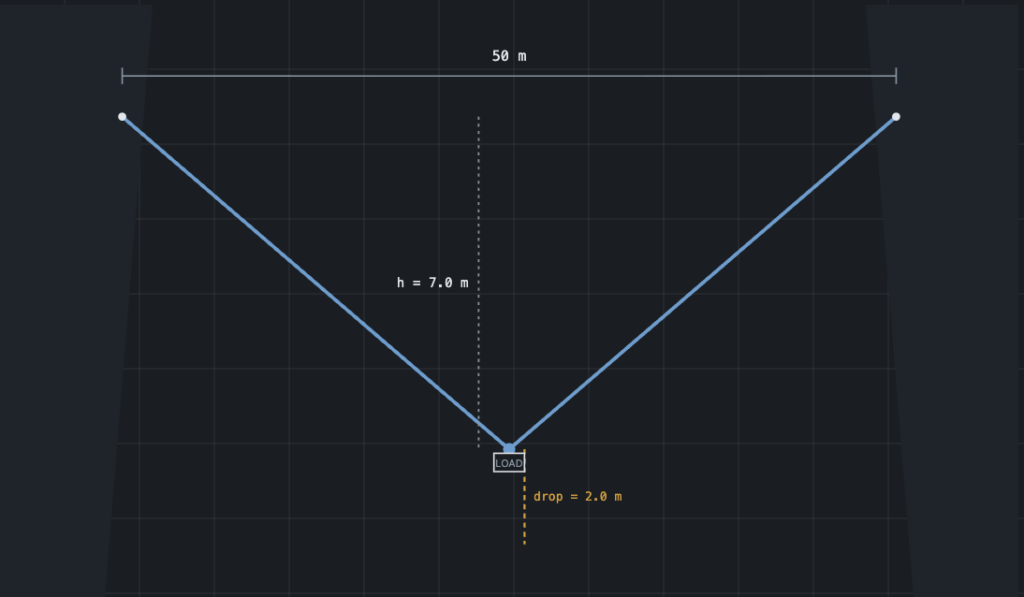
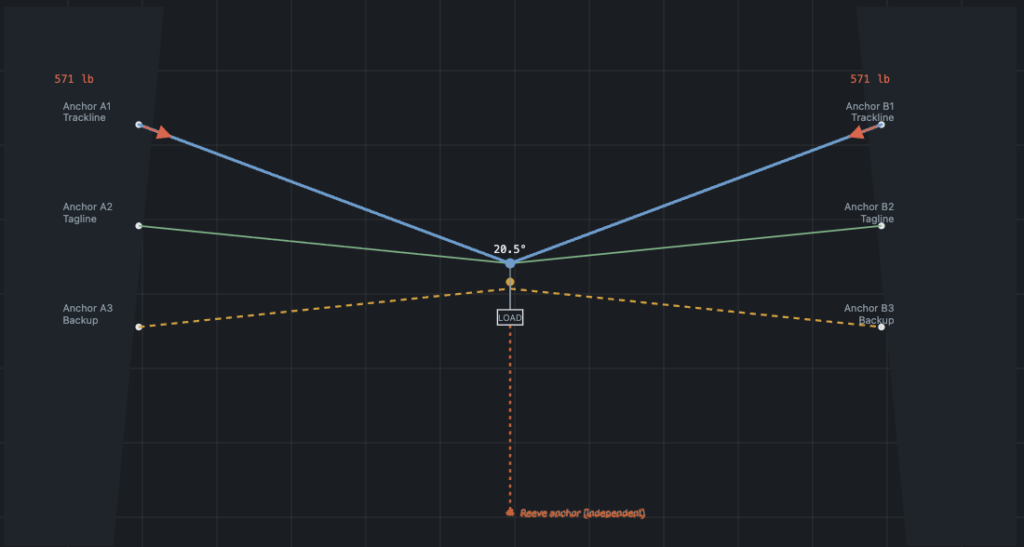
Highline systems do not fail because of components—they fail because of misunderstood force behavior. Every decision made during setup affects how force moves through the system. Tension, sag, and load distribution are not separate ideas—they are the same system viewed from different angles. If you understand how force behaves, you can predict system performance. If

Highline Force Behavior Read More »

highline configurations

Highline Configurations in Rope Rescue When and How to Use Each System

Highline systems are not built from a single template. The configuration selected must match the terrain, the objective, and the level of control required. The mistake is not choosing the wrong gear—it is choosing the wrong system structure. Each configuration changes how force moves, how the load behaves, and how the team must operate. Understanding

Highline Configurations in Rope Rescue When and How to Use Each System Read More »

highline geometry

Highline System Components Explained for Rope Rescue Operations

A highline system is only as strong and predictable as the components that build it. While the overall system moves a load across a span, each individual element has a defined role that must remain clear and uncompromised. Understanding these components is not about memorizing parts—it is about understanding how each element contributes to control,

Highline System Components Explained for Rope Rescue Operations Read More »

reeving highline

Highline Systems Fundamentals in Technical Rope Rescue

Highline systems are built to move a load across a horizontal span when direct vertical access is not possible or introduces unnecessary risk. The system must maintain clearance, control, and stability while transporting the load from one side to the other. This is not achieved through a single rope or device, but through a structured

Highline Systems Fundamentals in Technical Rope Rescue Read More »

Horizontal Rope Rescue Systems and Highline Movement Techniques

Physics of Horizontal Rope Rescue Systems

Physics of Horizontal Rope Rescue Systems Why sideways movement is the real test of a rigger’s mind. Vertical rope work is the entry exam. Gravity defines the path, the system behaves predictably, and most mistakes are recoverable. But move a rescue load sideways—even fifty feet across a gap or diagonally off a tower—and everything changes.

Physics of Horizontal Rope Rescue Systems Read More »

Ideal Sag in Tensioned Track Systems for Rope Rescue

Ideal Sag in Tensioned Track Systems for Rope Rescue

Why Sag Is the Silent Killer Ideal sag in tensioned track system for rope rescue is not an easy thing to figure out.  If you’ve ever stood under a loaded tensioned track line, you know the truth: it’s not the rope that fails first, it’s the anchors. They groan, creak, and sometimes shift under loads

Ideal Sag in Tensioned Track Systems for Rope Rescue Read More »

highline rescue system reeve pulley

Building Redundancy into Highline Rescue Systems with the REEVE Pulley Assembly

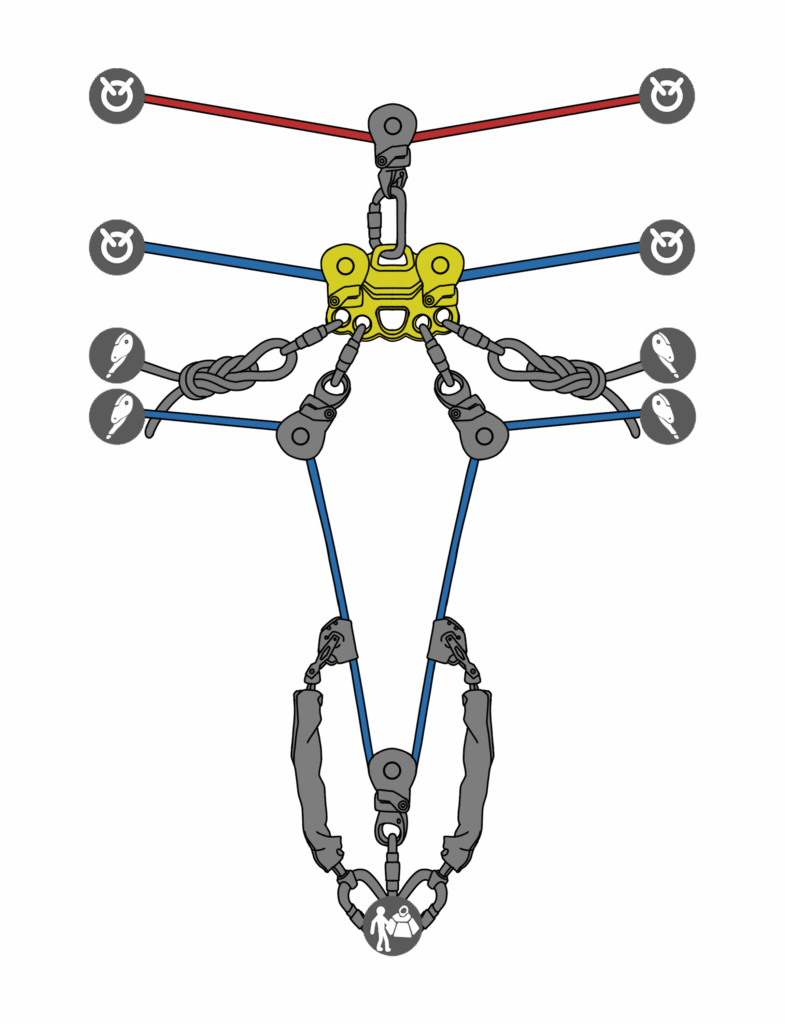
Highline Rescue: A Multi-Directional Access System with Built-In Redundancy Rescue environments don’t always offer easy access. Whether it’s a ravine, a collapsed structure, or a remote vertical shaft, reaching the subject often requires a blend of horizontal movement and vertical descent. The Highline Assembly—centered around the REEVE and SPIN pulleys—is designed to handle exactly these

Building Redundancy into Highline Rescue Systems with the REEVE Pulley Assembly Read More »

Flying W Tensioning for Dual Track Line Highlines

Flying W Tensioning for Dual Track Line Highlines

Flying W Tensioning for Dual Track Line Highlines In highline rescue systems, especially those operating across varied terrain or involving swiftwater hazards, control over the load’s position is critical. When the terrain shifts beneath the litter—or when rescuers must operate from unequal anchor elevations—traditional systems often fall short. This is where the Flying W tensioning

Flying W Tensioning for Dual Track Line Highlines Read More »

Twin tension skate block rescue operation

Twin Tension Skate Block in Tower Rescue

Twin Tension Skate Block in Tower Rescue When precision, control, and redundancy matter most, the twin tension skate block system stands out as one of the most refined vertical rescue techniques. This blog walks through a full scenario utilizing this method, focusing on streamlined rigging, dynamic lowering, and the critical importance of redundancy at height.

Twin Tension Skate Block in Tower Rescue Read More »

tower rescue twin track lines

Twin Tracking Line Power Control Rescue

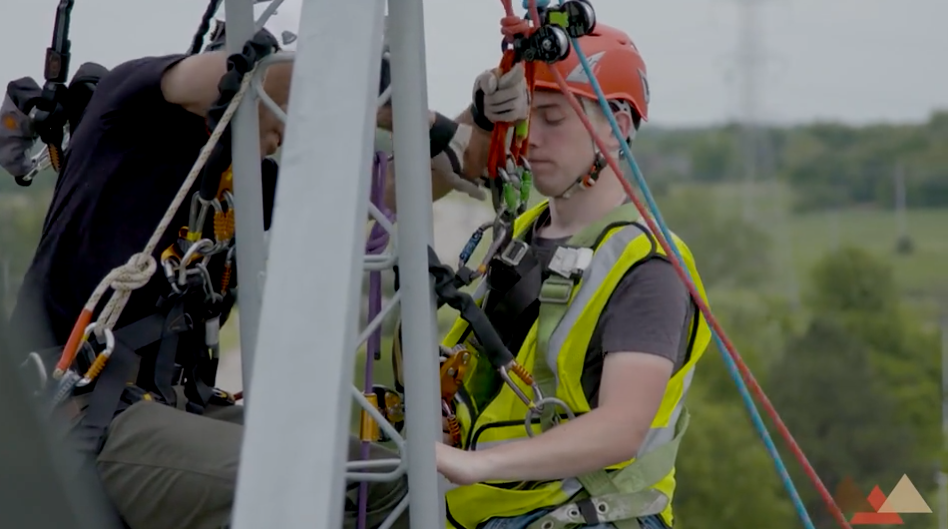
In high-angle tower rescues, distance and clearance are critical. When the objective is to move a suspended patient away from a structure and across a distance, twin tracking lines offer a clean and redundant solution. This scenario demonstrates a Twin Tracking Line Power Control Rescue, designed for extended horizontal offset and mid-air patient control using

Twin Tracking Line Power Control Rescue Read More »

Hybrid Rescue Ground Anchor with Harken Riggers Winch

Hybrid Rescue Ground Anchor with Harken Riggers Winch

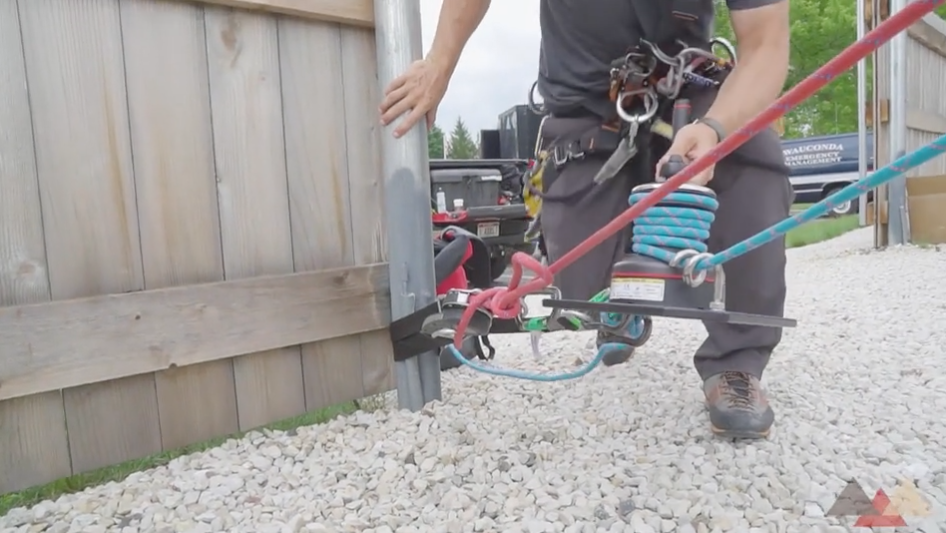
Hybrid Rescue Ground Anchor with Harken Riggers Winch In hybrid horizontal rescue systems, ground anchors play a critical role in maintaining tension, control, and safety. Whether you’re managing a skate block, a tracking line, or both, the way you rig from the ground determines how smooth and stable the evolution will be. One of the

Hybrid Rescue Ground Anchor with Harken Riggers Winch Read More »

Horizontal Movement Systems in Rope Rescue

Horizontal Movement and Tagline Systems in Rope Rescue

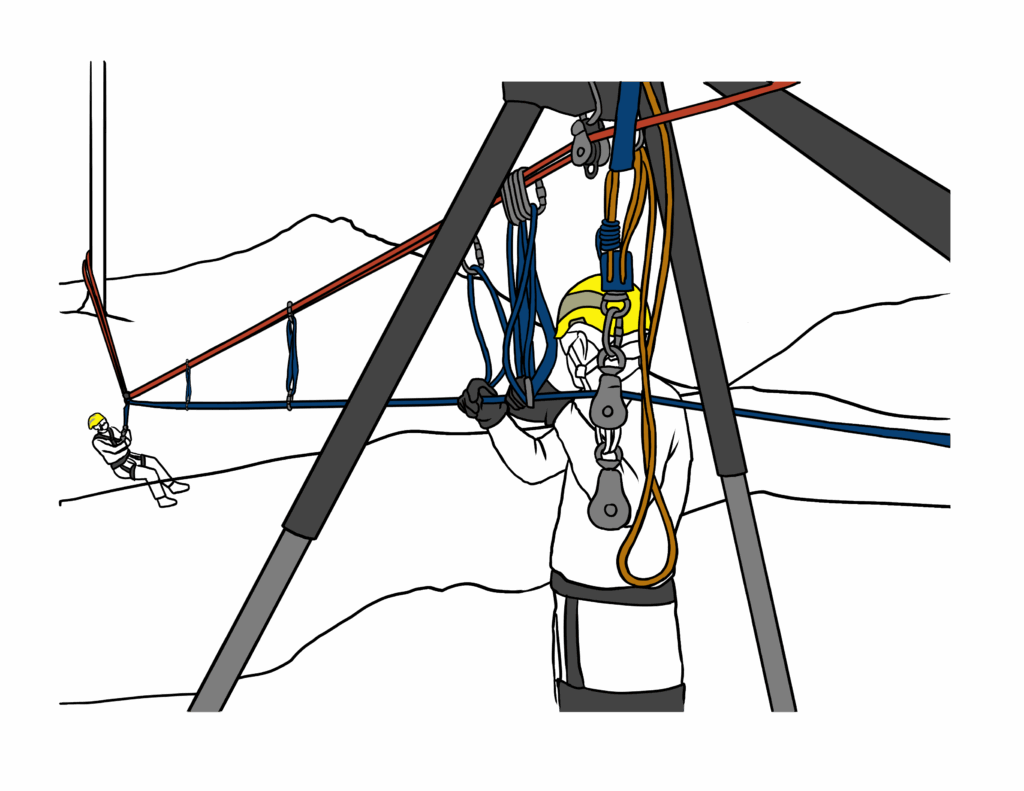
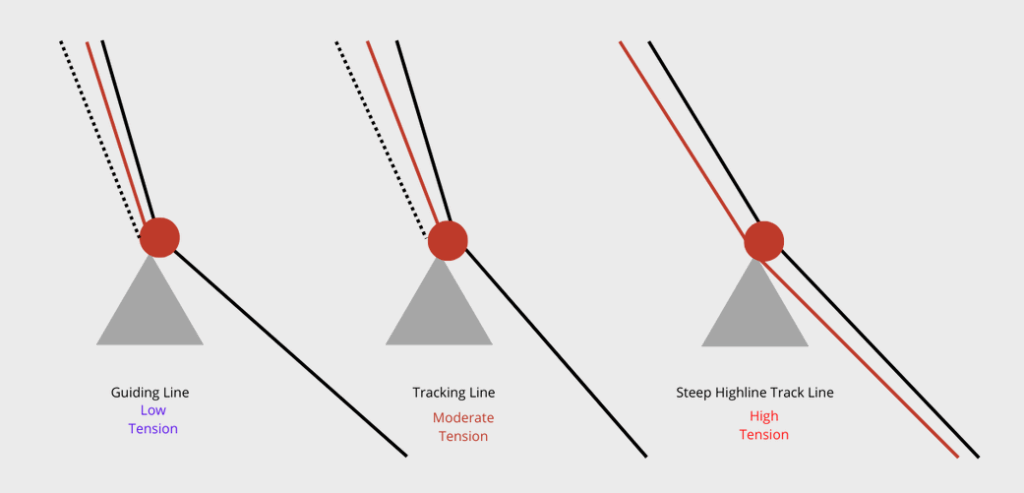
Horizontal Movement Systems in Rope Rescue In rope rescue, managing lateral movement is more than just technique—it’s about understanding system intent, terrain behavior, and safety margins. Three primary horizontal movement systems allow rescuers to safely transport a suspended load across gaps or uneven terrain: Taglines Guiding Lines Tracking Lines Each system serves a specific purpose,

Horizontal Movement and Tagline Systems in Rope Rescue Read More »

Highline_Anchors_rope_rescue

Highline Systems Anchors Safety Operations Tensioning Fundamentals

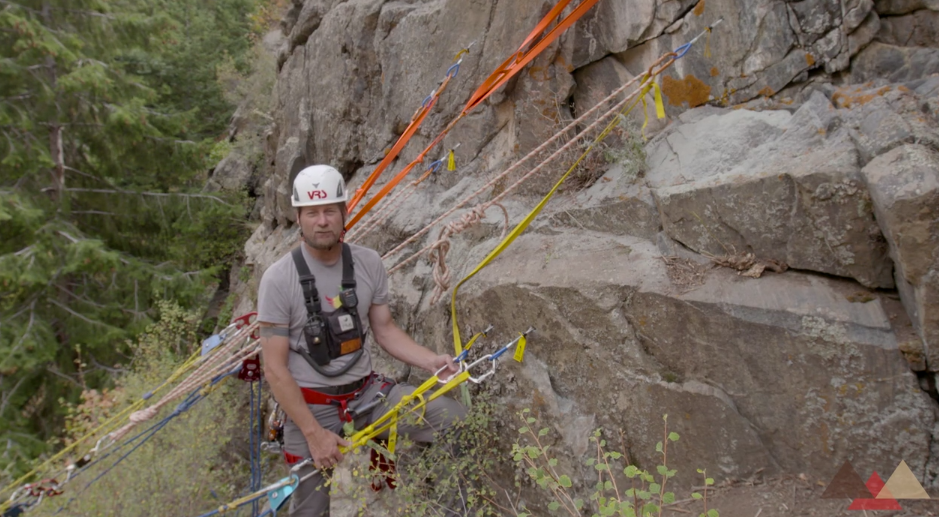
Explore the essentials of highline rescue systems—anchor setup, safety protocols, operational best practices, and tensioning methods for high-angle rigging. Introduction: A System That Must Never Fail In rope rescue, few systems are as unforgiving—or as powerful—as the highline. Spanning gaps where terrain eliminates direct access, highlines serve as aerial pathways for rescuers and patients alike.

Highline Systems Anchors Safety Operations Tensioning Fundamentals Read More »