Patient Packaging

Organizing Rope Rescue Equipment

Technical Rescue Efficiency The Three Pillars of Controlled Patient Transport

In professional rescue environments, efficiency is achieved through the deliberate balance of mechanical precision, system predictability, and patient safety. Technical rescue operations—especially in vertical and confined space environments—demand that every action be guided by principle, not impulse. Success is rarely improvised; it is engineered. The governing framework of efficiency in patient transport can be defined […]

Technical Rescue Efficiency The Three Pillars of Controlled Patient Transport Read More »

twin tension canyon rescue

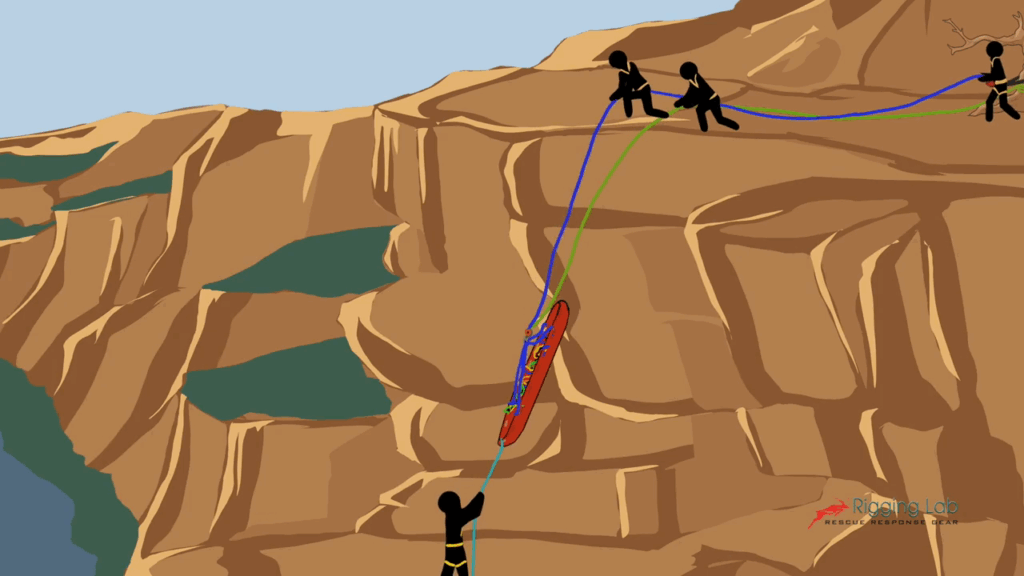
Twin Tension Canyon Rescue Controlled Descent in Vertical Terrain

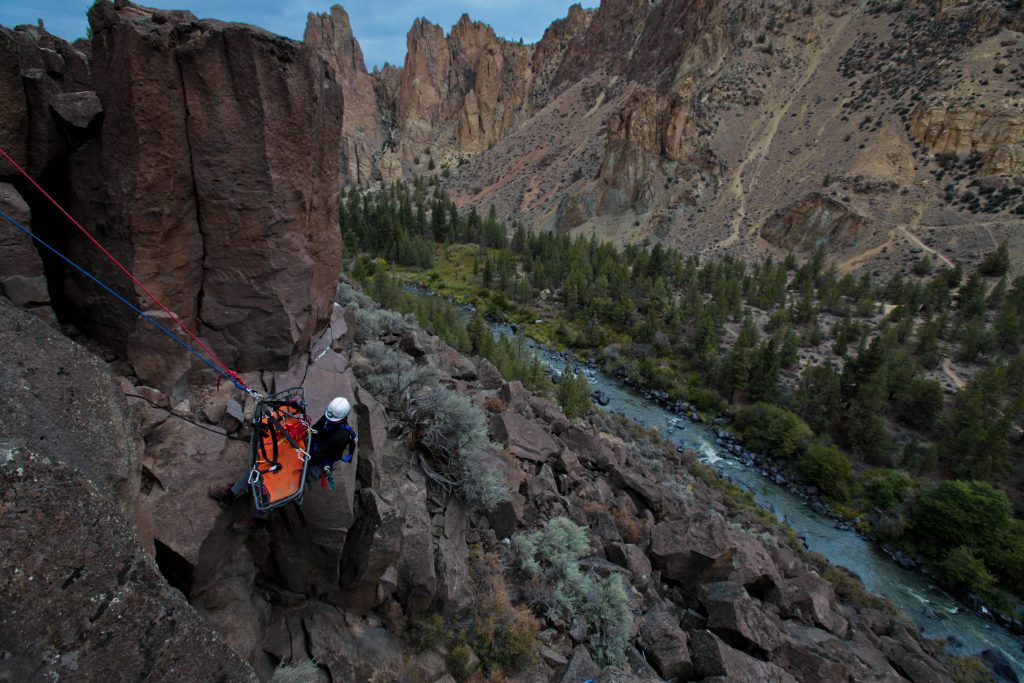
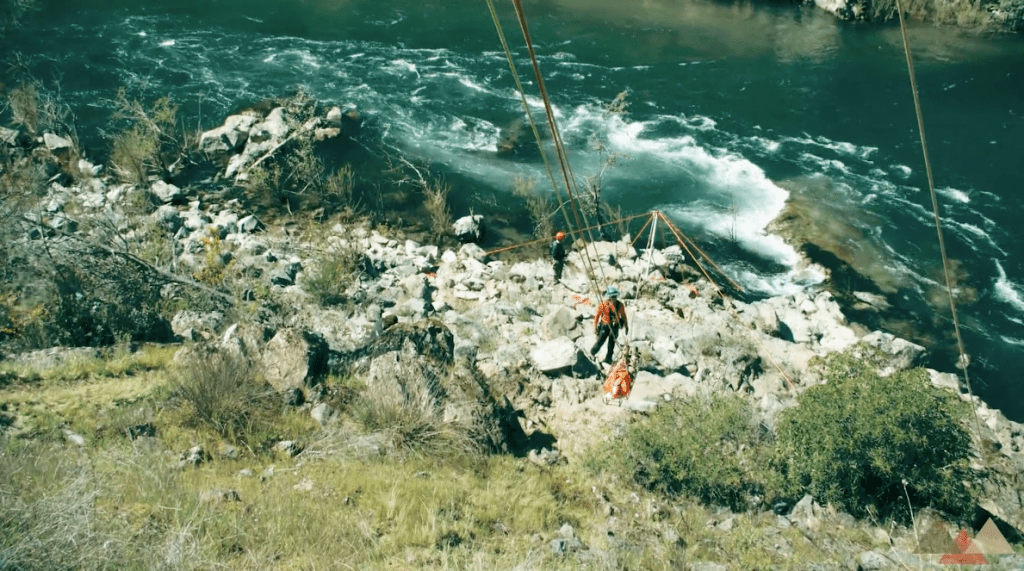
A Canyon That Demands Precision Canyon terrain strips away the luxury of improvisation. Jagged cliff lines, steep drops, and a winding river below create a space where only structured systems can succeed. When the rescue team arrived on scene, they began organizing near their vehicle. One group unpacked rope kits and a backboard, while another

Twin Tension Canyon Rescue Controlled Descent in Vertical Terrain Read More »

Litter Operations and Patient Evacuation

Litter Operations and Patient Evacuation

Litter operations are the backbone of modern rope rescue teams, embodying the precision and care required to transport injured patients across challenging terrains. Whether navigating steep cliffs, confined spaces, or uneven wilderness, the ability to package and safely maneuver a patient in a litter is a defining skill for any team dedicated to rescue excellence.

Litter Operations and Patient Evacuation Read More »

Patient Packaging and Litter Handling Floating the litter

Patient Packaging and Litter Handling

In the high-stakes world of technical rescue, precision and preparation are everything. Whether you’re navigating rugged slopes or suspended hundreds of feet above the ground, effective litter handling and patient packaging are critical to ensuring safety and success. From low-angle scenarios to advanced Class 5 operations, each technique builds on the last, creating a cohesive

Patient Packaging and Litter Handling Read More »

Patient and Litter Packaging

Patient and Litter Packaging

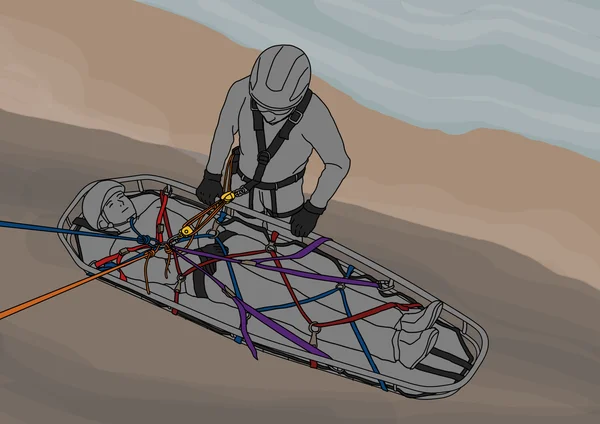
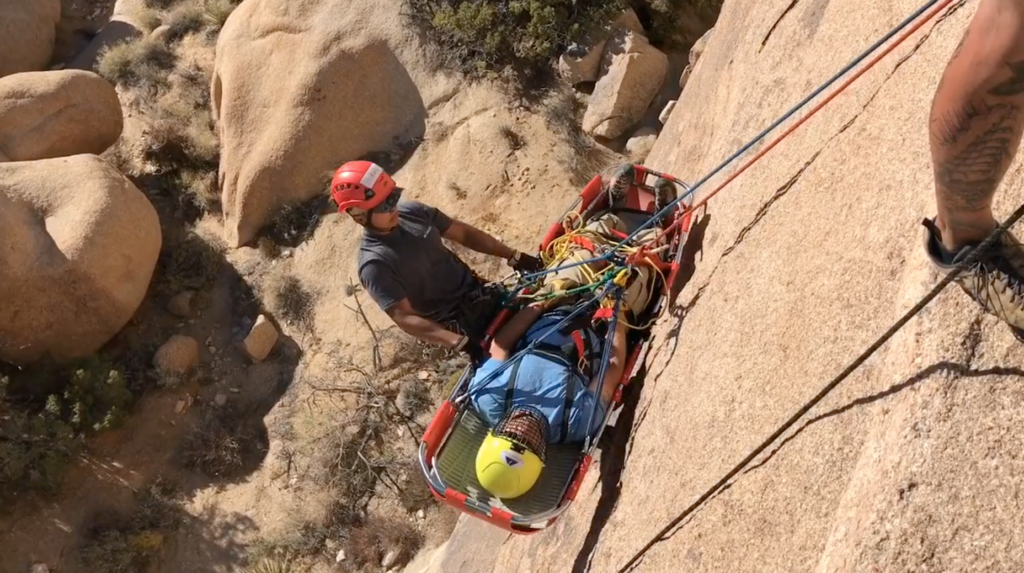
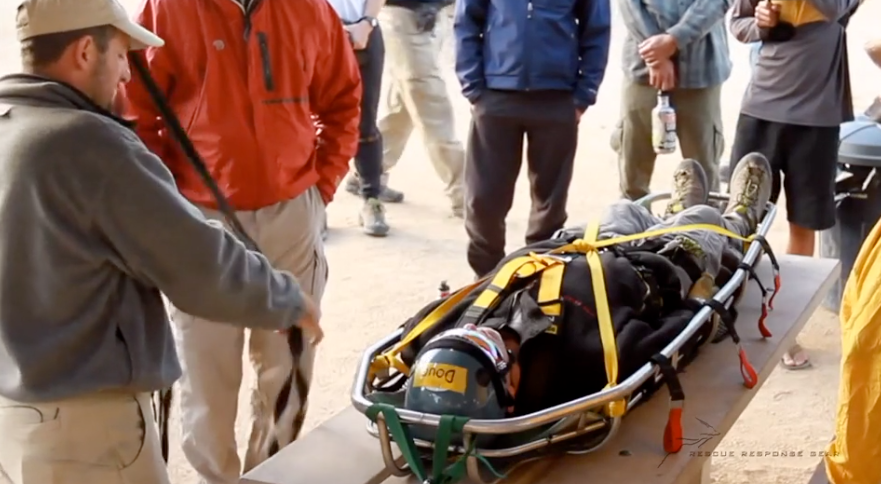
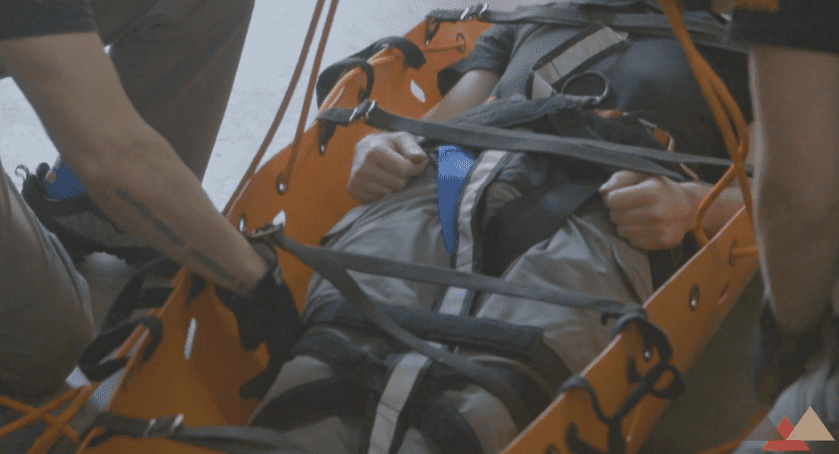
Patient and Litter Packaging Patient and litter packaging is a cornerstone of technical rescue operations, ensuring the victim is secured safely, comfortably, and effectively for transport. Whether the rescue is conducted in a low-angle slope scenario or a high-angle vertical environment, the principles of patient care, system integrity, and operational efficiency must converge seamlessly. In

Patient and Litter Packaging Read More »

5th class litter raise

Class 5 Litter Handling

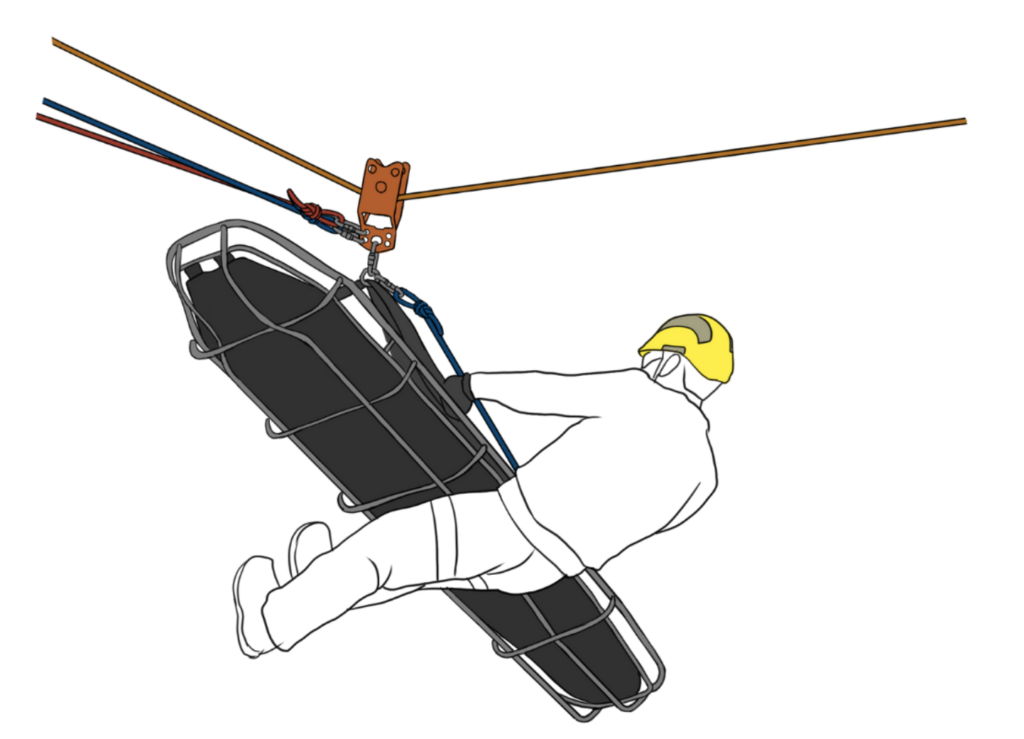
Class 5 Litter Handling Class 5 litter handling represents the most technical and demanding aspects of rope rescue operations. This process involves safely managing the litter and patient in complex, high-angle environments, such as steep cliffs, overhangs, or confined vertical spaces. It demands precision in rigging, effective use of specialized tools, and seamless coordination among

Class 5 Litter Handling Read More »

Class 3–4 litter handling

Class 3–4 Litter Handling

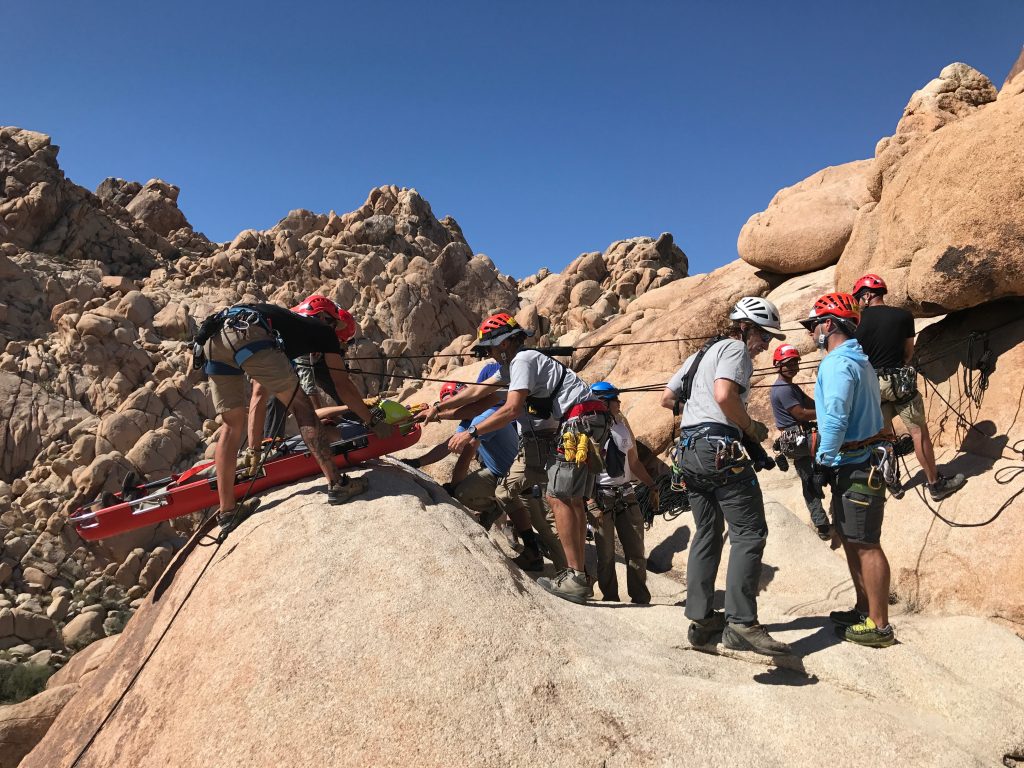
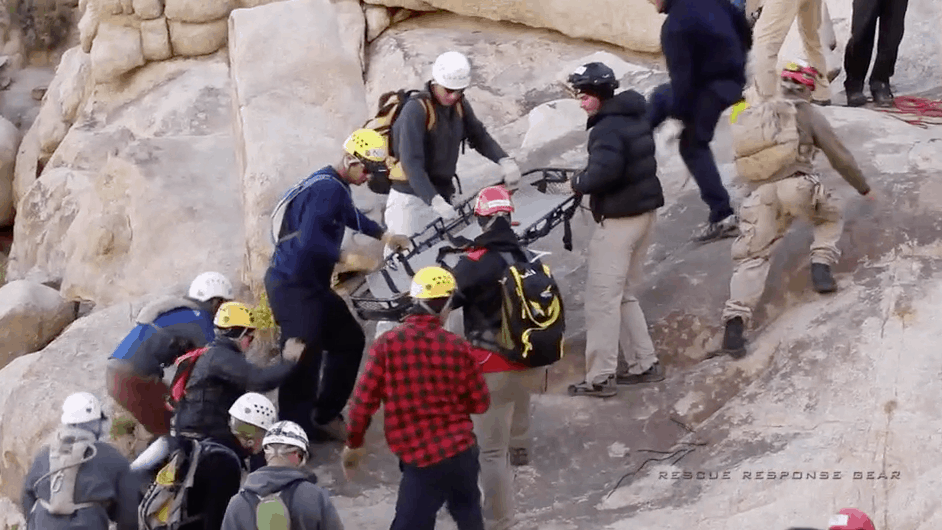
Class 3–4 Litter Handling Class 3–4 terrain presents unique challenges for rescue teams. These environments introduce steep slopes, unstable ground, and critical transitions between scrambling and technical rope systems. Mastering Class 3–4 litter handling requires a deep understanding of terrain, team coordination, advanced rigging techniques, and patient safety measures. This unit covers the tools, techniques,

Class 3–4 Litter Handling Read More »

litter patient package

Low Angle Litter Handling and Management

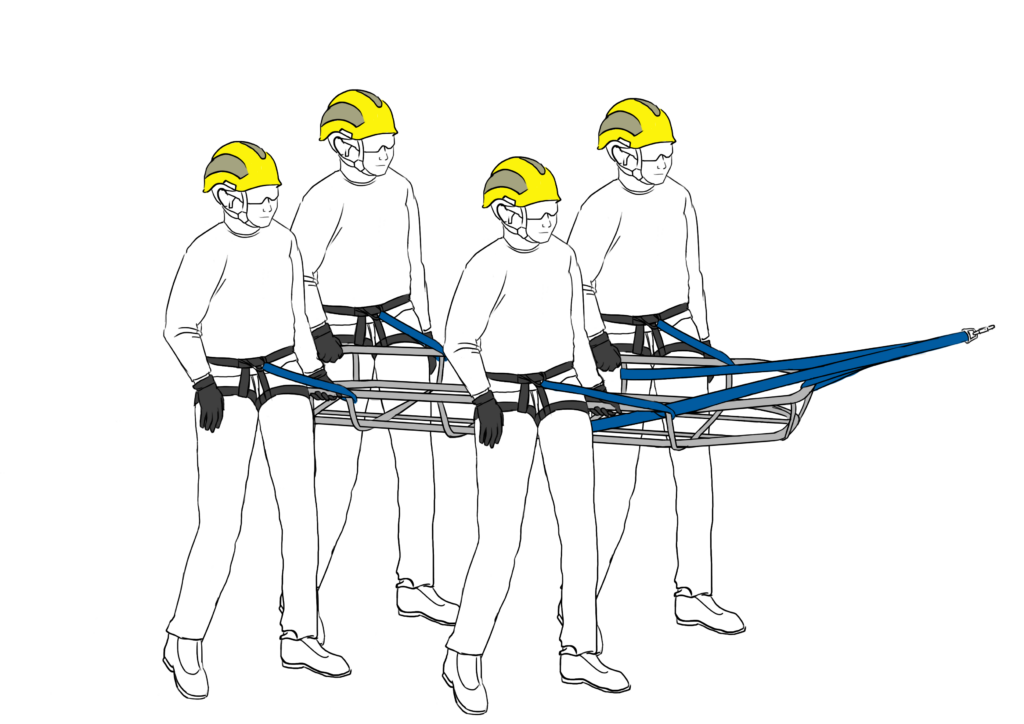
Low Angle Litter Handling and Management Introduction Low-angle litter handling involves techniques for safely transporting patients across less severe terrain. While the challenges may be less technical than high-angle rescues, they require precise teamwork, equipment mastery, and an understanding of terrain management. This unit focuses on Class 1–3 terrain, covering essential techniques, roles within the

Low Angle Litter Handling and Management Read More »

Petzl JAG System, 4:1 mechanical advantage, rescue gear, compact hauling system, tensioning system, pickoff rescue equipment, Petzl pulleys, Am'D TRIACT-LOCK carabiners.

Petzl JAG System for Rescue Operations

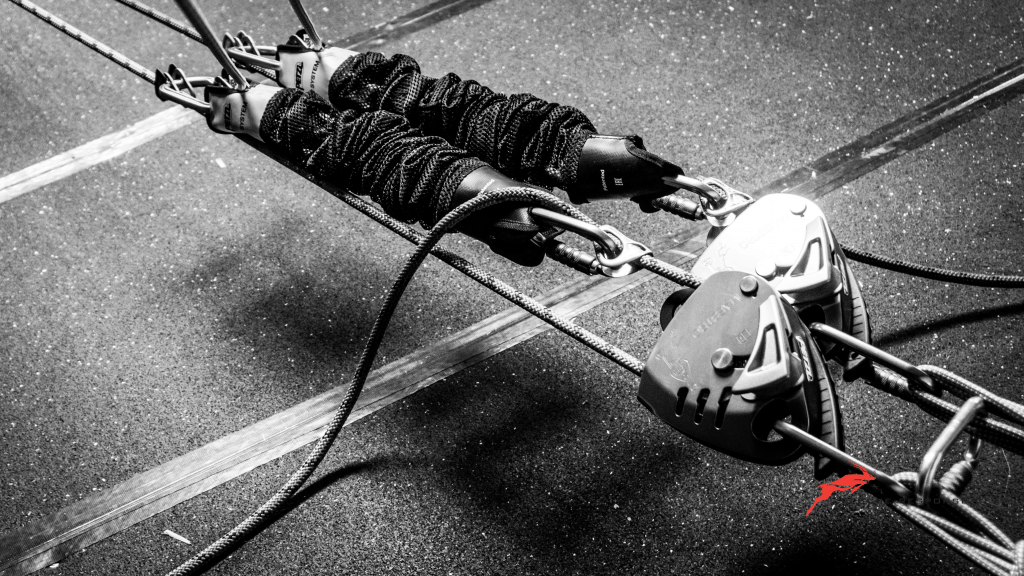
The Petzl JAG System is an essential and versatile tool in rescue and rigging applications, designed for high-efficiency hauling and tensioning tasks. It is ideal for use in pickoffs, creating releasable anchors, and tensioning systems, with the flexibility to handle confined spaces or complex rescues. The system’s compactness allows it to be deployed in tight

Petzl JAG System for Rescue Operations Read More »

patient packaging and litter movement

Comprehensive Guide on Patient Packaging and Movement Techniques

Comprehensive Guide on Patient Packaging and Movement Techniques for Rope Rescue In the challenging field of rope rescue, effective patient packaging and terrain assessment are crucial for the success of the operation. This guide provides a detailed overview of techniques, equipment, and strategies for safely immobilizing and transporting patients in various terrain conditions. Patient Packaging

Comprehensive Guide on Patient Packaging and Movement Techniques Read More »

Mastering Rope Rescue Operations

Mastering Rope Rescue Operations: Key Areas of Expertise Rope rescue operations demand mastery in critical areas to ensure both safety and efficiency. This guide explores five essential topics that form the core of advanced rope rescue knowledge: Mechanical Advantage Systems Knots and Knot Passing Techniques Anchor Systems and Bombproof Anchors Twin Tension Rope Systems Patient

Mastering Rope Rescue Operations Read More »

Implementing a Skate Block System with a Monopod Artificial High Directional-over the edge two twin tension system for rope rescue

Implementing a Skate Block System with a Monopod

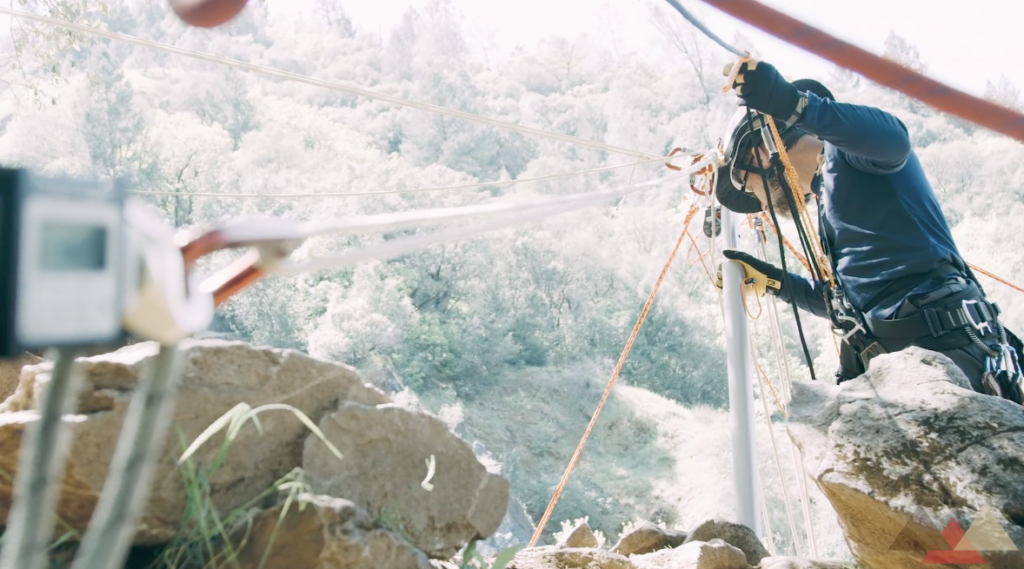
Implementing a Skate Block System with a Monopod The skate block system with a monopod or gin pole as an Artificial High Directional (AHD) represents an innovative and highly efficient approach to technical rescue operations, especially in challenging high-angle environments. By combining advanced rigging techniques, this setup offers versatility, safety, and adaptability for rescue teams

Implementing a Skate Block System with a Monopod Read More »

High Angle Rescue with Arizona Vortex

High Angle Rescue with Arizona Vortex

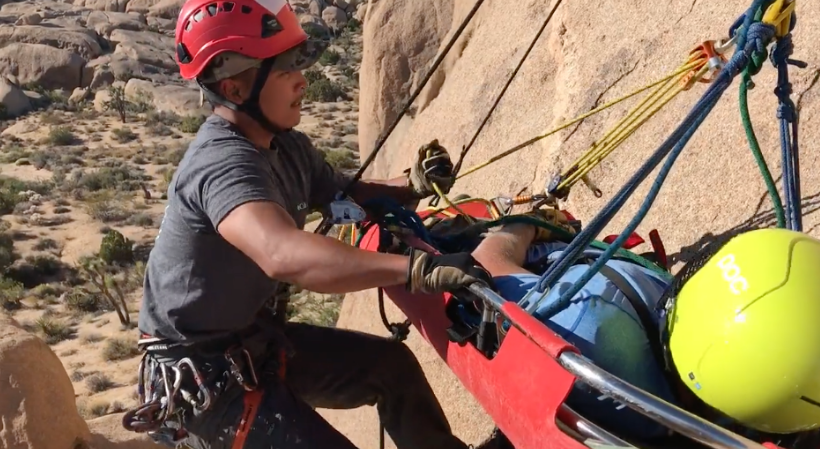
High Angle Rescue Scenario: A Comprehensive Breakdown When a climber falls 60 feet while scouting a route before roping up, the stakes are high for both the injured individual and the rescue team. The Rescue Response Team must act decisively, employing advanced tools and techniques to ensure the climber’s safe evacuation. Using the Arizona Vortex

High Angle Rescue with Arizona Vortex Read More »

Sked stretcher

Sked Stretcher Spinal Packaging for Vertical & Horizontal Use

Spinal Packaging for Vertical & Horizontal Use The Sked stretcher is a vital tool in confined space rescue operations, offering flexibility for both vertical and horizontal patient transport. Its durable design and adaptable rigging options make it ideal for challenging environments. Below, we explore its use in spinal packaging, focusing on safety, efficiency, and patient

Sked Stretcher Spinal Packaging for Vertical & Horizontal Use Read More »

Proper Litter Handling Techniques Class 3 Litter Operations

Class 3 Litter Operations

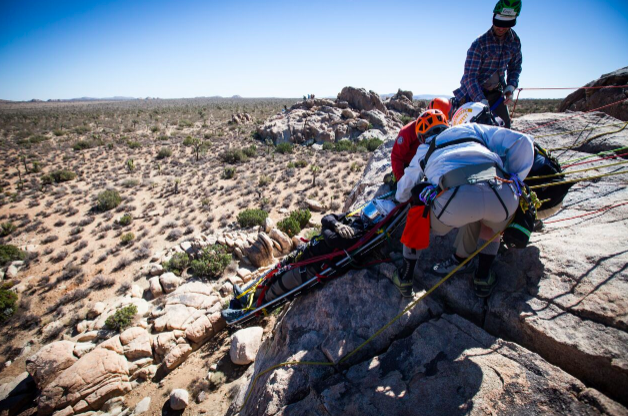
Class 3 Litter Operations: Navigating Low Angle Challenges Class 3 litter operations, often classified as low-angle rescues, represent a vital yet often underestimated aspect of technical rescue work. While they may not always require the complexity of steep or high-angle operations, the unique challenges posed by Class 3 scenarios demand careful preparation, precise technique, and

Class 3 Litter Operations Read More »

High-Angle Raise with Vortex Side Frame

High-Angle Raise with Vortex Side Frame

High-angle rescue scenarios demand precision, strategy, and the right equipment. This detailed case study explores the high-angle raise using a Vortex Side Frame, illustrating advanced rigging techniques employed by the File N-015 Rescue Response Team. The application of a high-angle rescue system in challenging environments, like cliffs and urban structures, demonstrates the importance of sound

High-Angle Raise with Vortex Side Frame Read More »