
Technical Learning

Balancing Online and Hands-On Training -Knots for Force Multiplication in Rope Rescue - Steep Highline Calculations and Rigging Techniques

High Tension Highline Rigging Mastery for Technical Rope Rescue

The ability to span a canyon, river, industrial void, or structural gap is one of the most demanding skills in advanced rope rescue. While offsets, tracklines, and guided systems are essential tools, the true test of technician-level capability is the high-tension highline. Unlike everyday rigging, high-tension systems do not forgive misunderstandings in geometry or guesswork […]

High Tension Highline Rigging Mastery for Technical Rope Rescue Read More »

Rope rescue training for veterans covers leadership, mechanical advantage, and advanced rigging skills and Hidden treasures in team leadership

Advanced Rigging Principles for Technical Rope Rescue

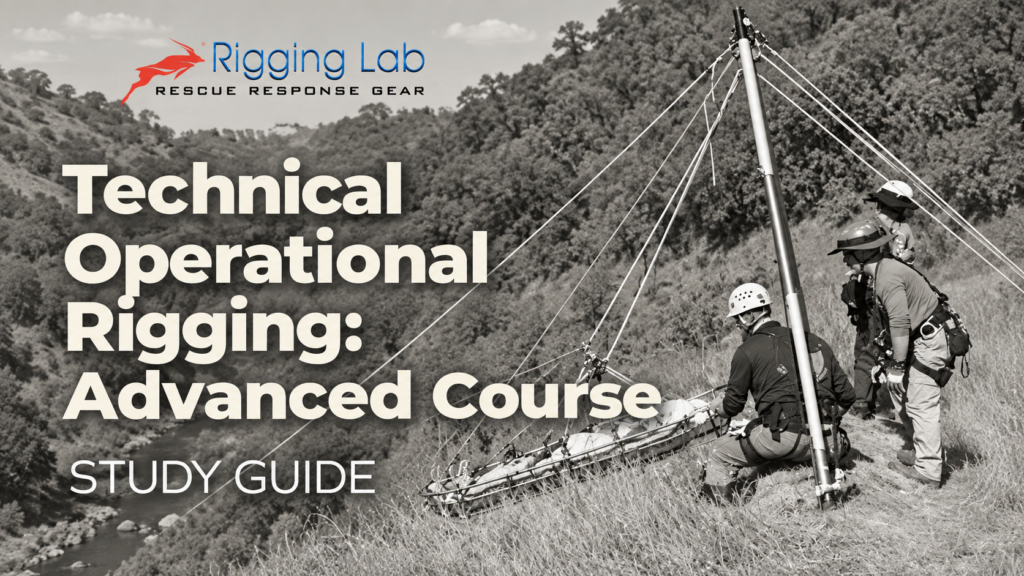
Modern rope rescue has outgrown the era of “strong gear plus strong backs.” At the advanced level, operations are built on system engineering, controlled redundancy, and a clear understanding of how forces, geometry, and human factors interact in real time. The Technical Operational Rigging Study Guide you started with is more than an exam—it is

Advanced Rigging Principles for Technical Rope Rescue Read More »

confined space rescue

Precision and Protocol in Leadership for Confined Space Rescue Operations

In the discipline of technical rescue, the anchor system remains the defining constant—the mechanical and moral foundation of every operation. As Steve Crandall asserts, “Without a solid anchor, properly rigged, the system is bound for failure.”In Confined Space Rescue (CSR), this principle takes on a leadership dimension. Decision-makers are forced to manage high-risk, low-frequency events

Precision and Protocol in Leadership for Confined Space Rescue Operations Read More »

Ideal Sag in Tensioned Track Systems for Rope Rescue

Ideal Sag in Tensioned Track Systems for Rope Rescue

Why Sag Is the Silent Killer Ideal sag in tensioned track system for rope rescue is not an easy thing to figure out.  If you’ve ever stood under a loaded tensioned track line, you know the truth: it’s not the rope that fails first, it’s the anchors. They groan, creak, and sometimes shift under loads

Ideal Sag in Tensioned Track Systems for Rope Rescue Read More »

Top Multi-Purpose Gear for Technical Rope Rescue

Top Multi-Purpose Gear for Technical Rope Rescue

When it comes to selecting multi-purpose gear for haul and lowering systems in technical rescue operations, efficiency, versatility, and reliability are paramount. The Petzl JAG System, CMC AZTEK Omni Pulleys, and Petzl Maestro emerge as standout choices for multi-purpose use in haul and lowering systems. These versatile tools offer a perfect blend of efficiency, adaptability,

Top Multi-Purpose Gear for Technical Rope Rescue Read More »

Voodoo Hitch Rigging Technique

Voodoo Hitch Rigging Technique

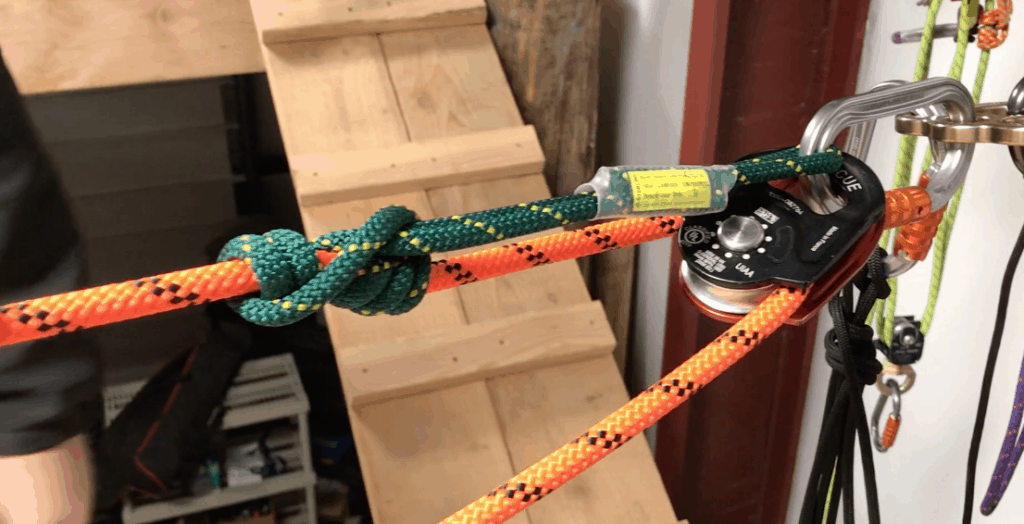
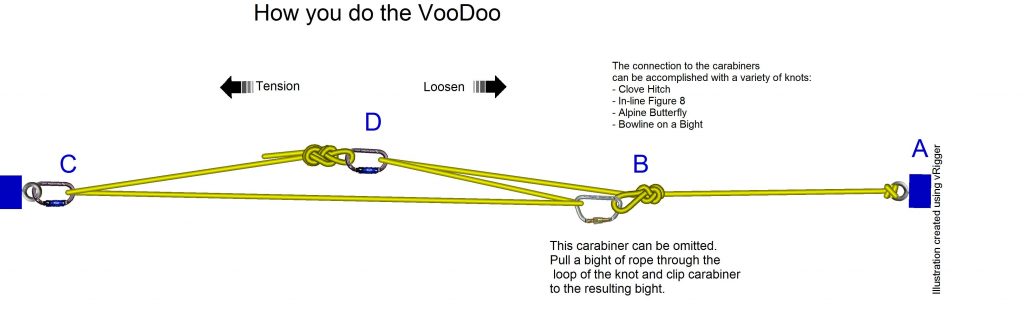
The Voodoo Hitch: A Game-Changer in Technical Rigging Every so often, a technique or tool comes along that completely changes how we approach problem-solving in rigging and technical rescue. One such method is the Voodoo Hitch—a simple yet revolutionary tensioning system that has proven invaluable across various applications. Here’s an in-depth look at what makes

Voodoo Hitch Rigging Technique Read More »

Knot Craft and Knot Passing and in between

Knot Craft and Knot Passing

Mastering Knot Craft and Knot Passing In rope rescue and rigging, the ability to skillfully create and manipulate knots is more than just a basic requirement—it’s an essential part of ensuring safety, efficiency, and success in the field. Knot craft and knot passing are not isolated skills; they are deeply interwoven techniques that, when mastered,

Knot Craft and Knot Passing Read More »

A Business Framework for Rope Rescue

A Business Framework for Rope Rescue

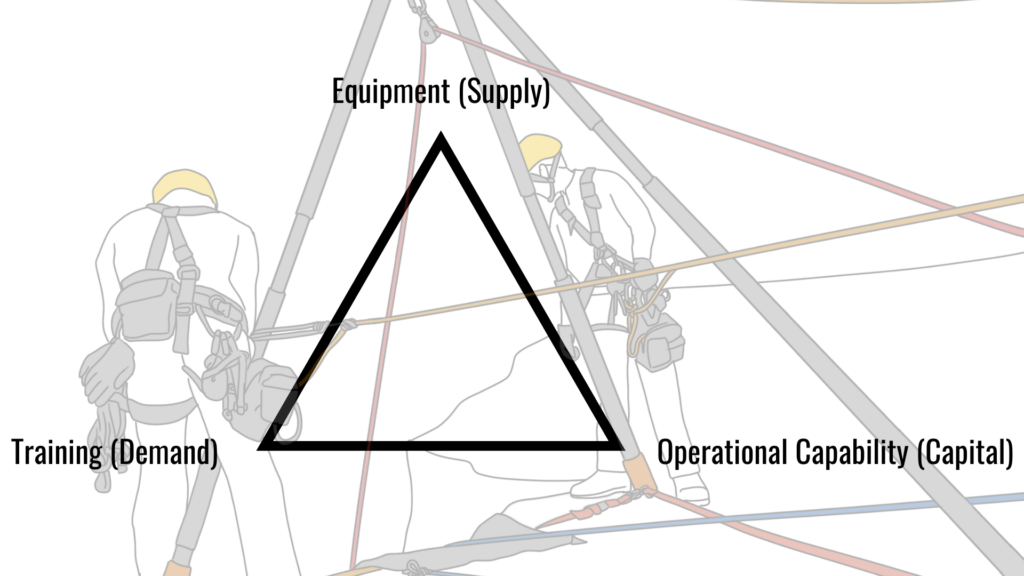
A Business Framework for Rope Rescue: Enhancing Efficiency and Effectiveness In both business and rope rescue operations, understanding underlying forces and dynamics can significantly impact outcomes. While rescue systems are traditionally viewed through a technical lens—focusing on equipment, procedures, and techniques—applying a business framework can provide a fresh perspective. By integrating concepts like supply, demand,

A Business Framework for Rope Rescue Read More »

The Role of Vision in Rope Rescue

The Role of Vision in Rope Rescue

The Role of Vision in Rope Rescue: Blending Precision and Empathy In technical rope rescue and rigging, vision is more than physical sight. It combines observation, foresight, communication, innovation, and empathy. This expanded idea elevates rope rescue beyond technical tasks into a coordinated effort that prioritizes safety, teamwork, and compassion. With a clear vision, teams

The Role of Vision in Rope Rescue Read More »

Rope Rescue Training Components

Rope Rescue Training Components

Introduction to the Critical Components of Rope Rescue Training In the dynamic and high-stakes world of rope rescue, excellence is never an accident. It is the result of meticulous planning, structured learning, and the mastery of foundational skills. That’s where the “Introduction to the Critical Components of Rope Rescue Training” comes into play—a new course

Rope Rescue Training Components Read More »

Highlines in Rope Rescue and Life

Highlines in Rope Rescue and Life

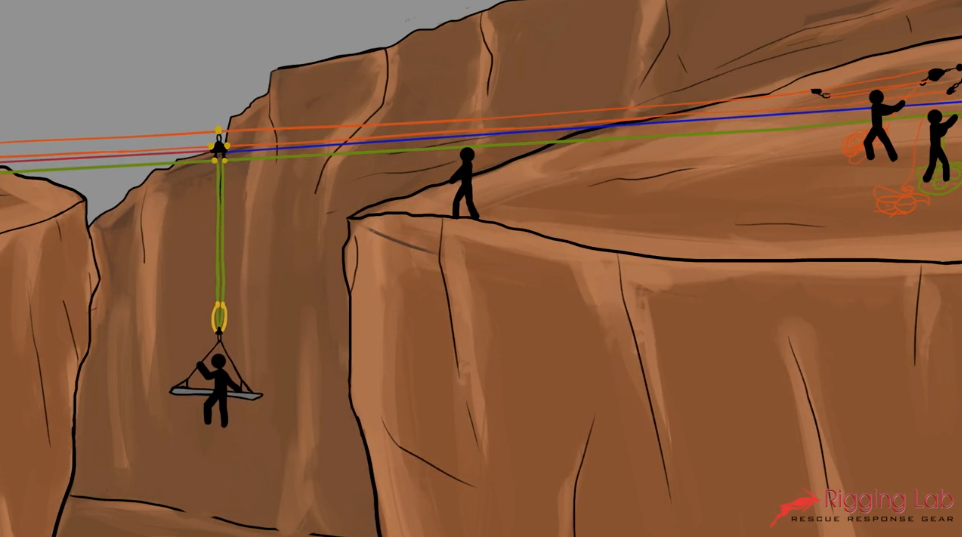
Highlines in Rope Rescue and Life: Finding Balance and Mastery Highline systems in rope rescue offer a unique and powerful metaphor for the challenges we face in life. These systems, carefully designed to bridge daunting gaps and navigate treacherous terrain, parallel the trials we encounter daily, requiring precision, courage, and balance.   Highlines as a

Highlines in Rope Rescue and Life Read More »

Balancing Education Purchasing and Training in Fire Services

Balancing Education Purchasing and Training in Fire Services

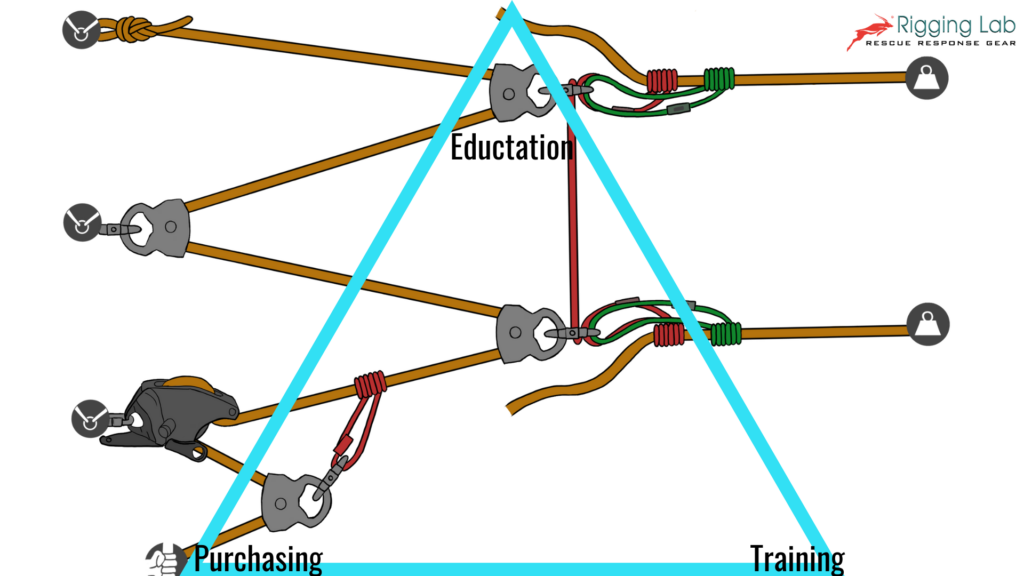
The Critical Triangle of Fire Service Success: Education, Purchasing, and Training Fire departments operate in a high-stakes environment where the choices made today impact the safety and well-being of their communities tomorrow. Striking the perfect balance between education, purchasing, and training is vital for maximizing operational effectiveness and ensuring long-term success. Let’s explore each corner

Balancing Education Purchasing and Training in Fire Services Read More »

Staffing Reductions in Emergency Services

Staffing Reductions in Emergency Services

Enhancing Fire Department and Search & Rescue Efficiency During Staffing Reductions Staffing Reductions in Emergency Services, Fire departments and search and rescue teams are vital in ensuring public safety. However, during economic downturns, staffing reductions may become unavoidable, leading to challenges such as longer response times and increased risks. Even with limited resources, fire departments

Staffing Reductions in Emergency Services Read More »

Fire Department Challenges During Recession

Fire Department Challenges During Recession

How Recessions Affect Fire Departments and How to Adapt Fire Department Challenges During Recession; Economic downturns force local governments to make tough budget decisions, and fire departments often face significant cuts. Reduced funding impacts training, equipment, staffing, and overall emergency preparedness. However, proactive planning and innovative strategies can help departments navigate these challenges without compromising

Fire Department Challenges During Recession Read More »

Creating Your Rope Rescue Equipment SOP

Creating Your Rope Rescue Equipment SOP

Creating Your Rope Rescue Equipment SOP Creating your rope rescue equipment SOP is a systematic approach to rescue equipment selection, care, and maintenance is essential for ensuring operational effectiveness and safety. Rescue teams must have a clear understanding of the capabilities and limitations of their equipment to make informed decisions about tool selection, upkeep, and

Creating Your Rope Rescue Equipment SOP Read More »

Essential Gear for Rope Rescue - Applying the Pareto Principle in Rope Rescue - Prototype Mountain Rescue Technician - Rigging Lab Accelerator

Applying the Pareto Principle in Rope Rescue

Applying the Pareto Principle in Rope Rescue The Applying the Pareto Principle in rope rescue offers a powerful strategy for optimizing rope rescue teams and systems. By focusing on the 20% of efforts that yield 80% of results, rescue teams can enhance efficiency, effectiveness, and responsiveness in emergencies. This strategy revolves around two key dimensions: Identifying

Applying the Pareto Principle in Rope Rescue Read More »

Metacognition in Rope Rescue

Metacognition in Rope Rescue

Metacognition in Rope Rescue and Rigging: A Transformative Skill for Rescuers Metacognition, often referred to as “thinking about thinking,” is an essential skill in high-stakes environments like rope rescue and rigging. This cognitive process helps professionals navigate complex scenarios by fostering self-awareness, strategic planning, and adaptive problem-solving. By bridging the gap between theory and practice,

Metacognition in Rope Rescue Read More »

Force Multipliers in Rigging

Rescue Rigging Anchors

Rescue Rigging Anchors: Why They’re Essential In the world of rescue and rigging, anchors are the cornerstone of every system. We’re often taught that anchors are the most important part of the operation, but the reasons behind this importance are not always crystal clear. Let’s dive into the fundamentals of anchor systems and why they’re

Rescue Rigging Anchors Read More »

Tools vs Knowledge

Tools vs Knowledge

Tools vs. Knowledge: Which Matters More in Rigging and Rescue? In technical rescue and rigging, the debate over the importance of tools versus knowledge is a frequent topic of discussion. While tools—such as carabiners, pulleys, and ropes—are essential for the work, they are inanimate objects that require the wisdom, understanding, and experience of the user

Tools vs Knowledge Read More »

T-Method for Mechanical Advantage

T-Method for Mechanical Advantage

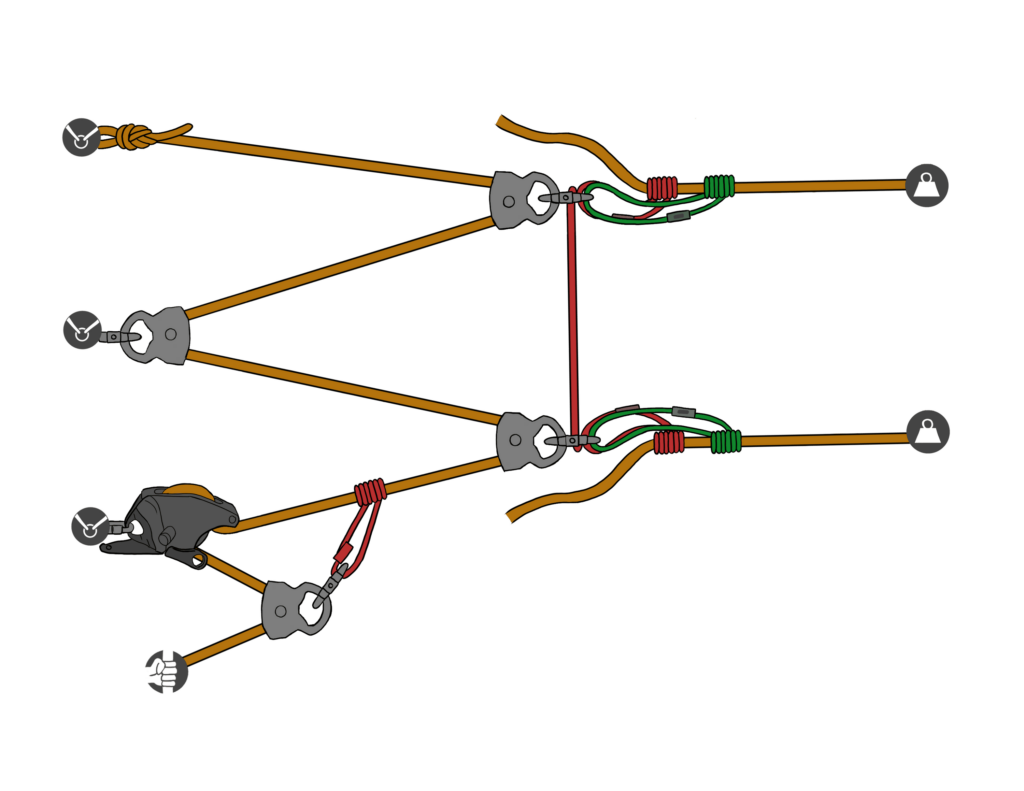
The T-Method, also known as the T-System, is a systematic approach used to calculate the mechanical advantage (MA) in pulley systems. This method is particularly beneficial in rescue operations and rigging, where understanding the efficiency of mechanical systems is crucial. Understanding the T-Method The T-Method involves assigning units of tension, denoted as “T,” to different

T-Method for Mechanical Advantage Read More »