rope rescue training

Learning rigging

The Academic Blueprint: A 5‑Step Approach to the Fundamentals of Technical Rope Rescue

Welcome to the world of technical rope rescue. Real confidence is earned on the rope and at the edge—but it starts much earlier, with how you think about systems and why they work. Before a single rope is uncoiled, a rescuer’s most valuable tools are mindset and foundational knowledge. Technical rope rescue is not just […]

The Academic Blueprint: A 5‑Step Approach to the Fundamentals of Technical Rope Rescue Read More »

Inside Rigging Lab Academy CORE

CORE was built to solve that problem. Instead of treating courses, videos, illustrations, reports, podcasts, and study tools as separate products, CORE organizes them as different ways into the same knowledge base. The subject may be anchors, mechanical advantage, mainline systems, horizontal rigging, high directionals, litter operations, or program leadership. What changes is not the

Inside Rigging Lab Academy CORE Read More »

Monopod Supported Skate Block Track Line Systems

Monopod Supported Skate Block Track Line Systems

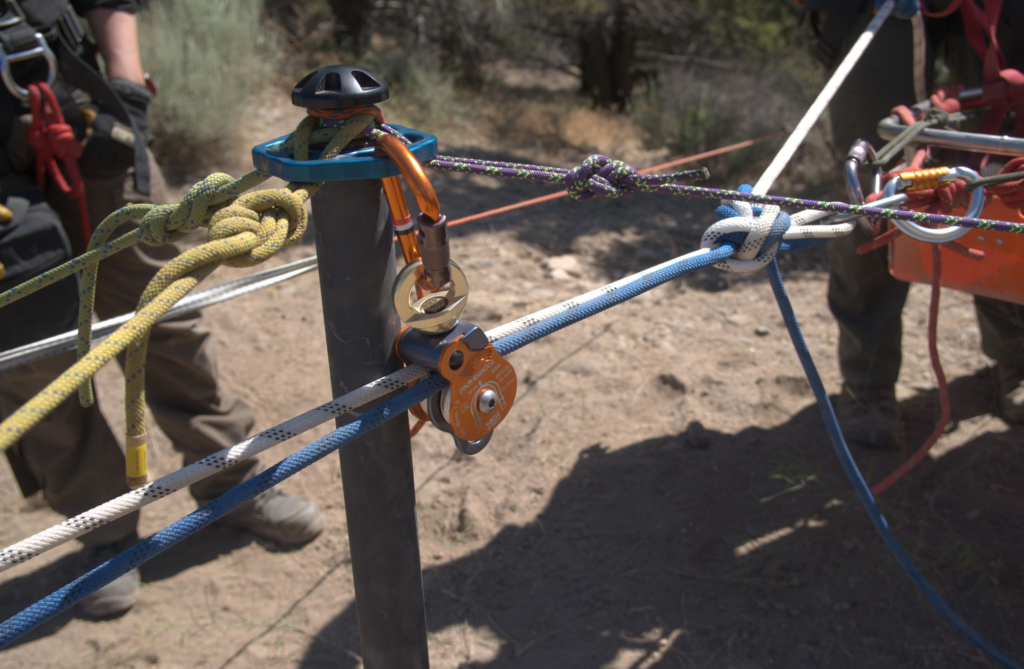
Monopod Supported Skate Block Track Line Systems Track line systems are frequently used when rescuers need to move personnel, equipment, or litter loads across terrain that cannot be negotiated safely on foot. While the track line itself provides the movement corridor, the effectiveness of the system often depends on how the rope path is managed

Monopod Supported Skate Block Track Line Systems Read More »

TTRS Dynamic Directional AHD

Hybrid High Directional Systems for Vertical and Horizontal Rescue Operations

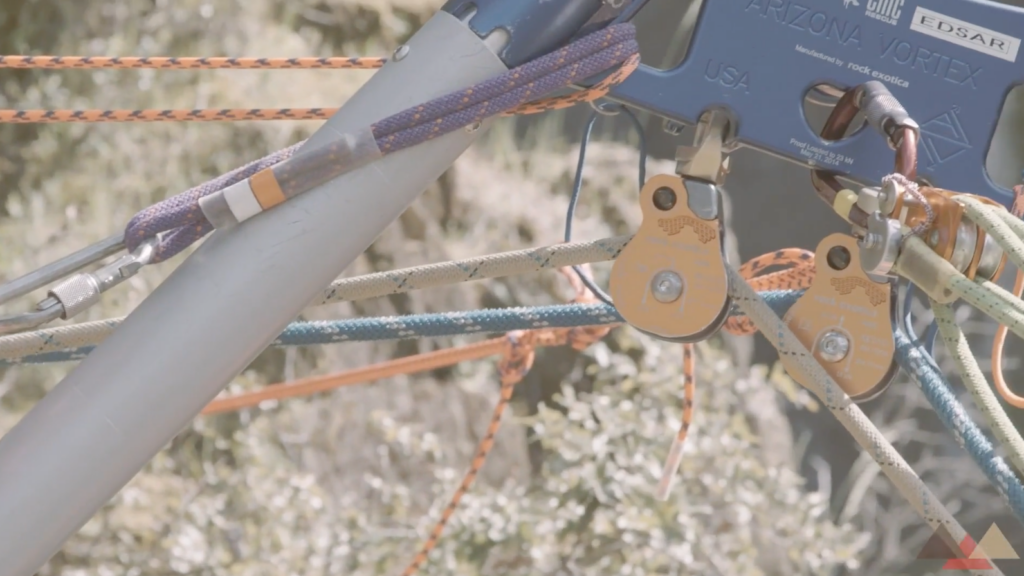
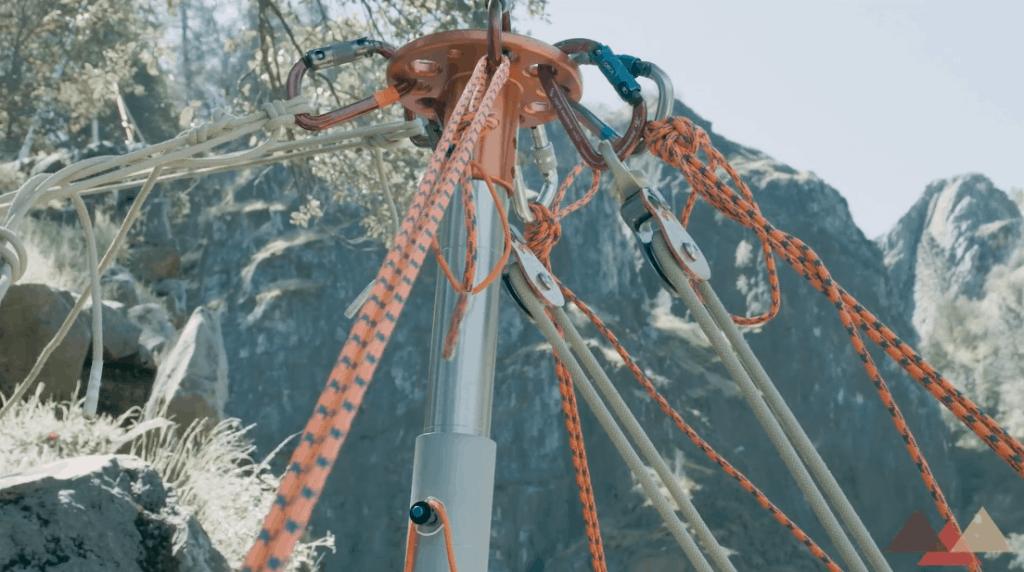
Hybrid High-Directional Systems for Vertical and Horizontal Rescue Operations Technical rescue systems are often categorized by their primary function. Some systems are designed to manage vertical movement. Others are designed to support horizontal transportation. Complex terrain, however, rarely presents a single movement problem. Rescuers may need to raise a patient from below a cliff edge,

Hybrid High Directional Systems for Vertical and Horizontal Rescue Operations Read More »

AHD Vortex Gin Pole in TTRS Skate Block

Two Tensioned Rope Systems and Tensioned Track Line Transitions in Canyon Rescue

From Two-Tensioned Rope Systems to Tensioned Track Lines Managing Redundancy, Load Sharing, and System Transitions in Canyon Rescue Technical rescue operations rarely fail because rescuers cannot build a lowering system. They fail because rescuers lose control of force during transitions. This becomes especially apparent in canyon environments where a rescue may begin as a vertical

Two Tensioned Rope Systems and Tensioned Track Line Transitions in Canyon Rescue Read More »

rescue and rigging pulleys

Why Pulley Selection Matters More Than Most Rescue Teams Realize

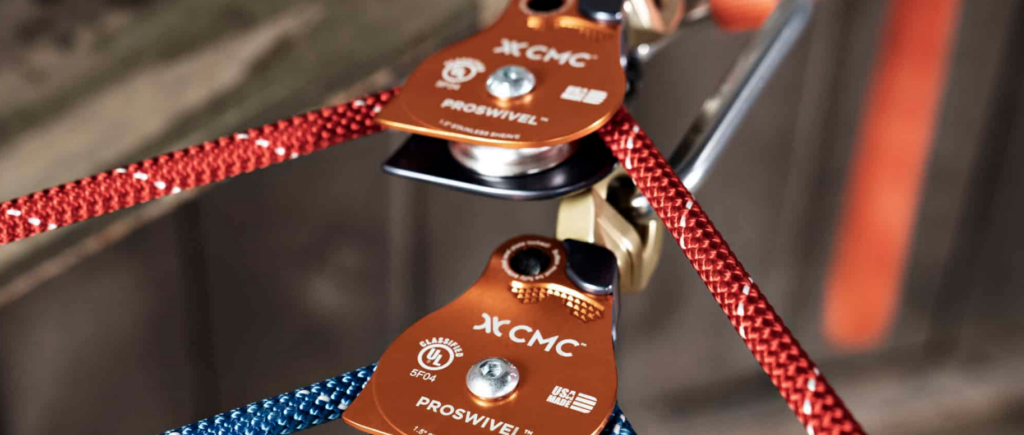
Why Pulley Selection Matters More Than Most Rescue Teams Realize Most rescue personnel learn pulleys through mechanical advantage systems. A 3:1 contains a certain number of pulleys. A 5:1 contains a few more. Eventually, the conversation moves toward hauling efficiency, progress capture, and system resets. While those discussions are important, they often leave one critical

Why Pulley Selection Matters More Than Most Rescue Teams Realize Read More »

RLA CORE Essentials

Why Individual Rescuers Choose RLA CORE Essentials for Rope Rescue Training

RLA CORE Essentials Was Built for the Individual Rescuer Not every rescuer trains inside a large department with unlimited resources, dedicated instructors, or highly structured operational development. Many technicians are responsible for building their own competency outside of scheduled drills, annual refreshers, or occasional certification courses. That reality creates a problem. Without a consistent training

Why Individual Rescuers Choose RLA CORE Essentials for Rope Rescue Training Read More »

Rigging Lab Academy CORE

Why Teams Choose RLA CORE for Technical Rescue Training

Why Rescue Teams Are Moving Toward Structured CORE Training Most rescue teams do not struggle because they lack effort. They struggle because knowledge becomes fragmented over time. Different instructors teach different methods. Team members develop habits based on local culture rather than system logic. Equipment changes faster than operational understanding. Eventually, even experienced teams begin

Why Teams Choose RLA CORE for Technical Rescue Training Read More »

BFA Anchor- working near the edge

Anchors and Anchor Systems in Rope Rescue

Sign Up for Free E-Book Anchors and Anchor Systems in Rope Rescue Every rope rescue system begins with one decision: what will hold the load? Before the haul systems, before the litter movement, before the edge transition, there is the anchor. It is the structural foundation that determines whether the entire operation functions smoothly or

Anchors and Anchor Systems in Rope Rescue Read More »

why nothing in technical rope rescue stands alone

Why Nothing in Technical Rope Rescue Stands Alone

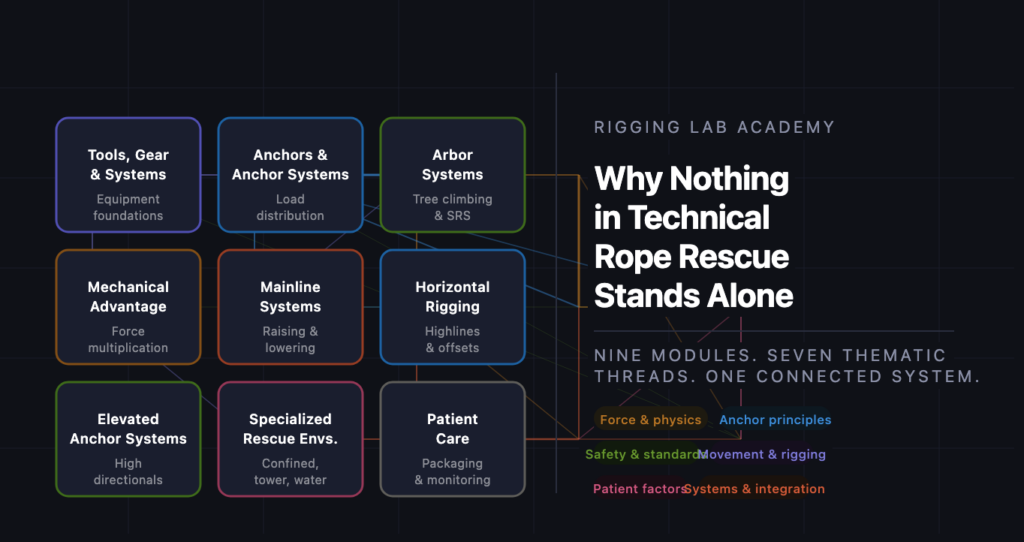
Why Nothing in Technical Rope Rescue Stands Alone Ask any experienced rope rescue practitioner what separates a competent technician from a truly dangerous one, and you will hear some version of the same answer: the dangerous one knows the pieces but not how they fit together. They can build a mechanical advantage system — but

Why Nothing in Technical Rope Rescue Stands Alone Read More »

two tension twin tension lower cmc clutch with safety back tension

Rope Rescue Safety Building Systems Habits and Judgment

Safety in rope rescue is not the presence of a checklist or a perfect system on paper—it is a discipline woven into every decision a team makes. Skill alone does not guarantee safety, nor does good equipment. What guarantees safety is a mindset: the deliberate, consistent evaluation of risk, the disciplined use of redundancy, and

Rope Rescue Safety Building Systems Habits and Judgment Read More »

Essential Rope Rescue Skills On-Demand from knots to advanced techniques, all accessible online.

Learning Rope Rescue the Complete Guide to Building Skill Judgment and Team Capability

Rope rescue is not simply a technical craft—it’s a discipline shaped by standards, repetition, evaluation, and the collective judgment of a team. Most people who step into rope rescue training expect to learn knots, rigging, and mechanical systems. What they don’t expect is that the real growth comes from how they prepare, how they are

Learning Rope Rescue the Complete Guide to Building Skill Judgment and Team Capability Read More »

two tension twin tension lower single operator back tension safety

CMC Clutch Twin Tension Two Tension Lower

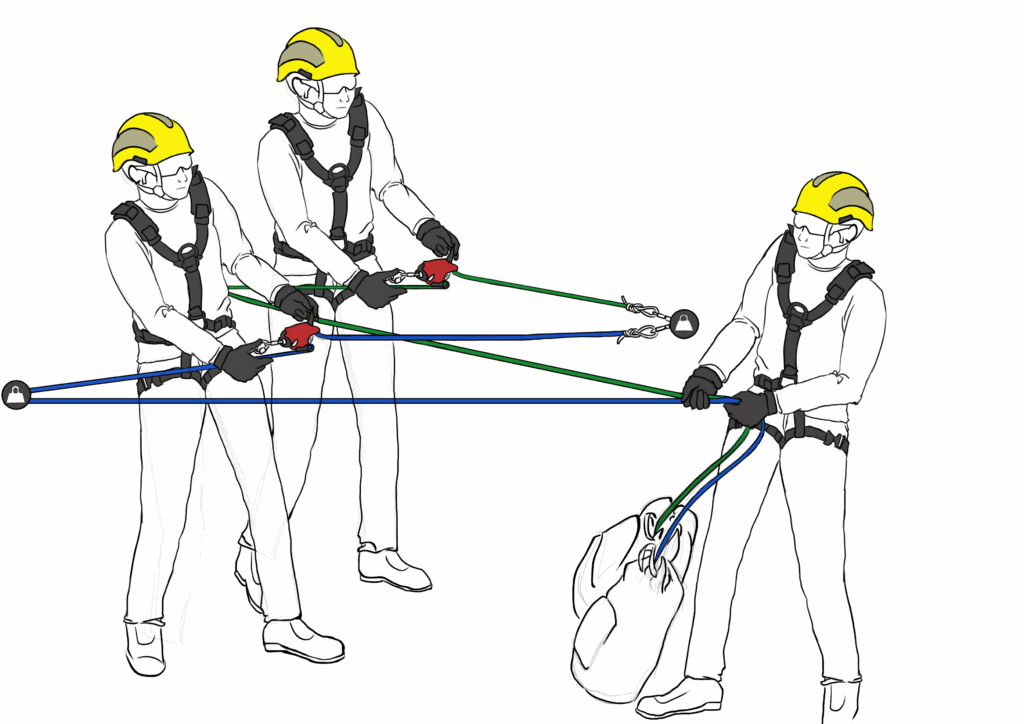
The CMC Clutch Twin Tension Two Tension Lower has become a defining standard in modern rope rescue systems. By integrating the Clutch into a Twin Tension Rope System (TTRS), rescuers can achieve smoother control, balanced load distribution, and built-in redundancy. Whether lowering or raising, the Clutch ensures safe transitions, adaptability across rescue environments, and confidence

CMC Clutch Twin Tension Two Tension Lower Read More »

Challenges in Span Anchor Systems-Designing Essential Processes for Technical Rope Rescue

Designing Essential Processes for Technical Rope Rescue

In the high-stakes world of technical rope rescue, every decision, every action, and every system counts. The difference between success and catastrophic failure often hinges not merely on the individual skills of rescuers, but on the meticulous design and disciplined execution of the underlying processes that guide their efforts. A well-crafted process brings clarity to

Designing Essential Processes for Technical Rope Rescue Read More »

No Room for Error in Wilderness Rope Rescue and Search

Why Competence Matters in Wilderness Rope Rescue and Search

Why Competence Matters in Wilderness Rope Rescue and Search Wilderness Search and Rescue (WSAR) is not just an extension of technical rope rescue—it is an entirely different animal. Rugged terrain, unpredictable conditions, long-duration deployments, and limited resources combine to create some of the most unforgiving operational environments. And in these settings, there’s no room for

Why Competence Matters in Wilderness Rope Rescue and Search Read More »

Smarter Rescue Answers with the Rigging Lab Assistant

Smarter Rescue Answers with the Rigging Lab Assistant

Why “getting smarter rescue answer with the Rigging Lab Assistant” is important; Because clarity matters. Whether you’re planning a team deployment, troubleshooting a mechanical system, or assessing your readiness before a high-stakes scenario—every second counts, and so does every decision. That’s exactly why the Rigging Lab Assistant exists—and more importantly, why it’s just gotten better.

Smarter Rescue Answers with the Rigging Lab Assistant Read More »

Twin Tensioned Highline Anchors

Twin Tensioned Highline Anchor System

Twin Tensioned Highline Anchor System As rope rescue systems grow more advanced, so do our expectations for precision, safety, and minimal impact. When constructing a twin tensioned highline system, the reliability of your anchors — and how they manage load — becomes mission critical. This article breaks down a field-tested twin highline anchor system built

Twin Tensioned Highline Anchor System Read More »

Essential Gear for Rope Rescue - Applying the Pareto Principle in Rope Rescue - Prototype Mountain Rescue Technician - Rigging Lab Accelerator

Rigging Lab Accelerator The Future of Rope Rescue Training

Rigging Lab Accelerator The Future of Rope Rescue Training In technical rope rescue, every second counts. Every decision must be precise. The Rigging Lab Accelerator is an AI-powered training tool that delivers real-time solutions, expert guidance, and adaptive learning to rescuers and rigging professionals. Whether responding to an emergency, refining techniques, or training teams, this

Rigging Lab Accelerator The Future of Rope Rescue Training Read More »

Smarter Rope Rescue Training

Smarter Rope Rescue Training

Why Traditional Rope Rescue Training Falls Short For years, technical rope rescue has followed a structured, step-by-step model. Rescuers learn isolated techniques, practice them in controlled settings, and pass certification exams that assess their ability to follow predefined procedures. This approach builds foundational skills, but it does not always prepare rescuers for real-world challenges. Actual

Smarter Rope Rescue Training Read More »

Administrative and Technician Collaboration-Overcoming Rope Rescue Challenges

Overcoming Rope Rescue Challenges

Navigating Challenges and Optimizing Resources in Rope Rescue Rope rescue operations are often defined by their high stakes and unpredictable nature. Rescuers face numerous challenges that require innovative solutions, resource optimization, and constant adaptation to ensure both safety and success. This section delves into the common challenges rope rescue teams face and explores strategies to

Overcoming Rope Rescue Challenges Read More »