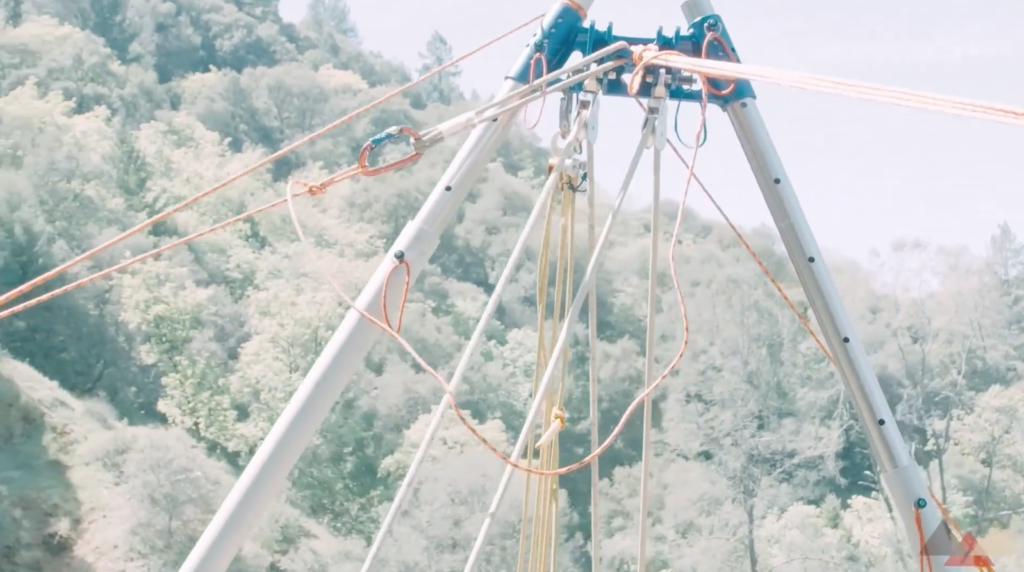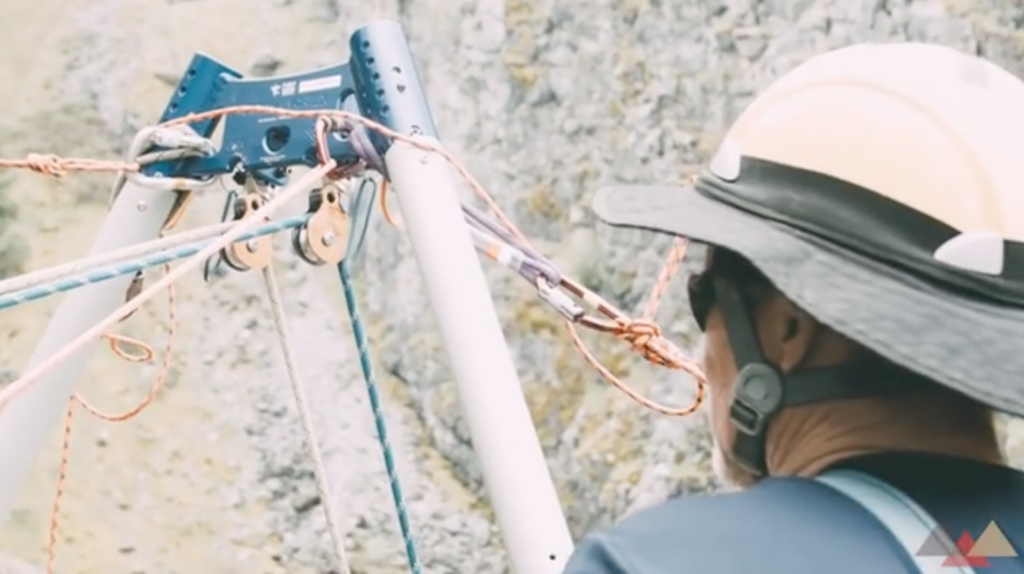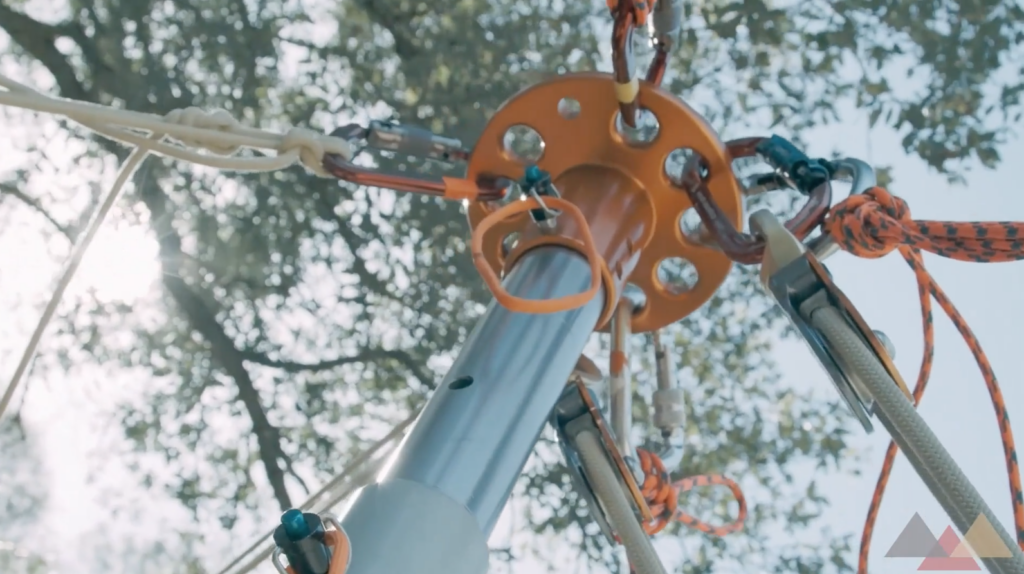
artificial high directional

confined space rescue

Precision and Protocol in Leadership for Confined Space Rescue Operations

In the discipline of technical rescue, the anchor system remains the defining constant—the mechanical and moral foundation of every operation. As Steve Crandall asserts, “Without a solid anchor, properly rigged, the system is bound for failure.”In Confined Space Rescue (CSR), this principle takes on a leadership dimension. Decision-makers are forced to manage high-risk, low-frequency events […]

Precision and Protocol in Leadership for Confined Space Rescue Operations Read More »

Hybrid Patient Connection Setup with Skate Block and Tracking Line

Integrating Artificial High Directionals in Skate Block Systems

Integrating Artificial High Directionals (AHDs) within Skate Block Systems transforms a simple, low-tension rescue technique into a controlled, highly adaptable rigging platform. This integration enables teams to overcome edge trauma, improve resultant alignment, and achieve greater system precision—all without sacrificing the lightweight, small-team functionality that defines the skate block. In essence, an AHD turns a

Integrating Artificial High Directionals in Skate Block Systems Read More »

skate block highline

Skate Block Systems in Technical Rope Rescue

Skate Block Systems provide a streamlined, efficient rigging solution for small teams performing rescues or load movements in specialized environments. These systems are particularly effective when personnel and time are limited—such as during tower maintenance, communications rigging, crane work, or industrial access operations. Unlike full highline or two-rope offset systems, the skate block uses the

Skate Block Systems in Technical Rope Rescue Read More »

floating the patient terrain assessment

Building a Rope Rescue Team with Terrain Awareness and Training Manuals

Congratulations on stepping into leadership for your search and rescue ropes team. It’s no small task. Building a rope rescue team requires more than equipment — it demands a keen understanding of terrain, a plan to close knowledge gaps, and a structured training manual that evolves with your team. These three pillars form the backbone

Building a Rope Rescue Team with Terrain Awareness and Training Manuals Read More »

transitioning to two-tensioned rescue systems

TTRS Anchor Systems with Artificial High Directionals for Two Person Loads

Technical rope rescue demands anchor systems that are strong, efficient, and designed for redundancy. Building TTRS anchor systems with Artificial High Directionals (AHDs) is one of the most effective ways to achieve these goals, especially when managing a two-person load such as a patient and attendant in a litter. By combining the principles of sound

TTRS Anchor Systems with Artificial High Directionals for Two Person Loads Read More »

skate block highline

Skate Block Highline with Gin Pole Directional in Rope Rescue

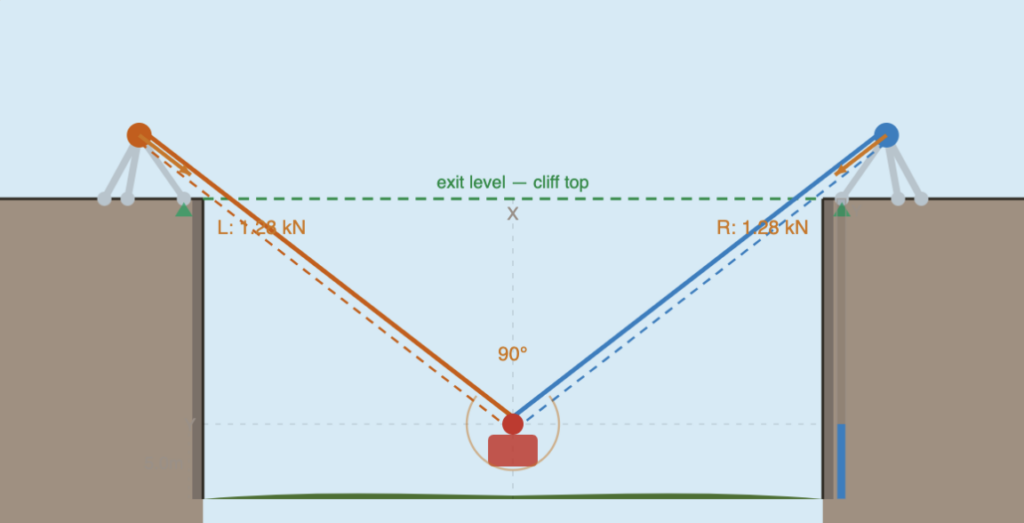
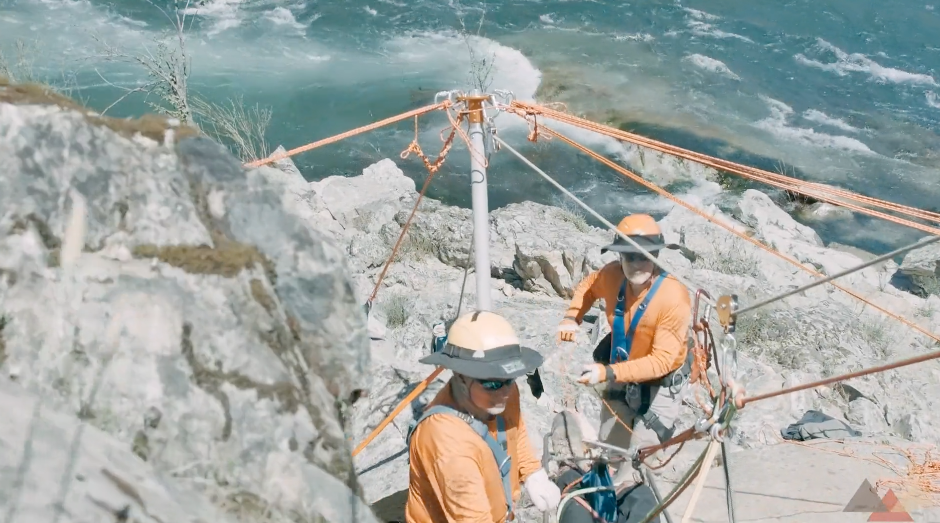
Skate Block Highline with Gin Pole Directional in Rope Rescue – How a highline configured as a skate block with a monopod directional improves efficiency, control, and safety in complex terrain. Highlines are a cornerstone of modern rope rescue, allowing teams to move loads across obstacles such as rivers, canyons, cliffs, or collapsed structures. Traditionally,

Skate Block Highline with Gin Pole Directional in Rope Rescue Read More »

twin tension canyon rescue

Twin Tension Canyon Rescue Controlled Descent in Vertical Terrain

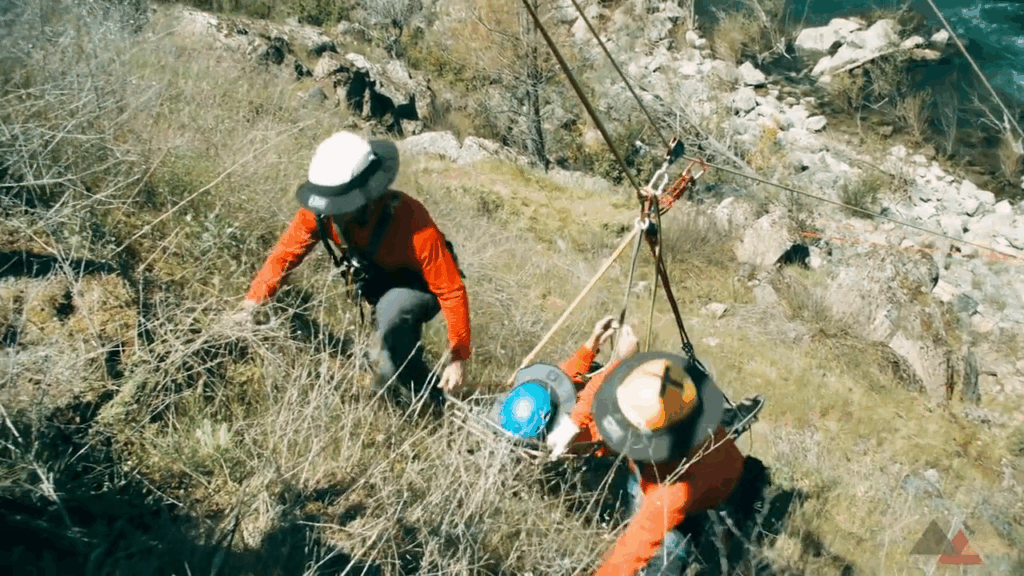
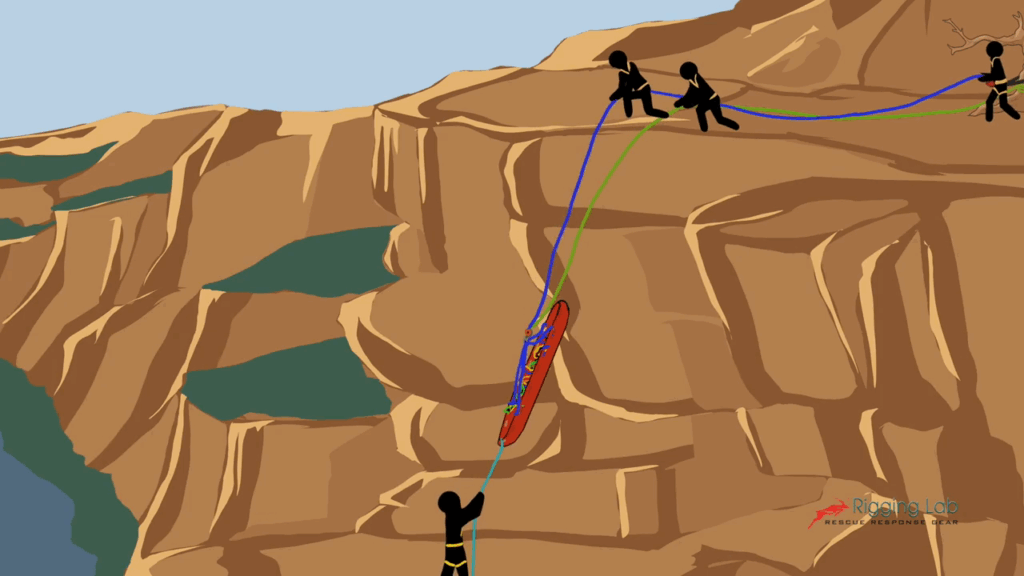
A Canyon That Demands Precision Canyon terrain strips away the luxury of improvisation. Jagged cliff lines, steep drops, and a winding river below create a space where only structured systems can succeed. When the rescue team arrived on scene, they began organizing near their vehicle. One group unpacked rope kits and a backboard, while another

Twin Tension Canyon Rescue Controlled Descent in Vertical Terrain Read More »

Trackline Skate Blocks and the Art of Horizontal Rope Rescue

Trackline Skate Blocks and the Art of Horizontal Rope Rescue

Trackline Skate Blocks and the Art of Horizontal Rope Rescue Not all rope rescues go up or down. Some go sideways—and those call for a different set of tools and skills. Trackline Skate Blocks solve the problem of horizontal movement across open spans, rough terrain, or tight industrial structures. In these situations, vertical lifts won’t

Trackline Skate Blocks and the Art of Horizontal Rope Rescue Read More »

dynamic hauling systems a-frame and monopod

Dynamic Directional Hauling with A-Frame and Monopod Systems

Dynamic Directional Hauling with A-Frame and Monopod Systems When a Straight Haul Isn’t Possible Some rescue environments—like confined spaces, vaults, or utility holes—don’t allow for a direct vertical haul. You may have obstacles, limited space, or poor anchor positioning. To solve this, rescuers use dynamic directional hauling, which means redirecting the rope path using multiple

Dynamic Directional Hauling with A-Frame and Monopod Systems Read More »

gin pole ahd rope rescue

Gin Pole AHD rope rescue

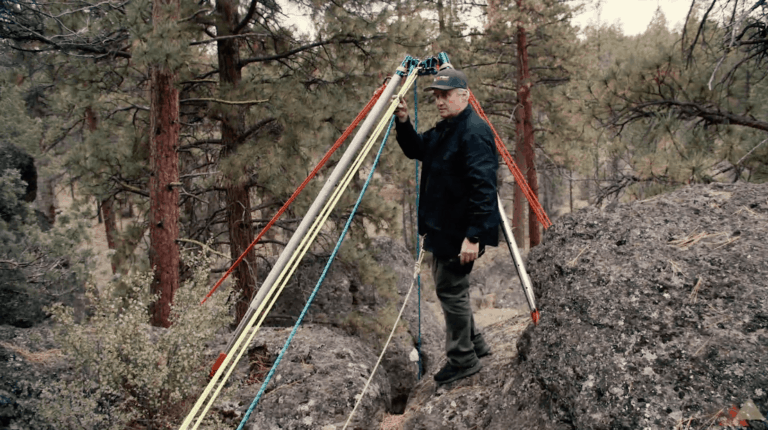
In rope rescue, artificial high directionals (AHDs) are force multipliers—not just for mechanical advantage, but for terrain navigation, edge management, and operational flow. Among the most versatile and efficient of these is the gin pole. Whether used in confined space, industrial tower rescue, or wilderness cliffside extractions, a properly configured gin pole offers clean vertical

Gin Pole AHD rope rescue Read More »

Establishing Bombproof Anchors

Bombproof Anchor

Bombproof Anchor In technical rescue and rope rigging, the term bombproof anchor carries a lot of weight — literally and figuratively. It’s one of those words that instantly tells a team, “this is the anchor we trust to hold everything.” But what does bombproof really mean? Is it just a strong tree or structure? Does

Bombproof Anchor Read More »

Replicating an Aerial Ladder with Timber

Replicating an Aerial Ladder with Timber

Replicating an Aerial Ladder with Timber: Creating a High Directional Anchor System In the world of technical rescue, improvisation can mean the difference between success and failure. While modern rescue teams rely heavily on specialized equipment like aerial ladders, there are times when these tools aren’t available—in remote wilderness locations, disaster zones, or during prolonged

Replicating an Aerial Ladder with Timber Read More »

Mastering High Angle Rescues Using Dual Rope Systems

Mastering High Angle Rescues Using Dual Rope Systems

Mastering High Angle Rescues Using Dual Rope Systems Mastering high angle rescues using dual rope systems is a crucial skill for any technical rescue team. These operations test the limits of adaptability, teamwork, and advanced rigging techniques. By focusing on dual rope systems, such as the Two Tension Rope System (TTRS), teams can ensure safe

Mastering High Angle Rescues Using Dual Rope Systems Read More »

Implementing Dual Artificial High Directional Systems for Trackline Offsets

Implementing Dual Artificial High Directional Systems for Trackline Offsets

Implementing Dual Artificial High Directional Systems for Trackline Offsets Implementing dual Artificial High Directional (AHD) systems for trackline offsets represents a significant leap forward in technical rescue operations. This innovative approach, integrating Two-Tension Rope Systems (TTRS) and strategic trackline setups, enhances safety, efficiency, and adaptability in complex rescue scenarios. By combining advanced rigging techniques with

Implementing Dual Artificial High Directional Systems for Trackline Offsets Read More »

Tripod English Reeve Setup

Tripod English Reeve Setup

Elements of a Tripod English Reeve The Tripod English Reeve setup is a cornerstone in technical rescue operations, combining strength, stability, and adaptability. This rigging configuration is highly versatile and can be adapted to various environments, from confined spaces to high-angle rescues. Its ability to manage loads efficiently and provide robust support makes it indispensable

Tripod English Reeve Setup Read More »

Two Rope Twin Tension Mini Offset

Two Rope Twin Tension Mini Offset

Two Rope Twin Tension Mini Offset: Bridging Backcountry and Fire Service Rescue The Two Rope Twin Tension Mini Offset is an intersection of backcountry rescue techniques and fire service methods often feels like a clash of ideologies. Yet, as the demand for efficient and adaptable rescue systems grows, these worlds are beginning to overlap in

Two Rope Twin Tension Mini Offset Read More »

Artificial High Directionals

Artificial High Directionals

The Ultimate Gear Guide for Artificial Highlines and Two-Tension Rope Systems In the world of technical rescue and rigging, the idea of creating an “ultimate gear list” may seem like a pipe dream. However, by narrowing our focus to gear that excels in versatility, efficiency, and reliability, we can establish a foundation for building highly

Artificial High Directionals Read More »

Two-Tension Rope System with Dynamic Directional Offset

Two-Tension Rope System with Dynamic Directional Offset

The Purpose of Training with Two Tension Rope Systems and Dynamic Directional Offsets Training and practical application go hand in hand in the field of technical rigging and rescue. Rarely can professionals adequately prepare for complex scenarios without structured vision and a clear understanding of fundamental principles. This is where systems like the Two Tension

Two-Tension Rope System with Dynamic Directional Offset Read More »

The Basics of How the Arizona Vortex Works

How the Arizona Vortex Works

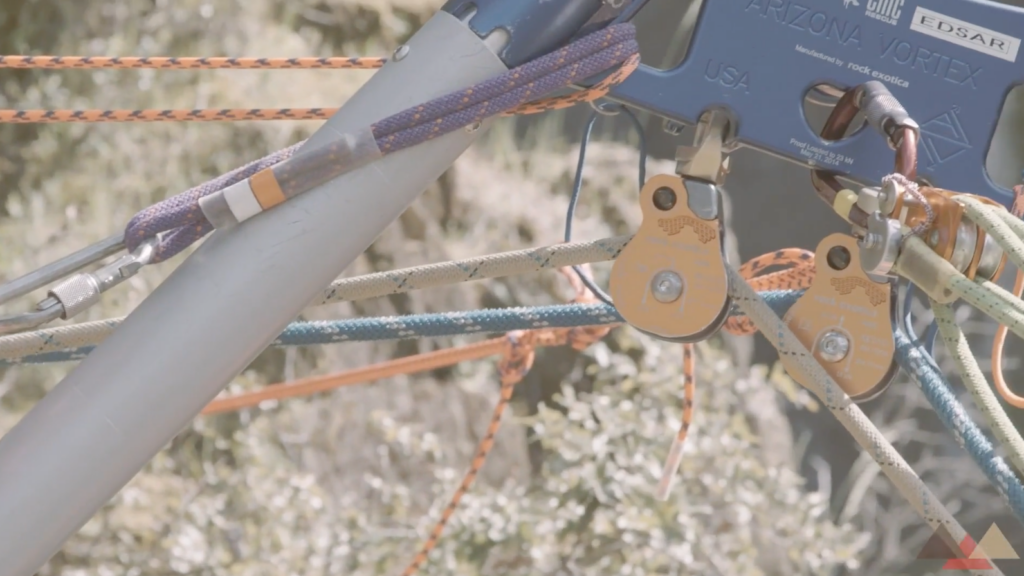
The Arizona Vortex is an indispensable tool in technical rope rescue operations, offering unmatched versatility and adaptability for handling complex edge transitions, hauling systems, and unique rescue scenarios. Its modular design allows rescuers to configure the Vortex for various situations, making it a critical component of advanced rescue kits. How the Arizona Vortex Works Key

How the Arizona Vortex Works Read More »

Planning Your Artificial High Directional

Planning Your Artificial High Directional

Planning Your Artificial High Directional Artificial High Directionals (AHDs) are indispensable tools in technical rescue and rigging operations, offering solutions for complex scenarios like edge transitions, confined spaces, and high-angle rescues. The versatility of AHDs makes them a favorite among rescue teams, but their effectiveness depends on proper planning and deployment. This guide explores how

Planning Your Artificial High Directional Read More »