Rope systems

Frictionless Advantage Enhancing Arborist Safety and Efficiency

The Frictionless Advantage Enhancing Arborist Safety and Efficiency

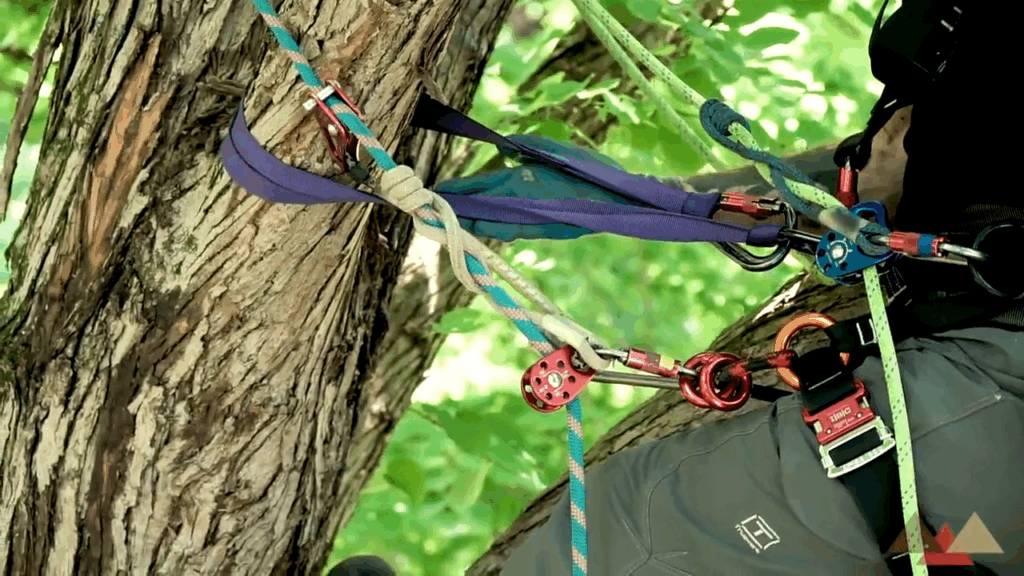
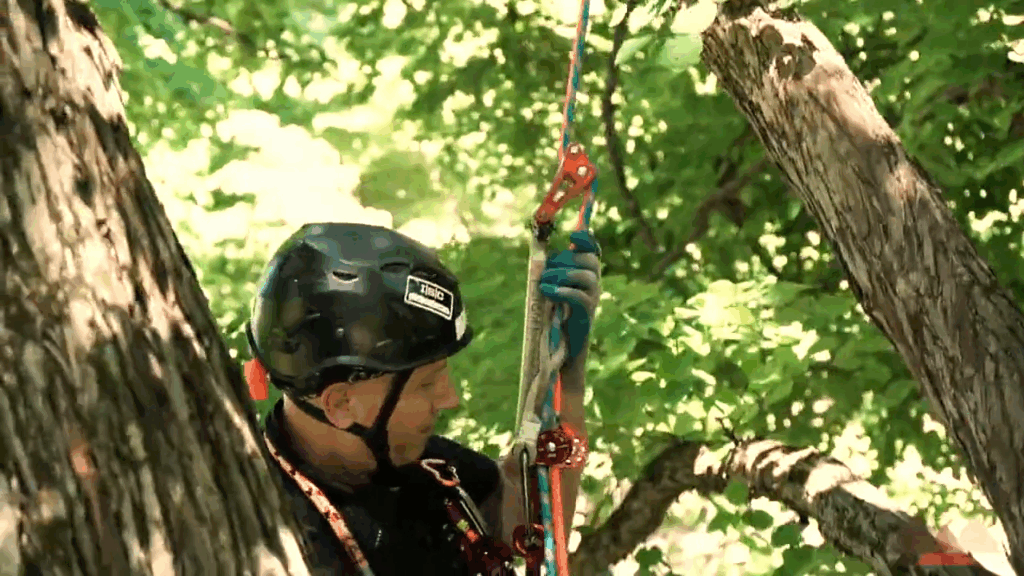
For the arborist, moving through a tree’s canopy is a highly skilled craft. It requires an understanding of physics, a trusting relationship with your gear, and a strategic eye for the tree’s natural shape. Traditional climbing methods, while effective, often use hardware that creates significant friction. This friction can make every adjustment a struggle, slowing […]

The Frictionless Advantage Enhancing Arborist Safety and Efficiency Read More »

dual mirror arborist system

Dual and Mirrored Rope Systems in Arborist Work Techniques

Dual and Mirrored Rope Systems in Arborist Work Techniques In arborist work, safety and efficiency depend on the reliability of the systems used to position and secure the climber. Dual and mirrored rope systems have emerged as a preferred approach in both work positioning and aerial rescue, offering redundancy, balanced load sharing, and enhanced mobility

Dual and Mirrored Rope Systems in Arborist Work Techniques Read More »

arbor rope access

Rope Access Techniques in Arbor Work

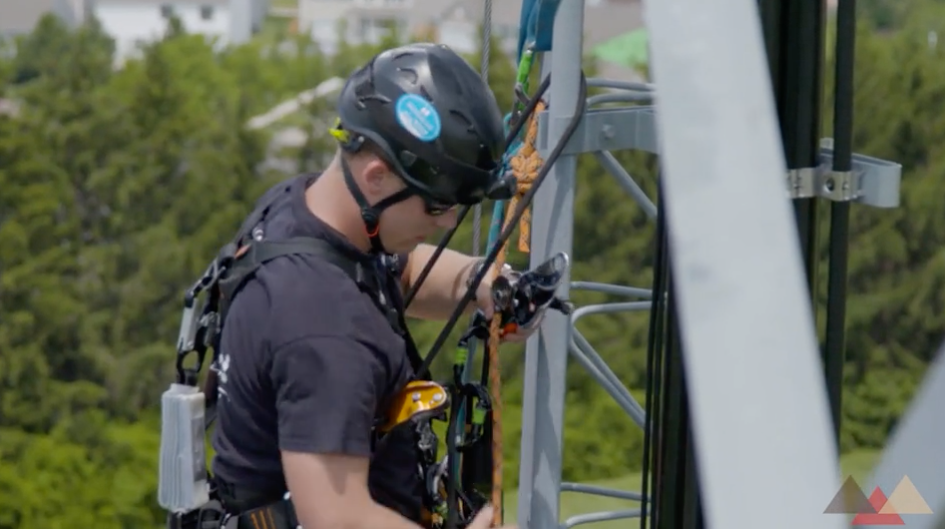
What Is Rope Access? Rope access is a method of working at height using ropes, harnesses, and friction devices. In arbor work, it allows arborists to move vertically and position themselves securely within a tree canopy. These systems rely on safe anchors and friction-managed descent tools to control movement. Instead of climbing with ladders or

Rope Access Techniques in Arbor Work Read More »

rappelling with the clutch

Rappelling with the CLUTCH Device for Technical Rescue

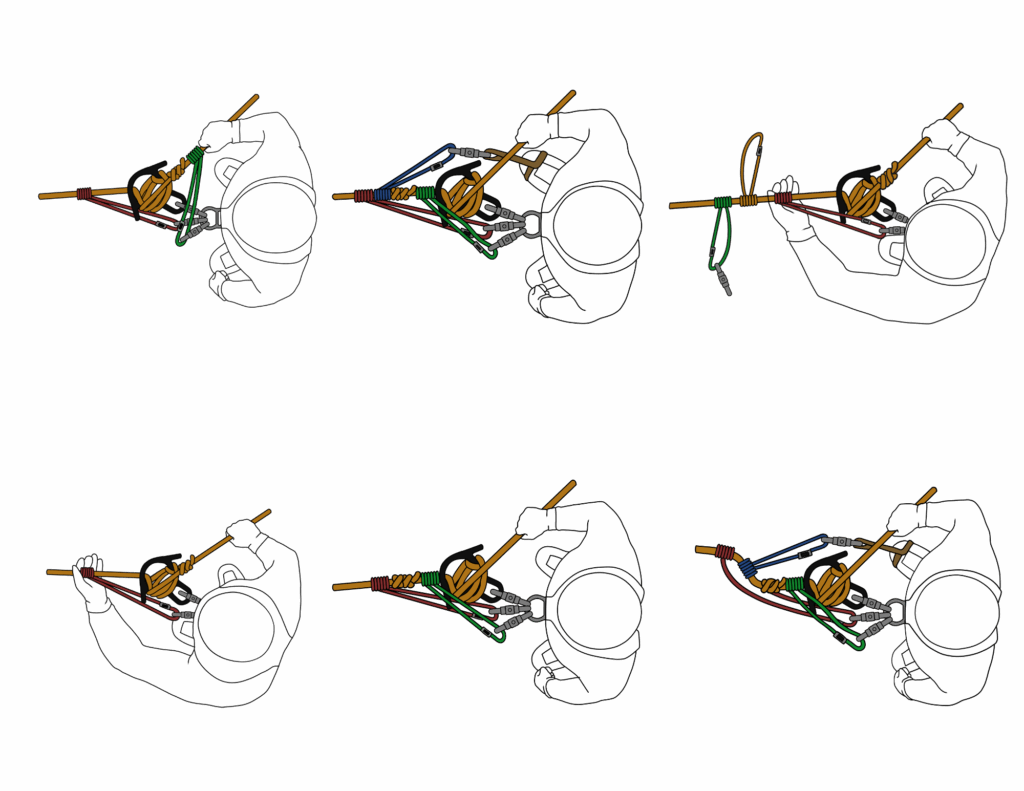
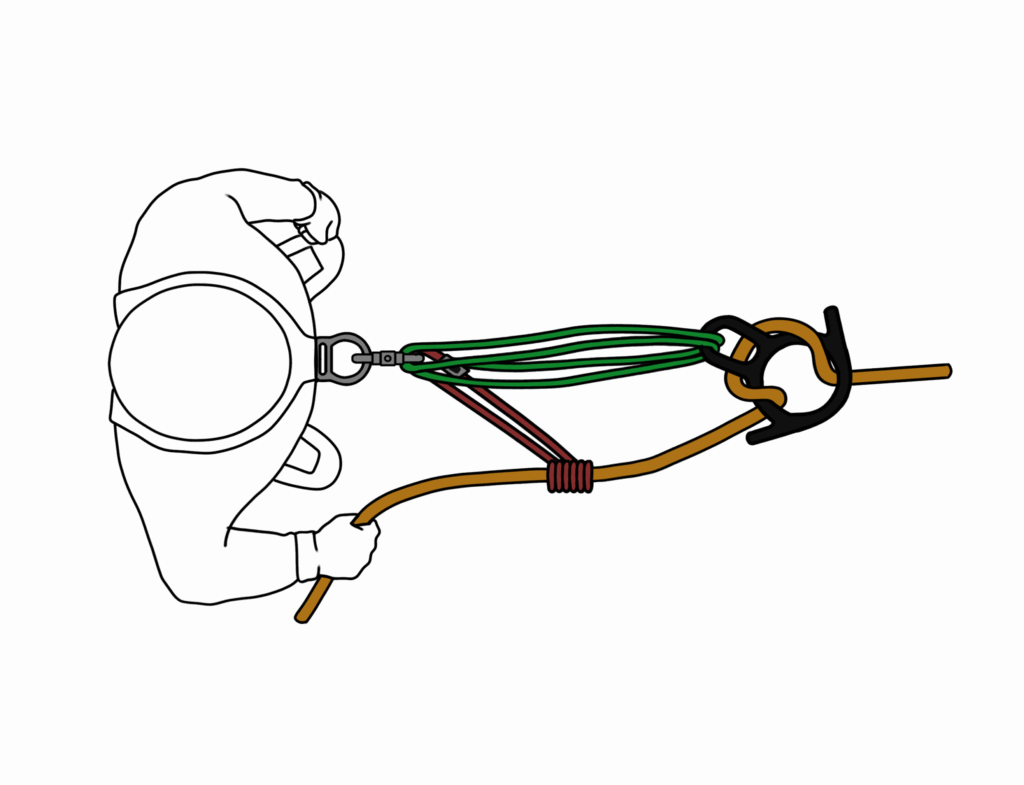
Rappelling with the CLUTCH Device for Technical Rescue The CLUTCH, co-engineered by CMC and Harken Industrial, has rapidly become a trusted standard in rope rescue and tactical descent systems. Designed for precise control and operational versatility, the CLUTCH serves as a multi-role mechanical device capable of rappelling, belaying, lowering, and hauling—all in one compact form.

Rappelling with the CLUTCH Device for Technical Rescue Read More »

tactical rappel

Tactical Rappel Techniques for Rapid Descent and Urban Rescue

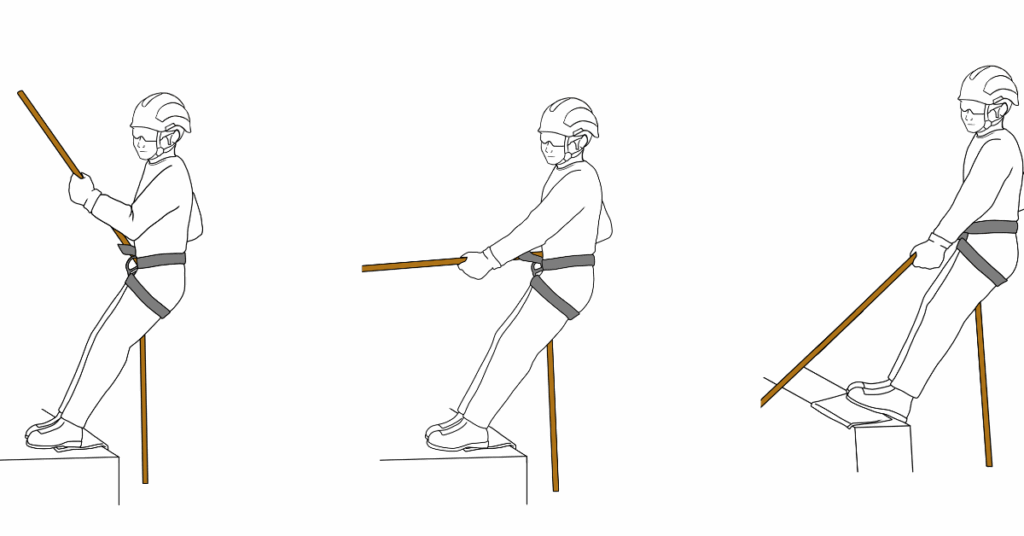
Tactical Rappel Techniques for Rapid Descent and Urban Operations The tactical rappel is a high-speed descent technique used in military, law enforcement, and technical rescue missions. Unlike traditional recreational rappelling, tactical rappels prioritize speed, stealth, and precision. These techniques are used to rapidly insert personnel into hostile environments, evacuate victims, or gain vertical access in

Tactical Rappel Techniques for Rapid Descent and Urban Rescue Read More »

Retrievable Rope Rappel Techniques

Retrievable Rope Rappel Techniques

Retrievable Rope Rappel Techniques Retrievable rope systems have become a cornerstone of efficient, environmentally conscious rope work—especially in canyoneering, alpine climbing, and technical rope rescue. These systems allow a climber or technician to descend terrain and then recover their rope without leaving gear behind. When used correctly, retrievable rappel techniques conserve equipment, reduce environmental impact,

Retrievable Rope Rappel Techniques Read More »

Rope Access Pick-Off Rescue for Tower Workers - antenna tower and caged ladder rescue

High Angle Heroes Navigating the Complexities of Antenna Tower and Caged Ladder Rescue

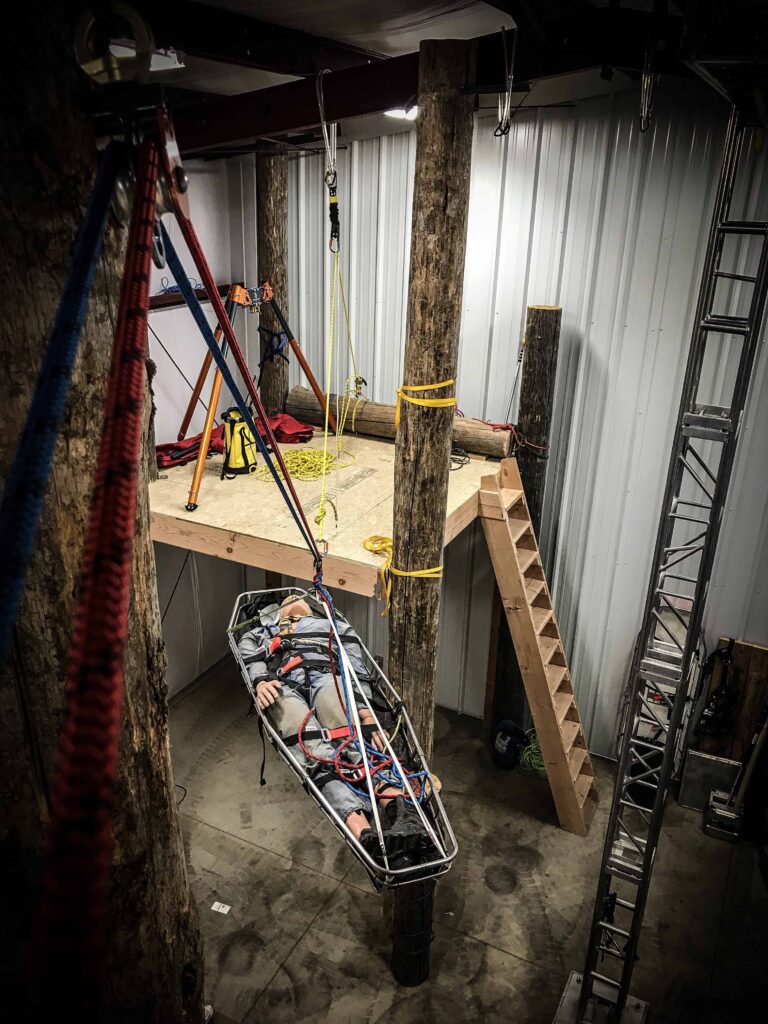
High Angle Heroes Navigating the Complexities of Antenna Tower and Caged Ladder Rescue The modern skyline is dotted with structures that reach hundreds—sometimes thousands—of feet into the air: antenna towers, wind turbines, power transmission poles, and industrial caged ladders. As critical as they are to communications and infrastructure, they present one of the most formidable

High Angle Heroes Navigating the Complexities of Antenna Tower and Caged Ladder Rescue Read More »

Fundamentals of Rigging in Rescue Operations -English and Reverse Reeve Systems for Highline Rescue

English and Reverse Reeve Systems for Highline Rescue

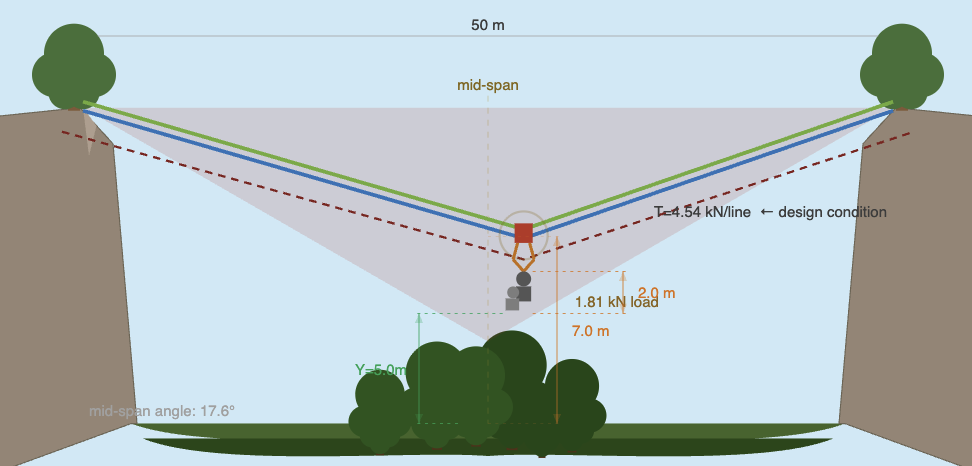
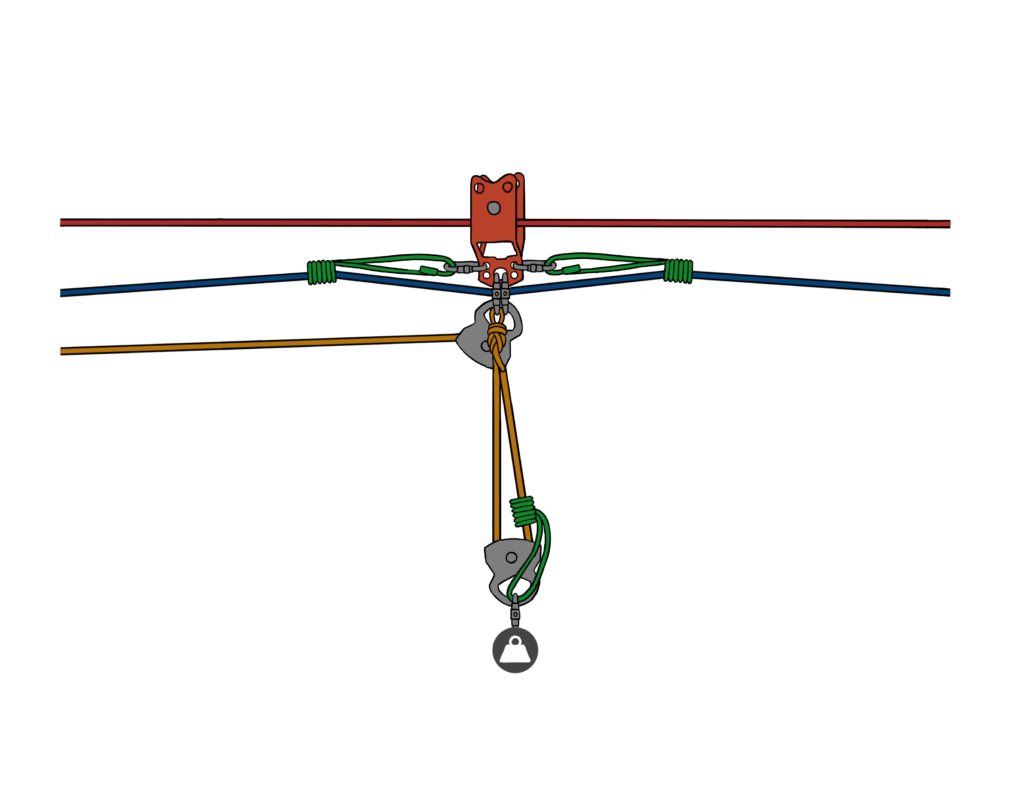
Highline Rescue Requires Precision In rope rescue operations, moving a load across horizontal or diagonal spans—whether suspended from high directionals or tensioned lines—demands a system that’s not only stable and redundant, but also dynamically adjustable under load. This is where English Reeve and Reverse Reeve systems shine. Both reeving systems offer unique advantages depending on

English and Reverse Reeve Systems for Highline Rescue Read More »