
Negotiating a Difficult Start in Rappelling
Starting a rappel from a clean ledge is one thing—starting from a rooftop, parapet, or overhanging cliff is another entirely. Difficult starts are where the margin for error narrows and technique matters most. Whether you’re stepping off a sharp edge, transitioning from a seated position, or straddling a parapet, the beginning of the descent sets the tone for the entire operation.
Maintaining control and balance during the initial transition is critical. The best rappellers know that finesse, not speed, wins the first few feet.
Framing the Edge: How to Approach the Start
Before you even load your descent device, you should be thinking about your body position and rope management:
-
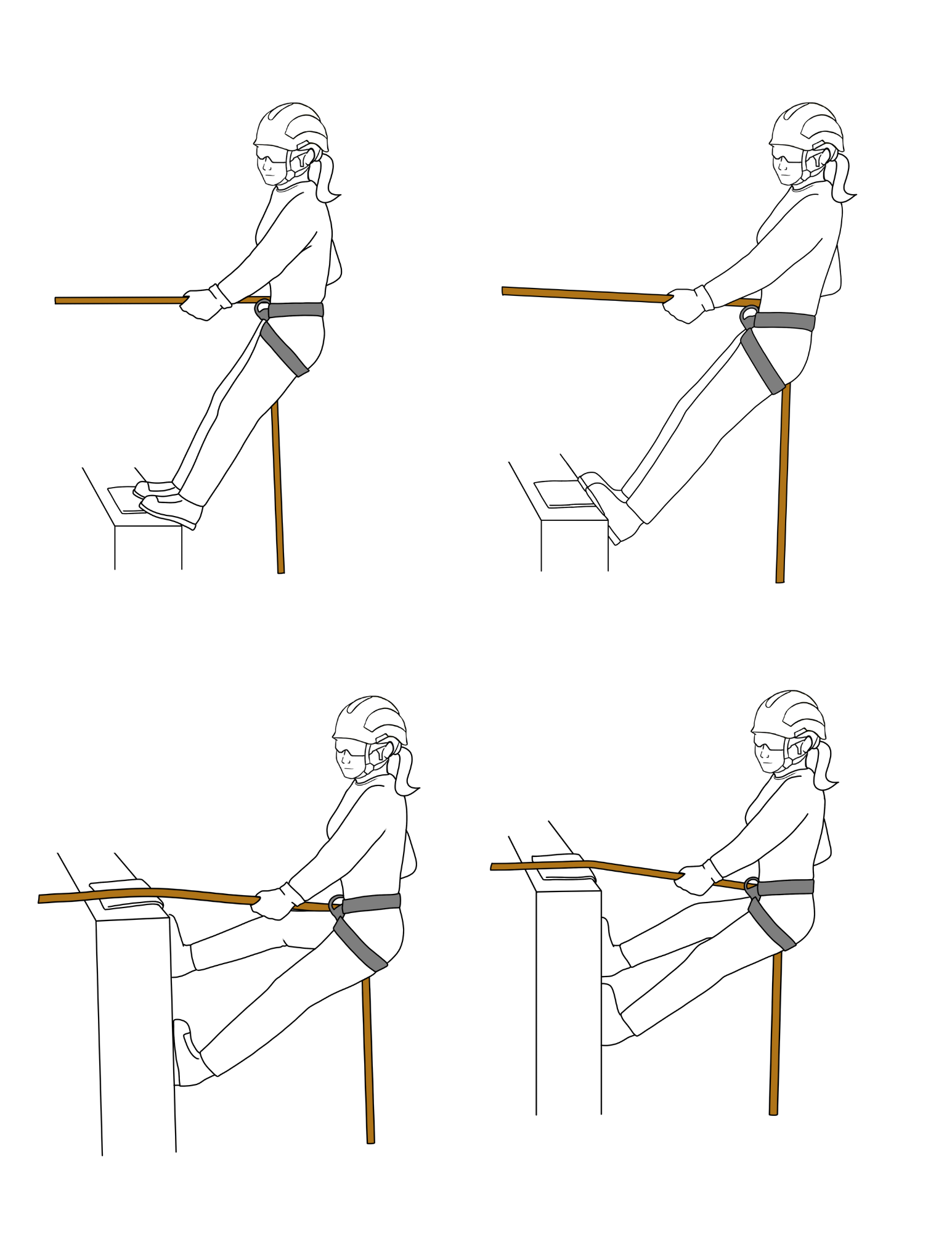
Stand near the edge with your feet stable and shoulder-width apart. This gives you a balanced foundation before loading the rope.
-
Lean back slightly to engage the rope system and maintain consistent friction through your descent device.
-
If the anchor is below waist level or offset, descend carefully—stepping down one foot at a time to prevent tipping or slipping forward.
-
Keep both hands on the rope—brake hand managing descent control, and guide hand assisting balance and positioning.
Techniques for Complex Edge Starts
Some rappels don’t start with your feet planted—they start with you sitting, straddling, or hanging. These scenarios are common on parapets, catwalks, or rooftops, and each requires methodical execution.
For edge transitions with no standing platform:
-
Set your descent device properly before movement. Confirm it is locked or loaded correctly before shifting weight.
-
Keep tension in your brake hand as you slide toward the edge. Never let slack build.
-
Use your free hand to stabilize yourself—against the wall, the anchor point, or the structure itself.
-
Press your feet or knees against the wall as needed to gain traction if slipping.
-
Bend your knees slightly to manage your center of gravity and avoid a sudden drop or swing.
If rappelling from a parapet or similar barrier:
-
Straddle the edge to increase stability during the transition.
-
Test your flexibility and gear placement before shifting weight—ensure nothing snags or limits motion.
-
Once balanced, gradually load the rope and begin descent, keeping the descent device close to your harness.
Confidence Through Practice
Every edge is different. Practicing varied starts—from clean ledges to awkward parapets—builds muscle memory and confidence. The key is consistency:
-
Always maintain at least three points of control: two feet and one hand, or two hands and a foot, depending on the movement.
-
Communicate with your team if additional support or tensioning is needed.
-
Stay calm and deliberate—jerky, rushed movements at the edge increase the chance of error.
A controlled start not only ensures a smooth rappel but also prevents complications that could escalate mid-descent. It’s not just about getting over the edge—it’s about setting the tone for a safe and successful operation.
Peace on your Days
Lance