Mainline Systems and Operations

Balancing Costs in Rope Rescue Rigging - Dynamic Directionals in Rope Rescue

Dynamic Directionals in Rope Rescue

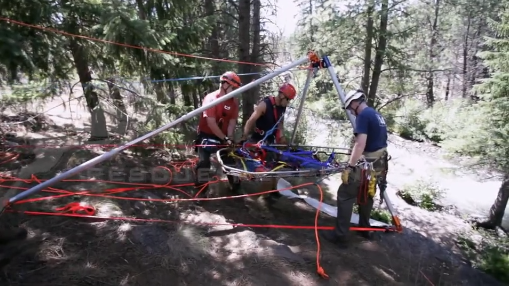
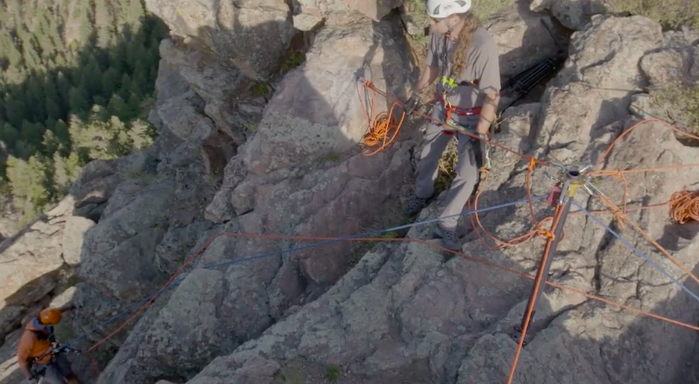
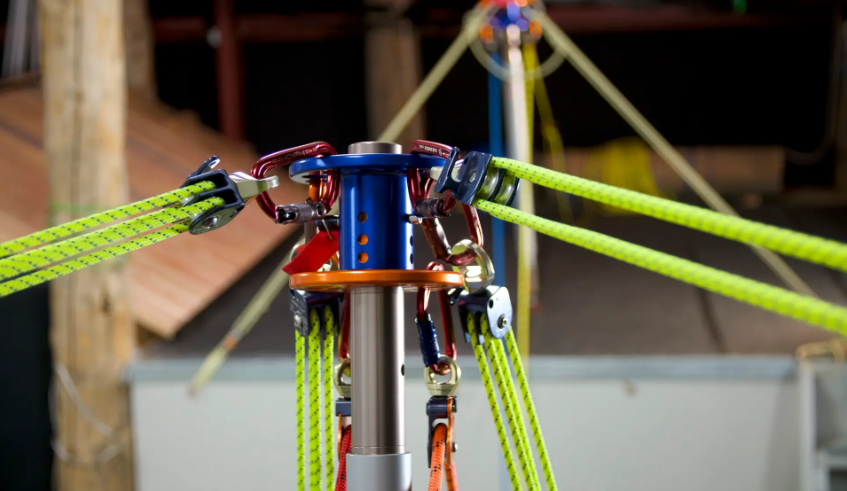
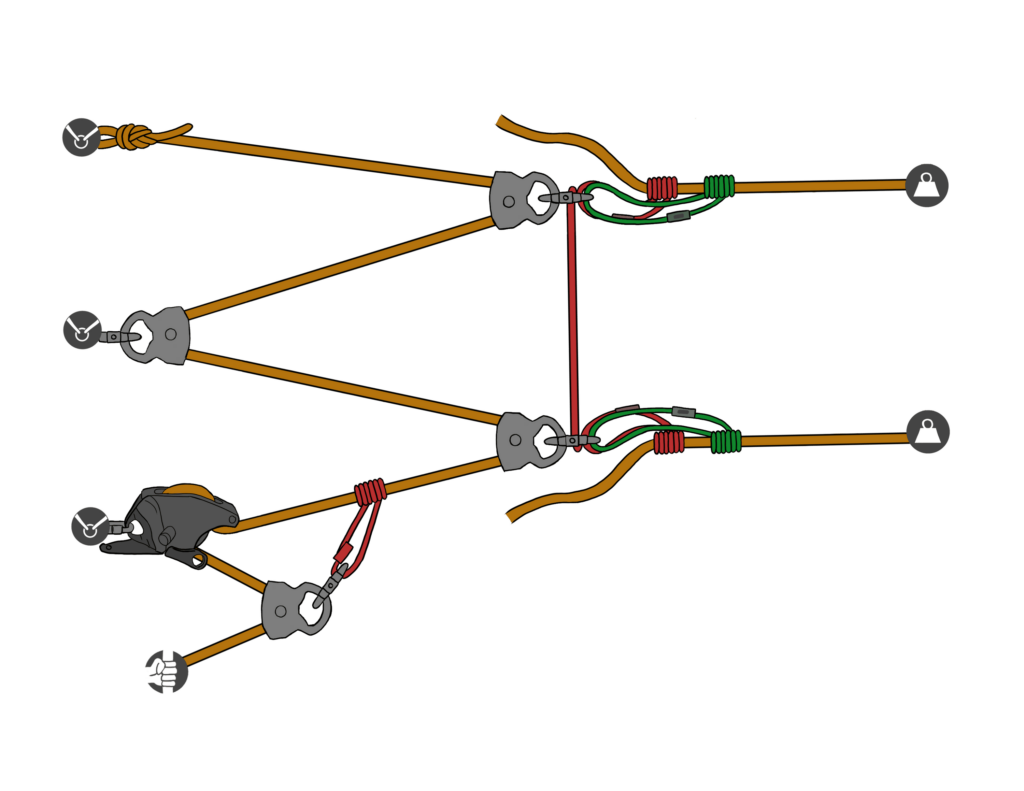
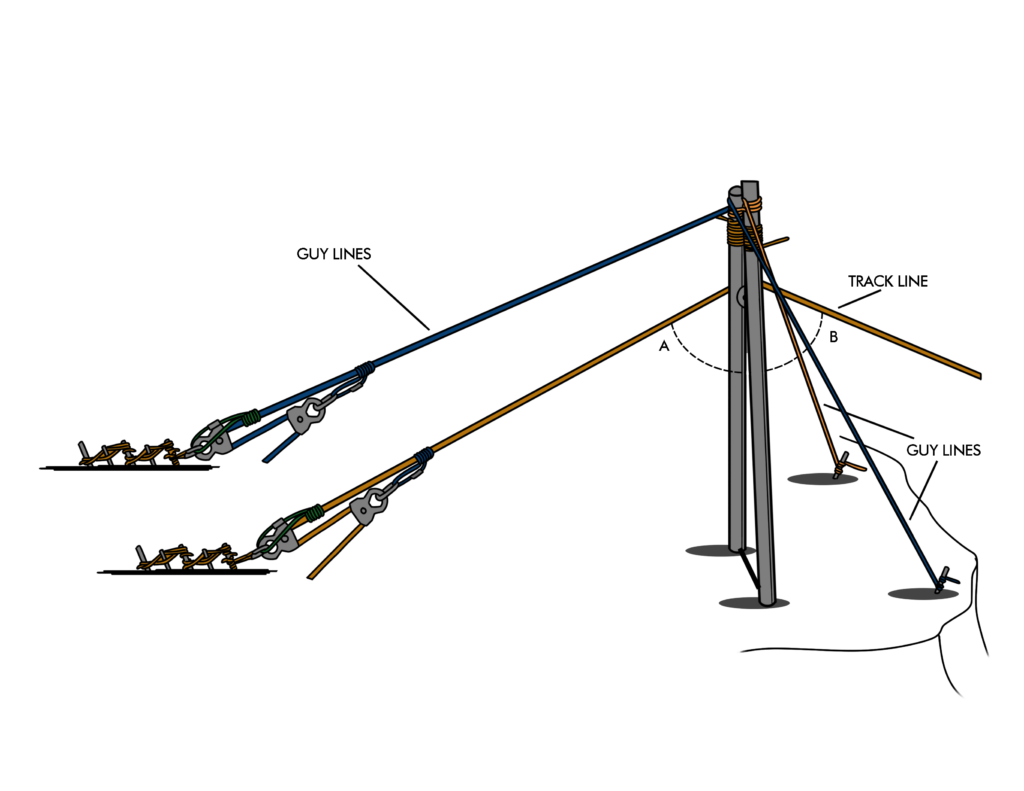
High Directional Systems in Rope Rescue A high directional is a crucial component in rope rescue operations, used to elevate the rope system above the rescue scene. By raising anchor points, high directionals enable safer, more efficient rescue operations across various challenging environments. Definition and Purpose A high directional is a rigged system designed to: […]

Dynamic Directionals in Rope Rescue Read More »
Patient Packaging and Raise/Lower Techniques

Patient Packaging and Raise/Lower Techniques

Patient Packaging and Raise/Lower Techniques: Building Essential Skills for Technical Rescue Technical rescue often involves navigating challenging terrains, high-risk environments, and critical medical conditions. One of the most essential skills for any rescue team is mastering patient packaging and raise/lower techniques. These practices ensure the patient is secure, safe, and stable during extrication, while also

Patient Packaging and Raise/Lower Techniques Read More »

Advanced AHD Training

Advanced AHD Training

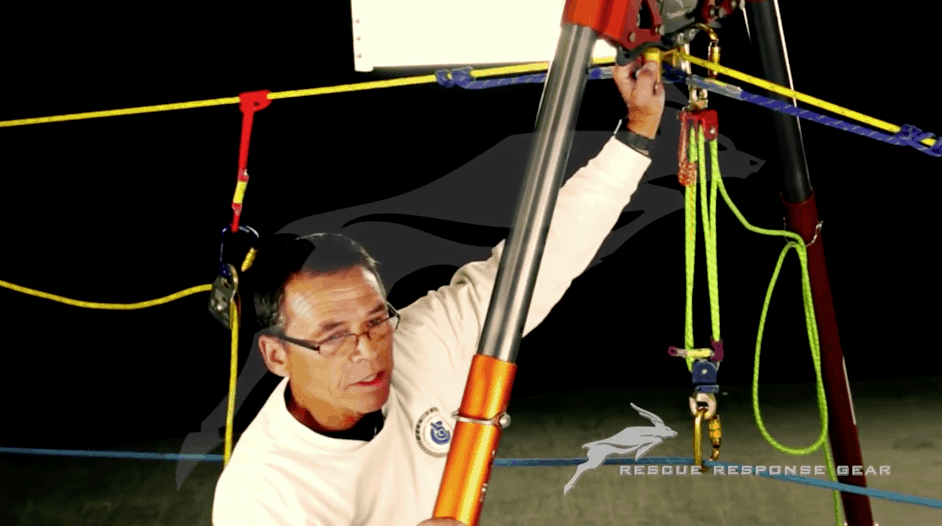
Expanding Knowledge: AHDs and Advanced Rescue Techniques In rescue operations, versatility and precision are paramount, and Artificial High Directionals (AHDs) offer unparalleled adaptability for overcoming complex challenges. A recent training program focused on equipping a rescue team with advanced AHD techniques and essential rigging systems. The goal was not only to refine technical skills but

Advanced AHD Training Read More »

high-angle-rescues

High Angle Rescues

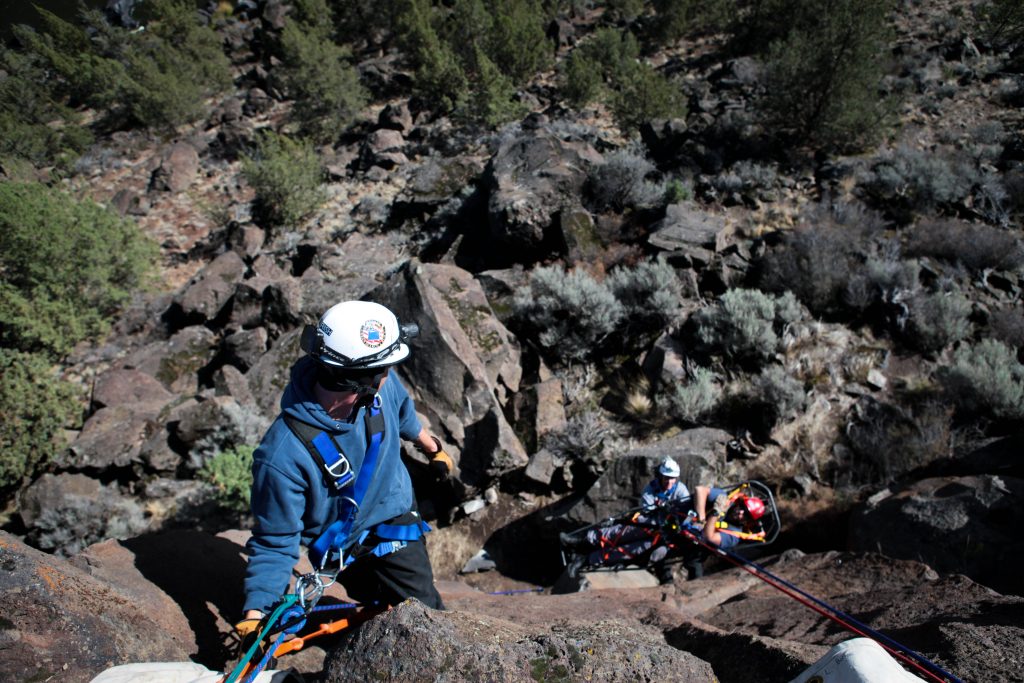
Precision Techniques for High Angle Rescue Operations High-angle rescue operations require a precise blend of strategy, skill, and reliable equipment to ensure the safe and efficient transition of loads such as litters. Whether raising or lowering a load over a challenging edge, artificial high directionals (AHDs), rope systems, and mechanical advantage setups play a pivotal

High Angle Rescues Read More »

Mastering High Angle Rescues

Mastering High Angle Rescues

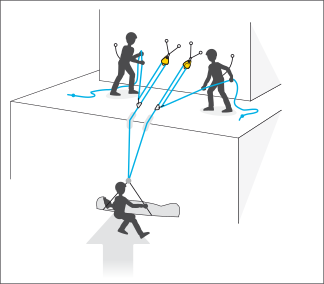
High-angle rescues present unique challenges, particularly when raising a litter over an edge. Utilizing Artificial High Directionals (AHDs) such as monopods can significantly enhance stability and efficiency during these operations. This guide explores effective rigging systems, ensuring redundancy, and facilitating smooth transitions in high-angle rescue scenarios. Understanding Artificial High Directionals (AHDs) Artificial High Directionals are

Mastering High Angle Rescues Read More »

Mastering Mainline Systems

Mastering Mainline Systems

Mastering Mainline Systems Mastering Mainline Systems is about having the ability to effectively raise and lower a mainline system is essential in rescue operations, where safety, efficiency, and control are paramount. At the heart of this capability lies a deep understanding of system design, pre-planning, and mechanical principles. Mastery of these elements ensures not only

Mastering Mainline Systems Read More »

Major Taglines in Rigging T-Method mechanical advantage

Major Taglines in Horizontal Rigging

Expanding the Concept of Major Taglines in Horizontal Rigging Major taglines are an essential tool in horizontal rigging, valued for their ability to maintain safety, efficiency, and simplicity in operations over wide gaps and challenging terrain. They form a critical part of the rigging toolbox, particularly when compared to other horizontal systems like highlines or

Major Taglines in Horizontal Rigging Read More »

Prusik Hitches in Mechanical Advantage

Prusik Hitches in Mechanical Advantage

Understanding Prusik Hitches in Mechanical Advantage Systems: Friction, Efficiency, and Real-World Use The Prusik hitch is a fundamental tool in technical rope systems, renowned for its simplicity, versatility, and reliability. However, its use in mechanical advantage (MA) systems often sparks debate, particularly around the topic of friction and efficiency. This article delves into the nuances

Prusik Hitches in Mechanical Advantage Read More »

Anchors TTRS and Hauling Systems

Anchors TTRS and Hauling Systems

Understanding anchors, Tensioned Twin Rope Systems (TTRS), and hauling systems isn’t just about rigging; it’s about safety, efficiency, and adaptability in high-pressure situations. These systems form the backbone of rescue and rigging operations, ensuring stability and control when it matters most. 1. Anchors: The Bedrock of Stability A strong anchor is the foundation of every

Anchors TTRS and Hauling Systems Read More »

Mastering Knot Passing in Rigging- Pulleys and PCDs ensure safety in MA systems. Discover fixed/movable pulleys and progress capture devices for controlled rescues.

Pulleys and Progress Capture Devices

Mechanical Advantage Systems in Rescue Operations: The Role of Pulleys and Progress Capture Devices In the world of rescue operations, pulleys and progress capture devices (PCDs) play essential roles in ensuring safety, control, and efficiency. Pulleys redirect and multiply forces, making lifting possible with reduced effort, while PCDs ensure that the load remains stable, preventing

Pulleys and Progress Capture Devices Read More »

Mechanical Advantage Systems

Complex Mechanical Advantage Systems

Complex Mechanical Advantage Systems Complex MA systems are essential for heavy-load rescue situations, where substantial lifting power is needed. These systems utilize compound configurations, where multiple MA setups work together to multiply force, or intricate arrangements, where pulleys operate at different speeds and directions relative to the load. Types of Complex MA Systems Compound Systems:

Complex Mechanical Advantage Systems Read More »

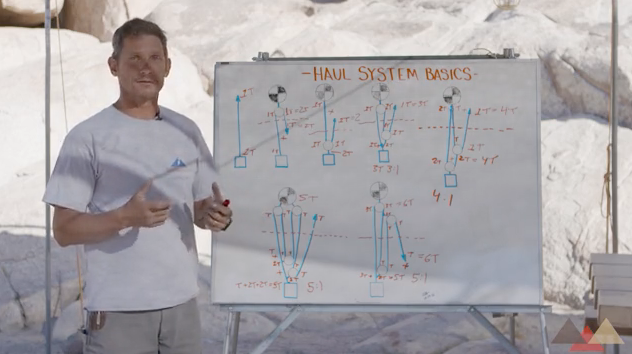
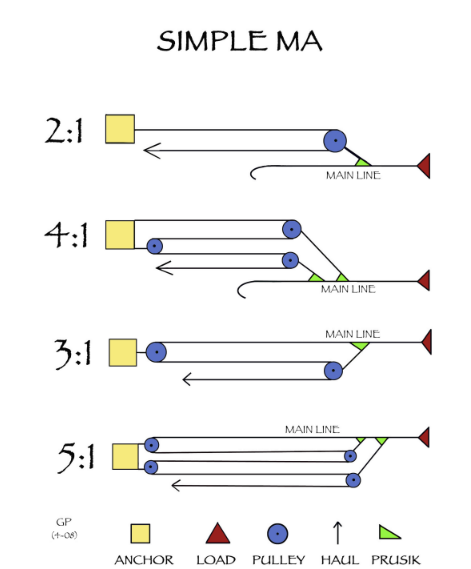
Basic mechanical advantage systems enable efficient lifting with simple pulleys. Learn the essentials of the 3:1 Z-rig for safe rescues - How is Weight Redistributed Through a 3:1 Mechanical Advantage System? - Eccentric Progress Capture in Mechanical Advantage Systems

Basic Mechanical Advantage Systems in Rescue Operations

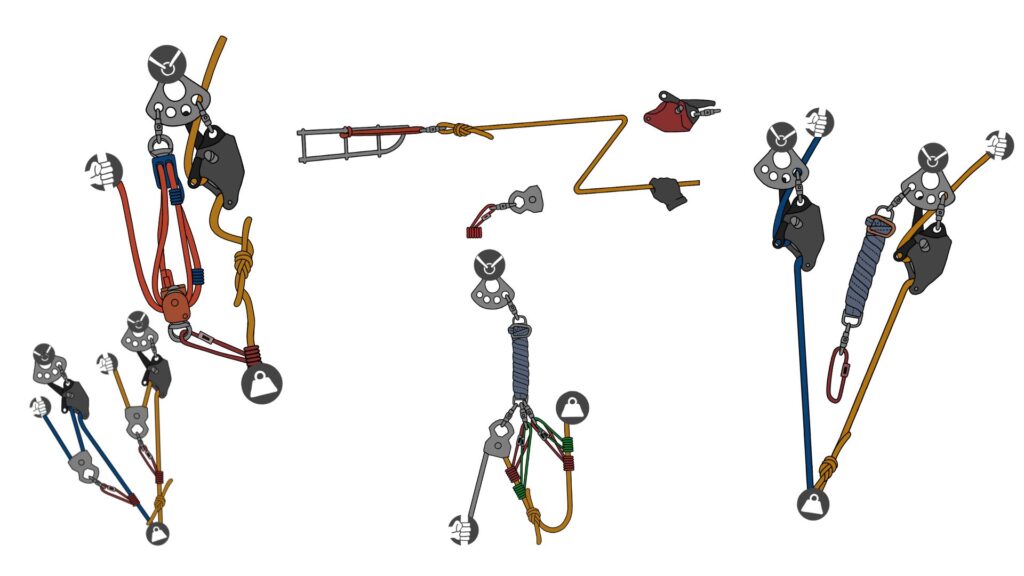
Basic Mechanical Advantage Systems & Simple Pulley Setups For many rescue scenarios, simplicity is key. Basic MA systems, like the 3:1 “Z-rig,” use straightforward pulley configurations to achieve force multiplication. The Z-rig setup resembles a “Z” shape and can effectively reduce the amount of effort needed to lift a load. For instance, applying 100 pounds

Basic Mechanical Advantage Systems in Rescue Operations Read More »

Dynamic directional offset system

Real-World Applications of Knots and Force Multipliers

In rope rescue, the true test of skills comes in real-world applications where every knot and force-multiplying system plays a critical role. Whether in fire service or search and rescue (SAR), the stakes are high, and the right choice of knots and force multipliers can mean the difference between success and failure. This final part

Real-World Applications of Knots and Force Multipliers Read More »

Safety Knots for Force-Multiplying Systems-Trackline Skate Block Using Gin Pole

Safety Knots for Force Multiplying Systems

In rope rescue, safety is paramount, especially when working with force-multiplying systems that handle significant loads. Every knot has distinct characteristics that affect the overall safety and stability of the system, making knot choice crucial for avoiding slippage, maintaining tension, and ensuring the system remains secure under load. For fire service and SAR professionals, understanding

Safety Knots for Force Multiplying Systems Read More »

Knots and Force Multipliers in Anchor Systems

Knots and Force Multipliers in Anchor Systems

In rope rescue, setting up reliable high-directional and anchor systems is essential for managing complex scenarios and ensuring safety. Knots play a crucial role here, not only in securing anchors but also in optimizing force multipliers that allow rescuers to operate efficiently and effectively. For fire service and SAR teams, choosing the right knot for

Knots and Force Multipliers in Anchor Systems Read More »

Balancing Online and Hands-On Training -Knots for Force Multiplication in Rope Rescue - Steep Highline Calculations and Rigging Techniques

Knots for Force Multiplication in Rope Rescue

In rope rescue operations, the importance of proper knot selection cannot be overstated. Beyond tying secure connections, the right knots can significantly impact the efficiency, safety, and effectiveness of force multiplication within a system. For professionals in fire service and search and rescue (SAR), understanding how each knot influences load distribution and force management is

Knots for Force Multiplication in Rope Rescue Read More »

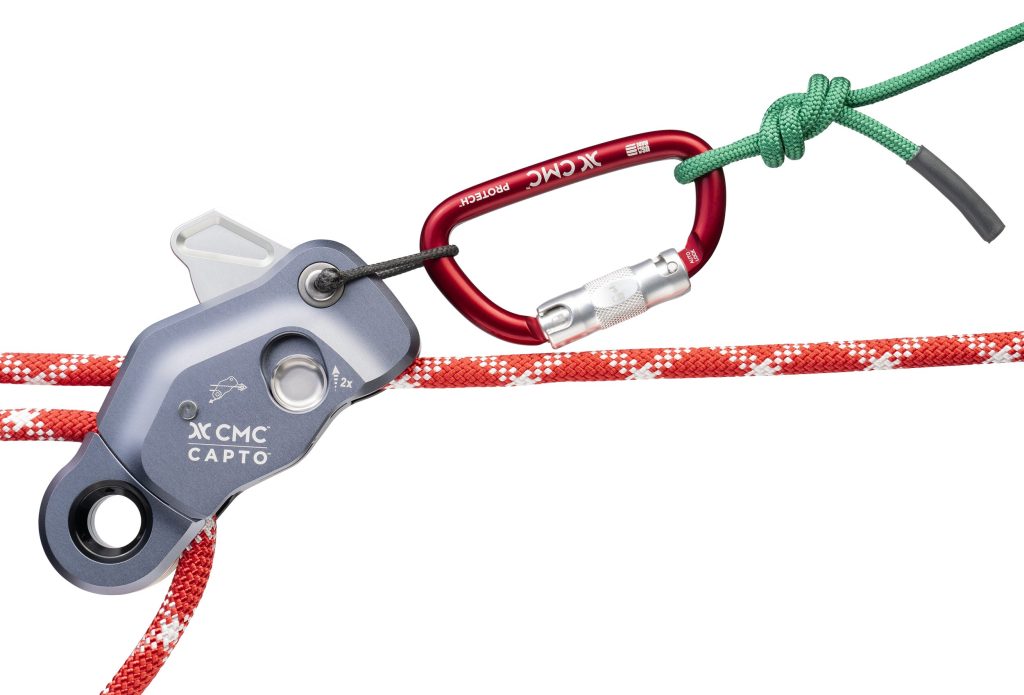
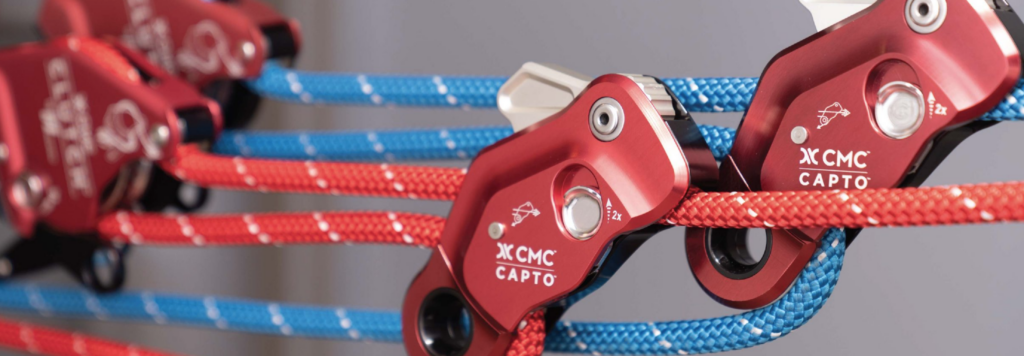
The CMC Capto integrates multiple rescue functions into one tool, reducing gear weight and complexity while ensuring high safety standards.

CMC Capto: Simplifying Rescue Operations

In the world of rope rescue, efficiency and safety are critical. Innovations like the CMC Capto are transforming how rescuers build and optimize their systems, offering better control, adaptability, and reliability. This blog explores the fundamentals of rope rescue systems, the role of the CMC Capto, and how it can enhance your rescue operations. We’ll

CMC Capto: Simplifying Rescue Operations Read More »

The CMC Capto’s ability to streamline complex systems while ensuring safety makes it an invaluable tool for modern rope rescue operations. Rescucender vs Capto vs Prusik

The CAPTO and CLUTCH Mechanical Advantage System

Welcome to a new era in rope access and rescue operations, where innovation meets simplicity. In the world of technical rope work, the challenges of complexity, safety concerns, and limited versatility have met their match. Introducing CAPTO and CLUTCH – a dynamic duo designed to transform the way technicians approach their work. The following is

The CAPTO and CLUTCH Mechanical Advantage System Read More »

rescue equipment essentials

20-80 Rule for Rescue Gear and Mechanical Advantage Systems

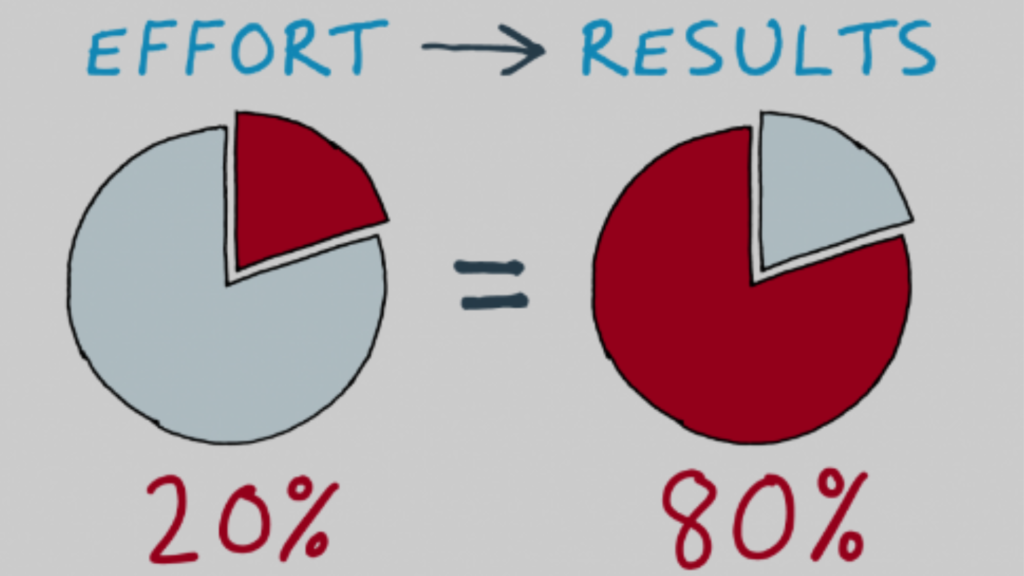
20-80 Rule for Rescue Gear and Mechanical Advantage Systems Introduction The 20-80 rule shows that 20% of gear and techniques cover 80% of challenges in rescue operations. This is especially relevant for mechanical advantage systems (lifting and lowering setups) and essential rescue gear like multi-use devices, carabiners, and pulleys. By focusing on these core elements,

20-80 Rule for Rescue Gear and Mechanical Advantage Systems Read More »

Pareto’s Principle in Leadership and Rope Rescue - Pareto Efficiency in Rope Rescue

20-80 Rule in Knot Tying and Rigging

20-80 Rule in Knot Tying and Rigging Introduction In rescue operations, the 20-80 rule plays a pivotal role in efficiency—20% of the essential techniques address 80% of rescue scenarios. This is particularly true when it comes to knot tying and rigging, where focusing on core skills can significantly improve operational performance. In this blog, we’ll

20-80 Rule in Knot Tying and Rigging Read More »