Portable Anchors

Twin Rope System for Industrial Rope Access + Can I Lash the Legs (AHD) to a Handrail? - NFPA G Rated Rope and Rescue Standards

Twin Rope System for Industrial Rope Access

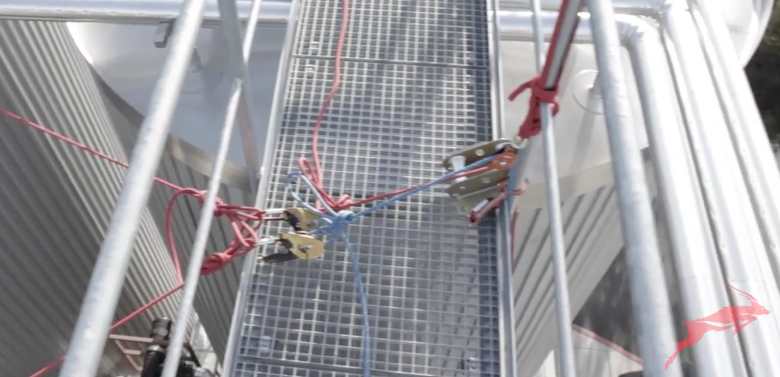
The V Anchor System in Industrial Rope Access 1. Why the V Anchor? The V anchor is a versatile and efficient method for configuring anchor points, allowing users to select a focal point that aligns with the desired place of work. It is ideal for scenarios where precision is critical. Versatility: Applicable in various configurations, […]

Twin Rope System for Industrial Rope Access Read More »

Safety Knots for Force-Multiplying Systems-Trackline Skate Block Using Gin Pole

Safety Knots for Force Multiplying Systems

In rope rescue, safety is paramount, especially when working with force-multiplying systems that handle significant loads. Every knot has distinct characteristics that affect the overall safety and stability of the system, making knot choice crucial for avoiding slippage, maintaining tension, and ensuring the system remains secure under load. For fire service and SAR professionals, understanding

Safety Knots for Force Multiplying Systems Read More »

Petzl JAG System, 4:1 mechanical advantage, rescue gear, compact hauling system, tensioning system, pickoff rescue equipment, Petzl pulleys, Am'D TRIACT-LOCK carabiners.

Petzl JAG System for Rescue Operations

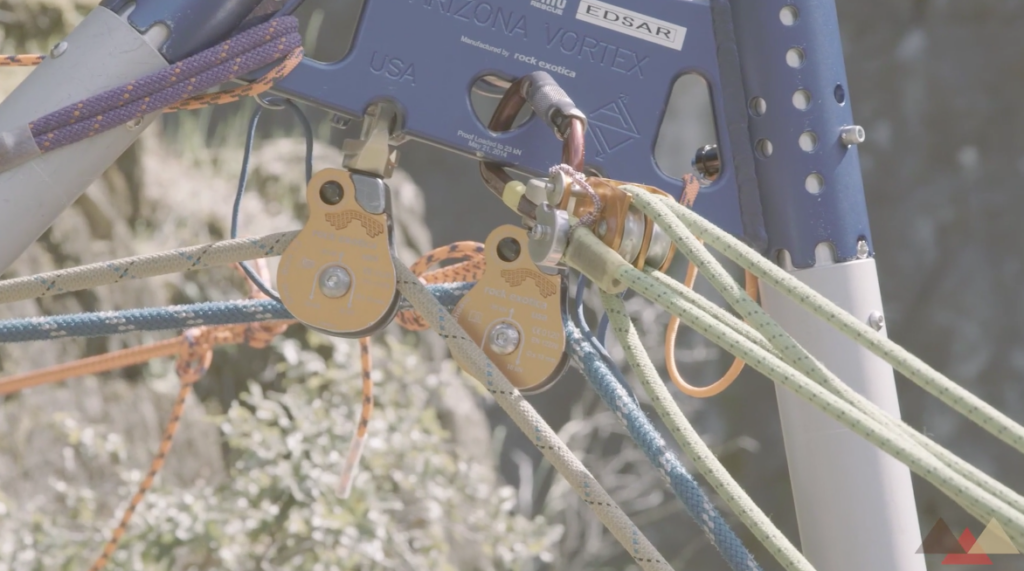
The Petzl JAG System is an essential and versatile tool in rescue and rigging applications, designed for high-efficiency hauling and tensioning tasks. It is ideal for use in pickoffs, creating releasable anchors, and tensioning systems, with the flexibility to handle confined spaces or complex rescues. The system’s compactness allows it to be deployed in tight

Petzl JAG System for Rescue Operations Read More »
Vector Forces and Rigging Mechanics in Rope Rescue - T-Method for Pulley Efficiency

Vector Forces and Rigging Mechanics in Rope Rescue

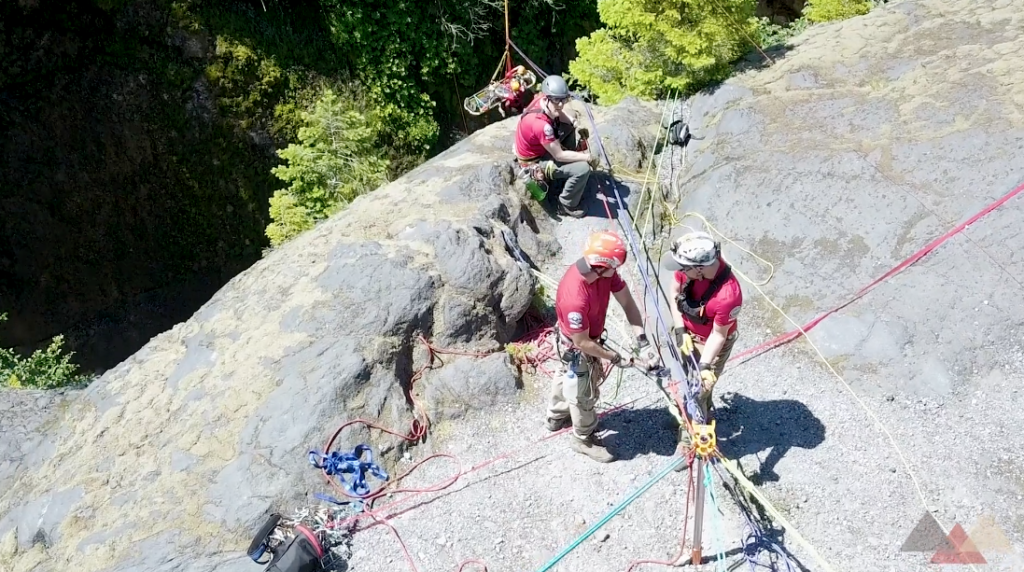
Vector Forces and Rigging Mechanics in Rope Rescue Introduction Rope rescue operations are inherently complex, requiring a nuanced understanding of vector forces and rigging mechanics. These elements are critical for ensuring the safety of both rescuers and victims. This blog will explore the foundational principles of vector forces and rigging mechanics, providing insights into how

Vector Forces and Rigging Mechanics in Rope Rescue Read More »

Highline_Anchors_rope_rescue

Highline Systems for Rope Rescue

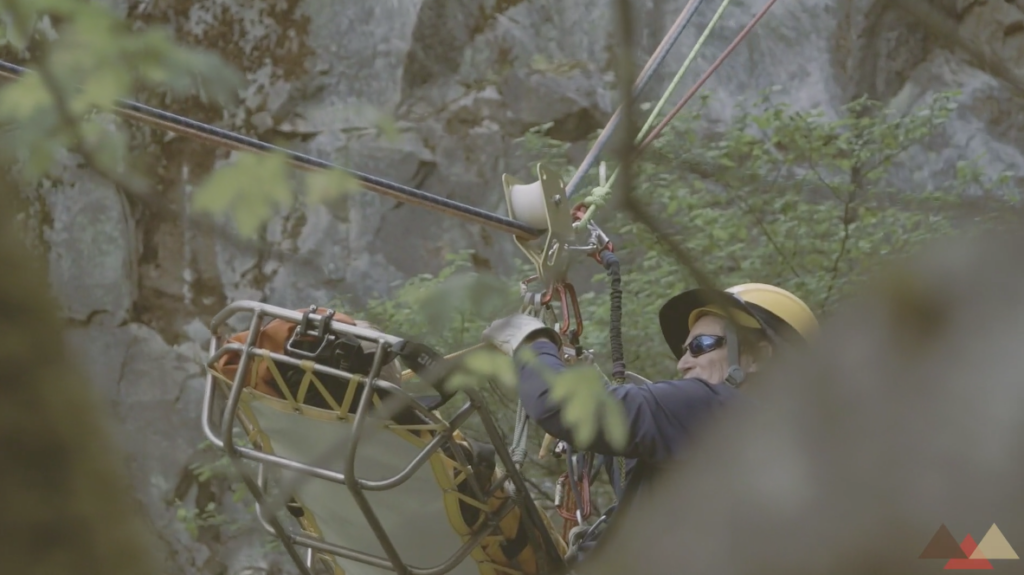
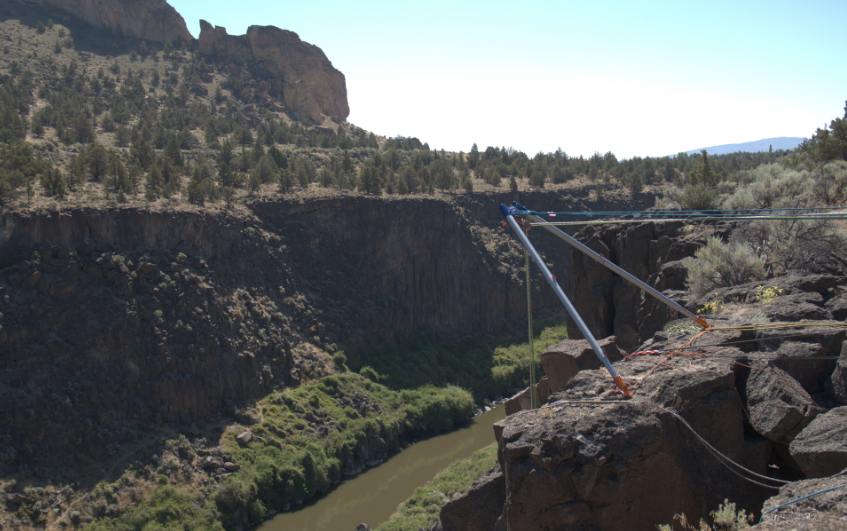
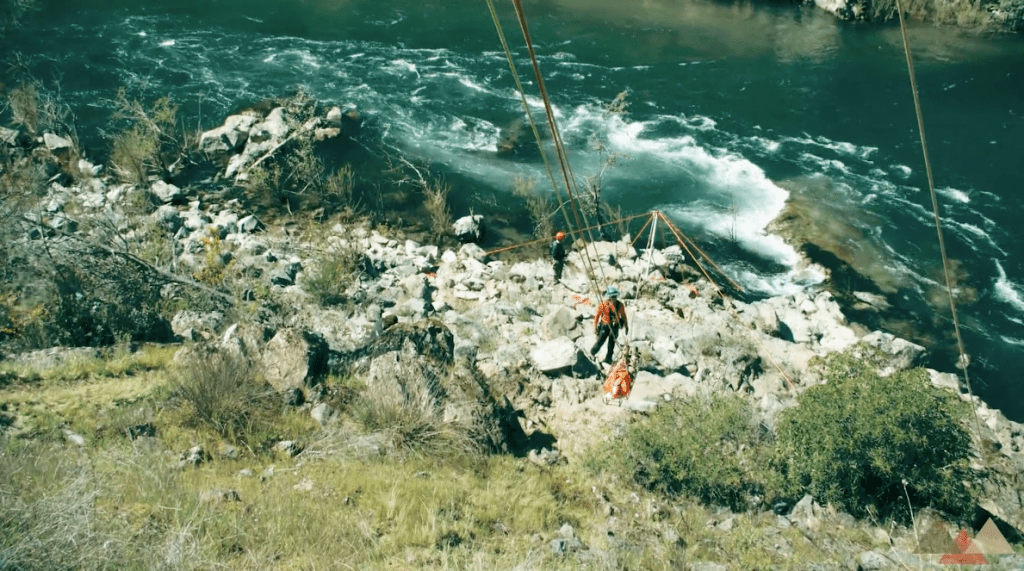
Highline systems are critical for rope rescue operations in challenging terrains and popular climbing areas. They demand advanced rigging skills, meticulous planning, and specialized equipment to ensure safety and efficiency. Key Components of Highline Systems Building Highlines Highline construction requires thorough knowledge of rigging principles and safety measures. It is crucial to use the right

Highline Systems for Rope Rescue Read More »

Enhancing Technical Rescue Excellence

Enhancing Technical Rescue Excellence

Enhancing Technical Rescue Excellence In a pivotal move to elevate their technical rescue capabilities, the El Dorado County Sheriff’s Search and Rescue Unit (EDSAR) partnered with Rigging Lab Academy to host a comprehensive workshop designed to refine operational efficiency and technical proficiency. This collaboration not only honed essential rescue skills but also fostered team cohesion

Enhancing Technical Rescue Excellence Read More »

Elevated Anchors and Rigging Techniques

Elevated Anchors and Rigging Techniques

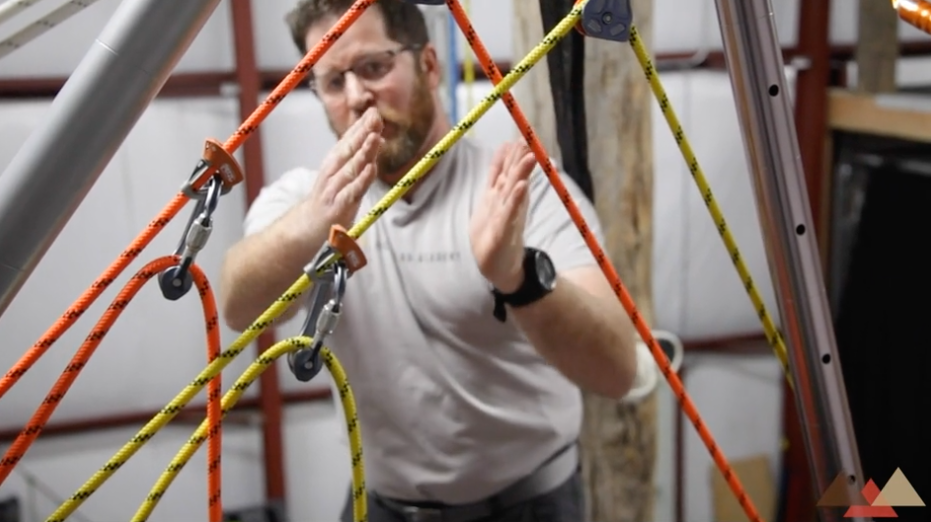
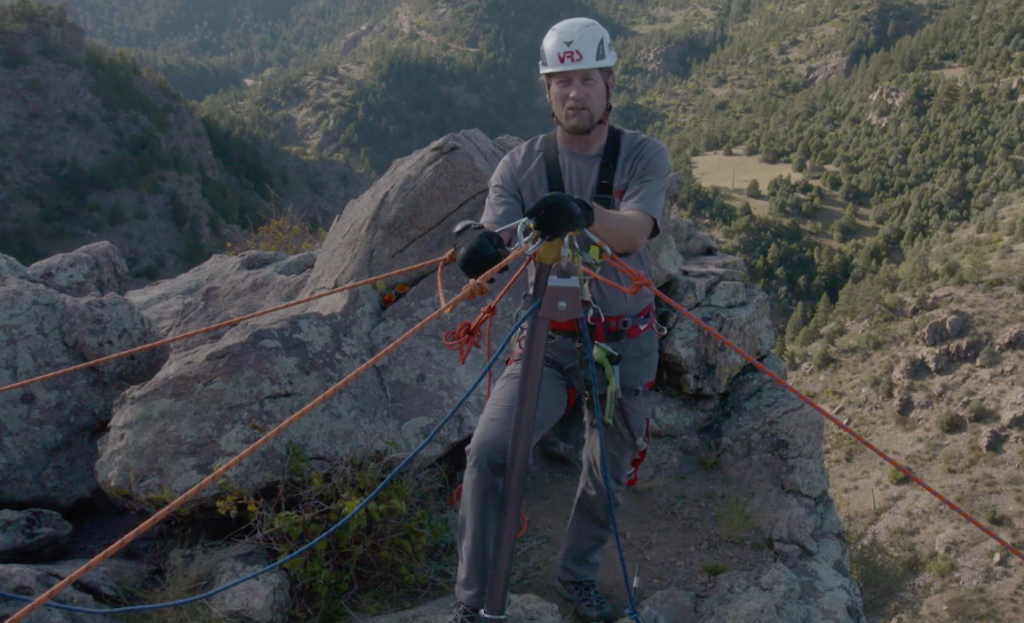
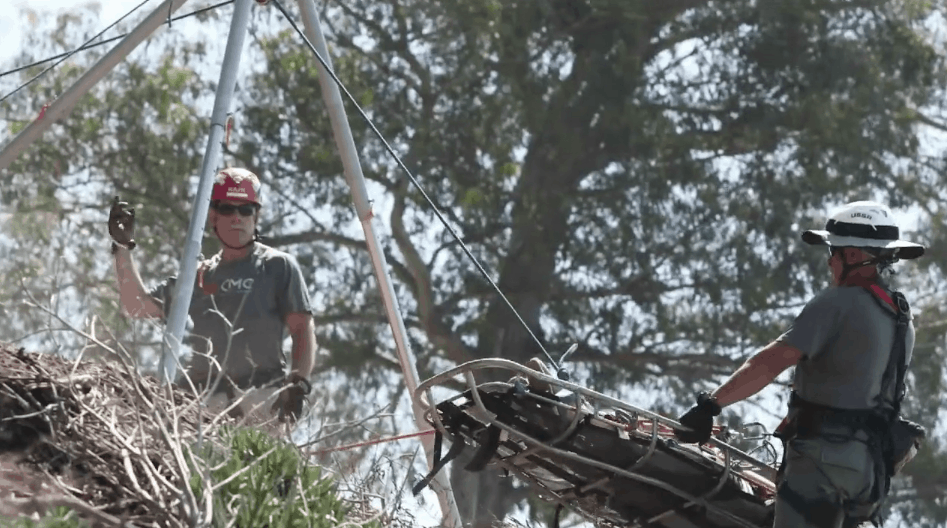
Elevated Anchors and Rigging Techniques: Advancing Rope Rescue Operations Rescue operations demand a deep understanding of mechanics, force dynamics, and rigging strategies. Among the essential tools in a rescuer’s arsenal are elevated anchors, which serve as critical “edge mitigation tools.” These horizontal systems are designed to raise and lower loads effectively, reducing edge trauma in

Elevated Anchors and Rigging Techniques Read More »

Managing Resultants in High Directional Setups

Managing Resultants in High Directional Setups

Managing Resultants in High Directional Setups Visualizing Stability The most straightforward method to ensure the stability of a high directional system is to visualize the resultant and confirm that it falls within the system’s footprint. This footprint encompasses the area defined by the system’s base, including anchors, legs, or any supporting structure. Guiding for Stability

Managing Resultants in High Directional Setups Read More »

Introduction to High Directional Setups and Resultants

High Directional Setups and Resultants

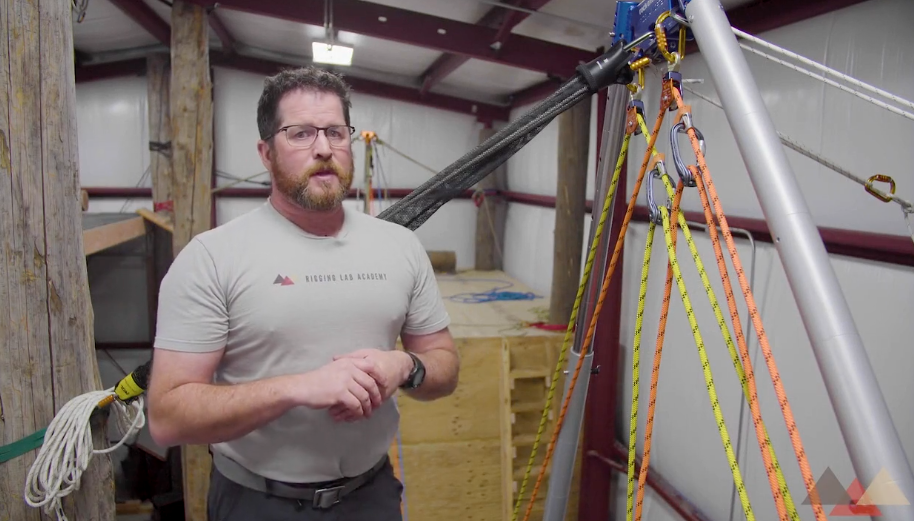
High Directional Setups and Resultants High directional setups and resultants are integral to complex rigging and rescue operations, providing the stability and control needed to manage challenging loads. At the core of these systems lies the concept of the resultant vector, a fundamental principle that dictates how forces interact within the system. Understanding this principle

High Directional Setups and Resultants Read More »