Two Tensioned Rope Rescue Systems

Online On-Demand Training-The Hierarchy of Rope Rescue Learning Pathway - Strategic Gear Purchasing for Rescue Teams - Class 5 Litter Handling Techniques

Class 5 Litter Handling Techniques

Class 5 Litter Handling: Techniques for Safe and Effective Rescue Class 5 litter handling is a critical component of technical rescue operations, focusing on the safe and effective transport of an injured person on a stretcher. These techniques ensure the patient is properly secured while enabling the litter and rescuer to navigate complex terrain, such […]

Class 5 Litter Handling Techniques Read More »

How to Use the Petzl REEVE Carriage Pulley for Highline Rescue Systems

How to Use the Petzl REEVE Carriage Pulley for Highline Rescue

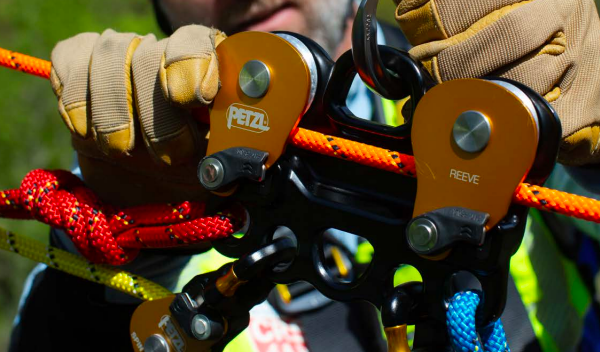
Petzl REEVE: Versatile Pulley for Highline Rescue The Petzl REEVE carriage pulley is an innovative tool designed to simplify highline rescue systems by combining two high-efficiency pulleys with a rigging plate. This design reduces the amount of equipment needed and minimizes the overall height of the system. Its user-friendly features, such as one-handed operation and

How to Use the Petzl REEVE Carriage Pulley for Highline Rescue Read More »

Parallel MAESTRO Descenders_rescue rigging systems

8 Defined Rescue Rigging Systems Every Team Needs

8 Defined Rescue Rigging Systems Every Team Needs to Master Rescue teams often face unpredictable and complex scenarios requiring technical expertise, precise coordination, and reliable rigging systems. These eight rigging systems are fundamental for technical rescue operations, providing a structured approach to overcoming challenges in diverse environments. Below, we expand on each system, offering detailed

8 Defined Rescue Rigging Systems Every Team Needs Read More »

Dynamic directional offset system

Dynamic Directional Offset System with A-Frame

Dynamic Directional Offset System with A-Frame and Natural High Directional Dynamic directional offset systems bring versatility and strength to rope rigging, especially when dealing with large gaps or spans. This configuration provides flexibility for controlling vertical and horizontal movement, making it a valuable tool for advanced rescue and rigging scenarios. Let’s break down the key

Dynamic Directional Offset System with A-Frame Read More »

Working on the Horizon Line -PETZL MAESTRO vs. PETZL I’D

PETZL MAESTRO vs. PETZL I’D for Twin-Tensioned Haul Lines

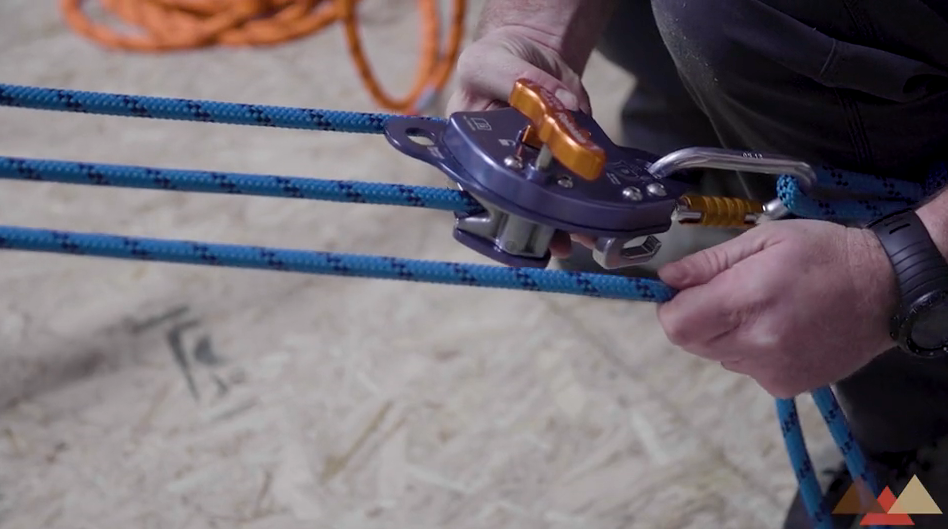
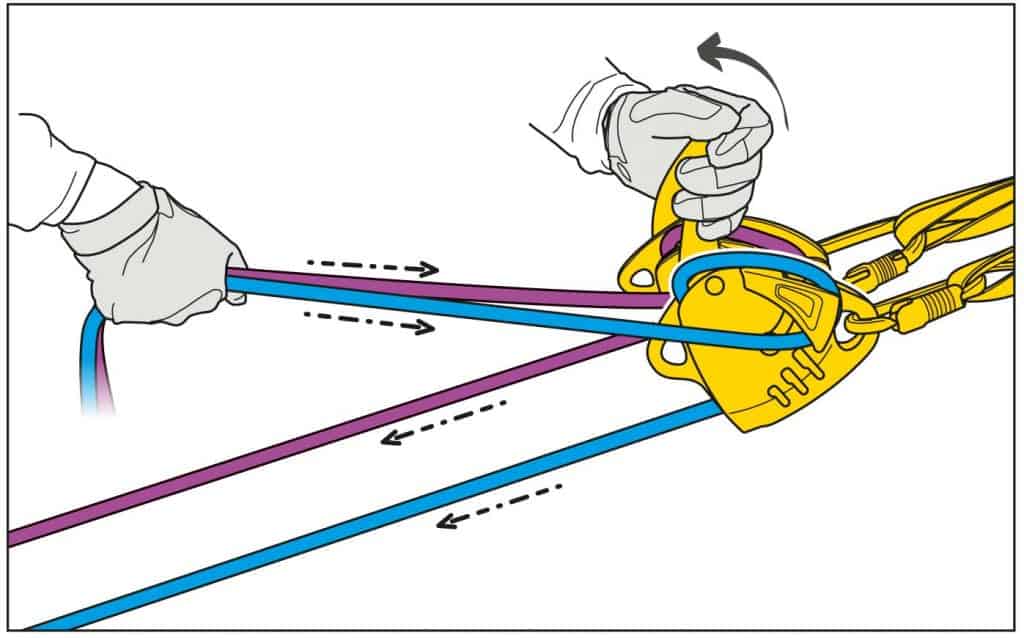
Comparison Between PETZL MAESTRO and PETZL I’D for Twin-Tensioned Haul Lines In technical rescue operations, the PETZL MAESTRO and PETZL I’D both provide essential features for hauling, lowering, and managing loads. While these devices share some similarities, they differ significantly in ergonomics, specifications, and operational nuances. Here, we’ll explore their distinct features and how they

PETZL MAESTRO vs. PETZL I’D for Twin-Tensioned Haul Lines Read More »

Rope rescue training for veterans covers leadership, mechanical advantage, and advanced rigging skills and Hidden treasures in team leadership

The Story of Rigging Lab Academy

How Rigging Lab Academy Began: Uncovering Hidden Treasures in Team Leadership The journey of Rigging Lab Academy began with a simple but profound mystery: “Why are retention and recall missing from technical rope rescue training?” Inspired by Sherlock Holmes, the search for answers led to transformative insights that reshaped how individuals and teams approached rigging

The Story of Rigging Lab Academy Read More »

Resultant Forces in Two-Rope Tension Systems

Resultant Forces in Two Rope Tension Systems

Resultant Forces in Two-Rope Tension Systems Understanding and managing resultant forces is a critical element in ensuring the stability and safety of high directional systems. Building on the basics covered previously, this discussion explores scenarios where the resultant vector might fall outside the traditional footprint of the system and how to adapt effectively. Managing Out-of-Footprint

Resultant Forces in Two Rope Tension Systems Read More »

Resultant Forces in Two-Rope Tension Systems

Resultant Forces in Two-Rope Tension Systems

Understanding Resultant Forces in Two-Rope Tension Systems Resultant forces play a critical role in ensuring the stability and efficiency of high directional systems, especially when dealing with two-rope tension setups. This concept is foundational for rescue operations, where precise control of forces determines the safety and functionality of the entire system. Let’s delve deeper into

Resultant Forces in Two-Rope Tension Systems Read More »

English and Norwegian Reeving System

English and Norwegian Reeving System

Gear Used in an English Reeving System: An Overview The English Reeving System is a versatile and efficient rigging technique commonly employed in complex rescue and hauling operations. Known for its ability to handle high loads while maintaining a compact and manageable setup, this system is a staple for technical rescue teams and rigging professionals.

English and Norwegian Reeving System Read More »

Two Tension Rope System with Petzl JAG

Comparison Between Maestro and ID

Comparison Between Maestro and ID for a Rescue Using Twin Tensioned Haul Lines The evolution of technical rescue gear has brought us tools that excel in safety, efficiency, and adaptability. Among these, the Petzl Maestro and Petzl I’D are standout devices, each offering unique features suited for various rescue applications. In this post, we explore

Comparison Between Maestro and ID Read More »

Two Rope Tension System A-Frame

Two Rope Tension System A-Frame

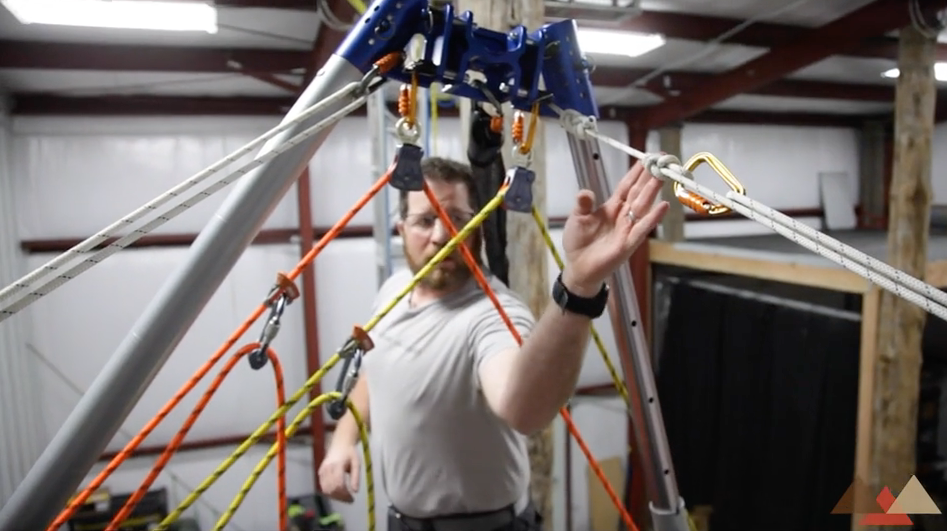
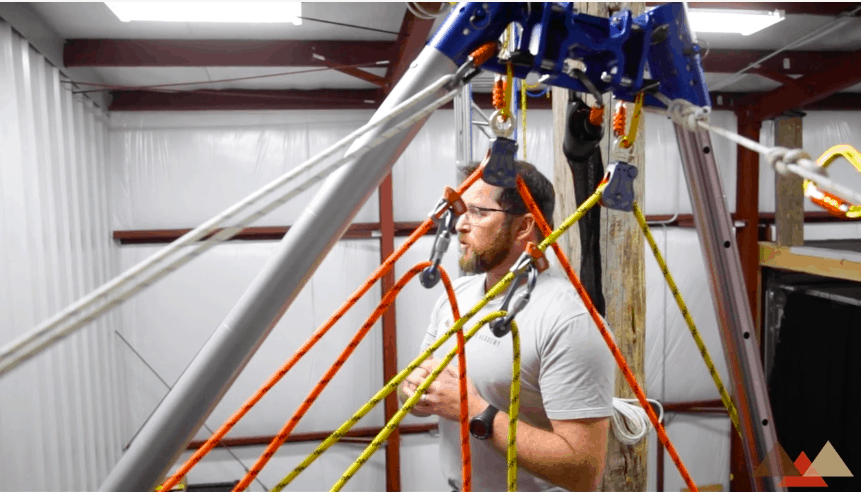
Two Rope Tension System A-Frame Resultant Insight  In technical rescue and rigging, understanding resultant forces is fundamental to ensuring stability and safety in complex systems. When working with a two-rope tension system and an A-frame configuration, the interaction of forces becomes critical, particularly in achieving proper compression and balance. This insight into resultant forces and

Two Rope Tension System A-Frame Read More »

Two Rope Tension System A-Frame

Two Rope Tension System A-Frame Resultant Insight, Part 1

Two Rope Tension System A-Frame Resultant Insight  In technical rescue and rigging, the resultant force is one of the most critical factors determining the success and safety of your operation. This concept becomes particularly significant when working with a two-rope tension system paired with an A-frame configuration. Understanding the interplay of forces within this setup

Two Rope Tension System A-Frame Resultant Insight, Part 1 Read More »

Clutch in a Twin Tension Rope System

Clutch in a Twin Tension Rope System

Double Clutch: Using the Clutch in a Twin Tension Rope System (TTRS) The CMC Clutch, with its revolutionary design and versatility, has become an essential tool for Twin Tension Rope Systems (TTRS). This system enhances safety, efficiency, and control in technical rescue and rope access operations. Combining the Clutch with TTRS takes operational precision to

Clutch in a Twin Tension Rope System Read More »

Lowering and Hauling with the Clutch

Lowering and Hauling with the Clutch

Lowering and Hauling with the Clutch The CMC Clutch has quickly become a cornerstone for modern rigging teams, offering unparalleled versatility and efficiency. Whether lowering or hauling, the Clutch’s intuitive design and robust functionality make it an indispensable tool for technical rescue and rope access operations. The Power of the CMC Clutch in Rigging Operations

Lowering and Hauling with the Clutch Read More »

Not a Single Prusik in the System

Not a Single Prusik in the System

Utah County Search and Rescue (UCSAR) has embraced innovation, opting to transition from classic prusik-based systems to a more efficient setup featuring the Petzl MAESTRO. This shift has marked a significant leap in their operational effectiveness, offering faster transitions and enhanced control in critical rescue situations. This is a repost from Petzl. These folks have

Not a Single Prusik in the System Read More »

visualizing resultants in rigging

Visualizing Resultants in Rigging

Visualizing Resultants and Maintaining Stability in Rigging Systems Excerpt from “A Guide to Artificial High Directionals & Two-Tension Rope Systems” Rigging stability is both an art and a science. Ensuring your system remains stable requires careful consideration of forces, resultants, and the tools available to manage them. Whether you’re deploying artificial high directionals (AHDs) like

Visualizing Resultants in Rigging Read More »

Understanding Resultants in Artificial High Directionals

Understanding Resultants in Artificial High Directionals

Understanding Resultants in Artificial High Directionals In the world of technical rope systems, understanding and controlling resultants is critical for ensuring the stability of artificial high directionals (AHDs). At its core, a resultant is a vector—a measure of force and direction. When applied to rigging, resultants determine whether a high directional system remains stable under

Understanding Resultants in Artificial High Directionals Read More »

Two Rope Twin Tension Mini Offset

Two Rope Twin Tension Mini Offset

Two Rope Twin Tension Mini Offset: Bridging Backcountry and Fire Service Rescue The Two Rope Twin Tension Mini Offset is an intersection of backcountry rescue techniques and fire service methods often feels like a clash of ideologies. Yet, as the demand for efficient and adaptable rescue systems grows, these worlds are beginning to overlap in

Two Rope Twin Tension Mini Offset Read More »

Team Rescue Techniques Petzl Maestro Static and dynamic tests

Team Rescue Techniques Petzl Maestro

Team Rescue Techniques Petzl Maestro for Hauling and Lowering with Petzl Maestro The Petzl Maestro is a highly versatile device for technical rescue operations, streamlining hauling and lowering techniques with precision and safety. Successful team rescue systems require the use of two independent rope systems, which can either work in parallel (twin tensioned haul lines)

Team Rescue Techniques Petzl Maestro Read More »

A-Frame Gin Pole Trackline

A-Frame Gin Pole Trackline

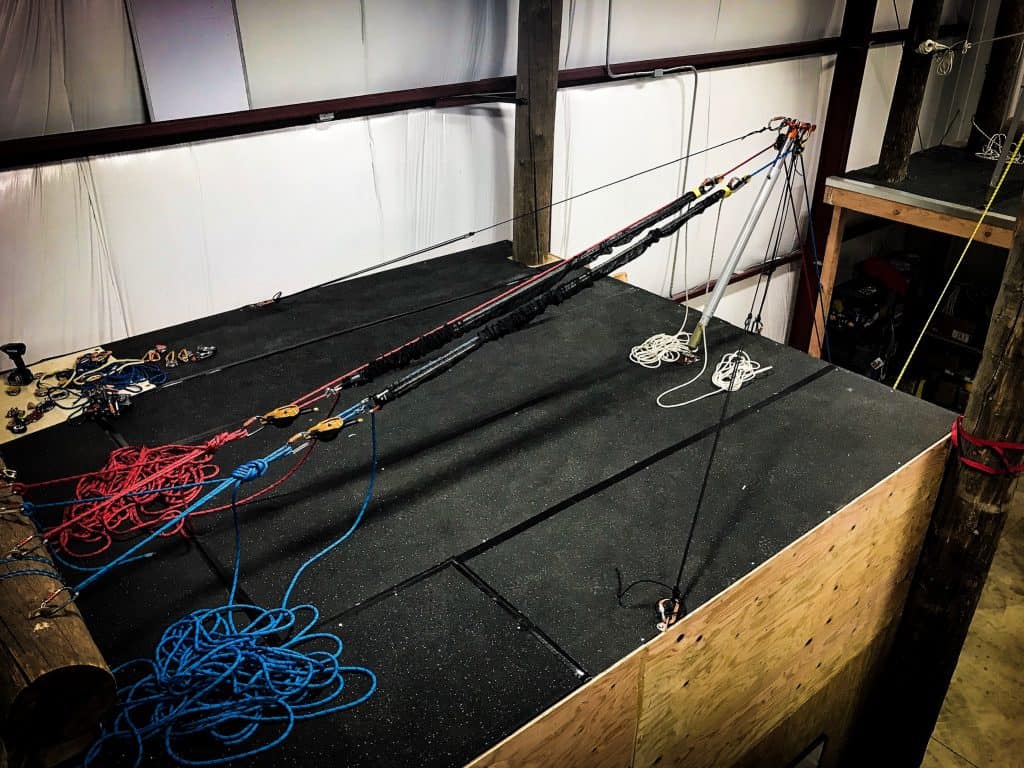
A-Frame and Gin Pole Trackline with Steep Angle Litter Raise: An Overview of Dual AHD The success of any steep-angle litter raise operation lies in the foundation of vision, training, and rehearsing. These elements must work together cohesively to create a system that is efficient, safe, and capable of addressing the complexities of real-world rescue

A-Frame Gin Pole Trackline Read More »