
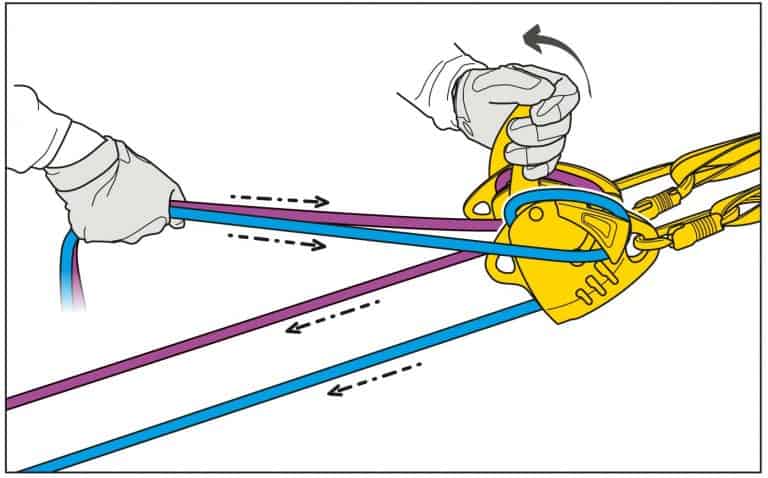
8 Defined Rescue Rigging Systems Every Team Needs to Master
Rescue teams often face unpredictable and complex scenarios requiring technical expertise, precise coordination, and reliable rigging systems. These eight rigging systems are fundamental for technical rescue operations, providing a structured approach to overcoming challenges in diverse environments. Below, we expand on each system, offering detailed insights and tips for mastery.
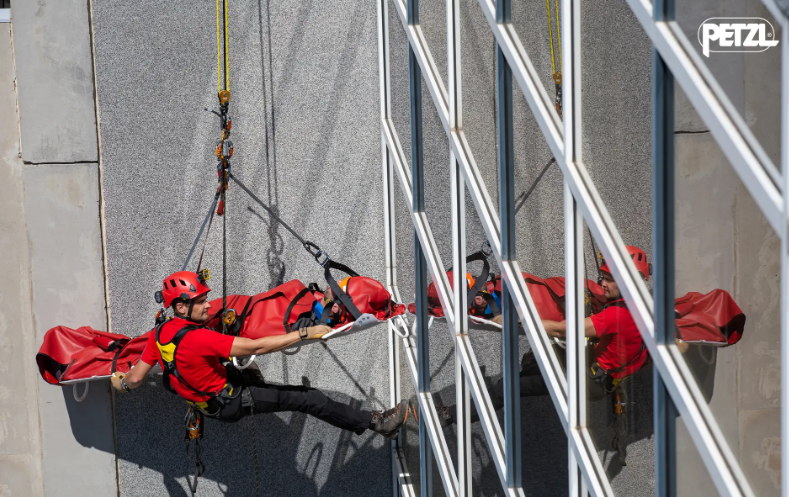
1. Two-Tension Rope System (TTRS) Raise
The Two-Tension Rope System Raise is a cornerstone of modern rope rescue techniques. In this setup, both ropes (main and belay) are tensioned equally, providing a balanced and redundant system.
Key Features:
- Balanced Load Sharing: Each rope shares the load equally, minimizing the risk of shock loading in case of rope failure.
- Increased Control: Rescuers can manage the system more smoothly during a raise, as each rope operates under equal tension.
- Redundancy: If one rope fails, the other immediately supports the load.
Application:
Ideal for raising stretchers or rescuers in steep or vertical terrain where redundancy and control are paramount.
Learn More:
Explore Two-Tension Systems at Rigging Lab Academy
2. Two-Tension Rope System (TTRS) Lower
The Two-Tension Rope System Lower offers similar redundancy to the TTRS raise but focuses on controlled descents. Both ropes are tensioned equally, ensuring smooth and predictable lowering.
Key Features:
- Smooth Descent: Equal tension prevents jerky or uneven movement during the lowering process.
- Enhanced Safety: Redundant ropes reduce the risk of accidents in high-stakes situations.
- Edge Transition Management: Ideal for negotiating over edges or obstacles with precision.
Application:
Commonly used in steep or vertical descents where patient or rescuer safety is critical.
Learn More:
Master TTRS Lowering Techniques
3. Single Tensioned Rope System (STRS) Raise
In the Single Tensioned Rope System Raise, only one rope bears the primary load, while the second serves as a backup belay system. This approach simplifies operations in less critical scenarios.
Key Features:
- Efficiency: Requires fewer operators and less gear compared to a TTRS.
- Rapid Deployment: Easier to set up and manage in time-sensitive rescues.
- Backup Safety: The secondary rope provides redundancy without the need for equal tensioning.
Application:
Best suited for low-angle rescues or situations where speed and simplicity are priorities.
Learn More:
4. Single Tensioned Rope System (STRS) Lower
A Single Tensioned Rope System Lower is similar to the raise system but focuses on controlled lowering. This system is ideal for less complex scenarios where full redundancy is not required.
Key Features:
- Simplified Control: A single tensioned rope makes system management straightforward.
- Backup Assurance: The belay system ensures safety if the primary rope fails.
- Adaptable Setup: Easily integrates into various environments with minimal equipment.
Application:
Used in scenarios where the risk is lower, such as non-technical terrain or team training exercises.
Learn More:
5. Confined Space Block and Tackle System
Confined space rescues often demand compact and efficient systems to navigate tight quarters. The Block and Tackle System is a go-to for confined environments.
Key Features:
- Compact Design: Easily fits into small spaces where traditional systems might be impractical.
- Mechanical Advantage: Significantly reduces the effort needed to raise or lower loads.
- Adaptability: Works with tripods, davit arms, or other confined space setups.
Application:
Used in industrial or urban rescues involving silos, tanks, or underground spaces.
Learn More:
Confined Space Systems for Technical Rescuers
6. Go-To Belay System
A Go-To Belay System ensures redundancy and safety in all rigging operations. This system typically employs tandem prusiks, Petzl ASAPs, or other belay devices to prevent uncontrolled descents.
Key Features:
- Redundancy: A critical component in any rescue rigging setup.
- Versatility: Compatible with mainline or secondary systems.
- Ease of Use: Reliable and straightforward to manage during operations.
Application:
Essential in all rescue scenarios, from low-angle evacuations to high-angle technical rope rescues.
Learn More:
7. All-Purpose Highline Assembly
Highlines provide the ability to transport loads or rescuers across gaps, rivers, or other obstacles. The All-Purpose Highline Assembly simplifies this complex operation.
Key Features:
- Dynamic Adjustments: Incorporates tensioning and re-tensioning capabilities for smooth load movement.
- Redundancy: Dual ropes or mirrored systems ensure safety.
- Precision Control: Enables load positioning with minimal sway or drift.
Application:
Ideal for spanning gaps or accessing difficult terrain, such as ravines or canyons.
Learn More:
8. Anchoring and Rope Protection Techniques
Strong and secure anchors are the foundation of any rigging system. This includes both natural and artificial anchors, along with essential rope protection measures.
Key Features:
- Versatile Options: Includes natural anchors (trees, rocks) and artificial anchors (tripods, pickets).
- Rope Protection: Prevents abrasion and damage from edges or hazardous materials.
- Efficient Setup: Ensures quick and reliable rigging in diverse environments.
Application:
Used in all rope rescue operations to ensure system stability and longevity.
Learn More:
Advanced Anchor and Rope Protection Techniques
Conclusion
Mastering these 8 Defined Rigging Systems provides the foundation for safe and efficient technical rescue operations. Each system has unique applications, but together they form a comprehensive toolkit for any team.
For in-depth training, videos, and downloadable resources, visit the Rigging Lab Academy and start building your team’s capabilities today.
Peace on your days…
Lance

Comments are closed.