
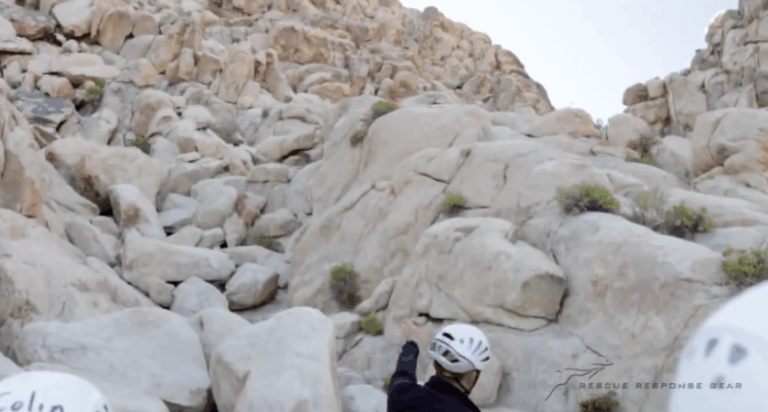
Mastering Movement in Challenging Terrain for Rescue Operations
Rescue operations require a unique blend of technical skill, physical capability, and mental focus. Navigating steep and challenging terrain with confidence is a fundamental skill for rescue personnel, as it ensures both safety and efficiency during high-pressure scenarios. Success in such environments depends on deliberate planning, proper technique, and an understanding of the terrain.
This article explores key principles for effective terrain navigation and litter handling, helping rescuers prepare for the complexities of real-world operations.
Key Principles of Terrain Navigation
Navigating challenging terrain requires a thoughtful approach to movement, equipment use, and hazard assessment. Here are the essential principles:
Utilize Reliable Hand and Footholds
- Prioritize footholds over handholds whenever possible; legs provide greater endurance and strength for weight support.
- Identify holds deliberately, taking time to test their stability before committing weight to them.
Move with Agility and Confidence
- Develop agility through regular practice in varied terrains to improve ease and precision in movement.
- Build confidence by simulating real-world conditions during training, including steep slopes, loose rock, and slippery surfaces.
Assess Terrain Thoughtfully
- Evaluate potential hazards like unstable ground, loose debris, or sharp edges that could compromise safety.
- Plan routes that minimize exposure to unnecessary risks, leveraging natural pathways and features.
Effective Litter Handling and Terrain Assessment
Choosing the right equipment and techniques for patient evacuation is critical to ensuring the safety of both the patient and the rescue team. Proper terrain assessment and litter handling strategies allow for smooth and controlled movement through difficult environments.
- Learn more about basic litter handling techniques here.
- Learn more about Terrain Assessment and Litter Patient Packaging.
Key Strategies for Litter Handling
- Select litters based on terrain and patient condition, ensuring stability and comfort during transport.
- Maintain clear communication and coordination among team members to distribute weight evenly and respond quickly to changes.
- Use mechanical advantage systems or additional personnel for steep descents or uneven ground to reduce physical strain.
The Importance of Terrain Assessment
Terrain assessment is a foundational skill that directly impacts the efficiency and safety of rescue operations. Effective assessment involves:
- Understanding Environmental Challenges: Account for factors such as weather, visibility, and surface conditions that may influence movement.
- Identifying Anchor Points: Spot natural features or structures that can serve as anchor points for mechanical advantage systems or additional safety measures.
- Mapping Routes: Plan the most efficient path while accounting for potential hazards and required anchor placements.
Building Skills for Success
Mastering terrain navigation and litter handling requires regular practice and a commitment to continuous learning. Training in diverse environments builds familiarity and confidence, enabling rescue personnel to adapt to unexpected challenges. By honing these skills, teams can operate more effectively while minimizing risks to themselves and the patient.
Conclusion
Rescue personnel must possess the ability to navigate and work in challenging environments with agility, confidence, and precision. From understanding terrain to selecting the right litter handling techniques, preparation is key to successful operations. With consistent training and the right resources, rescuers can enhance their capabilities and ensure the highest standards of safety.
Explore more techniques and training resources for terrain navigation and litter handling at Rigging Lab Academy.
Peace on your Days
Lance









Comments are closed.