Elevated Anchor Systems

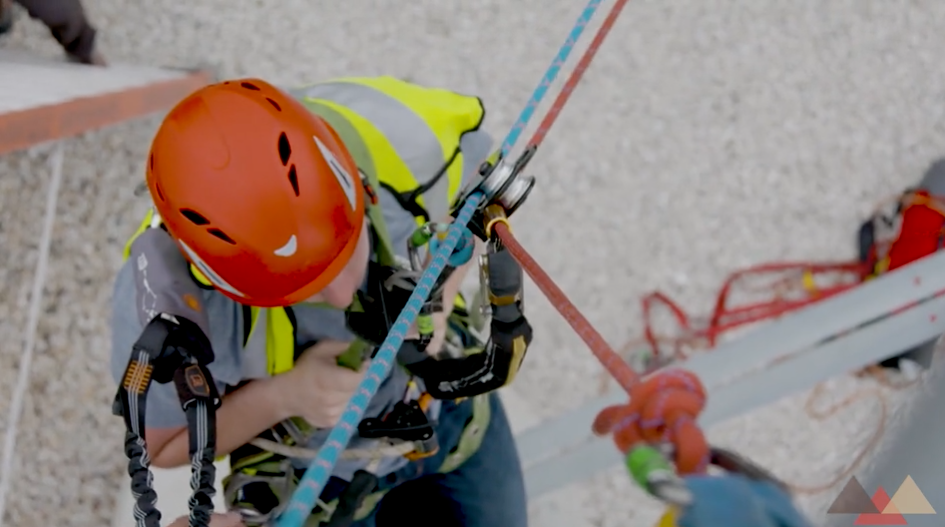
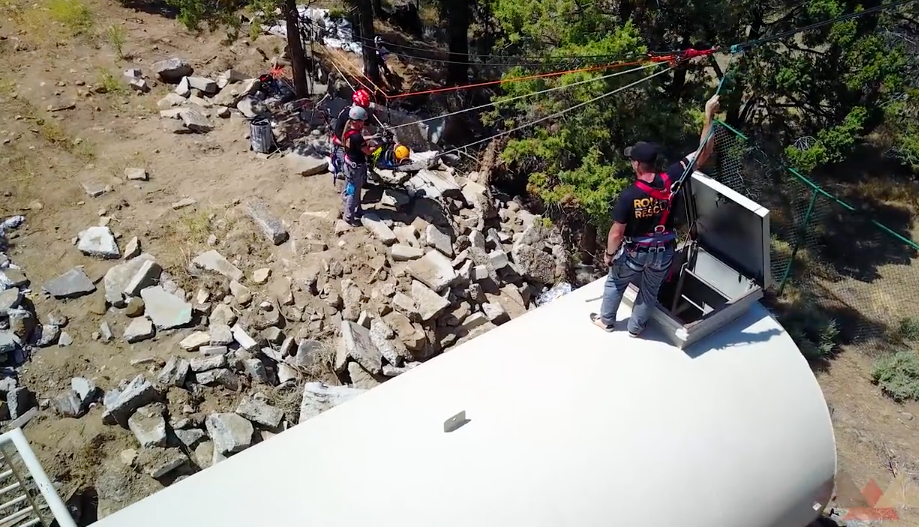
Rope Access Pick-Off Rescue for Tower Workers - antenna tower and caged ladder rescue

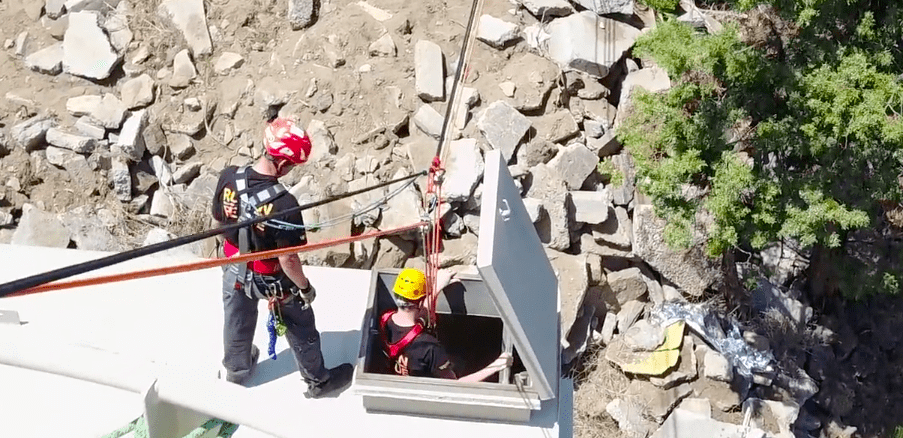
High Angle Heroes Navigating the Complexities of Antenna Tower and Caged Ladder Rescue

High Angle Heroes Navigating the Complexities of Antenna Tower and Caged Ladder Rescue The modern skyline is dotted with structures that reach hundreds—sometimes thousands—of feet into the air: antenna towers, wind turbines, power transmission poles, and industrial caged ladders. As critical as they are to communications and infrastructure, they present one of the most formidable

High Angle Heroes Navigating the Complexities of Antenna Tower and Caged Ladder Rescue Read More »
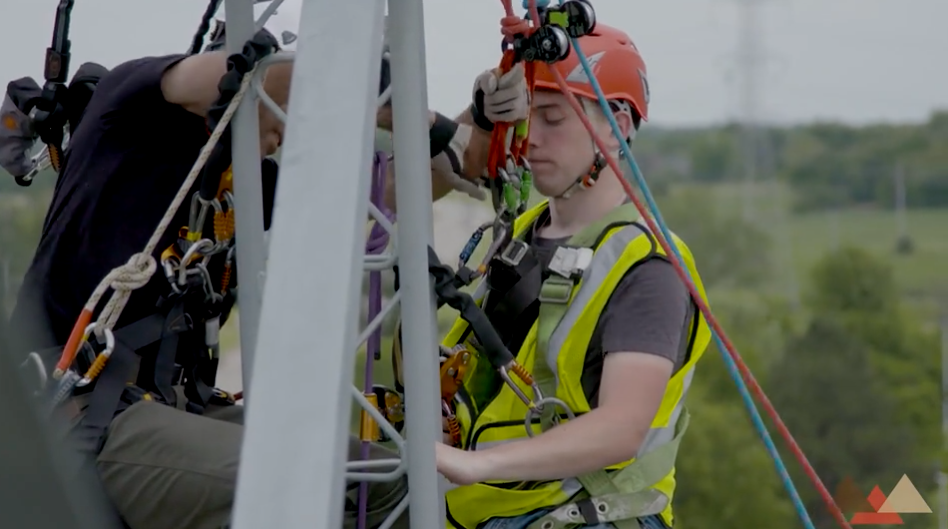
Twin tension skate block rescue operation

Twin Tension Skate Block in Tower Rescue

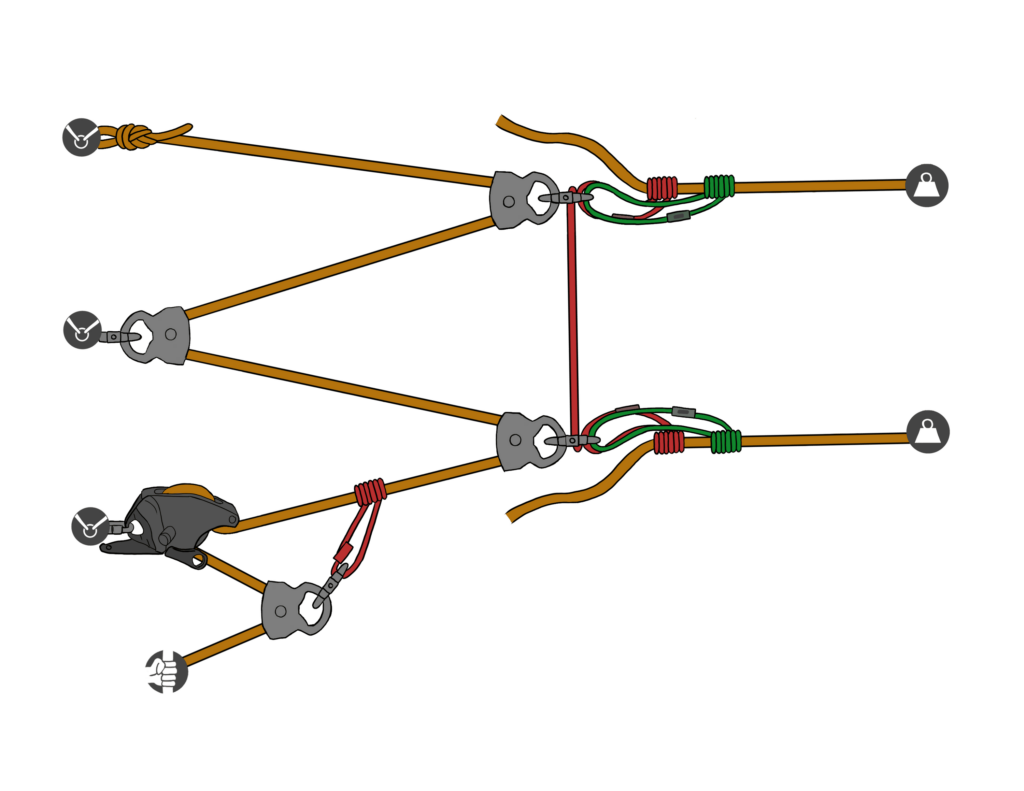
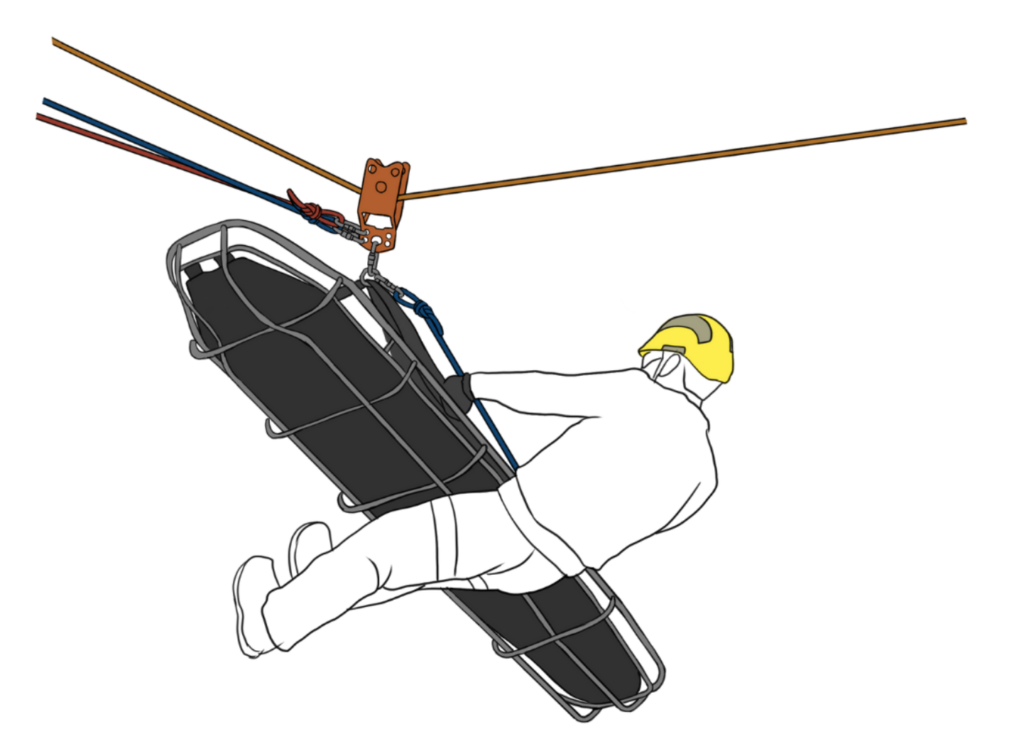
Twin Tension Skate Block in Tower Rescue When precision, control, and redundancy matter most, the twin tension skate block system stands out as one of the most refined vertical rescue techniques. This blog walks through a full scenario utilizing this method, focusing on streamlined rigging, dynamic lowering, and the critical importance of redundancy at height.

Twin Tension Skate Block in Tower Rescue Read More »
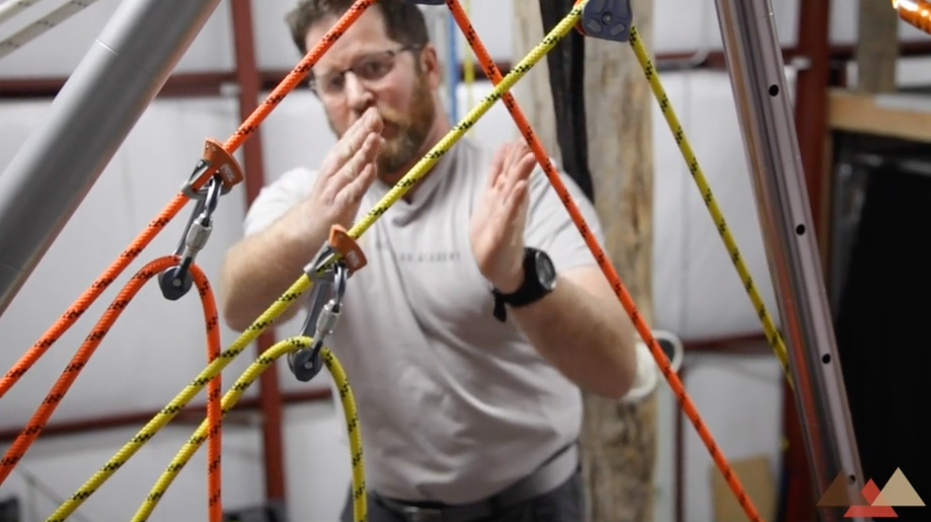
tower rescue twin track lines

Twin Tracking Line Power Control Rescue

In high-angle tower rescues, distance and clearance are critical. When the objective is to move a suspended patient away from a structure and across a distance, twin tracking lines offer a clean and redundant solution. This scenario demonstrates a Twin Tracking Line Power Control Rescue, designed for extended horizontal offset and mid-air patient control using

Twin Tracking Line Power Control Rescue Read More »

Hybrid Patient Connection Setup with Skate Block and Tracking Line

Hybrid Patient Connection Setup Skate Block and Tracking Line

Hybrid Patient Connection Setup with Skate Block and Tracking Line In this horizontal rescue setup, the team demonstrates a hybrid patient connection system combining a skate block line over a tracking line, offering both smooth movement and built-in redundancy. The configuration prioritizes patient safety while keeping the rigging clean and manageable. Let’s walk through the

Hybrid Patient Connection Setup Skate Block and Tracking Line Read More »

Guiding Lines in Rope Rescue

Guiding Lines in Rope Rescue Operations

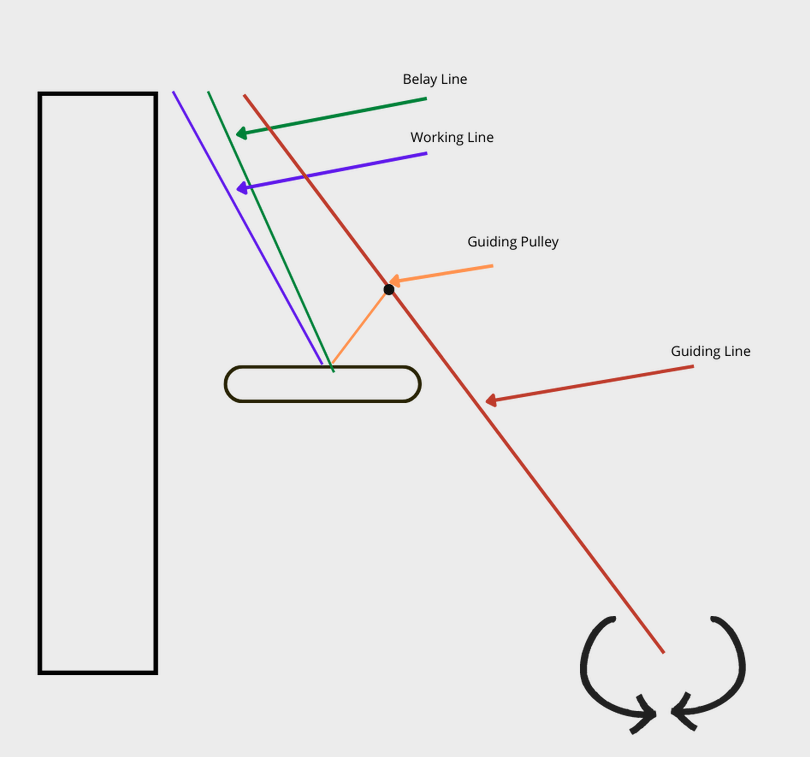
Guiding Lines in Rope Rescue Operations In rope rescue, one of the more refined methods for managing patient movement during a vertical descent is the use of guiding lines. Unlike basic taglines, guiding lines utilize a pulley system to control the distance between the suspended load and the structure—helping prevent contact, swing impact, or obstruction

Guiding Lines in Rope Rescue Operations Read More »

Balancing Online and Hands-On Training -Knots for Force Multiplication in Rope Rescue - Steep Highline Calculations and Rigging Techniques

Steep Highline Calculations and Rigging Techniques

Steep Highline Calculations and Rigging Techniques Mastering steep highline systems takes more than just strong anchors and high-quality rope—it demands precision, forethought, and the ability to calculate force vectors in real-time terrain. In other words, steep highline calculations and rigging techniques are critical. Whether you’re new to horizontal rigging or refining your advanced systems, steep-angle

Steep Highline Calculations and Rigging Techniques Read More »

Understanding High Directional Systems

Understanding High Directional Systems

Understanding High Directional Systems Fundamental Concepts of Resultant Vector Understanding High Directional Systems – The resultant vector is a cornerstone concept in high directional setups, representing the combined force acting within the system. This vector encapsulates both the magnitude and direction of the forces at play, which is crucial for maintaining system stability and effectiveness.

Understanding High Directional Systems Read More »

Replicating an Aerial Ladder with Timber

Replicating an Aerial Ladder with Timber

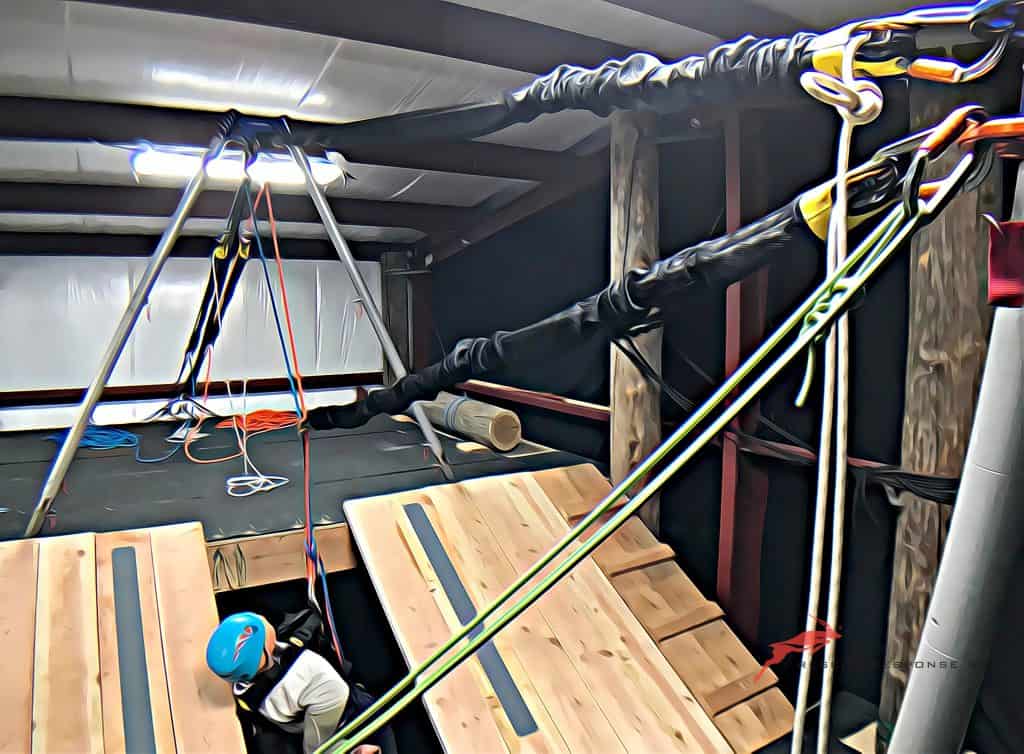
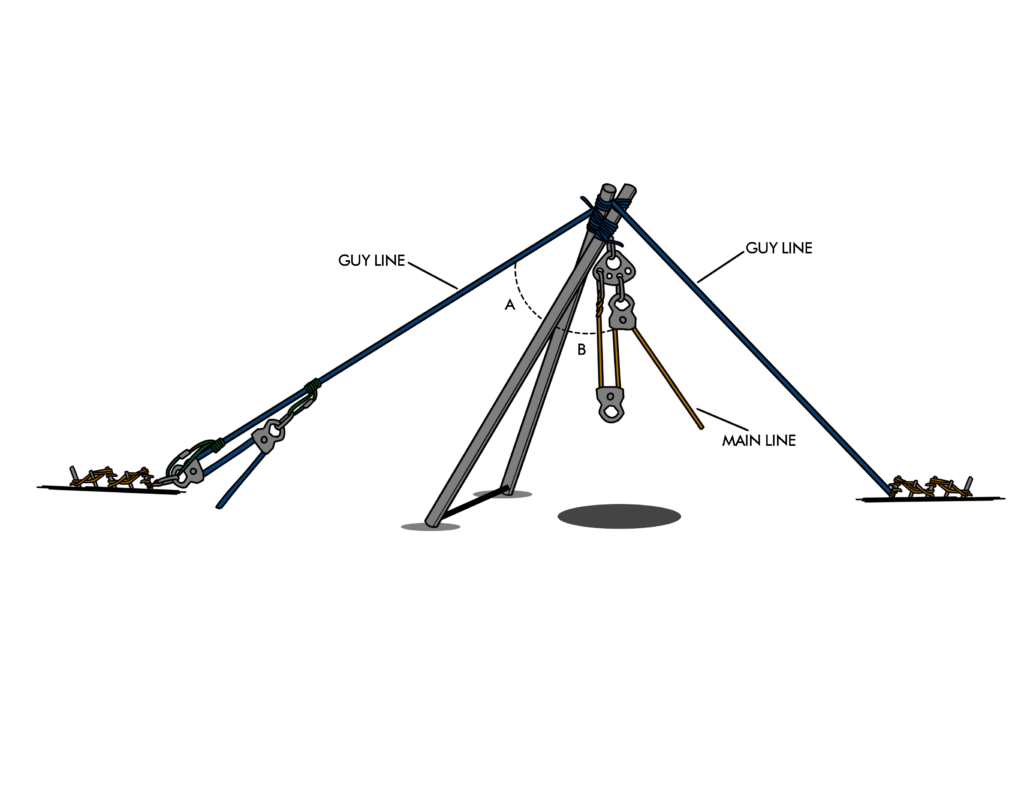
Replicating an Aerial Ladder with Timber: Creating a High Directional Anchor System In the world of technical rescue, improvisation can mean the difference between success and failure. While modern rescue teams rely heavily on specialized equipment like aerial ladders, there are times when these tools aren’t available—in remote wilderness locations, disaster zones, or during prolonged

Replicating an Aerial Ladder with Timber Read More »

Tight Line Skate Block Systems in Rope Rescue

Tight Line Skate Block Systems in Rope Rescue

Tight Line Skate Block Systems in Rope Rescue A tight line skate block system is a highly specialized variation of the traditional skate block, providing increased precision, control, and adaptability for advanced technical rescues. These systems are critical in environments requiring elevated tension management and controlled load transitions. I. Introduction A tight line skate block

Tight Line Skate Block Systems in Rope Rescue Read More »

Balancing Costs in Rope Rescue Rigging - Dynamic Directionals in Rope Rescue

Dynamic Directionals in Rope Rescue

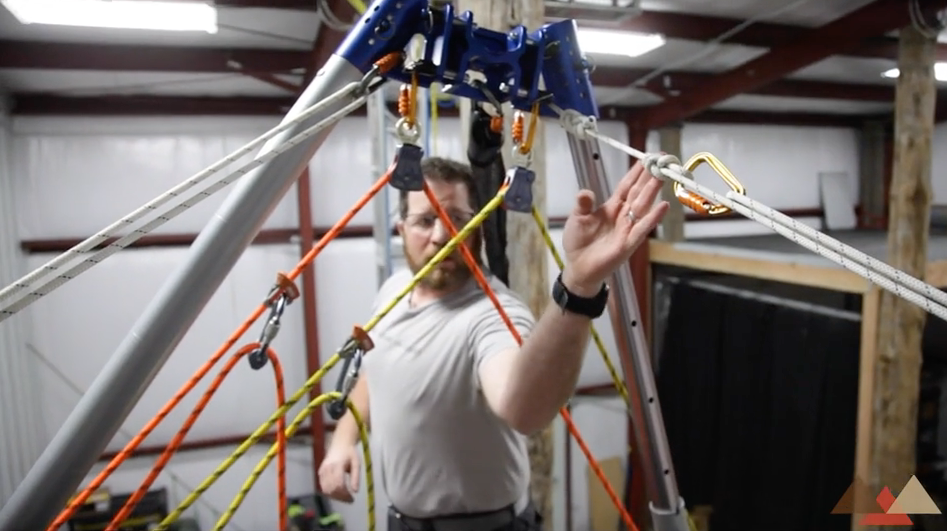
High Directional Systems in Rope Rescue A high directional is a crucial component in rope rescue operations, used to elevate the rope system above the rescue scene. By raising anchor points, high directionals enable safer, more efficient rescue operations across various challenging environments. Definition and Purpose A high directional is a rigged system designed to:

Dynamic Directionals in Rope Rescue Read More »

Mastering High Angle Rescues

Mastering High Angle Rescues

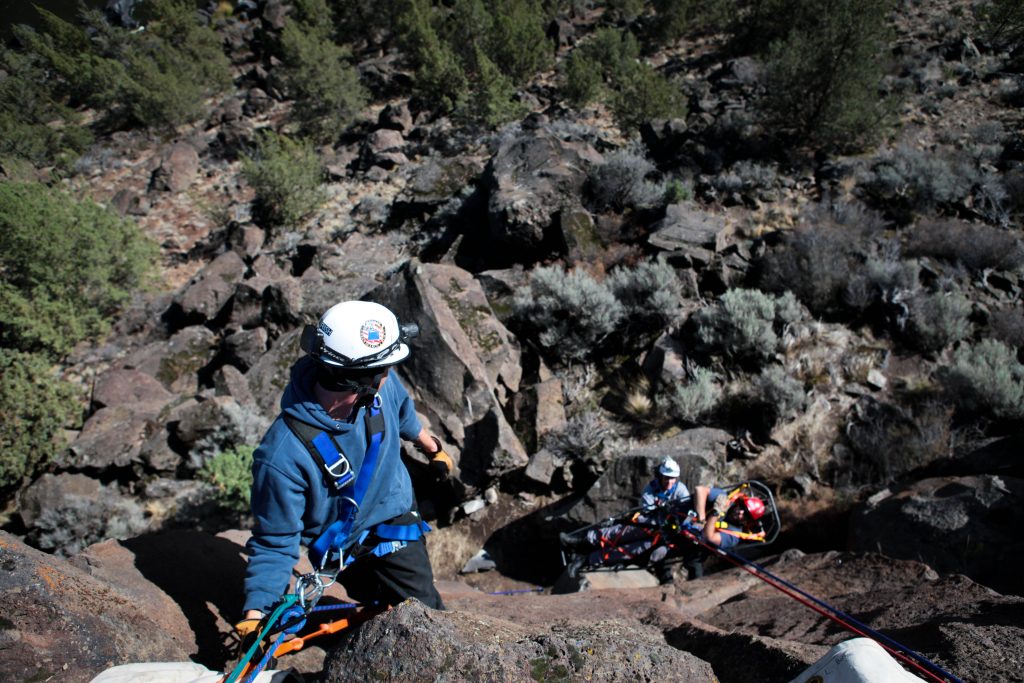
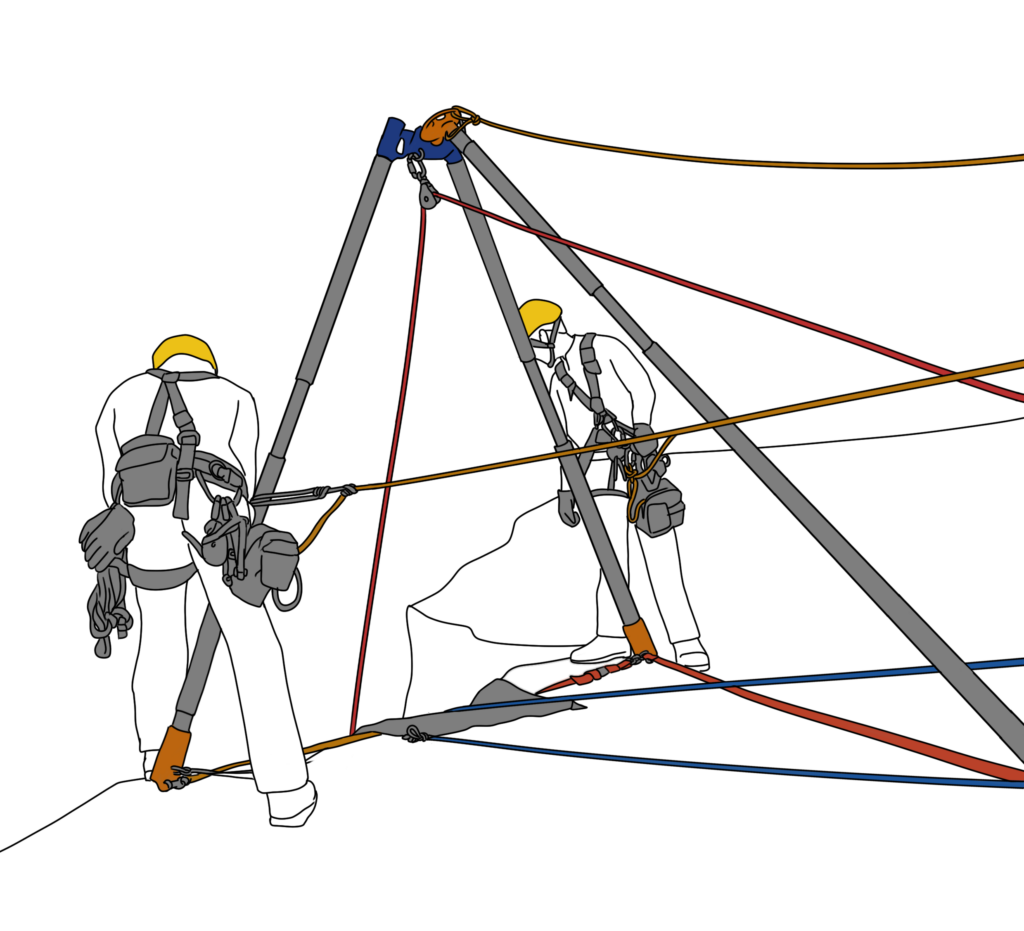
High-angle rescues present unique challenges, particularly when raising a litter over an edge. Utilizing Artificial High Directionals (AHDs) such as monopods can significantly enhance stability and efficiency during these operations. This guide explores effective rigging systems, ensuring redundancy, and facilitating smooth transitions in high-angle rescue scenarios. Understanding Artificial High Directionals (AHDs) Artificial High Directionals are

Mastering High Angle Rescues Read More »

Highline_Anchors_rope_rescue

Highline Systems for Rope Rescue

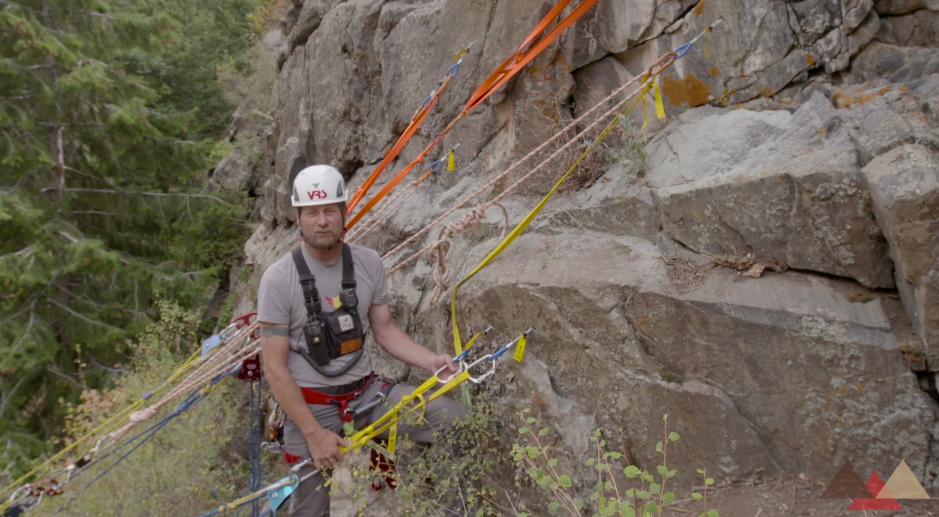
Highline systems are critical for rope rescue operations in challenging terrains and popular climbing areas. They demand advanced rigging skills, meticulous planning, and specialized equipment to ensure safety and efficiency. Key Components of Highline Systems Building Highlines Highline construction requires thorough knowledge of rigging principles and safety measures. It is crucial to use the right

Highline Systems for Rope Rescue Read More »

Rope Rescue Training for Fire Service and SAR

High-Angle Rescues with Dual Rope Systems

High-Angle Rescues with Dual Rope Systems High-Angle Rescues with Dual Rope Systems; precision and teamwork converge to tackle the multifaceted challenges of high-angle environments. The following recounts a compelling training scenario where adaptability and collaboration were pushed to the forefront, providing invaluable lessons for rescue teams. The Rescue Scenario The mission was clear: respond to

High-Angle Rescues with Dual Rope Systems Read More »

Safety Knots for Force-Multiplying Systems-Trackline Skate Block Using Gin Pole

Trackline Skate Block Using Gin Pole

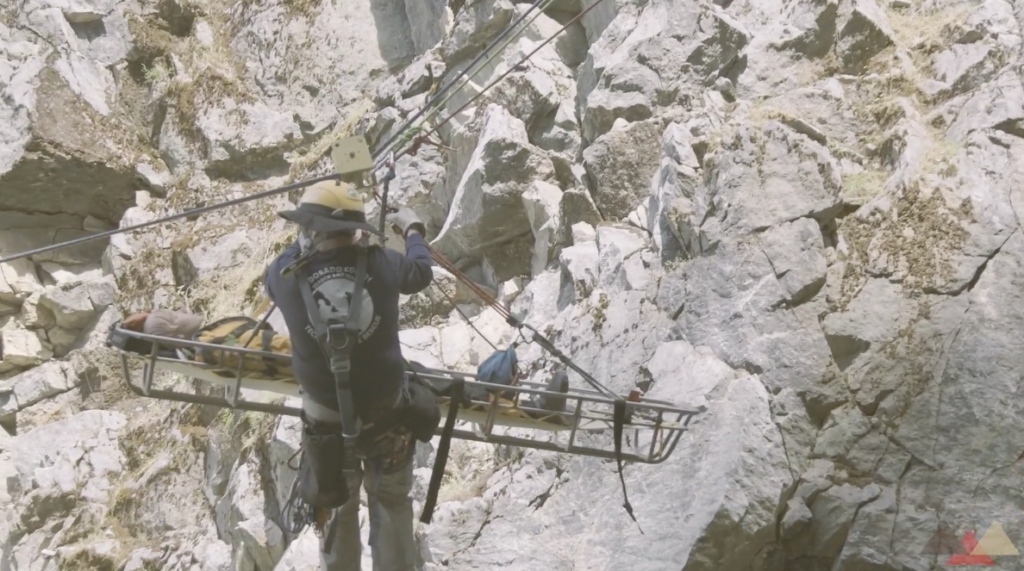
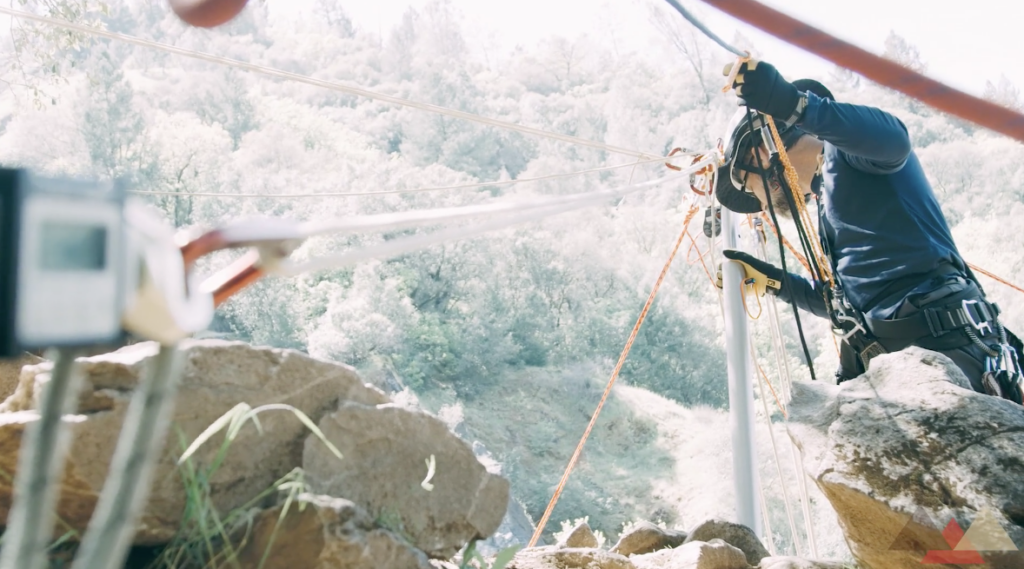
Trackline Skate Block Using Gin Pole In technical rescue operations, the trackline skate block system stands out for its efficiency and adaptability, particularly in challenging environments like steep cliffs. By integrating a monopod/gin pole as the Artificial High Directional (AHD), teams can achieve enhanced operational height and clearance, enabling safer and more effective rescues. System

Trackline Skate Block Using Gin Pole Read More »

Enhancing Technical Rescue Excellence

Enhancing Technical Rescue Excellence

Enhancing Technical Rescue Excellence In a pivotal move to elevate their technical rescue capabilities, the El Dorado County Sheriff’s Search and Rescue Unit (EDSAR) partnered with Rigging Lab Academy to host a comprehensive workshop designed to refine operational efficiency and technical proficiency. This collaboration not only honed essential rescue skills but also fostered team cohesion

Enhancing Technical Rescue Excellence Read More »

litter work on a highline rope rescue and rigging

Mastering Rope Rescue Operations

Mastering Rope Rescue Operations: Key Areas of Expertise Rope rescue operations demand mastery in critical areas to ensure both safety and efficiency. This guide explores five essential topics that form the core of advanced rope rescue knowledge: Mechanical Advantage Systems Knots and Knot Passing Techniques Anchor Systems and Bombproof Anchors Twin Tension Rope Systems Patient

Mastering Rope Rescue Operations Read More »

Elevated Anchors and Rigging Techniques

Elevated Anchors and Rigging Techniques

Elevated Anchors and Rigging Techniques: Advancing Rope Rescue Operations Rescue operations demand a deep understanding of mechanics, force dynamics, and rigging strategies. Among the essential tools in a rescuer’s arsenal are elevated anchors, which serve as critical “edge mitigation tools.” These horizontal systems are designed to raise and lower loads effectively, reducing edge trauma in

Elevated Anchors and Rigging Techniques Read More »

Managing Resultants in High Directional Setups

Managing Resultants in High Directional Setups

Managing Resultants in High Directional Setups Visualizing Stability The most straightforward method to ensure the stability of a high directional system is to visualize the resultant and confirm that it falls within the system’s footprint. This footprint encompasses the area defined by the system’s base, including anchors, legs, or any supporting structure. Guiding for Stability

Managing Resultants in High Directional Setups Read More »

Introduction to High Directional Setups and Resultants

High Directional Setups and Resultants

High Directional Setups and Resultants High directional setups and resultants are integral to complex rigging and rescue operations, providing the stability and control needed to manage challenging loads. At the core of these systems lies the concept of the resultant vector, a fundamental principle that dictates how forces interact within the system. Understanding this principle

High Directional Setups and Resultants Read More »