rope rescue

floating the patient terrain assessment

Building a Rope Rescue Team with Terrain Awareness and Training Manuals

Congratulations on stepping into leadership for your search and rescue ropes team. It’s no small task. Building a rope rescue team requires more than equipment — it demands a keen understanding of terrain, a plan to close knowledge gaps, and a structured training manual that evolves with your team. These three pillars form the backbone […]

Building a Rope Rescue Team with Terrain Awareness and Training Manuals Read More »

transitioning to two-tensioned rescue systems

TTRS Anchor Systems with Artificial High Directionals for Two Person Loads

Technical rope rescue demands anchor systems that are strong, efficient, and designed for redundancy. Building TTRS anchor systems with Artificial High Directionals (AHDs) is one of the most effective ways to achieve these goals, especially when managing a two-person load such as a patient and attendant in a litter. By combining the principles of sound

TTRS Anchor Systems with Artificial High Directionals for Two Person Loads Read More »

two tension twin tension lower single operator back tension safety

CMC Clutch Twin Tension Two Tension Lower

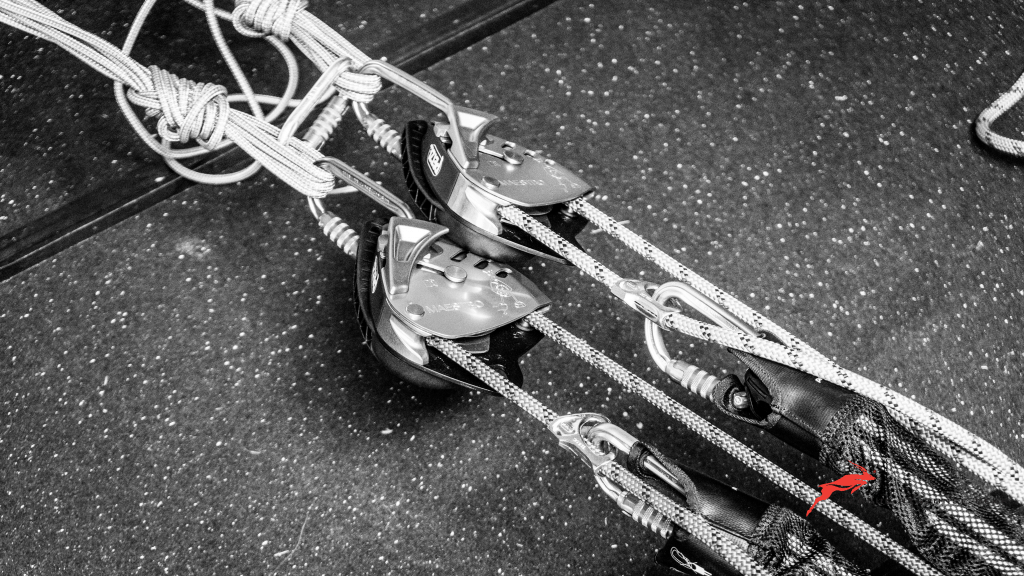
The CMC Clutch Twin Tension Two Tension Lower has become a defining standard in modern rope rescue systems. By integrating the Clutch into a Twin Tension Rope System (TTRS), rescuers can achieve smoother control, balanced load distribution, and built-in redundancy. Whether lowering or raising, the Clutch ensures safe transitions, adaptability across rescue environments, and confidence

CMC Clutch Twin Tension Two Tension Lower Read More »

sternal ascent method

Understanding the Single Rope Sternal Ascent Method

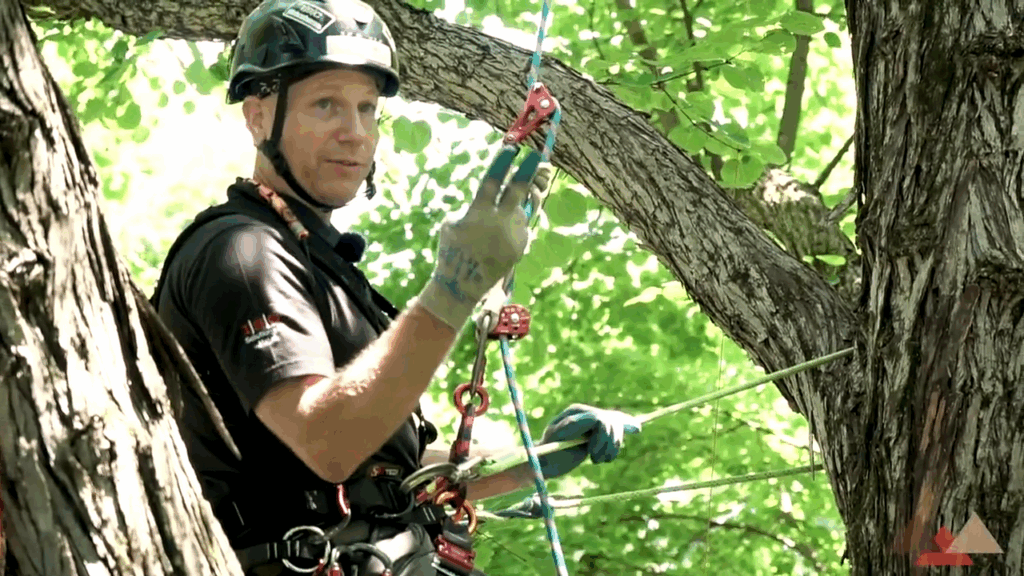
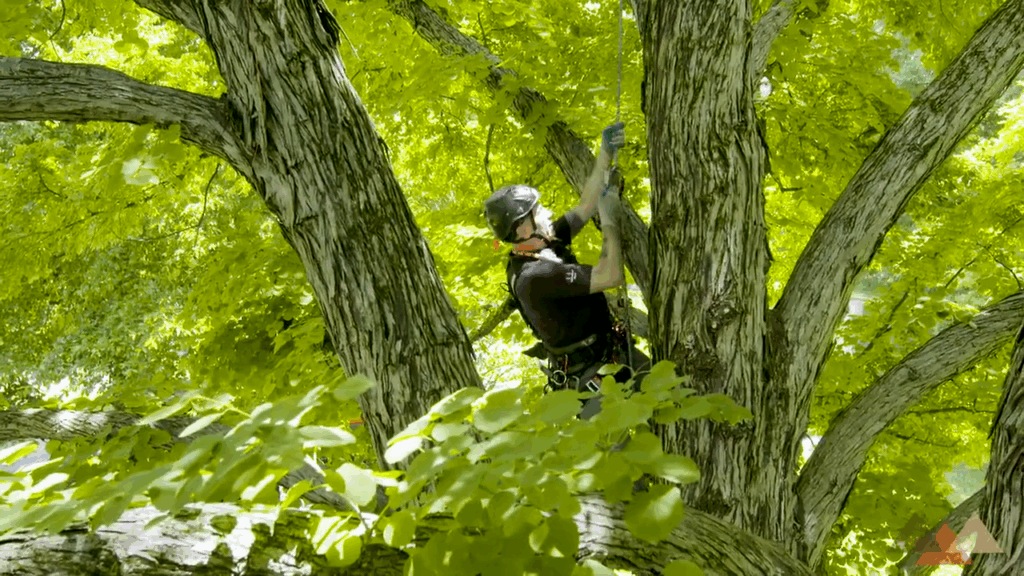
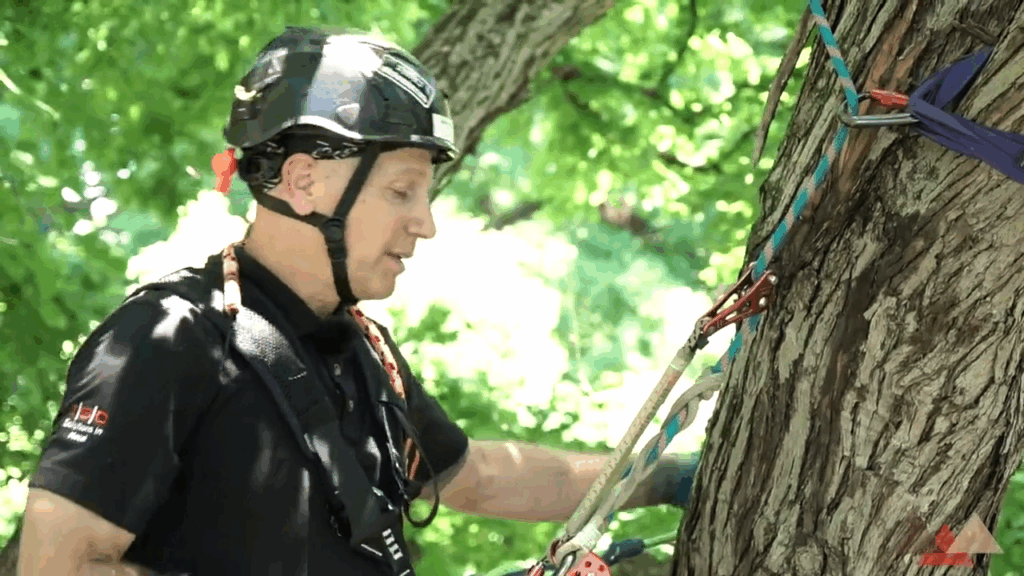
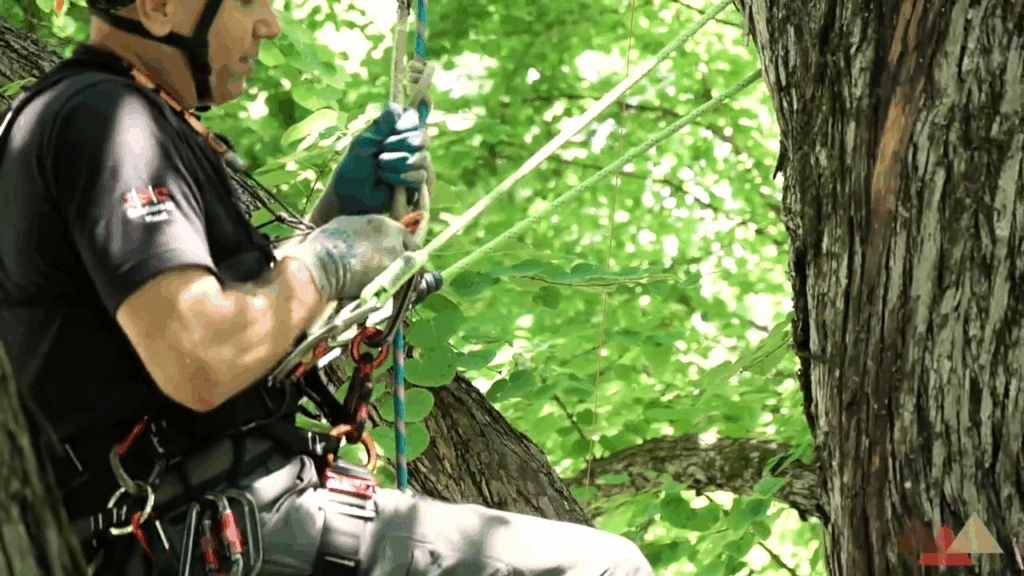
Understanding the Single Rope Sternal Ascent Method improves efficiency in single rope climbing by auto-advancing the hitch and allowing true hands-free operation. Single rope ascent methods have transformed modern rope climbing, particularly in arboriculture, rope access, and technical rescue. These systems allow climbers to move smoothly and efficiently up a fixed line with minimal energy

Understanding the Single Rope Sternal Ascent Method Read More »

Installing a Smooth Redirect with a Sling

Sling Redirect Techniques for Arborists and Rope Rescue

Sling Redirects Techniques for Arborists and Rope Rescue are one of the most useful tools in rope work. Whether you are climbing, rigging, or performing rescue operations, a redirect changes the rope’s path to improve efficiency, positioning, and comfort. Climbers often rely on natural redirects — running the rope around a branch, beam, or rock

Sling Redirect Techniques for Arborists and Rope Rescue Read More »

HAAS work rope system

Using the HAAS Modified Walking System for Ascending Through Limbs

A step-by-step guide to setting up and using the HAAS system for efficient vertical movement when climbing through obstructed environments.  So lets look into Using the HAAS Modified Walking System for Ascending Through Limbs Introduction Ascending ropes in tree care, rope access, or rescue environments often looks smooth and effortless when the rope hangs freely.

Using the HAAS Modified Walking System for Ascending Through Limbs Read More »

skate block highline

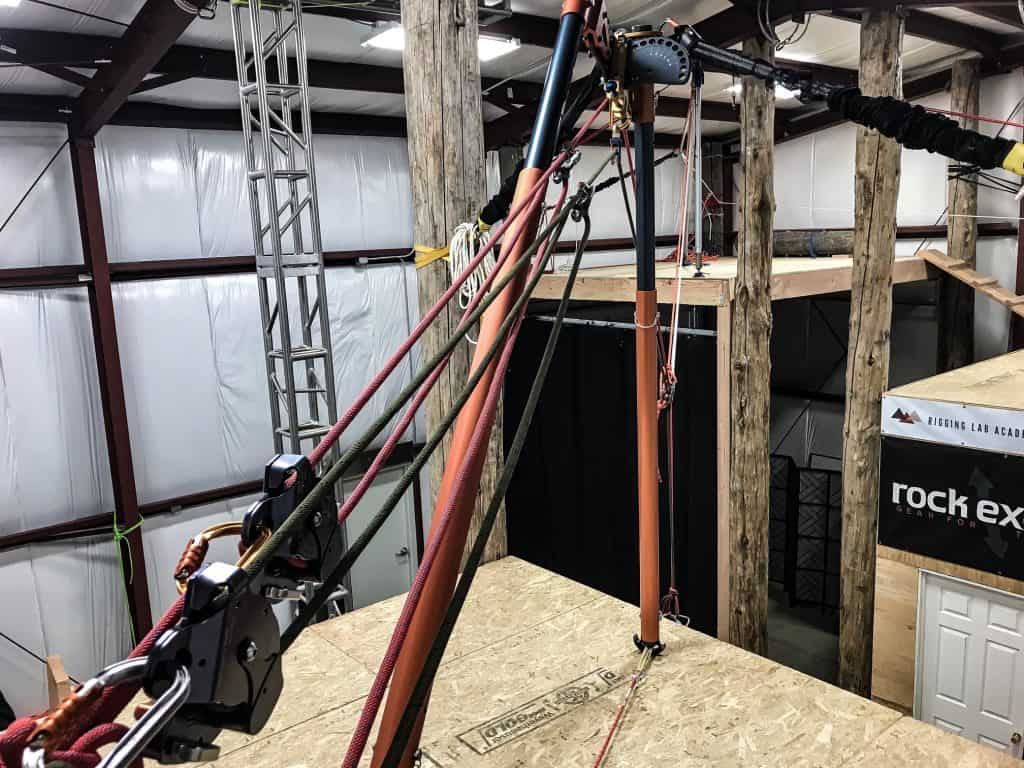
Skate Block Highline with Gin Pole Directional in Rope Rescue

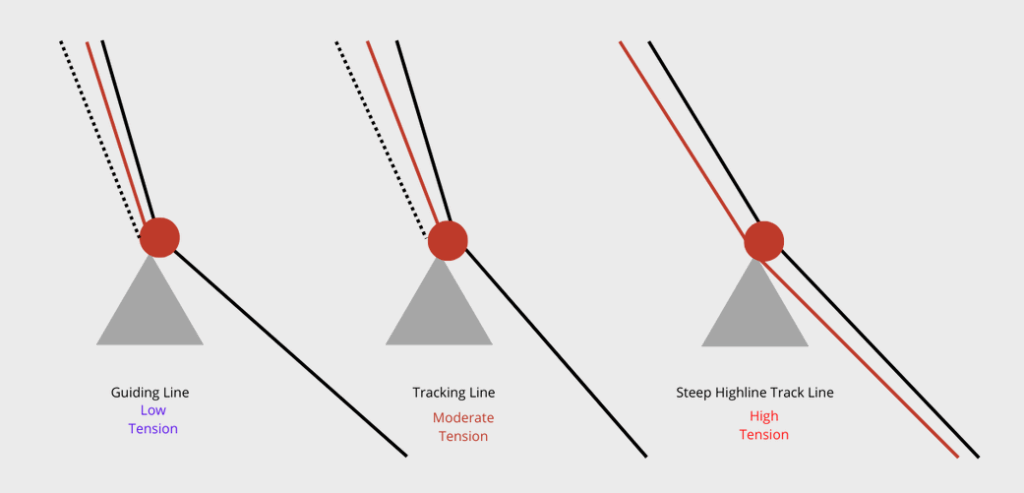
Skate Block Highline with Gin Pole Directional in Rope Rescue – How a highline configured as a skate block with a monopod directional improves efficiency, control, and safety in complex terrain. Highlines are a cornerstone of modern rope rescue, allowing teams to move loads across obstacles such as rivers, canyons, cliffs, or collapsed structures. Traditionally,

Skate Block Highline with Gin Pole Directional in Rope Rescue Read More »

structural anchors

Using Structural Anchors in Rope Rescue

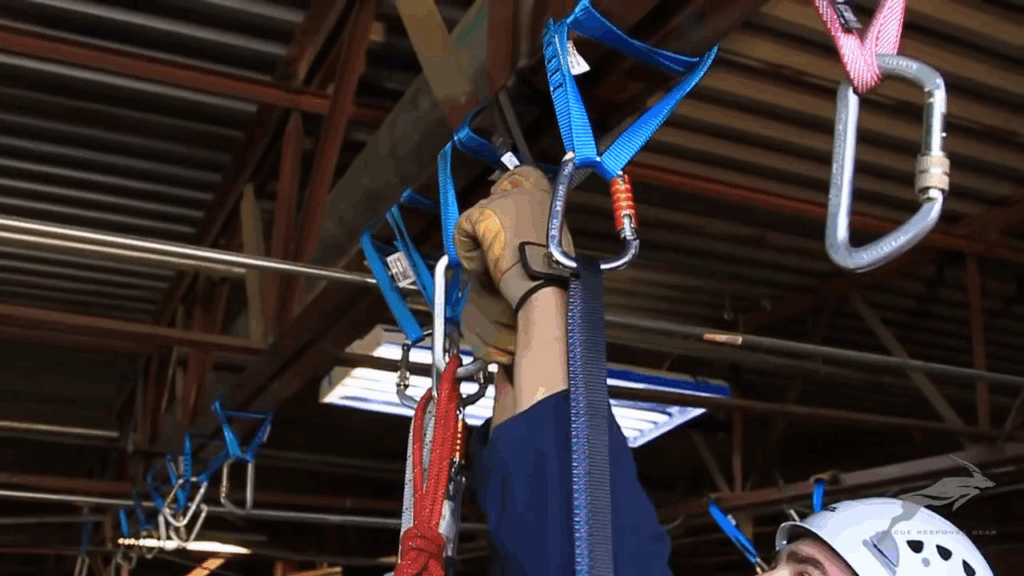
In wilderness rescues, trees and boulders often provide natural anchors. But in urban, industrial, or confined space environments, rescuers must rely on using structural anchors in rope rescue—beams, columns, and engineered fixtures built into man-made environments. These anchors, when paired with pre-sewn anchor straps, create strong and efficient attachment points for rescue systems. Structural anchors

Using Structural Anchors in Rope Rescue Read More »

picket anchor system

Picket Anchor System

In rope rescue, not every environment offers solid natural anchors such as trees or boulders. In open terrain like soil, sand, or snow, rescuers must create their own secure anchor system. The picket anchor system is a proven solution, using steel stakes driven into the ground to create reliable attachment points for rescue loads. When

Picket Anchor System Read More »

bombproof focused anchor system short

Bombproof Focused Anchor System

Every rope rescue begins and ends with anchors. Without a secure foundation, even the most advanced mechanical advantage systems or high-directional setups are compromised. When substantial natural anchors are absent at the fall line, rescuers must create reliable alternatives that provide stability, redundancy, and adaptability. One of the most versatile solutions is the Bombproof Focused

Bombproof Focused Anchor System Read More »

back-tie Anchors and Anchor Systems

Anchors and Anchor Systems are The Foundation of Every Safe Rig

What is the single most critical component of any rescue or rigging system? The answer is simple: the anchor. It is the silent hero, the unyielding foundation that bears the weight of every operation. Yet, a lack of understanding or a single mistake in its setup can turn a meticulously planned rescue into a catastrophic

Anchors and Anchor Systems are The Foundation of Every Safe Rig Read More »

dynamic offset

When to Choose an Offset Instead of a Highline in Rope Rescue

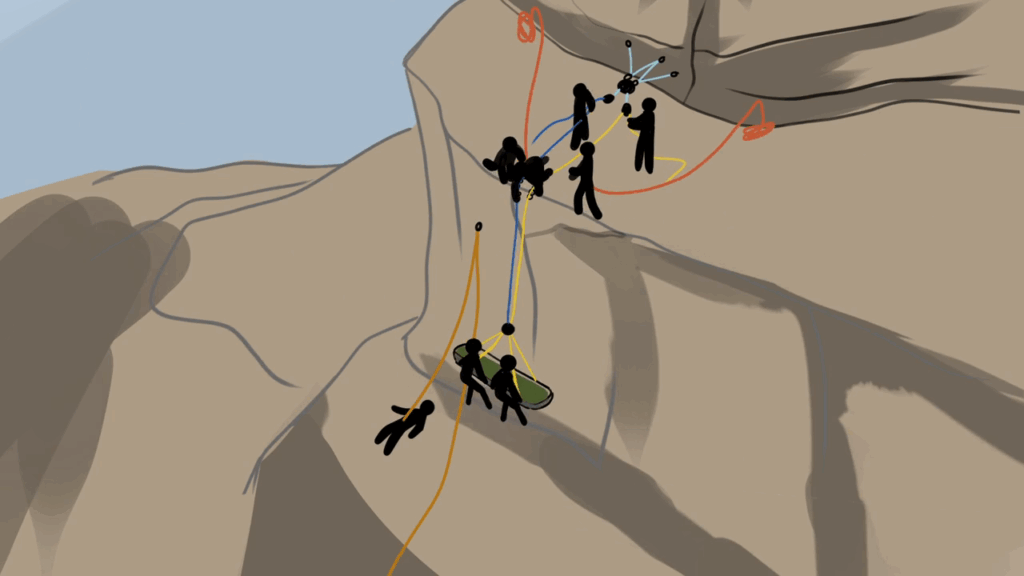
When to Choose an Offset Instead of a Highline in Rope Rescue – One of the most common choices in rope rescue is deciding between a highline and an offset system. Both can move a patient or load across complex terrain, but they solve the problem in very different ways. A highline acts like a

When to Choose an Offset Instead of a Highline in Rope Rescue Read More »