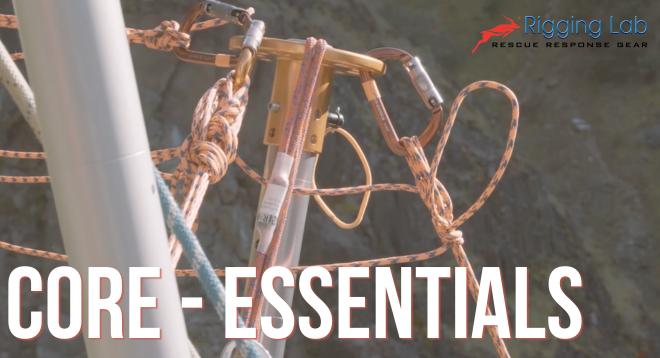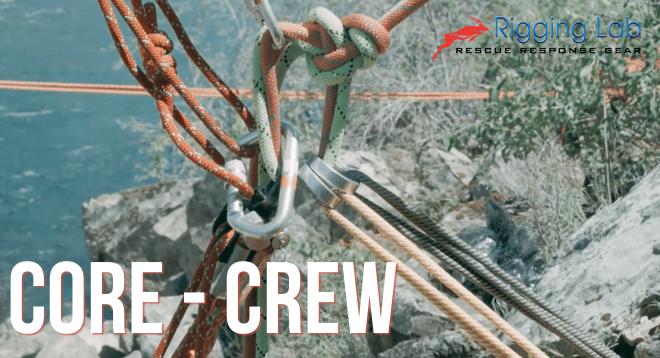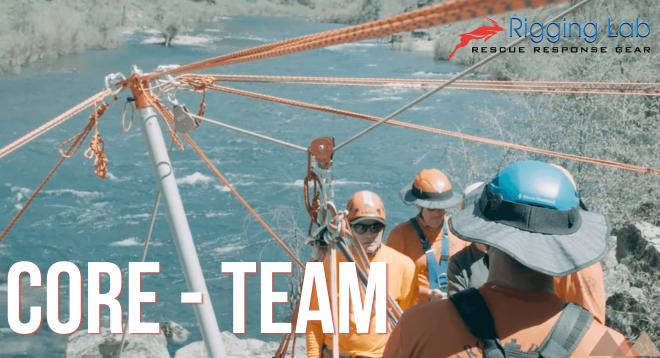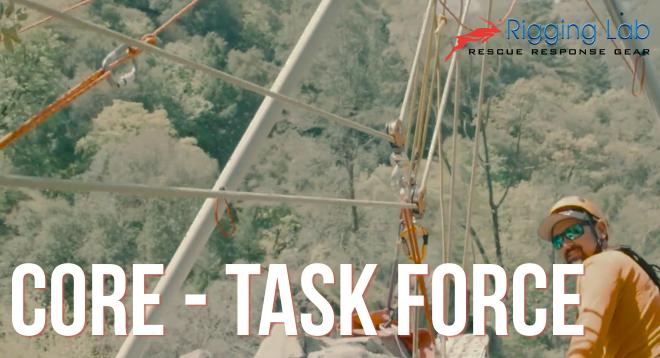
Edge Protection in Rope Rescue is one of the most important safeguards for both rescuers and equipment. The edge transition zone is where ropes are most vulnerable to abrasion, cutting, or uncontrolled movement. Without proper protection, even a bombproof anchor and strong system can be compromised at the point where the rope crosses the edge. Using the right directional devices, pads, and hardware ensures system longevity and rescuer safety.
Why Edge Protection Matters
Every rope that passes over an edge is exposed to friction, sharp surfaces, and repeated movement. This makes the edge transition one of the highest-risk points in any system. Edge protection doesn’t just preserve the rope—it also stabilizes the system by reducing drag, ensuring smoother raises, lowers, and transitions.
Types of Directionals and Edge Tools
-
Structural High Directional (SHD)
-
Used at the anchor point to elevate and redirect the rope.
-
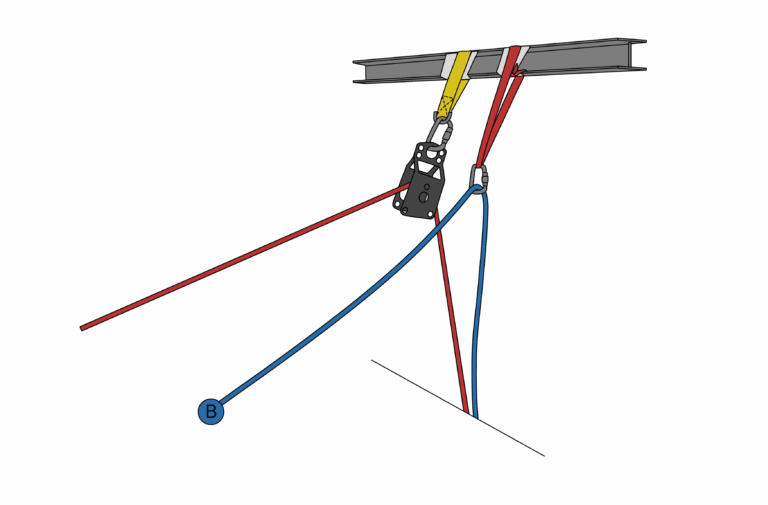
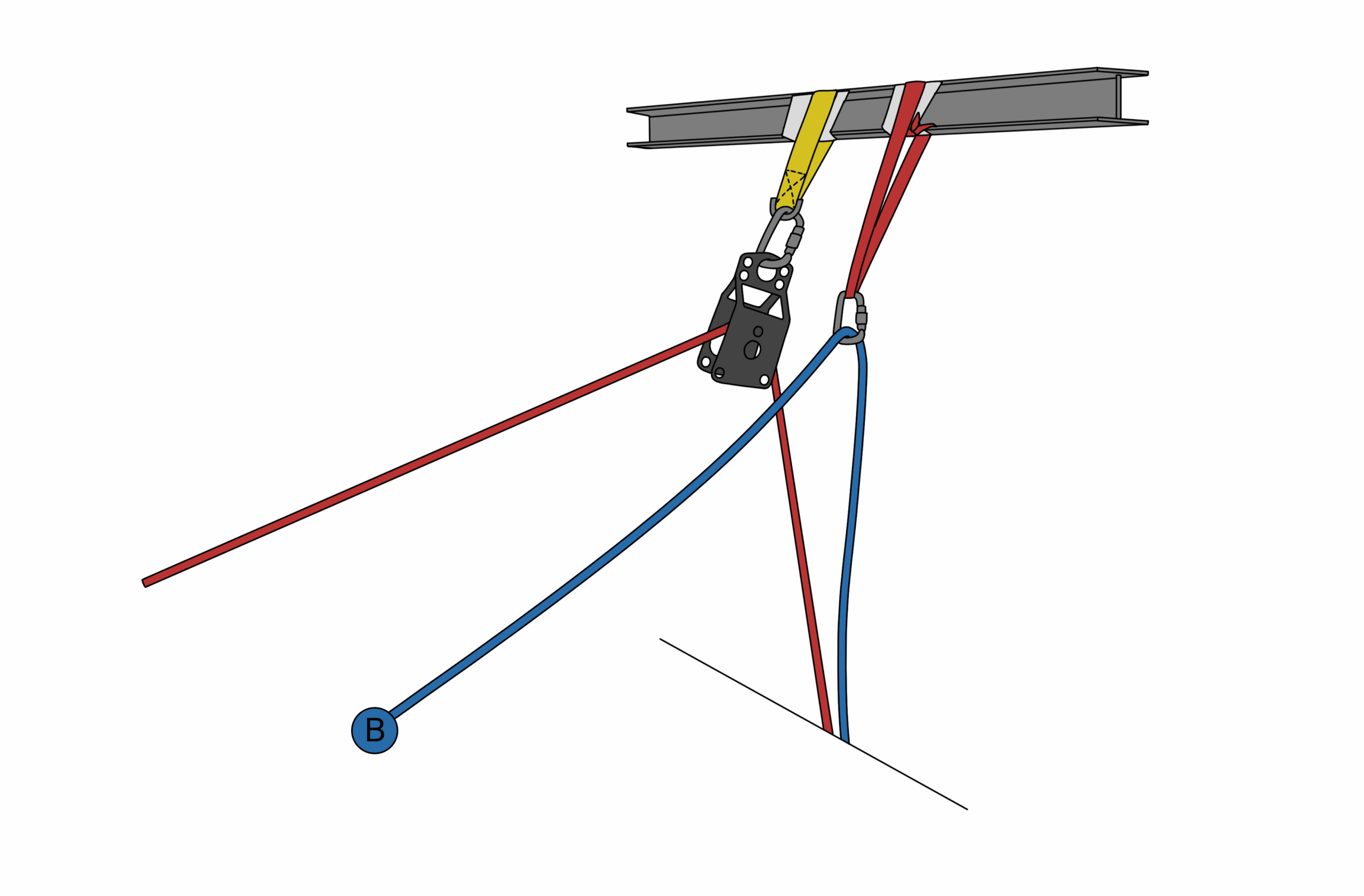
Common devices: pulleys, knot-passing pulleys, or MPDs when operating in a DCTTRS (Dual Capability Two-Tension Rope System).
-
Protects the rope path by shifting the transition zone above the edge.
-
-
Low Directional (LD)
-
Positioned directly at the edge to reduce friction.
-
Common devices: edge rollers or rope friction pads.
-
Must be secured to prevent slipping or falling over the edge.
-
-
Edge Pads and Rope Protectors
-
Simple but effective for preventing rope abrasion.
-
Best applied in 2–3 layers when the belay line passes directly over the edge.
-
Key Guidelines for Edge Protection
-
Place the belay line in the high directional if the anchor is bombproof.
-
Avoid using a pulley at the belay directional unless the device is an MPD configured as a DCTTRS.
-
Always secure low directionals (like edge rollers) so they don’t tip over under load.
-
Layer edge pads under ropes where rollers cannot be used.
-
Monitor rope movement — prolonged lowering or hauling increases edge wear.
Example in Practice
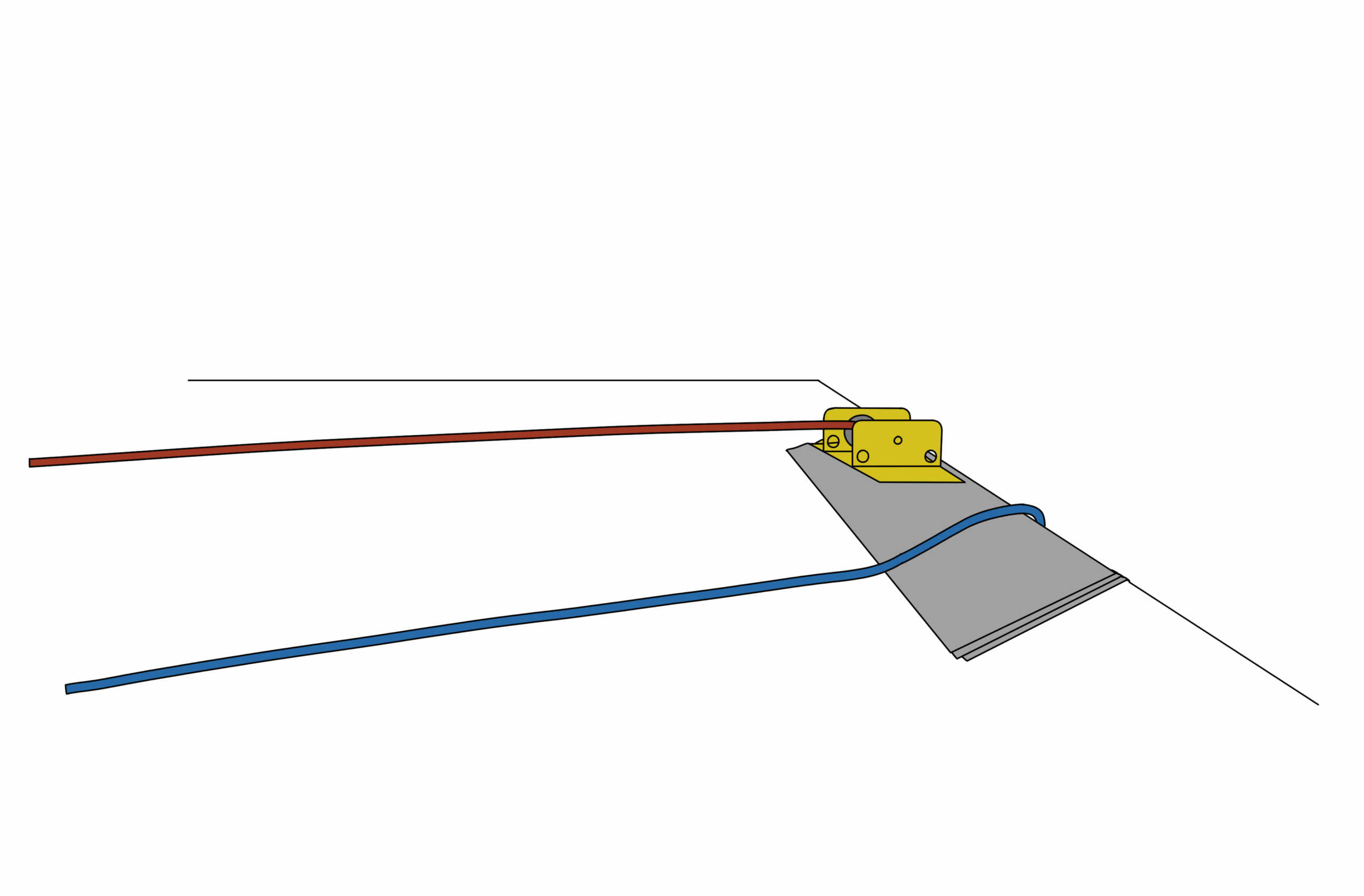
During a vertical cliff rescue, the main line passes cleanly through a high directional with a knot-passing pulley, while the belay line is routed separately over an edge roller secured with webbing. At the lip, wide rope pads provide an additional layer of redundancy against abrasion. The result is a smooth rope path, reduced friction, and minimal wear on the belay line during repeated transitions.
Advantages of Proper Edge Protection
-
Safety – Reduces the risk of rope damage and catastrophic failure.
-
Efficiency – Minimizes drag for smoother hauling and lowering.
-
Durability – Extends the life of ropes and equipment.
-
Versatility – Works across cliff, urban, and industrial environments.
Safety Considerations
-
Never assume a rope will hold up under repeated friction without protection.
-
Check placement of rollers, pads, and directionals before loading.
-
Watch for shifting under load—secure all devices with slings or carabiners.
-
Inspect ropes frequently in edge zones for glazing, sheath wear, or cuts.
Conclusion
Edge Protection in Rope Rescue is a fundamental part of system integrity. By combining high and low directionals, rope pads, and correct use of devices like MPDs or rollers, rescuers create safe and efficient rope paths over edges. Protecting the transition zone not only safeguards equipment but also ensures smooth operations in the most demanding environments.
Peace on your Days
Lance