Anchors are rarely in the perfect location. A tree, bollard, or structural beam may be strong, but if it isn’t aligned with the fall line, attaching directly can create dangerous side loads or awkward rope paths. A back-tie anchor system solves this by redirecting and stabilizing a focal point, bringing strength and alignment into balance.
By using low-stretch rope and tensioning techniques, the back-tie anchor transforms an offset anchor into a clean, usable system attachment point.
What Is a Back-Tie Anchor System?
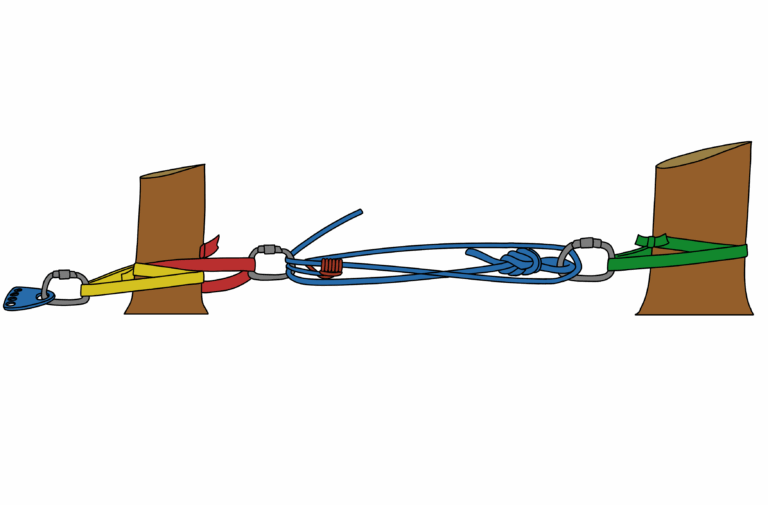
A back-tie anchor system is a rigging method that connects a substantial or bombproof anchor to a desired focal point using tensioned rope. This allows rescuers to “move” the working anchor position into alignment with the load, without compromising safety.
In practice: Think of a solid tree that sits several feet back from the cliff edge. A back-tie system lets you extend its strength forward to where the main and belay lines need to run.

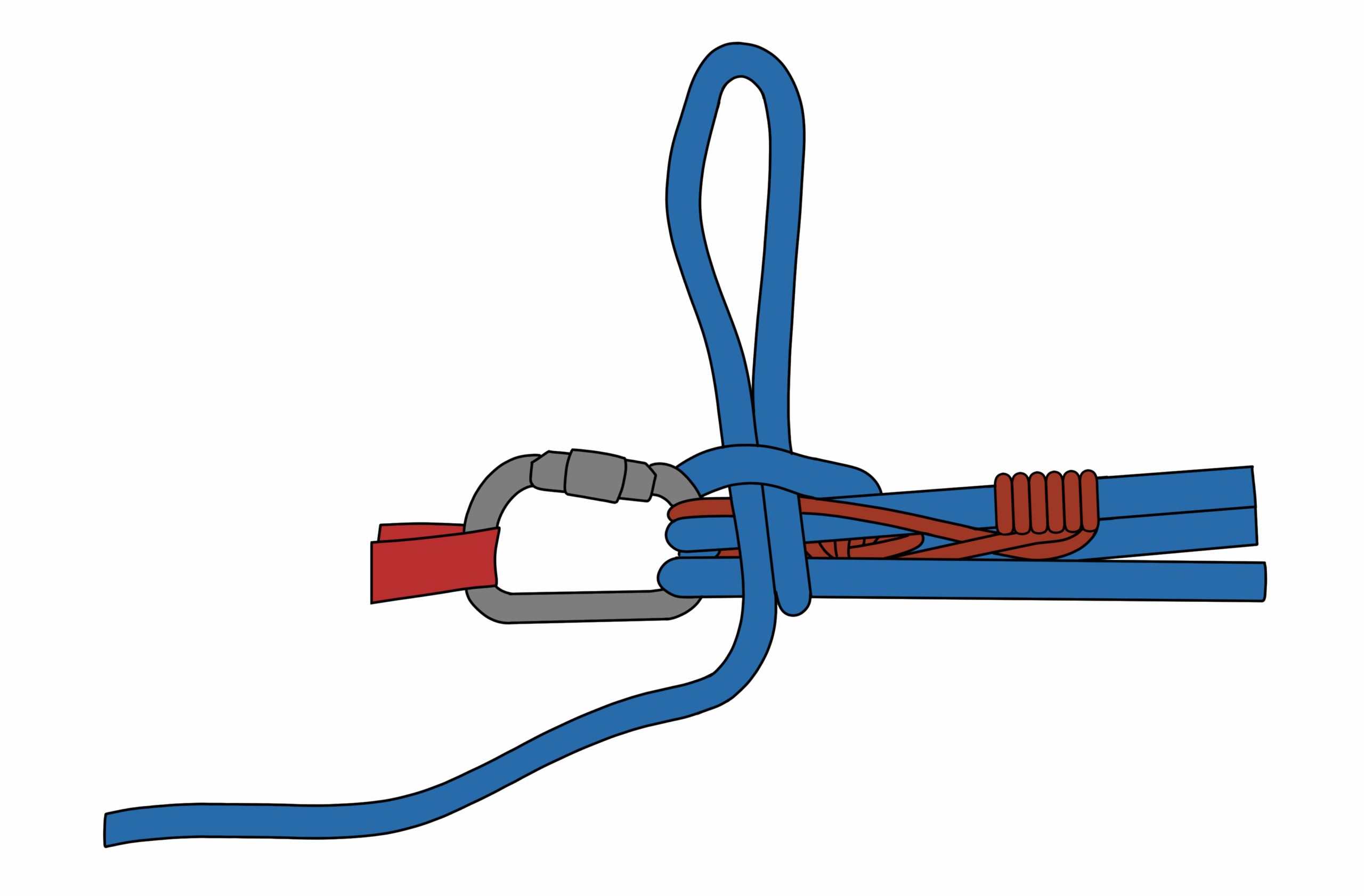
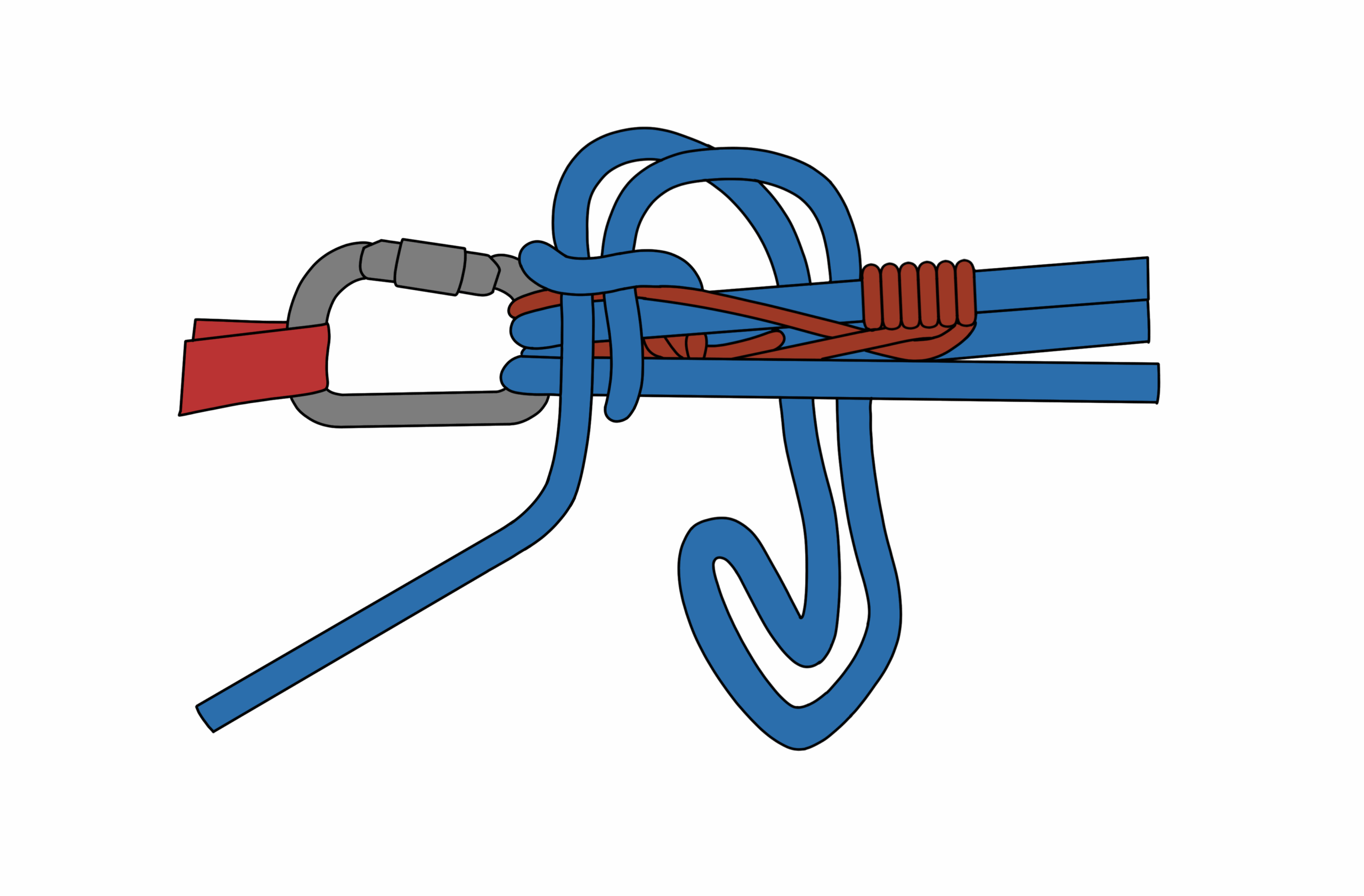

Step-by-Step Setup
-
Build the Back-Tie Connection
-
Attach rope to a substantial anchor using a clove hitch on a bight.
-
Run the rope forward to the system attachment point.
-
-
Interweave and Wrap
-
Use at least three wraps of rope if length allows.
-
Keep wraps tight and parallel, distributing force across the anchor.
-
-
Tension the System
-
Pull tension on the back-tie and set with a ratchet-style device or mechanical progress capture (3:1 without pulleys works effectively).
-
Ensure tension holds firm without damaging the anchor.
-
-
Optional Ratchet Prusik
-
A ratchet prusik can be added if another rescuer is managing rope.
-
This provides extra control and prevents loss of tension while tying off.
-
-
Tie Off the Back-Tie
-
Finish by securing with two half hitches, backed up by an overhand if needed.
-
The goal is a stable, non-slipping termination.
-
Key Advantages of Back-Tie Systems
-
Alignment – Brings the focal point into line with the fall path.
-
Versatility – Works with both bombproof and substantial anchors.
-
Load Distribution – Spreads force across multiple wraps for stability.
-
Adaptability – Extends usable anchors to locations that would otherwise be out of reach.
Safety Considerations
-
Always keep the back-tie in line with the fall line to avoid side loading.
-
Use only substantial or bombproof anchors — marginal anchors should not be used in back-tie systems.
-
Avoid excessive tension that may damage the forward anchor.
-
Confirm knots (clove hitch on a bight, half hitches) are secure before loading.
-
Multi-point back-ties made from marginal anchors should be rare exceptions, not standard practice.
When to Use a Back-Tie Anchor System
-
Cliff rescues where strong trees sit behind the edge.
-
Industrial settings where structural beams are offset from the desired focal point.
-
Training environments where alignment needs to be demonstrated or controlled.
Conclusion
The Back-Tie Anchor System is a practical solution when your anchor isn’t in the ideal position. By extending and tensioning a substantial or bombproof anchor, rescuers can build a clean, aligned focal point for their main and belay systems. This method ensures safety, stability, and adaptability in environments where anchor placement is less than perfect.
Peace on your Days
Lance