rope rescue

mainline belay line

Mainline and Belay Operations in Horizontal Track Systems

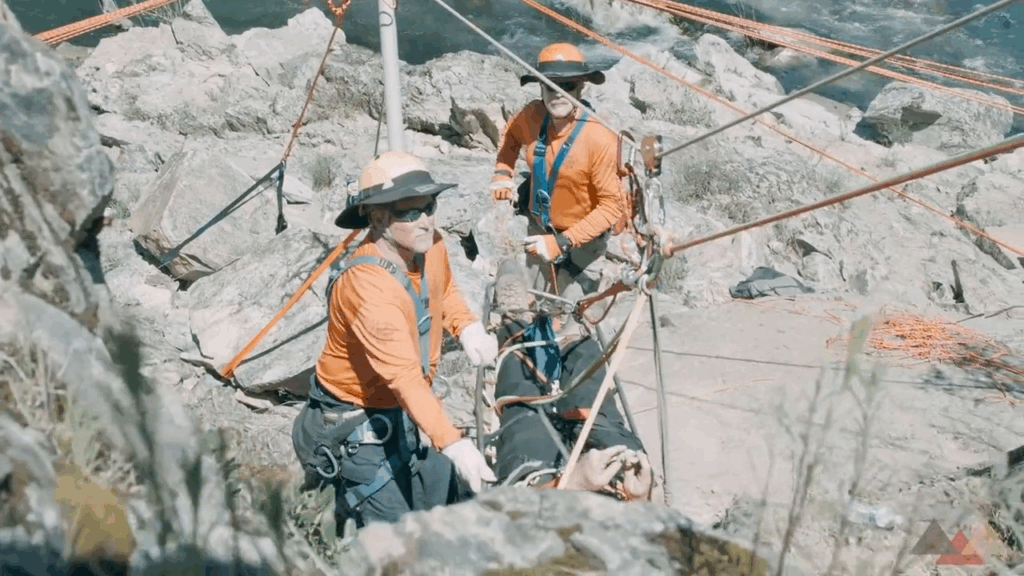
Mainline and Belay Operations in Horizontal Track Systems In rope rescue, tensioned track systems are among the most complex setups a team can face. Moving a litter horizontally across a canyon, river, or urban void requires precise control of forces, anchors, and redundancy. The difference between success and disaster is often in the management of […]

Mainline and Belay Operations in Horizontal Track Systems Read More »

two tension rope systems

Twin Tension Systems in Horizontal Tracks for Rope Rescue

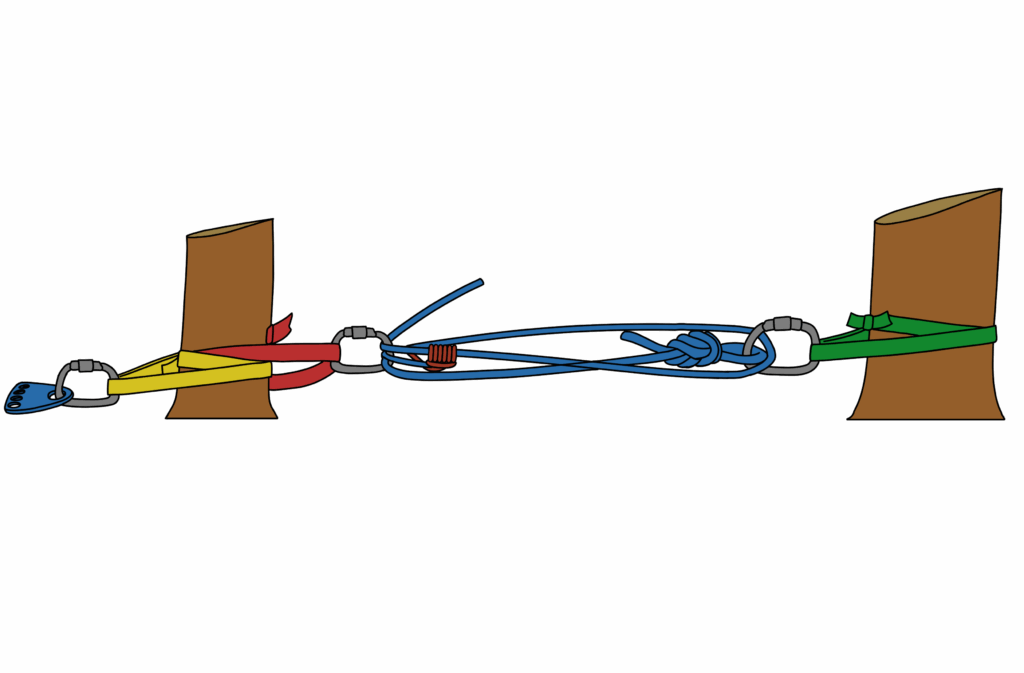
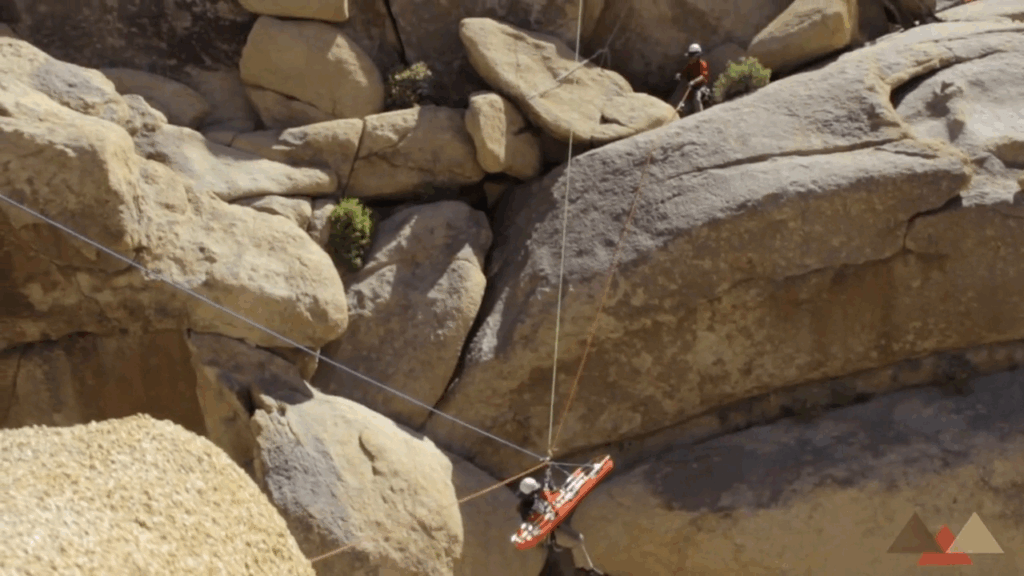
Twin Tension Systems in Horizontal Tracks for Rope Rescue When a litter is moved across a horizontal track line, rescuers are managing one of the most demanding rigging challenges in rope rescue. Forces on anchors are amplified by sag angle, span length, and live load movement. Traditional single-line tracks rely on one rope for the

Twin Tension Systems in Horizontal Tracks for Rope Rescue Read More »

Ideal Sag in Tensioned Track Systems for Rope Rescue

Ideal Sag in Tensioned Track Systems for Rope Rescue

Why Sag Is the Silent Killer Ideal sag in tensioned track system for rope rescue is not an easy thing to figure out.  If you’ve ever stood under a loaded tensioned track line, you know the truth: it’s not the rope that fails first, it’s the anchors. They groan, creak, and sometimes shift under loads

Ideal Sag in Tensioned Track Systems for Rope Rescue Read More »

Building the Minimal Mechanical Advantage Kit

Building a Minimal Mechanical Advantage Kit with the 20–80 Rule

The 20–80 Rule in Action: Building the Minimal Mechanical Advantage Kit In rope rescue, complexity can be your enemy. Too many devices, too much gear, and too many choices under stress can slow a team down and increase risk. That’s where the 20–80 Rule comes in: with about 20% of the gear, you can accomplish

Building a Minimal Mechanical Advantage Kit with the 20–80 Rule Read More »

Rope Rescue Math and Aerial Ladder Torque Management

Rope Rescue Math and Aerial Ladder Torque Management

Rope Rescue Math and Aerial Ladder Torque Management In rope rescue, a high-directional such as an aerial ladder can be an invaluable elevated anchor—if it’s rigged correctly. The forces at play are not intuitive, and relying on firefighting ratings or guesswork can lead to dangerously overloaded systems.This guide explains the math behind high-directional loading, how

Rope Rescue Math and Aerial Ladder Torque Management Read More »

Rope Rescue Math – Understanding High-Directional Forces

Rope Rescue Math Guide to High Directional Forces

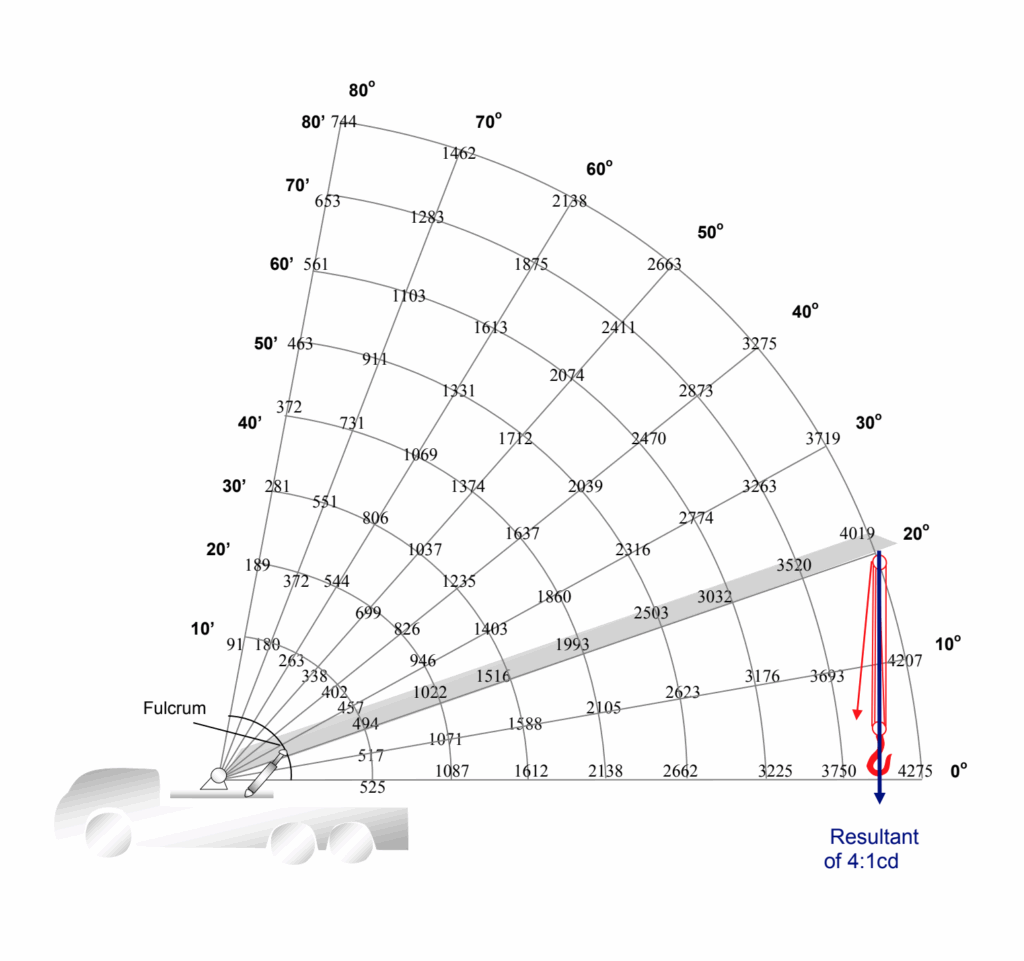
Rope Rescue Math – Understanding High-Directional Forces In rope rescue, knowing the numbers can be the difference between a safe system and one that’s on the edge of failure. When working with high-directionals—such as aerial ladders, tripods, or A-frames—forces don’t just act straight down; they spread out along multiple paths. The diagrams you’ve seen are

Rope Rescue Math Guide to High Directional Forces Read More »

REMS kit

Building a REMS Kit That Works in the Real World

Building a REMS Kit That Works in the Real World When you’re assembling a Rapid Extraction Module Support (REMS) team for wildland fire or remote rescue operations, you need more than just commitment. You need the right kit—every time, no excuses. The NWCG PMS 552 (National Wildfire Coordinating Group Publication Management System document #552) is

Building a REMS Kit That Works in the Real World Read More »

rems fire litter

Inside a REMS Team Roles and Typing Under ICS 162-4

When every second counts on the wildland fireline, Rapid Extraction Module Support (REMS) teams deliver specialized rescue capability. Guided by ICS 162-4, the national standard for REMS team roles and typing, these units are pre-trained, pre-equipped, and ready to integrate directly into incident command. This standardization ensures a REMS team can respond quickly, operate safely,

Inside a REMS Team Roles and Typing Under ICS 162-4 Read More »

Rapid Extraction Module Support-REMS Overview and Operations - Rescue Training That Tracks with Reality

Rapid Extraction Module Support in Wildland Firefighting

Rapid Extraction Module Support in Wildland Firefighting Wildland firefighting is one of the world’s most hazardous jobs. Crews face unpredictable terrain and serious obstacles to emergency response when something goes wrong on the fireline. The development of the Rapid Extraction Module Support (REMS) concept—and its adoption as a national standard in the wildland fire community—marks

Rapid Extraction Module Support in Wildland Firefighting Read More »

Floating the Litter Uphill with a Dual Tension Tracking Line System

Floating the Litter Uphill with a Dual Tension Tracking Line System

Floating the Litter Uphill with a Dual Tension Tracking Line System In high-angle terrain where a manual carry is dangerous or impossible, rescuers often rely on rope systems that elevate, stabilize, and precisely control patient movement. One such system—a dual-tensioned tracking line anchored to a Vortex frame and gin pole—offers the perfect solution for floating

Floating the Litter Uphill with a Dual Tension Tracking Line System Read More »

force angles in gin pole systems

Force Angle Verification and System Readiness in Gin Pole Rigging

Force Angle Verification and System Readiness in Gin Pole Rigging. Before committing any load—especially a human subject—to a directional or monopod system, the rig must pass a structural readiness check. This means more than simply tightening ropes or locking pins. It’s about confirming that every mechanical and geometric component is functioning within allowable thresholds. Failure

Force Angle Verification and System Readiness in Gin Pole Rigging Read More »

Sideways A-Frame with Winch Load Control and Guying Strategy

Sideways A-Frame with Winch Load Control and Guying Strategy

Sideways A-Frame with Winch Load Control and Guying Strategy When rigging a sideways A-frame for load movement, especially with a winch mounted to the rear leg, the entire structure behaves more like a torquing monopod than a traditional tripod or A-frame. The applied force pushes downward through the head, but the system’s tendency to rotate

Sideways A-Frame with Winch Load Control and Guying Strategy Read More »

Directional Frame Setup and Guying Angles in Rescue Rigging

Directional Frame Setup and Guying Angles in Rescue Rigging

Directional Frame Setup and Guying Angles in Rescue Rigging When deploying directional frames in rope rescue, especially A-frame or gin pole setups, small adjustments in angles can make the difference between a reliable system and one on the edge of collapse. Proper guying—both front and back—is not just about holding the frame upright. It’s about

Directional Frame Setup and Guying Angles in Rescue Rigging Read More »

climber fall rescue - 5 First Principles of Rescue Rigging

Climber Rescue Team Using Twin Tension Rope Systems

Climber Rescue Team Using Twin Tension Rope Systems A climber begins their ascent. Movements are steady and deliberate. Each step shows control. But even skilled climbers can fall. And when they do, preparation makes the difference and it is here we see a Climber Rescue Team Using Twin Tension Rope Systems. The Fall: Fast Response

Climber Rescue Team Using Twin Tension Rope Systems Read More »

ASAP Belay System

How the ASAP Belay System Protects Single-Tensioned Rope Operations

Why a Belay System Still Matters in a Single-Tensioned Rope Setup In single-tensioned rope systems, the mainline carries the full load. While this simplifies edge transitions and minimizes gear, it introduces one essential requirement: a dependable, redundant backup. This is where the ASAP Belay System comes into play. Rather than acting as an equal partner

How the ASAP Belay System Protects Single-Tensioned Rope Operations Read More »

STRS lower

Lowering with Confidence Using the Single-Tensioned Rope System

A Lowering System Built on Simplicity and Redundancy The Single-Tensioned Rope System (STRS) is a rope rescue method that uses one rope to support and lower a load, while a second, redundant rope acts as a passive belay. The defining characteristic of this system is its asymmetric loading: only one rope is actively under tension

Lowering with Confidence Using the Single-Tensioned Rope System Read More »

petzl jag pick-offs

How to Perform a High-Angle Pick-Off Using the Petzl Jag and Double Long Tail Bowline

How to Perform a High-Angle Pick-Off Using the Petzl Jag and Double Long Tail Bowline Keyphrase: high-angle pick-off with Petzl JagMeta Description: Learn how to execute a high-angle pick-off using the Petzl Jag system, a double long tail bowline, and two-point connection strategy. A complete breakdown of gear logic and safety flow.Tags: high-angle rescue, pick-off,

How to Perform a High-Angle Pick-Off Using the Petzl Jag and Double Long Tail Bowline Read More »

Debunking the myth of parallel mechanical advantage

Why Parallel Haul Systems Don’t Double Mechanical Advantage in Rope Rescue

Debunking the Myth of Multiplying Mechanical Advantage In technical rope rescue, clarity and precision matter—especially when it comes to understanding mechanical advantage. One common belief that continues to circulate in the rescue and rigging world is that two parallel 3:1 systems hauling a single load equals a 6:1 advantage. It sounds intuitive. It looks clean

Why Parallel Haul Systems Don’t Double Mechanical Advantage in Rope Rescue Read More »

gin pole ahd rope rescue

Gin Pole AHD rope rescue

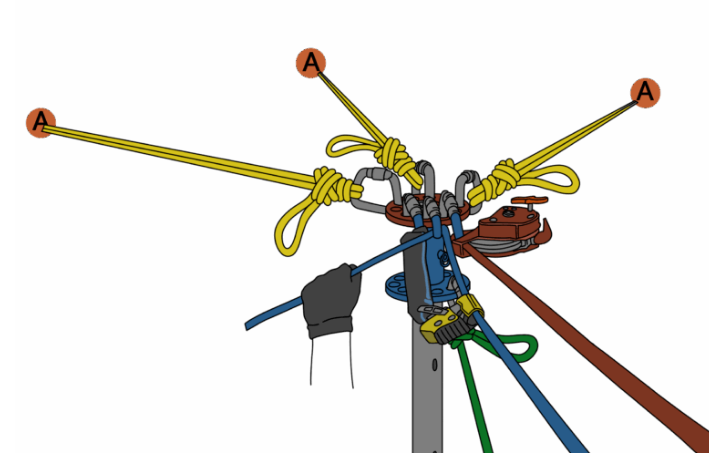
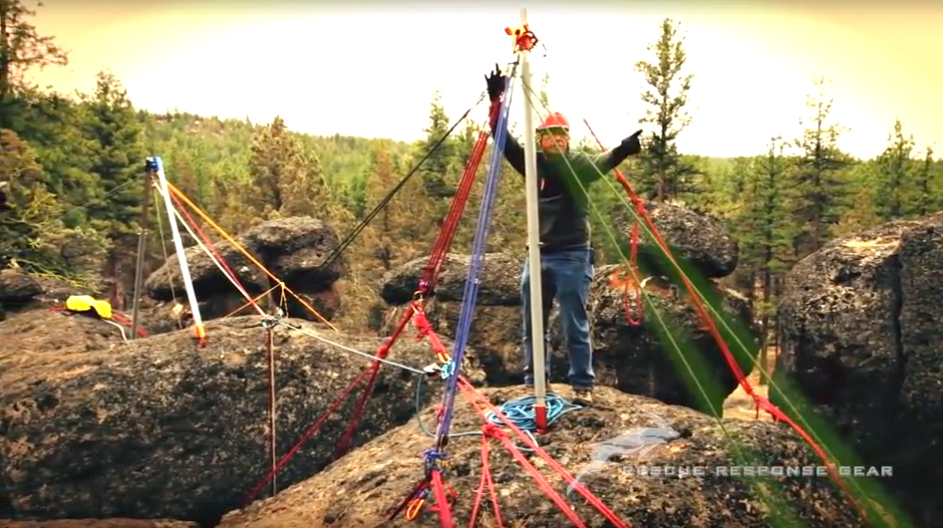
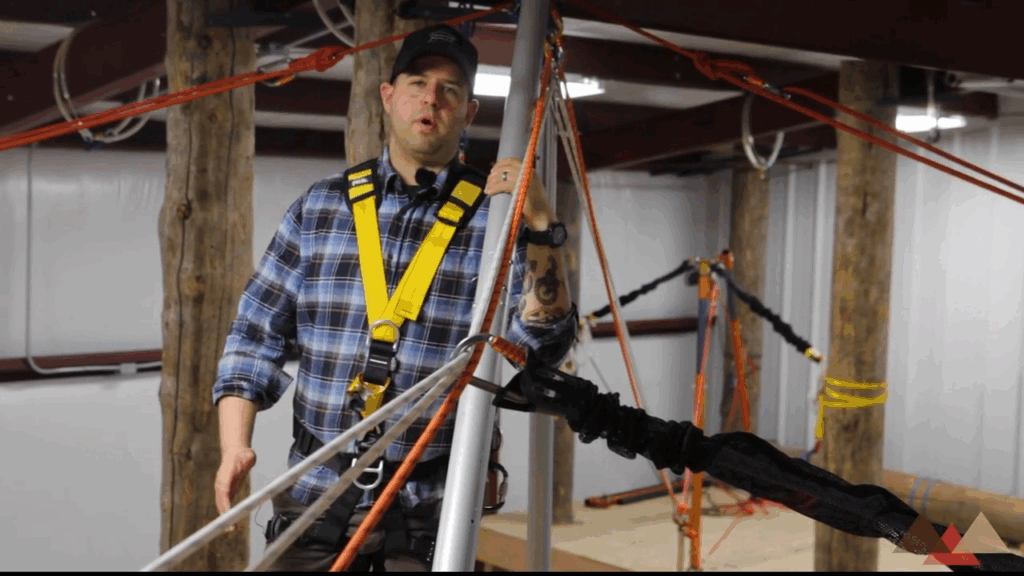
In rope rescue, artificial high directionals (AHDs) are force multipliers—not just for mechanical advantage, but for terrain navigation, edge management, and operational flow. Among the most versatile and efficient of these is the gin pole. Whether used in confined space, industrial tower rescue, or wilderness cliffside extractions, a properly configured gin pole offers clean vertical

Gin Pole AHD rope rescue Read More »

arbor rope access

Rope Access Techniques in Arbor Work

What Is Rope Access? Rope access is a method of working at height using ropes, harnesses, and friction devices. In arbor work, it allows arborists to move vertically and position themselves securely within a tree canopy. These systems rely on safe anchors and friction-managed descent tools to control movement. Instead of climbing with ladders or

Rope Access Techniques in Arbor Work Read More »