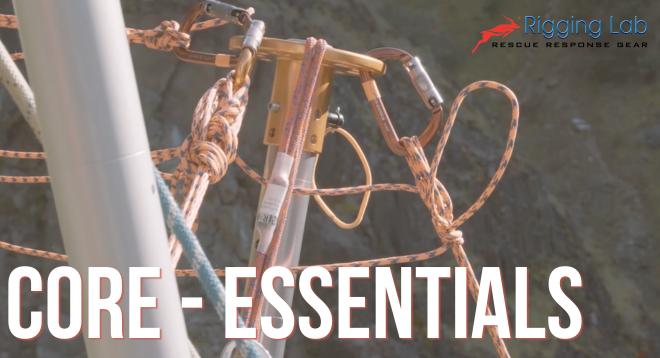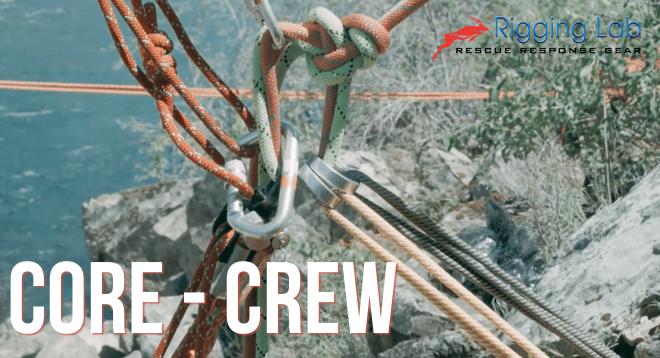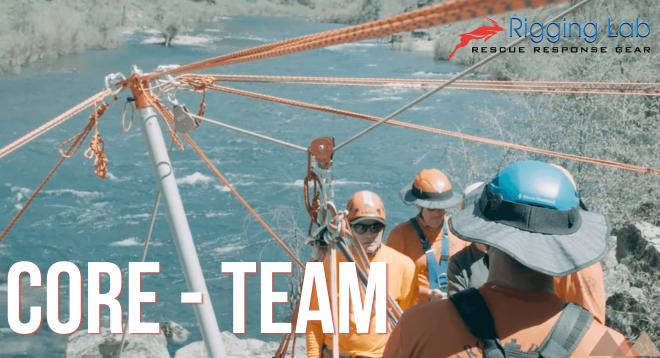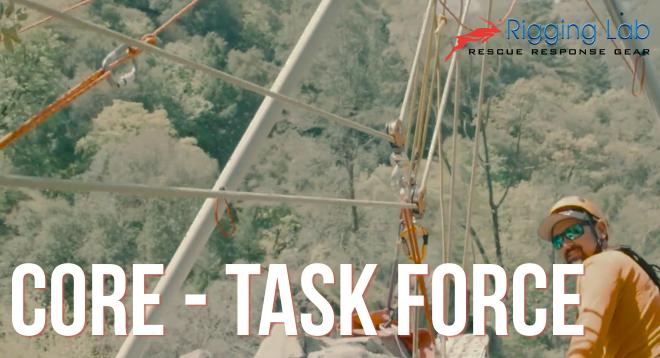
When every second counts on the wildland fireline, Rapid Extraction Module Support (REMS) teams deliver specialized rescue capability. Guided by ICS 162-4, the national standard for REMS team roles and typing, these units are pre-trained, pre-equipped, and ready to integrate directly into incident command. This standardization ensures a REMS team can respond quickly, operate safely, and meet consistent performance expectations in any deployment.
What is ICS 162-4?
ICS 162-4_REMS, is the official REMS Position Manual. It defines:
-
Team composition and typing (Type 1, Type 2, etc.)
-
Role descriptions for leaders, rescue technicians, and medical providers
-
Minimum staffing and qualifications
-
Deployment, operation, and demobilization protocols
This framework ensures REMS is not an ad hoc resource—it is a typed, dependable rescue capability built to national standards.
REMS Team Typing
Just like engines or strike teams, REMS teams are typed based on capability, qualifications, and equipment.
| Type | Minimum Staff | Key Qualifications (All Members) | Core Capabilities |
|---|---|---|---|
| Type 1 REMS | 5 | Rope Rescue Technicians, one EMT or higher, REMS Leader | Full rope evacuation, ALS care, UTV/vehicle extrication |
| Type 2 REMS | 3 | Rope Rescue Operations level, one EMT or higher, REMS Leader | Basic rope rescue/extrication, BLS care |
Staffing can flex to match terrain and hazards, but minimum typing requirements must be met for any assignment.
Key Roles and Responsibilities
REMS Leader
-
Oversees team safety, readiness, and ICS integration
-
Coordinates with Operations and Medical branches
-
Ensures proper documentation (ICS-214 Unit Log)
Daily reality: Reviews the IAP, briefs the team, inspects gear, confirms comms, and stages for rapid deployment.
Rescue Technicians / Operators
-
Rope Technician (Type 1) or Rope Operations (Type 2) certified
-
Build anchors, operate mechanical advantage systems, package patients
-
Cross-trained in medical basics
Daily reality: Rigging checks, practicing high- and low-angle systems, scouting access routes.
Medical Provider
-
At least EMT-B certified; ALS preferred for Type 1 teams
-
Manages patient care and coordinates transport
-
Maintains medical records
Daily reality: Stays ready to treat in austere conditions while prepared to move with the team.
Deployment & Communication Workflow
ICS 162-4 outlines a clear process for REMS deployment:
-
Request – Through Medical or Ops using ICS forms (e.g., ICS-213).
-
Briefing – Leader receives hazard and assignment details.
-
Integration – Check-in with Medical Unit Leader, confirm comms and GPS marking.
-
Standby – Staged with gear and UTVs ready.
-
Response – Deploy as an intact team with regular updates to command.
-
Demob – Conduct after-action review, complete ICS-214, reset gear.
Comms Plan Essentials:
-
Primary and backup radio channels
-
GPS coordinates + physical flagging for patient location
-
Logged communications for accountability
Why REMS Team Roles and Typing Under ICS 162-4 Matter
Following ICS 162-4 ensures:
-
Only qualified personnel are deployed
-
Roles and expectations are clear before arrival
-
Command can confidently plan REMS operations in the IAP
This transforms REMS from a “good idea” into a proven, repeatable, and nationally recognized rescue resource.
Real-World Example
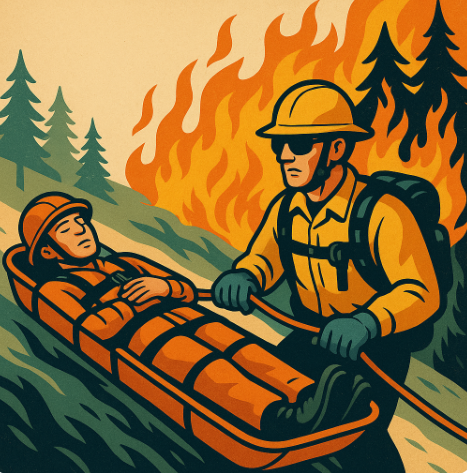
During a steep canyon wildfire, a pre-staged Type 1 REMS was deployed within minutes after a firefighter suffered fractures in a rockfall. The team executed a two-rope TTRS system, packaged the patient, and transported via UTV—completing the handoff within 26 minutes. ICS 162-4’s structure made the rapid, safe rescue possible.
Bottom Line:
ICS 162-4 doesn’t just describe REMS—it makes them effective. By defining roles, responsibilities, and typing, it ensures every REMS deployment is fast, safe, and fully integrated into incident command.