In rope rescue, artificial high directionals (AHDs) are force multipliers—not just for mechanical advantage, but for terrain navigation, edge management, and operational flow. Among the most versatile and efficient of these is the gin pole. Whether used in confined space, industrial tower rescue, or wilderness cliffside extractions, a properly configured gin pole offers clean vertical drops, reduced edge friction, and better directional control of the load path.
Let’s break down how gin poles work in rope rescue and why they’ve become an essential part of the modern AHD toolkit.
What Is a Gin Pole in Rescue?
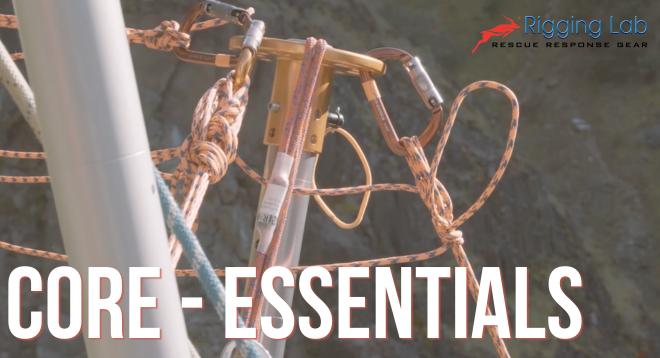
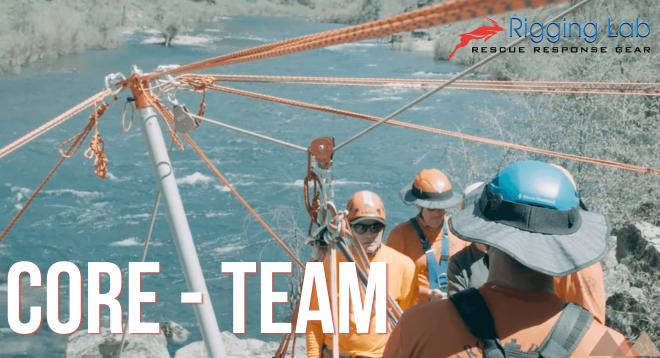
A gin pole is essentially a vertical or angled monopod—a single-leg directional that stands upright or leans out slightly from the edge. Unlike full A-frame or Side A-frame configurations, the gin pole uses one primary leg to elevate the rope path. It may be guyed (stabilized with tensioned lines) or self-supporting depending on the terrain and gear.
In practical terms, a gin pole provides:
-
Vertical offset from a sharp edge
-
Control of rope travel over the transition
-
Load path redirection for haul or lower systems
-
Clean attachment points for devices like the Petzl Maestro or MPD
Why Use a Gin Pole in Rope Rescue?
Not every environment allows for a full A-frame. In tight vertical shafts, tower platforms, or wilderness cliffs, space is limited. A gin pole solves that problem while still offering key directional benefits.
Advantages of gin poles:
-
Minimal footprint – Fits where tripods or full A-frames won’t
-
Clean vertical vectoring – Perfect for confined space or direct vertical descents
-
Fast deployment – Easier to assemble, especially with modular gear like the Arizona Vortex
-
Edge friction reduction – Keeps main and belay lines off sharp transitions
When space is tight, but direction is critical, a gin pole is the go-to.
Basic Configuration: Building a Gin Pole AHD
A gin pole setup typically involves:
-
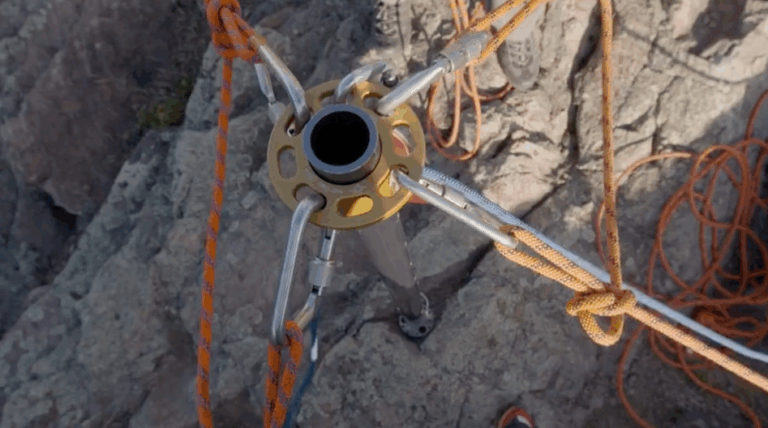
A single leg (pole or Vortex leg) with a rigging plate or head at the top.
-
Two or more guy lines (front and back) to stabilize the vertical leg.
-
A base—secured to terrain, anchored by lashing or footplates.
-
Main line and belay line running through pulleys or attached devices.
Whether pre-rigged or built from modular AHD components, stability and force direction are your primary concerns. Proper guying is critical—the pole must not shift under load or dynamic movement.
Common rigging components:
-
Directional pulleys or high-efficiency sheaves
-
Arizona Vortex head hardware
-
Adjustable long anchor straps or webbing for guy lines
-
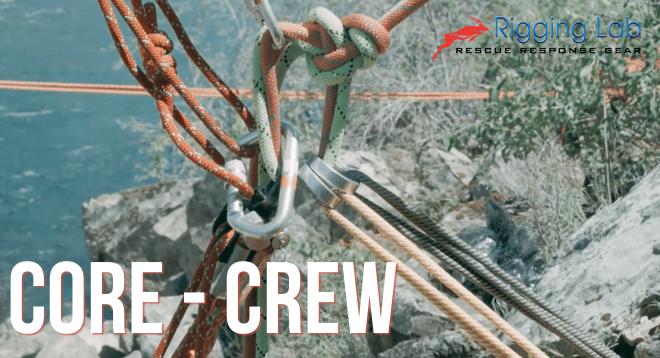
Load-rated carabiners and rigging plates
Force and Vector Considerations
A gin pole changes the vector of load forces. Because the high point is now forward of the edge, anchors must compensate for:
-
Bending moment at the base of the pole
-
Back-tension from guy lines
-
Resultant force not pointing directly into the pole’s axis
These force angles must be calculated and verified during the setup—especially when hauling dynamic loads like litters or moving patients. Failure to consider resultants can lead to pole deflection, base instability, or uncontrolled tipping.
When and Where to Deploy a Gin Pole
Ideal environments for gin poles:
-
Tower rescues with platform-level attachment points
-
Urban windows or balconies where vertical offset is needed but side clearance is limited
-
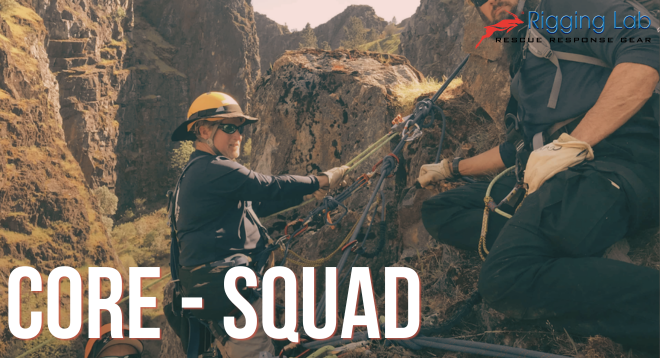
Cliffside environments where tripods are too wide or unstable
-
Manholes and vaults when using confined space rescue entry systems
In many of these cases, a gin pole offers the only viable AHD solution without requiring a complex or bulky setup.
Training and Safety Considerations
Gin poles are deceptively simple. But like all AHDs, they require skilled rigging, sound force analysis, and deep understanding of rescue loads. Improper guying, wrong base angles, or incorrect pulley placement can make even a light load dangerous.
Always train in controlled conditions before deploying in the field. Start with mock setups, then simulate realistic scenarios with litters, team members, and dynamic edge transitions.
Conclusion: The Right Directional for the Right Rescue
Gin poles are lean, fast, and force-efficient. When you need to lift, lower, or offset in tight quarters, they outperform heavier systems without sacrificing safety. In the evolving landscape of rope rescue, mastering monopod-style AHDs like the gin pole gives you the tactical edge to operate in nearly any terrain.
Peace on your Days
Lance