AHD

Monopod Supported Skate Block Track Line Systems

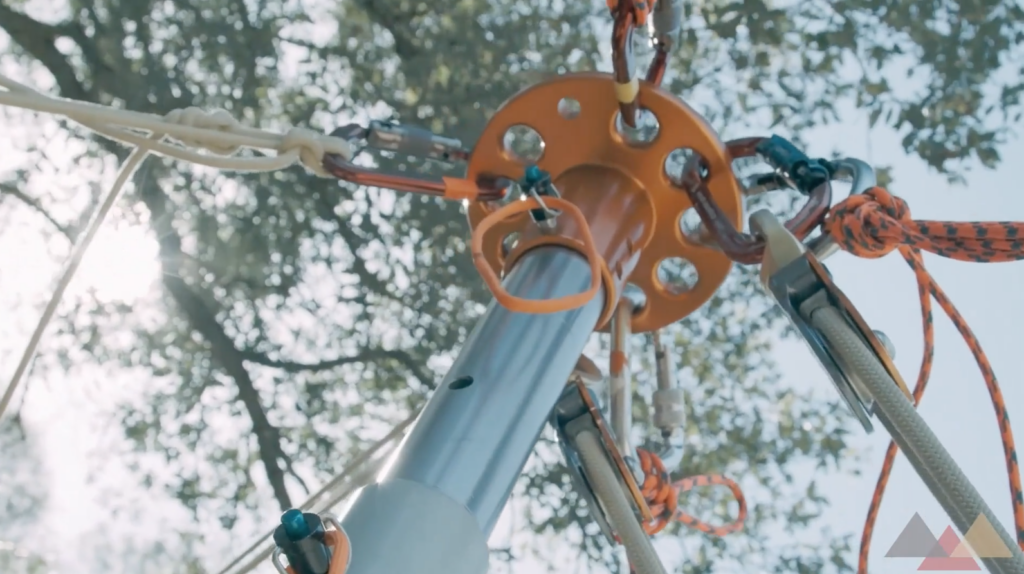
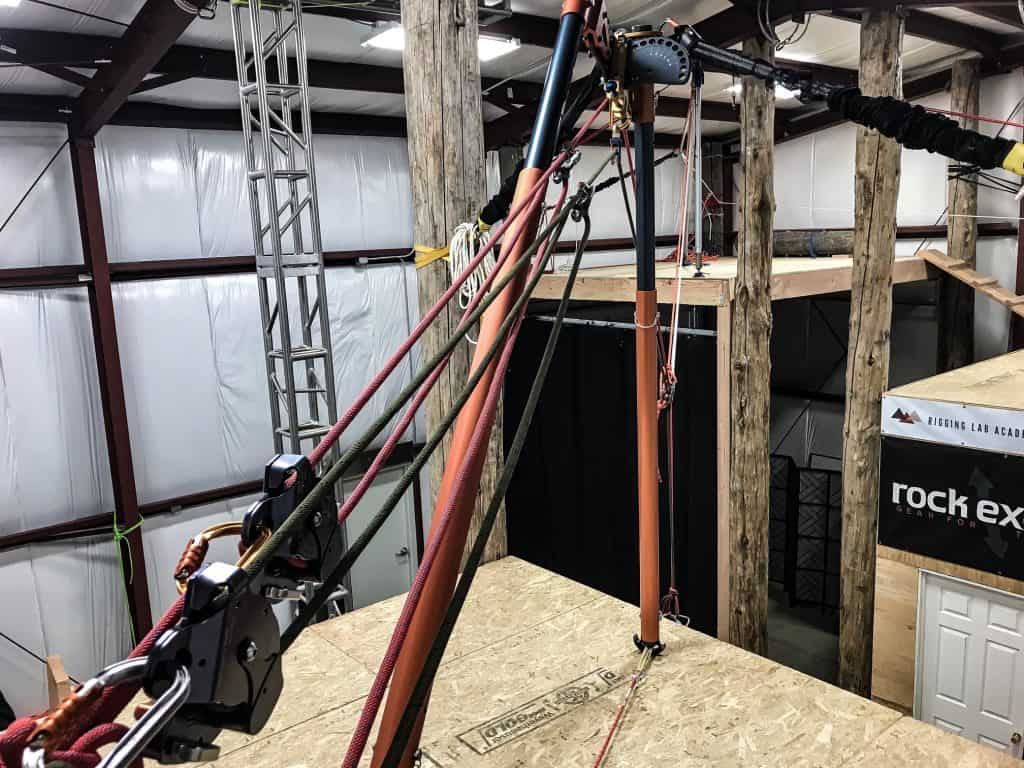
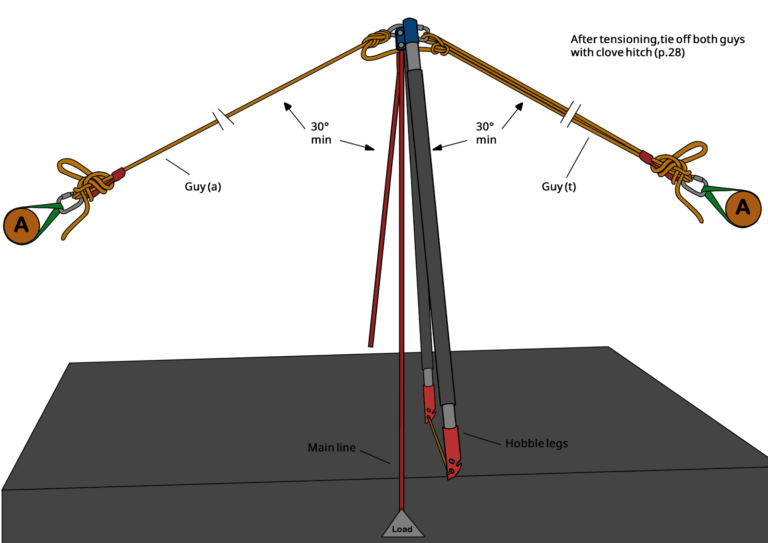
How to Calculate Back Tie Force on a Leaning Monopod

“How do you calculate potential force on a back tie? Today we rigged a leaning monopod setup. I did my best to keep my guy angle wider than my resultant angle, but I was wondering if there’s a way to estimate what the guy would see as they get closer to the same angle.” — […]

How to Calculate Back Tie Force on a Leaning Monopod Read More »

Elevated Anchor Systems in Technical Rescue

Elevated Anchor Systems in Technical Rescue

Understanding Artificial High Directionals as Structural Systems Artificial High Directionals, often referred to as elevated anchor systems, are sometimes treated as specialized accessories used only when terrain or structure presents a difficult edge. In practice, they are much more significant. These systems function as structural components that influence geometry, manage force vectors, improve movement efficiency,

Elevated Anchor Systems in Technical Rescue Read More »

Artificial High Directionals

Artificial High Directionals When They Are Needed and How They Support Rescue Operations

Introduction Artificial High Directionals (AHDs) represent a decisive shift from basic anchor-based rigging into controlled, engineered system behavior. Teams that are competent in raise and lower operations often reach a point where efficiency, safety, and control begin to degrade—not because of poor technique, but because of environmental limitations. Edges, terrain transitions, and structural barriers introduce

Artificial High Directionals When They Are Needed and How They Support Rescue Operations Read More »

Artificial High Directional A-Frame — Sideways Configuration (SA Frame)

Artificial High-Directional A-Frame — Sideways Configuration (SA Frame) The sideways A-frame configuration is a contingency Artificial High Directional used when no suitable anchors exist directly over the edge, and the force must be managed laterally across the surface. Unlike the standard forward-biased A-frame, the SA frame operates with the structure oriented 90 degrees to the edge,

Artificial High Directional A-Frame — Sideways Configuration (SA Frame) Read More »

Organizing Rope Rescue Equipment

Technical Rescue Efficiency The Three Pillars of Controlled Patient Transport

In professional rescue environments, efficiency is achieved through the deliberate balance of mechanical precision, system predictability, and patient safety. Technical rescue operations—especially in vertical and confined space environments—demand that every action be guided by principle, not impulse. Success is rarely improvised; it is engineered. The governing framework of efficiency in patient transport can be defined

Technical Rescue Efficiency The Three Pillars of Controlled Patient Transport Read More »

transitioning to two-tensioned rescue systems

TTRS Anchor Systems with Artificial High Directionals for Two Person Loads

Technical rope rescue demands anchor systems that are strong, efficient, and designed for redundancy. Building TTRS anchor systems with Artificial High Directionals (AHDs) is one of the most effective ways to achieve these goals, especially when managing a two-person load such as a patient and attendant in a litter. By combining the principles of sound

TTRS Anchor Systems with Artificial High Directionals for Two Person Loads Read More »

gin pole ahd rope rescue

Gin Pole AHD rope rescue

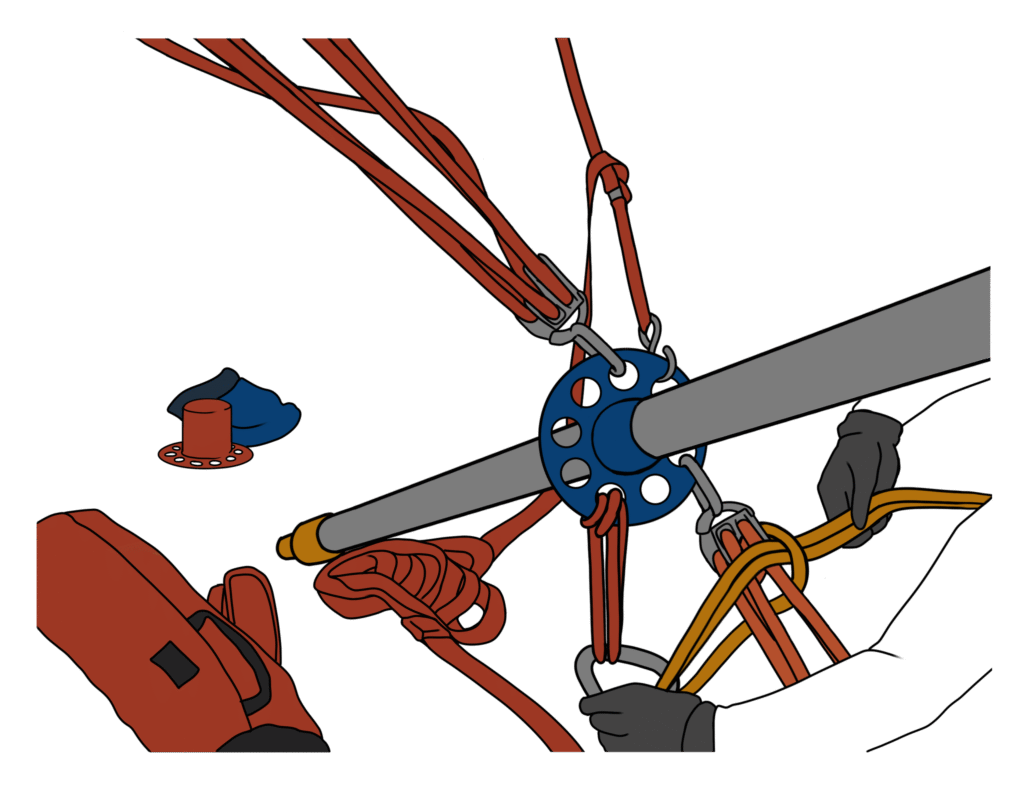
In rope rescue, artificial high directionals (AHDs) are force multipliers—not just for mechanical advantage, but for terrain navigation, edge management, and operational flow. Among the most versatile and efficient of these is the gin pole. Whether used in confined space, industrial tower rescue, or wilderness cliffside extractions, a properly configured gin pole offers clean vertical

Gin Pole AHD rope rescue Read More »

Fitness in High-Angle Rescue-Intro to Rope Rescue and Rigging

Introduction to Rope Rescue and Rigging

Introduction to Rope Rescue and Rigging Rope rescue and rigging require a unique mix of precision, planning, and real-time problem-solving. For new responders, this skillset can feel overwhelming at first—but it doesn’t have to be. This two-day introductory course is designed to deliver a clear, structured foundation in rope-based operations. Whether you’re a firefighter, SAR

Introduction to Rope Rescue and Rigging Read More »