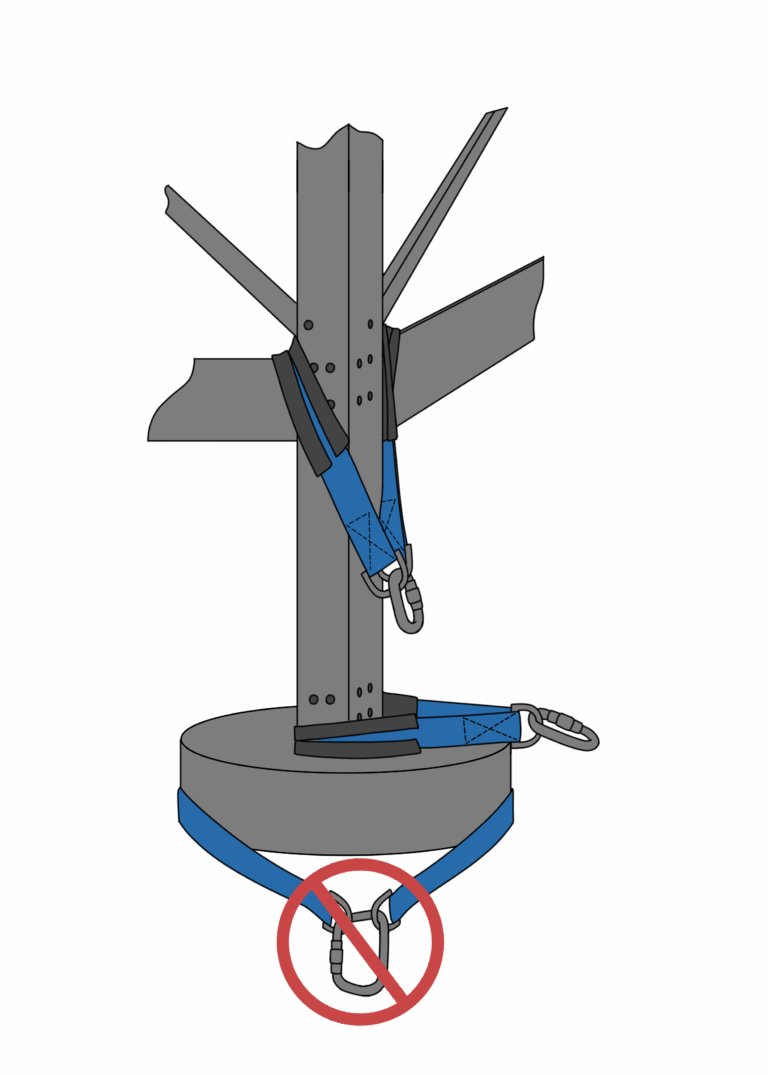
In wilderness rescues, trees and boulders often provide natural anchors. But in urban, industrial, or confined space environments, rescuers must rely on using structural anchors in rope rescue—beams, columns, and engineered fixtures built into man-made environments. These anchors, when paired with pre-sewn anchor straps, create strong and efficient attachment points for rescue systems.
Structural anchors are not only reliable but also quick to set up, making them essential in fast-paced rescue scenarios.
What Are Structural Anchors?
A structural anchor is any strong, load-bearing part of a building or structure that can safely support rescue forces when used properly. Pre-sewn anchor straps are commonly employed because they:
-
Require no knots.
-
Are fast to install.
-
Are rated auxiliary equipment with predictable strength.
In practice: Picture a steel I-beam inside a plant facility. By wrapping a pre-sewn strap around its base, a rescuer creates a secure anchor in seconds, ready for main or belay attachment.
Strong Areas for Structural Anchors
Not every part of a structure is created equal. Focus on:
-
Corner joints – where steel or concrete elements intersect, offering greater strength.
-
Bases – the lowest portion of beams or posts that bear weight directly into the ground.
-
Protected edges – always use abrasion protection where straps make contact with sharp or rough surfaces.
Connection Methods and Hardware
-
Carabiners
-
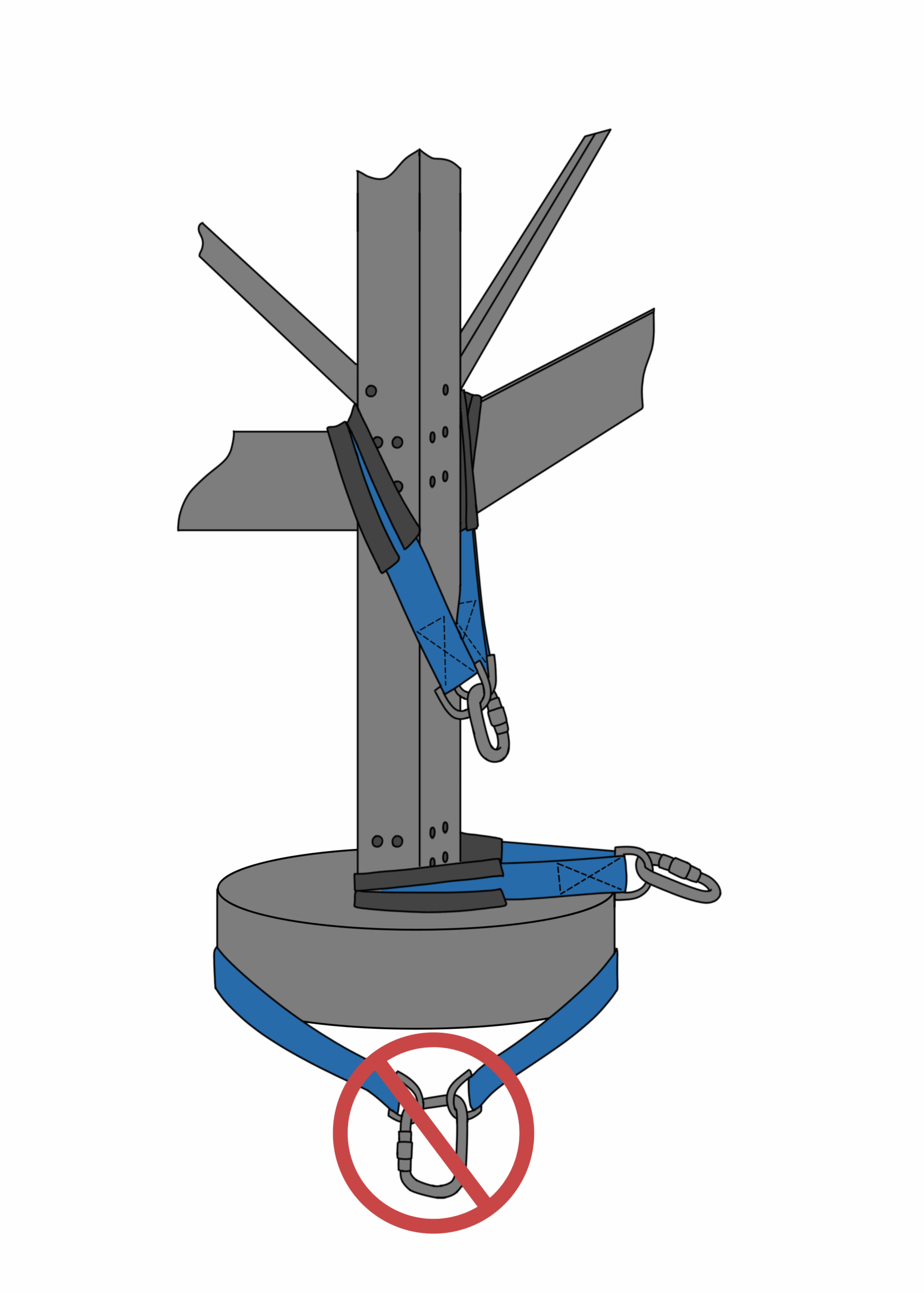
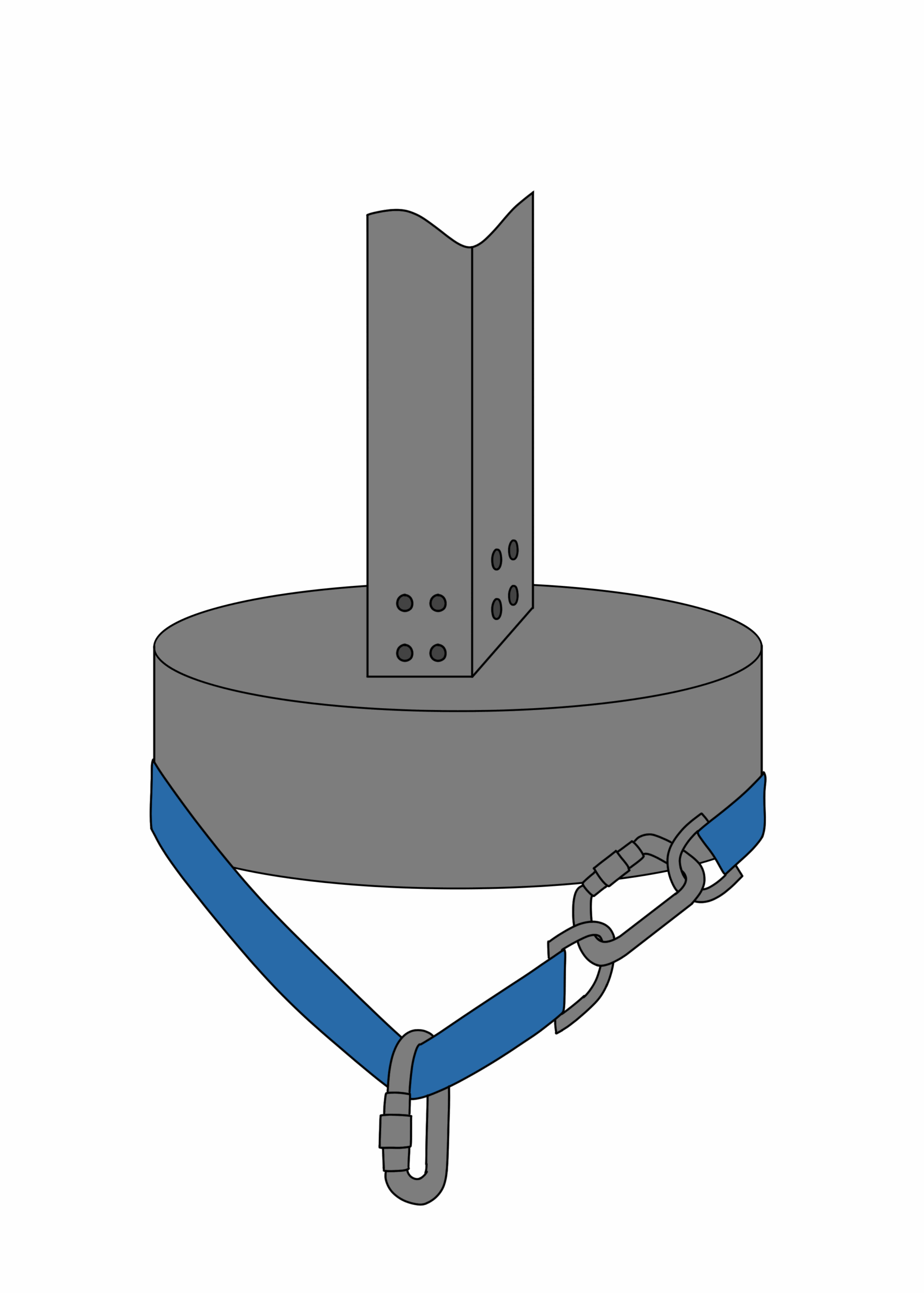
Load only along the spine.
-
Avoid tri-loading (where force pulls in three directions at once).
-
-
Tri-Links
-
Excellent for multidirectional loading when multiple ropes connect to one anchor.
-
-
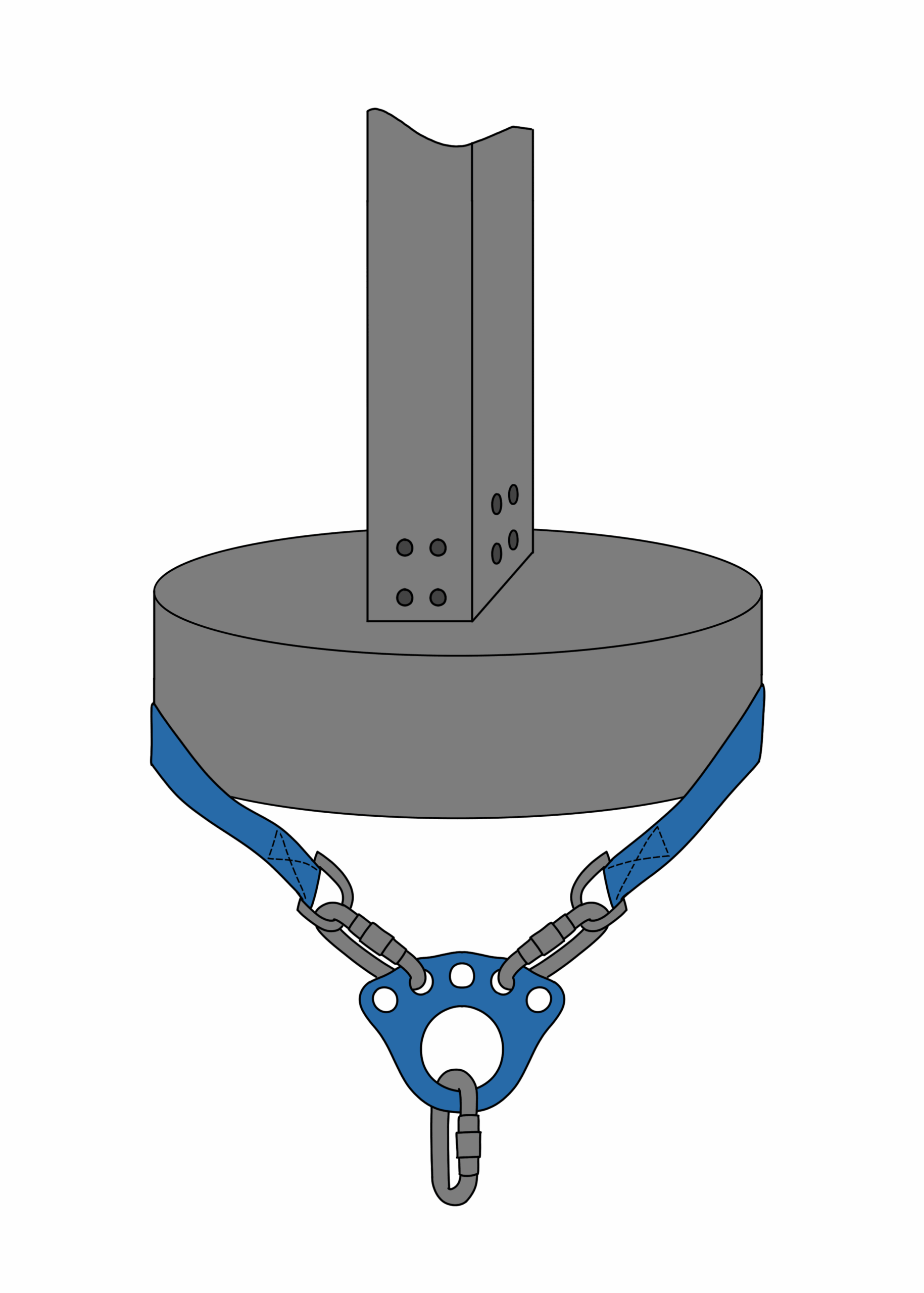
Rigging Plates
-
Distribute forces cleanly.
-
Provide multiple organized connection points.
-
Key Point: Never clip directly in ways that tri-load a carabiner—use a rigging plate or tri-link instead.
Step-by-Step Setup
-
Select the Structural Element
-
Choose beams, posts, or supports designed to carry load.
-
Inspect for damage, corrosion, or instability.
-
-
Wrap with Pre-Sewn Strap
-
Position around the strong area (corner joint, base, or column).
-
Ensure even loading and proper placement.
-
-
Add Abrasion Protection
-
Place padding between the strap and any sharp or rough surface.
-
-
Connect Hardware
-
Use carabiners only along their spine.
-
For multi-rope systems, use a rigging plate or tri-link.
-
-
Final Check
-
Confirm alignment with the fall line.
-
Verify no hardware is tri-loaded.
-
Advantages of Structural Anchors
-
Speed – Quick to deploy with pre-sewn straps.
-
Reliability – Structural members are engineered to bear heavy forces.
-
Versatility – Suitable for urban, industrial, and confined space rescues.
-
Organization – Rigging plates allow clean connections for complex systems.
Safety Considerations
-
Always inspect the structure — do not assume all beams are safe.
-
Avoid edges and sharp contact points without protection.
-
Do not tri-load carabiners; forces may exceed their rated strength.
-
Confirm anchor placement is in line with the intended fall path.
When to Use Structural Anchors
-
Industrial rescues involving platforms, towers, or plant facilities.
-
Confined space rescues inside tanks, tunnels, or structural frameworks.
-
Urban environments where no natural anchors exist.
Conclusion
Structural anchors provide fast, strong, and reliable attachment points in environments where nature doesn’t offer solutions. By combining pre-sewn straps, abrasion protection, and proper hardware (rigging plates or tri-links), rescuers can establish secure systems that stand up to technical demands. Understanding where to connect—and how to avoid hazards like tri-loading—ensures these anchors remain safe and effective in the field.
Peace on your Days
Lance