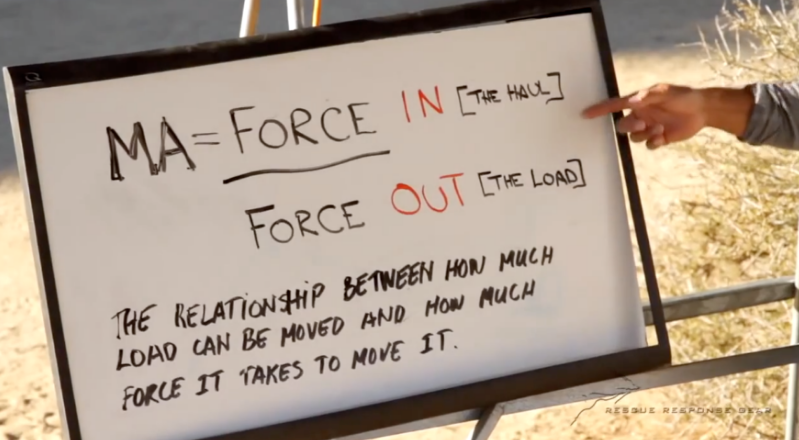
mechanical advantage

haul system basics

Haul System Basics Pulley Systems and Mechanical Advantage

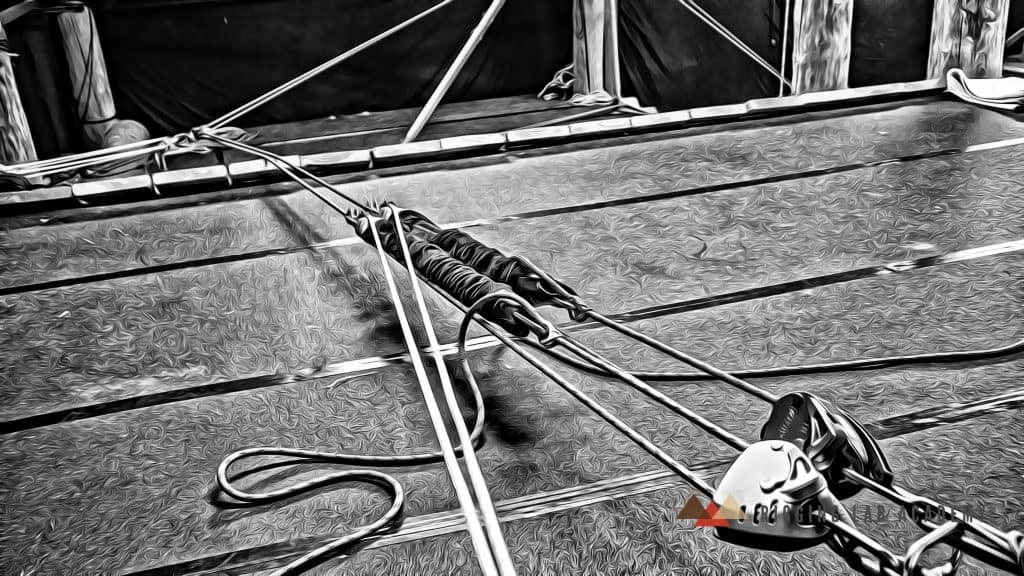
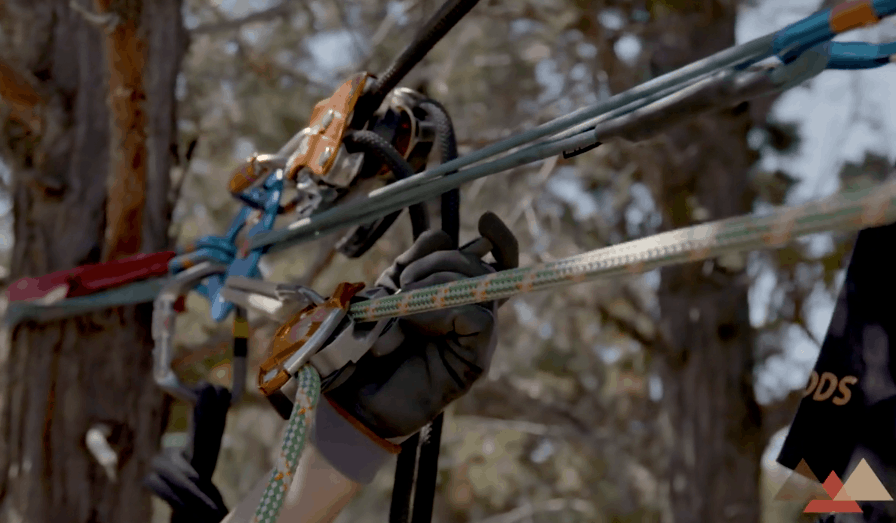
Haul System Basics and the Mechanics of Pulley Systems Haul systems form the backbone of rigging and rescue operations, using the principles of mechanical advantage to reduce the effort required to lift or move heavy loads. By integrating pulley systems into these setups, operators can achieve remarkable efficiency and safety. This guide dives deeper into […]

Haul System Basics Pulley Systems and Mechanical Advantage Read More »
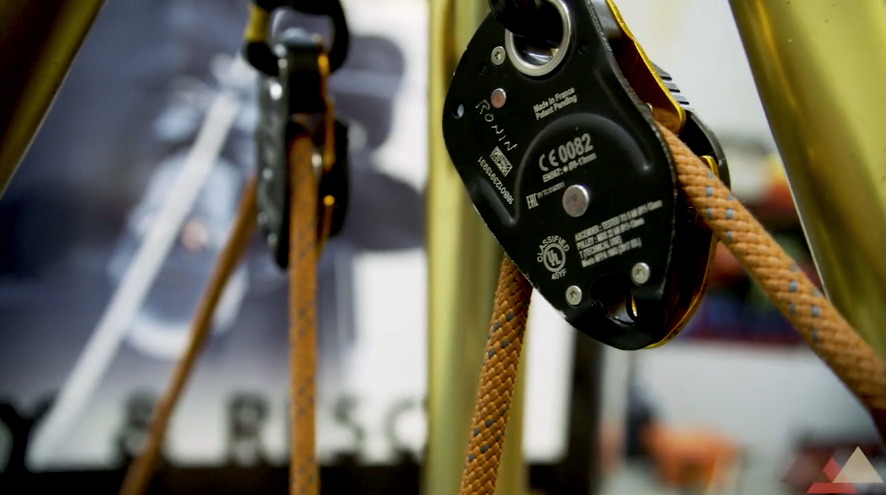
Tripod English Reeve Setup

Tripod English Reeve Setup

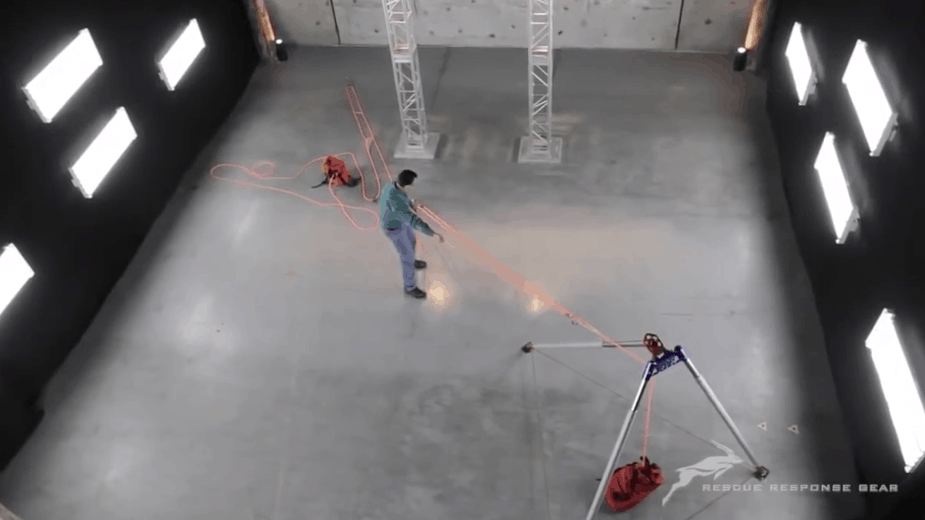
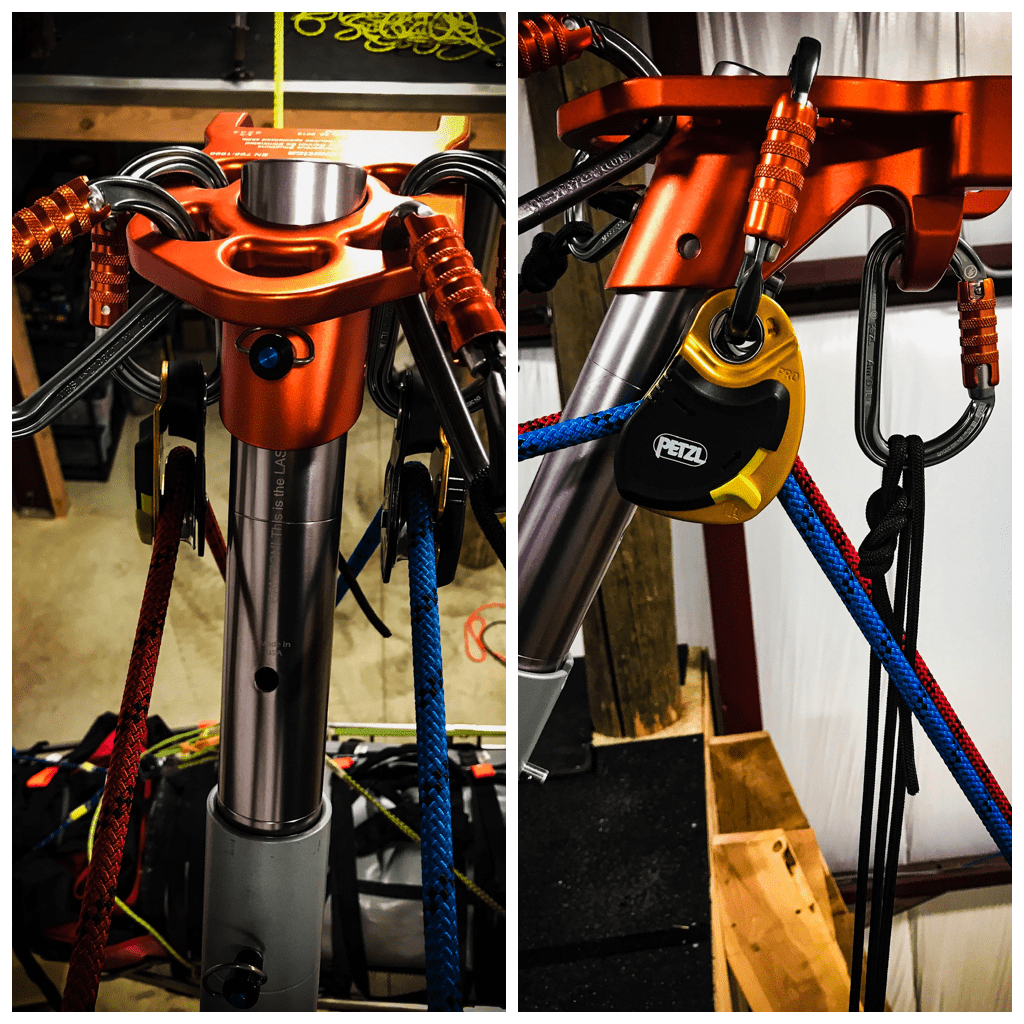
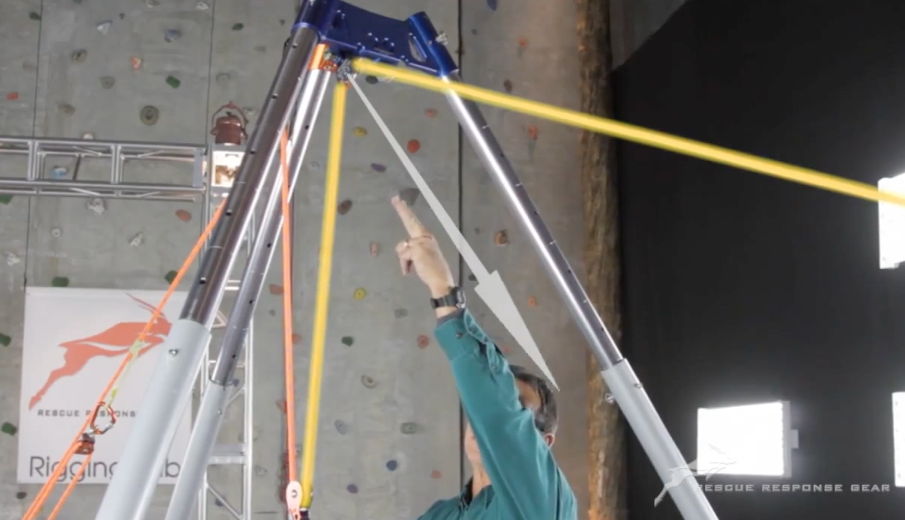
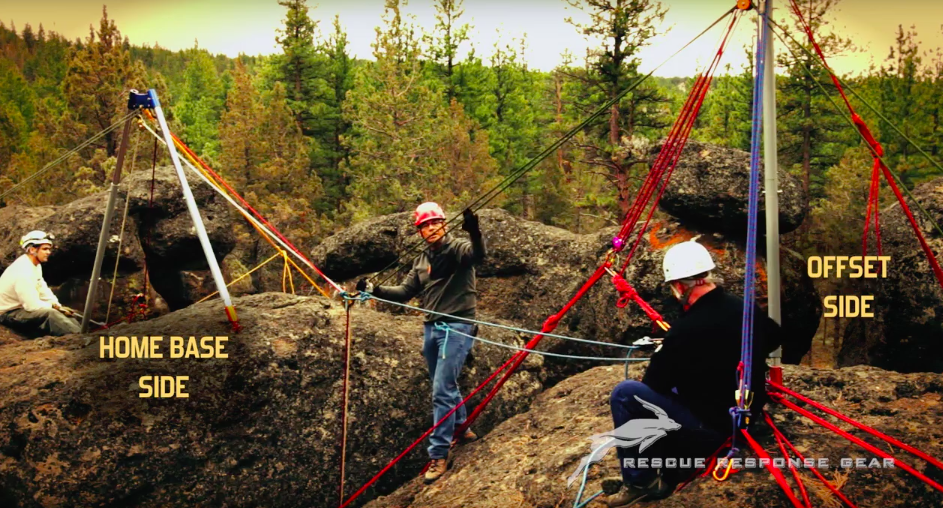
Elements of a Tripod English Reeve The Tripod English Reeve setup is a cornerstone in technical rescue operations, combining strength, stability, and adaptability. This rigging configuration is highly versatile and can be adapted to various environments, from confined spaces to high-angle rescues. Its ability to manage loads efficiently and provide robust support makes it indispensable

Tripod English Reeve Setup Read More »

A Mechanical Advantage Overview

A Mechanical Advantage Overview

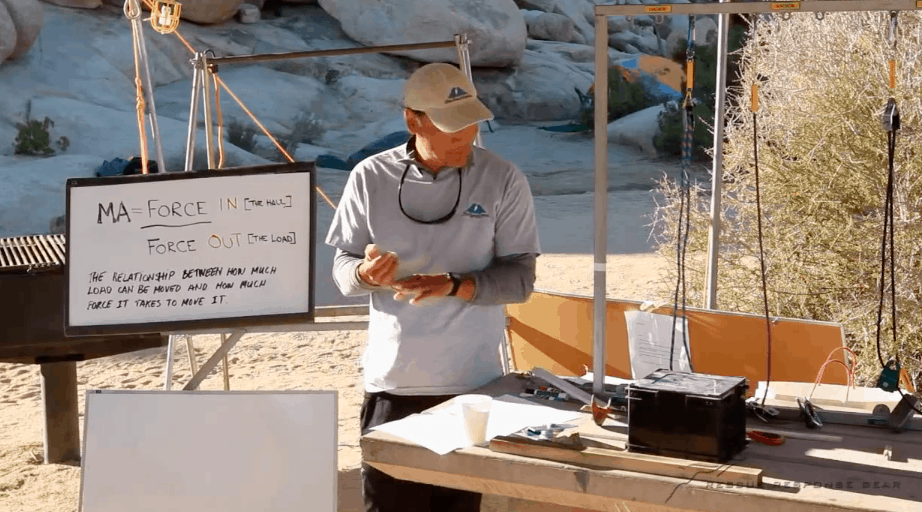
A Mechanical Advantage Overview In the world of technical rescue and rigging, mechanical advantage (MA) is a fundamental principle that transforms raw effort into efficient, effective power. Whether you’re hauling a stretcher up a vertical cliff face or lowering equipment into a confined space, understanding mechanical advantage is crucial to creating systems that perform reliably

A Mechanical Advantage Overview Read More »

Staggered Anchors

Staggered Anchors in Rope Rigging Systems

  The Art of Staggered Anchors in Rope Rigging Systems In the world of rope rigging, pulley systems are the backbone of many operations. Whether you’re working with a standard three-to-one mechanical advantage system or a compounded setup for more complex scenarios, understanding the nuances of staggered anchors is key to maximizing efficiency and safety.

Staggered Anchors in Rope Rigging Systems Read More »

Inside 9 Mechanical Advantage

Inside 9 Mechanical Advantage

The Inside 9 Mechanical Advantage System: A Game-Changer for Efficient Rigging In the world of technical rescue and rigging, efficiency, speed, and reliability are paramount. Over the past year, I’ve focused on refining my rigging philosophy with four guiding principles: rigging light, rigging quick, rigging solid, and rigging efficient. This journey has led me to

Inside 9 Mechanical Advantage Read More »

Parallel Hauls Doubled Mechanical Advantage

Parallel Hauls Doubled Mechanical Advantage

Parallel Hauls and Doubled Mechanical Advantage: Myth or Reality? In the world of technical rescue and rigging, misconceptions about mechanical advantage (MA) systems can lead to inefficiencies or even unsafe practices. One such myth is that parallel haul systems—where two 3:1s or 5:1s are used side by side—somehow double the mechanical advantage. Today at Rigging

Parallel Hauls Doubled Mechanical Advantage Read More »
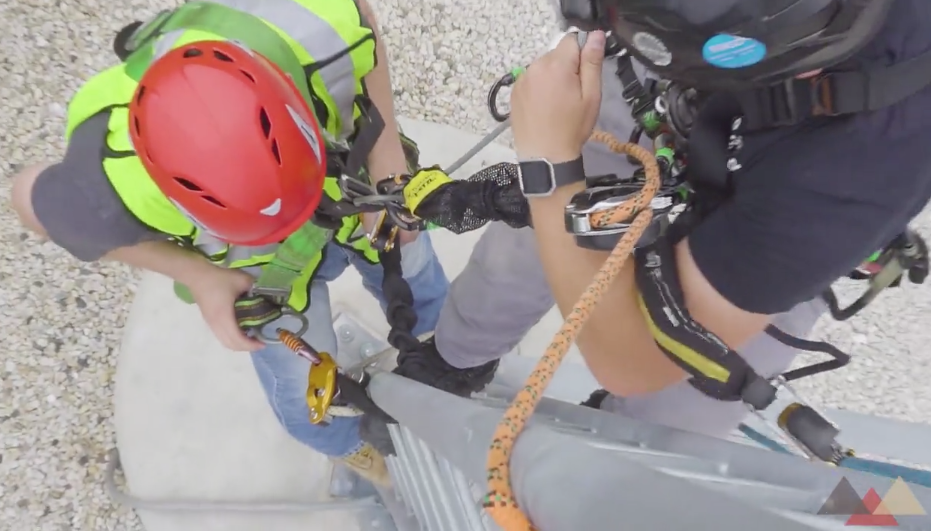
English Reeve System in Highline Rigging

English Reeve System in Highline Rigging

Insights Into Gear: The English Reeve System and Control Side The English Reeve System is a critical configuration in advanced highline rigging, offering operational flexibility and enhanced load control. Unlike its counterpart, the Norwegian Reeve, this system employs a continuous rope running the full length of the highline, paired with a 6:1 compound mechanical advantage.

English Reeve System in Highline Rigging Read More »

Two Tension Rope Systems

Two Tension Rope Systems

In technical rope rescue, the Two-Tensioned Rope System (TTRS), also known as the Twin Tension Rope System, has become a cornerstone for efficient and safe operations. This system employs two independently tensioned ropes, each capable of bearing the full load, thereby providing redundancy and balanced load distribution. Key Components of TTRS: Dual Main Lines: Both

Two Tension Rope Systems Read More »

CMC MPD vs Petzl I’D

CMC MPD vs Petzl I’D

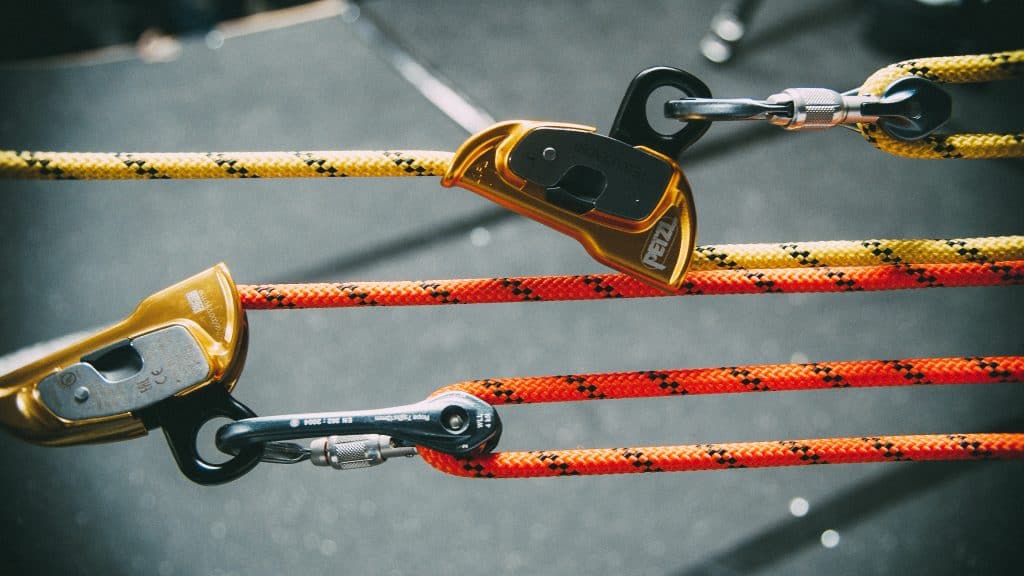
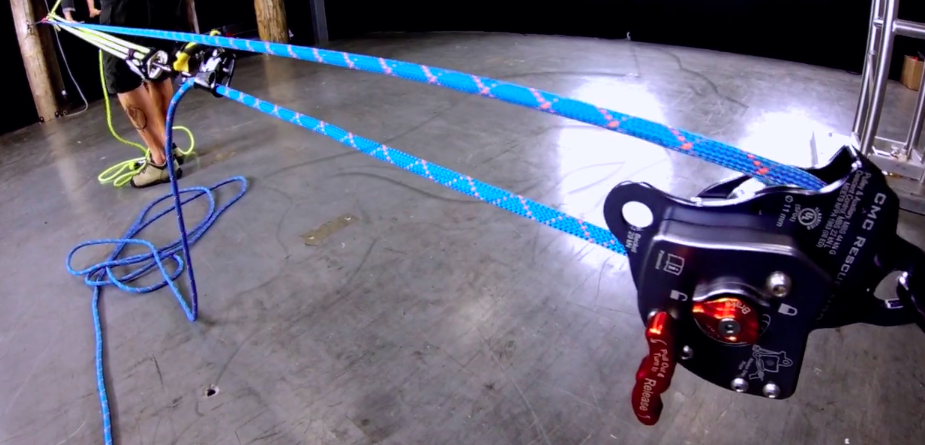
In technical rescue operations, selecting the appropriate descent control device is crucial for efficiency and safety. Two prominent devices in this field are the CMC Multi-Purpose Device (MPD) and the Petzl I’D. This article provides a comparative analysis of their features, performance, and suitability for various rescue scenarios. Overview of CMC MPD and Petzl I’D

CMC MPD vs Petzl I’D Read More »

Highline Systems Overview

Highline Systems Overview and Checklist

Highline Systems Overview Highline systems overview would be considered a cornerstone of advanced rope rescue operations, enabling safe and efficient horizontal movement across challenging obstacles such as canyons, rivers, or urban gaps. These systems require meticulous planning, precise execution, and teamwork to ensure both safety and success. This blog delves into the critical components, operational

Highline Systems Overview and Checklist Read More »

Choosing the Right Rigging System

Choosing the Right Rigging System

Understanding Rigging Systems: Key Considerations and Questions Rigging systems are as versatile and complex as the challenges they’re designed to address. Whether you’re building a high-angle rescue setup, tensioning a system, or managing resources on a technical job site, the effectiveness of your rigging system depends on understanding both its capabilities and your specific needs.

Choosing the Right Rigging System Read More »

High-Angle Raise with Vortex Side Frame

High-Angle Raise with Vortex Side Frame

High-angle rescue scenarios demand precision, strategy, and the right equipment. This detailed case study explores the high-angle raise using a Vortex Side Frame, illustrating advanced rigging techniques employed by the File N-015 Rescue Response Team. The application of a high-angle rescue system in challenging environments, like cliffs and urban structures, demonstrates the importance of sound

High-Angle Raise with Vortex Side Frame Read More »

Dynamic Directionals Rigging

Dynamic Directionals Rigging

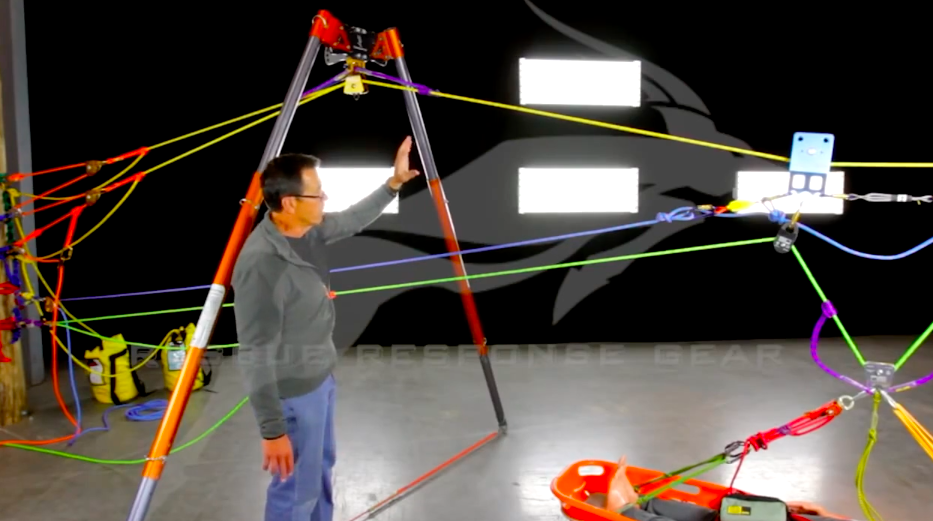
In technical rope rescue and rigging, horizontal systems present unique challenges and opportunities. The use of dynamic directionals allows riggers to create efficient and adaptable solutions for traversing and accessing horizontal spans. This blog dives into the application of horizontal rigging with three dynamic directionals, exploring their setup, operation, and benefits. What Are Dynamic Directionals?

Dynamic Directionals Rigging Read More »