
The Art of Staggered Anchors in Rope Rigging Systems
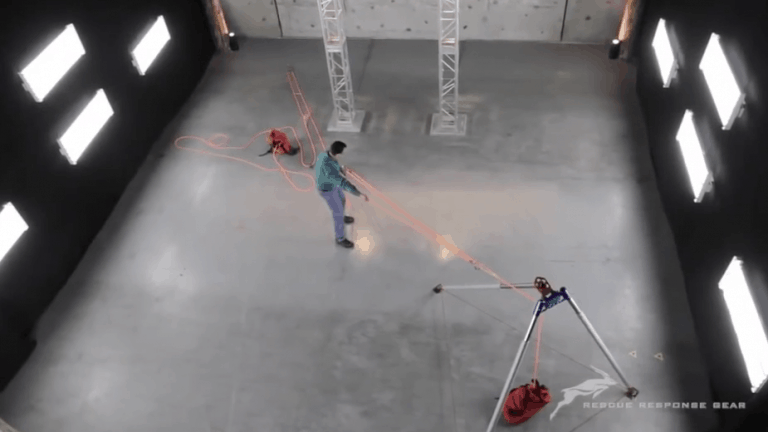
In the world of rope rigging, pulley systems are the backbone of many operations. Whether you’re working with a standard three-to-one mechanical advantage system or a compounded setup for more complex scenarios, understanding the nuances of staggered anchors is key to maximizing efficiency and safety.
Breaking Down the Three-to-One System
A three-to-one system is a commonly used configuration that strikes a balance between efficiency and simplicity. Here’s how it works:
- The rope is tied off at the load, creating an odd mechanical advantage.
- The system involves two pulleys—one at the anchor point and another at the haul point.
- Three rope legs connect the anchoring system to the load, making it a true three-to-one system.
While effective, a three-to-one system works best with a substantial haul team. When manpower is limited, you may need to compound the system to increase efficiency.
The Role of Staggered Anchors
Compounding a three-to-one system by adding another three-to-one creates a nine-to-one advantage. This approach is invaluable when working with minimal personnel or heavy loads. However, the placement of your anchors dramatically affects the system’s efficiency.
By staggering the back anchor, you optimize the movement of the second three-to-one system. Here’s why:
- The back three-to-one moves three times faster than the front system, reducing the need for frequent resets.
- Staggering provides a longer walkway for the haul team, minimizing operational disruptions.
While this setup increases efficiency, it requires pulling nine feet of rope to lift the load by one foot—a trade-off for reducing the physical effort needed.
Why Anchor Placement Matters
Placing both systems on the same anchor is possible but less effective. With a staggered setup, you prevent the faster-moving back system from gobbling up slack too quickly, which would otherwise necessitate constant adjustments. Proper anchor placement ensures smoother operations and more predictable system performance.
Essential Gear for Hauling Systems
Building reliable hauling systems requires the right equipment. Here are some must-haves:
- Rock Exotica Omni-Block 1.5: Versatile and reliable for pulley setups.
- CMC Swivel Double Pulley: Ideal for reducing friction and increasing efficiency.
- CMC ProSeries Aluminum Key-Lock Carabiners: Strong and secure connections.
- CMC G11 Lifeline: A durable rope designed for heavy-duty rigging.
Mastering the Craft
Staggered anchors and compounded pulley systems demonstrate the importance of thoughtful rigging. Every choice, from anchor placement to gear selection, impacts the system’s performance. By practicing these techniques, you build the muscle memory and problem-solving skills necessary for effective rigging.
Explore More
For deeper insights into rigging techniques and to access a wealth of training materials, explore the Rigging Lab Academy. Equip yourself with the knowledge and tools to elevate your skills.


Comments are closed.