pulley systems

mechanical advantage

Understanding Pulley Systems for Mechanical Advantage

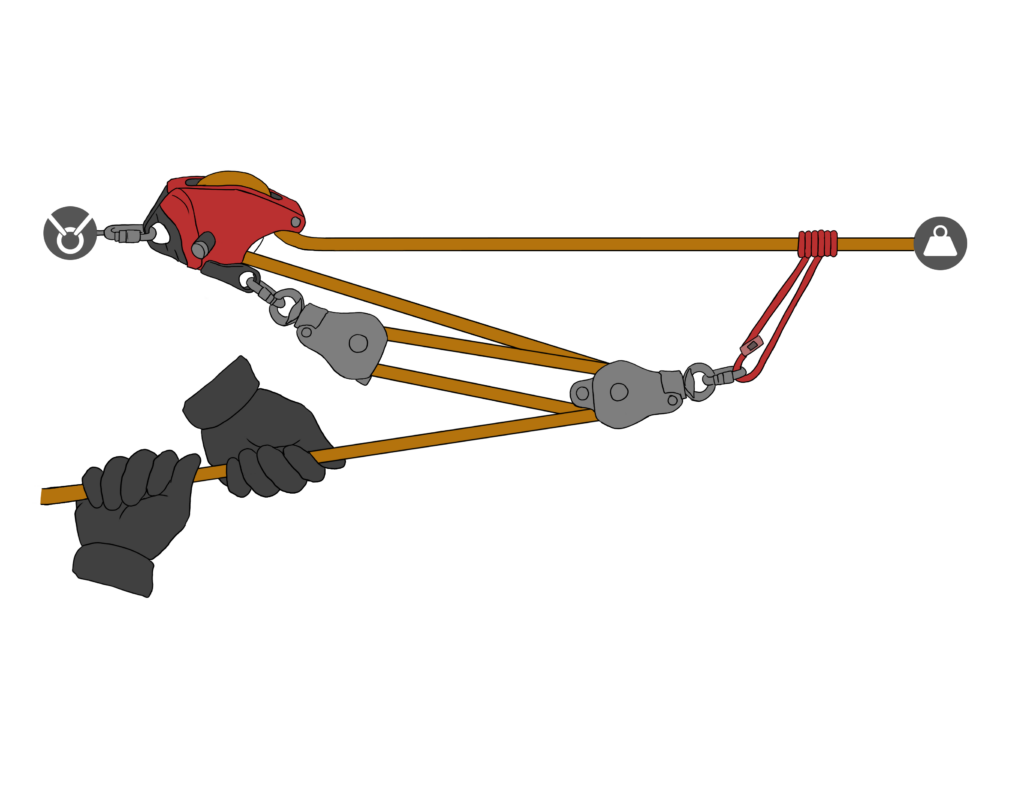
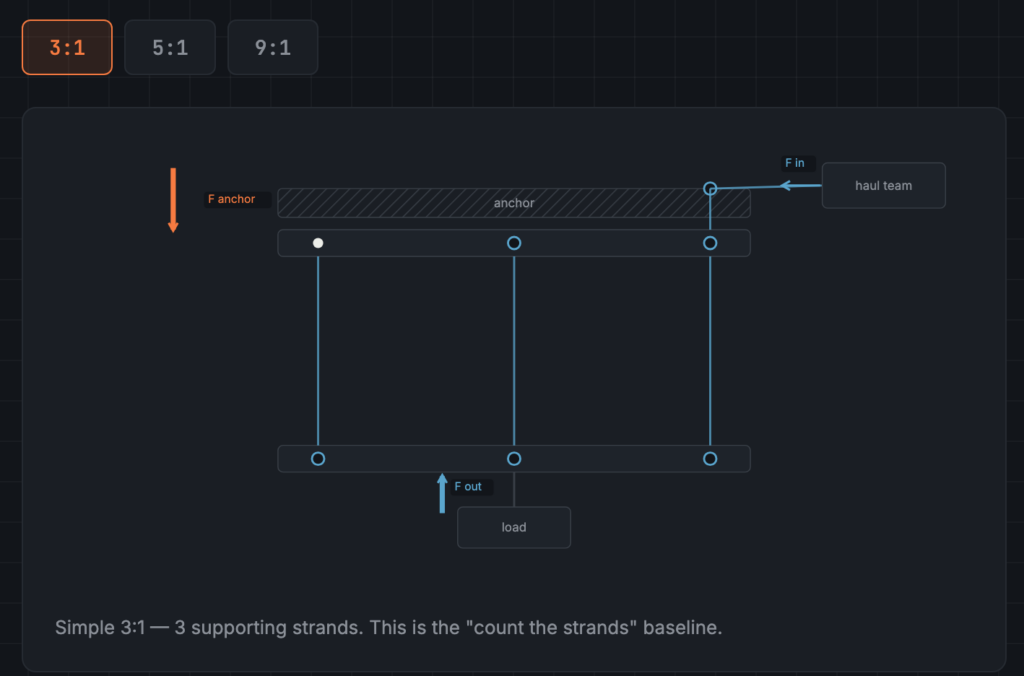
Mechanical advantage lies at the heart of rope rescue, and pulleys are the tools that make it possible. By redirecting force and multiplying effort, pulley systems enable rescuers to move loads that would otherwise be unmanageable. Understanding how these systems work—specifically how rope anchoring, pulley placement, and rope routing affect efficiency—is essential for building safe, […]

Understanding Pulley Systems for Mechanical Advantage Read More »

skate block highline

Skate Block Highline with Gin Pole Directional in Rope Rescue

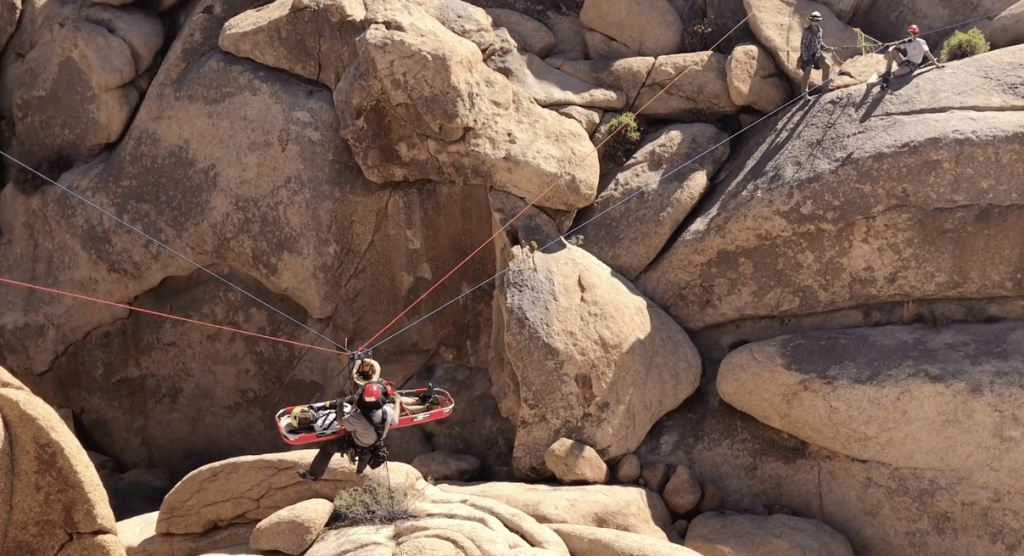
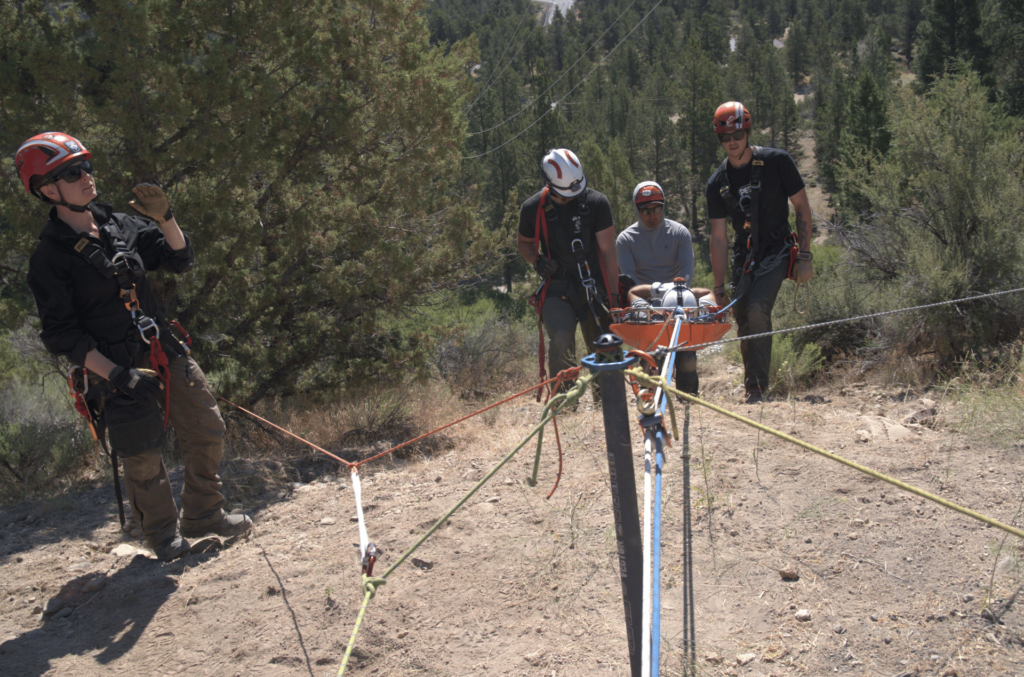
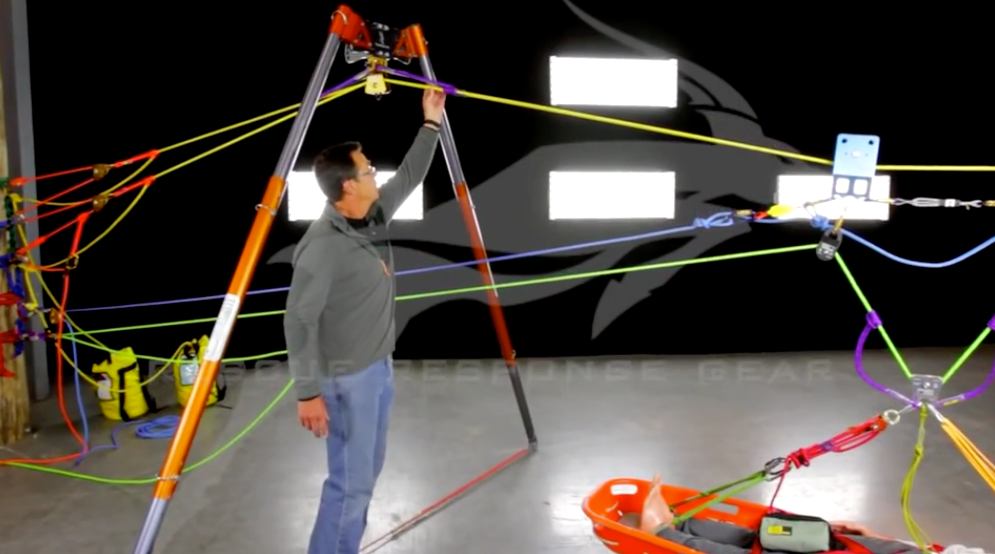
Skate Block Highline with Gin Pole Directional in Rope Rescue – How a highline configured as a skate block with a monopod directional improves efficiency, control, and safety in complex terrain. Highlines are a cornerstone of modern rope rescue, allowing teams to move loads across obstacles such as rivers, canyons, cliffs, or collapsed structures. Traditionally,

Skate Block Highline with Gin Pole Directional in Rope Rescue Read More »

Challenges in Span Anchor Systems - Understanding Hidden Forces in Rope Access Rigging

Understanding Hidden Forces in Rope Access Rigging

(Not) Understanding Hidden Forces in Rope Access Rigging Is More Dangerous Than You Think In the world of rope access, what you don’t see can hurt you. Whether you’re managing a vertical access route, building an overhead tension system, or operating within an industrial tower rescue, understanding hidden forces in rope access rigging isn’t just

Understanding Hidden Forces in Rope Access Rigging Read More »

The Evolution of Rescue Rope Technology shows how today’s ropes are stronger, more reliable, and designed for the toughest missions - Understanding Force Concentration in Fixed Offset Systems

Understanding Force Concentration in Fixed Offset Systems

Understanding Force Concentration in Fixed Offset Systems Understanding Force Concentration in Fixed Offset Systems in rescue and rope access operations, redirects and deflections is pretty darn important—but few realize just how dramatically these setups affect force distribution. Understanding where, how, and why force concentrates in offset and deflected systems is critical for building safe, efficient

Understanding Force Concentration in Fixed Offset Systems Read More »

tower rescue tracking skate block

Hybrid Horizontal Rescue Skate Block and Tracking Lines

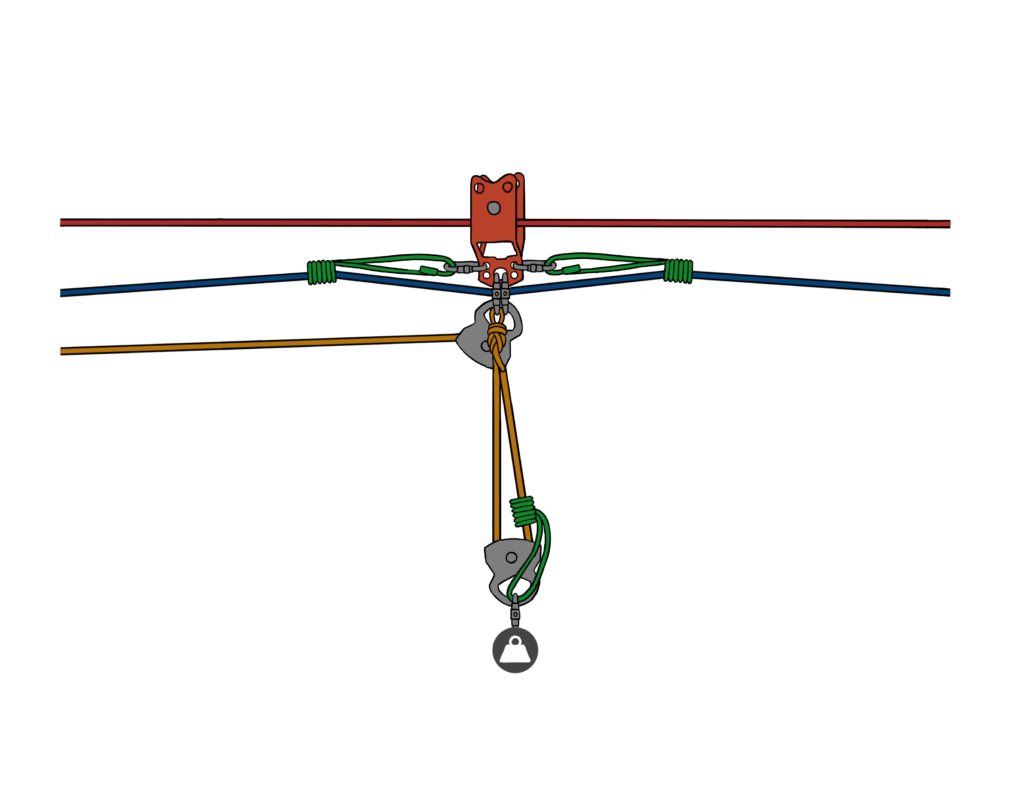
In complex tower and vertical rescue scenarios, flexibility and redundancy are non-negotiable. One highly adaptable configuration is the hybrid horizontal rescue setup that combines a skate block line over a tracking line. This method allows teams to precisely manage both vertical descent and lateral movement while maintaining backup safety protocols throughout the evolution. System Overview

Hybrid Horizontal Rescue Skate Block and Tracking Lines Read More »

Guiding Lines in Rope Rescue

Guiding Lines in Rope Rescue Operations

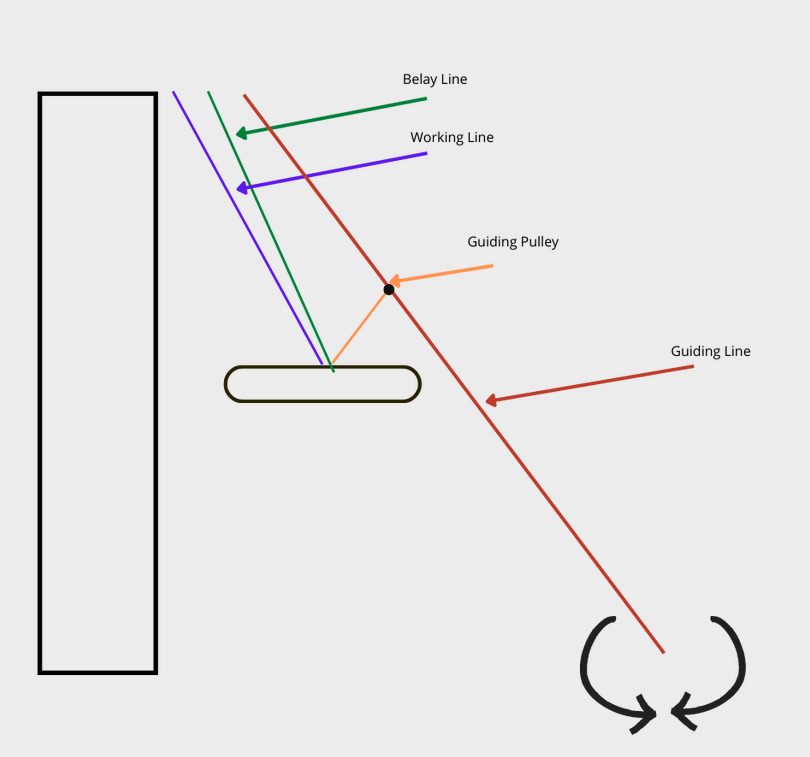
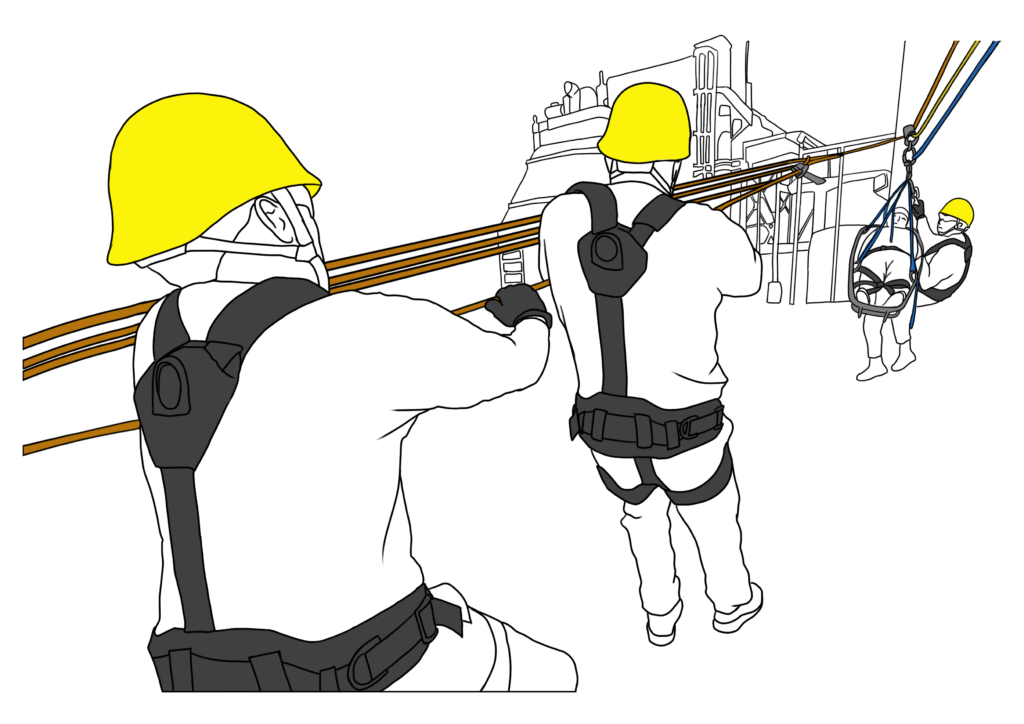
Guiding Lines in Rope Rescue Operations In rope rescue, one of the more refined methods for managing patient movement during a vertical descent is the use of guiding lines. Unlike basic taglines, guiding lines utilize a pulley system to control the distance between the suspended load and the structure—helping prevent contact, swing impact, or obstruction

Guiding Lines in Rope Rescue Operations Read More »

Fundamentals of Rigging in Rescue Operations -English and Reverse Reeve Systems for Highline Rescue

English and Reverse Reeve Systems for Highline Rescue

Highline Rescue Requires Precision In rope rescue operations, moving a load across horizontal or diagonal spans—whether suspended from high directionals or tensioned lines—demands a system that’s not only stable and redundant, but also dynamically adjustable under load. This is where English Reeve and Reverse Reeve systems shine. Both reeving systems offer unique advantages depending on

English and Reverse Reeve Systems for Highline Rescue Read More »

Two Rope Systems Cross Pollination - Cross Haul System Setup for Technical Rope Rescue

Cross Haul System Setup for Technical Rope Rescue

Cross Haul System Setup for Technical Rope Rescue A cross haul system setup for technical rope rescue—often referred to as a two-rope offset system—is more than just a clever rigging trick. It’s a precision tool for controlled lateral movement in complex rescue scenarios. Whether you’re operating across a ravine, cliff face, or confined space with

Cross Haul System Setup for Technical Rope Rescue Read More »

Basic mechanical advantage systems enable efficient lifting with simple pulleys. Learn the essentials of the 3:1 Z-rig for safe rescues - How is Weight Redistributed Through a 3:1 Mechanical Advantage System? - Eccentric Progress Capture in Mechanical Advantage Systems

How is Weight Redistributed Mechanical Advantage Systems?

How is Weight Redistributed Through Mechanical Advantage Systems?  A 3:1 mechanical advantage system, also known as a Z-rig, is a fundamental tool in technical rope rescue that enables rescuers to lift heavy loads with significantly less effort. But how exactly is the weight redistributed in this system, and what forces are acting on the pulleys,

How is Weight Redistributed Mechanical Advantage Systems? Read More »

Friction in Mechanical Advantage - Mainline Rescue and Rigging Training

Friction in Mechanical Advantage

Friction in Mechanical Advantage Systems Friction is an unavoidable yet often underestimated factor in mechanical advantage (MA) systems. While MA systems are designed to amplify force, the presence of friction can significantly diminish their theoretical efficiency. Understanding how friction arises, its impacts, and methods to mitigate it is crucial for ensuring the success and safety

Friction in Mechanical Advantage Read More »

mainline systems and belay

A Comprehensive Guide Through Mainline and Belay Operations

Rope Rescue: A Comprehensive Guide Through Mainline and Belay Operations Introduction Rope rescue is a critical skill set for emergency responders, ensuring the safe and efficient movement of personnel and equipment in some of the most challenging environments. This guide explores the vital components of rope rescue, focusing on mainline and belay operations, with in-depth

A Comprehensive Guide Through Mainline and Belay Operations Read More »

raising and lowering system mechanical advantage systems

Raising Systems and Mechanical Advantage in Rescue

Effective rescue operations often require the use of raising and lowering systems to safely move individuals and equipment. Understanding mechanical advantage systems is crucial for performing these tasks efficiently and safely. This super blog will guide you through comprehensive learning modules focused on raising systems and mechanical advantage (MA) systems, with cross-references to essential hardware

Raising Systems and Mechanical Advantage in Rescue Read More »

A-Frame and Quad Bundle Highline Systems

A-Frame and Quad Bundle Highline Systems

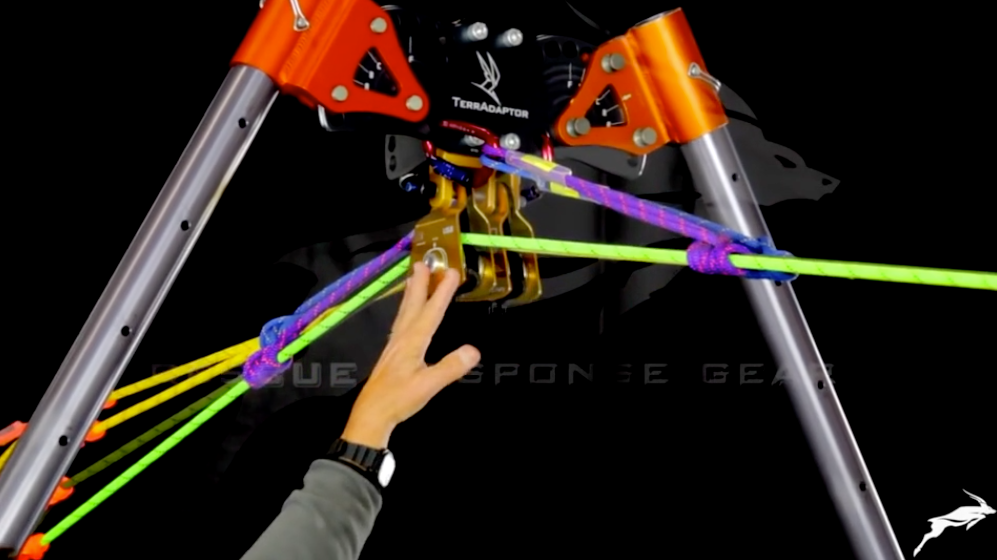
Advanced Horizontal Rigging: A-Frame and Quad Bundle Highline Systems A-Frame and Quad Bundle Highline systems are essential horizontal rigging techniques in technical rescue operations. These systems are particularly valuable in challenging terrains where traditional anchor points or methods may not suffice. Here’s an in-depth look at their configurations, advantages, and applications.   A-Frame in Horizontal

A-Frame and Quad Bundle Highline Systems Read More »

A-Frame and Twin Bundle Highline Systems

A-Frame and Twin Bundle Highline Systems

Guide to A-Frame and Twin Bundle Highline Configurations in Technical Rescue A-Frame and twin bundle highline systems are integral to horizontal rigging in technical rescue operations. These configurations provide effective solutions for managing loads across spans and in complex environments. Below is an in-depth look at their setup, applications, and best practices.   A-Frame in

A-Frame and Twin Bundle Highline Systems Read More »

Mechanical Advantage Systems

9 Ways to Master Mechanical Advantage Systems

9 Ways to Quickly Master the 3 Types of Mechanical Advantage Systems Understanding mechanical advantage (MA) systems is critical for rope rescue operations. These systems form the backbone of hauling, lowering, and tensioning efforts, making them indispensable for rescuers. By mastering these principles, you can design and operate efficient systems tailored to various rescue scenarios.

9 Ways to Master Mechanical Advantage Systems Read More »

haul system basics

Haul System Basics Pulley Systems and Mechanical Advantage

Haul System Basics and the Mechanics of Pulley Systems Haul systems form the backbone of rigging and rescue operations, using the principles of mechanical advantage to reduce the effort required to lift or move heavy loads. By integrating pulley systems into these setups, operators can achieve remarkable efficiency and safety. This guide dives deeper into

Haul System Basics Pulley Systems and Mechanical Advantage Read More »

Confined space rescue

Confined Space Rescue with the MAESTRO

Confined Space Rescue with the MAESTRO The PETZL MAESTRO is a versatile descent control device designed for technical rescue operations, offering a built-in progress capture pulley that enhances efficiency and control in challenging scenarios. Its innovative features make it a game-changer for confined space rescues, where rapid transitions between raising and lowering are essential. Key

Confined Space Rescue with the MAESTRO Read More »

Staggered Anchors

Staggered Anchors in Rope Rigging Systems

  The Art of Staggered Anchors in Rope Rigging Systems In the world of rope rigging, pulley systems are the backbone of many operations. Whether you’re working with a standard three-to-one mechanical advantage system or a compounded setup for more complex scenarios, understanding the nuances of staggered anchors is key to maximizing efficiency and safety.

Staggered Anchors in Rope Rigging Systems Read More »

Simple and Compound Mechanical Advantage

Simple Compound Mechanical Advantage

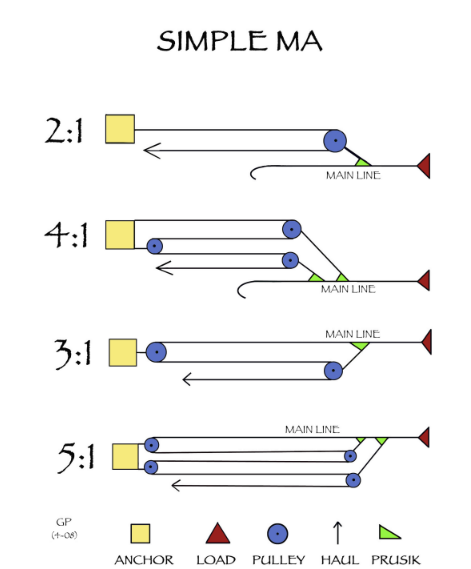
Mastering Simple and Compound Mechanical Advantage Systems Mechanical advantage (MA) systems are essential for rescue and rigging operations, allowing teams to efficiently lift or move loads with reduced effort. These systems fall into three main categories: Simple, Compound, and Complex. Understanding the principles behind these systems is critical for effective application in the field. This

Simple Compound Mechanical Advantage Read More »