Blog

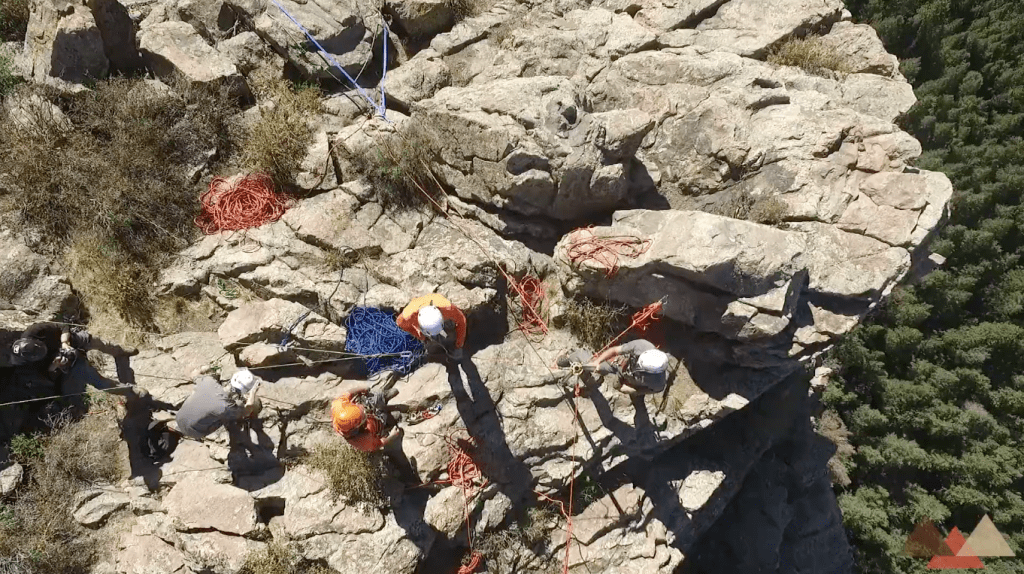
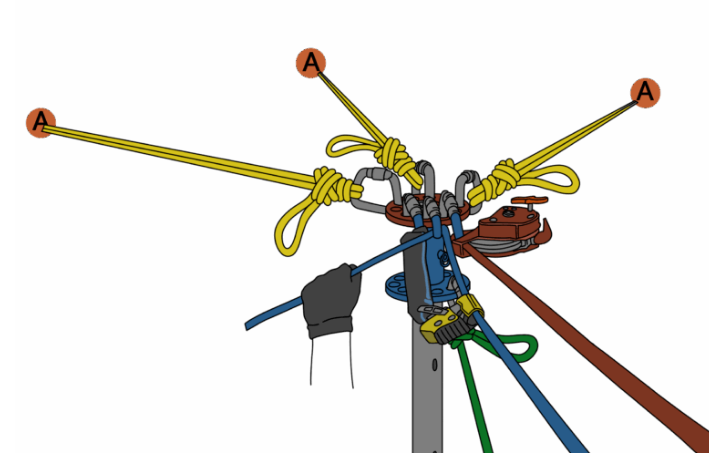
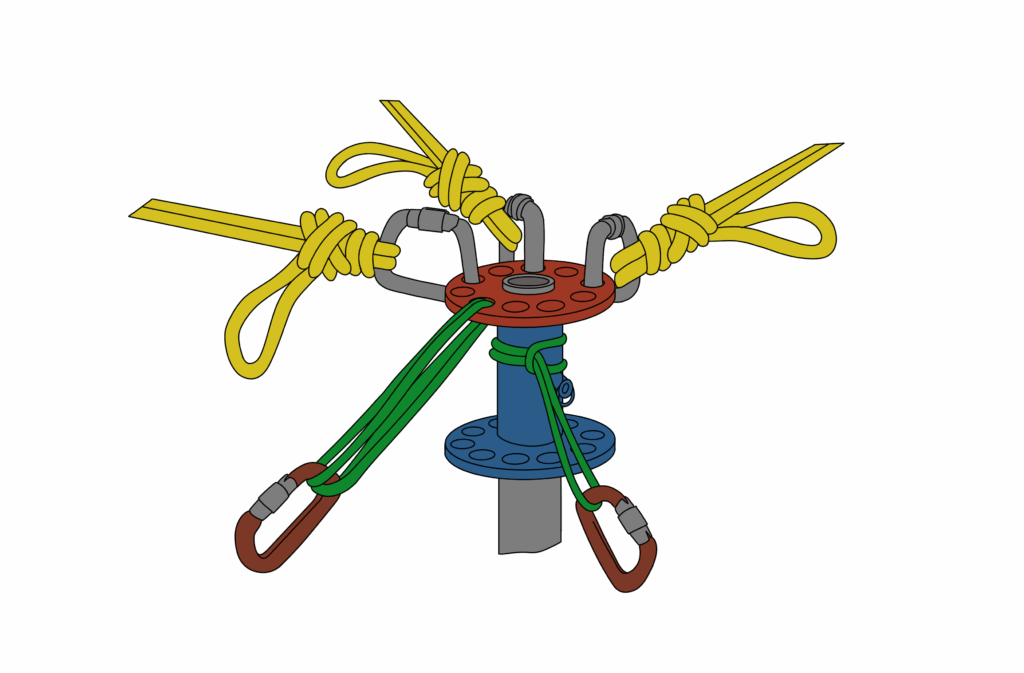
Multi Point Main Anchor Station AHD

Bridging Assessment and Critical Analysis in Technical Rigging Education

From Question to Judgment Why Assessments Alone Are Insufficient for Force-Based Decision Making In rope rescue, failure rarely occurs because a team lacked equipment or memorized procedures incorrectly. It occurs because a system was repurposed without re-evaluating how forces now behave. This is where most training subtly breaks down. Assessment questions are excellent at confirming […]

Bridging Assessment and Critical Analysis in Technical Rigging Education Read More »
Field Reference Guide Rescue Knots and Anchor Systems

This document serves as a field reference guide for trained rescue professionals. Its purpose is to consolidate the critical principles of anchor selection, knot application, and load dynamics to ensure operational safety and efficiency in technical rescue scenarios. The information contained herein is derived from established rescue standards and practices and is intended to supplement,

Field Reference Guide Rescue Knots and Anchor Systems Read More »

nfpa 2500 overview for rope rescue

Rope Rescue Standards and Regulations for Professional Teams

Standards and regulations form the backbone of professional rope rescue. While skills, equipment familiarity, and terrain experience all matter, none of them exist in a vacuum. Technical rope rescue is a legally defined and operationally bound discipline, shaped by documents, committees, and long cycles of testing, revision, and consensus. A rescuer who does not understand

Rope Rescue Standards and Regulations for Professional Teams Read More »

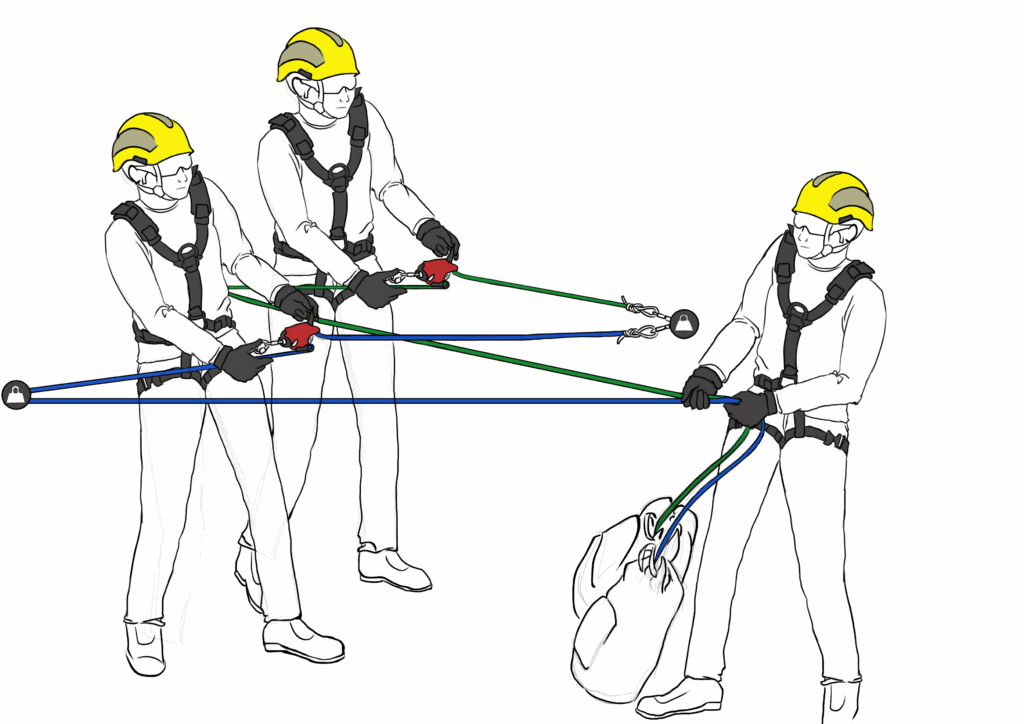
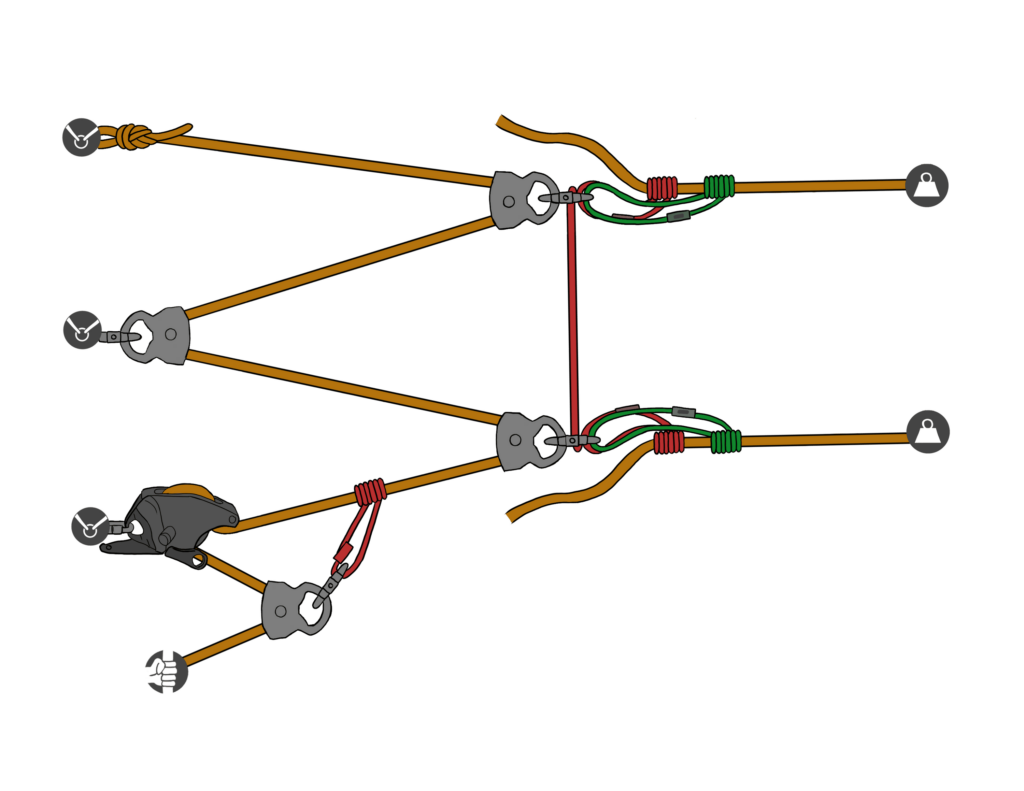
two tension twin tension lower cmc clutch with safety back tension

Rope Rescue Safety Building Systems Habits and Judgment

Safety in rope rescue is not the presence of a checklist or a perfect system on paper—it is a discipline woven into every decision a team makes. Skill alone does not guarantee safety, nor does good equipment. What guarantees safety is a mindset: the deliberate, consistent evaluation of risk, the disciplined use of redundancy, and

Rope Rescue Safety Building Systems Habits and Judgment Read More »

Essential Rope Rescue Skills On-Demand from knots to advanced techniques, all accessible online.

Learning Rope Rescue the Complete Guide to Building Skill Judgment and Team Capability

Rope rescue is not simply a technical craft—it’s a discipline shaped by standards, repetition, evaluation, and the collective judgment of a team. Most people who step into rope rescue training expect to learn knots, rigging, and mechanical systems. What they don’t expect is that the real growth comes from how they prepare, how they are

Learning Rope Rescue the Complete Guide to Building Skill Judgment and Team Capability Read More »

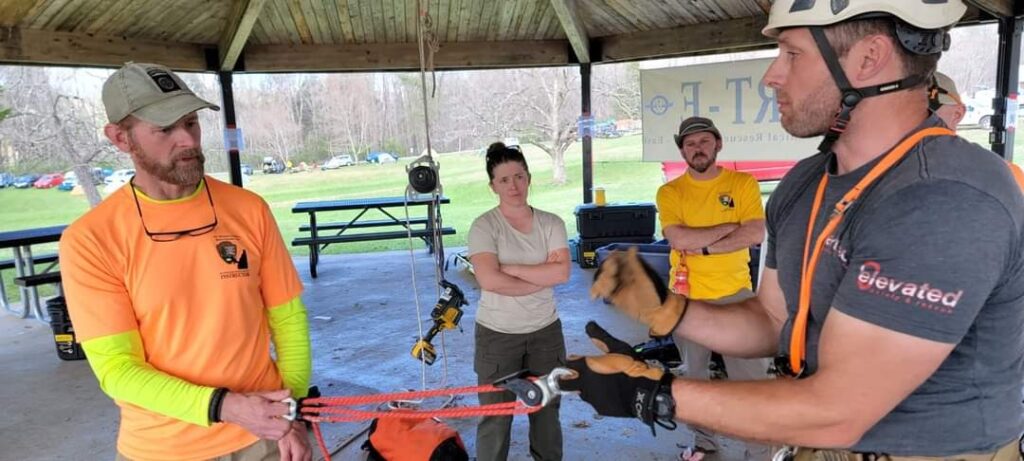
Coaching and Training in Rope Rescue

Basic Rope Rescue Operations Three Day Training Progression

I received several similar requests for ingredients of a “Basic Ropes Class”… Rope rescue demands clarity, discipline, and a layered approach to learning. Skills cannot be rushed, and they cannot be learned out of order. Each step builds the next, and each concept strengthens the rescuer’s ability to operate under tension and uncertainty. This three-day

Basic Rope Rescue Operations Three Day Training Progression Read More »

Horizontal Rope Rescue Systems and Highline Movement Techniques

Physics of Horizontal Rope Rescue Systems

Physics of Horizontal Rope Rescue Systems Why sideways movement is the real test of a rigger’s mind. Vertical rope work is the entry exam. Gravity defines the path, the system behaves predictably, and most mistakes are recoverable. But move a rescue load sideways—even fifty feet across a gap or diagonally off a tower—and everything changes.

Physics of Horizontal Rope Rescue Systems Read More »

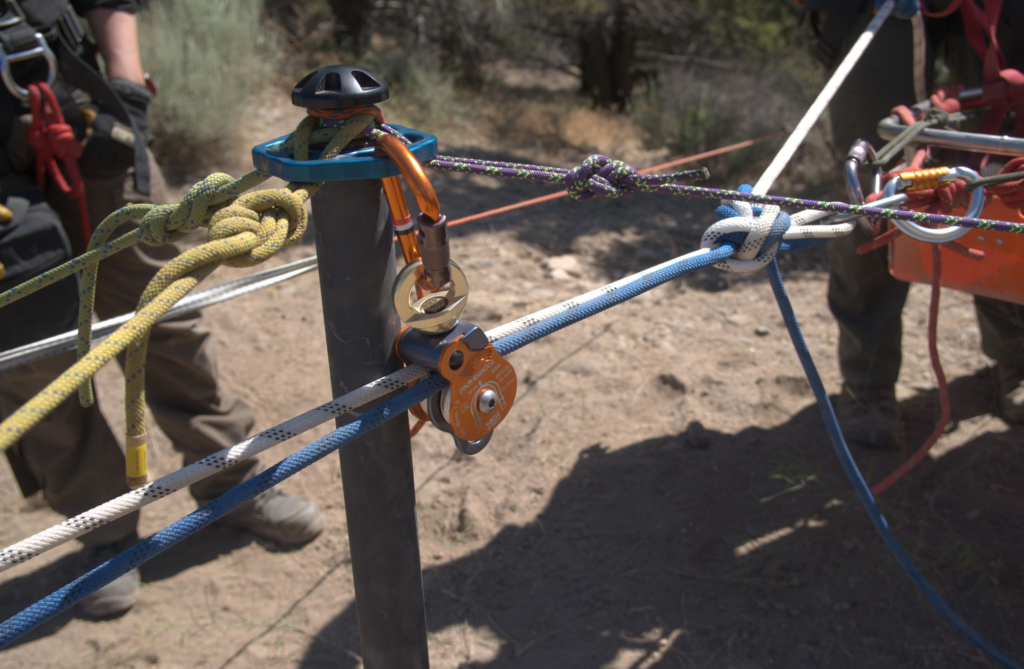
bombproof focused anchor system short

Anchor Systems and Rigging Principles for Modern Rescue

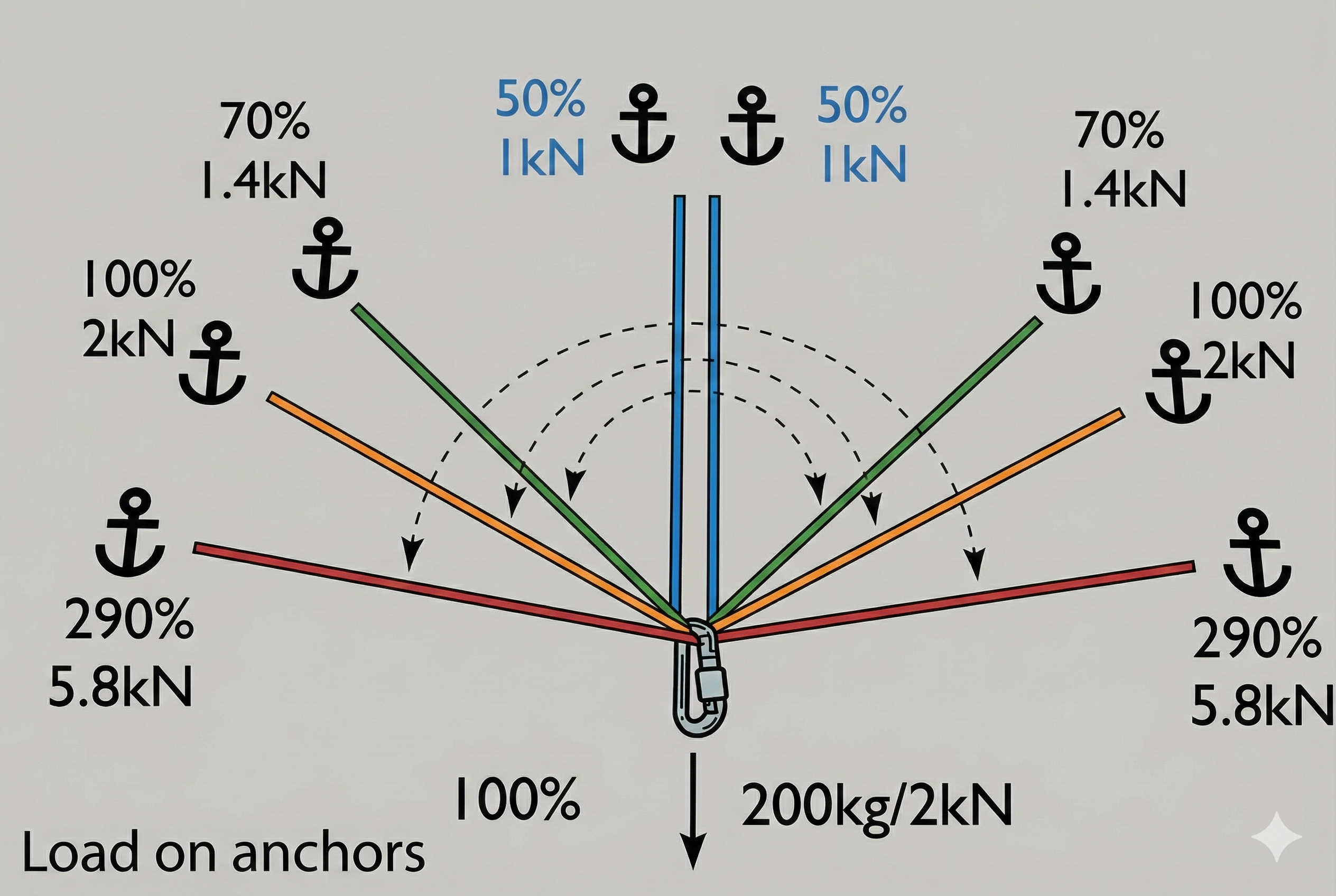
Anchor systems are the backbone of rope rescue. Every lift, lower, redirect, tension system, or directional frame is supported—literally—by the quality of the anchors that carry the load. The most skilled team and the most capable hardware cannot compensate for anchors that are poorly selected, misaligned with the load, or misunderstood. When anchors are engineered

Anchor Systems and Rigging Principles for Modern Rescue Read More »

Balancing Online and Hands-On Training -Knots for Force Multiplication in Rope Rescue - Steep Highline Calculations and Rigging Techniques

High Tension Highline Rigging Mastery for Technical Rope Rescue

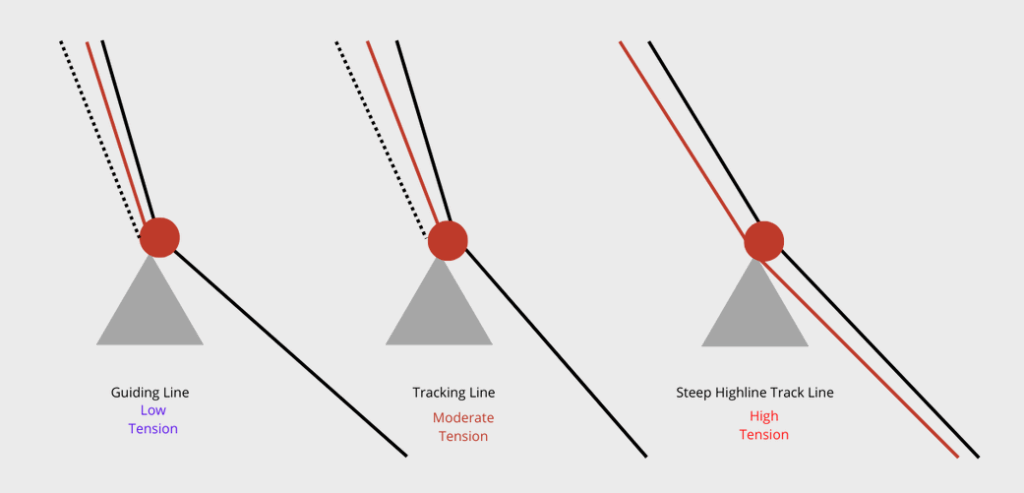
The ability to span a canyon, river, industrial void, or structural gap is one of the most demanding skills in advanced rope rescue. While offsets, tracklines, and guided systems are essential tools, the true test of technician-level capability is the high-tension highline. Unlike everyday rigging, high-tension systems do not forgive misunderstandings in geometry or guesswork

High Tension Highline Rigging Mastery for Technical Rope Rescue Read More »

Rope rescue training for veterans covers leadership, mechanical advantage, and advanced rigging skills and Hidden treasures in team leadership

Advanced Rigging Principles for Technical Rope Rescue

Modern rope rescue has outgrown the era of “strong gear plus strong backs.” At the advanced level, operations are built on system engineering, controlled redundancy, and a clear understanding of how forces, geometry, and human factors interact in real time. The Technical Operational Rigging Study Guide you started with is more than an exam—it is

Advanced Rigging Principles for Technical Rope Rescue Read More »

Horizontal Movement Systems in Rope Rescue

Counterintuitive Principles of Elite Rope Rescue Systems

1. The Ultimate System Test: What Happens If Everyone Lets Go? The “whistle test” is one of the simplest yet most powerful tools in rope rescue. It strips away the illusion of operator control and evaluates the system on pure mechanical resilience. If a sudden distraction — a falling rock, a hornet swarm, or a

Counterintuitive Principles of Elite Rope Rescue Systems Read More »

Organizing Rope Rescue Equipment

Technical Rescue Efficiency The Three Pillars of Controlled Patient Transport

In professional rescue environments, efficiency is achieved through the deliberate balance of mechanical precision, system predictability, and patient safety. Technical rescue operations—especially in vertical and confined space environments—demand that every action be guided by principle, not impulse. Success is rarely improvised; it is engineered. The governing framework of efficiency in patient transport can be defined

Technical Rescue Efficiency The Three Pillars of Controlled Patient Transport Read More »

confined space rescue

Precision and Protocol in Leadership for Confined Space Rescue Operations

In the discipline of technical rescue, the anchor system remains the defining constant—the mechanical and moral foundation of every operation. As Steve Crandall asserts, “Without a solid anchor, properly rigged, the system is bound for failure.”In Confined Space Rescue (CSR), this principle takes on a leadership dimension. Decision-makers are forced to manage high-risk, low-frequency events

Precision and Protocol in Leadership for Confined Space Rescue Operations Read More »

two tensioned system raise

Twin Tension Rope Systems (TTRS) Mastery for Rescue Safety

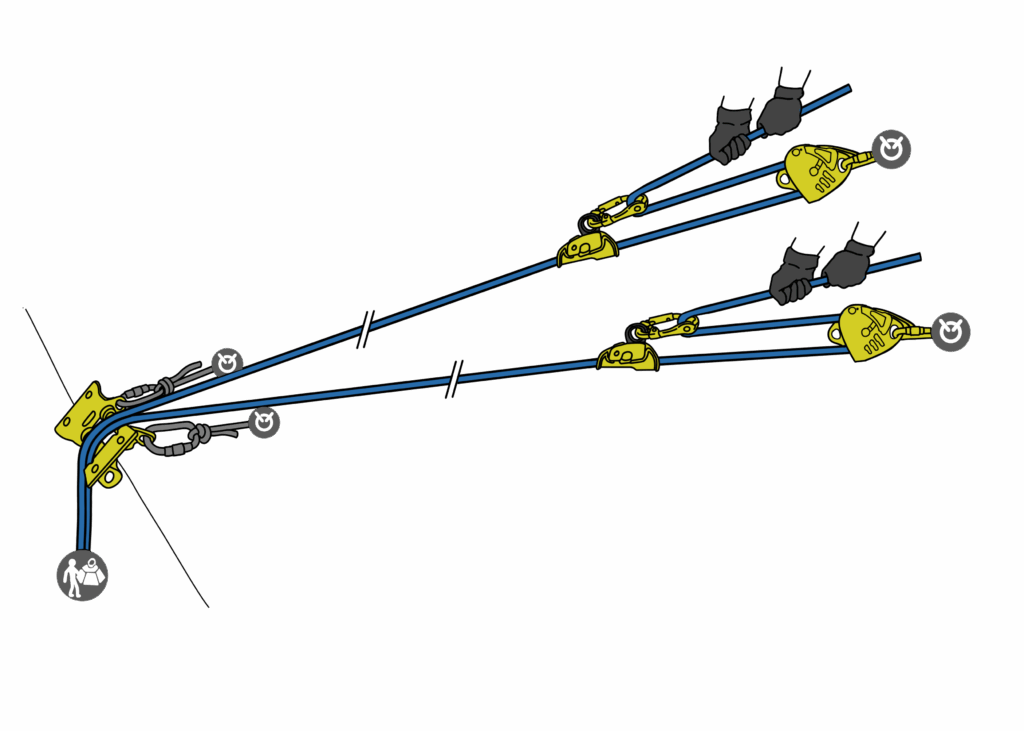
In modern technical rescue, moving beyond traditional main-and-belay configurations is essential to achieving superior safety margins and operational efficiency. The shift is towards Dual Mainline Rope Systems, also known as Twin Tension Rope Systems (TTRS). These systems fundamentally change the dynamics of load control by actively engaging both ropes to share the load equally, thus

Twin Tension Rope Systems (TTRS) Mastery for Rescue Safety Read More »

cross-haul rope access

Cross Haul Techniques for Rescue and Equipment Movement

Cross hauling is a controlled horizontal movement technique used to transport loads—such as a patient litter, heavy gear, or suspended equipment—between two points using independent hauling and lowering systems. The method relies on coordination between two rescuers or teams operating from opposite anchors, each managing their side’s tension to maintain balance and stability. When executed

Cross Haul Techniques for Rescue and Equipment Movement Read More »

mechanical advantage

Understanding Pulley Systems for Mechanical Advantage

Mechanical advantage lies at the heart of rope rescue, and pulleys are the tools that make it possible. By redirecting force and multiplying effort, pulley systems enable rescuers to move loads that would otherwise be unmanageable. Understanding how these systems work—specifically how rope anchoring, pulley placement, and rope routing affect efficiency—is essential for building safe,

Understanding Pulley Systems for Mechanical Advantage Read More »

Hybrid Patient Connection Setup with Skate Block and Tracking Line

Integrating Artificial High Directionals in Skate Block Systems

Integrating Artificial High Directionals (AHDs) within Skate Block Systems transforms a simple, low-tension rescue technique into a controlled, highly adaptable rigging platform. This integration enables teams to overcome edge trauma, improve resultant alignment, and achieve greater system precision—all without sacrificing the lightweight, small-team functionality that defines the skate block. In essence, an AHD turns a

Integrating Artificial High Directionals in Skate Block Systems Read More »

climber fall rescue - 5 First Principles of Rescue Rigging

5 First Principles of Rescue Rigging

The Immutable Laws of Rigging: A Guide to First Principles   This document outlines five principles of rescue rigging—foundational truths that are non-negotiable and from which all safe practice is derived. These principles cannot be reduced further; they are the absolute realities that govern every decision made in a life-or-death scenario. 1. The Principle of

5 First Principles of Rescue Rigging Read More »

floating the patient terrain assessment

Building a Rope Rescue Team with Terrain Awareness and Training Manuals

Congratulations on stepping into leadership for your search and rescue ropes team. It’s no small task. Building a rope rescue team requires more than equipment — it demands a keen understanding of terrain, a plan to close knowledge gaps, and a structured training manual that evolves with your team. These three pillars form the backbone

Building a Rope Rescue Team with Terrain Awareness and Training Manuals Read More »

transitioning to two-tensioned rescue systems

TTRS Anchor Systems with Artificial High Directionals for Two Person Loads

Technical rope rescue demands anchor systems that are strong, efficient, and designed for redundancy. Building TTRS anchor systems with Artificial High Directionals (AHDs) is one of the most effective ways to achieve these goals, especially when managing a two-person load such as a patient and attendant in a litter. By combining the principles of sound

TTRS Anchor Systems with Artificial High Directionals for Two Person Loads Read More »