TTRS

Organizing Rope Rescue Equipment

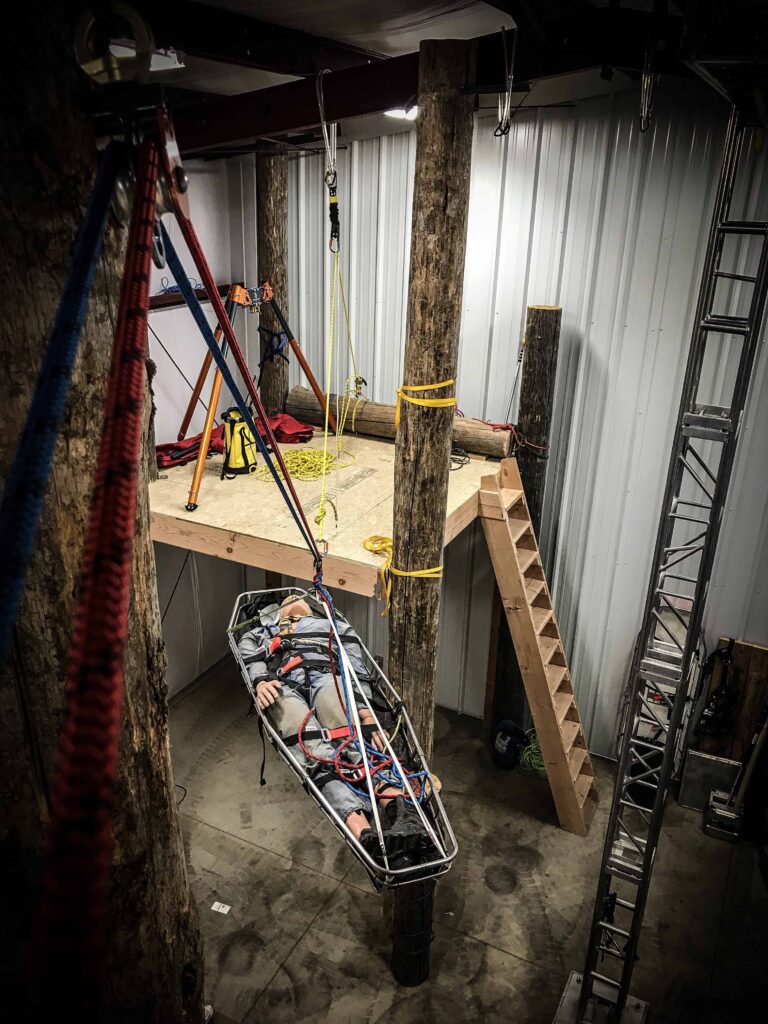
Technical Rescue Efficiency The Three Pillars of Controlled Patient Transport

In professional rescue environments, efficiency is achieved through the deliberate balance of mechanical precision, system predictability, and patient safety. Technical rescue operations—especially in vertical and confined space environments—demand that every action be guided by principle, not impulse. Success is rarely improvised; it is engineered. The governing framework of efficiency in patient transport can be defined […]

Technical Rescue Efficiency The Three Pillars of Controlled Patient Transport Read More »
transitioning to two-tensioned rescue systems

TTRS Anchor Systems with Artificial High Directionals for Two Person Loads

Technical rope rescue demands anchor systems that are strong, efficient, and designed for redundancy. Building TTRS anchor systems with Artificial High Directionals (AHDs) is one of the most effective ways to achieve these goals, especially when managing a two-person load such as a patient and attendant in a litter. By combining the principles of sound

TTRS Anchor Systems with Artificial High Directionals for Two Person Loads Read More »

two tension twin tension lower single operator back tension safety

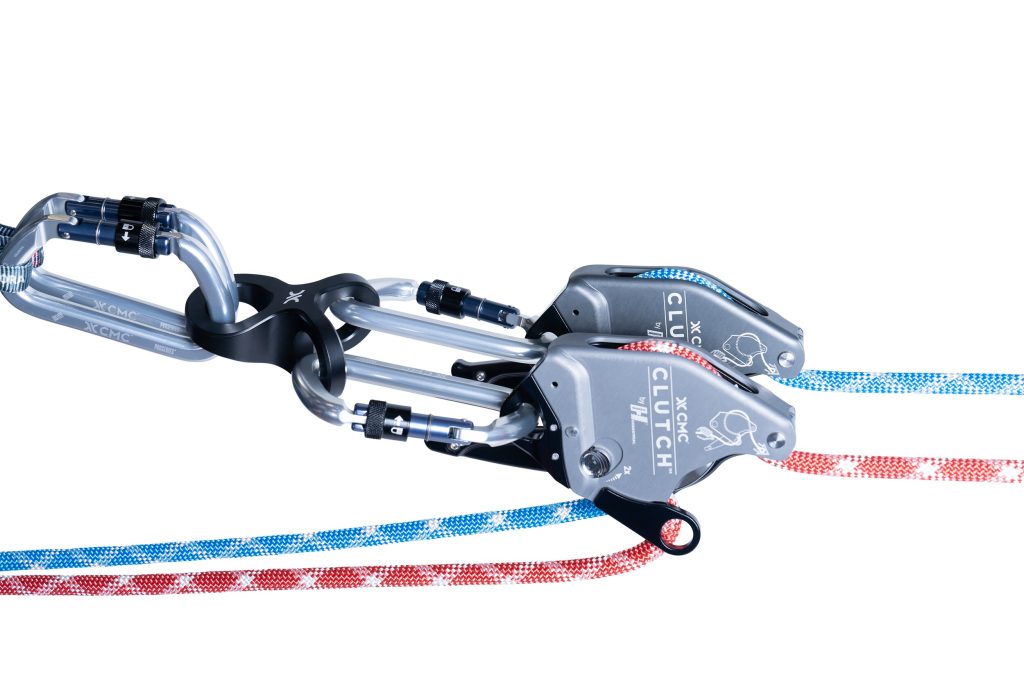
CMC Clutch Twin Tension Two Tension Lower

The CMC Clutch Twin Tension Two Tension Lower has become a defining standard in modern rope rescue systems. By integrating the Clutch into a Twin Tension Rope System (TTRS), rescuers can achieve smoother control, balanced load distribution, and built-in redundancy. Whether lowering or raising, the Clutch ensures safe transitions, adaptability across rescue environments, and confidence

CMC Clutch Twin Tension Two Tension Lower Read More »

climber fall rescue - 5 First Principles of Rescue Rigging

Climber Rescue Team Using Twin Tension Rope Systems

Climber Rescue Team Using Twin Tension Rope Systems A climber begins their ascent. Movements are steady and deliberate. Each step shows control. But even skilled climbers can fall. And when they do, preparation makes the difference and it is here we see a Climber Rescue Team Using Twin Tension Rope Systems. The Fall: Fast Response

Climber Rescue Team Using Twin Tension Rope Systems Read More »

maestro as a belay

Using the MAESTRO as a Belay Device in Single-Tensioned Rope Systems

Turning the MAESTRO into a Belay Powerhouse In technical rescue operations, redundancy is never optional. Even when using a single-tensioned rope system (STRS) for primary load management, a belay line must always be present to protect against mainline failure or loss of control. While devices like the ASAP provide passive fall arrest, sometimes a higher

Using the MAESTRO as a Belay Device in Single-Tensioned Rope Systems Read More »

monopod and a frame confined space

Dynamic Hauling with A-Frames and Monopods in Confined Space Rescue

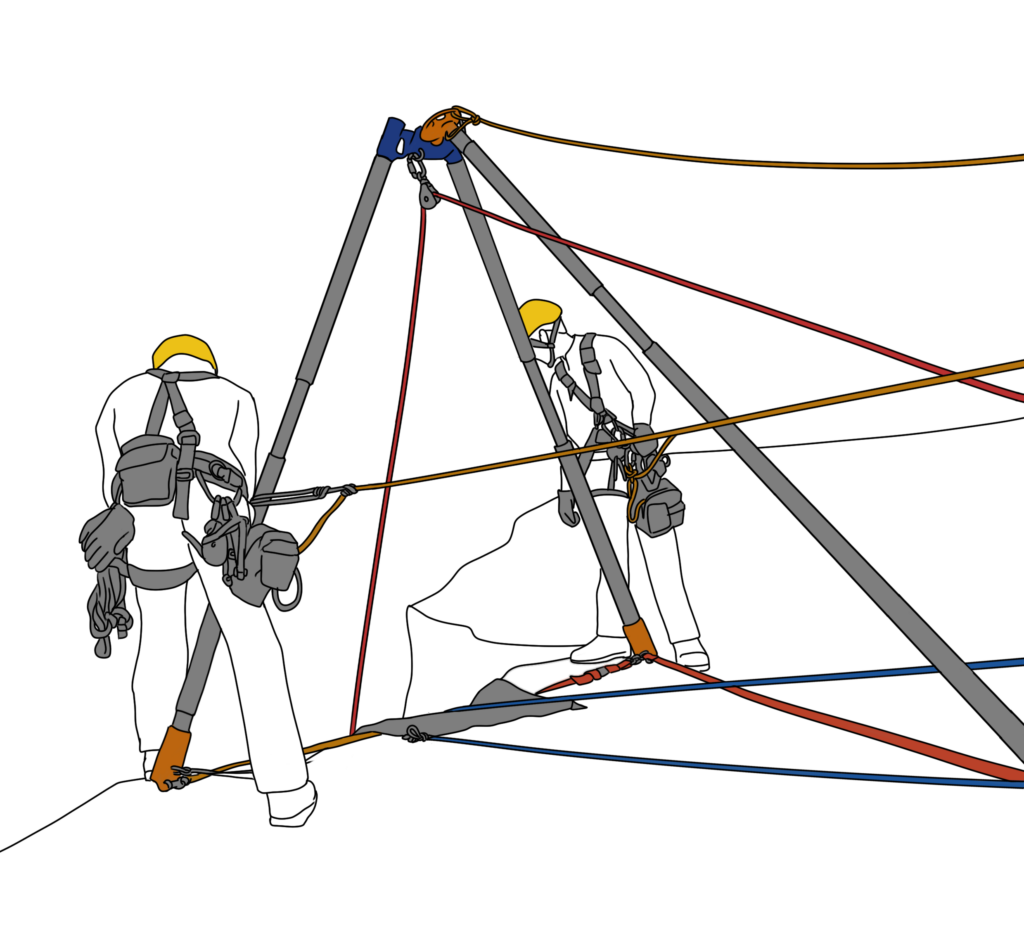
In high-stakes rescue operations, especially those involving confined space entries, dynamic directional hauling systems offer critical advantages. This blog explores how to configure and operate a dual high directional setup—an A-frame paired with a monopod—to manage complex terrain and shifting load paths. When used with mirrored twin tension systems, this strategy creates a stable and

Dynamic Hauling with A-Frames and Monopods in Confined Space Rescue Read More »

two tensioned system raise sharing more equally

The Two-Tensioned Rope Raising System

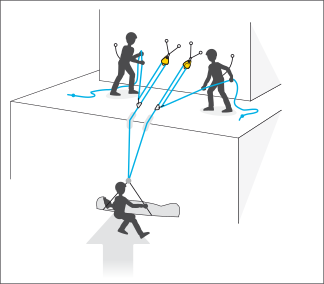
The Two-Tensioned Rope Raising System In the high-stakes world of rope rescue and technical rigging, achieving safety and absolute control stands as our highest priority. When we need to move loads or personnel upward, the demands intensify, requiring systems that offer maximum security and efficiency. This brings us to the Two-Tensioned Rope System (TTRS), a

The Two-Tensioned Rope Raising System Read More »

Twin Tension Rope Systems and Gin Pole Setup

TTRS and Gin Pole Setup for Technical Rope Work

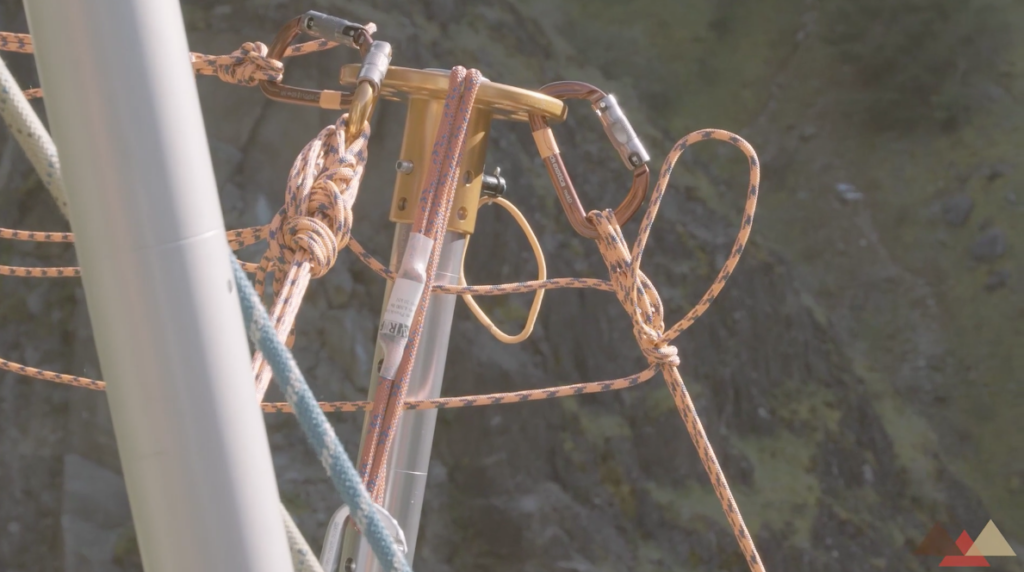
Technical rope professionals often need fast clarity on specific systems. Whether you are refining a Twin Tension Rope System (TTRS) or setting up a gin pole, efficiency, safety, and precision come from understanding how the system works—not just owning the gear. Twin Tension Rope Systems (TTRS) TTRS distributes the load between two tensioned lines, with

TTRS and Gin Pole Setup for Technical Rope Work Read More »

Litter Operations and Patient Evacuation

Litter Operations and Patient Evacuation

Litter operations are the backbone of modern rope rescue teams, embodying the precision and care required to transport injured patients across challenging terrains. Whether navigating steep cliffs, confined spaces, or uneven wilderness, the ability to package and safely maneuver a patient in a litter is a defining skill for any team dedicated to rescue excellence.

Litter Operations and Patient Evacuation Read More »

transitioning to two-tensioned rescue systems

Transitioning to Two-Tensioned Rescue Systems

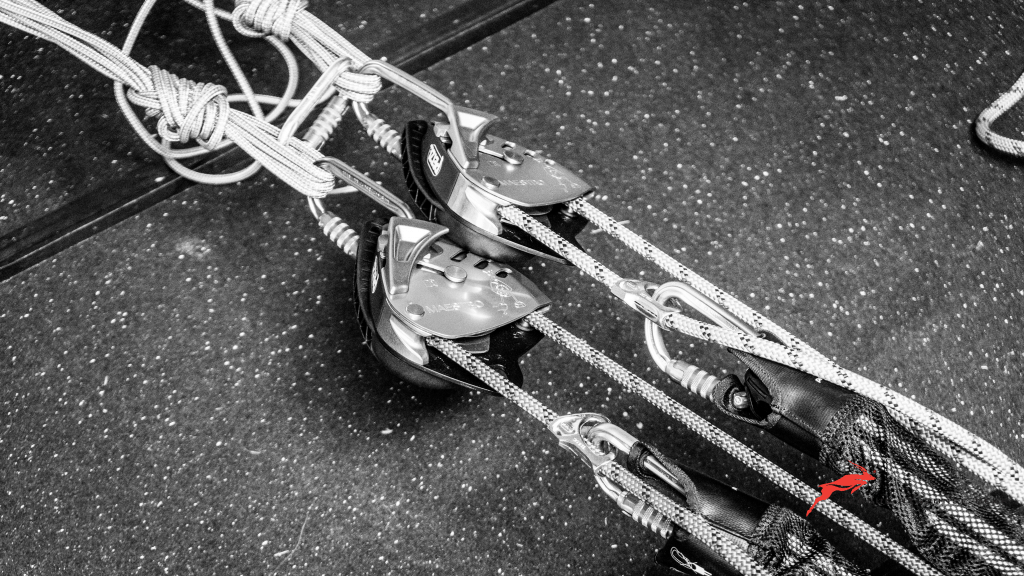
Transitioning from Traditional Rescue Systems to Two-Tensioned Rescue Systems (TTRS) Introduction For decades, the traditional mainline-belay rescue system has been a cornerstone of rope rescue operations. It’s familiar, reliable, and deeply ingrained in training programs worldwide. However, as rescue demands evolve, so must the techniques. The Two-Tensioned Rescue System (TTRS) offers a modern, efficient alternative,

Transitioning to Two-Tensioned Rescue Systems Read More »

Anchors TTRS and Hauling Systems

Anchors TTRS and Hauling Systems

Understanding anchors, Tensioned Twin Rope Systems (TTRS), and hauling systems isn’t just about rigging; it’s about safety, efficiency, and adaptability in high-pressure situations. These systems form the backbone of rescue and rigging operations, ensuring stability and control when it matters most. 1. Anchors: The Bedrock of Stability A strong anchor is the foundation of every

Anchors TTRS and Hauling Systems Read More »

Streamlining Rescue Operations

Streamlining Rescue Operations

Streamlining Rescue Operations: Dual AHD Systems for Efficient Trackline Offsets The integration of dual Artificial High Directional (AHD) systems in rescue operations marks a significant leap in precision and safety. By employing a Two Tension Rope System (TTRS) for the working lines alongside a dedicated tracking line, this method showcases innovation, strategic planning, and a

Streamlining Rescue Operations Read More »

Enhancing Technical Rescue Excellence

Enhancing Technical Rescue Excellence

Enhancing Technical Rescue Excellence In a pivotal move to elevate their technical rescue capabilities, the El Dorado County Sheriff’s Search and Rescue Unit (EDSAR) partnered with Rigging Lab Academy to host a comprehensive workshop designed to refine operational efficiency and technical proficiency. This collaboration not only honed essential rescue skills but also fostered team cohesion

Enhancing Technical Rescue Excellence Read More »

Revolutionizing Rope Systems with SQUID

Revolutionizing Rope Systems with SQUID

Introducing the SQUID System Introducing the Squid System for rope technicians, rescuers, and riggers, efficiency, safety, and precision; not-negotiable. So the SQUID system, a groundbreaking innovation that redefines the possibilities of twin tension rope systems (TTRS). Designed for professionals who demand the best, the SQUID system offers unparalleled functionality and performance. In this post, we

Revolutionizing Rope Systems with SQUID Read More »

Metacognition and GAP in Rope Rescue

Metacognition and GAP in Rope Rescue

Metacognition and GAP in Rope Rescue Rope rescue and rigging are inherently complex, requiring not only technical skills but also strategic thinking and adaptability. By integrating metacognition with the principles of GAP and GAIN, teams can create a framework that fosters continuous improvement, innovation, and operational excellence. Metacognition in Rope Rescue Metacognition, or “thinking about

Metacognition and GAP in Rope Rescue Read More »

The Journey Two-Tension Rope Systems

The Journey Two-Tension Rope Systems

The Journey of Rope Rescue and Rigging: From Single Mainline-Belay Systems to Two-Tension Rope Systems (TTRS) Rope rescue and rigging have come a long way from their early days of rudimentary tools and basic techniques. The shift from single mainline-belay systems to Two-Tension Rope Systems (TTRS) marks a significant evolution in safety, efficiency, and versatility.

The Journey Two-Tension Rope Systems Read More »

Metacognition in Rope Rescue

Metacognition in Rope Rescue

Metacognition in Rope Rescue and Rigging: A Transformative Skill for Rescuers Metacognition, often referred to as “thinking about thinking,” is an essential skill in high-stakes environments like rope rescue and rigging. This cognitive process helps professionals navigate complex scenarios by fostering self-awareness, strategic planning, and adaptive problem-solving. By bridging the gap between theory and practice,

Metacognition in Rope Rescue Read More »

Patient Packaging and Litter Handling Floating the litter

Floating the Litter Using an A-Frame and Gin Pole Trackline

Floating the Litter Using an A-Frame and Gin Pole Trackline Steep angle litter work represents one of the most challenging scenarios in high-angle rescue operations. The primary challenge lies in ensuring patient contact and visual oversight while navigating challenging terrain. These conditions often necessitate the use of a carefully chosen and highly functional system to

Floating the Litter Using an A-Frame and Gin Pole Trackline Read More »

Dual Tension Rope Systems

Dual Tension Rope Systems

Dual Tension Rope Systems: Advancing Rope Rescue Safety Dual Tension Rope Systems (TTRS) have emerged as the preferred choice in modern rope rescue operations. While not entirely new, the system represents a significant evolution from traditional Dedicated Main Dedicated Belay (DMDB) techniques. This shift isn’t just about systems and tools—it’s about risk management, efficiency, and

Dual Tension Rope Systems Read More »

High-Angle Raise with Vortex Side Frame

High-Angle Raise with Vortex Side Frame

High-angle rescue scenarios demand precision, strategy, and the right equipment. This detailed case study explores the high-angle raise using a Vortex Side Frame, illustrating advanced rigging techniques employed by the File N-015 Rescue Response Team. The application of a high-angle rescue system in challenging environments, like cliffs and urban structures, demonstrates the importance of sound

High-Angle Raise with Vortex Side Frame Read More »