twin tension rope system

The V Anchor System for Mirrored and Twin Tension Systems

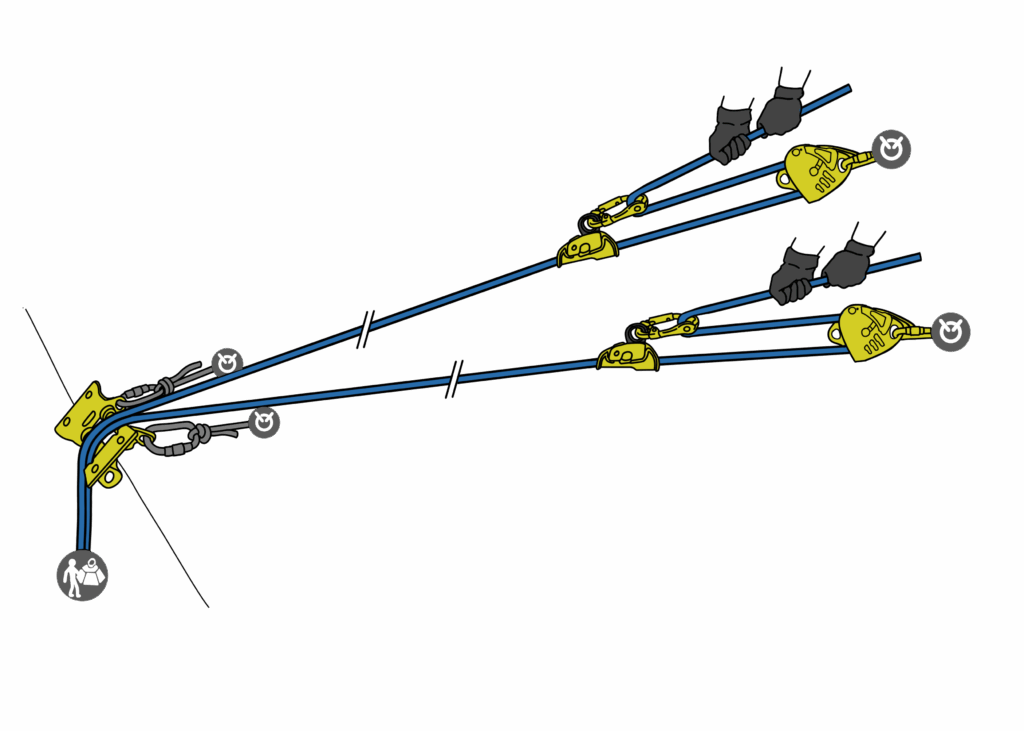
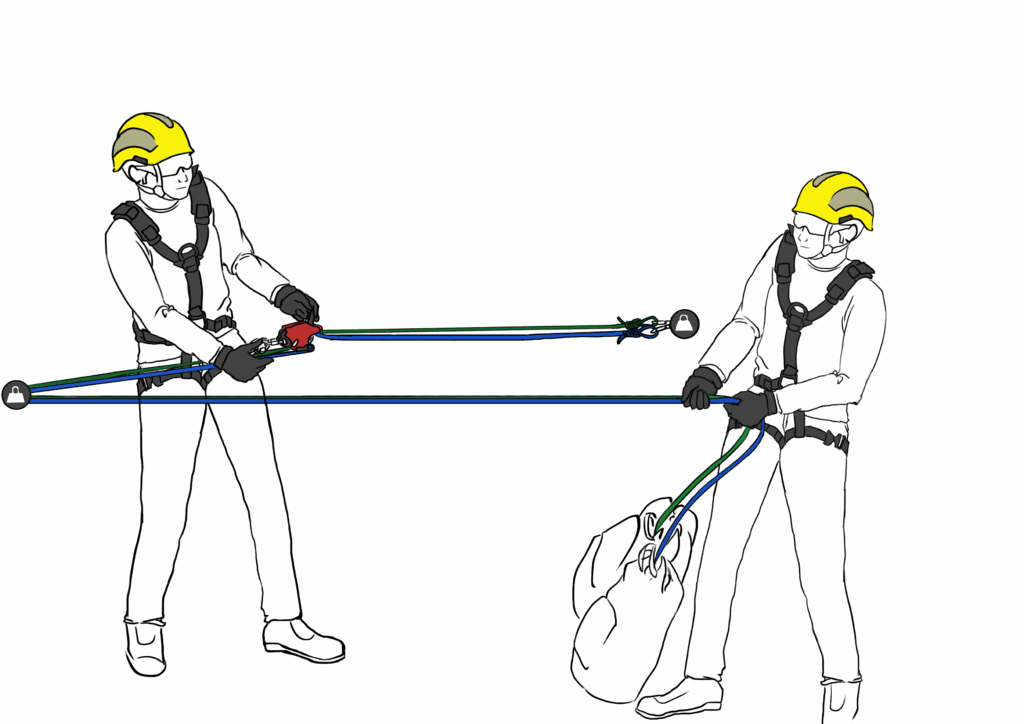
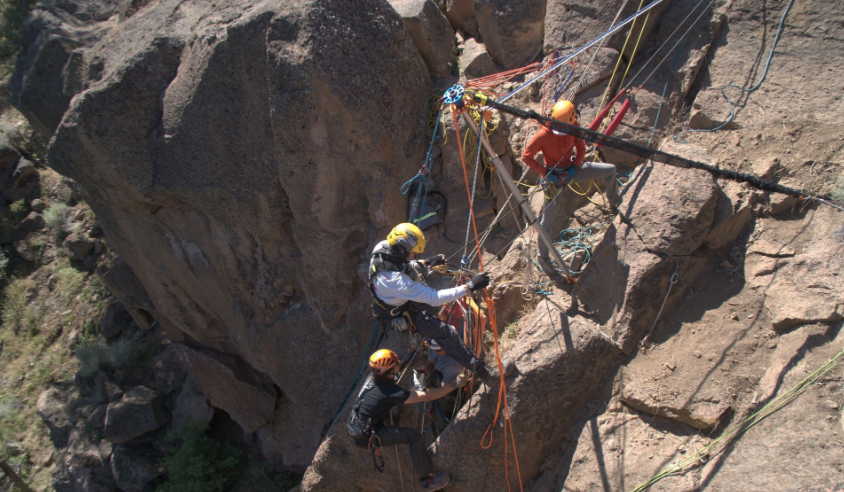
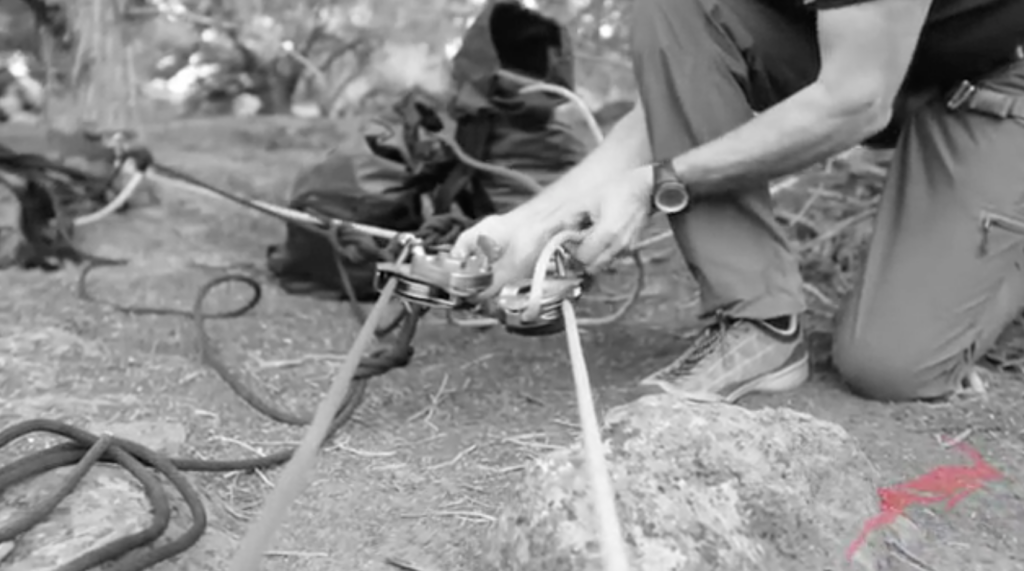
The V-anchor can support several rope-system configurations with relatively little equipment. In this application, it provides a practical foundation for lightweight wilderness rescue using mirrored or twin tension rope systems. Start with two independent anchors. Run an isolated strand from each anchor to the focal point. This creates two separate rope paths for raising or […]

The V Anchor System for Mirrored and Twin Tension Systems Read More »
TTRS Dynamic Directional AHD

Hybrid High Directional Systems for Vertical and Horizontal Rescue Operations

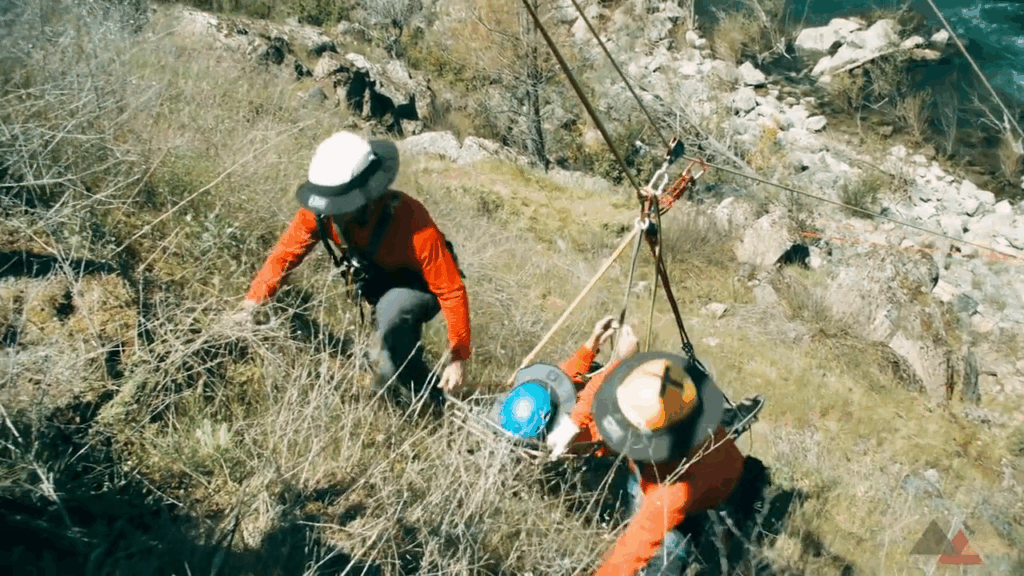
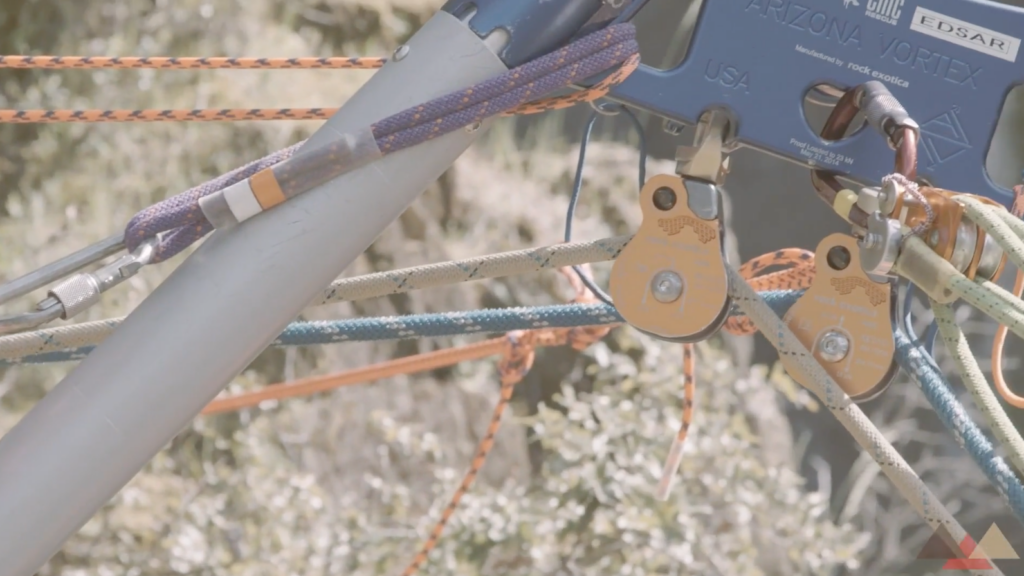
Hybrid High-Directional Systems for Vertical and Horizontal Rescue Operations Technical rescue systems are often categorized by their primary function. Some systems are designed to manage vertical movement. Others are designed to support horizontal transportation. Complex terrain, however, rarely presents a single movement problem. Rescuers may need to raise a patient from below a cliff edge,

Hybrid High Directional Systems for Vertical and Horizontal Rescue Operations Read More »

two tensioned system raise

Teaching the Twin Tension Rope System in the Classroom

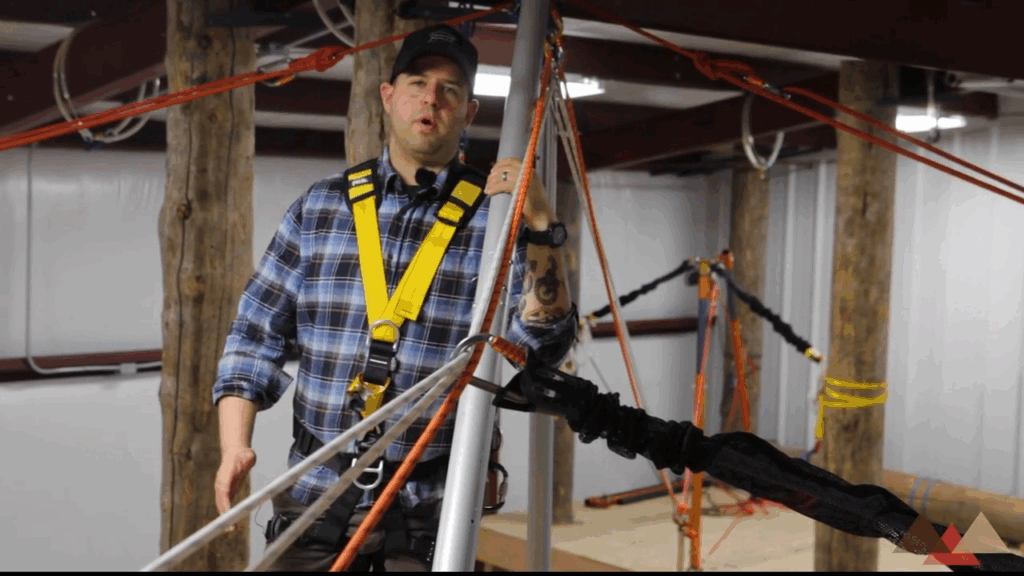
The Twin Tension Rope System — TTRS — represents one of the most significant shifts in rescue rigging philosophy in recent decades. For a long time, the standard approach meant one tensioned mainline doing the work while a second rope sat in a slack belay configuration, ready to catch a failure but contributing nothing to

Teaching the Twin Tension Rope System in the Classroom Read More »

cross haul system

Cross Haul System Calculator — Building a Force Analysis Tool for Horizontal Rope Access

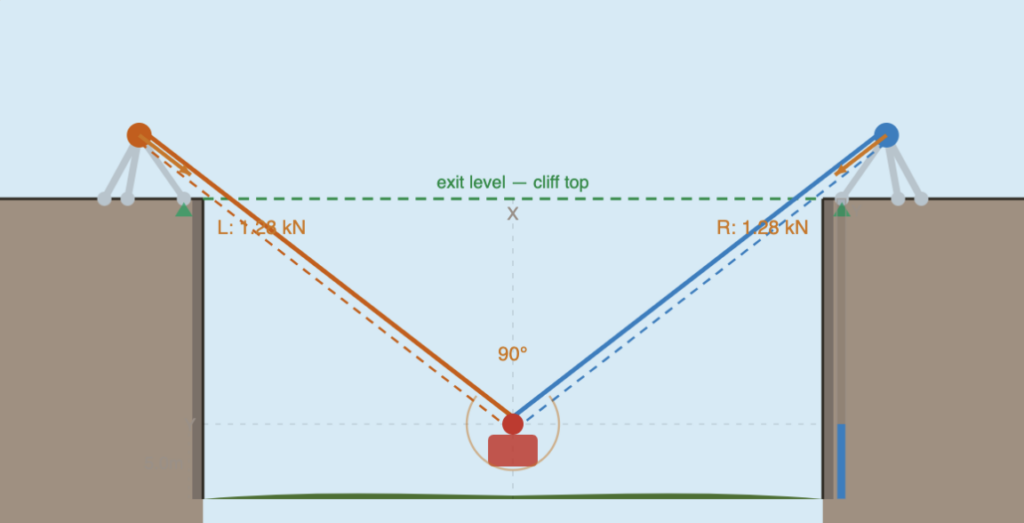
Building a Force Analysis Tool for Horizontal Rope Access TTRS Configuration  ·  Vortex AHD Leg Forces  ·  Exit Zone Analysis SPRAT Level 2 Required Skill  ·  Pre-operational Planning Tool Moving a package horizontally across a span — a patient in a litter, a gear load, a confined space casualty — sits at the intersection of

Cross Haul System Calculator — Building a Force Analysis Tool for Horizontal Rope Access Read More »

floating the patient terrain assessment

Building a Rope Rescue Team with Terrain Awareness and Training Manuals

Congratulations on stepping into leadership for your search and rescue ropes team. It’s no small task. Building a rope rescue team requires more than equipment — it demands a keen understanding of terrain, a plan to close knowledge gaps, and a structured training manual that evolves with your team. These three pillars form the backbone

Building a Rope Rescue Team with Terrain Awareness and Training Manuals Read More »

transitioning to two-tensioned rescue systems

TTRS Anchor Systems with Artificial High Directionals for Two Person Loads

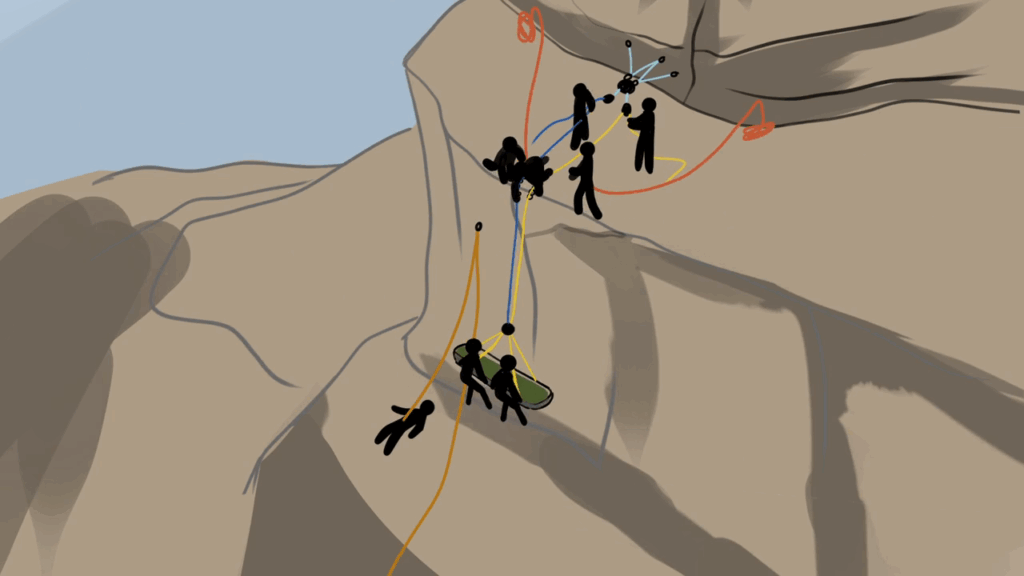
Technical rope rescue demands anchor systems that are strong, efficient, and designed for redundancy. Building TTRS anchor systems with Artificial High Directionals (AHDs) is one of the most effective ways to achieve these goals, especially when managing a two-person load such as a patient and attendant in a litter. By combining the principles of sound

TTRS Anchor Systems with Artificial High Directionals for Two Person Loads Read More »

two tension twin tension lower single operator back tension safety

CMC Clutch Twin Tension Two Tension Lower

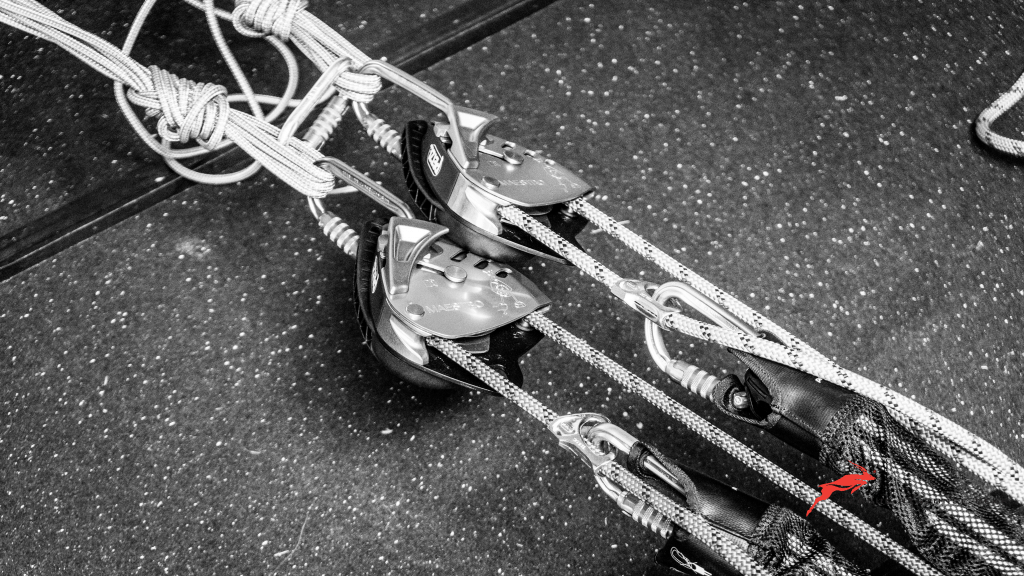
The CMC Clutch Twin Tension Two Tension Lower has become a defining standard in modern rope rescue systems. By integrating the Clutch into a Twin Tension Rope System (TTRS), rescuers can achieve smoother control, balanced load distribution, and built-in redundancy. Whether lowering or raising, the Clutch ensures safe transitions, adaptability across rescue environments, and confidence

CMC Clutch Twin Tension Two Tension Lower Read More »

Mechanical Advantage Choices for Twin Tension Rope Systems

Mechanical Advantage Choices for Twin Tension Rope Systems

Mechanical Advantage Choices for Twin Tension Rope Systems Twin tension rope systems (TTRS) have changed the way modern rescue teams operate. Instead of one mainline and one belay, both ropes share the load equally, providing redundancy, balance, and smooth control. But while the setup looks clean, the question comes quickly in the field — what

Mechanical Advantage Choices for Twin Tension Rope Systems Read More »

Building the Minimal Mechanical Advantage Kit

Building a Minimal Mechanical Advantage Kit with the 20–80 Rule

The 20–80 Rule in Action: Building the Minimal Mechanical Advantage Kit In rope rescue, complexity can be your enemy. Too many devices, too much gear, and too many choices under stress can slow a team down and increase risk. That’s where the 20–80 Rule comes in: with about 20% of the gear, you can accomplish

Building a Minimal Mechanical Advantage Kit with the 20–80 Rule Read More »

climber fall rescue - 5 First Principles of Rescue Rigging

Climber Rescue Team Using Twin Tension Rope Systems

Climber Rescue Team Using Twin Tension Rope Systems A climber begins their ascent. Movements are steady and deliberate. Each step shows control. But even skilled climbers can fall. And when they do, preparation makes the difference and it is here we see a Climber Rescue Team Using Twin Tension Rope Systems. The Fall: Fast Response

Climber Rescue Team Using Twin Tension Rope Systems Read More »