Technical Rigging

Rope rescue training for veterans covers leadership, mechanical advantage, and advanced rigging skills and Hidden treasures in team leadership

Advanced Rigging Principles for Technical Rope Rescue

Modern rope rescue has outgrown the era of “strong gear plus strong backs.” At the advanced level, operations are built on system engineering, controlled redundancy, and a clear understanding of how forces, geometry, and human factors interact in real time. The Technical Operational Rigging Study Guide you started with is more than an exam—it is […]

Advanced Rigging Principles for Technical Rope Rescue Read More »
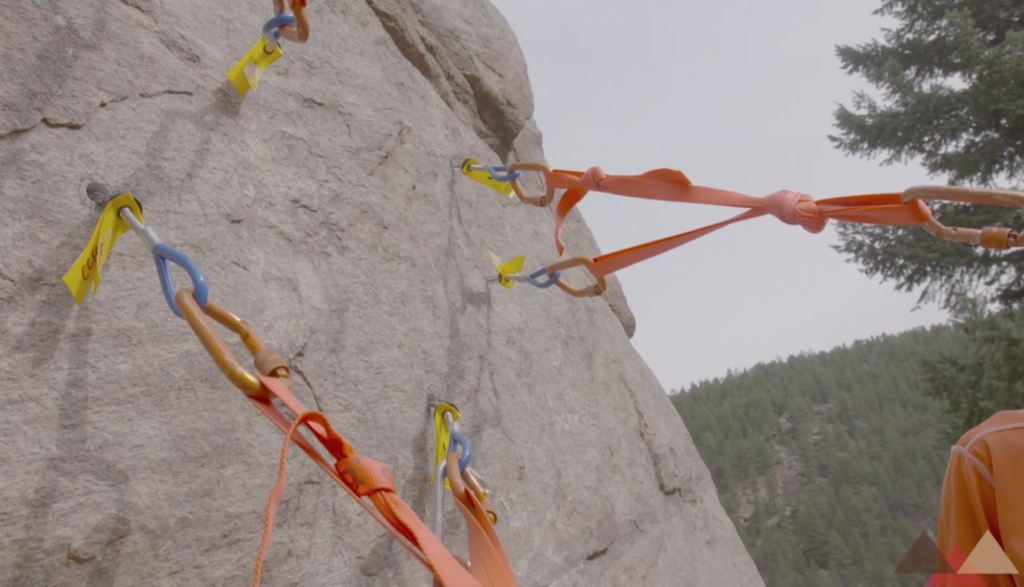
Anchors in Rescue and Life - backup anchors

Understanding the Purpose and Application of Backed-Up Anchor Systems

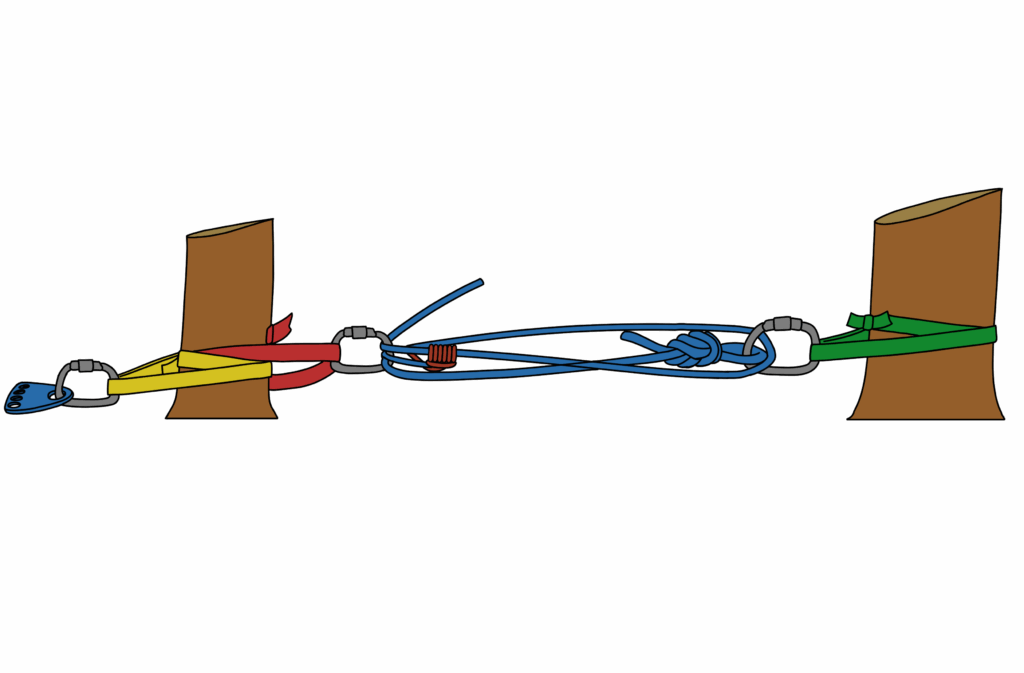
Backed-up anchor systems add redundancy and resilience to rope rescue and rigging operations. They serve as a safeguard against the failure of a primary anchor, which could otherwise cause catastrophic system collapse. By incorporating backups, teams create an additional layer of safety that reduces risk and improves overall reliability. The practice reflects a core principle

Understanding the Purpose and Application of Backed-Up Anchor Systems Read More »

structural anchors

Using Structural Anchors in Rope Rescue

In wilderness rescues, trees and boulders often provide natural anchors. But in urban, industrial, or confined space environments, rescuers must rely on using structural anchors in rope rescue—beams, columns, and engineered fixtures built into man-made environments. These anchors, when paired with pre-sewn anchor straps, create strong and efficient attachment points for rescue systems. Structural anchors

Using Structural Anchors in Rope Rescue Read More »

picket anchor system

Picket Anchor System

In rope rescue, not every environment offers solid natural anchors such as trees or boulders. In open terrain like soil, sand, or snow, rescuers must create their own secure anchor system. The picket anchor system is a proven solution, using steel stakes driven into the ground to create reliable attachment points for rescue loads. When

Picket Anchor System Read More »

bombproof focused anchor system short

Bombproof Focused Anchor System

Every rope rescue begins and ends with anchors. Without a secure foundation, even the most advanced mechanical advantage systems or high-directional setups are compromised. When substantial natural anchors are absent at the fall line, rescuers must create reliable alternatives that provide stability, redundancy, and adaptability. One of the most versatile solutions is the Bombproof Focused

Bombproof Focused Anchor System Read More »

two-rope offset canyon rescue

How to Rig a Two-Rope Offset Canyon Rescue with Twin Tension Systems

A Canyon Rescue Demands More Than a Vertical Drop Not every rescue moves straight down. In desert canyon environments, terrain often calls for lateral movement, precise force balance, and shared system control. When a patient must be transported from one rim to another, a two-rope offset canyon rescue setup using twin tension systems becomes essential.

How to Rig a Two-Rope Offset Canyon Rescue with Twin Tension Systems Read More »

Independent Belay Systems for Technical Rope Rescue

Independent Belay Systems for Technical Rope Rescue

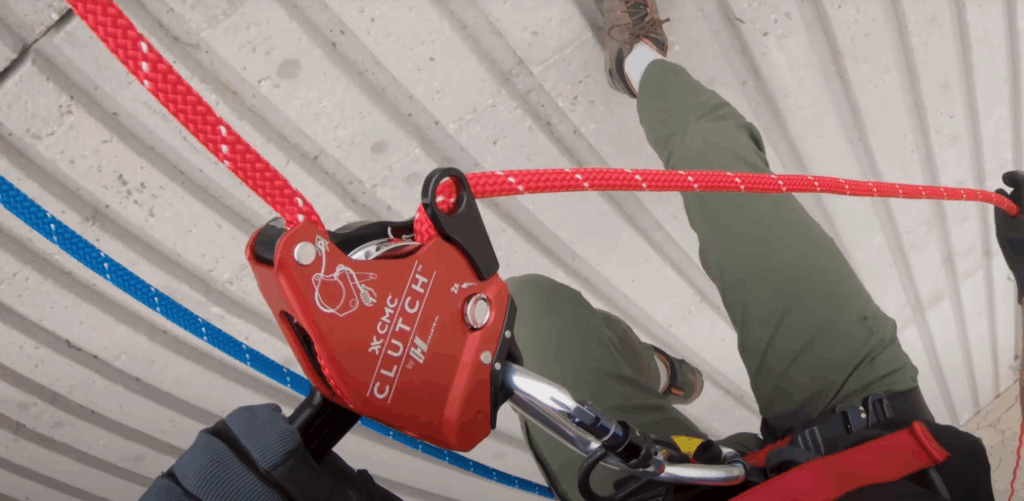
Independent Belay Systems for Technical Rope Rescue In rope rescue, redundancy isn’t a luxury—it’s a requirement. An independent belay system offers a critical safety layer during rappelling operations by providing a backup to arrest a fall if the primary system fails. Whether using a tandem Prusik belay or advanced mechanical devices like the CLUTCH or

Independent Belay Systems for Technical Rope Rescue Read More »

Slack Anchor System: Independent Primary, Independent Secondary (P/S)

Slack Anchor System Independent Primary, Independent Secondary

A “Slack Anchor System” with Independent Primary, Independent Secondary (often abbreviated as “Independent P, Independent S”) refers to a rope rescue anchor setup designed for maximum redundancy and safety. In this system: Primary Anchor(s): The main anchor(s) bear the load of the rescue system. Secondary Anchor(s): A completely separate, independent anchor system is set up as a backup,

Slack Anchor System Independent Primary, Independent Secondary Read More »

load sharing anchor

Load Sharing Anchor Adjustable Anchor One Prusik and Butterfly

Load Sharing Anchor Adjustable Anchor using One Prusik and an Alpine Butterfly The Load Sharing Anchor Adjustable Anchor using One Prusik and an Alpine Butterfly is a clean and effective solution when you need fast rigging with minimal equipment. It provides controlled tension, midline strength, and flexibility for real-time adjustments—all without tearing down the system.

Load Sharing Anchor Adjustable Anchor One Prusik and Butterfly Read More »

load sharing anchor

Load Sharing Anchor Adjustable Non Working 3:1

Load Sharing Anchor Adjustable Non Working 3:1 In technical rescue environments, adaptability and control are everything—especially when dealing with multidirectional forces or unpredictable anchor terrain. This tutorial demonstrates how to construct a Load Sharing Anchor (LSA) using an adjustable, non-working 3:1 system, allowing the focal point to dynamically shift with the direction of pull. This

Load Sharing Anchor Adjustable Non Working 3:1 Read More »

2x1 equalette with limiting knots

2×1 Equalette Load Sharing Anchor with Limiting Knots

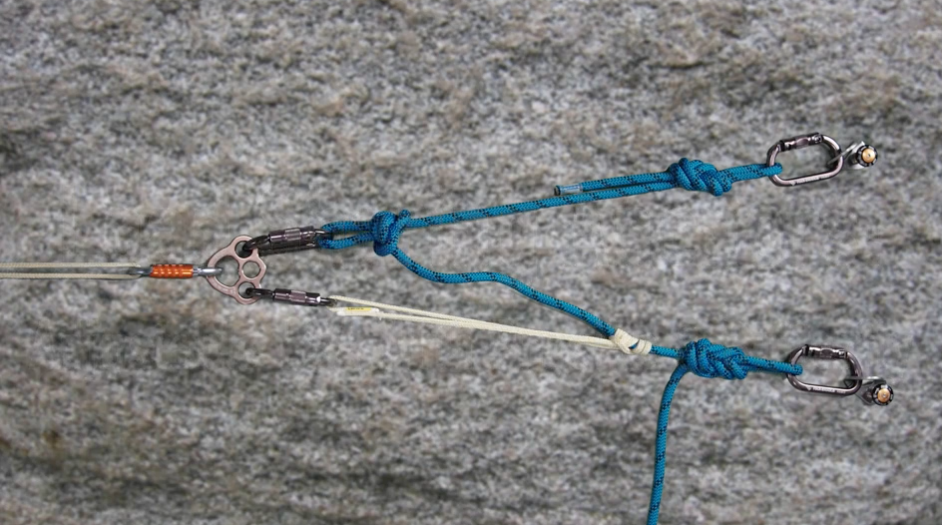
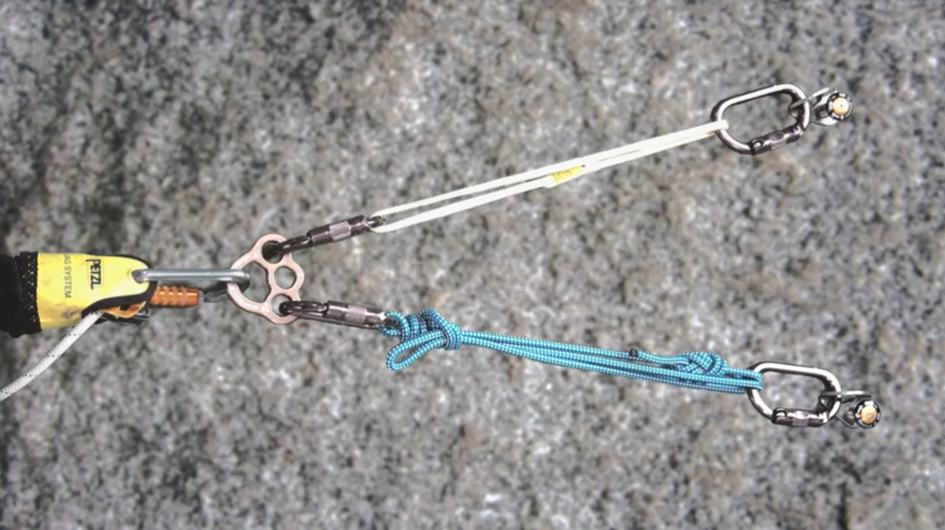
2×1 Equalette Load Sharing Anchor with Limiting Knots The 2×1 equalette anchor is a refined variation of traditional cordelette systems. It’s designed to distribute load between two anchor points while incorporating limiting knots to reduce extension and manage system stability in the event of anchor failure. This setup is efficient, adaptable, and ideal for environments

2×1 Equalette Load Sharing Anchor with Limiting Knots Read More »

Twin Rope System for Industrial Rope Access + Can I Lash the Legs (AHD) to a Handrail? - NFPA G Rated Rope and Rescue Standards

Twin Rope System for Industrial Rope Access

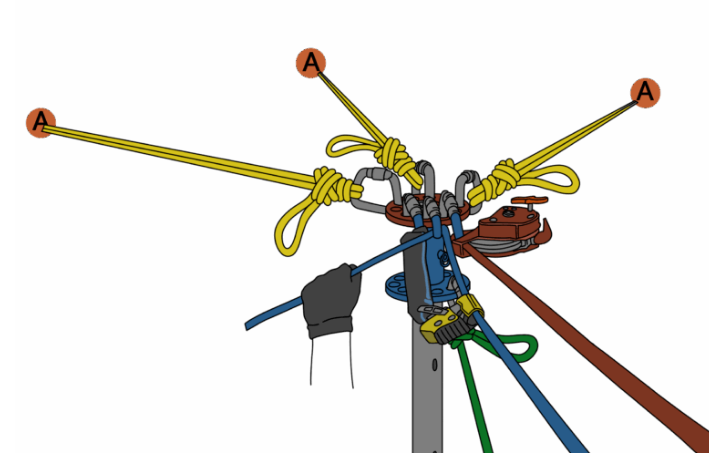
The V Anchor System in Industrial Rope Access 1. Why the V Anchor? The V anchor is a versatile and efficient method for configuring anchor points, allowing users to select a focal point that aligns with the desired place of work. It is ideal for scenarios where precision is critical. Versatility: Applicable in various configurations,

Twin Rope System for Industrial Rope Access Read More »

Friction in Mechanical Advantage - Mainline Rescue and Rigging Training

Mainline Rescue and Rigging Training

Embark on Your Mainline Rescue and Rigging Journey In the high-stakes world of rope rescue and rigging, where precision and safety are paramount, every journey begins with one critical step: acquiring the right knowledge. If you’re a beginner or someone with low-intermediate experience, you’re not alone. Stepping into this field can feel both exhilarating and

Mainline Rescue and Rigging Training Read More »

Metacognition and GAP in Rope Rescue

Metacognition and GAP in Rope Rescue

Metacognition and GAP in Rope Rescue Rope rescue and rigging are inherently complex, requiring not only technical skills but also strategic thinking and adaptability. By integrating metacognition with the principles of GAP and GAIN, teams can create a framework that fosters continuous improvement, innovation, and operational excellence. Metacognition in Rope Rescue Metacognition, or “thinking about

Metacognition and GAP in Rope Rescue Read More »
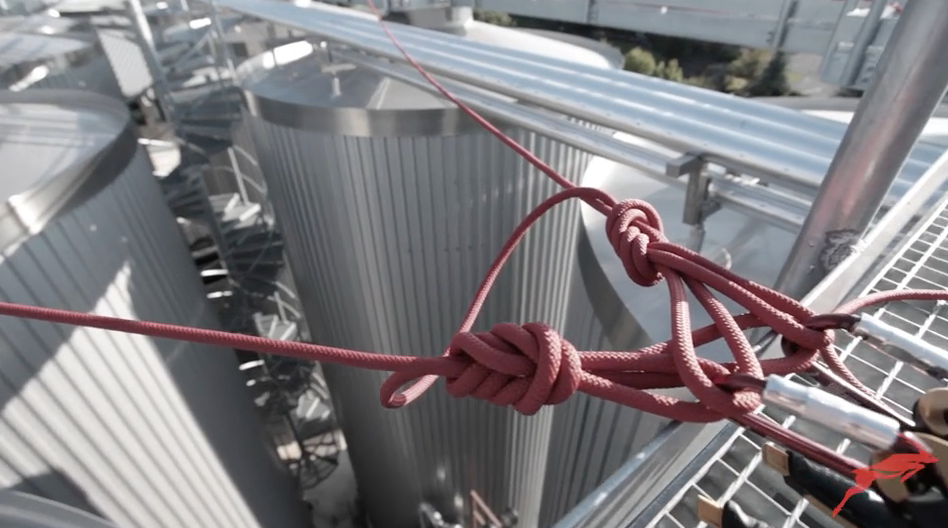
Dual Tension Rope Systems

Dual Tension Rope Systems

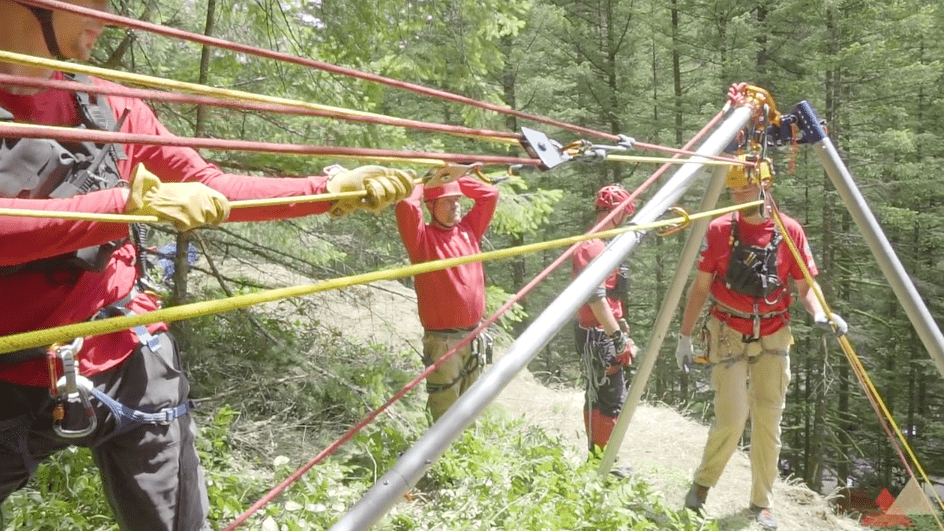
Dual Tension Rope Systems: Advancing Rope Rescue Safety Dual Tension Rope Systems (TTRS) have emerged as the preferred choice in modern rope rescue operations. While not entirely new, the system represents a significant evolution from traditional Dedicated Main Dedicated Belay (DMDB) techniques. This shift isn’t just about systems and tools—it’s about risk management, efficiency, and

Dual Tension Rope Systems Read More »