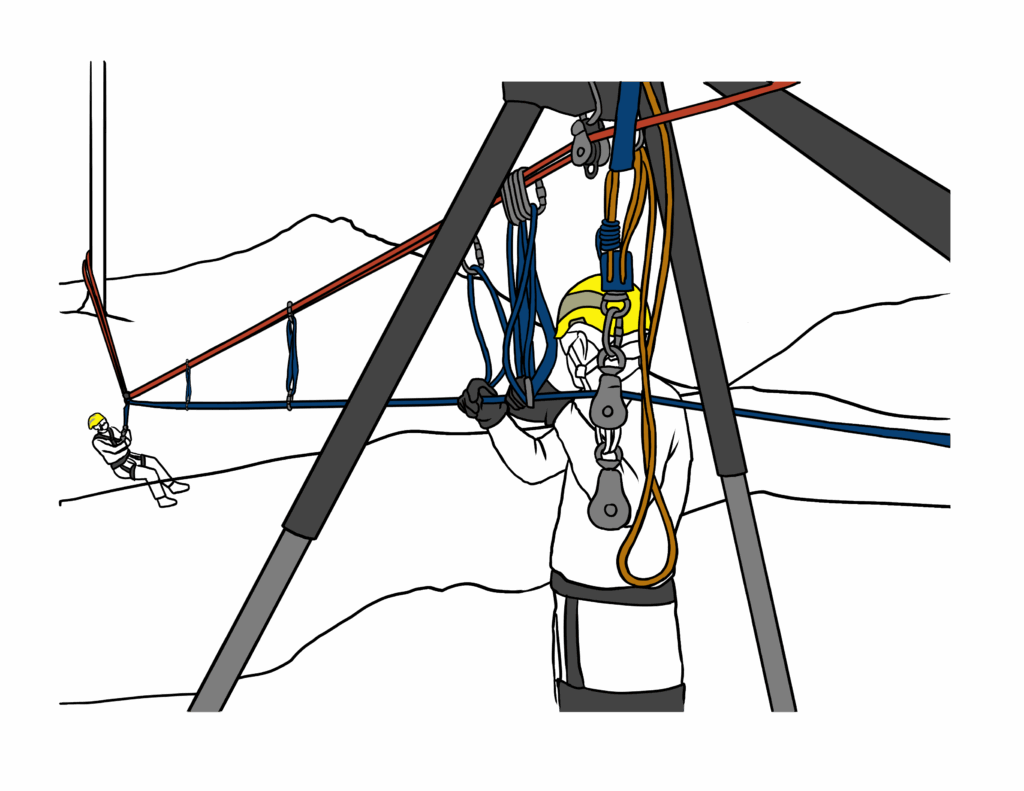
Horizontal Rigging

Horizontal Rope Rescue Systems and Highline Movement Techniques

Physics of Horizontal Rope Rescue Systems

Physics of Horizontal Rope Rescue Systems Why sideways movement is the real test of a rigger’s mind. Vertical rope work is the entry exam. Gravity defines the path, the system behaves predictably, and most mistakes are recoverable. But move a rescue load sideways—even fifty feet across a gap or diagonally off a tower—and everything changes.

Physics of Horizontal Rope Rescue Systems Read More »

Rope rescue training for veterans covers leadership, mechanical advantage, and advanced rigging skills and Hidden treasures in team leadership

Advanced Rigging Principles for Technical Rope Rescue

Modern rope rescue has outgrown the era of “strong gear plus strong backs.” At the advanced level, operations are built on system engineering, controlled redundancy, and a clear understanding of how forces, geometry, and human factors interact in real time. The Technical Operational Rigging Study Guide you started with is more than an exam—it is

Advanced Rigging Principles for Technical Rope Rescue Read More »

anchoring and rope protection

Anchoring and Rope Protection Techniques

How to Protect Rope and Anchor Systems Across Any Terrain In technical rope rescue, two elements demand constant attention: anchor integrity and rope protection. Whether navigating over sharp edges, sloped surfaces, or temporary structure points, rescuers must ensure that load paths remain secure and friction is minimized. So Anchoring and Rope Protection Techniques for Rescue

Anchoring and Rope Protection Techniques Read More »

highline rescue system reeve pulley

Building Redundancy into Highline Rescue Systems with the REEVE Pulley Assembly

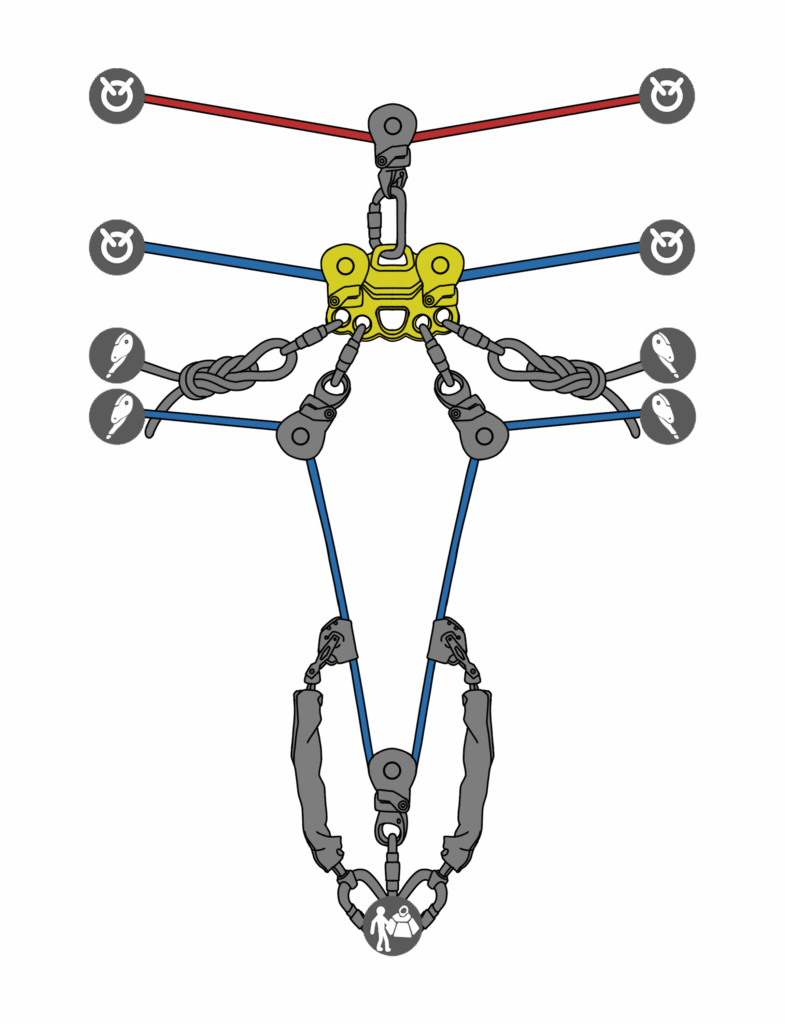
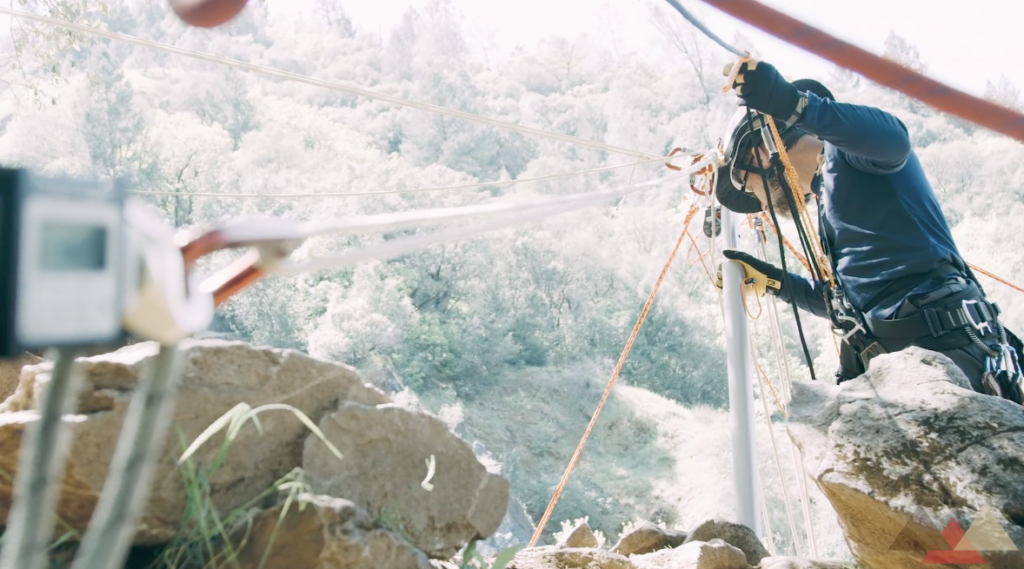
Highline Rescue: A Multi-Directional Access System with Built-In Redundancy Rescue environments don’t always offer easy access. Whether it’s a ravine, a collapsed structure, or a remote vertical shaft, reaching the subject often requires a blend of horizontal movement and vertical descent. The Highline Assembly—centered around the REEVE and SPIN pulleys—is designed to handle exactly these

Building Redundancy into Highline Rescue Systems with the REEVE Pulley Assembly Read More »

dynamic hauling systems a-frame and monopod

Dynamic Directional Hauling with A-Frame and Monopod Systems

Dynamic Directional Hauling with A-Frame and Monopod Systems When a Straight Haul Isn’t Possible Some rescue environments—like confined spaces, vaults, or utility holes—don’t allow for a direct vertical haul. You may have obstacles, limited space, or poor anchor positioning. To solve this, rescuers use dynamic directional hauling, which means redirecting the rope path using multiple

Dynamic Directional Hauling with A-Frame and Monopod Systems Read More »

horizontal rigging systems

Horizontal Rigging Systems

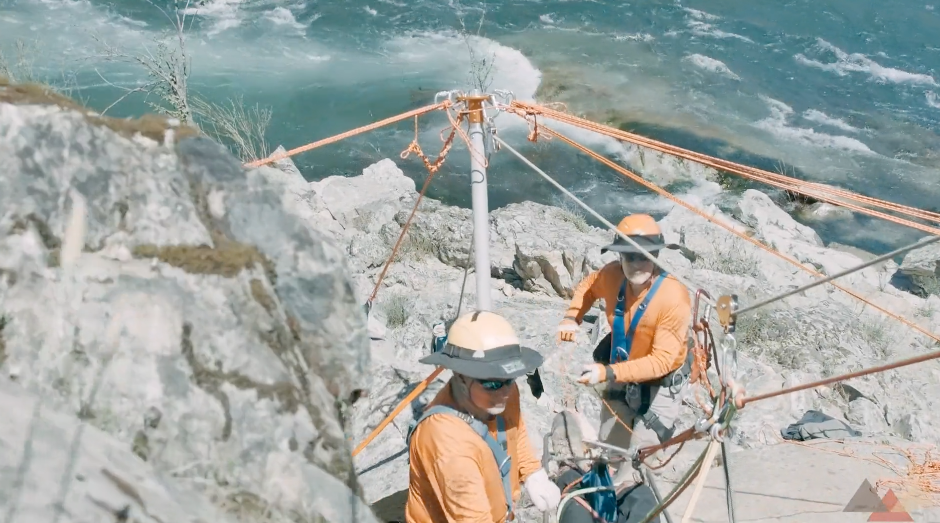
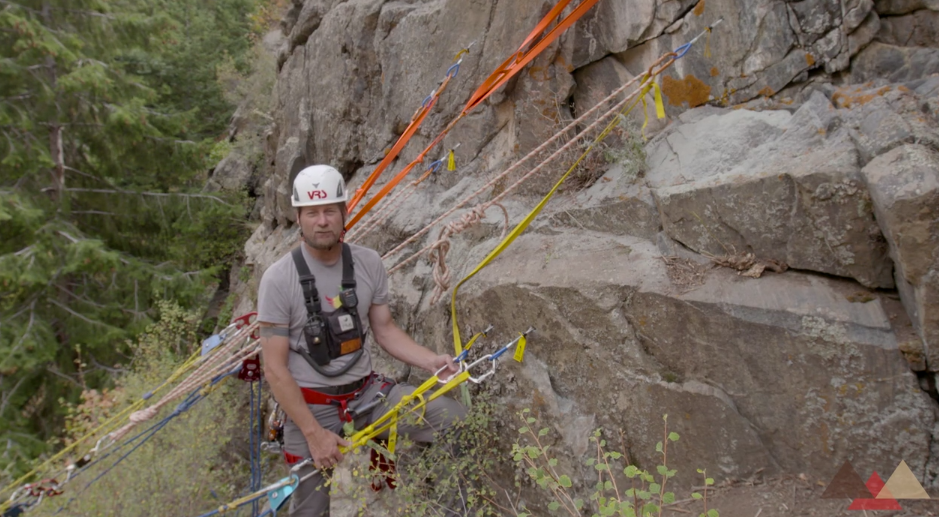
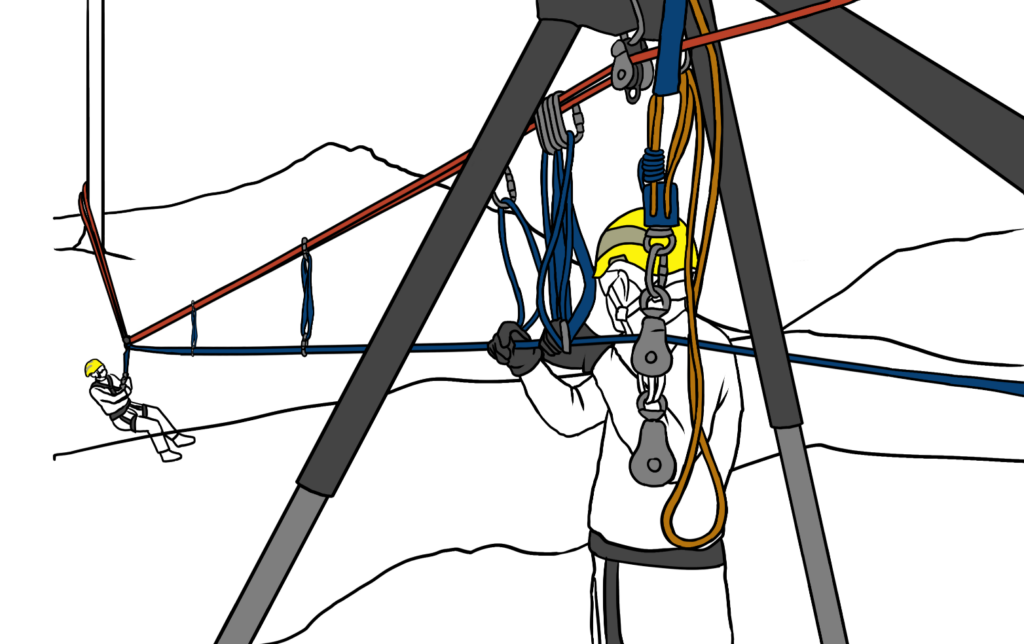
Horizontal Rigging Systems for Rescue: Tracklines, Taglines, and Twin Rope Offsets Horizontal rigging systems are essential tools in technical rescue—bridging terrain that would otherwise limit safe movement, patient transport, or equipment access. These systems allow rescue teams to span horizontal gaps or redirect vertical access using overhead tension lines, floating directionals, and anchored systems. This

Horizontal Rigging Systems Read More »

Twin tension skate block rescue operation

Twin Tension Skate Block in Tower Rescue

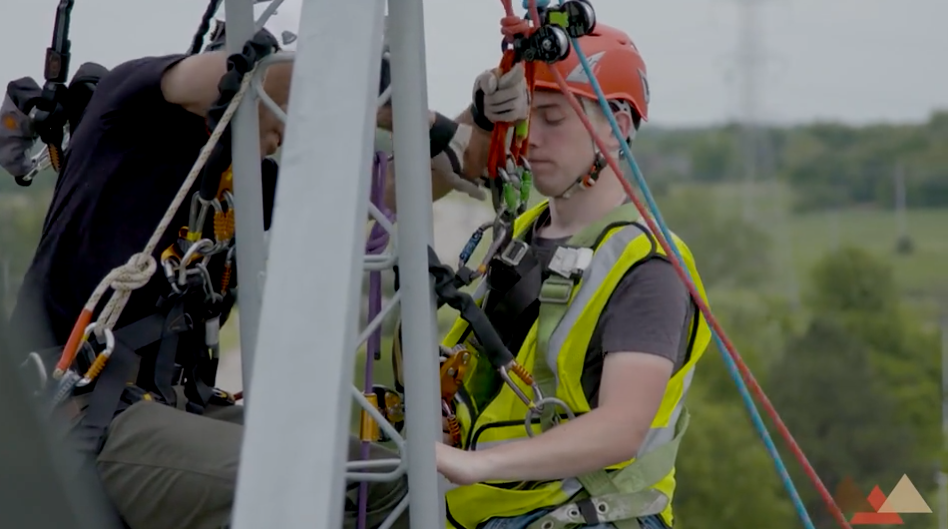
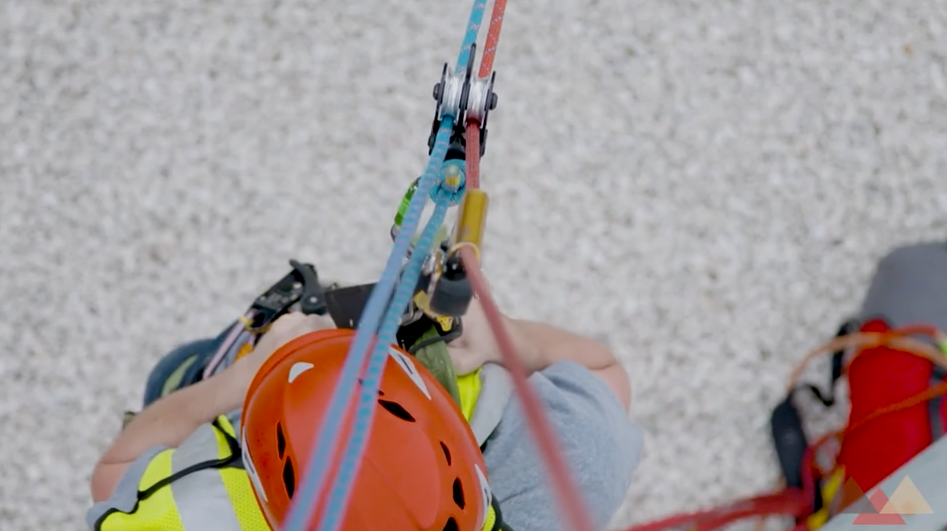
Twin Tension Skate Block in Tower Rescue When precision, control, and redundancy matter most, the twin tension skate block system stands out as one of the most refined vertical rescue techniques. This blog walks through a full scenario utilizing this method, focusing on streamlined rigging, dynamic lowering, and the critical importance of redundancy at height.

Twin Tension Skate Block in Tower Rescue Read More »

tower rescue twin track lines

Twin Tracking Line Power Control Rescue

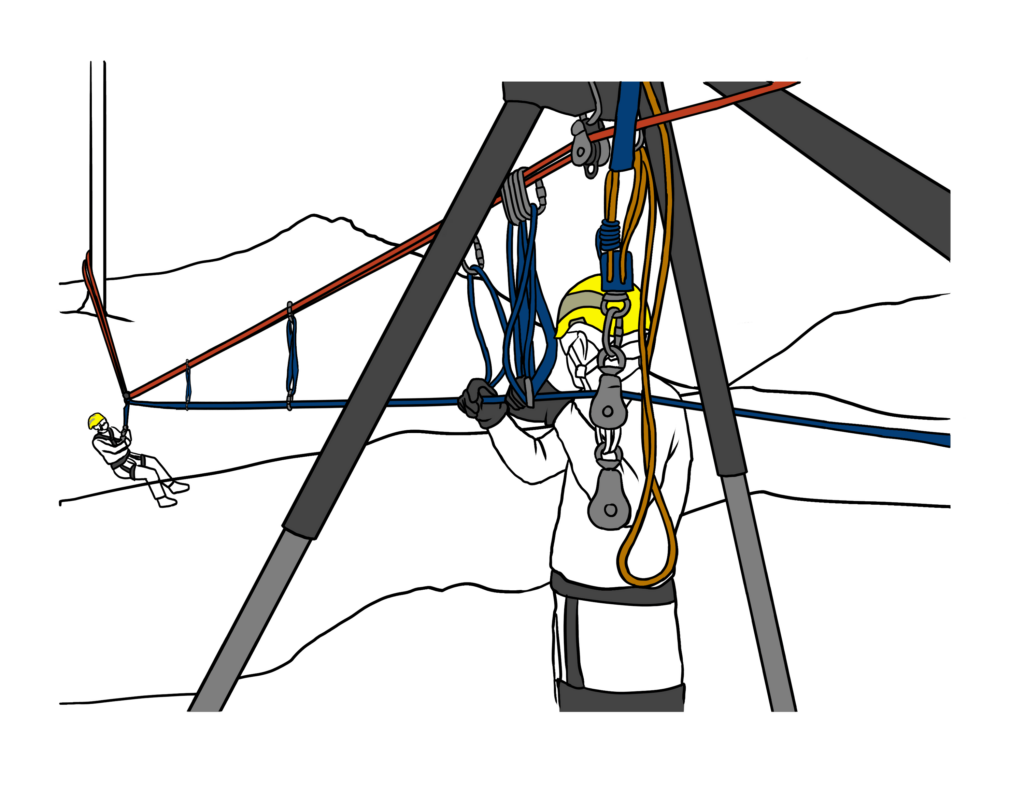
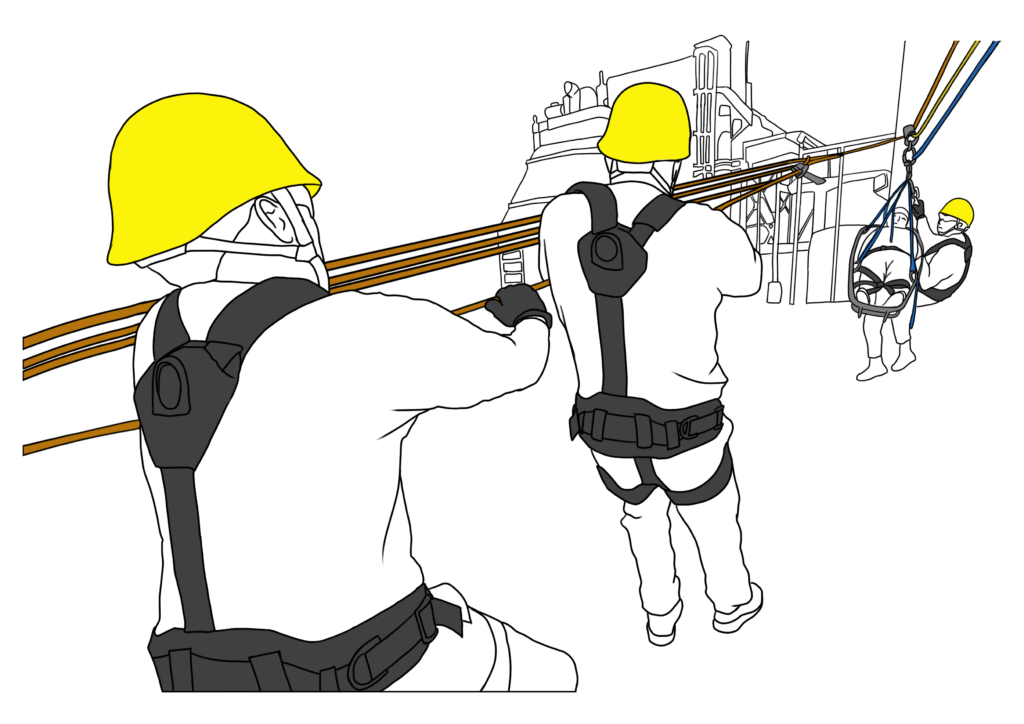
In high-angle tower rescues, distance and clearance are critical. When the objective is to move a suspended patient away from a structure and across a distance, twin tracking lines offer a clean and redundant solution. This scenario demonstrates a Twin Tracking Line Power Control Rescue, designed for extended horizontal offset and mid-air patient control using

Twin Tracking Line Power Control Rescue Read More »

Hybrid Rescue Ground Anchor with Harken Riggers Winch

Hybrid Rescue Ground Anchor with Harken Riggers Winch

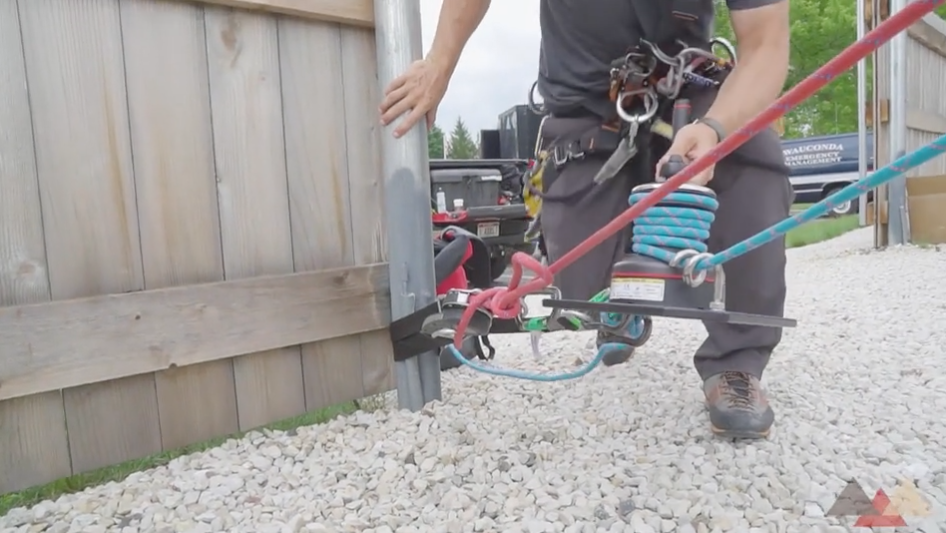
Hybrid Rescue Ground Anchor with Harken Riggers Winch In hybrid horizontal rescue systems, ground anchors play a critical role in maintaining tension, control, and safety. Whether you’re managing a skate block, a tracking line, or both, the way you rig from the ground determines how smooth and stable the evolution will be. One of the

Hybrid Rescue Ground Anchor with Harken Riggers Winch Read More »

tower rescue tracking skate block

Hybrid Horizontal Rescue Skate Block and Tracking Lines

In complex tower and vertical rescue scenarios, flexibility and redundancy are non-negotiable. One highly adaptable configuration is the hybrid horizontal rescue setup that combines a skate block line over a tracking line. This method allows teams to precisely manage both vertical descent and lateral movement while maintaining backup safety protocols throughout the evolution. System Overview

Hybrid Horizontal Rescue Skate Block and Tracking Lines Read More »

Guiding Lines in Rope Rescue

Guiding Lines in Rope Rescue Operations

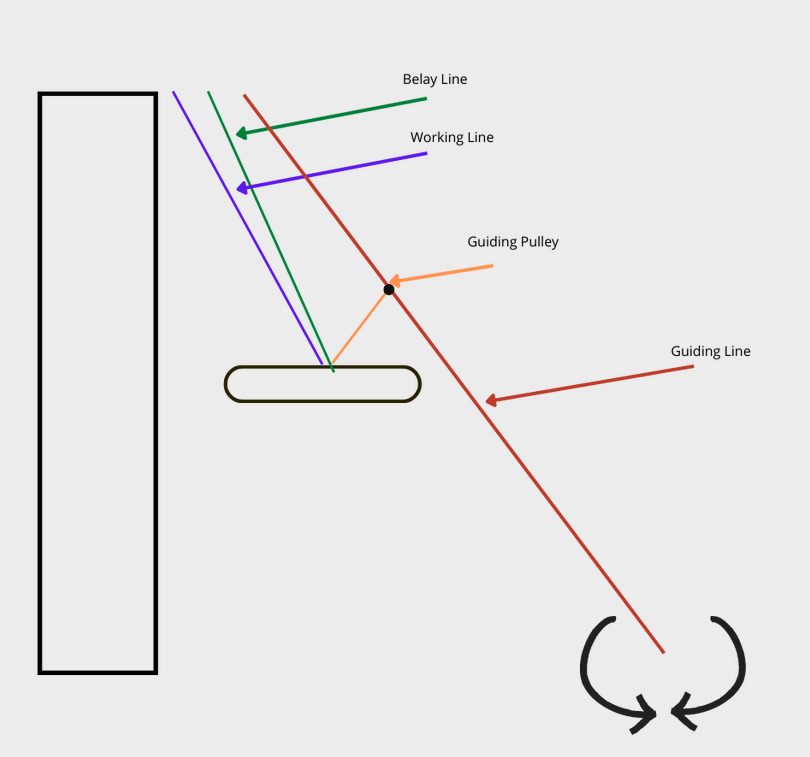
Guiding Lines in Rope Rescue Operations In rope rescue, one of the more refined methods for managing patient movement during a vertical descent is the use of guiding lines. Unlike basic taglines, guiding lines utilize a pulley system to control the distance between the suspended load and the structure—helping prevent contact, swing impact, or obstruction

Guiding Lines in Rope Rescue Operations Read More »

Highline_Anchors_rope_rescue

Highline Systems Anchors Safety Operations Tensioning Fundamentals

Explore the essentials of highline rescue systems—anchor setup, safety protocols, operational best practices, and tensioning methods for high-angle rigging. Introduction: A System That Must Never Fail In rope rescue, few systems are as unforgiving—or as powerful—as the highline. Spanning gaps where terrain eliminates direct access, highlines serve as aerial pathways for rescuers and patients alike.

Highline Systems Anchors Safety Operations Tensioning Fundamentals Read More »

key factors in rope safety - Rigging Horizontal Traverse Lines

Rigging Horizontal Traverse Lines

Rigging Horizontal Traverse Lines: Optimal Height, Safety, and Techniques Optimal Height for Horizontal Traverse Lines When rigging horizontal traverse lines, the height at which the line is positioned can significantly impact safety, efficiency, and functionality. Following some general guidelines can help ensure the line is placed correctly. Recommended Height Placement The preferred height for a

Rigging Horizontal Traverse Lines Read More »

Mastering High Angle Rescues

Mastering High Angle Rescues

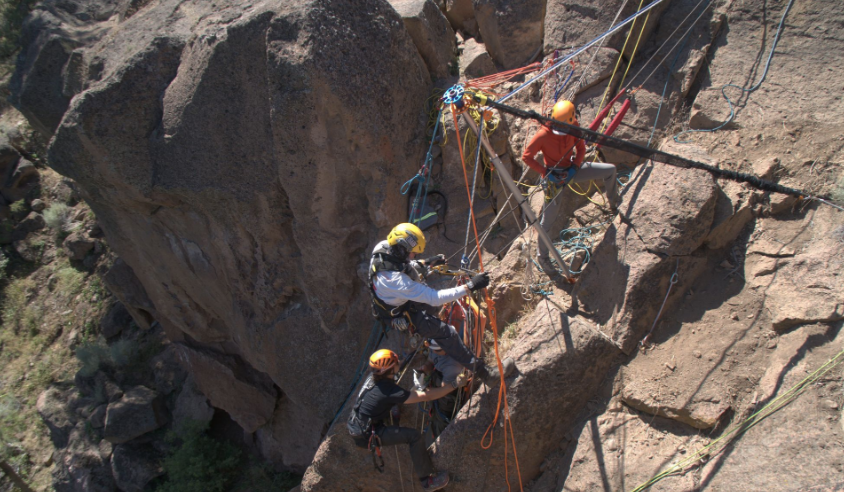
High-angle rescues present unique challenges, particularly when raising a litter over an edge. Utilizing Artificial High Directionals (AHDs) such as monopods can significantly enhance stability and efficiency during these operations. This guide explores effective rigging systems, ensuring redundancy, and facilitating smooth transitions in high-angle rescue scenarios. Understanding Artificial High Directionals (AHDs) Artificial High Directionals are

Mastering High Angle Rescues Read More »

Rope Rescue Highline Systems and Rigging Techniques

Rope Rescue Highline Systems and Rigging Techniques

Rope Rescue Highline Systems and Rigging Techniques Rope rescue and rigging highline systems are critical components of technical rescue operations, particularly in situations where victims or rescuers need to be moved vertically or horizontally across challenging terrain or obstacles. These systems are commonly used in wilderness search and rescue, industrial settings, and by first responders

Rope Rescue Highline Systems and Rigging Techniques Read More »

Highline_Anchors_rope_rescue

Highline Systems for Rope Rescue

Highline systems are critical for rope rescue operations in challenging terrains and popular climbing areas. They demand advanced rigging skills, meticulous planning, and specialized equipment to ensure safety and efficiency. Key Components of Highline Systems Building Highlines Highline construction requires thorough knowledge of rigging principles and safety measures. It is crucial to use the right

Highline Systems for Rope Rescue Read More »

raising and lowering system mechanical advantage systems

Raising Systems and Mechanical Advantage in Rescue

Effective rescue operations often require the use of raising and lowering systems to safely move individuals and equipment. Understanding mechanical advantage systems is crucial for performing these tasks efficiently and safely. This super blog will guide you through comprehensive learning modules focused on raising systems and mechanical advantage (MA) systems, with cross-references to essential hardware

Raising Systems and Mechanical Advantage in Rescue Read More »

Implementing a Skate Block System with a Monopod Artificial High Directional-over the edge two twin tension system for rope rescue

Implementing a Skate Block System with a Monopod

Implementing a Skate Block System with a Monopod The skate block system with a monopod or gin pole as an Artificial High Directional (AHD) represents an innovative and highly efficient approach to technical rescue operations, especially in challenging high-angle environments. By combining advanced rigging techniques, this setup offers versatility, safety, and adaptability for rescue teams

Implementing a Skate Block System with a Monopod Read More »

Mainline Rescue and Rigging Systems

Mainline Rescue and Rigging Systems

Mainline Rescue and Rigging Systems Mainline rescue and rigging systems represent a cornerstone of technical rescue operations, blending engineering principles with practical expertise to safely handle complex scenarios. From technical rescue missions in rugged wilderness to industrial rigging tasks in high-risk environments, these systems are vital for ensuring safety and operational efficiency. Key Concepts of

Mainline Rescue and Rigging Systems Read More »