How to Protect Rope and Anchor Systems Across Any Terrain
In technical rope rescue, two elements demand constant attention: anchor integrity and rope protection. Whether navigating over sharp edges, sloped surfaces, or temporary structure points, rescuers must ensure that load paths remain secure and friction is minimized. So Anchoring and Rope Protection Techniques for Rescue Environments is of primary importance in this game.
This guide breaks down proven Petzl techniques and tools to manage both edge transitions and temporary anchor setups across a wide range of rescue environments.
1. Edges and Sloped Surfaces
Managing Friction and Rope Movement Across Terrain
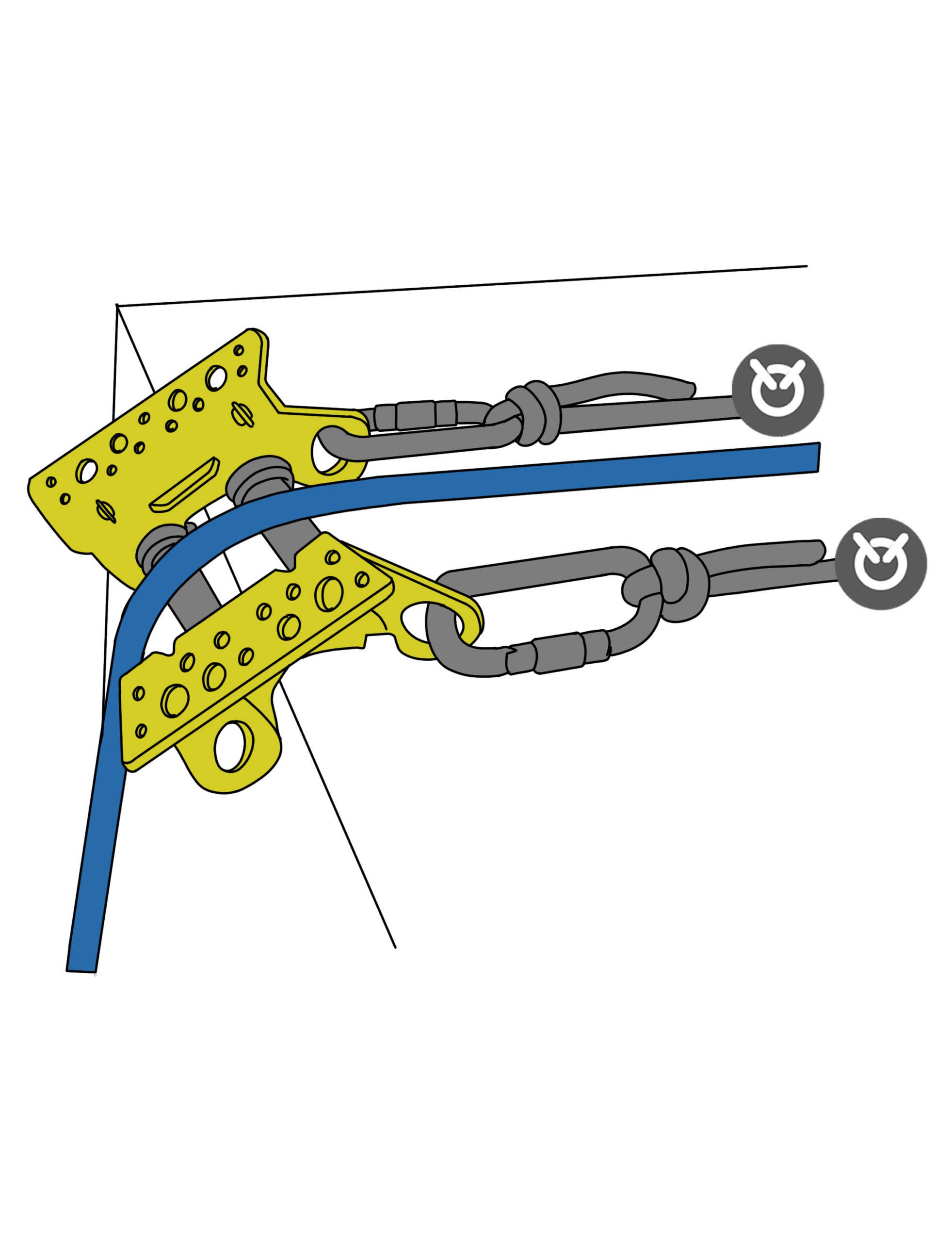
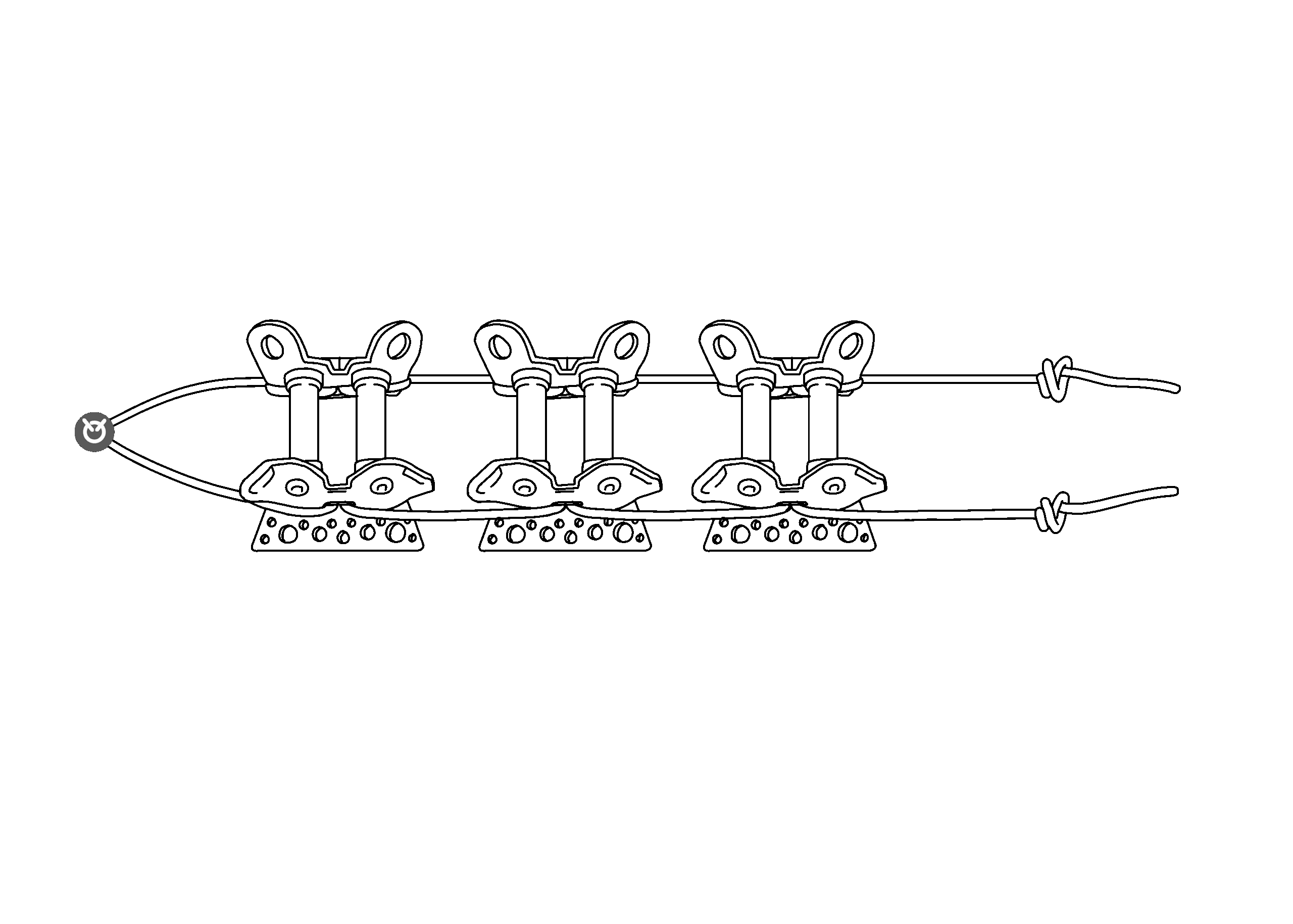
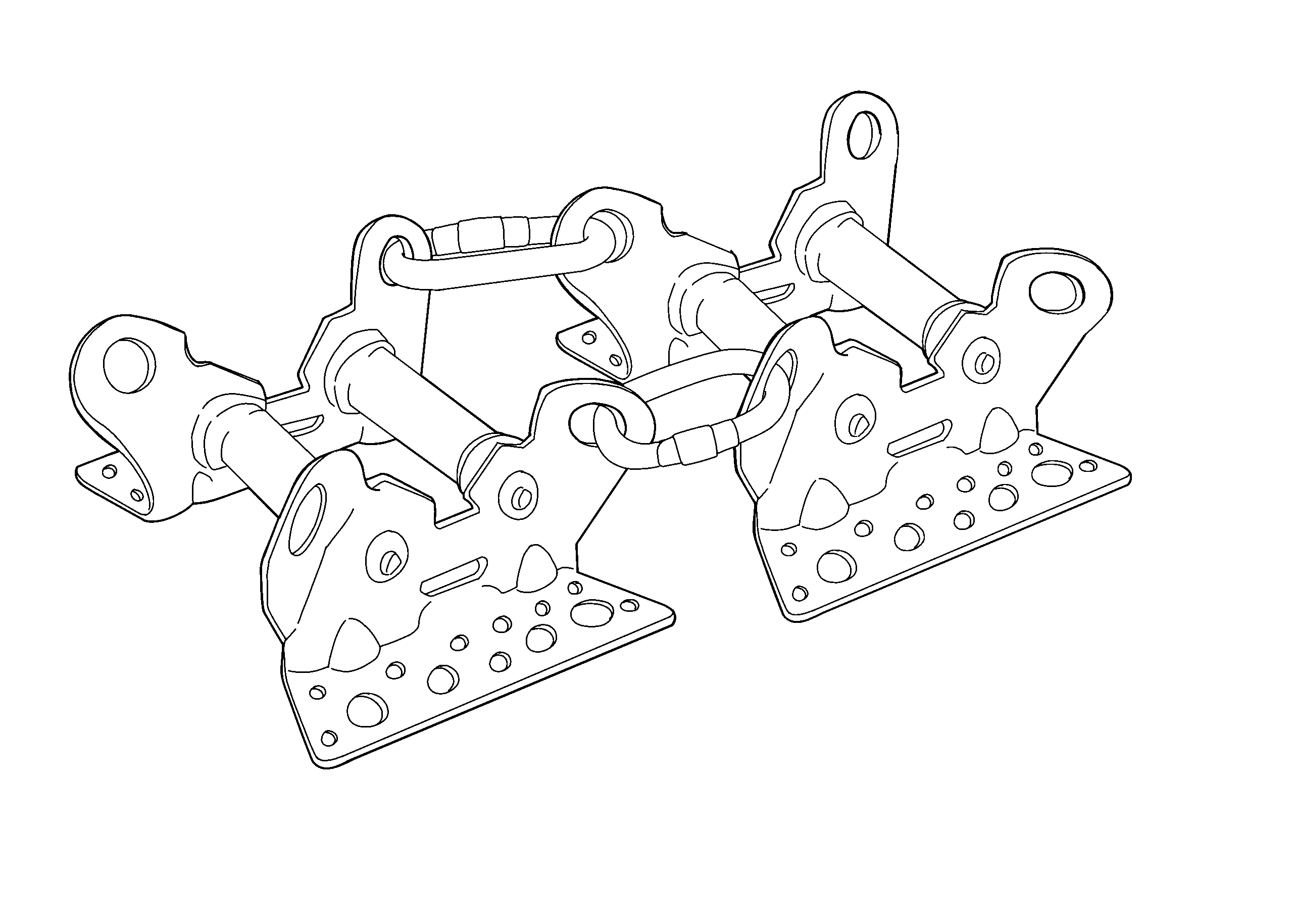
Edge transitions are among the most vulnerable points in any rope system. As rope moves under load—especially during lowering or hauling—it can suffer abrasion or sharp-edge damage if not properly protected. Petzl’s ROLLER COASTER edge rollers offer an adaptable solution across several terrain types.
Application Examples:
-
Angled Edges:
When rope changes direction around a hard corner or slope, a roller placed at the apex reduces friction and rope drag. -
Flat or Hard Surfaces:
For rooftops or ledges, rollers maintain rope elevation and prevent snagging along the edge. -
Soft or Uneven Terrain:
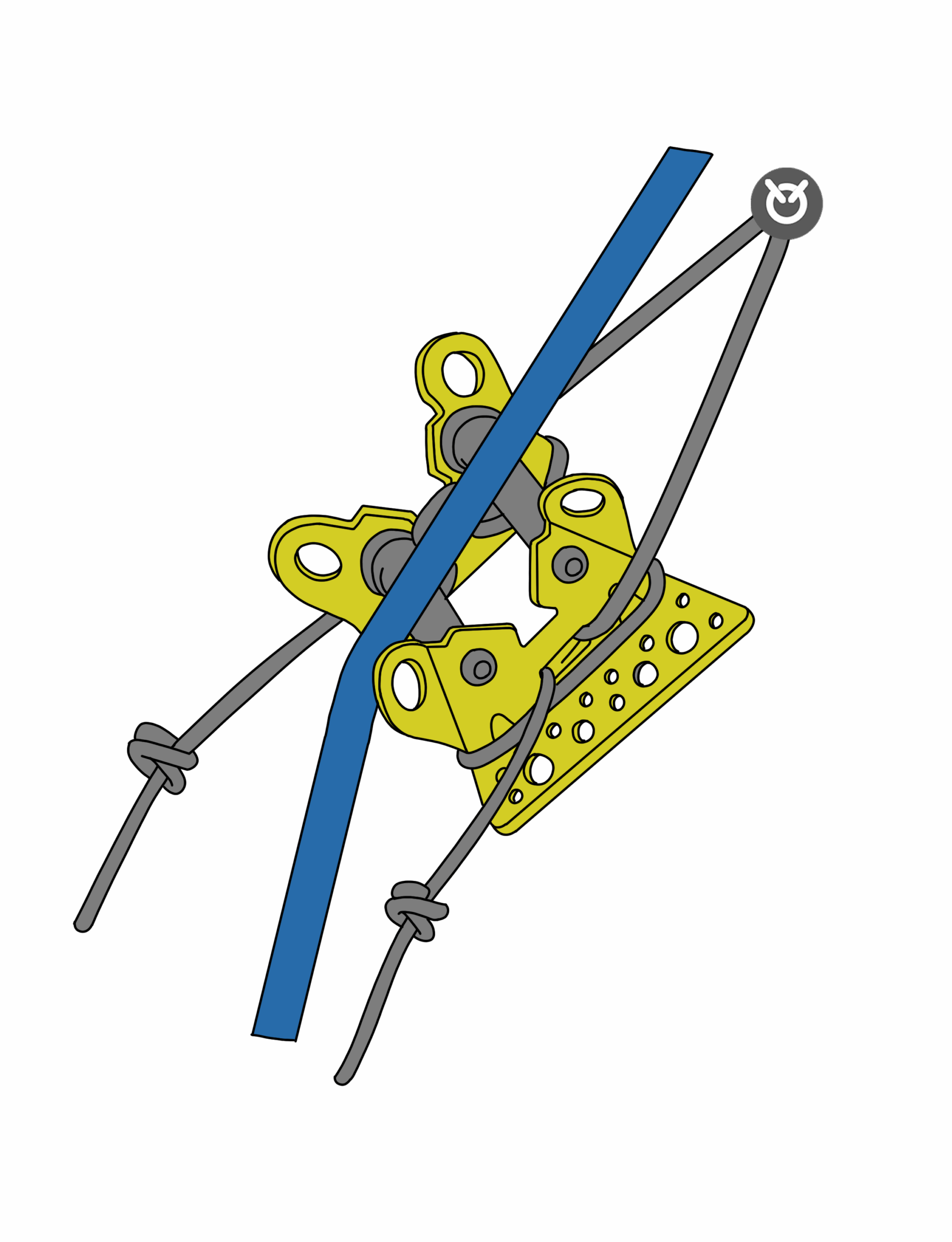
In dirt slopes or loose material, ground stakes and roller placements prevent rope burial or edge collapse. -
Modular Adaptation:
Multiple ROLLER COASTER units can be linked and positioned to create a rope path customized to the terrain.
By maintaining smooth travel and eliminating unnecessary rope contact with terrain, these techniques extend rope life and preserve system efficiency.

2. Adjustable Temporary Anchors
Rapid Anchoring to Fixed Structures
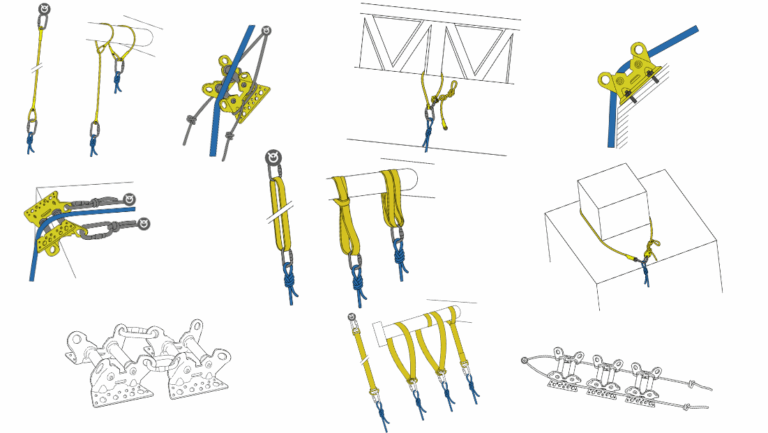
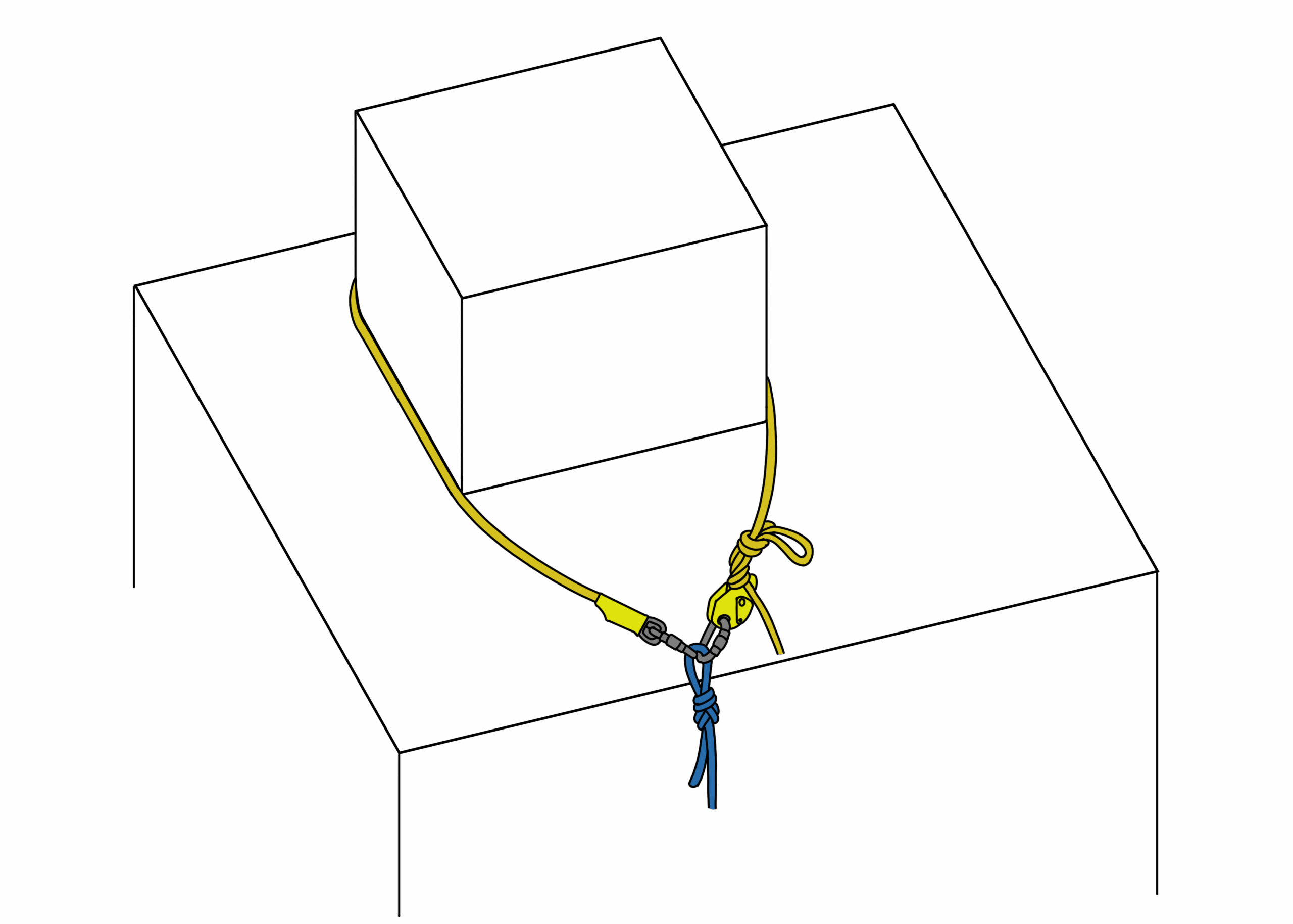
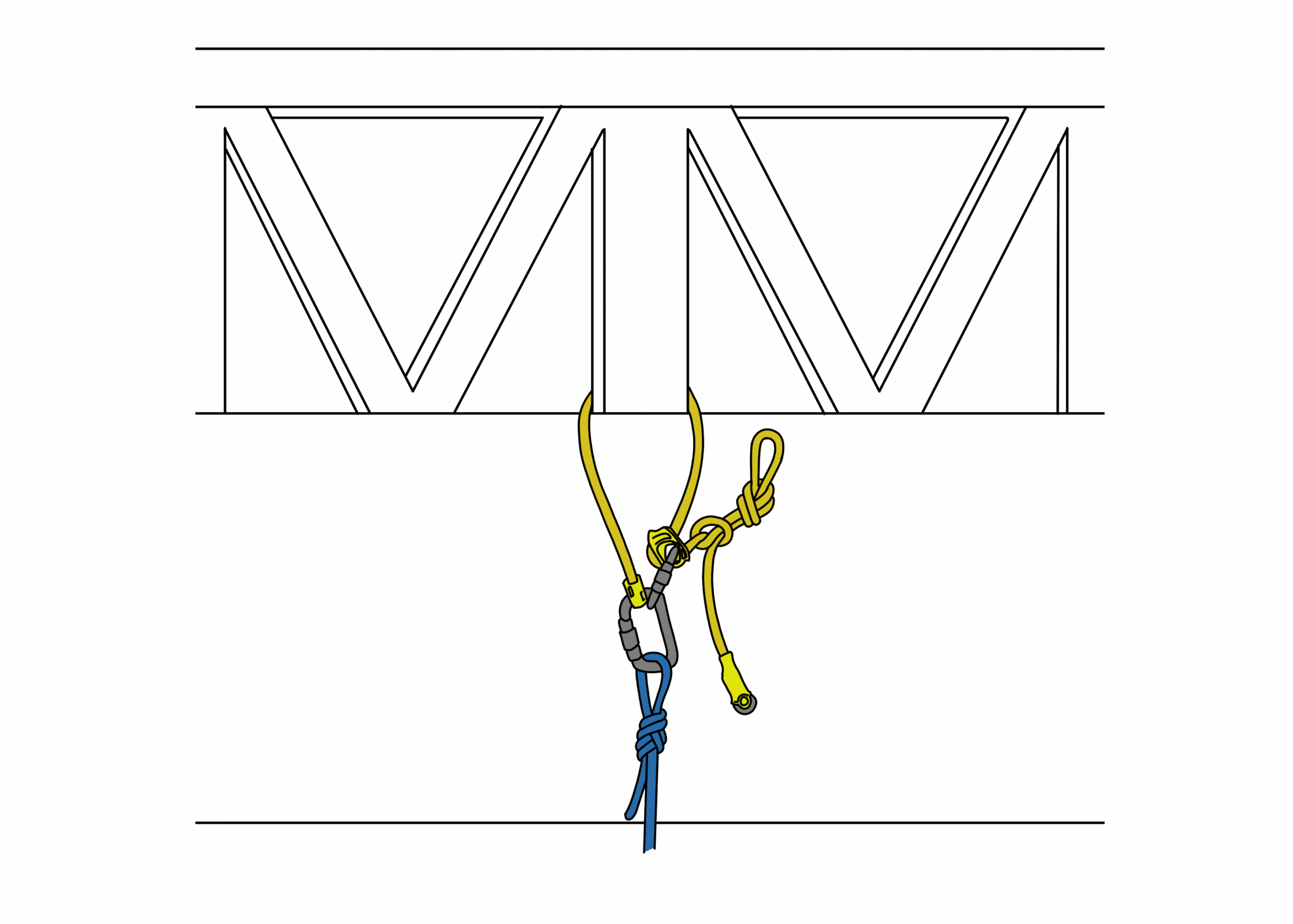
Sometimes you don’t get a perfect anchor point—you get what the scene gives you. That’s why adjustable anchors like the GRILLON or PROGRESS ADJUST-I are invaluable in temporary rescue scenarios.
Where They Excel:
-
Large Structural Elements:
Wrap around beams, columns, or load-rated fixtures by adjusting the length of the anchor to fit tightly. -
Precision Placement Needs:
When working within scaffolding, I-beams, or narrow architectural structures, adjustable anchors allow the user to dial in the anchor’s length with centimeter-level precision.
These anchors are ideal for fast deployment and secure anchoring without tools, especially in urban, industrial, or disaster-response settings.
3. Temporary Anchors with Multiple Configurations
Choker, Wrap, or Direct—One Solution, Many Options
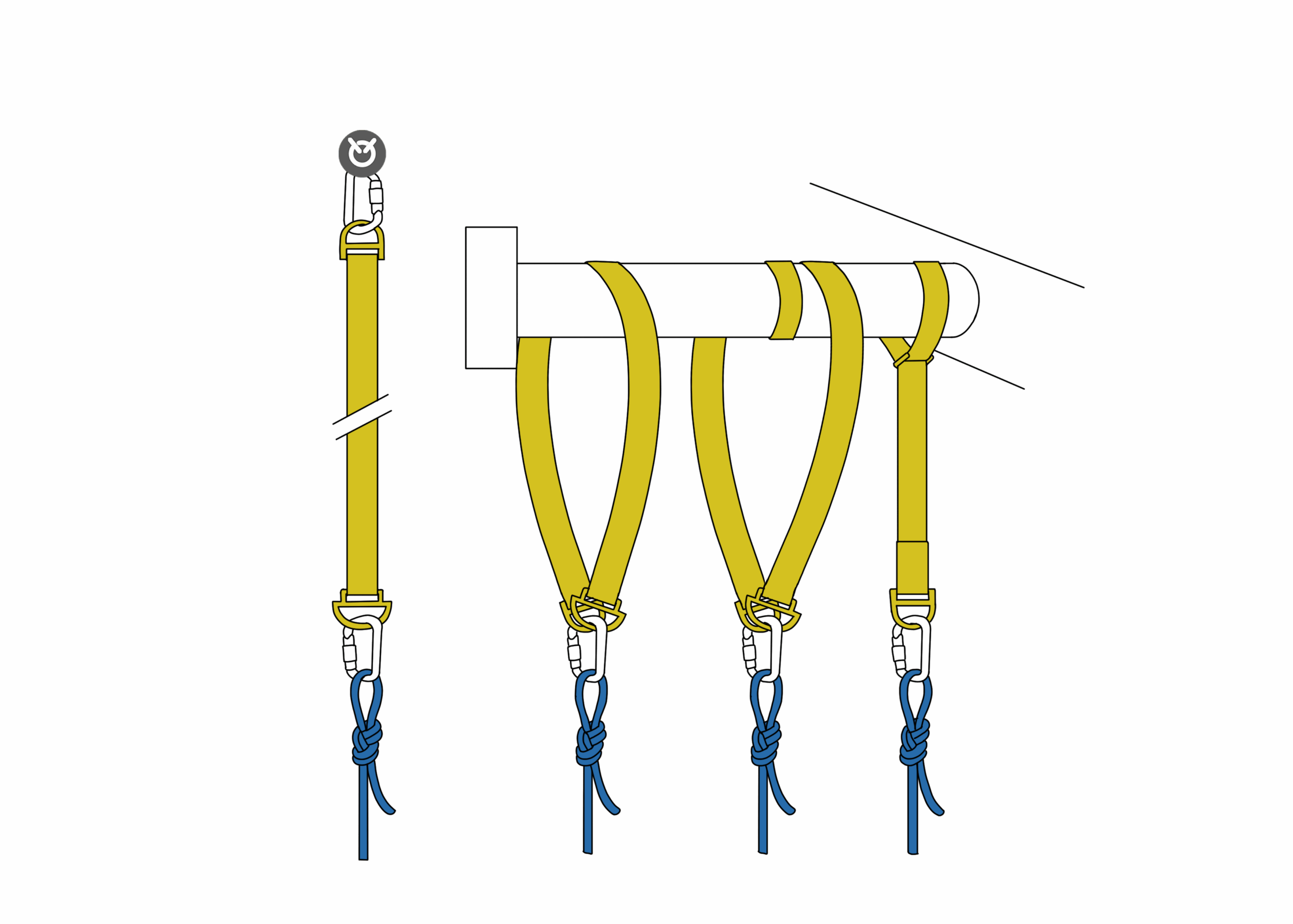
When rescue anchors must be set quickly in unknown terrain, having multi-configuration anchor slings can make all the difference. Petzl offers three versatile tools for this role:
a. CONNEXION VARIO (0.3–4 m)
-
Adjustable length for multiple applications
-
Supports direct anchoring or wrapping
-
Can be tied in choker or basket configuration
-
Strength rating ranges from 26 to 46 kN depending on setup
b. WIRE STROP (0.5–3 m)
-
Steel-core durability for harsh conditions
-
Works well in abrasive or heat-exposed environments
-
Rated for 23–36 kN depending on connection type
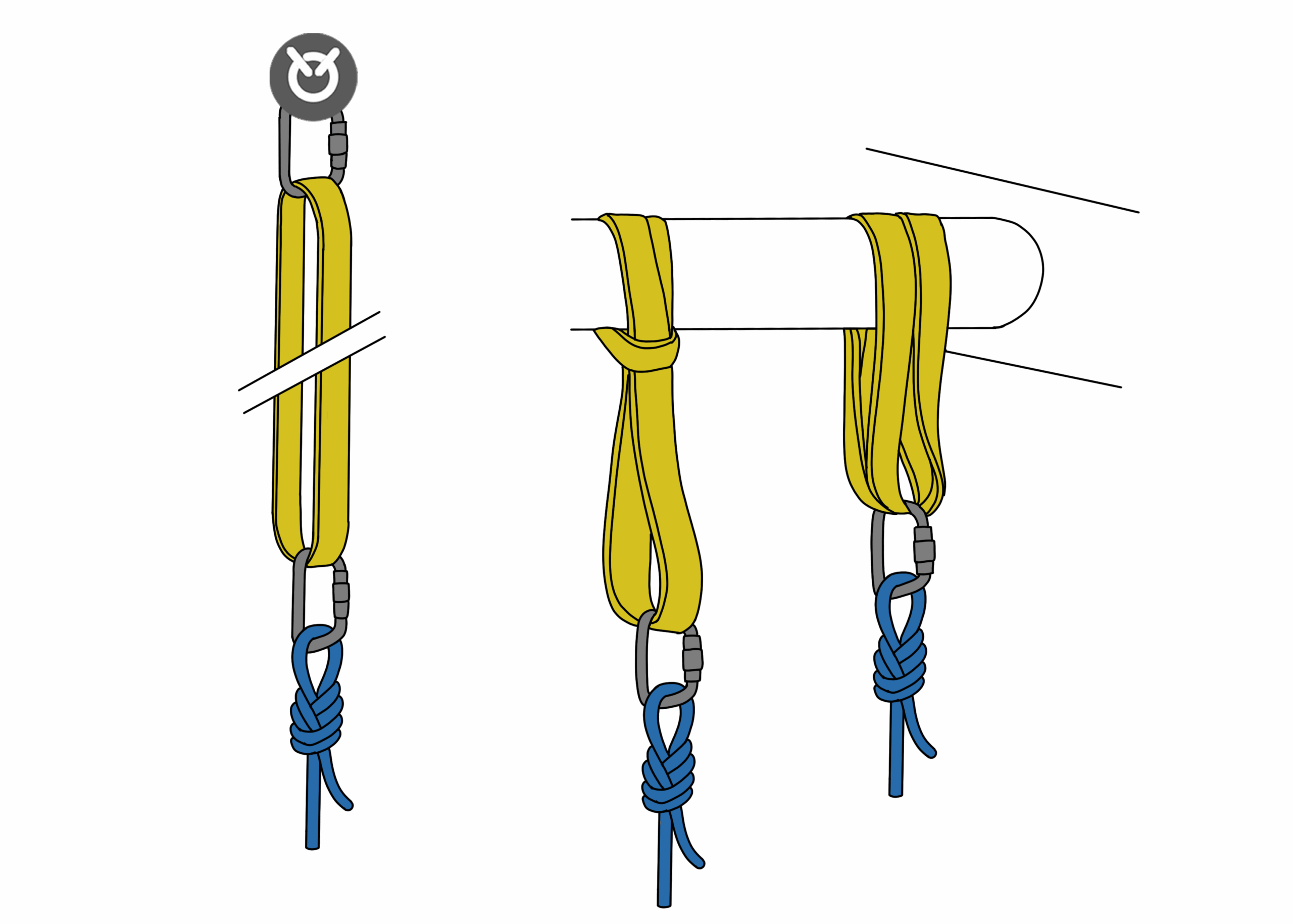
c. ANNEAU (0.6–1.5 m)
-
Lightweight sewn sling
-
Suitable for wrapping around anchors or extending tie-in points
-
Rated between 10 and 22 kN based on loop configuration
Connection Methods:
All three can be used with:
-
Carabiner Direct Connection
-
Wrap-and-Clove Hitch
-
Choker Hitch for tighter security
-
Multi-point equalization if load sharing is required
These anchors offer the flexibility to match any surface, anchor shape, or directional need, all while remaining portable and quick to rig.

Final Thoughts: Build Safe, Adaptable Systems in the Field
Rescue teams rarely operate in ideal environments. That’s why having a flexible toolset—like the ROLLER COASTER for rope protection, GRILLON for fast temporary anchors, and multi-configurable anchor slings—is crucial.
Whether anchoring to steel, concrete, or natural terrain, these systems offer:
-
Secure load paths
-
Protection against rope damage
-
Easy rigging, even in complex or chaotic scenes
-
Compatibility with modern belay and lowering systems
In the end, the best anchor or rope protection system is the one that works now, safely, and under pressure. These techniques give you the tools and options to make that happen.
Peace on your Days
Lance