rope rescue systems

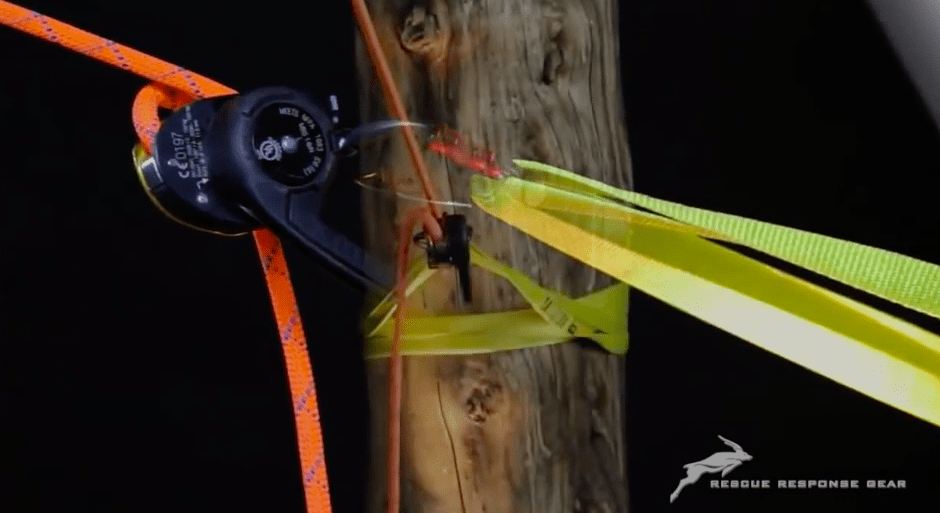
tower rescue twin track lines

Twin Tracking Line Power Control Rescue

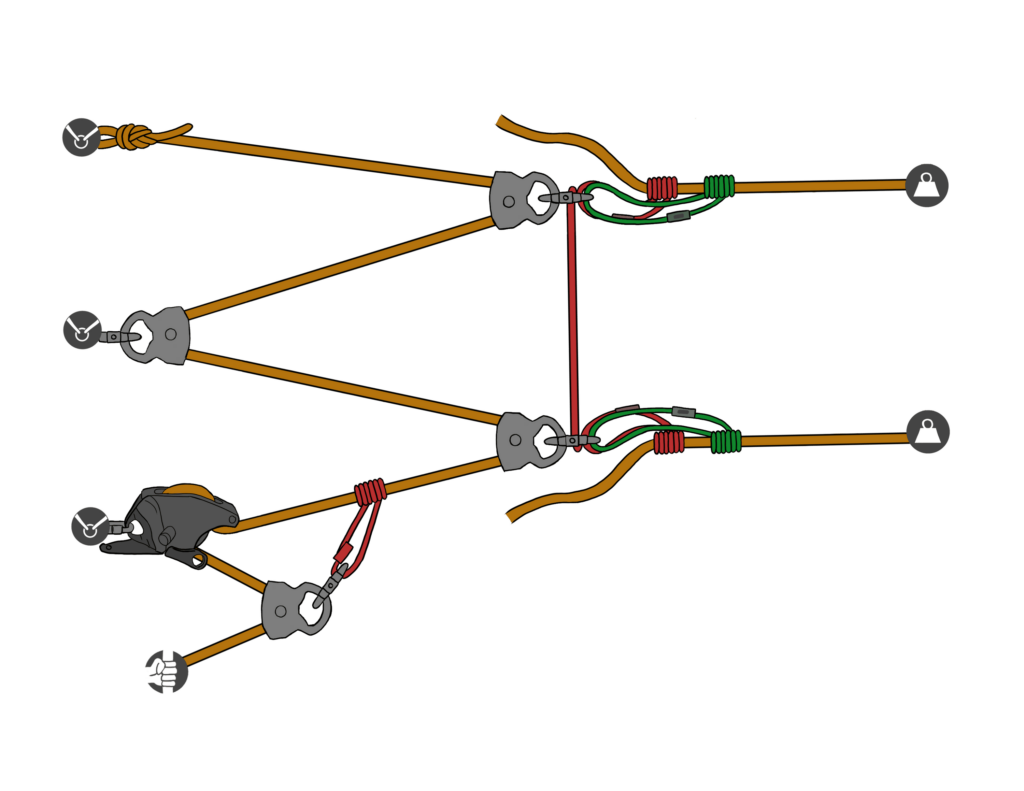
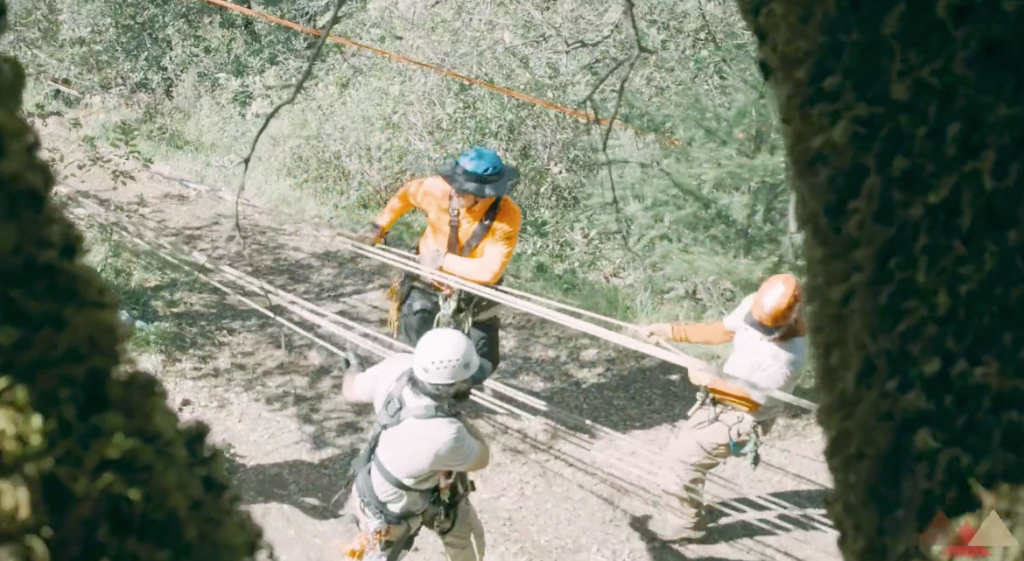
In high-angle tower rescues, distance and clearance are critical. When the objective is to move a suspended patient away from a structure and across a distance, twin tracking lines offer a clean and redundant solution. This scenario demonstrates a Twin Tracking Line Power Control Rescue, designed for extended horizontal offset and mid-air patient control using

Twin Tracking Line Power Control Rescue Read More »
Horizontal Rope Rescue Systems and Highline Movement Techniques

Horizontal rope rescue systems

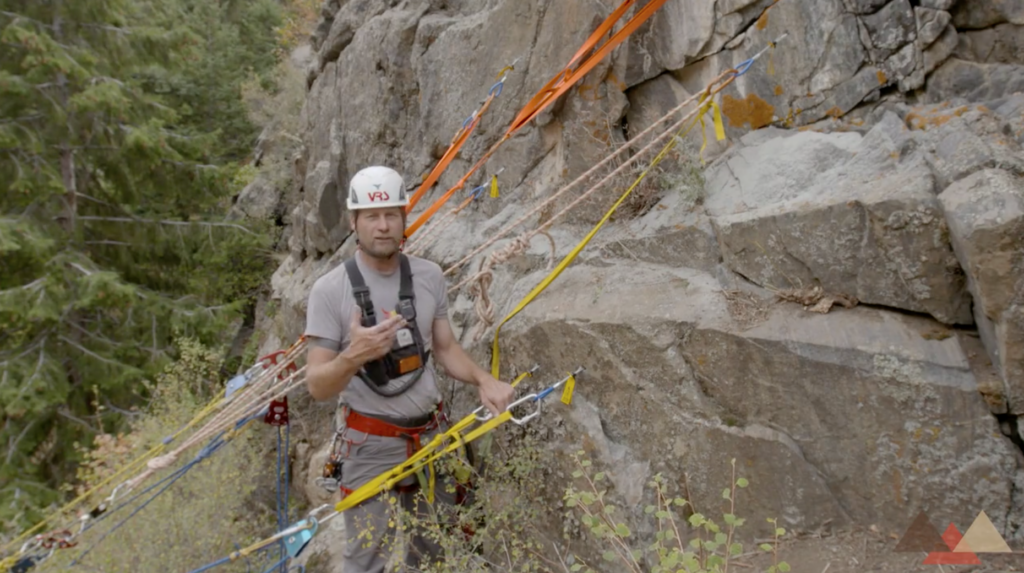
Understanding Horizontal Movement in Rope Rescue Systems Horizontal rope rescue systems are essential tools in a rescuer’s toolbox—designed not just to span gaps, but to safely and efficiently move a suspended load from one location to another. While many think of rope rescue as a vertical problem, horizontal operations come with their own unique challenges,

Horizontal rope rescue systems Read More »

Balancing Online and Hands-On Training -Knots for Force Multiplication in Rope Rescue - Steep Highline Calculations and Rigging Techniques

Steep Highline Calculations and Rigging Techniques

Steep Highline Calculations and Rigging Techniques Mastering steep highline systems takes more than just strong anchors and high-quality rope—it demands precision, forethought, and the ability to calculate force vectors in real-time terrain. In other words, steep highline calculations and rigging techniques are critical. Whether you’re new to horizontal rigging or refining your advanced systems, steep-angle

Steep Highline Calculations and Rigging Techniques Read More »

transitioning to two-tensioned rescue systems

Transitioning to Two-Tensioned Rescue Systems

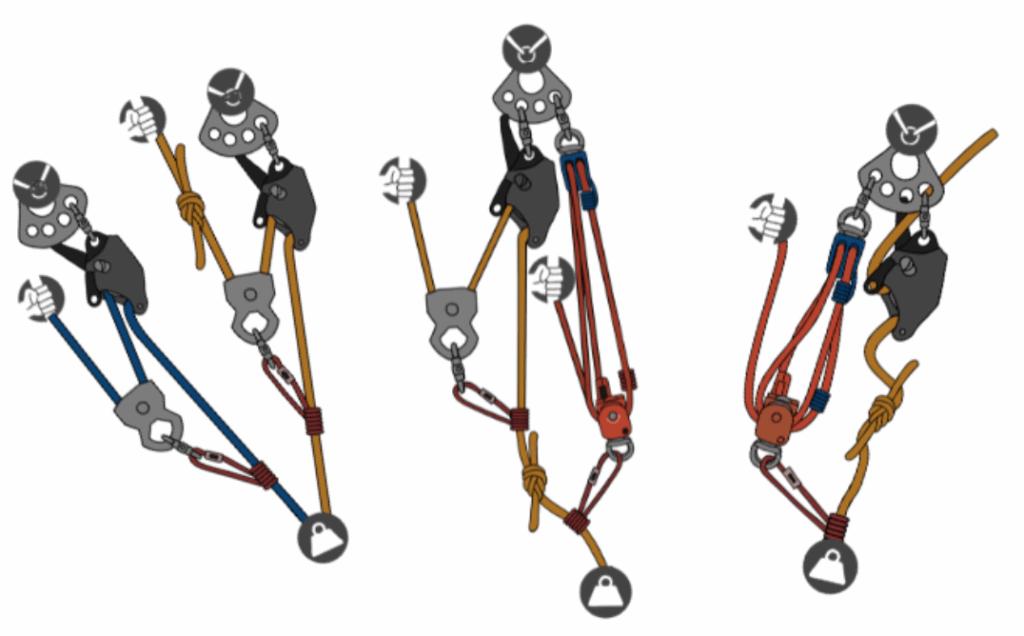
Transitioning from Traditional Rescue Systems to Two-Tensioned Rescue Systems (TTRS) Introduction For decades, the traditional mainline-belay rescue system has been a cornerstone of rope rescue operations. It’s familiar, reliable, and deeply ingrained in training programs worldwide. However, as rescue demands evolve, so must the techniques. The Two-Tensioned Rescue System (TTRS) offers a modern, efficient alternative,

Transitioning to Two-Tensioned Rescue Systems Read More »

Balancing Costs in Rope Rescue Rigging - Dynamic Directionals in Rope Rescue

Dynamic Directionals in Rope Rescue

High Directional Systems in Rope Rescue A high directional is a crucial component in rope rescue operations, used to elevate the rope system above the rescue scene. By raising anchor points, high directionals enable safer, more efficient rescue operations across various challenging environments. Definition and Purpose A high directional is a rigged system designed to:

Dynamic Directionals in Rope Rescue Read More »

Span Anchors vs Traditional Anchors

Span Anchors vs. Traditional Anchors

Span Anchors vs. Traditional Anchors In technical rope rescue, choosing the right anchor system is critical. Span anchors and traditional anchors serve different purposes, each with its advantages and limitations. Understanding these differences will help rescue teams determine the best solution for their specific challenges. Key Differences Between Span Anchors and Traditional Anchors Setup Complexity

Span Anchors vs. Traditional Anchors Read More »

Mastering High Angle Rescues

Mastering High Angle Rescues

High-angle rescues present unique challenges, particularly when raising a litter over an edge. Utilizing Artificial High Directionals (AHDs) such as monopods can significantly enhance stability and efficiency during these operations. This guide explores effective rigging systems, ensuring redundancy, and facilitating smooth transitions in high-angle rescue scenarios. Understanding Artificial High Directionals (AHDs) Artificial High Directionals are

Mastering High Angle Rescues Read More »

Patient and Litter Packaging

Patient and Litter Packaging

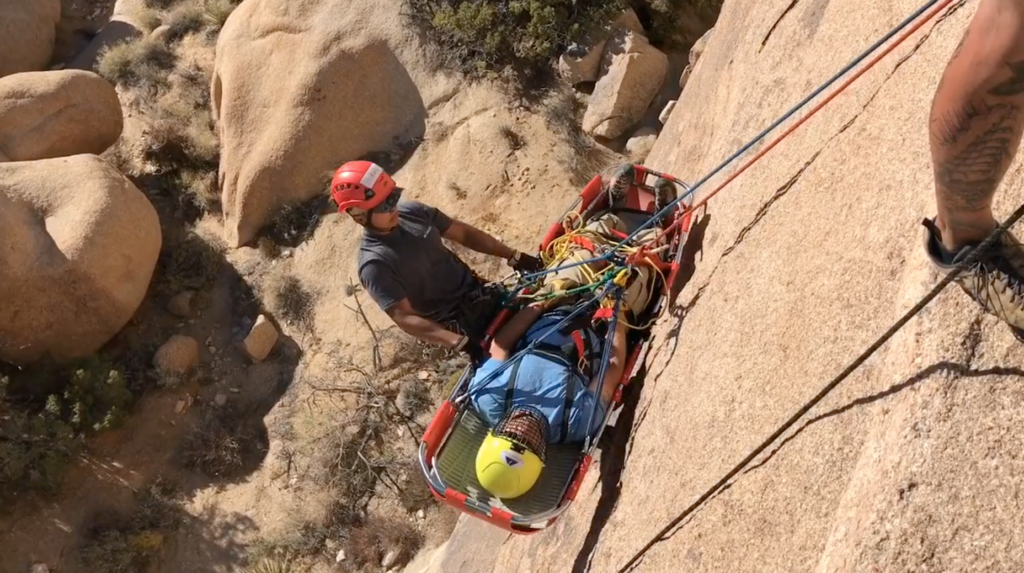
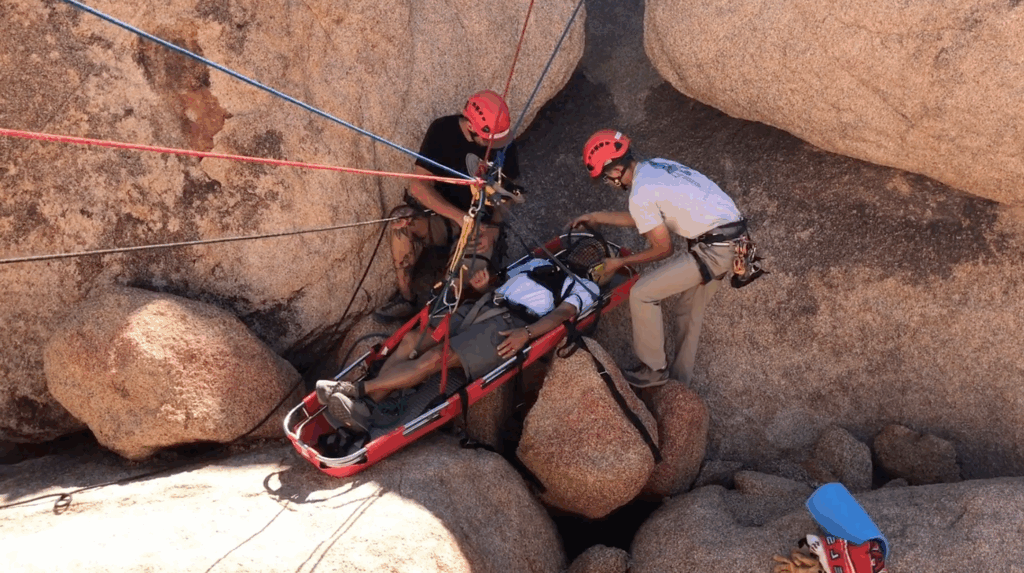
Patient and Litter Packaging Patient and litter packaging is a cornerstone of technical rescue operations, ensuring the victim is secured safely, comfortably, and effectively for transport. Whether the rescue is conducted in a low-angle slope scenario or a high-angle vertical environment, the principles of patient care, system integrity, and operational efficiency must converge seamlessly. In

Patient and Litter Packaging Read More »

knot passing using piggyback cmc harken clutch

Lowering Piggyback Method

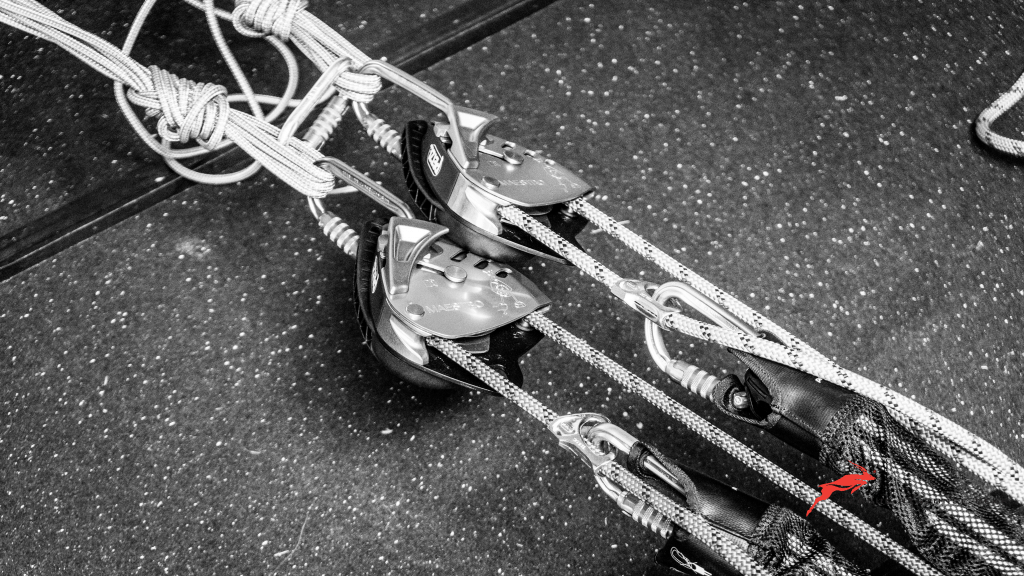
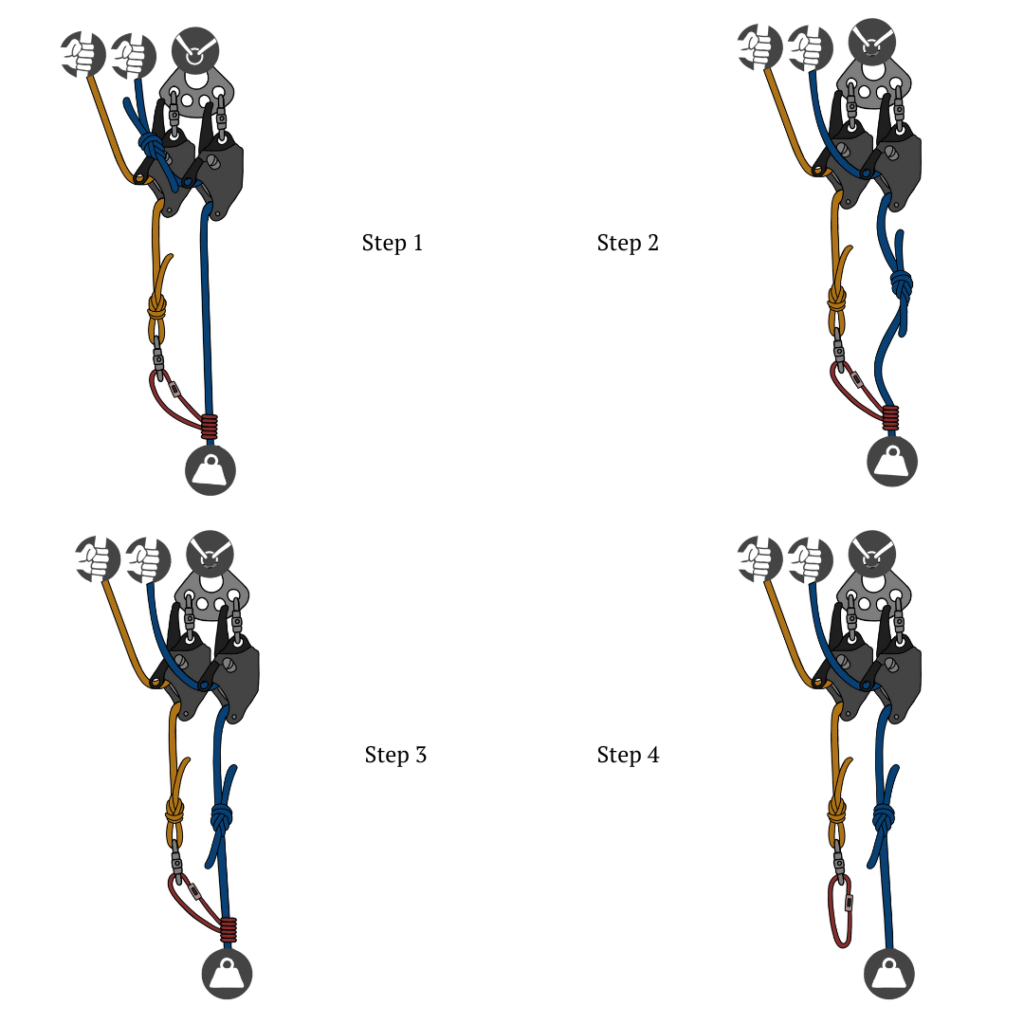
Mastering the Lowering Piggyback Method: A Narrative Approach In the demanding world of technical rope rescue, precision, and adaptability are key to ensuring the safety of both rescuers and those in need. Among the many techniques honed for managing complex rope systems, the Lowering Piggyback Method stands out as an innovative and reliable approach. Designed

Lowering Piggyback Method Read More »

Dynamic Directional Offset System-rescue equipment essentials for safe and efficient operations

Dynamic Directional Offset System

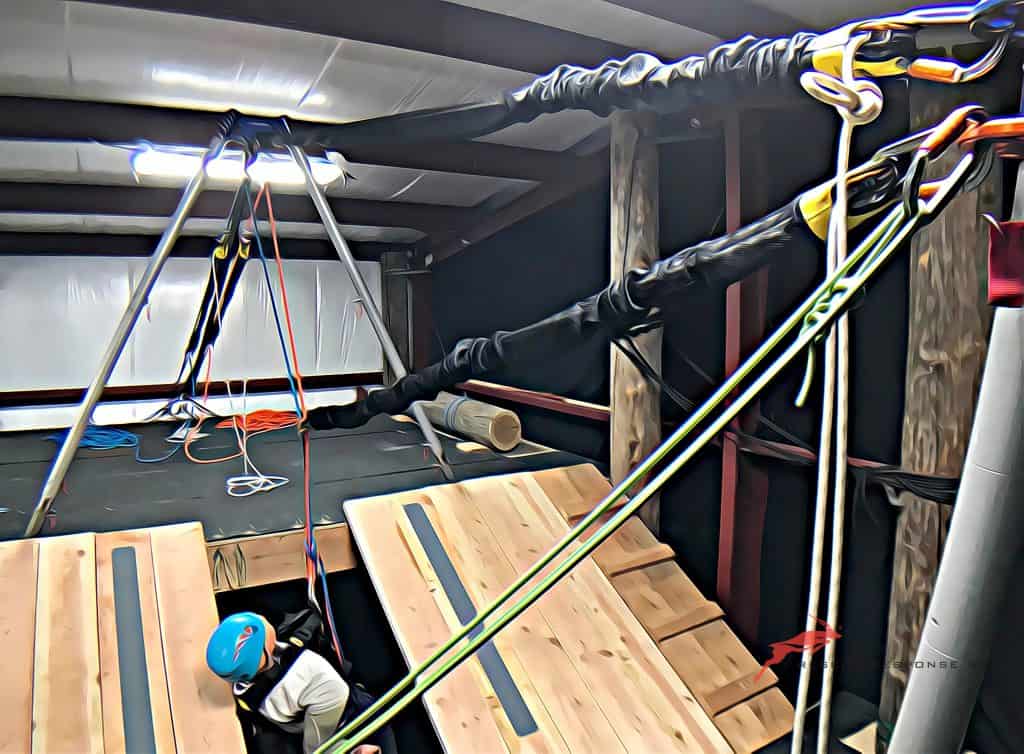
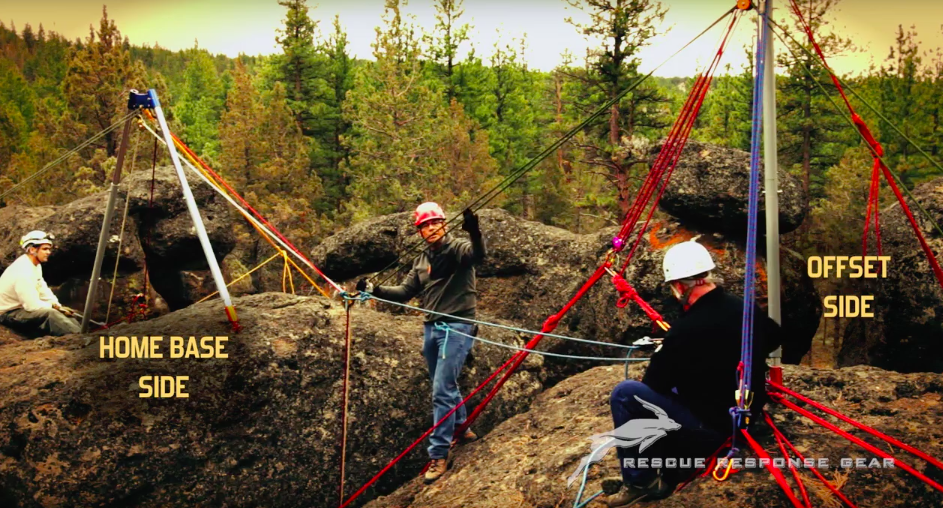
Dynamic Directional Offset System Using an A-Frame and Natural High Directional Dynamic directional offset systems are an innovative approach to technical rescue, offering strength, versatility, and adaptability for bridging large gaps and spans. By integrating a standard A-Frame Artificial High Directional (AHD) with natural high directional elements, this method provides a unique blend of support

Dynamic Directional Offset System Read More »

Highline Systems for Climbing Rescue

Highline Systems for Climbing Rescue

Highline Systems for Rescue Operations: A Comprehensive Guide As climbing continues to grow in popularity, emergency response teams must be prepared to operate in challenging environments. Highline systems, essential for technical rescue operations, require meticulous planning, robust equipment, and well-trained teams to ensure safety and efficiency. This guide provides an expanded and refined approach to

Highline Systems for Climbing Rescue Read More »

High Angle Rescue with Arizona Vortex

High Angle Rescue with Arizona Vortex

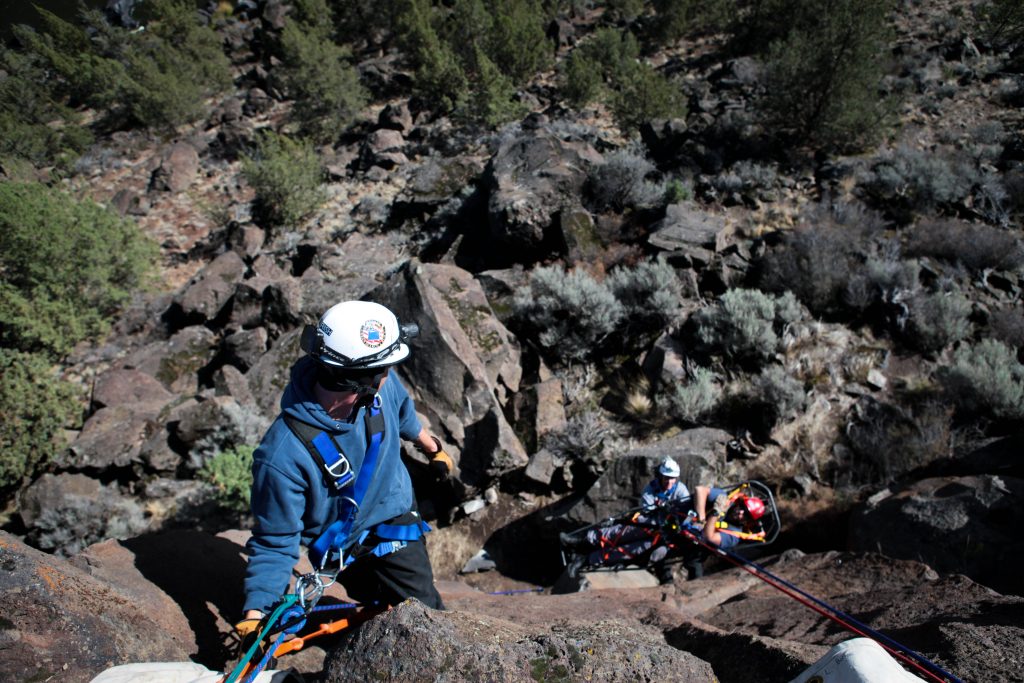
High Angle Rescue Scenario: A Comprehensive Breakdown When a climber falls 60 feet while scouting a route before roping up, the stakes are high for both the injured individual and the rescue team. The Rescue Response Team must act decisively, employing advanced tools and techniques to ensure the climber’s safe evacuation. Using the Arizona Vortex

High Angle Rescue with Arizona Vortex Read More »

Pickoff Rescue Overview

Pickoff Rescue Overview

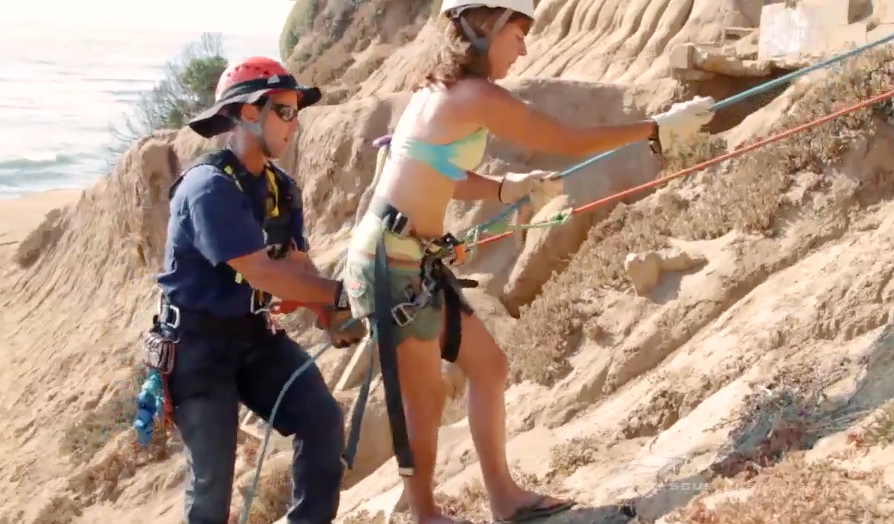
Pickoff Overview This pickoff rescue overview involves rescuing a climber, hiker, or subject from various angles and terrains, particularly on less-than-vertical slopes. While these environments may appear less hazardous than high-angle rescues, they often pose unique challenges and risks. Statistically, more injuries and fatalities occur on low- to mid-angle slopes, and these rescues often require

Pickoff Rescue Overview Read More »

Dynamic directional offset system

Dynamic Directional Offset System with A-Frame

Dynamic Directional Offset System with A-Frame and Natural High Directional Dynamic directional offset systems bring versatility and strength to rope rigging, especially when dealing with large gaps or spans. This configuration provides flexibility for controlling vertical and horizontal movement, making it a valuable tool for advanced rescue and rigging scenarios. Let’s break down the key

Dynamic Directional Offset System with A-Frame Read More »

Dual Tension Rope Systems

Dual Tension Rope Systems

Dual Tension Rope Systems: Advancing Rope Rescue Safety Dual Tension Rope Systems (TTRS) have emerged as the preferred choice in modern rope rescue operations. While not entirely new, the system represents a significant evolution from traditional Dedicated Main Dedicated Belay (DMDB) techniques. This shift isn’t just about systems and tools—it’s about risk management, efficiency, and

Dual Tension Rope Systems Read More »

High Directionals in Rope Rescue Operations

High Directionals in Rope Rescue Operations

High Directional Systems in Rope Rescue A high directional is a crucial component in rope rescue operations, used to elevate the rope system above the rescue scene. By raising anchor points, high directionals enable safer, more efficient rescue operations across various challenging environments. Definition and Purpose A high directional is a rigged system designed to:

High Directionals in Rope Rescue Operations Read More »

Caving Rescue Systems AZTEK and Directionals

Caving Rescue Systems AZTEK and Directionals

Caving rescue and confined space operations are among the most challenging scenarios in technical rope rescue. Success hinges on using precise systems that balance safety, adaptability, and efficiency. Tools like the AZTEK 4:1/5:1 Mechanical Advantage System and Dynamic Directionals play a pivotal role in managing complex rescue Systems Used in Confined Space and Caving Rescues

Caving Rescue Systems AZTEK and Directionals Read More »

Dynamic Directionals Rigging

Dynamic Directionals Rigging

In technical rope rescue and rigging, horizontal systems present unique challenges and opportunities. The use of dynamic directionals allows riggers to create efficient and adaptable solutions for traversing and accessing horizontal spans. This blog dives into the application of horizontal rigging with three dynamic directionals, exploring their setup, operation, and benefits. What Are Dynamic Directionals?

Dynamic Directionals Rigging Read More »