rope rescue systems

Mechanical Advantage Choices for Twin Tension Rope Systems

Mechanical Advantage Choices for Twin Tension Rope Systems

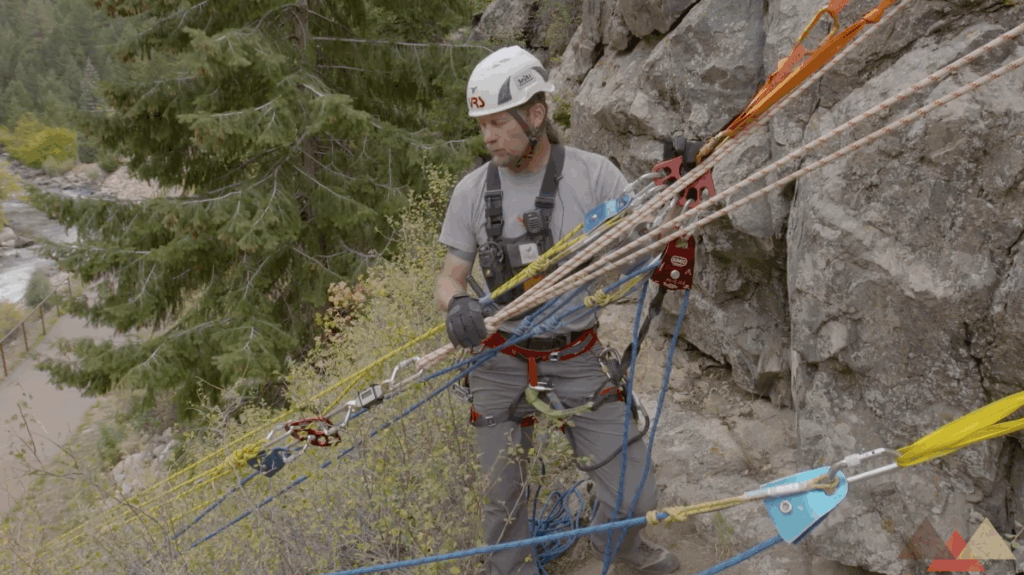
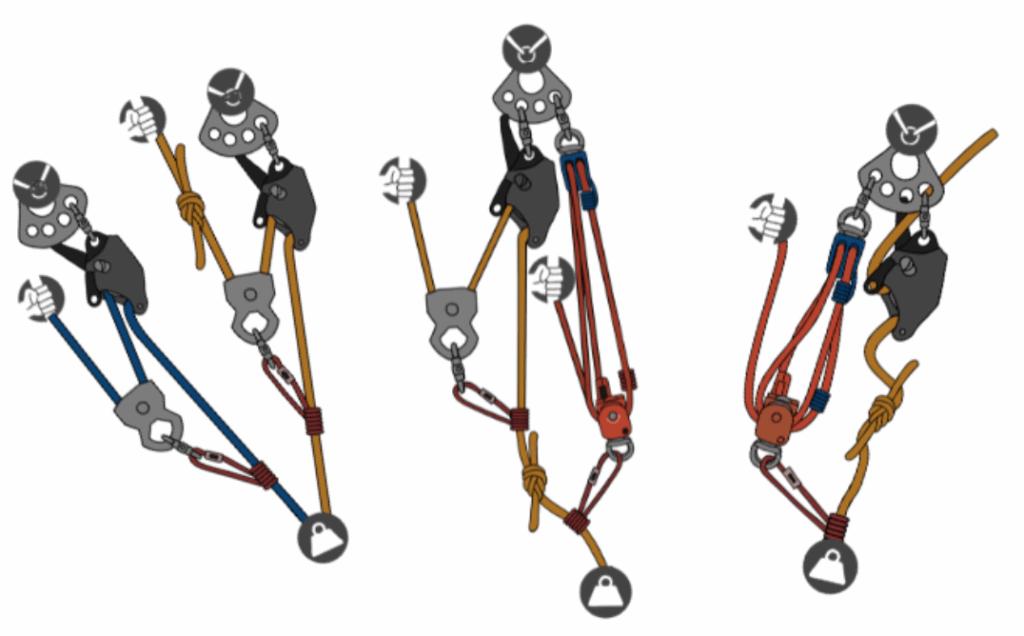
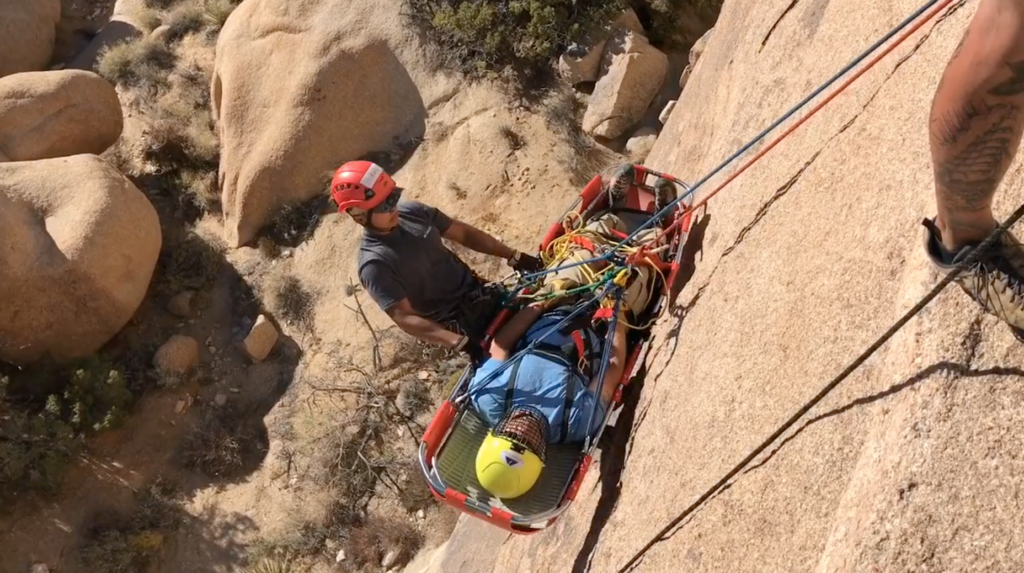
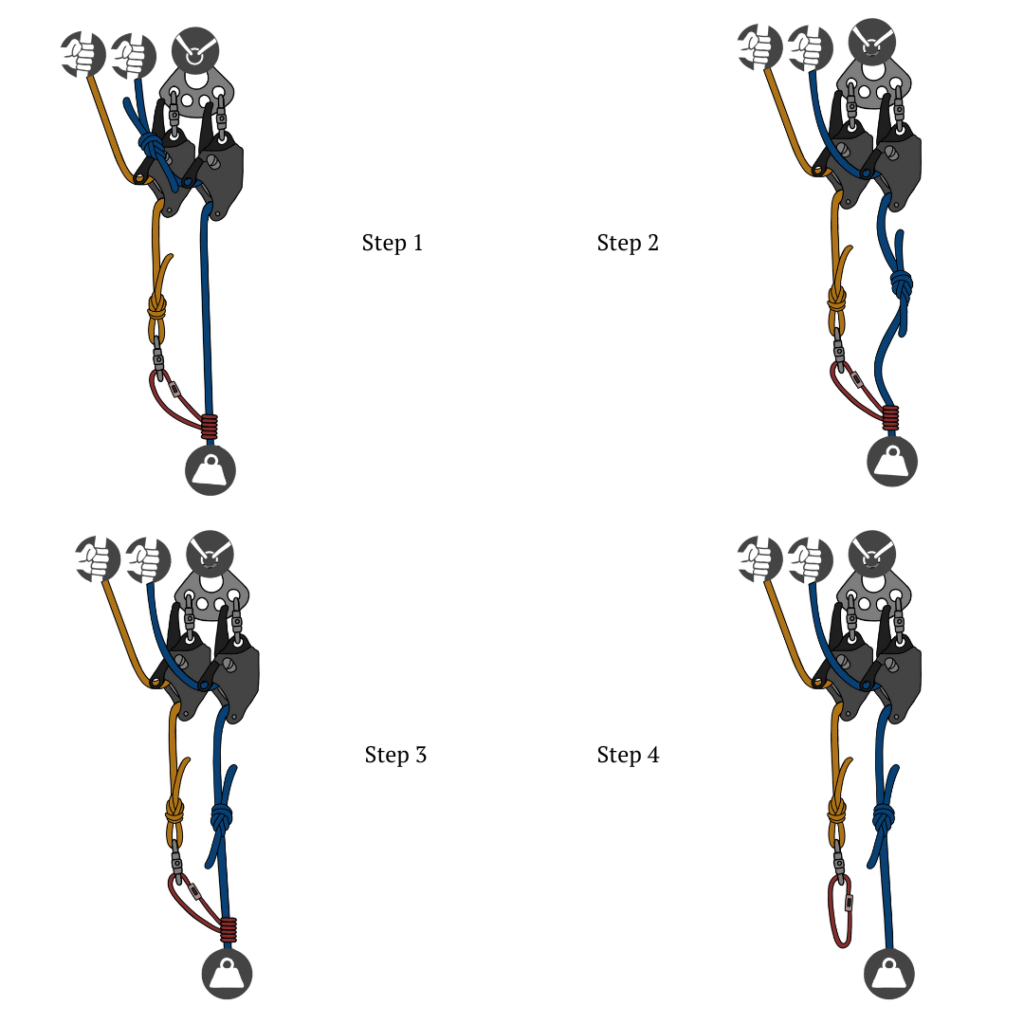
Mechanical Advantage Choices for Twin Tension Rope Systems Twin tension rope systems (TTRS) have changed the way modern rescue teams operate. Instead of one mainline and one belay, both ropes share the load equally, providing redundancy, balance, and smooth control. But while the setup looks clean, the question comes quickly in the field — what […]

Mechanical Advantage Choices for Twin Tension Rope Systems Read More »
Integrating Mechanical Advantage into Cross Haul Systems

Mechanical Advantage in Cross Haul Systems for Rescue

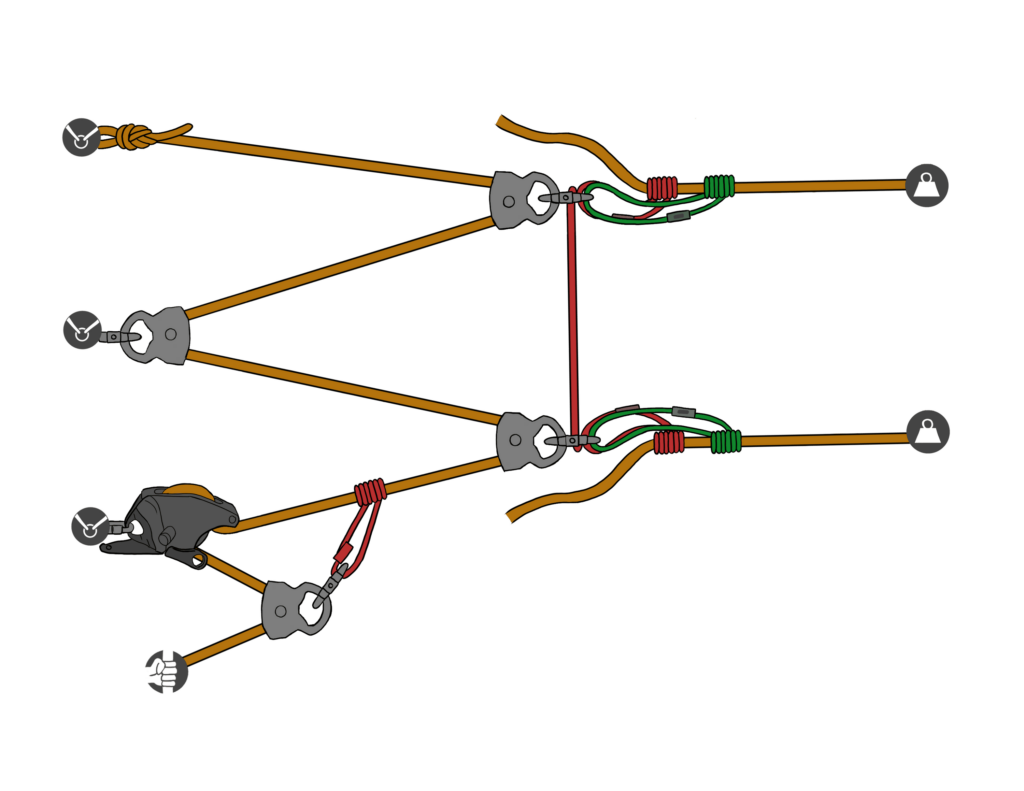
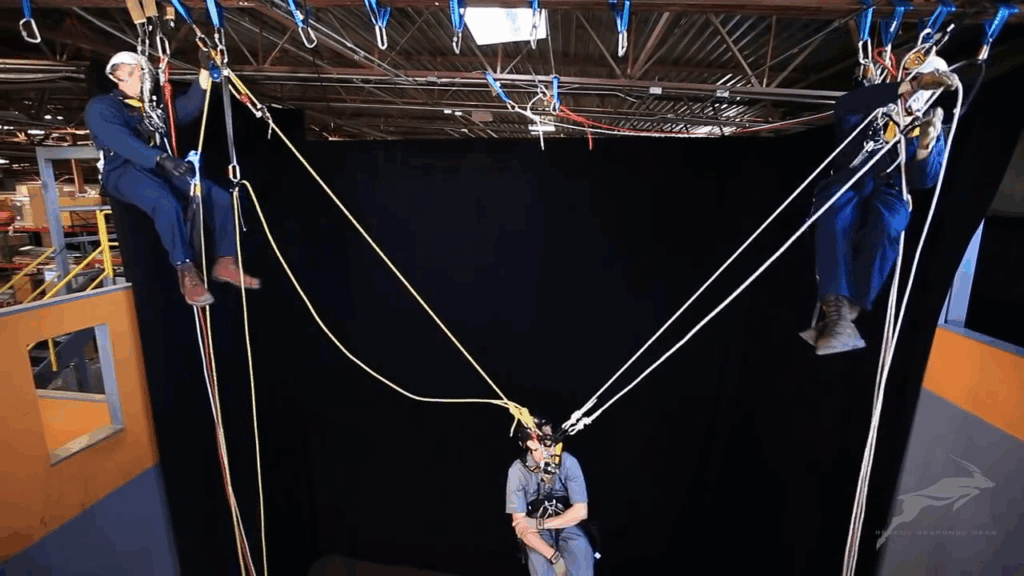
Integrating Mechanical Advantage into Cross Haul Systems Cross-haul systems are one of the most versatile tools in the rescuer’s rigging arsenal. By using two opposing haul lines, teams can precisely move a load horizontally or diagonally, making cross-hauls ideal for guiding victims across rivers, canyons, industrial voids, or unstable terrain. But as loads increase or

Mechanical Advantage in Cross Haul Systems for Rescue Read More »

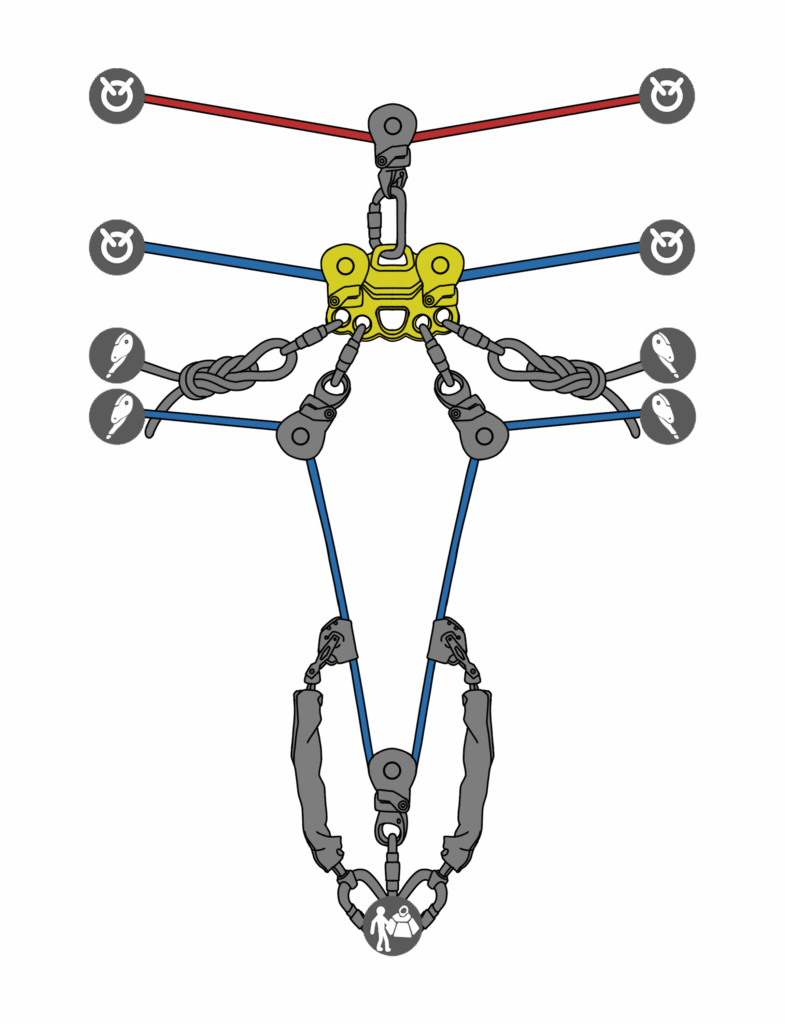
highline rescue system reeve pulley

Building Redundancy into Highline Rescue Systems with the REEVE Pulley Assembly

Highline Rescue: A Multi-Directional Access System with Built-In Redundancy Rescue environments don’t always offer easy access. Whether it’s a ravine, a collapsed structure, or a remote vertical shaft, reaching the subject often requires a blend of horizontal movement and vertical descent. The Highline Assembly—centered around the REEVE and SPIN pulleys—is designed to handle exactly these

Building Redundancy into Highline Rescue Systems with the REEVE Pulley Assembly Read More »

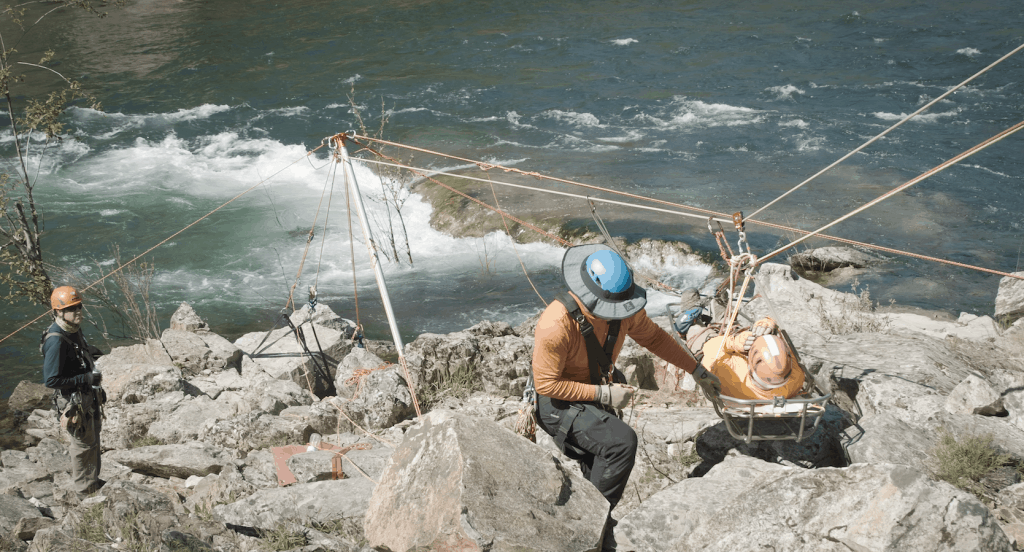
ttrs canyon rescue highline

How to Rig a Two-Rope Offset Canyon Rescue with Twin Tension Systems

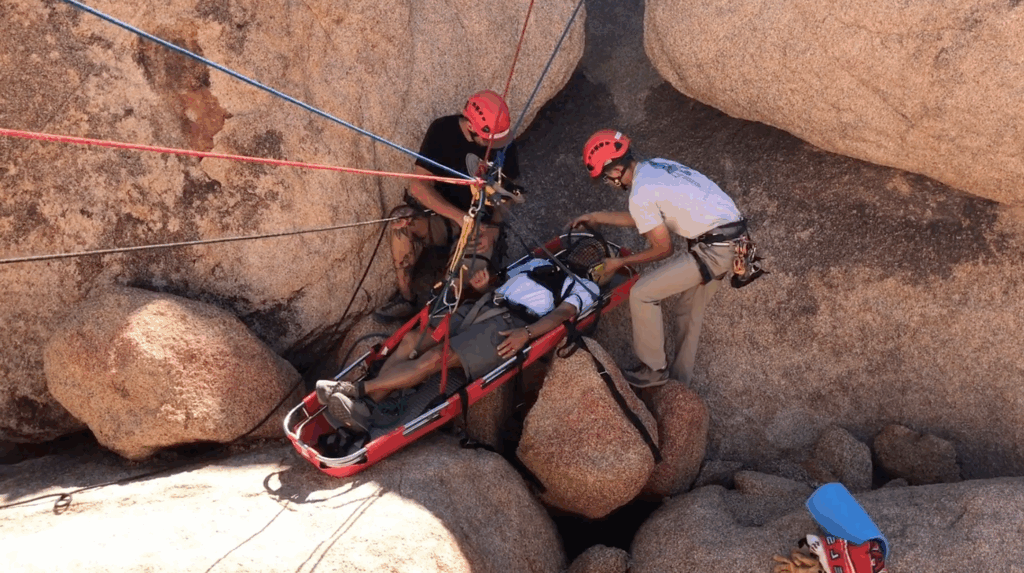
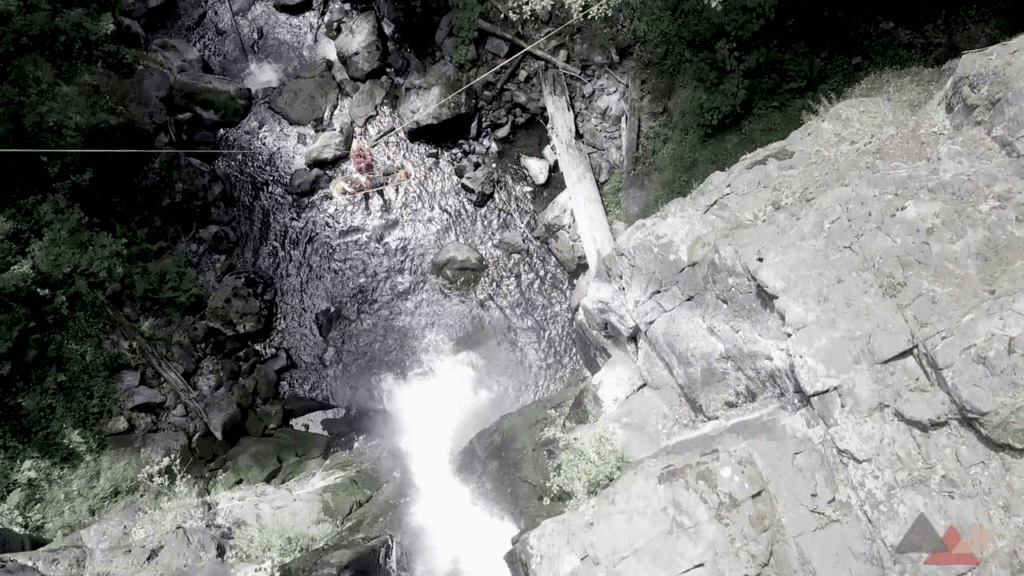
How to Rig a Two-Rope Offset Canyon Rescue with Twin Tension Systems Not all rope rescues move straight down. In canyon terrain, teams often face the challenge of crossing space laterally—not just vertically. When rescuers need to transport a littered patient across a wide void, a two-rope offset canyon rescue setup becomes the ideal solution.

How to Rig a Two-Rope Offset Canyon Rescue with Twin Tension Systems Read More »

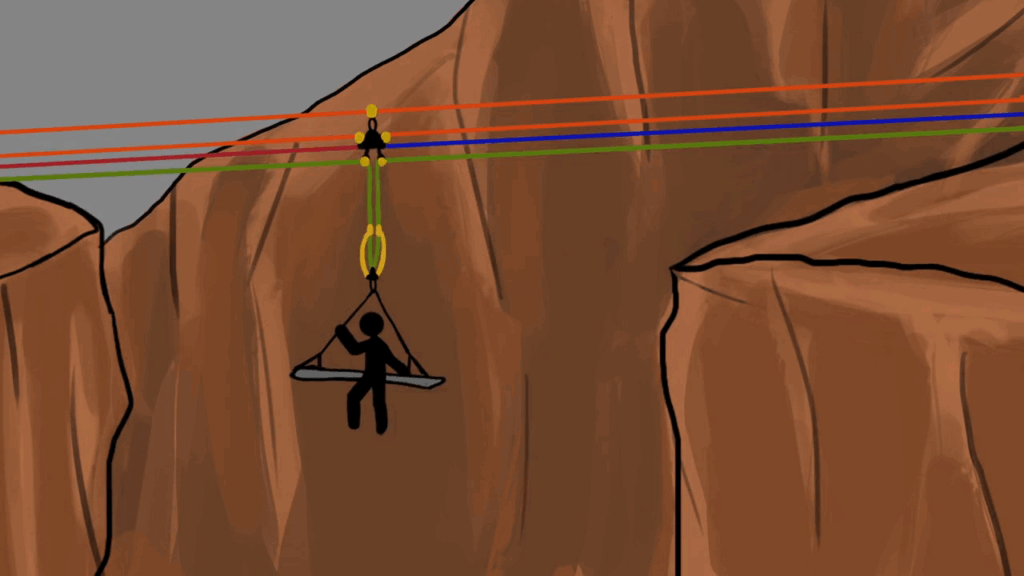
two-rope offset canyon rescue

How to Rig a Two-Rope Offset Canyon Rescue with Twin Tension Systems

A Canyon Rescue Demands More Than a Vertical Drop Not every rescue moves straight down. In desert canyon environments, terrain often calls for lateral movement, precise force balance, and shared system control. When a patient must be transported from one rim to another, a two-rope offset canyon rescue setup using twin tension systems becomes essential.

How to Rig a Two-Rope Offset Canyon Rescue with Twin Tension Systems Read More »

Trackline Skate Blocks and the Art of Horizontal Rope Rescue

Trackline Skate Blocks and the Art of Horizontal Rope Rescue

Trackline Skate Blocks and the Art of Horizontal Rope Rescue Not all rope rescues go up or down. Some go sideways—and those call for a different set of tools and skills. Trackline Skate Blocks solve the problem of horizontal movement across open spans, rough terrain, or tight industrial structures. In these situations, vertical lifts won’t

Trackline Skate Blocks and the Art of Horizontal Rope Rescue Read More »

Building Smarter Rope Rescue Systems

Building Smarter Rope Rescue Systems

In Building Smarter Rope Rescue Systems, operational excellence isn’t about having the newest gear or the biggest toolbox—it’s about knowing what you have, understanding how to use it, and continuously evolving the way you train and collaborate. Whether you’re part of a fire department, a mountain rescue team, or an industrial safety unit, the success

Building Smarter Rope Rescue Systems Read More »
Embracing Imperfection in Training - Technical Rope Rescue Mastery - Framing the Rope Rescue Disciplines

Framing the Rope Rescue Disciplines

Framing the Rope Rescue Disciplines The world of rope rescue is broad, dynamic, and mission-critical. When emergencies strike in high-angle, remote, vertical, or industrial settings, rescuers don’t just rely on gear. They rely on fluency—not just in technique, but in environment-specific judgment. That’s where rope rescue training disciplines come into play. Whether you’re a firefighter,

Framing the Rope Rescue Disciplines Read More »

Flying W Tensioning for Dual Track Line Highlines

Flying W Tensioning for Dual Track Line Highlines

Flying W Tensioning for Dual Track Line Highlines In highline rescue systems, especially those operating across varied terrain or involving swiftwater hazards, control over the load’s position is critical. When the terrain shifts beneath the litter—or when rescuers must operate from unequal anchor elevations—traditional systems often fall short. This is where the Flying W tensioning

Flying W Tensioning for Dual Track Line Highlines Read More »

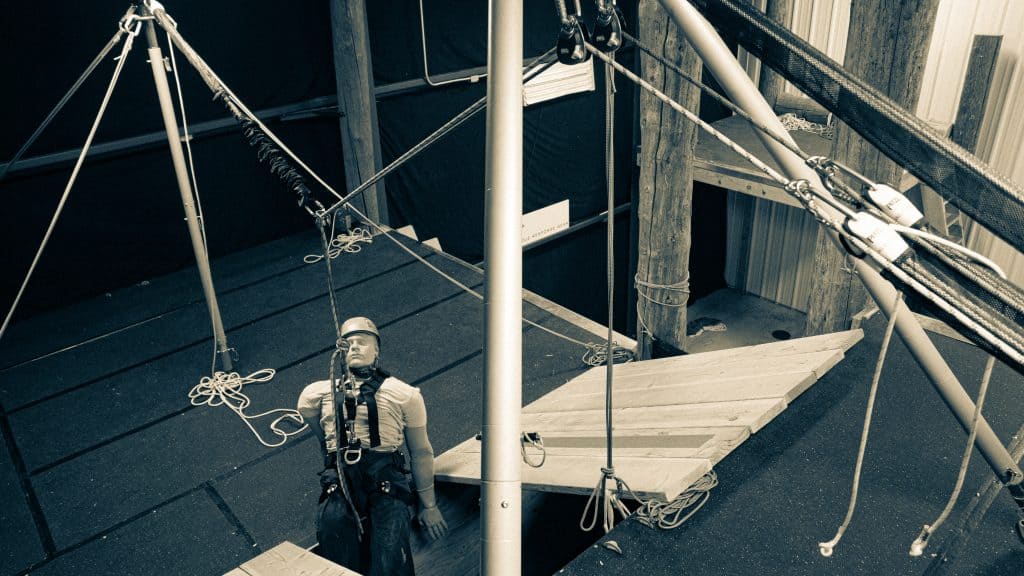
tower rescue twin track lines

Twin Tracking Line Power Control Rescue

In high-angle tower rescues, distance and clearance are critical. When the objective is to move a suspended patient away from a structure and across a distance, twin tracking lines offer a clean and redundant solution. This scenario demonstrates a Twin Tracking Line Power Control Rescue, designed for extended horizontal offset and mid-air patient control using

Twin Tracking Line Power Control Rescue Read More »

Horizontal Rope Rescue Systems and Highline Movement Techniques

Horizontal rope rescue systems

Understanding Horizontal Movement in Rope Rescue Systems Horizontal rope rescue systems are essential tools in a rescuer’s toolbox—designed not just to span gaps, but to safely and efficiently move a suspended load from one location to another. While many think of rope rescue as a vertical problem, horizontal operations come with their own unique challenges,

Horizontal rope rescue systems Read More »

Balancing Online and Hands-On Training -Knots for Force Multiplication in Rope Rescue - Steep Highline Calculations and Rigging Techniques

Steep Highline Calculations and Rigging Techniques

Steep Highline Calculations and Rigging Techniques Mastering steep highline systems takes more than just strong anchors and high-quality rope—it demands precision, forethought, and the ability to calculate force vectors in real-time terrain. In other words, steep highline calculations and rigging techniques are critical. Whether you’re new to horizontal rigging or refining your advanced systems, steep-angle

Steep Highline Calculations and Rigging Techniques Read More »

transitioning to two-tensioned rescue systems

Transitioning to Two-Tensioned Rescue Systems

Transitioning from Traditional Rescue Systems to Two-Tensioned Rescue Systems (TTRS) Introduction For decades, the traditional mainline-belay rescue system has been a cornerstone of rope rescue operations. It’s familiar, reliable, and deeply ingrained in training programs worldwide. However, as rescue demands evolve, so must the techniques. The Two-Tensioned Rescue System (TTRS) offers a modern, efficient alternative,

Transitioning to Two-Tensioned Rescue Systems Read More »

Balancing Costs in Rope Rescue Rigging - Dynamic Directionals in Rope Rescue

Dynamic Directionals in Rope Rescue

High Directional Systems in Rope Rescue A high directional is a crucial component in rope rescue operations, used to elevate the rope system above the rescue scene. By raising anchor points, high directionals enable safer, more efficient rescue operations across various challenging environments. Definition and Purpose A high directional is a rigged system designed to:

Dynamic Directionals in Rope Rescue Read More »

Span Anchors vs Traditional Anchors

Span Anchors vs. Traditional Anchors

Span Anchors vs. Traditional Anchors In technical rope rescue, choosing the right anchor system is critical. Span anchors and traditional anchors serve different purposes, each with its advantages and limitations. Understanding these differences will help rescue teams determine the best solution for their specific challenges. Key Differences Between Span Anchors and Traditional Anchors Setup Complexity

Span Anchors vs. Traditional Anchors Read More »

Mastering High Angle Rescues

Mastering High Angle Rescues

High-angle rescues present unique challenges, particularly when raising a litter over an edge. Utilizing Artificial High Directionals (AHDs) such as monopods can significantly enhance stability and efficiency during these operations. This guide explores effective rigging systems, ensuring redundancy, and facilitating smooth transitions in high-angle rescue scenarios. Understanding Artificial High Directionals (AHDs) Artificial High Directionals are

Mastering High Angle Rescues Read More »

Patient and Litter Packaging

Patient and Litter Packaging

Patient and Litter Packaging Patient and litter packaging is a cornerstone of technical rescue operations, ensuring the victim is secured safely, comfortably, and effectively for transport. Whether the rescue is conducted in a low-angle slope scenario or a high-angle vertical environment, the principles of patient care, system integrity, and operational efficiency must converge seamlessly. In

Patient and Litter Packaging Read More »

knot passing using piggyback cmc harken clutch

Lowering Piggyback Method

Mastering the Lowering Piggyback Method: A Narrative Approach In the demanding world of technical rope rescue, precision, and adaptability are key to ensuring the safety of both rescuers and those in need. Among the many techniques honed for managing complex rope systems, the Lowering Piggyback Method stands out as an innovative and reliable approach. Designed

Lowering Piggyback Method Read More »

Dynamic Directional Offset System-rescue equipment essentials for safe and efficient operations

Dynamic Directional Offset System

Dynamic Directional Offset System Using an A-Frame and Natural High Directional Dynamic directional offset systems are an innovative approach to technical rescue, offering strength, versatility, and adaptability for bridging large gaps and spans. By integrating a standard A-Frame Artificial High Directional (AHD) with natural high directional elements, this method provides a unique blend of support

Dynamic Directional Offset System Read More »