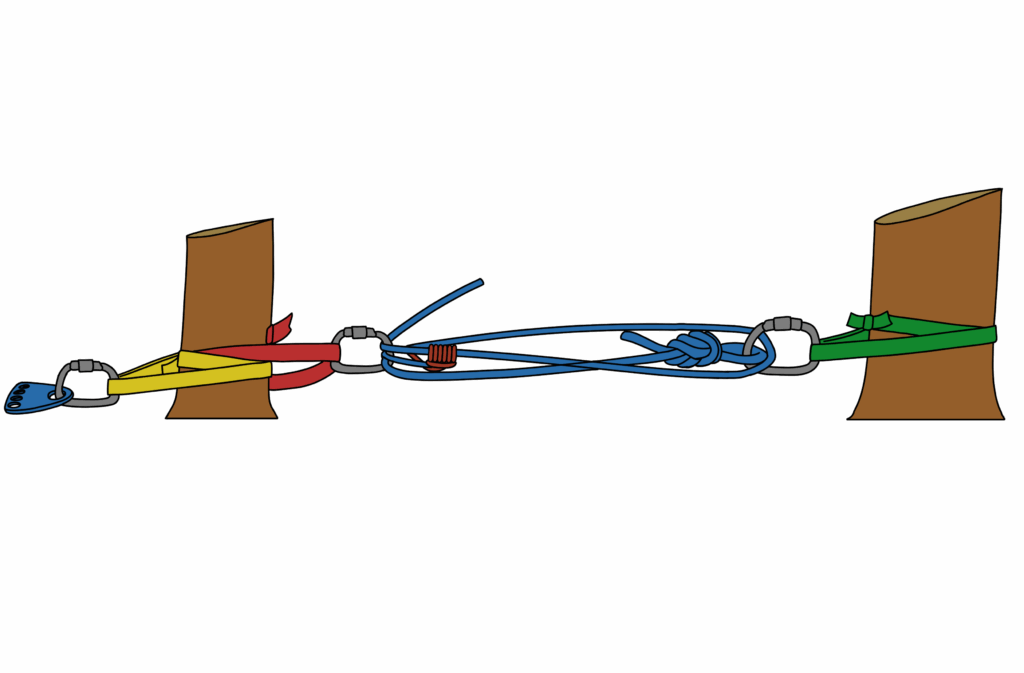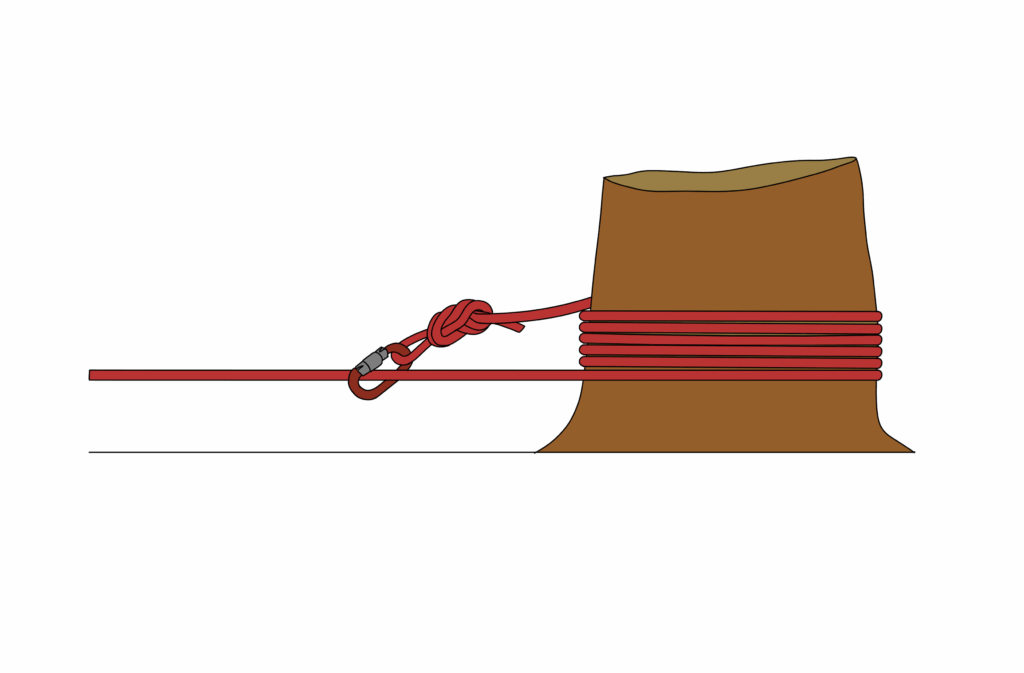
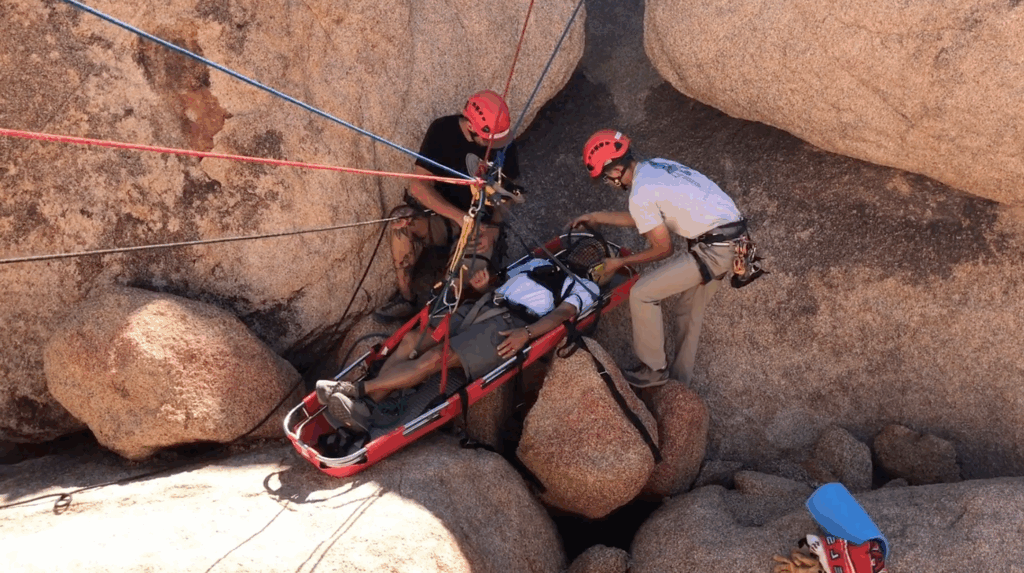
Anchors

two-rope offset canyon rescue

Why Austrian Economics Belongs in Rope Rescue

Why Austrian Economics Belongs in Rope Rescue Wealth, Labor, Time, and Risk Allocation Technical rope rescue looks like engineering. We calculate force. We build anchors. We manage friction and redundancy. Physics sets the outer limits. If we violate those limits, the system fails. However, engineering alone does not explain how decisions unfold on scene. In […]

Why Austrian Economics Belongs in Rope Rescue Read More »

Two Tension Offset Systems for Complex Rope Rescue

Austrian Economics and Technical Rope Rescue

Austrian Economics and Technical Rope Rescue Scarcity, Trade-Offs, and Rigging Under Pressure Technical rope rescue looks like engineering. We study force vectors, anchor strength, friction, and redundancy. We calculate loads. We manage geometry. Physics defines the hard limits. If we exceed those limits, the system fails. However, physics does not decide what we build. Two

Austrian Economics and Technical Rope Rescue Read More »

mastering rope rescue anchor and the rigging

Geometric and Mechanical Force Vectors in Complex Rescue Rigging Systems

Geometric and Mechanical Force Vectors in Complex Rescue Rigging Systems Executive Summary In technical rope rescue, anchor systems function as engineered structures rather than ad-hoc attachment points. Their performance is governed by geometric force vectors, mechanical leverage, material capacity, and environmental degradation. This report establishes a disciplined engineering framework for evaluating anchor integrity, analyzing force

Geometric and Mechanical Force Vectors in Complex Rescue Rigging Systems Read More »

Mitigation of System Overpowering and Anchor Failure in Raising Operations

Mitigation of System Overpowering and Anchor Failure in Raising Operations 1. Purpose and Strategic Objectives In technical rescue, the transition from a static load to a dynamic raise represents a critical escalation of risk to both system integrity and personnel safety. This operation must be evaluated through the Conservation of Energy. While mechanical advantage (MA)

Mitigation of System Overpowering and Anchor Failure in Raising Operations Read More »

6 Counter-Intuitive Principles for Understanding How Systems Really Behave

6 Counter-Intuitive Principles for Understanding How Systems Really Behave We often judge systems by how they look. At work, in engineering, or in our daily lives, we see designs that are symmetrical, robust, or built according to “how it’s always been done” and assume they are sound. This reliance on appearance and tradition feels intuitive,

6 Counter-Intuitive Principles for Understanding How Systems Really Behave Read More »

Field Reference Guide Rescue Knots and Anchor Systems

This document serves as a field reference guide for trained rescue professionals. Its purpose is to consolidate the critical principles of anchor selection, knot application, and load dynamics to ensure operational safety and efficiency in technical rescue scenarios. The information contained herein is derived from established rescue standards and practices and is intended to supplement,

Field Reference Guide Rescue Knots and Anchor Systems Read More »

Horizontal Rope Rescue Systems and Highline Movement Techniques

Physics of Horizontal Rope Rescue Systems

Physics of Horizontal Rope Rescue Systems Why sideways movement is the real test of a rigger’s mind. Vertical rope work is the entry exam. Gravity defines the path, the system behaves predictably, and most mistakes are recoverable. But move a rescue load sideways—even fifty feet across a gap or diagonally off a tower—and everything changes.

Physics of Horizontal Rope Rescue Systems Read More »
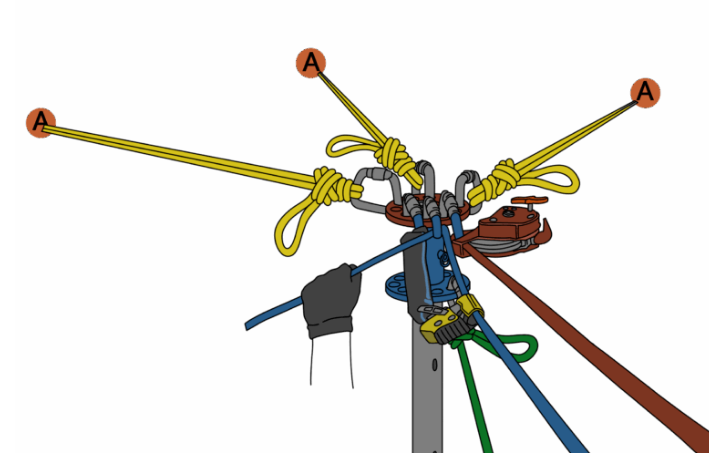
bombproof focused anchor system short

Anchor Systems and Rigging Principles for Modern Rescue

Anchor systems are the backbone of rope rescue. Every lift, lower, redirect, tension system, or directional frame is supported—literally—by the quality of the anchors that carry the load. The most skilled team and the most capable hardware cannot compensate for anchors that are poorly selected, misaligned with the load, or misunderstood. When anchors are engineered

Anchor Systems and Rigging Principles for Modern Rescue Read More »

Balancing Online and Hands-On Training -Knots for Force Multiplication in Rope Rescue - Steep Highline Calculations and Rigging Techniques

High Tension Highline Rigging Mastery for Technical Rope Rescue

The ability to span a canyon, river, industrial void, or structural gap is one of the most demanding skills in advanced rope rescue. While offsets, tracklines, and guided systems are essential tools, the true test of technician-level capability is the high-tension highline. Unlike everyday rigging, high-tension systems do not forgive misunderstandings in geometry or guesswork

High Tension Highline Rigging Mastery for Technical Rope Rescue Read More »

Rope rescue training for veterans covers leadership, mechanical advantage, and advanced rigging skills and Hidden treasures in team leadership

Advanced Rigging Principles for Technical Rope Rescue

Modern rope rescue has outgrown the era of “strong gear plus strong backs.” At the advanced level, operations are built on system engineering, controlled redundancy, and a clear understanding of how forces, geometry, and human factors interact in real time. The Technical Operational Rigging Study Guide you started with is more than an exam—it is

Advanced Rigging Principles for Technical Rope Rescue Read More »

confined space rescue

Precision and Protocol in Leadership for Confined Space Rescue Operations

In the discipline of technical rescue, the anchor system remains the defining constant—the mechanical and moral foundation of every operation. As Steve Crandall asserts, “Without a solid anchor, properly rigged, the system is bound for failure.”In Confined Space Rescue (CSR), this principle takes on a leadership dimension. Decision-makers are forced to manage high-risk, low-frequency events

Precision and Protocol in Leadership for Confined Space Rescue Operations Read More »

Anchors in Rescue and Life - backup anchors

Understanding the Purpose and Application of Backed-Up Anchor Systems

Backed-up anchor systems add redundancy and resilience to rope rescue and rigging operations. They serve as a safeguard against the failure of a primary anchor, which could otherwise cause catastrophic system collapse. By incorporating backups, teams create an additional layer of safety that reduces risk and improves overall reliability. The practice reflects a core principle

Understanding the Purpose and Application of Backed-Up Anchor Systems Read More »

Two Tension Offset with Monopod and Side A-Frame

Two Tension Offset with Monopod and Side A-Frame

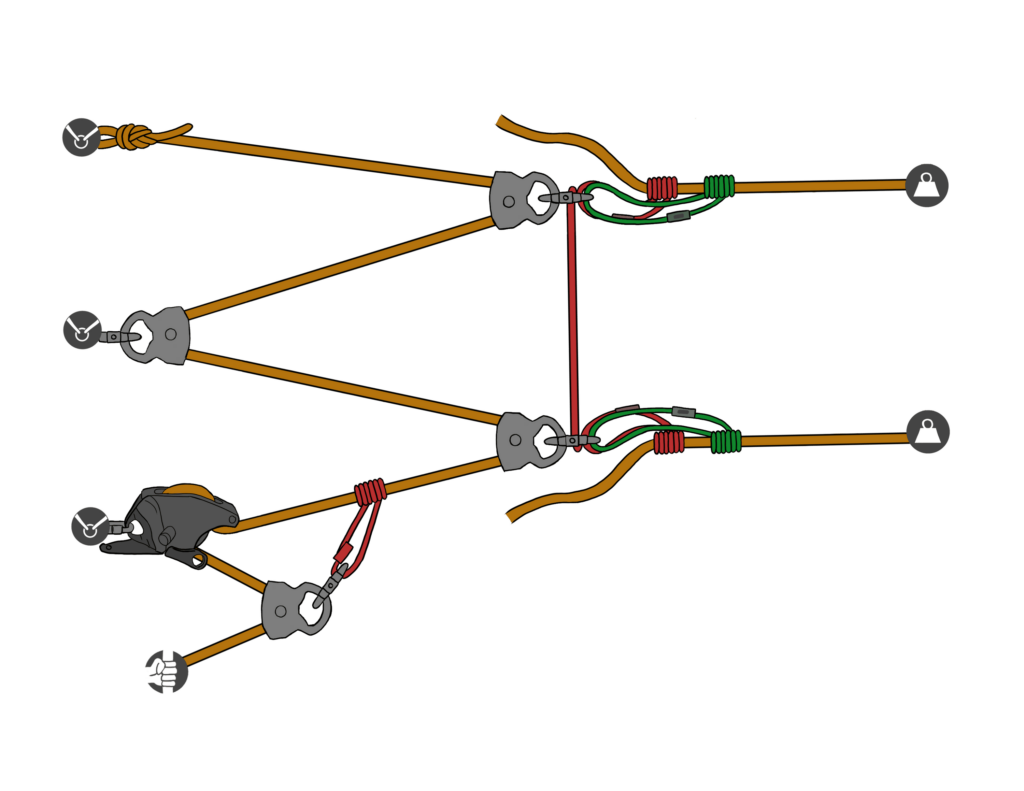
A two tension offset system allows rescuers to move loads laterally or diagonally—especially when vertical lowering is not an option. In this scenario, we use a monopod high directional on one side and a sideways A-frame on the other to shape and control the rope path. This approach is ideal for traversing terrain where edge

Two Tension Offset with Monopod and Side A-Frame Read More »

structural anchors

Using Structural Anchors in Rope Rescue

In wilderness rescues, trees and boulders often provide natural anchors. But in urban, industrial, or confined space environments, rescuers must rely on using structural anchors in rope rescue—beams, columns, and engineered fixtures built into man-made environments. These anchors, when paired with pre-sewn anchor straps, create strong and efficient attachment points for rescue systems. Structural anchors

Using Structural Anchors in Rope Rescue Read More »

picket anchor system

Picket Anchor System

In rope rescue, not every environment offers solid natural anchors such as trees or boulders. In open terrain like soil, sand, or snow, rescuers must create their own secure anchor system. The picket anchor system is a proven solution, using steel stakes driven into the ground to create reliable attachment points for rescue loads. When

Picket Anchor System Read More »

bombproof focused anchor system short

Bombproof Focused Anchor System

Every rope rescue begins and ends with anchors. Without a secure foundation, even the most advanced mechanical advantage systems or high-directional setups are compromised. When substantial natural anchors are absent at the fall line, rescuers must create reliable alternatives that provide stability, redundancy, and adaptability. One of the most versatile solutions is the Bombproof Focused

Bombproof Focused Anchor System Read More »

back-tie Anchors and Anchor Systems

Anchors and Anchor Systems are The Foundation of Every Safe Rig

What is the single most critical component of any rescue or rigging system? The answer is simple: the anchor. It is the silent hero, the unyielding foundation that bears the weight of every operation. Yet, a lack of understanding or a single mistake in its setup can turn a meticulously planned rescue into a catastrophic

Anchors and Anchor Systems are The Foundation of Every Safe Rig Read More »

highline anchors

Highline Systems Anchors Safety Operations and Tensioning

Highline systems are among the most advanced rope rescue tools. They allow teams to move patients or gear across terrain that would otherwise be impassable — spanning rivers, cliffs, gorges, collapsed structures, or even urban voids. When done correctly, highlines are efficient and controlled. When done poorly, they can overload anchors, increase risk, and endanger

Highline Systems Anchors Safety Operations and Tensioning Read More »

Rope Rescue Math and Aerial Ladder Torque Management

Rope Rescue Math and Aerial Ladder Torque Management

Rope Rescue Math and Aerial Ladder Torque Management In rope rescue, a high-directional such as an aerial ladder can be an invaluable elevated anchor—if it’s rigged correctly. The forces at play are not intuitive, and relying on firefighting ratings or guesswork can lead to dangerously overloaded systems.This guide explains the math behind high-directional loading, how

Rope Rescue Math and Aerial Ladder Torque Management Read More »

dual mirror arborist system

Dual and Mirrored Rope Systems in Arborist Work Techniques

Dual and Mirrored Rope Systems in Arborist Work Techniques In arborist work, safety and efficiency depend on the reliability of the systems used to position and secure the climber. Dual and mirrored rope systems have emerged as a preferred approach in both work positioning and aerial rescue, offering redundancy, balanced load sharing, and enhanced mobility

Dual and Mirrored Rope Systems in Arborist Work Techniques Read More »

force angles in gin pole systems

Force Angle Verification and System Readiness in Gin Pole Rigging

Force Angle Verification and System Readiness in Gin Pole Rigging. Before committing any load—especially a human subject—to a directional or monopod system, the rig must pass a structural readiness check. This means more than simply tightening ropes or locking pins. It’s about confirming that every mechanical and geometric component is functioning within allowable thresholds. Failure

Force Angle Verification and System Readiness in Gin Pole Rigging Read More »

Directional Frame Setup and Guying Angles in Rescue Rigging

Directional Frame Setup and Guying Angles in Rescue Rigging

Directional Frame Setup and Guying Angles in Rescue Rigging When deploying directional frames in rope rescue, especially A-frame or gin pole setups, small adjustments in angles can make the difference between a reliable system and one on the edge of collapse. Proper guying—both front and back—is not just about holding the frame upright. It’s about

Directional Frame Setup and Guying Angles in Rescue Rigging Read More »

anchoring and rope protection

Anchoring and Rope Protection Techniques

How to Protect Rope and Anchor Systems Across Any Terrain In technical rope rescue, two elements demand constant attention: anchor integrity and rope protection. Whether navigating over sharp edges, sloped surfaces, or temporary structure points, rescuers must ensure that load paths remain secure and friction is minimized. So Anchoring and Rope Protection Techniques for Rescue

Anchoring and Rope Protection Techniques Read More »

high-level-rigging

Clarity Over Complexity in High-Level Rigging

Clarity Over Complexity in High-Level Rigging In complex rope rescue situations, more gear doesn’t always mean more safety. The High‑Level Rigging philosophy argues that clarity—not complexity—is what holds systems together under stress. By focusing on clear vector logic, role definition, and predictable responses, rescuers can build advanced rigs that don’t confuse—they communicate. 1. Observation: Complexity

Clarity Over Complexity in High-Level Rigging Read More »

Anchors Define the System in Vertical Rescue

In rope rescue, particularly in vertical environments, the system doesn’t start with a rope—it starts with the anchor. Anchoring systems carry more than just load; they define access pathways, movement potential, and, most importantly, your margin for error. Every descent, raise, or track line depends entirely on what you’ve built at the base: your foundation.

Anchors Define the System in Vertical Rescue Read More »

two point load distributing system -Building Anchor Systems That Hold Under Pressure

Building Anchor Systems That Hold Under Pressure

Anchors Are the Foundation of Every Rescue Building Anchor Systems That Hold Under Pressure; In rope rescue and rigging operations, nothing matters more than the anchor. Every knot, pulley, and line depends on a stable foundation—and that foundation starts with your anchor system. Whether it’s a single bombproof tree or a complex web of marginal

Building Anchor Systems That Hold Under Pressure Read More »

Two-Tension Rope Systems- Shock Absorbers in Dual Main Rope Systems

Shock Absorbers in Dual Main Rope Systems

Shock Absorbers in Dual Main Rope Systems In the world of rope access, technical rescue, and industrial work-at-height, the adoption of dual main rope systems has become a gold standard for redundancy and safety. Yet, as systems become more robust, the nuances of energy management — particularly through the use of fall arrestor shock absorbers

Shock Absorbers in Dual Main Rope Systems Read More »

Twin Tensioned Highline Anchors with Removable Bolts

Twin Tensioned Highline Anchors with Removable Bolts

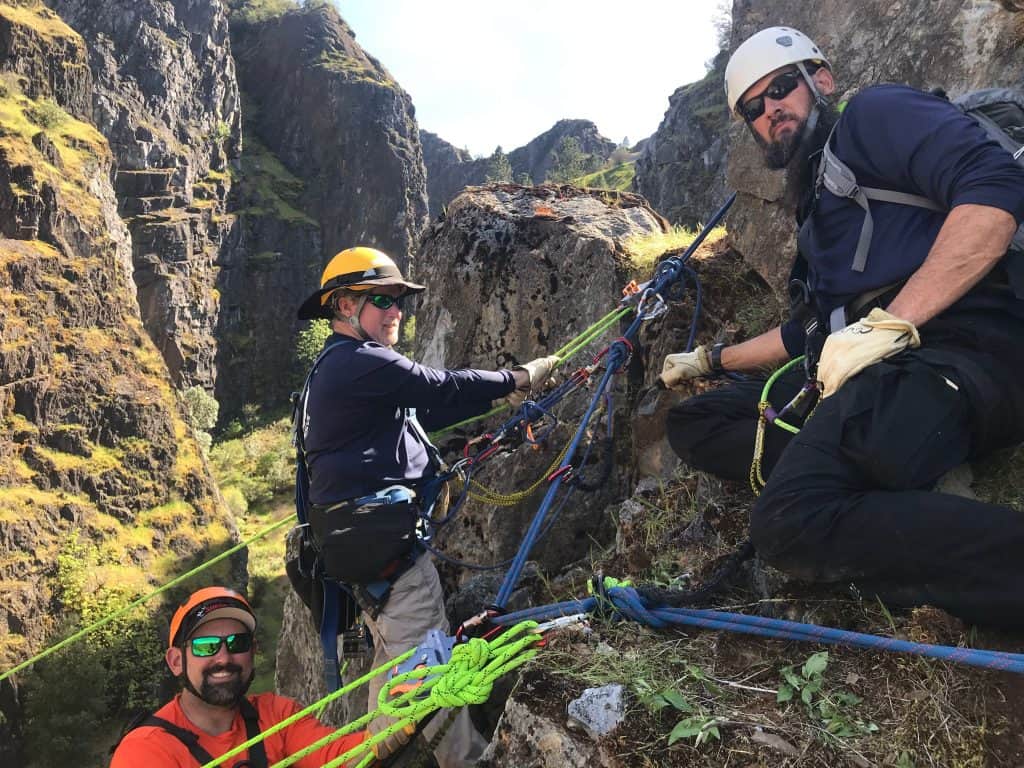
Twin Tensioned Highline Anchors with Removable Bolts In high-angle or canyon-based rescue environments, systems must perform reliably while minimizing their environmental footprint. This twin tensioned highline system was specifically built with that balance in mind. It uses removable bolt anchors (RBs) set into solid stone to create a symmetrical, load-sharing configuration that supports both operational

Twin Tensioned Highline Anchors with Removable Bolts Read More »

load sharing anchor 3x1 with clove hitches

Load Sharing Anchor 3×1 Equalette With Clove Hitches

Load Sharing Anchor 3×1 Equalette With Clove Hitches The Load Sharing Anchor 3×1 Equalette With Clove Hitches is a specialized anchor system used in climbing and rescue scenarios to distribute loads across multiple anchor points while maintaining adjustability and redundancy. Here’s a breakdown of its components, setup, and advantages: Structure and Components Equalette Design: Constructed from

Load Sharing Anchor 3×1 Equalette With Clove Hitches Read More »

Slack Anchor System: Independent Primary, Independent Secondary (P/S)

Slack Anchor System Independent Primary, Independent Secondary

A “Slack Anchor System” with Independent Primary, Independent Secondary (often abbreviated as “Independent P, Independent S”) refers to a rope rescue anchor setup designed for maximum redundancy and safety. In this system: Primary Anchor(s): The main anchor(s) bear the load of the rescue system. Secondary Anchor(s): A completely separate, independent anchor system is set up as a backup,

Slack Anchor System Independent Primary, Independent Secondary Read More »

load sharing anchor

Load Sharing Anchor Adjustable Anchor One Prusik and Butterfly

Load Sharing Anchor Adjustable Anchor using One Prusik and an Alpine Butterfly The Load Sharing Anchor Adjustable Anchor using One Prusik and an Alpine Butterfly is a clean and effective solution when you need fast rigging with minimal equipment. It provides controlled tension, midline strength, and flexibility for real-time adjustments—all without tearing down the system.

Load Sharing Anchor Adjustable Anchor One Prusik and Butterfly Read More »

load sharing anchor

Load Sharing Anchor Adjustable Non Working 3:1

Load Sharing Anchor Adjustable Non Working 3:1 In technical rescue environments, adaptability and control are everything—especially when dealing with multidirectional forces or unpredictable anchor terrain. This tutorial demonstrates how to construct a Load Sharing Anchor (LSA) using an adjustable, non-working 3:1 system, allowing the focal point to dynamically shift with the direction of pull. This

Load Sharing Anchor Adjustable Non Working 3:1 Read More »

Load Sharing Anchor_Two_Clove_Hitches_&_Figure_Eight

Load Sharing Anchor Using Clove Hitches and Figure Eight

Load Sharing Anchor Using Clove Hitches and Figure Eight Overview This Load Sharing Anchor setup combines two clove hitches tied directly to anchor points and a figure eight knot at the master point. The system offers fast adjustability, simple rigging, and centralized load control. It’s an ideal solution when your anchors are spaced unevenly or

Load Sharing Anchor Using Clove Hitches and Figure Eight Read More »

Load Sharing Anchor_Double_Loop_Figure_Eight_&_Butterfly

Load Sharing Anchor Using Double Loop Figure Eight and Alpine Butterfly

Load Sharing Anchor Using Double Loop Figure Eight and Alpine Butterfly Overview This tutorial demonstrates how to construct a Load Sharing Anchor (LSA) by combining a Double Loop Figure Eight and an Alpine Butterfly knot. This hybrid configuration offers flexibility in rigging, efficiently distributes the load, and provides multiple tie-in options. It is particularly effective

Load Sharing Anchor Using Double Loop Figure Eight and Alpine Butterfly Read More »

load sharing anchor figure 8 and butterfly

Load Sharing Anchor Using Alpine Butterfly and Figure Eight Knots

Load Sharing Anchor Using Alpine Butterfly and Figure Eight Knots Overview This hybrid Load Sharing Anchor combines two foundational knots—the Alpine Butterfly and the Figure Eight on a bight—to create a flexible, multi-point system. This configuration offers reliable load distribution and is particularly effective when working with uneven or offset anchor placements. Rather than relying

Load Sharing Anchor Using Alpine Butterfly and Figure Eight Knots Read More »

load sharing anchors

Load Sharing Anchors

Load Sharing Anchors Load Sharing Anchors, often called LSAs, are a core standard in technical rigging. Outside of strict industrial settings—where you might rely on fixed beams or embedded eye rings—LSAs provide a dynamic, adaptable way to manage anchor loads across multiple points. They are essential in wilderness rescue, rope access, canyon systems, and backcountry

Load Sharing Anchors Read More »

Load Distributing Anchor (LDA)

Load Distributive Anchor Fixed Rope with Double Loop Figure Eight

Load Distributive Anchor Fixed Rope with Double Loop Figure Eight Overview The Load Distributive Anchor, built using a Fixed Rope with a Double Loop Figure Eight, provides a reliable, redundant way to share load across two anchor points. This setup is fast to rig, easy to inspect, and ideal in scenarios where directional force or

Load Distributive Anchor Fixed Rope with Double Loop Figure Eight Read More »

LSA adjustable two prusiks - load sharing anchor

Load Sharing Anchor Adjustable Two Prusiks System

LSA Adjustable Two Prusiks System The LSA (load sharing anchors) Adjustable Two Prusiks system is a simple and effective method for pre-tensioning or stabilizing components in a rope rescue environment. It uses two Prusik hitches on a tension line to manage load placement without requiring complex devices or mechanical pulleys. This approach is lightweight, adaptable,

Load Sharing Anchor Adjustable Two Prusiks System Read More »

slack anchor independent primary

Slack Anchor System: Independent Primary, Shared Secondary

In many rescue environments, a fully redundant system is needed—but the available anchors may be limited. One efficient solution is a Slack Anchor System with independent primary anchors and a shared secondary anchor. This setup preserves redundancy without requiring four completely separate anchor placements. It’s a hybrid model: strong, efficient, and commonly used in rope

Slack Anchor System: Independent Primary, Shared Secondary Read More »

2x1 equalette with limiting knots

2×1 Equalette Load Sharing Anchor with Limiting Knots

2×1 Equalette Load Sharing Anchor with Limiting Knots The 2×1 equalette anchor is a refined variation of traditional cordelette systems. It’s designed to distribute load between two anchor points while incorporating limiting knots to reduce extension and manage system stability in the event of anchor failure. This setup is efficient, adaptable, and ideal for environments

2×1 Equalette Load Sharing Anchor with Limiting Knots Read More »

3x1 anchor

3×1 In-Line Cordelette Load Sharing Anchor

3×1 In-Line Cordelette Load Sharing Anchor The 3×1 In-Line Cordelette LSA is designed to distribute load evenly across three anchor points aligned in a straight line. This configuration is particularly useful when dealing with multiple anchor points that are not equally strong or when the direction of the anticipated load is straightforward. Key Components: Cordelette: A

3×1 In-Line Cordelette Load Sharing Anchor Read More »

better or best anchors

Slack Anchors

Slack Anchors Slack anchor systems are commonly used in rope access, though they appear in other rescue environments as well. Their appeal lies in simplicity—and in many rope access situations, where dynamic loading or sudden failure is rare, slack anchors are entirely appropriate. However, simplicity doesn’t mean simplicity of thought. These anchors require purposeful alignment,

Slack Anchors Read More »

multi point anchors

Multi-Point Anchors

Multi-Point Anchors In rope rescue, single-point anchors aren’t always enough. Sometimes they’re weak. Sometimes they’re in the wrong place. And sometimes, they’re simply not there at all. That’s where multi-point anchor systems come in. These systems combine two or more anchor points into one unified structure. They give you options when you need strength, flexibility,

Multi-Point Anchors Read More »

single point rope access anchor tensionless

Single Point Anchors

Single Point Anchors Single point anchors are the foundation of most rope systems. They are simple, fast to deploy, and—when properly selected—extremely effective. Whether using a rope, a sling, or webbing, the goal is the same: create a secure, reliable attachment point that holds under expected load without unnecessary complexity. There are two basic types

Single Point Anchors Read More »

2 point anchors

Two-Point Load-Distributing System

Two-Point Load-Distributing System In rope rescue and rigging, the two-point load-distributing system is a core strategy for building safety and stability into anchor setups. When only two viable anchor points are available, this system allows for even force distribution—reducing the strain on each point and protecting against sudden failure. The system is simple in concept

Two-Point Load-Distributing System Read More »

Understanding Load-Sharing Anchor Systems

Understanding Load-Sharing Anchor Systems

Understanding Load-Sharing Anchor Systems In technical rigging and rope rescue, a load-sharing anchor system is a go-to solution when safety and redundancy are non-negotiable. These systems are designed to distribute force across multiple anchor points, ensuring that no single point bears the entire load. This balanced approach not only improves stability but also prepares the

Understanding Load-Sharing Anchor Systems Read More »

multipoint anchoring using removable bolts - Removable Bolt Highline Anchors

Removable Bolt Highline Anchors

Removable Anchors for Highline Rescue Highline systems are often associated with complexity and beauty. But when lives are on the line — literally — it’s the anchor system that defines whether a highline is operational, sustainable, and safe. In this case, the challenge wasn’t just spanning a canyon. It was doing so without leaving a

Removable Bolt Highline Anchors Read More »

Twin Tensioned Highline Anchors

Twin Tensioned Highline Anchor System

Twin Tensioned Highline Anchor System As rope rescue systems grow more advanced, so do our expectations for precision, safety, and minimal impact. When constructing a twin tensioned highline system, the reliability of your anchors — and how they manage load — becomes mission critical. This article breaks down a field-tested twin highline anchor system built

Twin Tensioned Highline Anchor System Read More »

Establishing Bombproof Anchors

Bombproof Anchor

Bombproof Anchor In technical rescue and rope rigging, the term bombproof anchor carries a lot of weight — literally and figuratively. It’s one of those words that instantly tells a team, “this is the anchor we trust to hold everything.” But what does bombproof really mean? Is it just a strong tree or structure? Does

Bombproof Anchor Read More »

Span Anchors in Rope Rescue - 3 essential skills every rope rescue student must master

3 Essential Skills Every Rope Rescue Student Must Master

3 Essential Skills Every Rope Rescue Student Must Master Rope rescue is a high-risk, high-reward discipline where failure is not an option. Whether you’re performing a rescue or training for one, there are 3 essential skills every rope rescue student must master to ensure safety and success. These core competencies—anchors, mechanical advantage systems, and critical

3 Essential Skills Every Rope Rescue Student Must Master Read More »

Timber High Directionals in Rescue Operations

Timber High Directionals in Rescue Operations

Timber High Directionals in Rescue Operations Why Build Timber High Directionals? When rescue teams respond to emergencies in remote or austere environments, they often face unexpected challenges that require improvisation and adaptability. In these scenarios, modern equipment like the Arizona Vortex may not be available or practical to transport. This is where timber structures—such as

Timber High Directionals in Rescue Operations Read More »

Choosing the Right Anchor

Choosing the Right Anchor

Choosing the Right Anchor Anchor systems are the foundation of technical rigging and rescue operations. Selecting the right anchor ensures stability, load management, and safety in any environment, whether you’re bridging a canyon, securing equipment, or managing dynamic loads. From single-point setups to advanced multi-point and span systems, understanding anchor types and their applications is

Choosing the Right Anchor Read More »

Tight Line Skate Block Systems in Rope Rescue

Tight Line Skate Block Systems in Rope Rescue

Tight Line Skate Block Systems in Rope Rescue A tight line skate block system is a highly specialized variation of the traditional skate block, providing increased precision, control, and adaptability for advanced technical rescues. These systems are critical in environments requiring elevated tension management and controlled load transitions. I. Introduction A tight line skate block

Tight Line Skate Block Systems in Rope Rescue Read More »

Balancing Costs in Rope Rescue Rigging - Dynamic Directionals in Rope Rescue

Dynamic Directionals in Rope Rescue

High Directional Systems in Rope Rescue A high directional is a crucial component in rope rescue operations, used to elevate the rope system above the rescue scene. By raising anchor points, high directionals enable safer, more efficient rescue operations across various challenging environments. Definition and Purpose A high directional is a rigged system designed to:

Dynamic Directionals in Rope Rescue Read More »

Span Anchors vs Traditional Anchors

Span Anchors vs. Traditional Anchors

Span Anchors vs. Traditional Anchors In technical rope rescue, choosing the right anchor system is critical. Span anchors and traditional anchors serve different purposes, each with its advantages and limitations. Understanding these differences will help rescue teams determine the best solution for their specific challenges. Key Differences Between Span Anchors and Traditional Anchors Setup Complexity

Span Anchors vs. Traditional Anchors Read More »

Span Anchors for Rope Rescue

Span Anchors for Rope Rescue

Key Mistakes in Span Anchors for Rope Rescue Operations When it comes to rope rescue operations, the use of span anchors is a fundamental element of success. Span anchors allow teams to transport loads across obstacles, terrain, or voids efficiently and safely. However, common mistakes can jeopardize both safety and efficiency, turning a well-intentioned setup

Span Anchors for Rope Rescue Read More »

Challenges in Span Anchor Systems - Understanding Hidden Forces in Rope Access Rigging

Challenges in Span Anchor Systems

Overcoming Common Challenges Setting up span anchors in rope rescue operations requires precision, planning, and adaptability. These systems play a crucial role in creating tensioned highlines or transporting loads across challenging environments. However, their setup presents unique challenges that demand expertise in tension management, anchor strength, force vector analysis, and adaptability to environmental conditions. Below,

Challenges in Span Anchor Systems Read More »

Backbone of Highline Systems in Rope Rescue - Removable Bolt Anchors for highline systems

Backbone of Highline Systems in Rope Rescue

The Backbone of Highline Systems in Rope Rescue Span anchor, the backbone of highline systems in rope rescue, play a pivotal role in rope rescue operations, enabling the creation of highline systems, distributing load across anchor points, and overcoming terrain challenges. Whether for search and rescue (SAR), technical rigging, or industrial applications, span anchors offer

Backbone of Highline Systems in Rope Rescue Read More »

Anchors TTRS and Hauling Systems

Anchors TTRS and Hauling Systems

Understanding anchors, Tensioned Twin Rope Systems (TTRS), and hauling systems isn’t just about rigging; it’s about safety, efficiency, and adaptability in high-pressure situations. These systems form the backbone of rescue and rigging operations, ensuring stability and control when it matters most. 1. Anchors: The Bedrock of Stability A strong anchor is the foundation of every

Anchors TTRS and Hauling Systems Read More »

Multi-Point Anchors in Rescue

Multi-Point Anchors in Rescue: Part 3

Multi-Point Anchors in Rescue Operations Multi-point anchors provide enhanced stability by distributing weight across multiple points, making them invaluable in complex rescue operations. In this post, we’ll explore the setup and applications of multi-point anchors for safe, effective load management in rescue scenarios. Benefits of Multi-Point Anchors Multi-point anchors increase safety by creating redundancy and

Multi-Point Anchors in Rescue: Part 3 Read More »

highline set up using artificial-anchors-rescue

Artificial Anchors in Rescue: Part 2

In situations where natural anchors aren’t available or reliable, artificial anchors are essential. Artificial anchors like bolts and anchor plates provide consistent stability and security, especially in environments that lack sturdy trees or rocks. In this second part of our series, we’ll explore the setup, applications, and safety considerations for artificial anchors in rescue operations.

Artificial Anchors in Rescue: Part 2 Read More »

multipoint anchoring using removable bolts - Removable Bolt Highline Anchors

Natural Anchors in Rescue Operations: Part 1 – Natural Anchors

Anchors and Anchor Systems in Rescue Operations: Part 1 – Natural Anchors When it comes to rescue operations, creating secure, reliable anchors is essential. In this first part of our Anchors and Anchor Systems series, we’ll focus on natural anchors—anchors that utilize trees, rocks, and other natural features. Understanding how to assess, set up, and

Natural Anchors in Rescue Operations: Part 1 – Natural Anchors Read More »

Pareto’s Principle in Leadership and Rope Rescue - Pareto Efficiency in Rope Rescue

20-80 Rule in Knot Tying and Rigging

20-80 Rule in Knot Tying and Rigging Introduction In rescue operations, the 20-80 rule plays a pivotal role in efficiency—20% of the essential techniques address 80% of rescue scenarios. This is particularly true when it comes to knot tying and rigging, where focusing on core skills can significantly improve operational performance. In this blog, we’ll

20-80 Rule in Knot Tying and Rigging Read More »

Knot Craft and Knot Passing and in between

Knot Craft and Knot Passing

Mastering Knot Craft and Knot Passing In rope rescue and rigging, the ability to skillfully create and manipulate knots is more than just a basic requirement—it’s an essential part of ensuring safety, efficiency, and success in the field. Knot craft and knot passing are not isolated skills; they are deeply interwoven techniques that, when mastered,

Knot Craft and Knot Passing Read More »

elements of rigging and rope rescue

Essential Elements of Rigging Anchors

Rigging is essential for rescue operations, climbing, and industrial applications. Mastering the key elements ensures safety and efficiency. This comprehensive guide covers crucial aspects, including bombproof anchors, understanding resultants, mastering knots, setting up highlines, confined space rescue techniques, mechanical advantage systems, reeving systems, friction management, and slackline rigging, offering valuable insights for professionals and enthusiasts

Essential Elements of Rigging Anchors Read More »

mastering rope rescue anchor and the rigging

Mastering Anchors in Rope Rescue Operations

Anchors are the foundation of any rope rescue operation, providing the stability and support needed to safely conduct rescues. Mastering anchors in rope rescue operations involves an in-depth understanding of various aspects, ensuring thorough coverage of all key points. Mastering Bombproof Anchors Establishing bombproof anchors is fundamental to ensuring safety and success in technical rope

Mastering Anchors in Rope Rescue Operations Read More »

Knot Efficiency in Rope Rescue: Essential Guide - The Language of Rope

The Language of Rope

The Language of Rope: Mastering Terminology for Rigging and Knot Work The language of Rope: understanding the terminology is as vital as the hands-on skills. Language shapes our ability to communicate clearly and operate effectively in high-stakes environments. Misunderstanding or misusing a term can lead to inefficiencies—or worse, compromise safety. This guide dives into the

The Language of Rope Read More »

Establishing Bombproof Anchors

Establishing Bombproof Anchors

Mastering Bombproof Anchors: Critical Considerations for Rope Rescue Establishing bombproof anchors: the anchor is the backbone of the operation. Rescuers rely on bombproof anchors to ensure safety and stability, often in high-pressure environments where failure is not an option. Establishing reliable anchors requires meticulous planning and an understanding of key factors like load capacity, redundancy,

Establishing Bombproof Anchors Read More »

How to Use the Petzl REEVE Carriage Pulley for Highline Rescue Systems

How to Use the Petzl REEVE Carriage Pulley for Highline Rescue

Petzl REEVE: Versatile Pulley for Highline Rescue The Petzl REEVE carriage pulley is an innovative tool designed to simplify highline rescue systems by combining two high-efficiency pulleys with a rigging plate. This design reduces the amount of equipment needed and minimizes the overall height of the system. Its user-friendly features, such as one-handed operation and

How to Use the Petzl REEVE Carriage Pulley for Highline Rescue Read More »

Anchors in Rescue and Life - backup anchors

Anchors in Rescue and Life

  Euphemisms and Rescue Anchors: A Metaphorical and Technical Exploration Anchors, both literal and metaphorical, play an essential role in providing stability during life’s most precarious moments. Your reflection on the connection between euphemisms and rescue anchors is a profound and eloquent perspective that bridges the technical world of rescue operations with broader life philosophies.

Anchors in Rescue and Life Read More »

Anchor for rope rescue

Selecting an Anchor for Rope Rescue Rigging

Selecting an Anchor for Rope Rescue Rigging Anchors are the backbone of any rope rescue system, providing the foundation for safe and efficient operations. Choosing the right anchor system is critical to the success of a rescue and must often be completed early in the process. This guide explores the essential concepts of anchors, anchor

Selecting an Anchor for Rope Rescue Rigging Read More »

Anchors for rope rescue

Selecting Anchors for Rope Rescue Rigging

Selecting Anchors for Rope Rescue Rigging Anchors are the backbone of every rescue system, providing the stability and security needed to ensure a safe and effective operation. Whether you’re preparing for a high-angle rescue, a confined space operation, or a swiftwater scenario, selecting and rigging the right anchor is crucial. This guide provides an in-depth

Selecting Anchors for Rope Rescue Rigging Read More »

Search and Rescue Mini-Course - Competence and Proficiency in TSAR

Welcome to the 8 Point Search and Rescue Mini Course

Welcome to the 8-Point Search and Rescue Mini-Course Search and Rescue (SAR) teams are composed of a diverse group of individuals bound by a shared commitment to saving lives. Often operating in challenging and unpredictable environments, SAR professionals step into situations where others are lost, hurt, or trapped—scenarios that frequently test the limits of human

Welcome to the 8 Point Search and Rescue Mini Course Read More »

mechanical advantage systems

Pulleys and Mechanical Advantage Systems

Understanding Pulleys in Mechanical Advantage Systems How Pulleys Work Fixed Pulleys: Function as first-class levers with the fulcrum located at the axle of the sheave. They change the direction of force without increasing MA. For instance, a change-of-direction pulley has an MA of 1:1. Moving Pulleys: Act as second-class levers, where the rope is attached

Pulleys and Mechanical Advantage Systems Read More »

haul system basics

Haul System Basics Pulley Systems and Mechanical Advantage

Haul System Basics and the Mechanics of Pulley Systems Haul systems form the backbone of rigging and rescue operations, using the principles of mechanical advantage to reduce the effort required to lift or move heavy loads. By integrating pulley systems into these setups, operators can achieve remarkable efficiency and safety. This guide dives deeper into

Haul System Basics Pulley Systems and Mechanical Advantage Read More »

Patient Packaging and Litter Handling Floating the litter

Floating the Litter Using an A-Frame and Gin Pole Trackline

Floating the Litter Using an A-Frame and Gin Pole Trackline Steep angle litter work represents one of the most challenging scenarios in high-angle rescue operations. The primary challenge lies in ensuring patient contact and visual oversight while navigating challenging terrain. These conditions often necessitate the use of a carefully chosen and highly functional system to

Floating the Litter Using an A-Frame and Gin Pole Trackline Read More »

three point anchor system

Swiftwater Rescue Three Point Anchor with Vector Assist

Swiftwater Rescue: Three-Point Anchor with Vector Assist Swiftwater rescues often require innovative strategies to navigate challenging conditions and ensure the safety of both rescuers and victims. This video demonstrates the use of a three-point anchor system combined with a vector assist line to access a victim trapped in a difficult location within the river.  

Swiftwater Rescue Three Point Anchor with Vector Assist Read More »

2 point anchor system

Swift Water Rescue 2 Point Anchor System Victim Pick-Off

Swift Water Rescue: 2-Point Anchor System for Victim Pick-Off Swift water rescues often demand innovative and efficient techniques to ensure safe operations. This dramatization showcases the use of a 2-point anchor system to transport a victim across a river, highlighting precision and teamwork in the process.   The 2-Point Anchor System in Action Objective: The

Swift Water Rescue 2 Point Anchor System Victim Pick-Off Read More »

anchor systems

Understanding Anchor Systems for Rigging and Rescue

Understanding Anchors: Part 1 of a Two-Part Series Anchors form the foundation of any rigging or rescue system, providing stability and safety for lifting, performing work, or executing rescues. Whether constructed from natural elements like trees and rocks or artificial components like bolts and beams, the integrity of an anchor system is paramount. This first

Understanding Anchor Systems for Rigging and Rescue Read More »

Elevated Anchors and Resultant Management

Elevated Anchors and Resultant Management

Elevated Anchors and Managing Resultants in Rope Rigging Systems The use of elevated anchors, also known as high directional anchor systems, is a critical component in advanced rope rigging. Mandated by NFPA 1670 for rope technicians, these systems address edge management challenges, reduce friction at the edge, and maintain stability through proper force vector and

Elevated Anchors and Resultant Management Read More »

Staggering Rigging Anchors for Efficiency

Staggering Rigging Anchors for Efficiency

The Benefits and Considerations of Staggering Rigging Anchors Staggering rigging anchors is a highly effective technique for distributing the mechanical advantage system across a wider area, improving efficiency, and minimizing resets. However, while this method has clear benefits, it also comes with challenges that must be addressed to ensure safety and functionality in rigging operations.

Staggering Rigging Anchors for Efficiency Read More »

Bombproof Anchors in Rigging

Bombproof Anchors in Rigging

Bombproof Anchors in Rigging: A Comprehensive Guide When it comes to rescue and rigging operations, anchors are the cornerstone of a successful and safe system. Among these, bombproof anchors stand out as the gold standard, particularly when paired with artificial high directionals like the Arizona Vortex Multipod. However, understanding what makes an anchor truly “bombproof”

Bombproof Anchors in Rigging Read More »

Force Multipliers in Rigging

Rescue Rigging Anchors

Rescue Rigging Anchors: Why They’re Essential In the world of rescue and rigging, anchors are the cornerstone of every system. We’re often taught that anchors are the most important part of the operation, but the reasons behind this importance are not always crystal clear. Let’s dive into the fundamentals of anchor systems and why they’re

Rescue Rigging Anchors Read More »

Removable Anchors for Rescue

Removable Anchors for Rescue

Removable Anchors for Rescue and Rigging Removable anchors have revolutionized the rescue and rigging industries, providing unmatched safety, flexibility, and ease of use. These anchors, like those produced by ClimbTech and PMI, allow rescuers to establish secure anchor points on various surfaces—including horizontal, vertical, and overhead—without compromising the integrity of the setup. Their reusability makes

Removable Anchors for Rescue Read More »

Managing Friction in Rope Rigging

Managing Friction in Rope Rigging

Managing Friction in Rope Rigging Friction is an omnipresent force in rope rigging systems, one that can either work to your advantage or become a significant obstacle. In technical rescue and rigging operations, understanding and managing friction is essential for safety, efficiency, and long-term equipment care. This blog explores the role of friction at anchor

Managing Friction in Rope Rigging Read More »

Two Tension Rope System with Petzl JAG

Comparison Between Maestro and ID

Comparison Between Maestro and ID for a Rescue Using Twin Tensioned Haul Lines The evolution of technical rescue gear has brought us tools that excel in safety, efficiency, and adaptability. Among these, the Petzl Maestro and Petzl I’D are standout devices, each offering unique features suited for various rescue applications. In this post, we explore

Comparison Between Maestro and ID Read More »

Lowering and Hauling with the Clutch

Lowering and Hauling with the Clutch

Lowering and Hauling with the Clutch The CMC Clutch has quickly become a cornerstone for modern rigging teams, offering unparalleled versatility and efficiency. Whether lowering or hauling, the Clutch’s intuitive design and robust functionality make it an indispensable tool for technical rescue and rope access operations. The Power of the CMC Clutch in Rigging Operations

Lowering and Hauling with the Clutch Read More »

ClimbTech’s removable anchor bolts

ClimbTech’s removable anchor bolts

Understanding and Using ClimbTech’s Removable Anchor Bolts Removable anchor bolts are an innovative solution for temporary and reusable anchor systems, offering flexibility and efficiency in rigging applications. ClimbTech’s removable anchors stand out as a reliable and practical choice for professionals in rope access, rescue, and construction industries.   Key Features of ClimbTech’s Removable Anchor Bolts

ClimbTech’s removable anchor bolts Read More »

Petzl Coeur Pulse Removable Anchor System

  Petzl Coeur Pulse Removable Anchor System   The Petzl Coeur Pulse Removable Anchor System represents a cutting-edge approach to temporary anchoring in rope access, rescue operations, and climbing scenarios. This innovative anchor system offers an excellent combination of reliability, reusability, and ease of installation, making it a valuable addition to any professional or recreational

Petzl Coeur Pulse Removable Anchor System Read More »

Rigging Multi-Point Anchors

Rigging Multi-Point Anchors

Rigging Multi-Point Anchors in Rope Rescue Building anchor systems is a foundational skill in rope rescue that demands both practice and experience. Simplicity and complexity in anchor systems are not just technical challenges—they are measures of competency. Achieving competency requires time, focus, and a commitment to understanding the principles of anchor rigging. When to Use

Rigging Multi-Point Anchors Read More »

Bombproof Anchor

Bombproof Anchor Techniques for Rigging and Rescue

The Art of the Bombproof Anchor in Rigging and Rescue What is a Bombproof Anchor? A bombproof anchor is a cornerstone of safe and effective rigging. It is designed to withstand every load you throw at it, offering ultimate reliability for both rigging and rescue operations. The term “bombproof” implies an anchor system so robust

Bombproof Anchor Techniques for Rigging and Rescue Read More »

Force Multipliers in Rigging

Force Multipliers in Rigging

Understanding rigging involves grasping key concepts of trigonometry and vector physics. Rigging, at its core, is about managing force—its direction, magnitude, and impact on systems. To effectively study rigging, one must also study vectors, which combine both direction and magnitude to describe forces. This understanding is crucial for building safe and efficient rope systems. Scalars

Force Multipliers in Rigging Read More »

Anchoring Focus Floating Guying Concepts

Anchoring Focus Floating Guying Concepts

Anchoring Focus Floating Guying Concepts: Key Principles for Technical Rescue Anchoring is the foundation of every technical rescue system. A well-designed anchor system ensures stability, safety, and adaptability in dynamic environments. Whether establishing single-point anchors for simplicity or multi-point systems for load distribution, understanding the core principles of anchoring is critical for successful operations. Additionally,

Anchoring Focus Floating Guying Concepts Read More »

Twin Tension Rope Systems

Twin Tension Rope Systems

In technical rope rescue, Twin Tension Rope Systems (TTRS), also referred to as dual-capacity systems, are critical for ensuring safety, efficiency, and precision during litter hauling operations. This article explores the importance of anchor systems, artificial high directionals (AHDs), and the configurations that make TTRS a preferred solution in complex rescue scenarios. The Foundation: Anchor

Twin Tension Rope Systems Read More »

Industrial Skate Block Trackline System

Industrial Skate Block Trackline System

In technical rope rescue operations, the Industrial Skate Block Trackline System offers an efficient method for raising and lowering loads, particularly in complex industrial environments. This system combines a tensioned track line with a movable skate block, enabling precise control and movement of the load. System Components and Setup The system comprises two primary components:

Industrial Skate Block Trackline System Read More »

Ground-Controlled Twin Tension Skate Block System

Ground-Controlled Twin Tension Skate Block System

In tower rescue operations, the Ground-Controlled Twin Tension Skate Block System is a pivotal technique for safely lowering incapacitated climbers. This method emphasizes efficiency and safety, utilizing a twin-tensioned rope system managed from the ground. Understanding the Ground-Controlled Twin Tension Skate Block System This system involves a rescuer ascending the tower to reach the stranded

Ground-Controlled Twin Tension Skate Block System Read More »

Confined Space Rigging

Confined Space Rigging

In confined space rigging operations, the integration of anchors, pulleys, and the haul field is crucial for the safety and efficiency of the mission. This article delves into the configuration of a compound 6:1 mechanical advantage system within a confined space rig, highlighting best practices and essential considerations. Anchors serve as the backbone of any

Confined Space Rigging Read More »

Anchors

Types of Anchors in Rigging

Types of Anchors in Rigging and Rescue Single-Point Anchors: Utilize a solitary, robust anchor point, such as a sturdy tree or a securely installed bolt. These are straightforward but depend entirely on the strength and stability of one point. Multi-Point Anchors: Combine multiple anchor points to distribute the load, enhancing stability and redundancy. Common configurations

Types of Anchors in Rigging Read More »

Tracking Skate-Block Hybrid System

Tracking Skate-Block Hybrid System

In tower rescue operations, the Tracking Skate-Block Hybrid System offers a blend of redundancy, simplicity, efficiency, and effectiveness. This system combines elements of tracking lines and skate-block techniques to facilitate safe and controlled rescues from elevated structures. Key Components and Setup Patient and Midpoint Connections: Pre-Climb Preparation: Set up both the tracking and skate lines

Tracking Skate-Block Hybrid System Read More »

High-Angle Raise with Vortex Side Frame

High-Angle Raise with Vortex Side Frame

High-angle rescue operations demand precision, safety, and effective use of advanced rigging equipment. The Vortex Side Frame, a cornerstone of Artificial High Directional (AHD) systems, provides the versatility needed for high-angle raises in challenging environments. In this blog, we’ll explore the foundational setup of a Vortex Side Frame for a high-angle rescue, including the necessary

High-Angle Raise with Vortex Side Frame Read More »

High Directionals in Rope Rescue Operations

High Directionals in Rope Rescue Operations

High Directional Systems in Rope Rescue A high directional is a crucial component in rope rescue operations, used to elevate the rope system above the rescue scene. By raising anchor points, high directionals enable safer, more efficient rescue operations across various challenging environments. Definition and Purpose A high directional is a rigged system designed to:

High Directionals in Rope Rescue Operations Read More »

Artificial High Directional Types

Rigging Workstation

The Rigging Effect: Keeping Ropes Off the Ground with a Rigging Workstation Efficient and effective rigging begins with organization, and one of the simplest yet most impactful techniques is keeping ropes off the ground. This small adjustment can enhance safety, extend the lifespan of gear, and streamline operations. Central to achieving this goal is the

Rigging Workstation Read More »

V Anchor Skyhook Spec Ops Winch

V Anchor Skyhook Spec Ops Winch

Lightweight Technical Rescue with Skyhook Spec Ops Winch Small team technical rescues often demand lightweight, adaptable equipment that ensures efficiency and safety. The Skyhook Rescue Systems Spec Ops Winch, combined with a double V anchor system, provides an excellent solution for mirrored or twin tension systems. This guide explores the setup and application of this

V Anchor Skyhook Spec Ops Winch Read More »