Principles of Learning

Mechanical Advantage in Rope Rescue - Rope Rescue Analysis Technique

Rope Rescue Analysis Technique

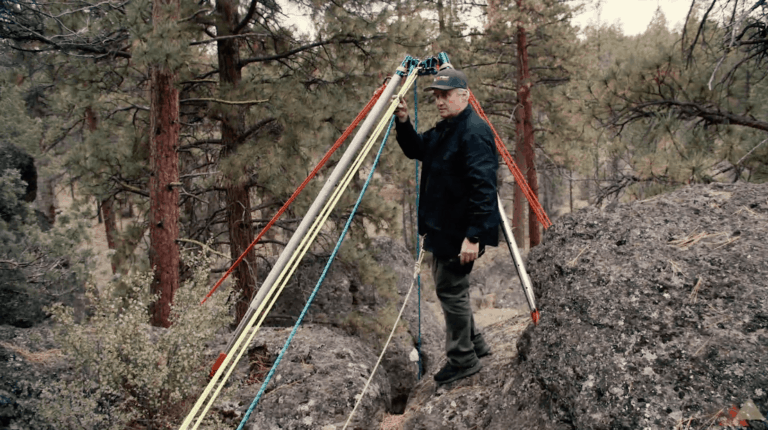
Analyzing Rope Rescue Systems: Critical Points and Safety Considerations Rope rescue systems are essential tools for emergency services, designed to safely transport loads or injured individuals from hazardous situations. To ensure these systems operate safely and effectively, rigorous analysis is necessary to identify and address potential weaknesses. This article delves into the key components of

Rope Rescue Analysis Technique Read More »

Force Multiplier Mechanics

Force Multiplier Mechanics

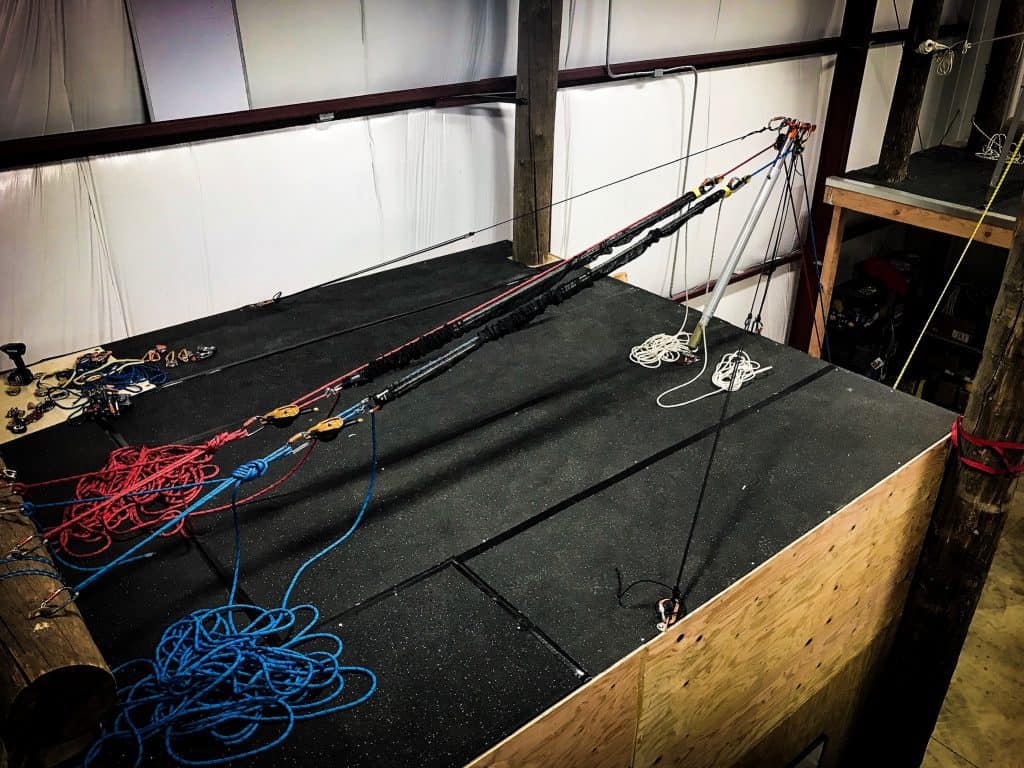
Fundamentals of Force Multiplier Mechanics Force multipliers are essential components in the world of rigging and rope rescue, offering a way to enhance efficiency and safety by amplifying effort. Through leveraging angles, pulleys, and friction management, these systems allow rescuers to move heavy loads with less physical force. Mastering the mechanics of force multipliers is

Force Multiplier Mechanics Read More »

Rope Rescue Teams and Rigging Systems - no nonsense rope rescue

Rope Rescue Teams and Rigging Systems

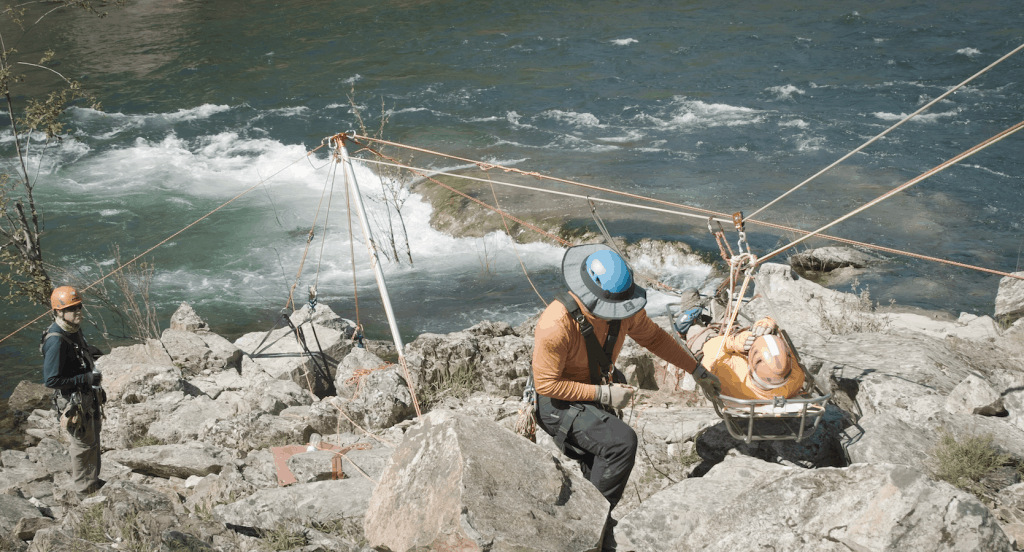
Building a Solid Rope Rescue and Rigging Team: A Holistic Approach Creating a highly functional rope rescue and rigging team, alongside developing effective systems, demands a perspective that views these elements as interconnected, living organisms. This philosophy underscores the dynamic nature of these systems, balancing “gain and loss,” “input and output,” and “cause and effect.”

Rope Rescue Teams and Rigging Systems Read More »

Vector Addition in Rigging - Vectors, Scalars, and Mechanical Advantage

Vectors Scalars and Mechanical Advantage

Understanding Vectors, Scalars, and Unitless Values in Rope Rescue Systems In rope rescue and haul systems, mastering the concepts of vectors, scalars, and unitless values is essential for calculating mechanical advantage and ensuring safe operations. Each plays a unique role in analyzing and optimizing rescue setups, helping rescuers balance efficiency, safety, and system design. Vectors

Vectors Scalars and Mechanical Advantage Read More »

Force Analysis in Rope Rescue

Force Analysis in Rope Rescue

Force Analysis in Rope Rescue Understanding force analysis in rope rescue is essential for ensuring safe and efficient operations. By integrating concepts like vectors, scalars, and unitless values, rescuers can calculate mechanical advantage, optimize systems, and prevent overloading of equipment or anchors. This comprehensive guide explores these principles and their application in real-world scenarios. Unitless

Force Analysis in Rope Rescue Read More »

haul system basics

Haul System Basics Pulley Systems and Mechanical Advantage

Haul System Basics and the Mechanics of Pulley Systems Haul systems form the backbone of rigging and rescue operations, using the principles of mechanical advantage to reduce the effort required to lift or move heavy loads. By integrating pulley systems into these setups, operators can achieve remarkable efficiency and safety. This guide dives deeper into

Haul System Basics Pulley Systems and Mechanical Advantage Read More »

Rope rescue training for veterans covers leadership, mechanical advantage, and advanced rigging skills and Hidden treasures in team leadership

The Story of Rigging Lab Academy

How Rigging Lab Academy Began: Uncovering Hidden Treasures in Team Leadership The journey of Rigging Lab Academy began with a simple but profound mystery: “Why are retention and recall missing from technical rope rescue training?” Inspired by Sherlock Holmes, the search for answers led to transformative insights that reshaped how individuals and teams approached rigging

The Story of Rigging Lab Academy Read More »

Tower Control vs Ground Control

Tower Rescue: Tower Control Versus Ground Control

Tower Control vs. Ground Control Systems Tower rescue operations demand precision, teamwork, and the right strategy. Whether employing a Tower Control or Ground Control system, the decision hinges on the specifics of the scenario, including the height of the rescue, team capabilities, and available resources. Both methods have unique advantages and challenges that must be

Tower Rescue: Tower Control Versus Ground Control Read More »

Arizona Vortex Guidebook

Arizona Vortex Guidebook

The Arizona Vortex Guidebook: Your Ultimate High Directional Resource The Arizona Vortex Guidebook serves as a definitive resource for rescue professionals, rope technicians, and rigging enthusiasts seeking to master the complexities of high directional systems. This comprehensive guidebook provides detailed insights, configurations, and practical applications of the Arizona Vortex, widely recognized as one of the

Arizona Vortex Guidebook Read More »

Two Tension Rope System with Petzl JAG

Comparison Between Maestro and ID

Comparison Between Maestro and ID for a Rescue Using Twin Tensioned Haul Lines The evolution of technical rescue gear has brought us tools that excel in safety, efficiency, and adaptability. Among these, the Petzl Maestro and Petzl I’D are standout devices, each offering unique features suited for various rescue applications. In this post, we explore

Comparison Between Maestro and ID Read More »

Two Tension Rope System

Two Tension Rope System

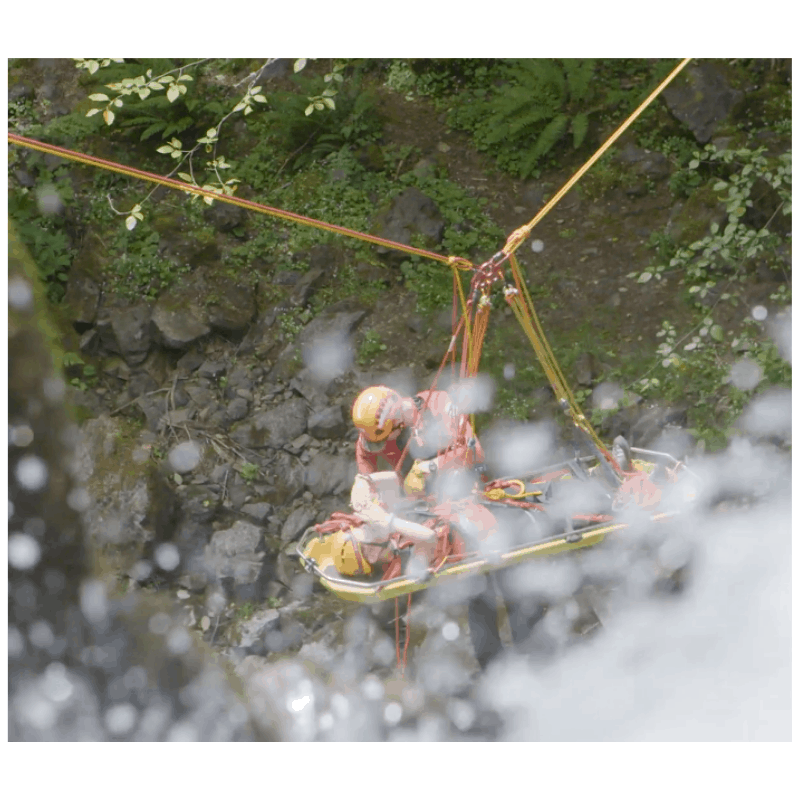
Recommended Rope Systems: Two-Tension Rope System (TTRS) for Raise and Lower Operations In the world of technical rope rescue, the Two-Tension Rope System (TTRS) has emerged as a preferred setup for raising and lowering operations. By sharing the load equally between two ropes, TTRS enhances stability, redundancy, and overall system efficiency, making it an invaluable

Two Tension Rope System Read More »

How to calculate mechanical advantage

How to Calculate Mechanical Advantage

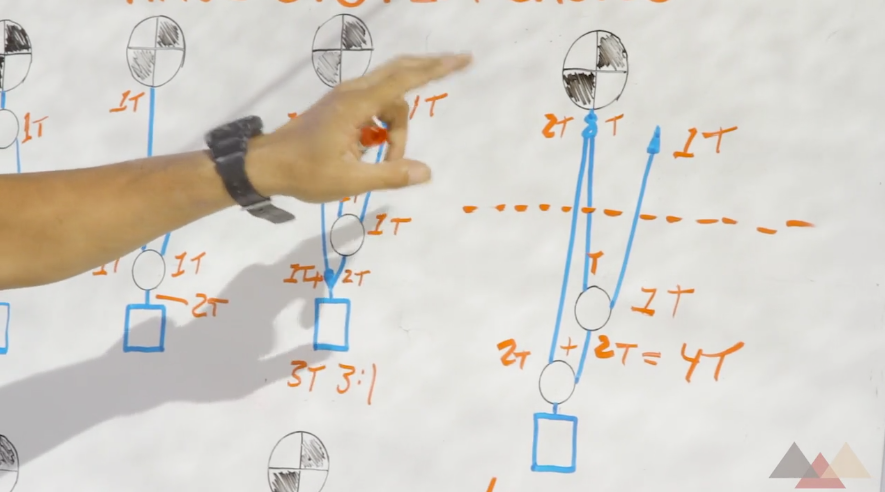
Ascenders and Clamps: Calculating Mechanical Advantage Understanding the function and mechanics of ascenders and clamps is crucial in rope rigging, rescue operations, and climbing applications. These tools allow for controlled ascension, secure rope handling, and efficient mechanical advantage systems. While their use may seem straightforward, calculating mechanical advantage and incorporating these devices into rigging systems

How to Calculate Mechanical Advantage Read More »

Embracing Imperfection in Training - Technical Rope Rescue Mastery - Framing the Rope Rescue Disciplines

3 Tips for Online Learning in Rescue Training

3 Tips for Online Learning in Rescue Training The transition to online training is no longer a question of “if” but “how effectively.” For rigging professionals in the fire service, Sheriff’s Search and Rescue, and other emergency services, online education has become a crucial part of skill development. However, challenges in engagement, participation, and learning

3 Tips for Online Learning in Rescue Training Read More »

Tracking Skate Block System

Tracking Skate Block System

A Quick Look at the Tracking Skate Block System A tracking skate block system offers a simple, efficient, and reliable method to move people or loads from top to bottom without diving deeply into complex calculations. While no rigging system can bypass the need for understanding safety margins and proper deployment, the trackline skate block

Tracking Skate Block System Read More »

Tools vs Knowledge

Tools vs Knowledge

Tools vs. Knowledge: Which Matters More in Rigging and Rescue? In technical rescue and rigging, the debate over the importance of tools versus knowledge is a frequent topic of discussion. While tools—such as carabiners, pulleys, and ropes—are essential for the work, they are inanimate objects that require the wisdom, understanding, and experience of the user

Tools vs Knowledge Read More »

8 Stages of Creativity in Rigging

8 Stages of Creativity in Rigging

8 Stages of Creativity in Rigging is not a mystery.  We are meant and created to be… creative.  But just like every tool in the shop, or every piece of gear in the cache, we all have varying degrees of talents and skills.  Creativity is not a rare insight, that only rare and odd people

8 Stages of Creativity in Rigging Read More »